✨ New Arrivals Just Dropped!Explore
HomeStore

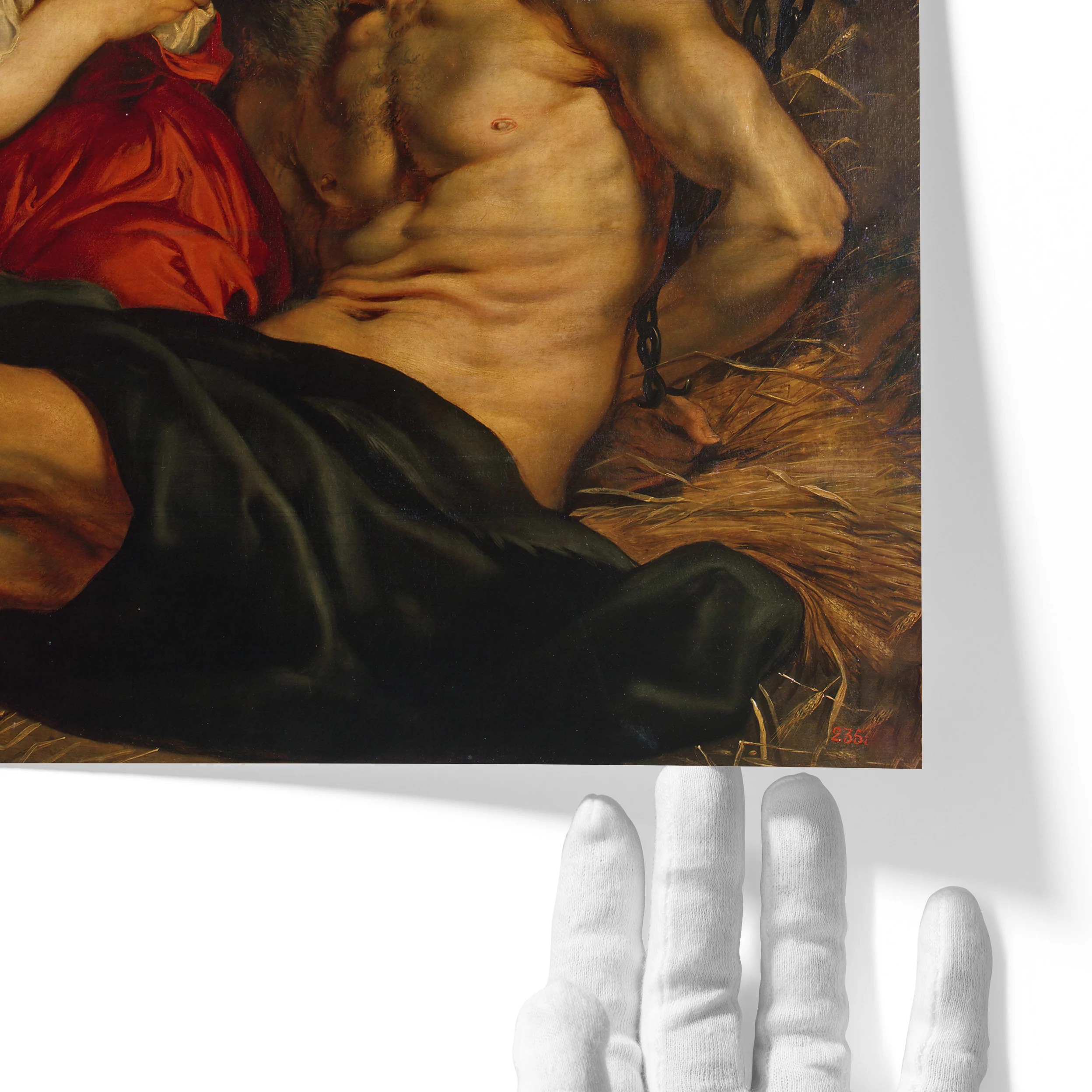
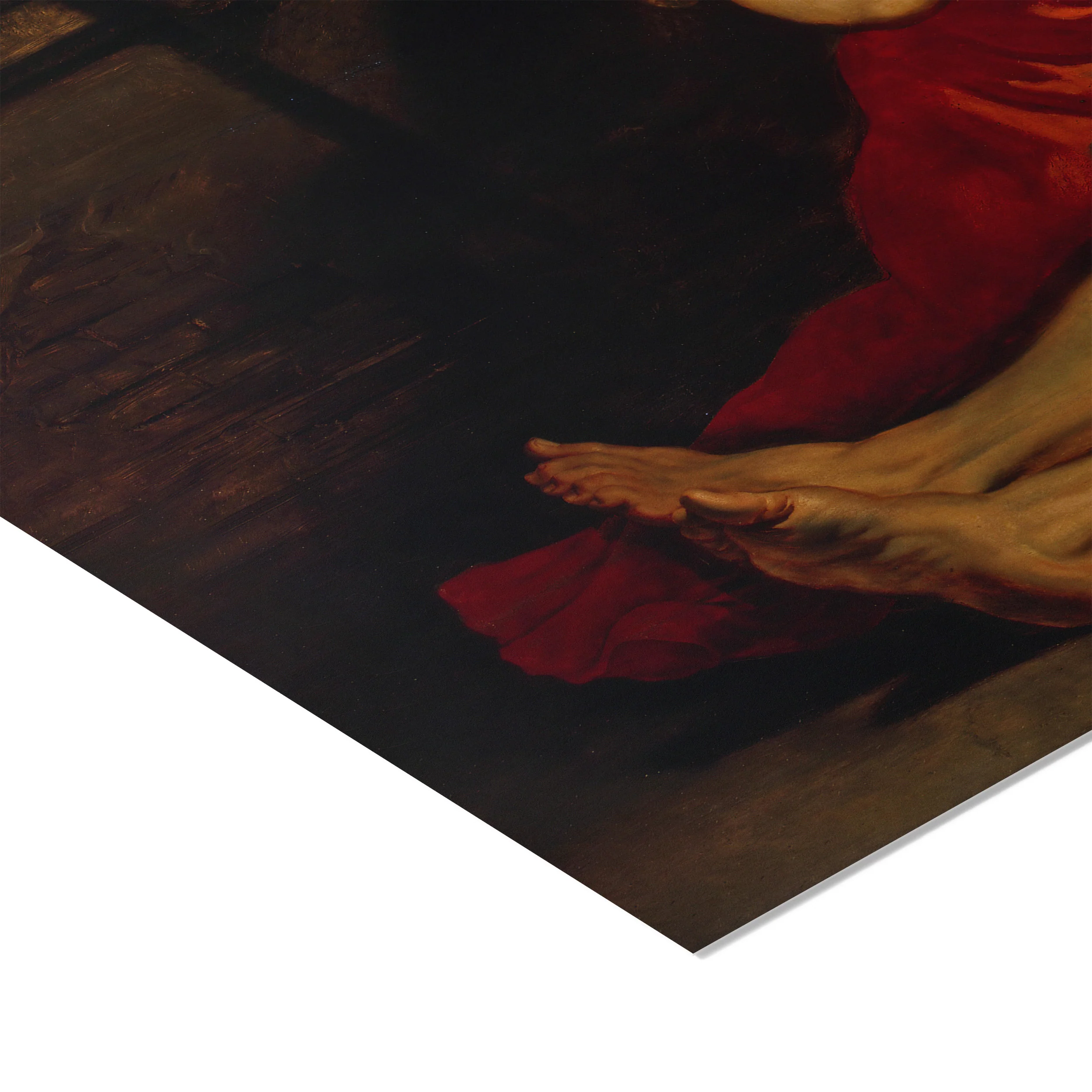
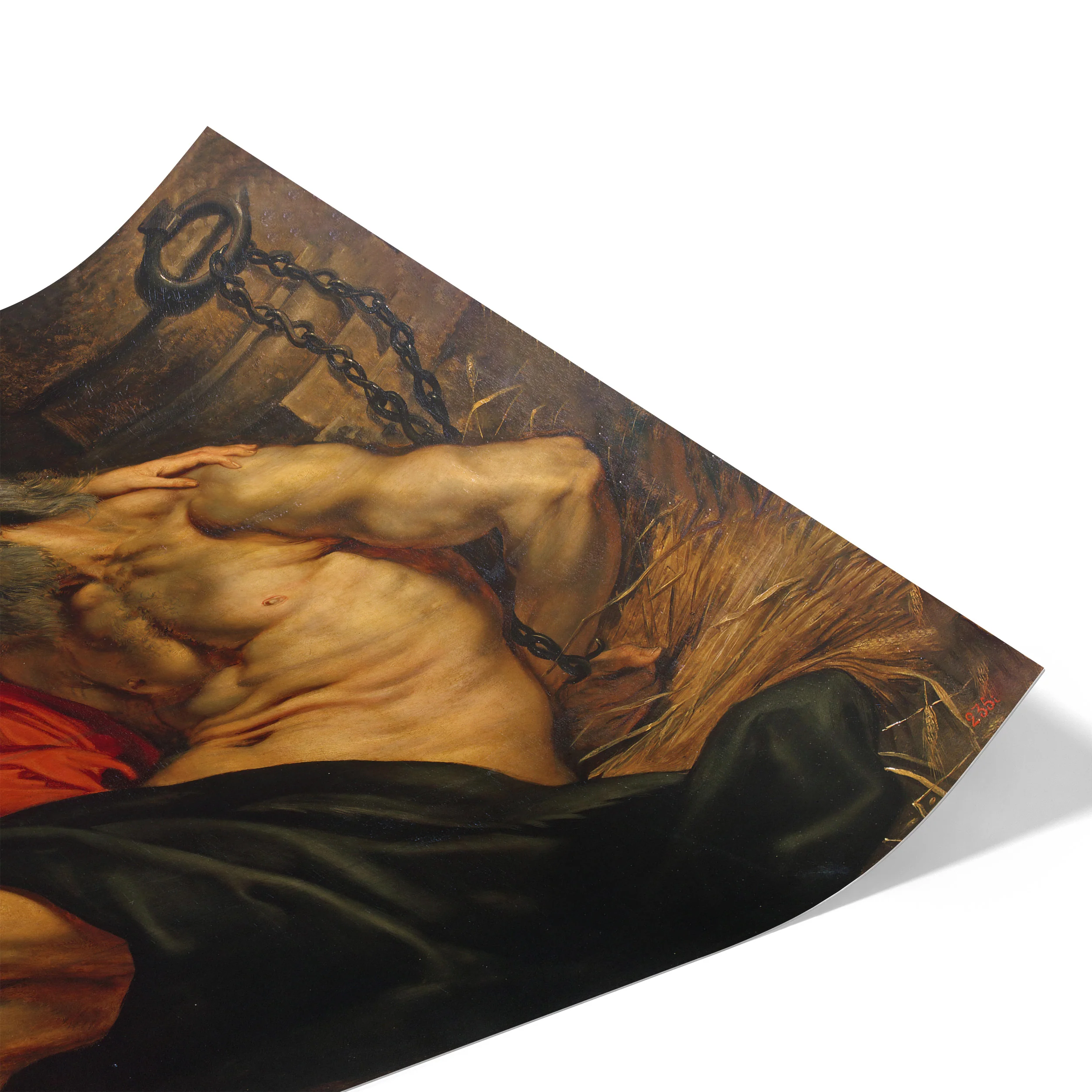
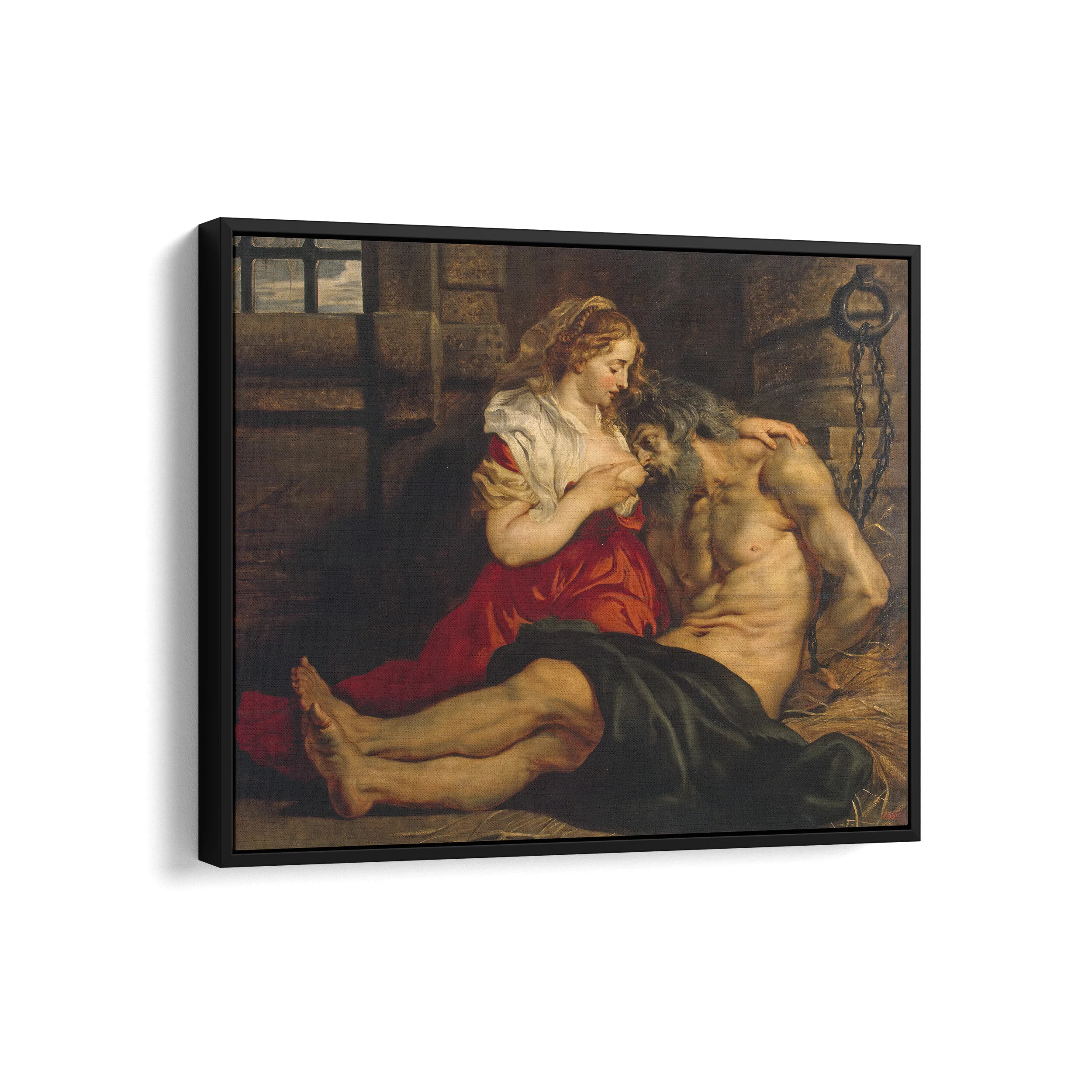
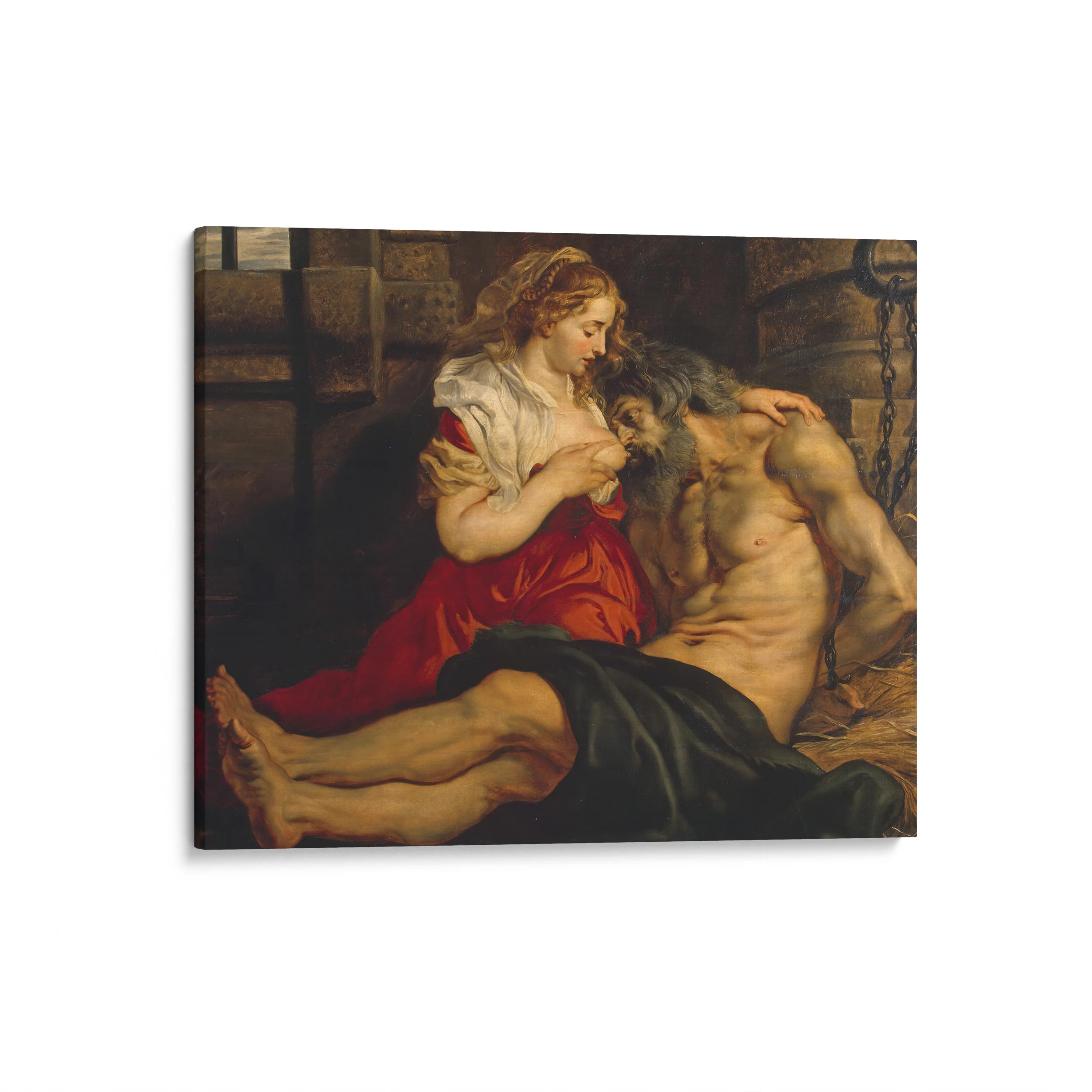
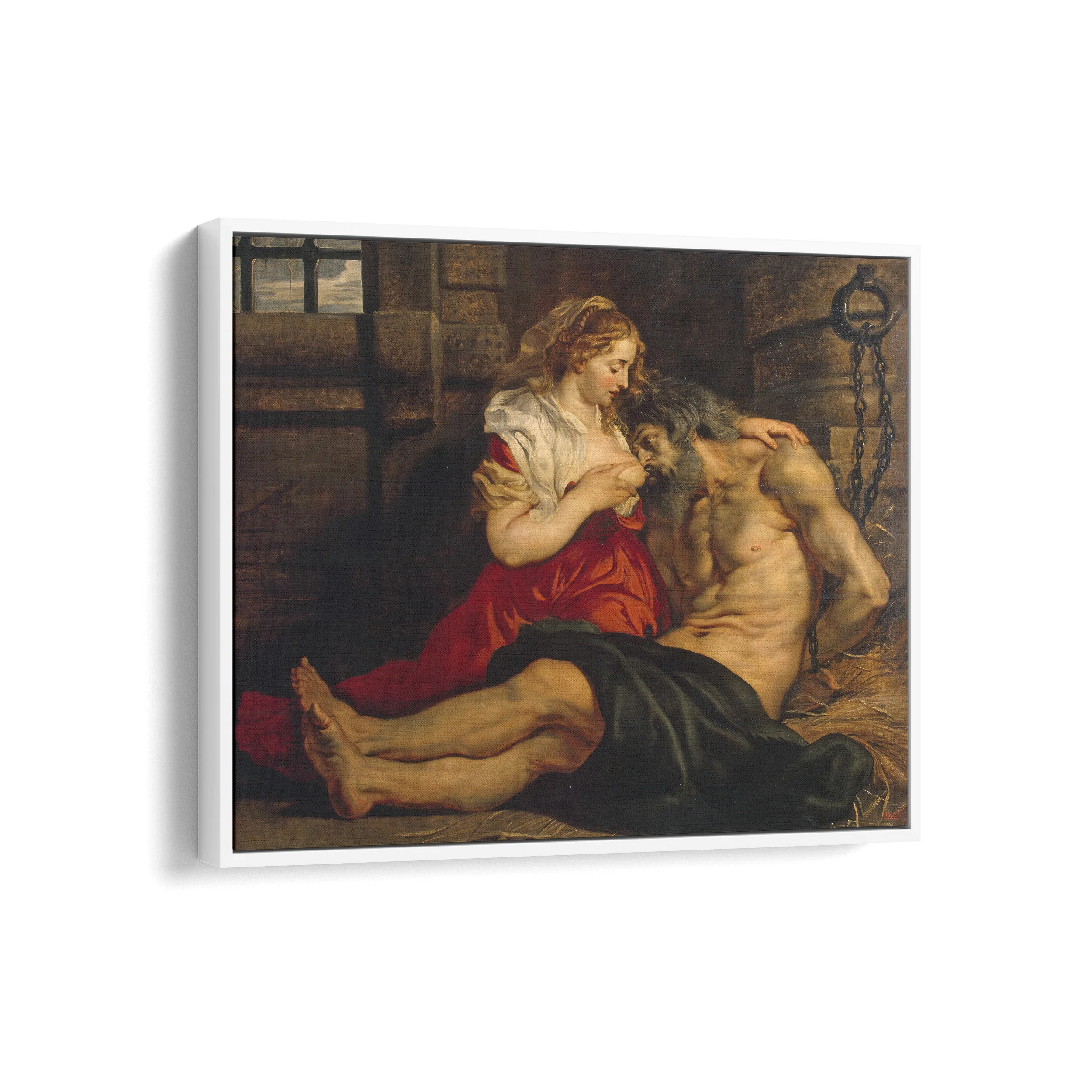
Cimon and Pero | Peter Paul Rubens | c. 1612

Product image 1
Product image 2
Product image 3
Product image 4
Product image 5
Product image 6
Product image 7
Product image 8
Product image 9
Product image 10

Cimon and Pero | Peter Paul Rubens | c. 1612

Cimon and Pero | Peter Paul Rubens | c. 1612

About the artwork:

Peter Paul Rubens’ Cimon and Pero (c. 1612) dramatizes the ancient Roman tale of filial piety, where the imprisoned old man Cimon is secretly kept alive by the selfless act of his daughter Pero, who nurses him at her own breast. Rubens heightens the tension of the scene through his typically dynamic composition and voluptuous handling of flesh, contrasting the frailty of the starving father with the youthful vitality of the daughter. The intimate and morally charged act is depicted with both tenderness and sensuality, a duality characteristic of Rubens’ ability to merge the sacred with the corporeal. Light falls directly on Pero, casting her as both savior and moral exemplar, while the darker tones surrounding Cimon emphasize his vulnerability and dependence. In Rubens’ hands, this episode becomes not only a story of survival and familial devotion but also an exploration of themes of sacrifice, love, and the complex intersections of necessity and taboo.

Select Select Size
Select Frame Options
From $89.35

Original: $297.82

-70%
Cimon and Pero | Peter Paul Rubens | c. 1612

$297.82

$89.35

Product Information

Shipping & Returns

Description

About the artwork:
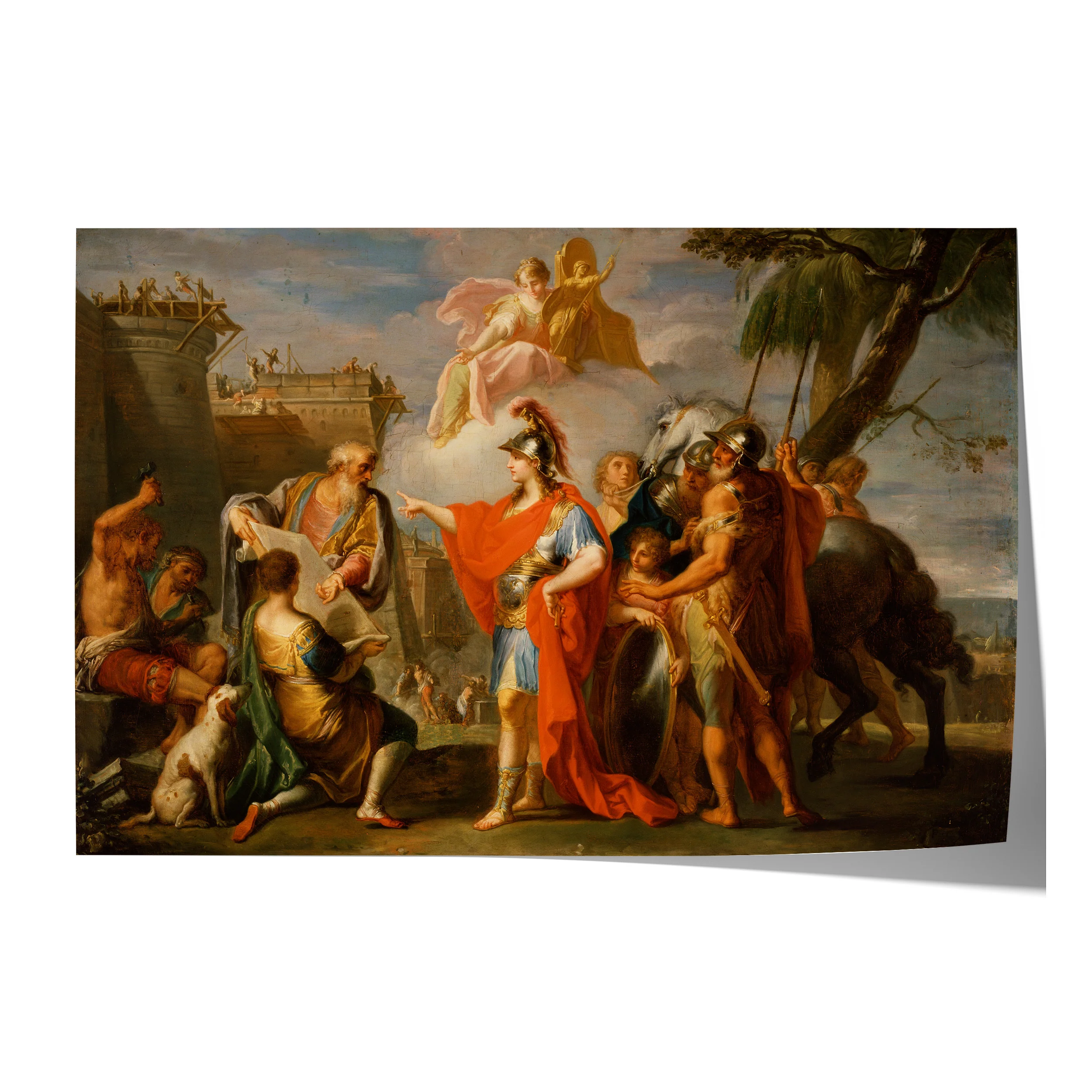
Peter Paul Rubens’ Cimon and Pero (c. 1612) dramatizes the ancient Roman tale of filial piety, where the imprisoned old man Cimon is secretly kept alive by the selfless act of his daughter Pero, who nurses him at her own breast. Rubens heightens the tension of the scene through his typically dynamic composition and voluptuous handling of flesh, contrasting the frailty of the starving father with the youthful vitality of the daughter. The intimate and morally charged act is depicted with both tenderness and sensuality, a duality characteristic of Rubens’ ability to merge the sacred with the corporeal. Light falls directly on Pero, casting her as both savior and moral exemplar, while the darker tones surrounding Cimon emphasize his vulnerability and dependence. In Rubens’ hands, this episode becomes not only a story of survival and familial devotion but also an exploration of themes of sacrifice, love, and the complex intersections of necessity and taboo.