✨ New Arrivals Just Dropped!Explore
HomeStore

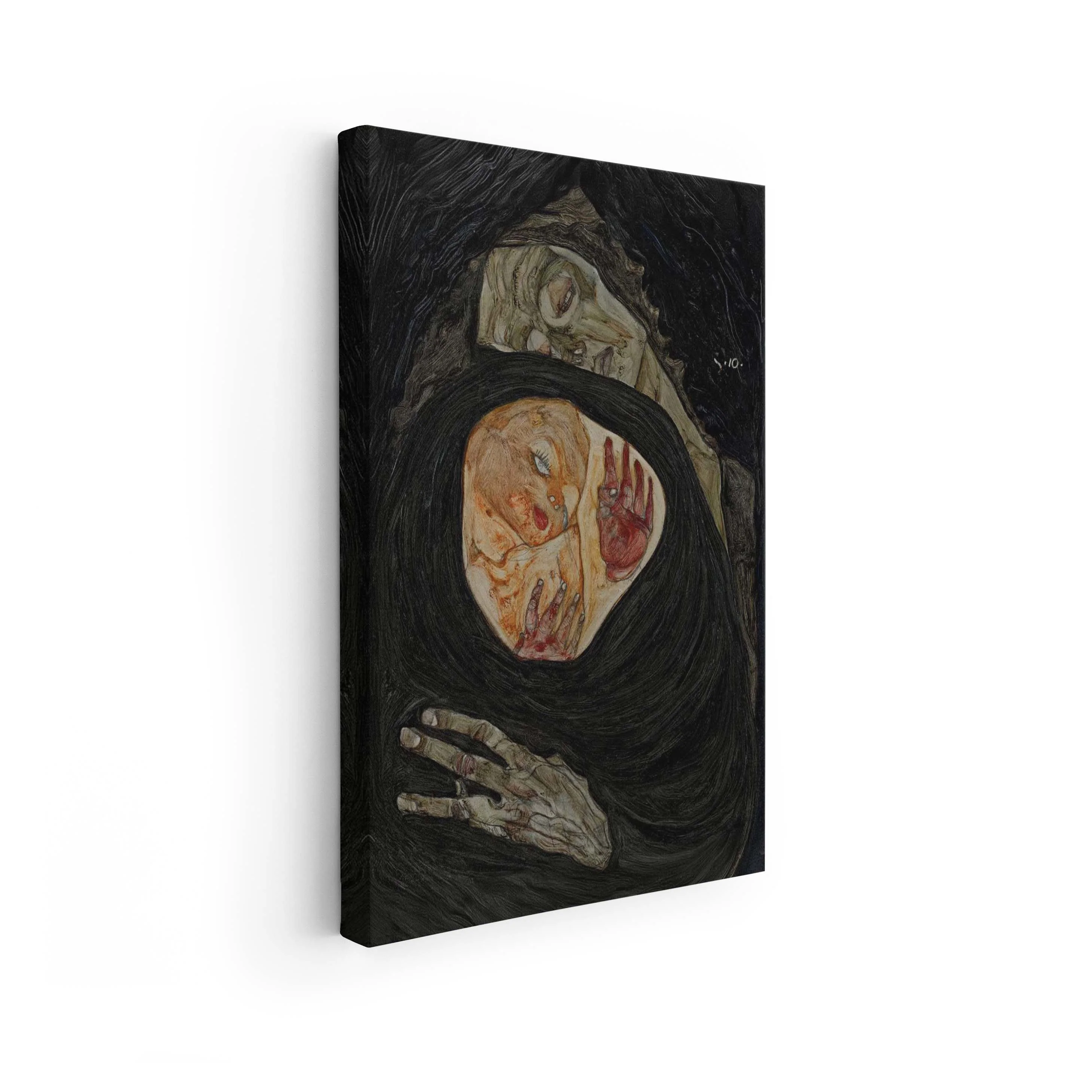
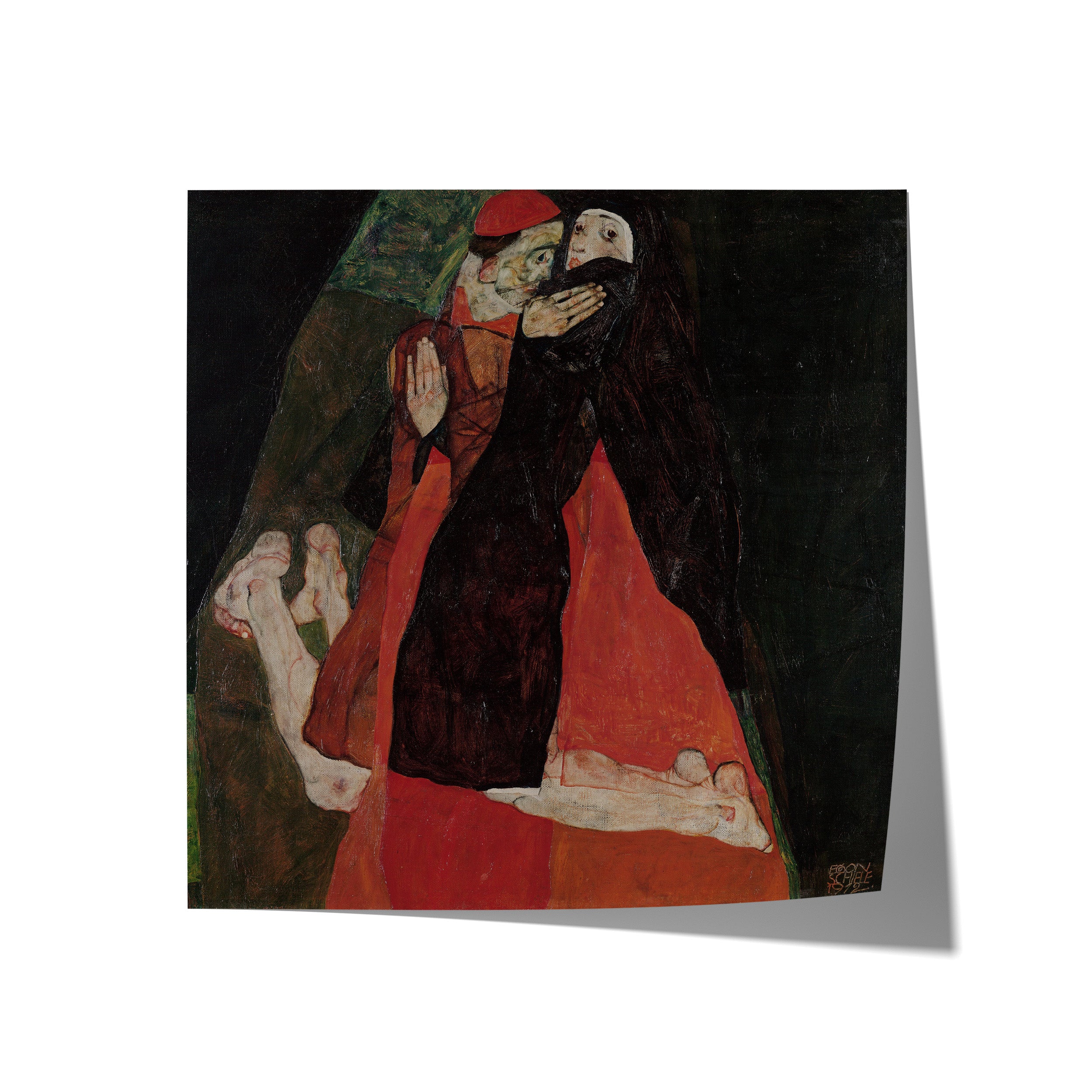
Dead Mother | Egon Schiele | 1910

Product image 1
Product image 2
Product image 3
Product image 4
Product image 5
Product image 6
Product image 7
Product image 8
Product image 9

Dead Mother | Egon Schiele | 1910

Dead Mother | Egon Schiele | 1910

About the artwork:

"Dead Mother" by Egon Schiele, painted in 1910, is a haunting and emotionally charged work that reflects Schiele's Expressionist style. The painting depicts a deeply unsettling image of a child curled up against the body of a deceased mother, wrapped in a distorted and almost skeletal form. Schiele uses jagged lines, muted earth tones, and stark contrasts to create a sense of tension and grief.

This work belongs to Schiele’s early period, where themes of death, isolation, and human vulnerability were prominent. The raw emotion in "Dead Mother" speaks to Schiele's own experiences with loss, as his mother had a profound influence on his life, and he often explored themes of mortality. The painting’s distorted figures and claustrophobic composition evoke a sense of despair, making it a powerful exploration of the fragility of life.

Select Select Size
Select Frame Options
From $89.35

Original: $297.82

-70%
Dead Mother | Egon Schiele | 1910

$297.82

$89.35

Product Information

Shipping & Returns

Description

About the artwork:

"Dead Mother" by Egon Schiele, painted in 1910, is a haunting and emotionally charged work that reflects Schiele's Expressionist style. The painting depicts a deeply unsettling image of a child curled up against the body of a deceased mother, wrapped in a distorted and almost skeletal form. Schiele uses jagged lines, muted earth tones, and stark contrasts to create a sense of tension and grief.

This work belongs to Schiele’s early period, where themes of death, isolation, and human vulnerability were prominent. The raw emotion in "Dead Mother" speaks to Schiele's own experiences with loss, as his mother had a profound influence on his life, and he often explored themes of mortality. The painting’s distorted figures and claustrophobic composition evoke a sense of despair, making it a powerful exploration of the fragility of life.