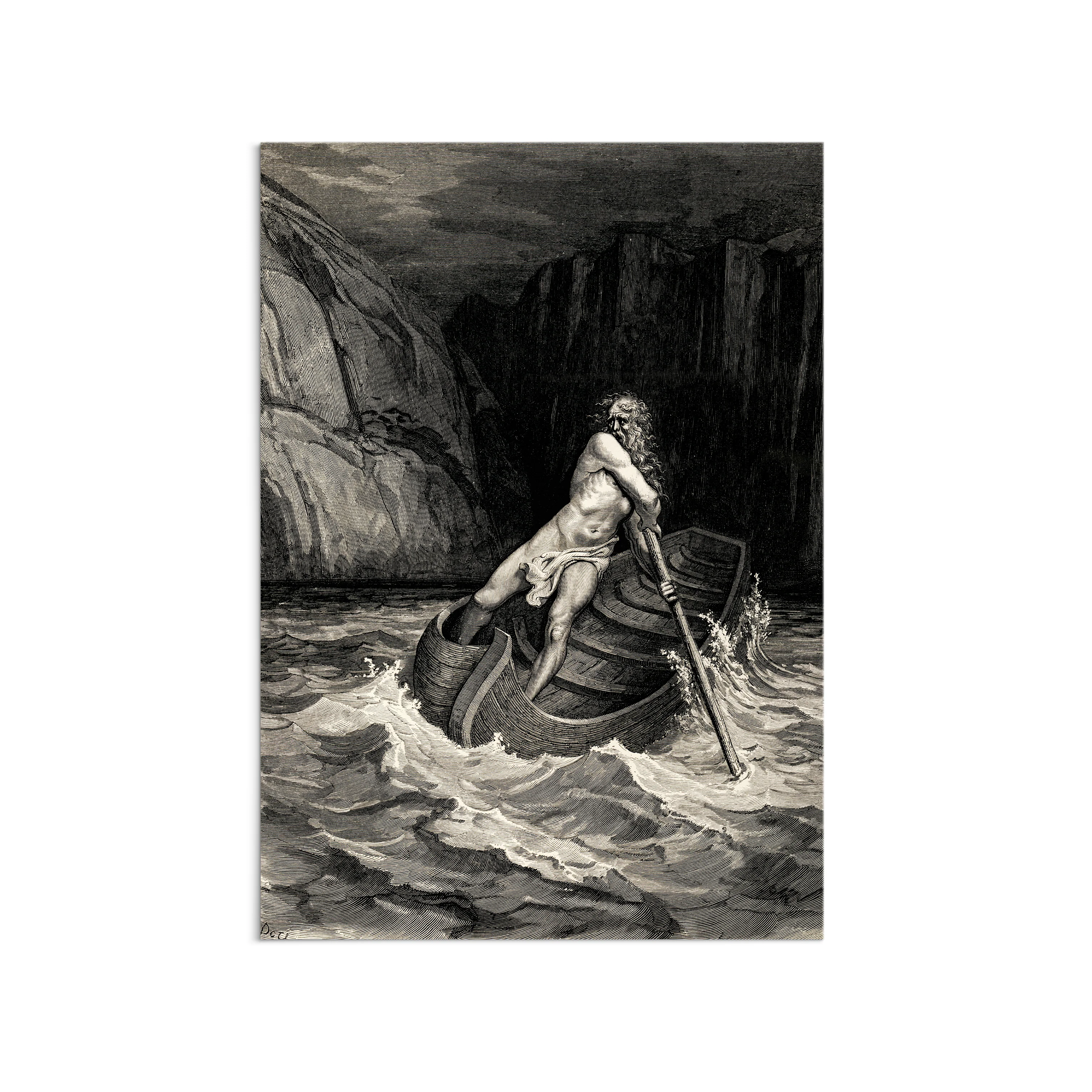
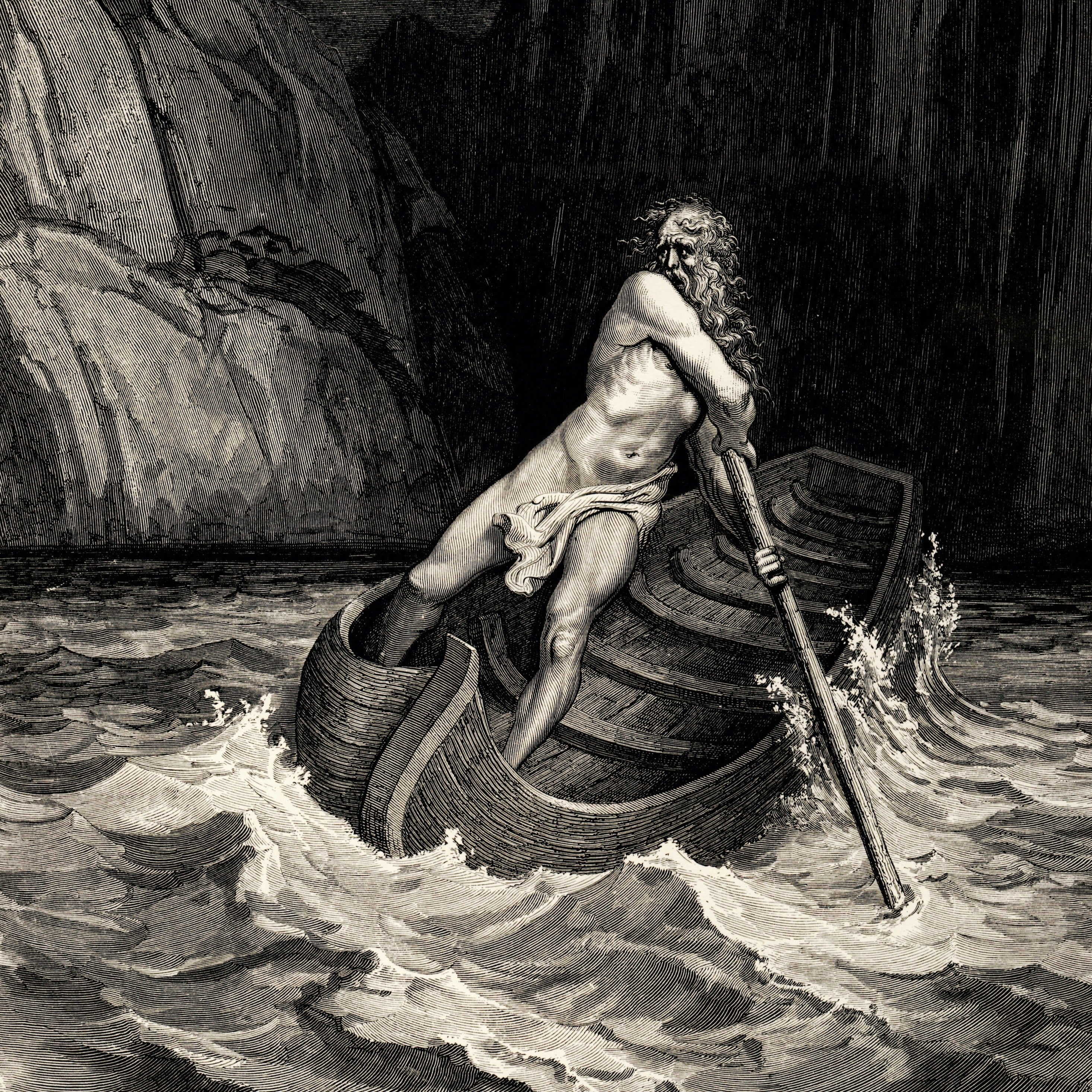
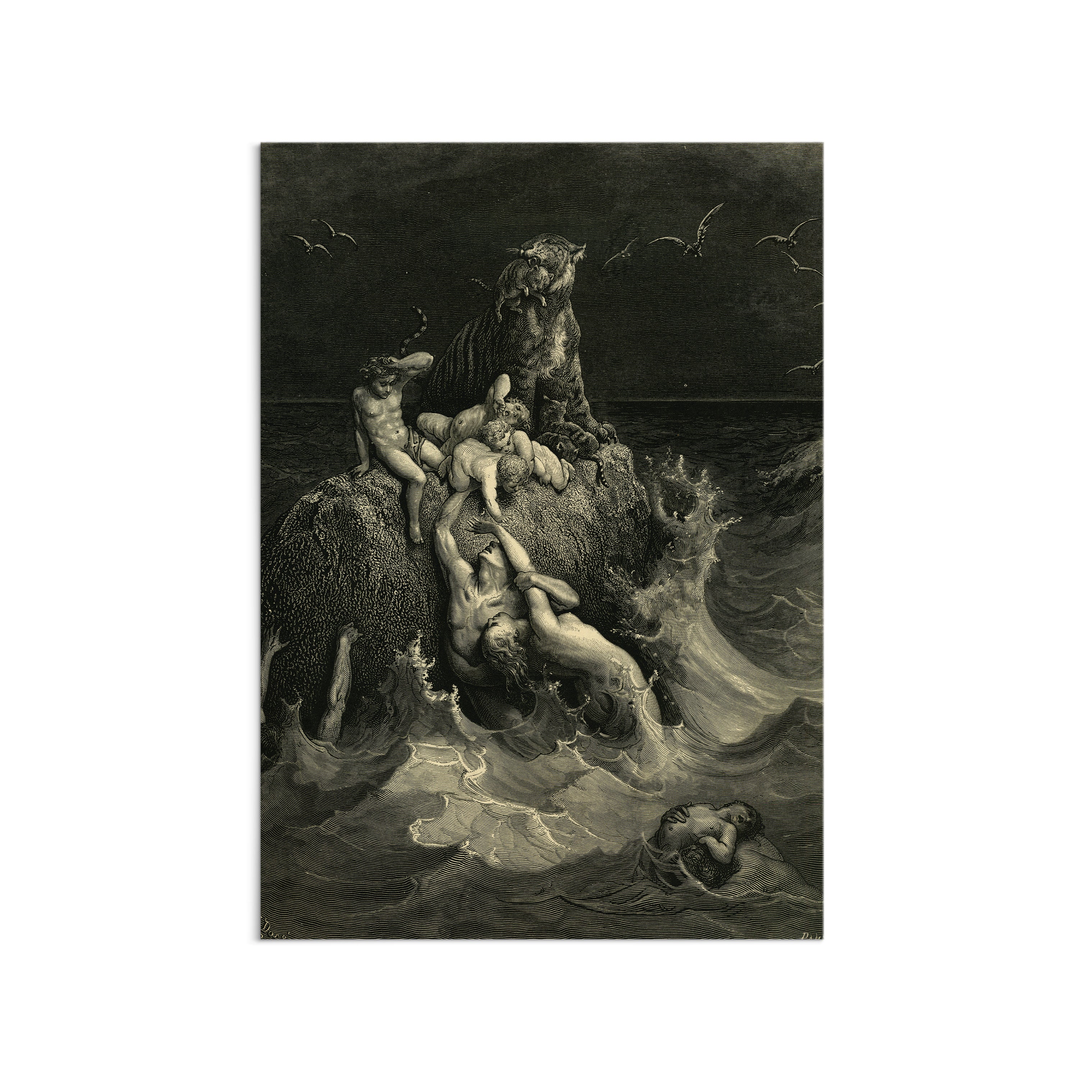
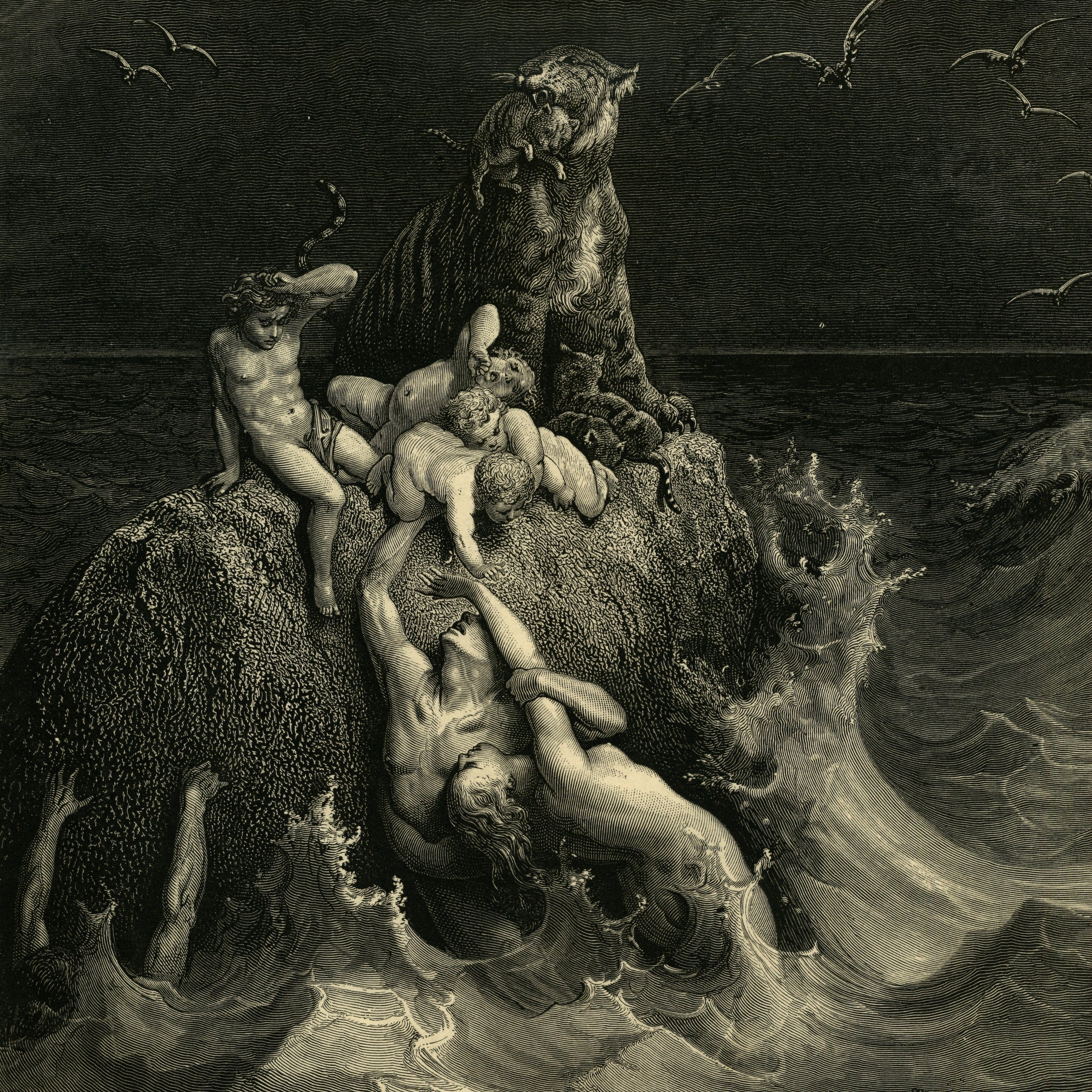
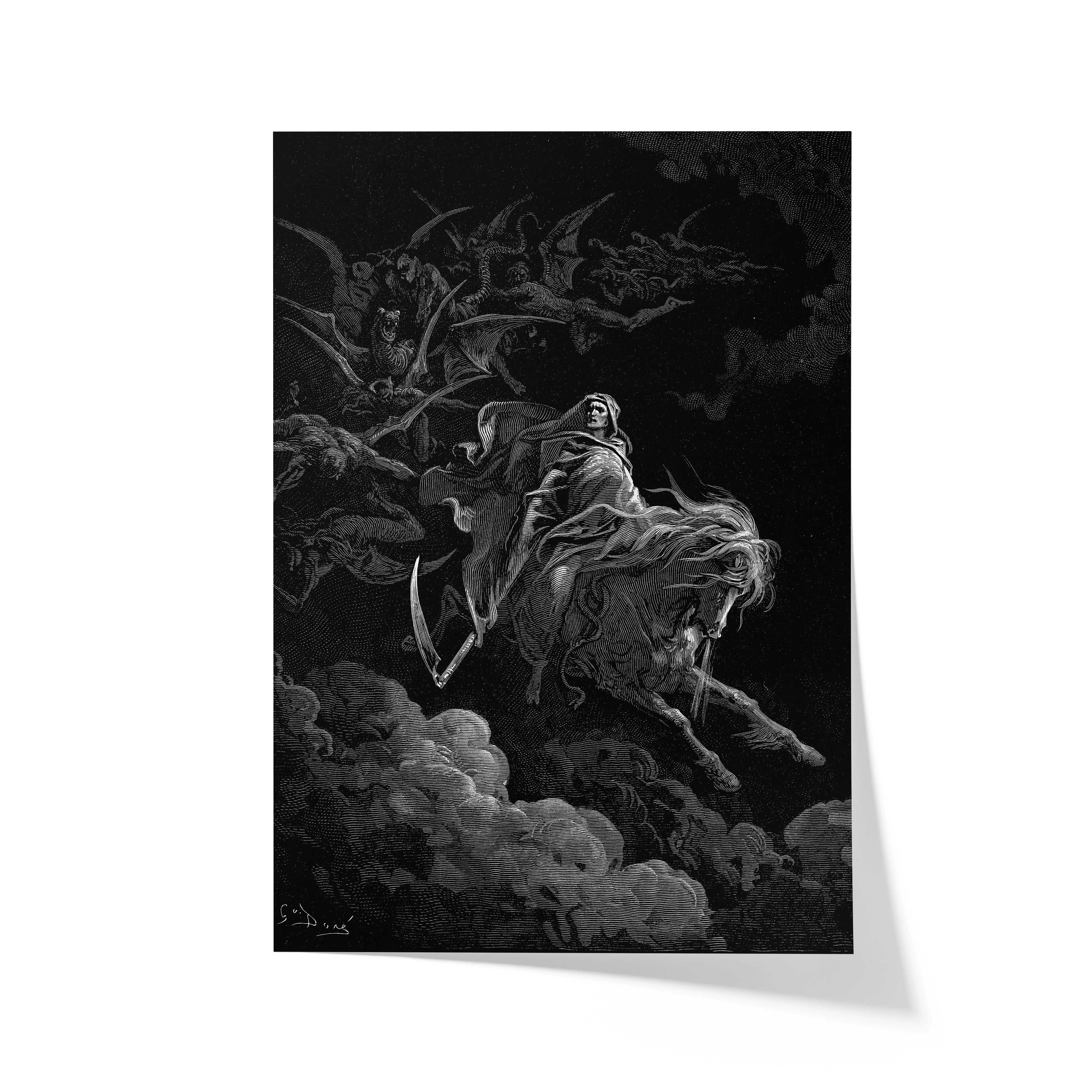
Death on the Pale Horse | Gustave Doré | 1865
About the artwork:
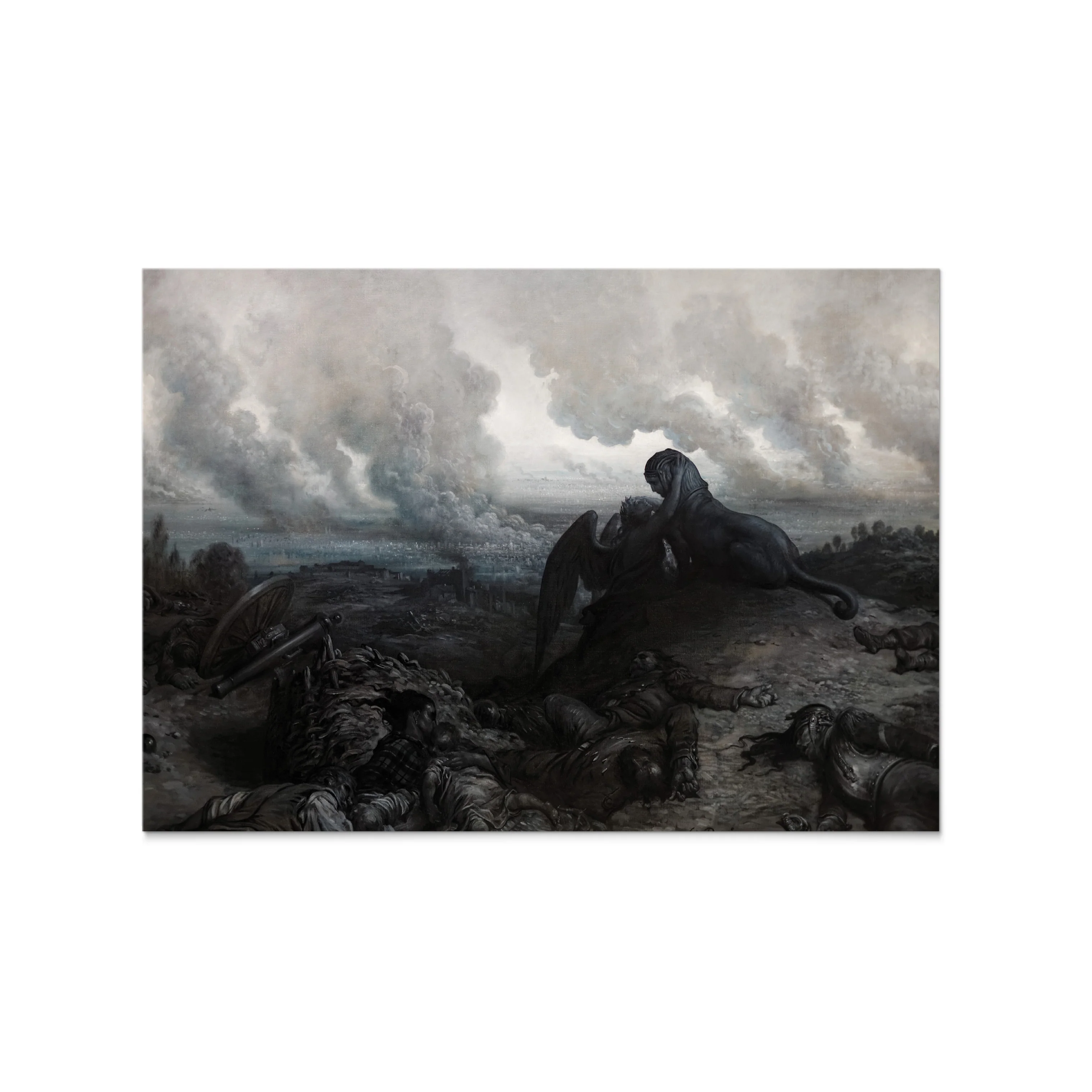
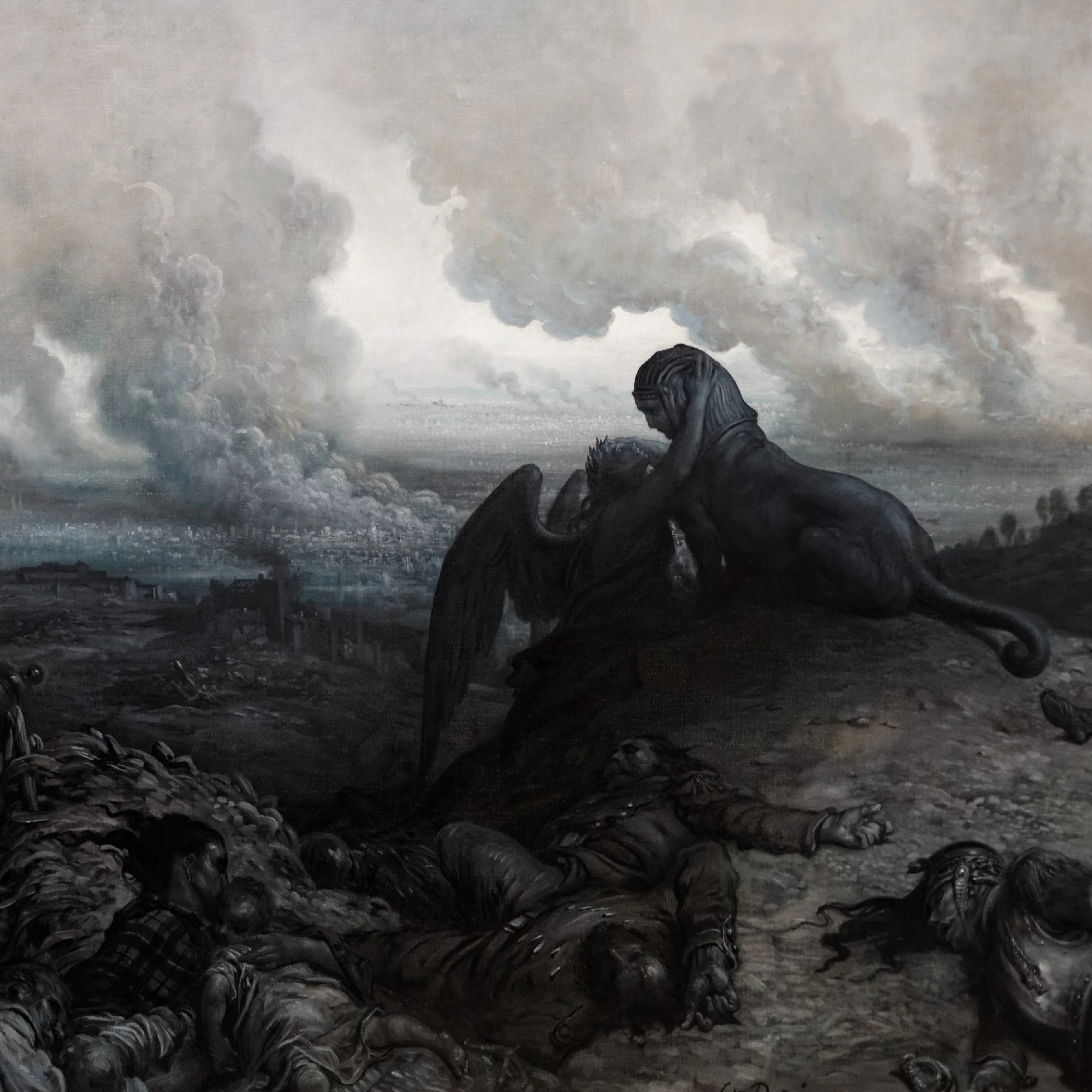
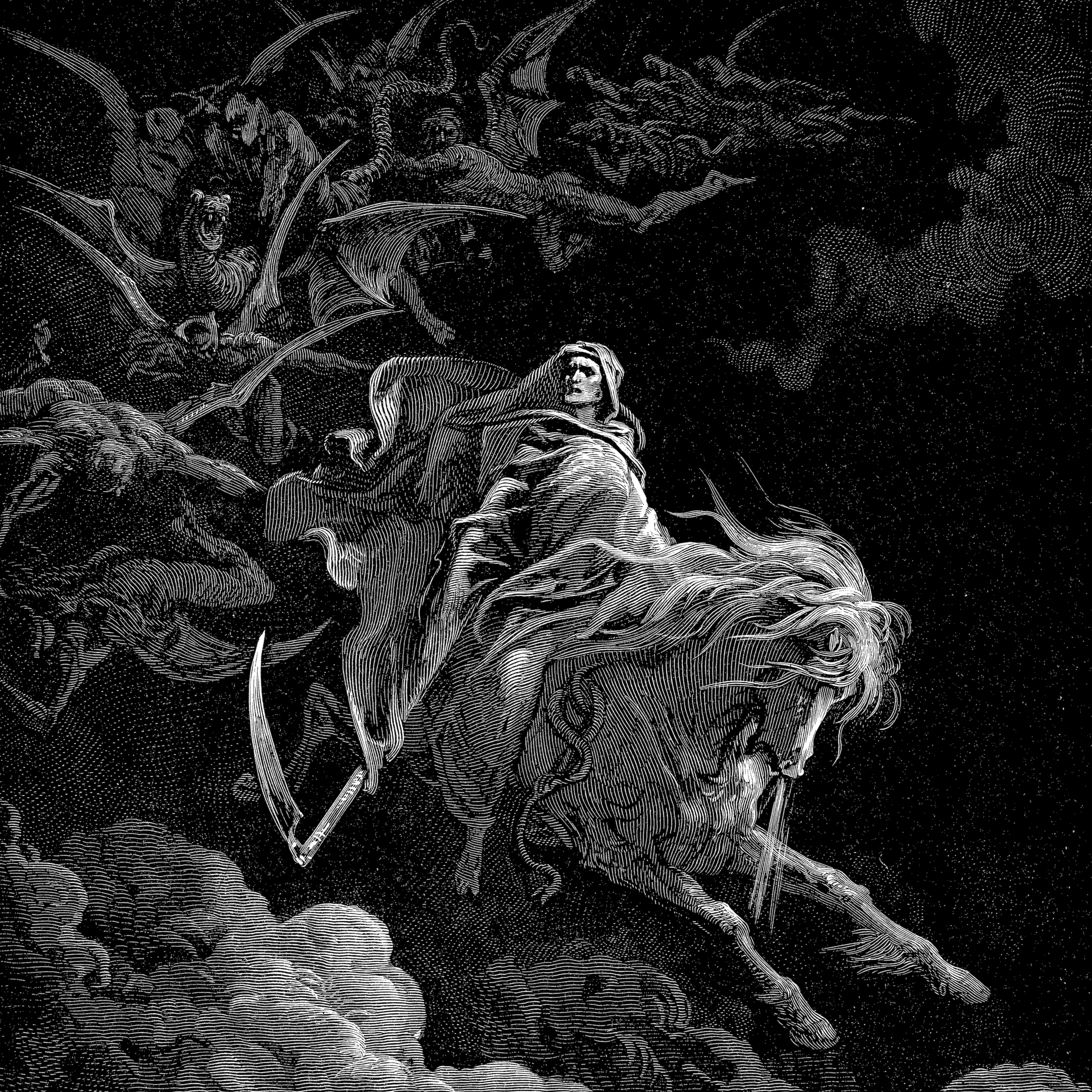
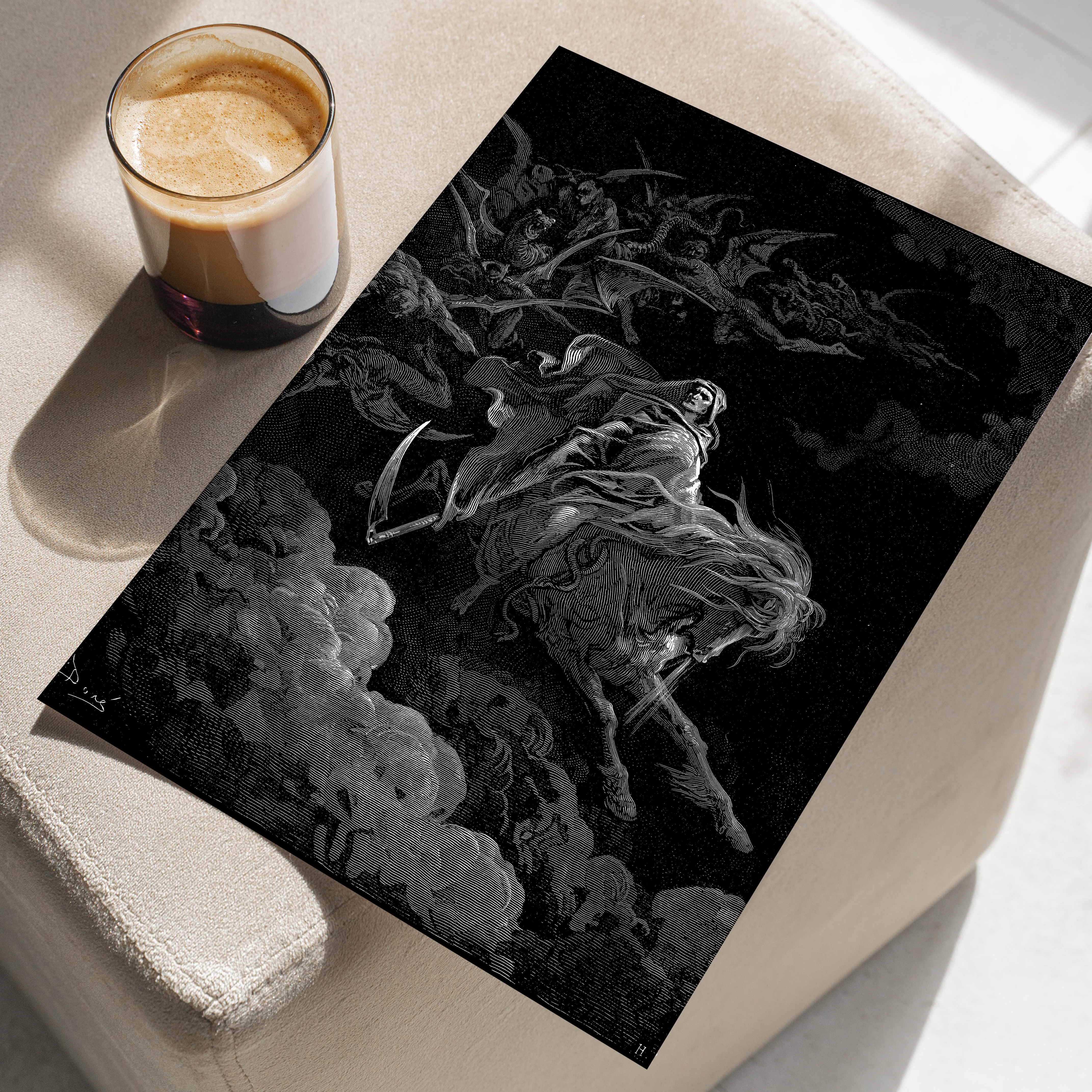
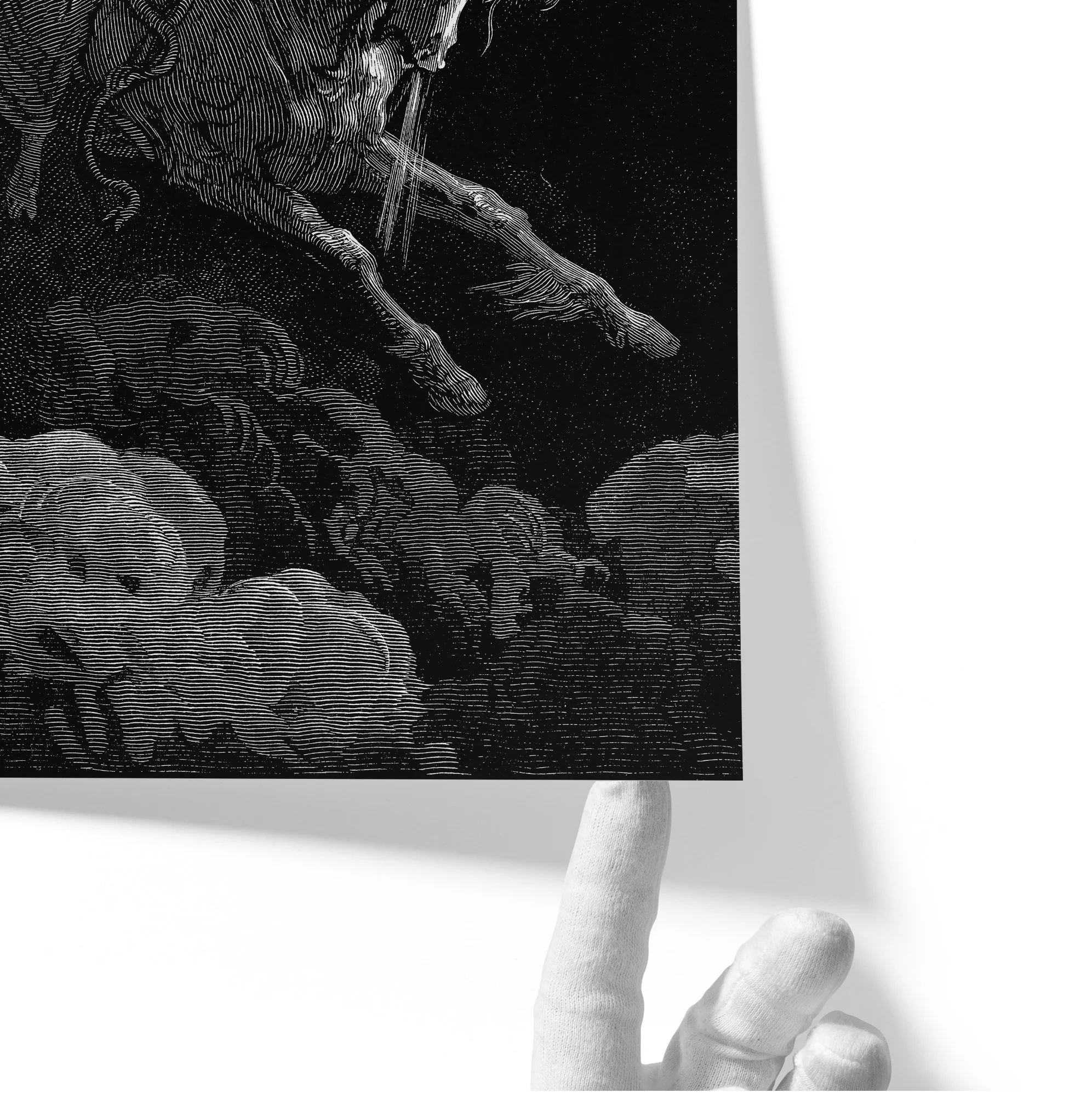
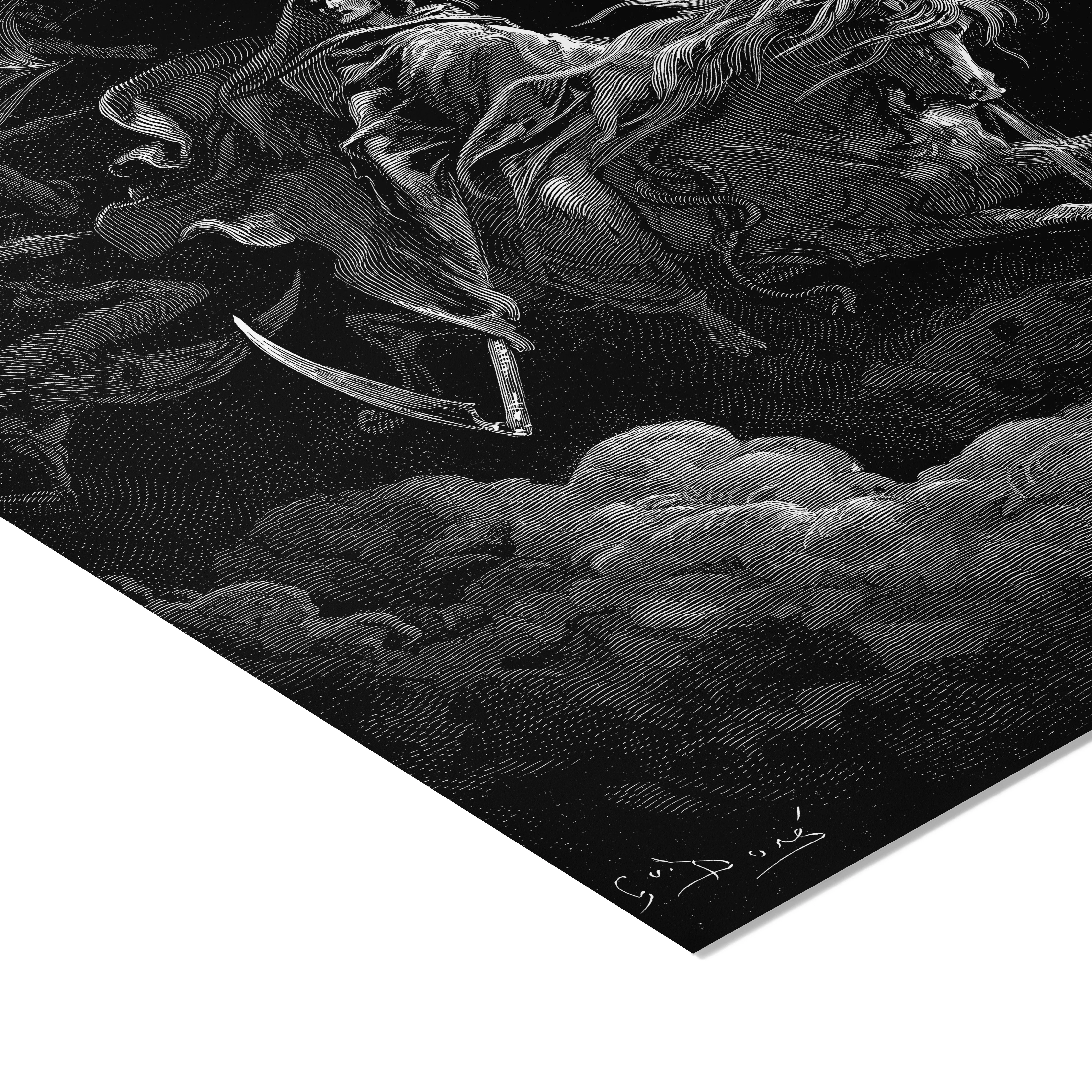
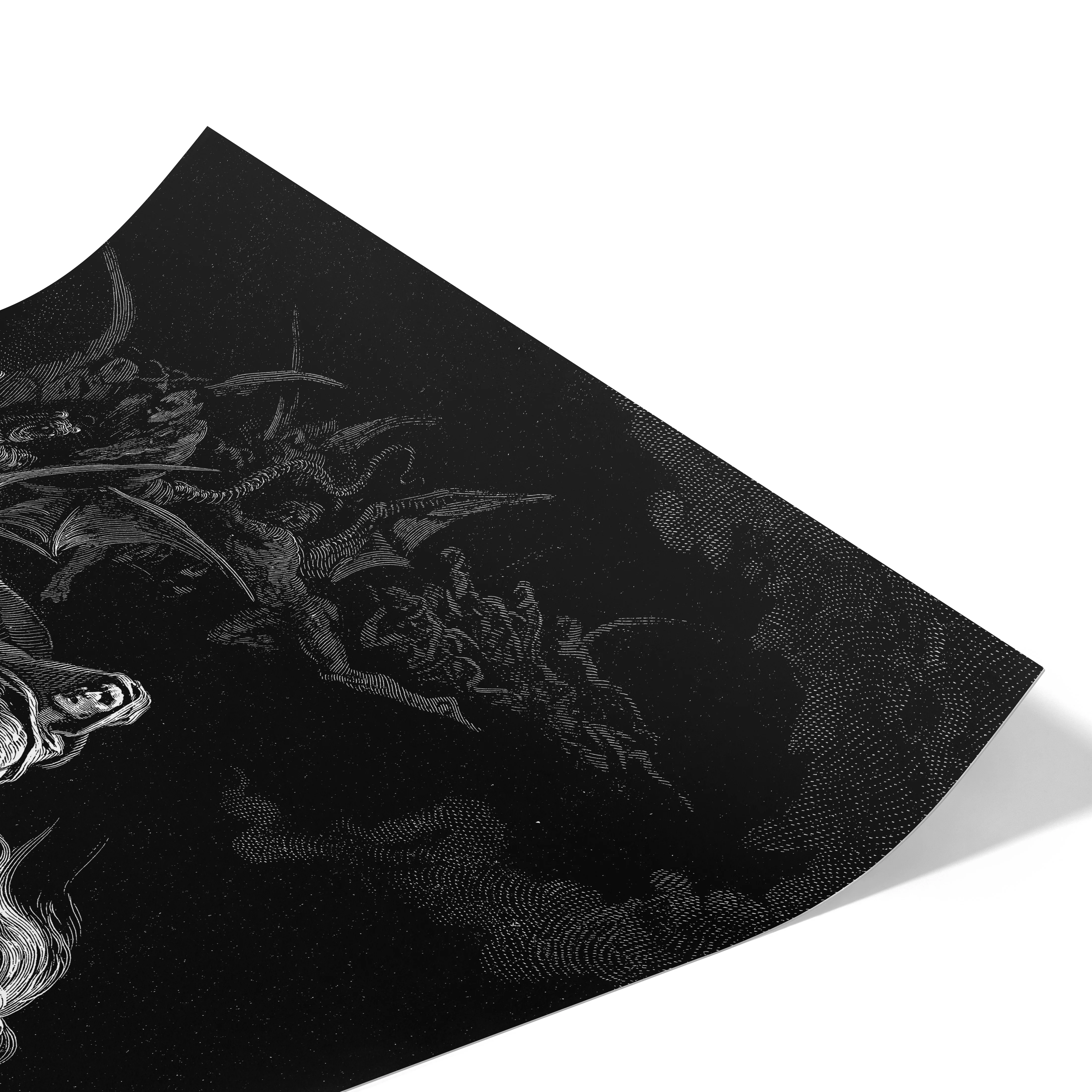
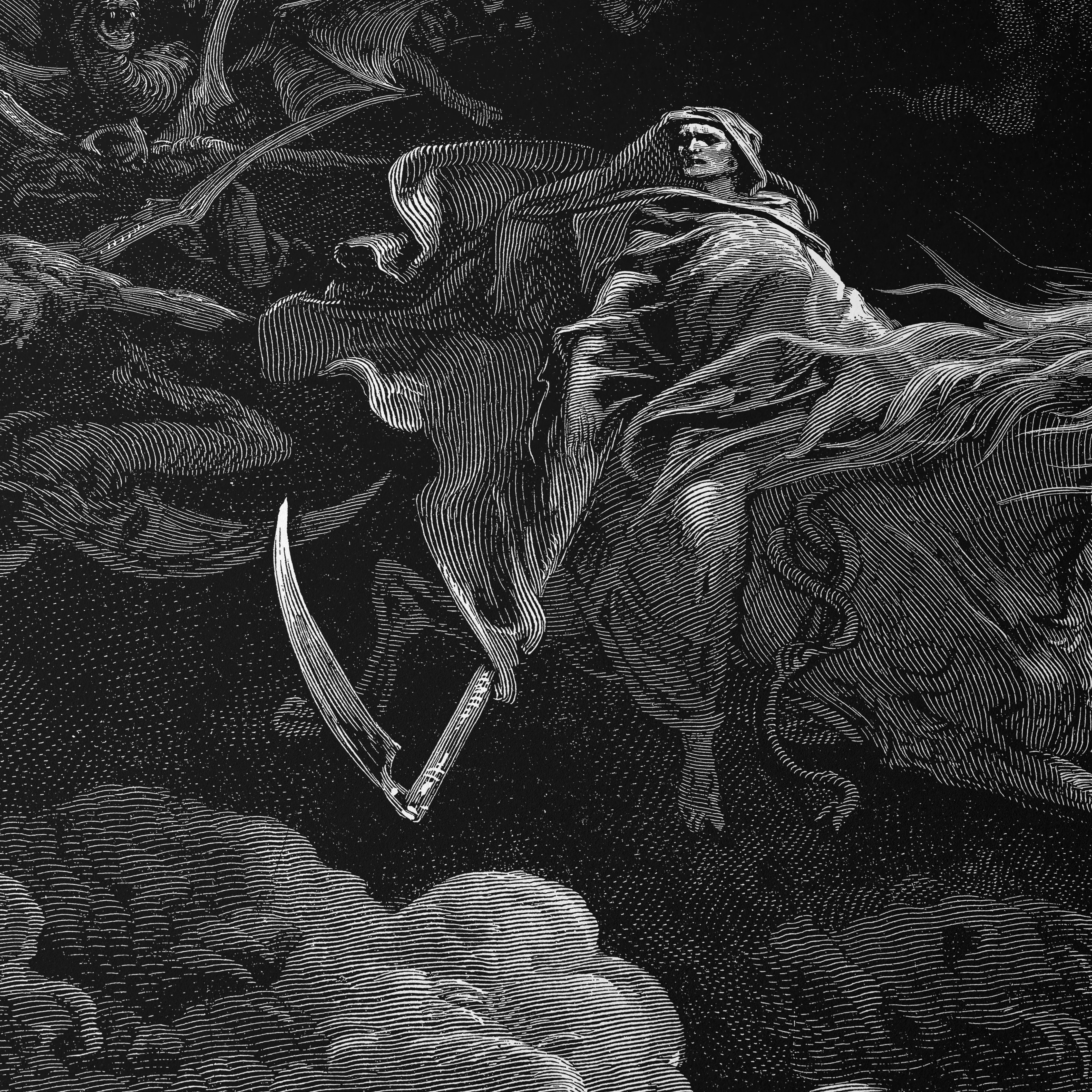
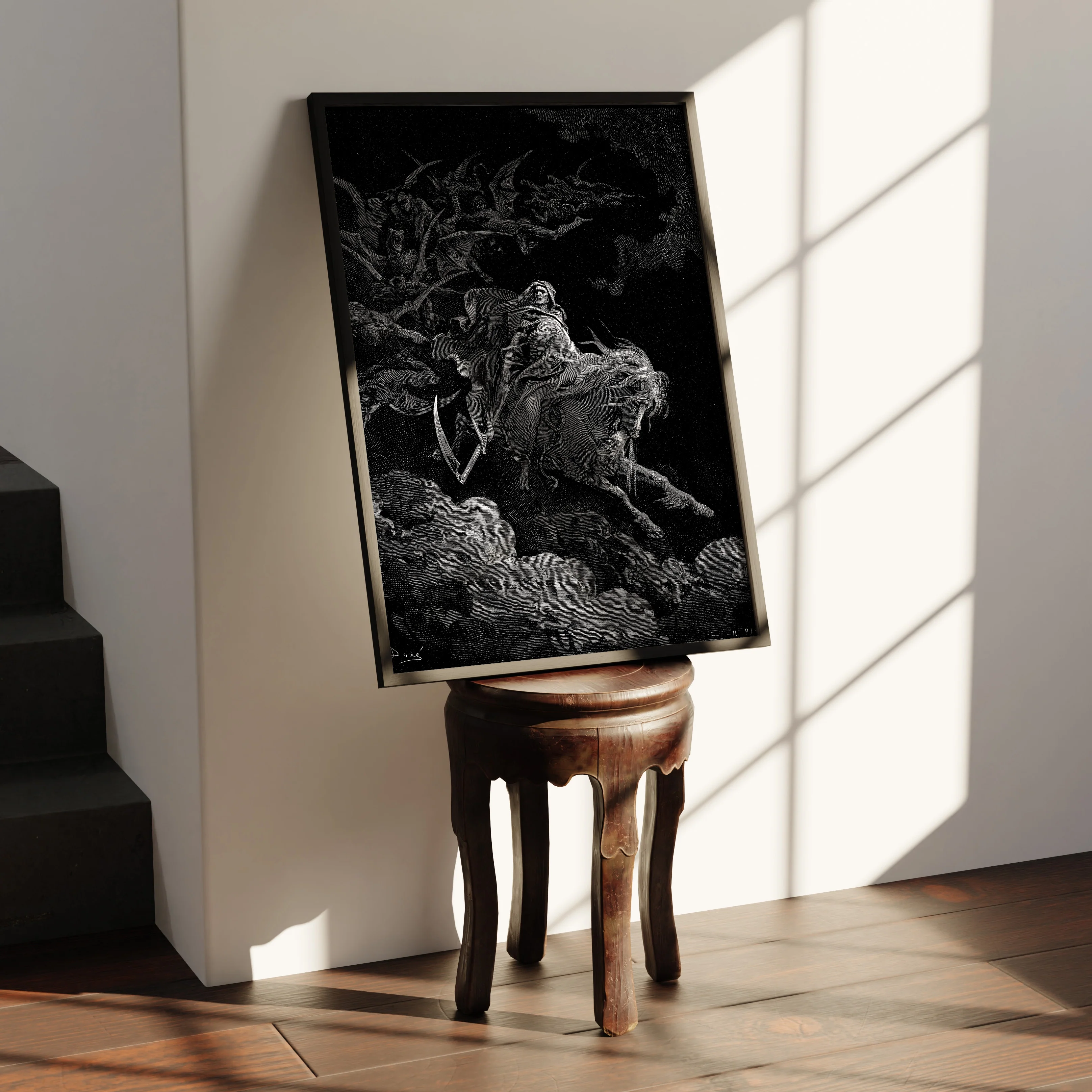
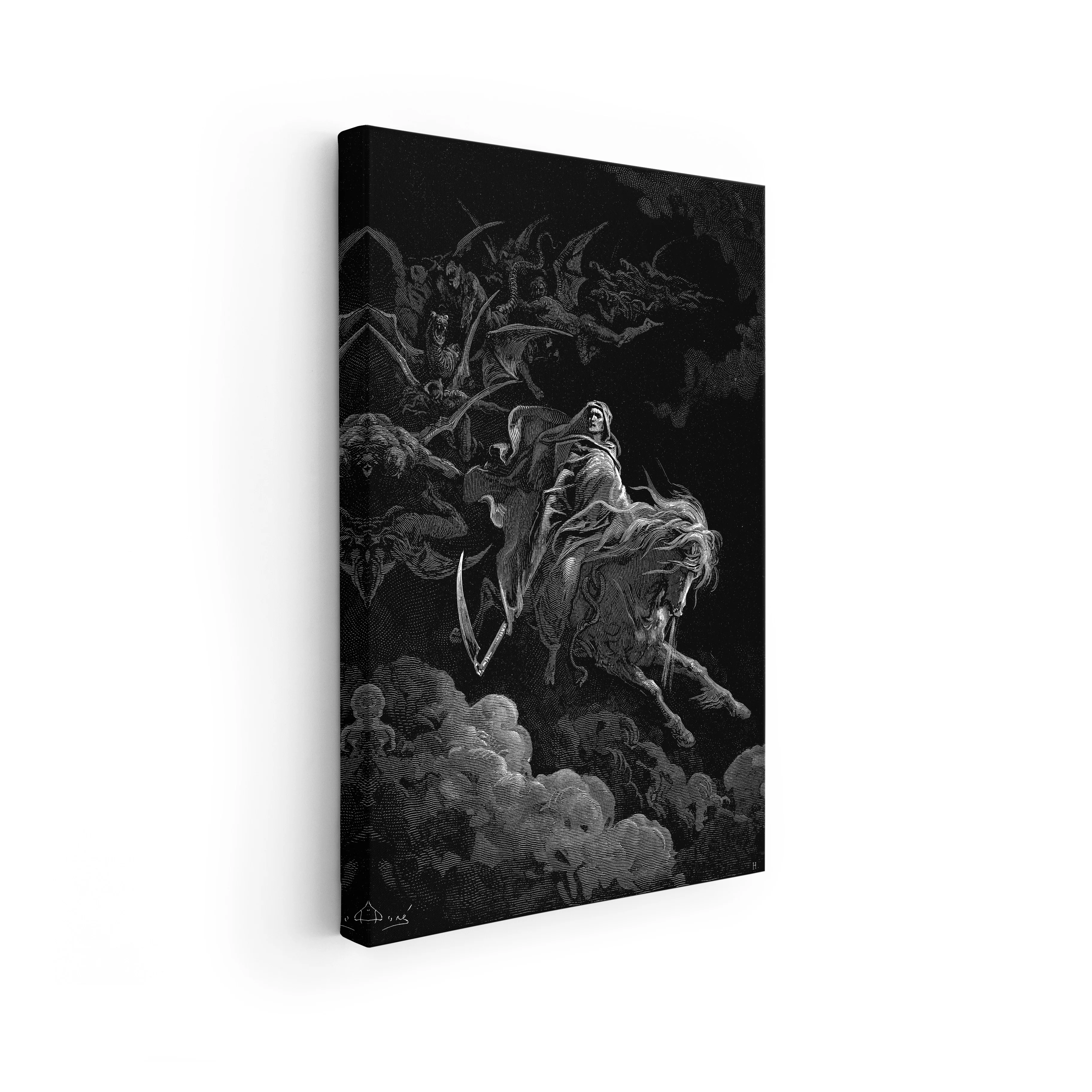
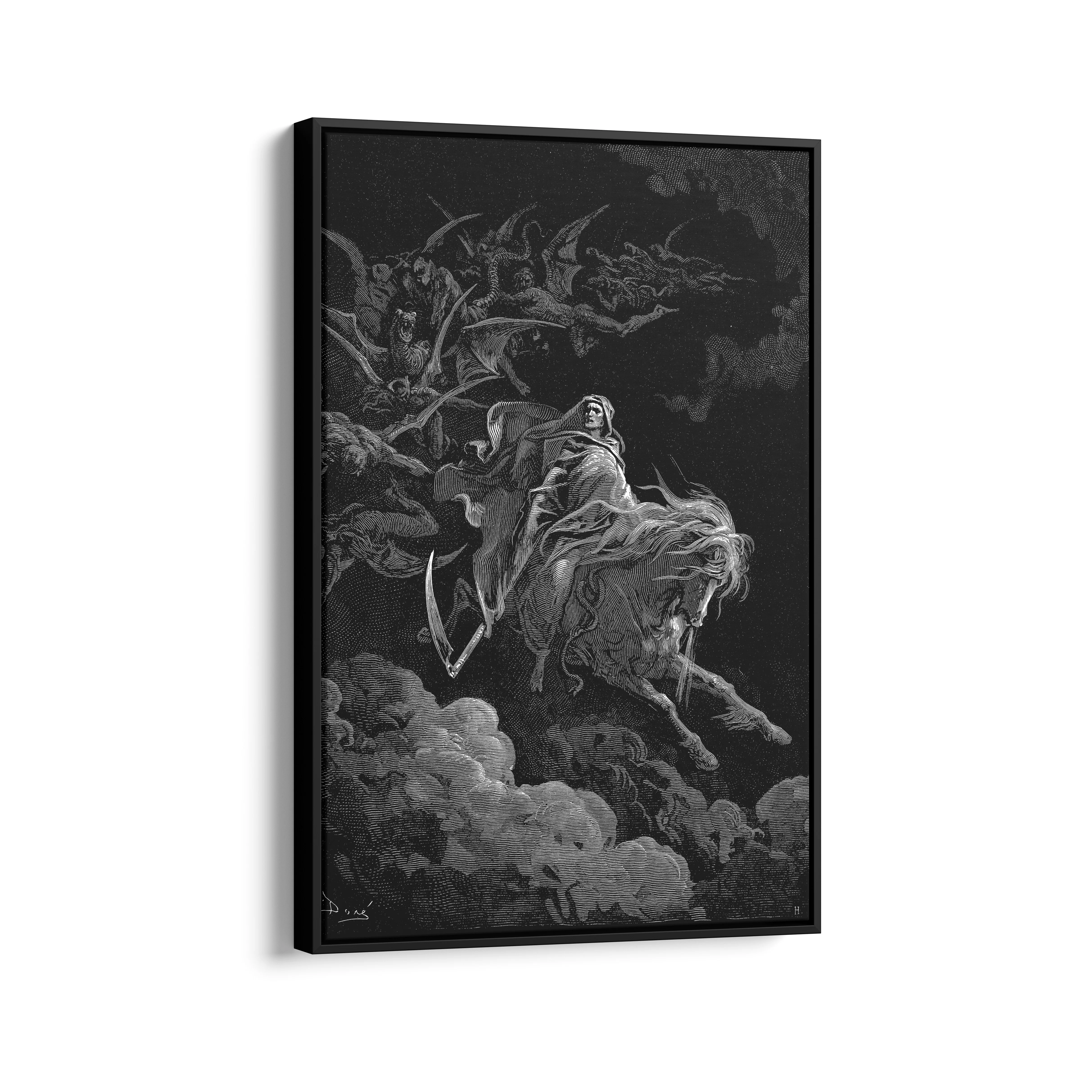
"Death on the Pale Horse" is an illustration created by the French artist Gustave Dore. It is a dramatic depiction of Death as a figure riding a pale horse, with the horse's hooves trampling over the bodies of the fallen. The scene is rendered in a dark, apocalyptic style, with a sense of ominous foreboding and destruction. The figure of Death is depicted as a skeletal figure, holding a scythe and wearing a cloak, and the expression on its face is one of determination and grim resolve. The image is a powerful representation of the inevitability of death and the fear it inspires, and is widely regarded as one of Dore's most haunting and memorable works.
Product Information
Product Information
Shipping & Returns
Shipping & Returns
Death on the Pale Horse | Gustave Doré | 1865
Death on the Pale Horse | Gustave Doré | 1865
About the artwork:
"Death on the Pale Horse" is an illustration created by the French artist Gustave Dore. It is a dramatic depiction of Death as a figure riding a pale horse, with the horse's hooves trampling over the bodies of the fallen. The scene is rendered in a dark, apocalyptic style, with a sense of ominous foreboding and destruction. The figure of Death is depicted as a skeletal figure, holding a scythe and wearing a cloak, and the expression on its face is one of determination and grim resolve. The image is a powerful representation of the inevitability of death and the fear it inspires, and is widely regarded as one of Dore's most haunting and memorable works.
Product Information
Product Information
Shipping & Returns
Shipping & Returns
Description
About the artwork:
"Death on the Pale Horse" is an illustration created by the French artist Gustave Dore. It is a dramatic depiction of Death as a figure riding a pale horse, with the horse's hooves trampling over the bodies of the fallen. The scene is rendered in a dark, apocalyptic style, with a sense of ominous foreboding and destruction. The figure of Death is depicted as a skeletal figure, holding a scythe and wearing a cloak, and the expression on its face is one of determination and grim resolve. The image is a powerful representation of the inevitability of death and the fear it inspires, and is widely regarded as one of Dore's most haunting and memorable works.