Ghostly Vision | Francisco Goya | 1801
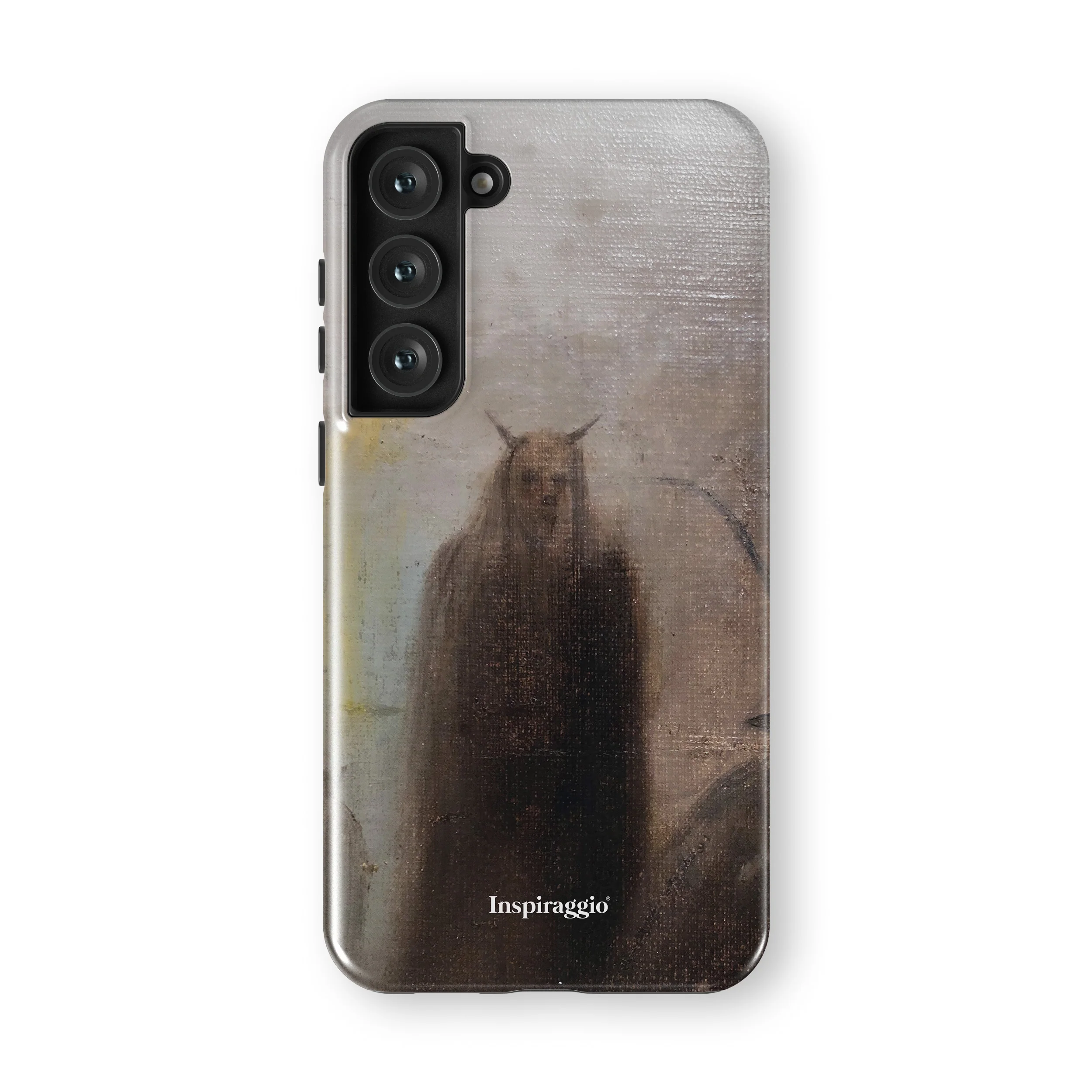
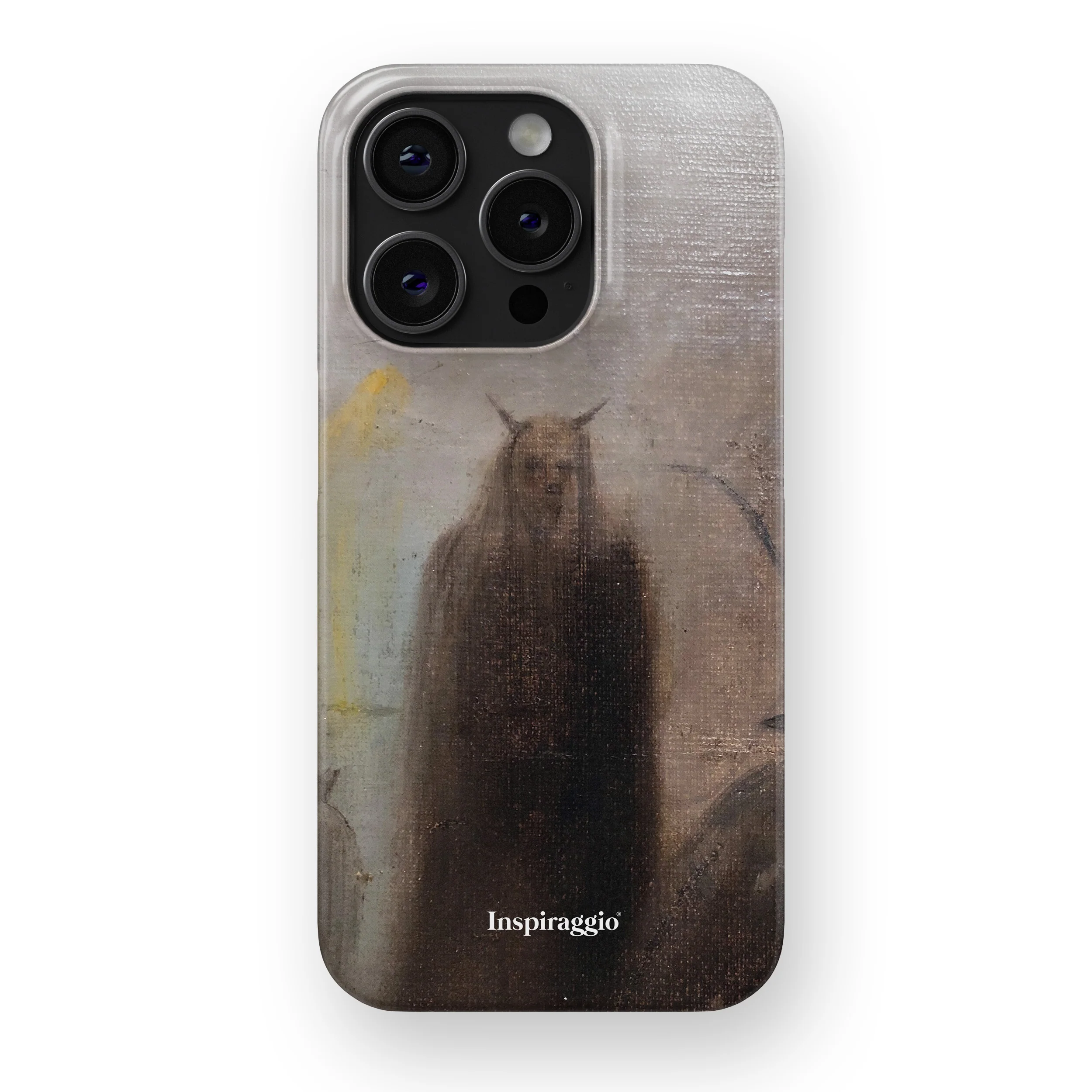
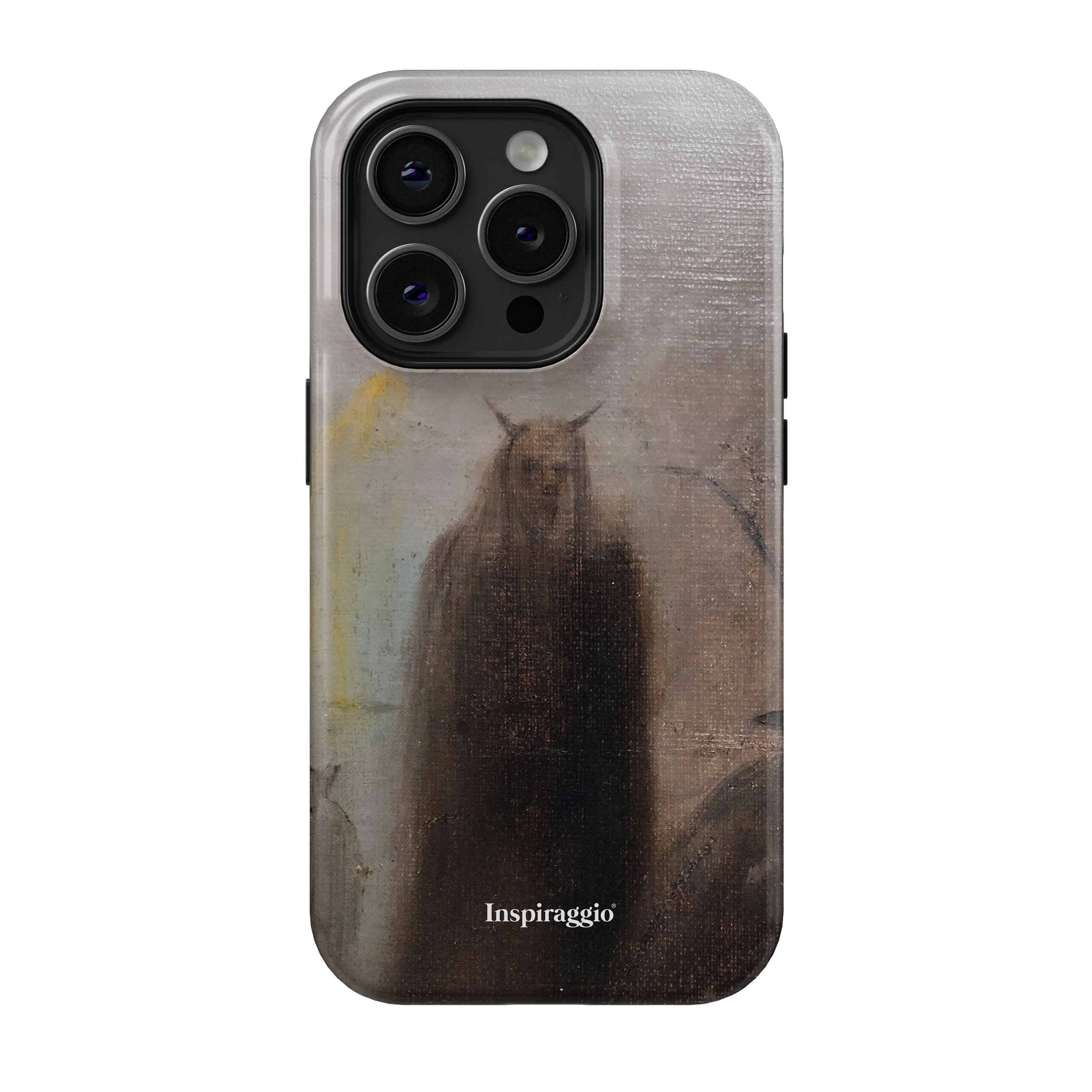
"Ghostly Vision" by Francisco de Goya, rediscovered in 2016 after being lost for ninety years, is a significant addition to the Museo de Zaragoza's collection. Created around 1801, this painting, initially a sketch gifted by Goya to a friend, resurfaced in a 1928 photograph. It later belonged to the Counts of Gabarda, residing in Zaragoza's palace. This eerie artwork depicts a colossal, ghostly figure dominating the canvas with its unsettling presence. Its vaguely defined face, adorned with horns, suggests a demonic entity draped in a cloak fading into darkness. Goya's urgent brushstrokes add to the painting's haunting effect, capturing a nightmarish vision pursued by the artist.
Product Information
Product Information
Shipping & Returns
Shipping & Returns


Ghostly Vision | Francisco Goya | 1801
Ghostly Vision | Francisco Goya | 1801
"Ghostly Vision" by Francisco de Goya, rediscovered in 2016 after being lost for ninety years, is a significant addition to the Museo de Zaragoza's collection. Created around 1801, this painting, initially a sketch gifted by Goya to a friend, resurfaced in a 1928 photograph. It later belonged to the Counts of Gabarda, residing in Zaragoza's palace. This eerie artwork depicts a colossal, ghostly figure dominating the canvas with its unsettling presence. Its vaguely defined face, adorned with horns, suggests a demonic entity draped in a cloak fading into darkness. Goya's urgent brushstrokes add to the painting's haunting effect, capturing a nightmarish vision pursued by the artist.
Original: $316.08
-70%$316.08
$94.82Product Information
Product Information
Shipping & Returns
Shipping & Returns
Description
"Ghostly Vision" by Francisco de Goya, rediscovered in 2016 after being lost for ninety years, is a significant addition to the Museo de Zaragoza's collection. Created around 1801, this painting, initially a sketch gifted by Goya to a friend, resurfaced in a 1928 photograph. It later belonged to the Counts of Gabarda, residing in Zaragoza's palace. This eerie artwork depicts a colossal, ghostly figure dominating the canvas with its unsettling presence. Its vaguely defined face, adorned with horns, suggests a demonic entity draped in a cloak fading into darkness. Goya's urgent brushstrokes add to the painting's haunting effect, capturing a nightmarish vision pursued by the artist.