✨ New Arrivals Just Dropped!Explore
HomeStore

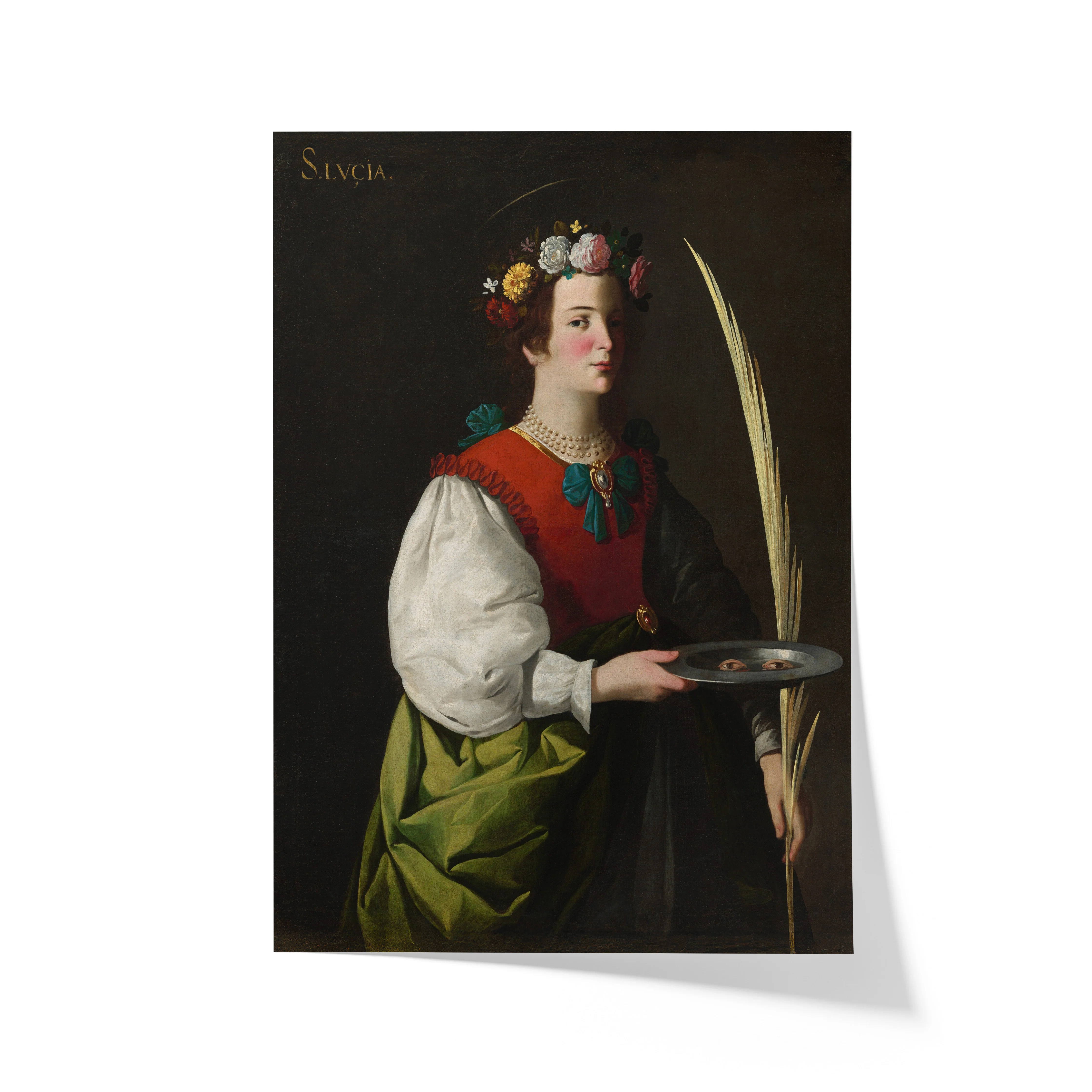
Saint Lucy | Francisco de Zurbarán | c. 1635

Product image 1
Product image 2
Product image 3
Product image 4
Product image 5
Product image 6
Product image 7
Product image 8

Saint Lucy | Francisco de Zurbarán | c. 1635

Saint Lucy | Francisco de Zurbarán | c. 1635

About the artwork:

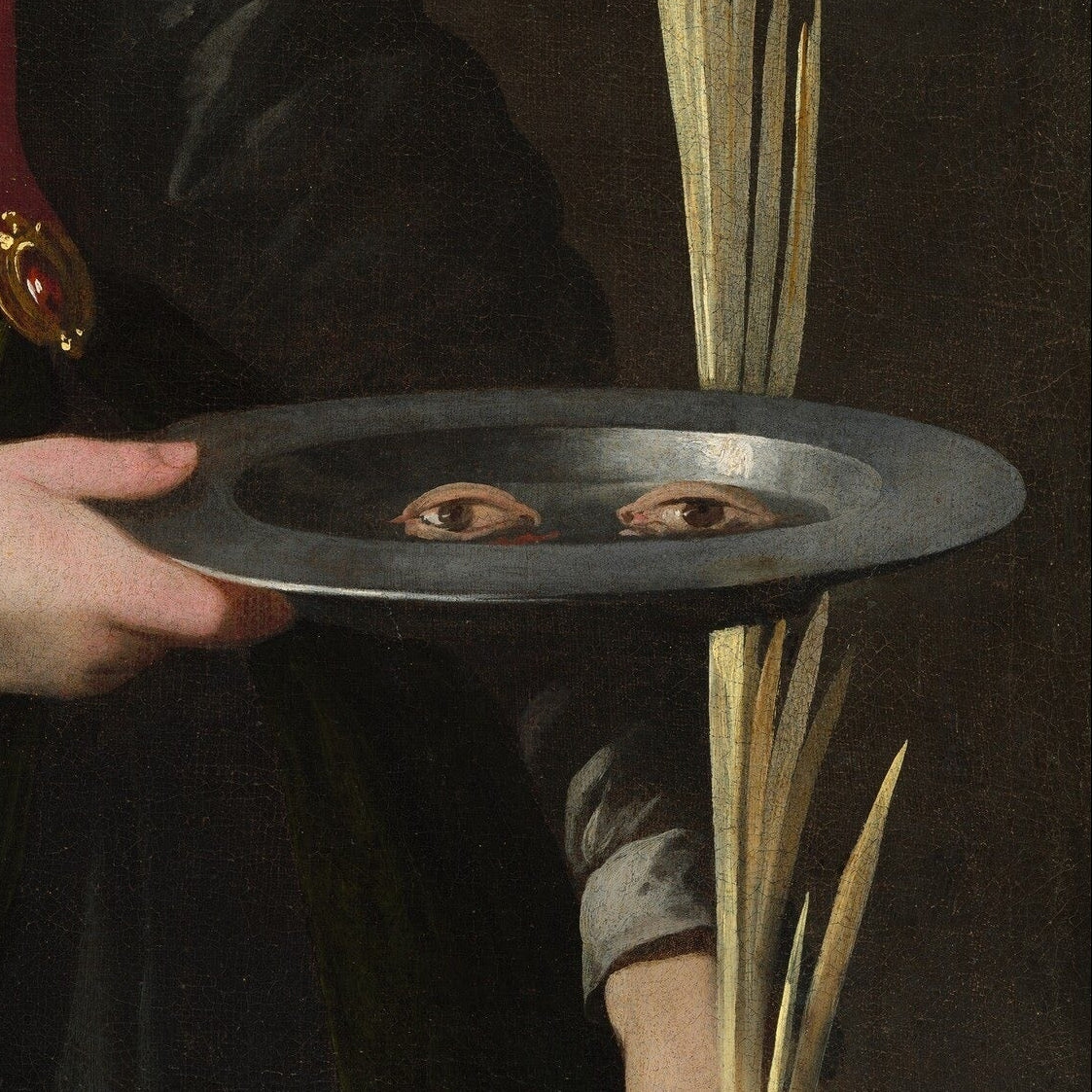
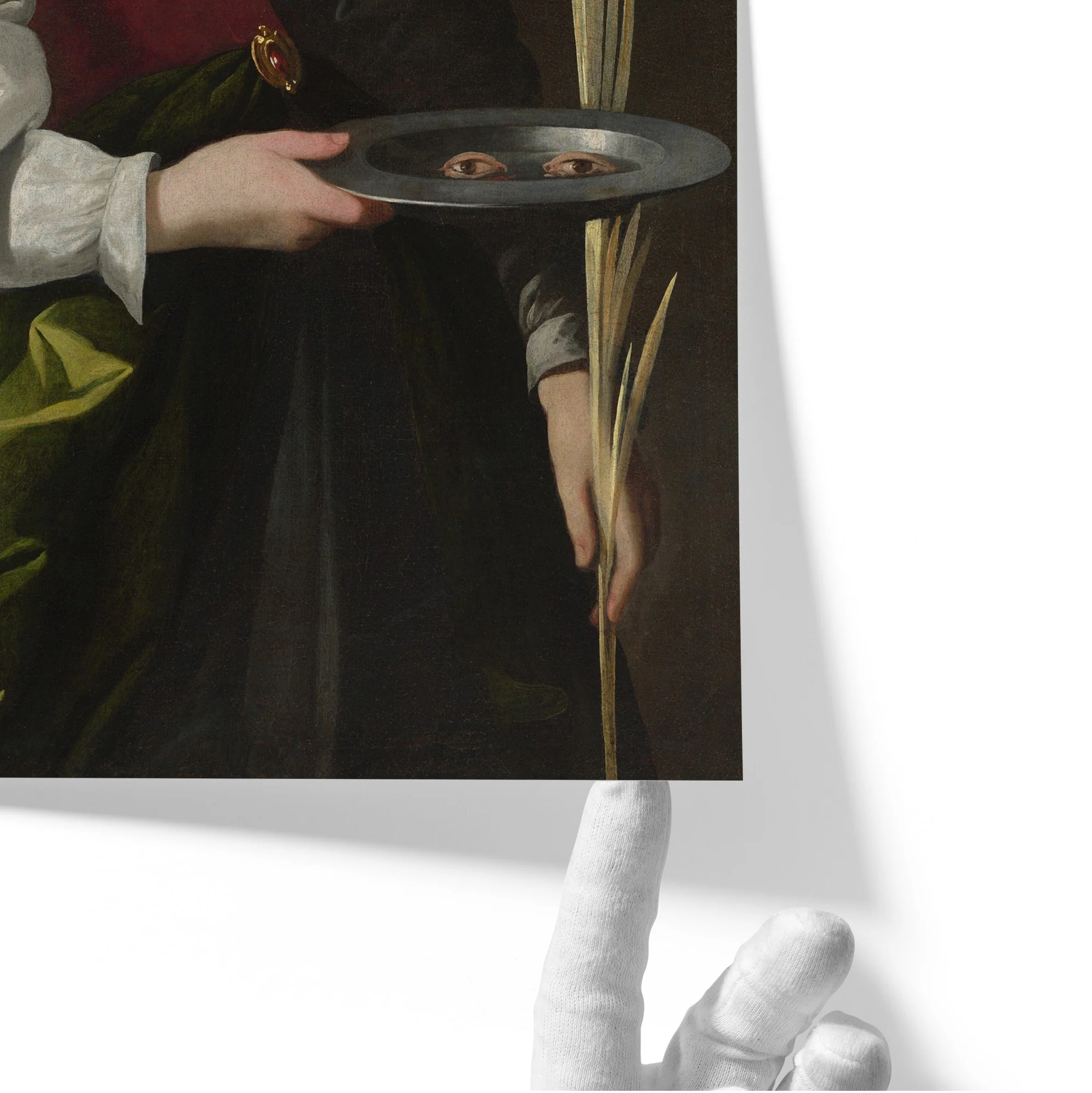
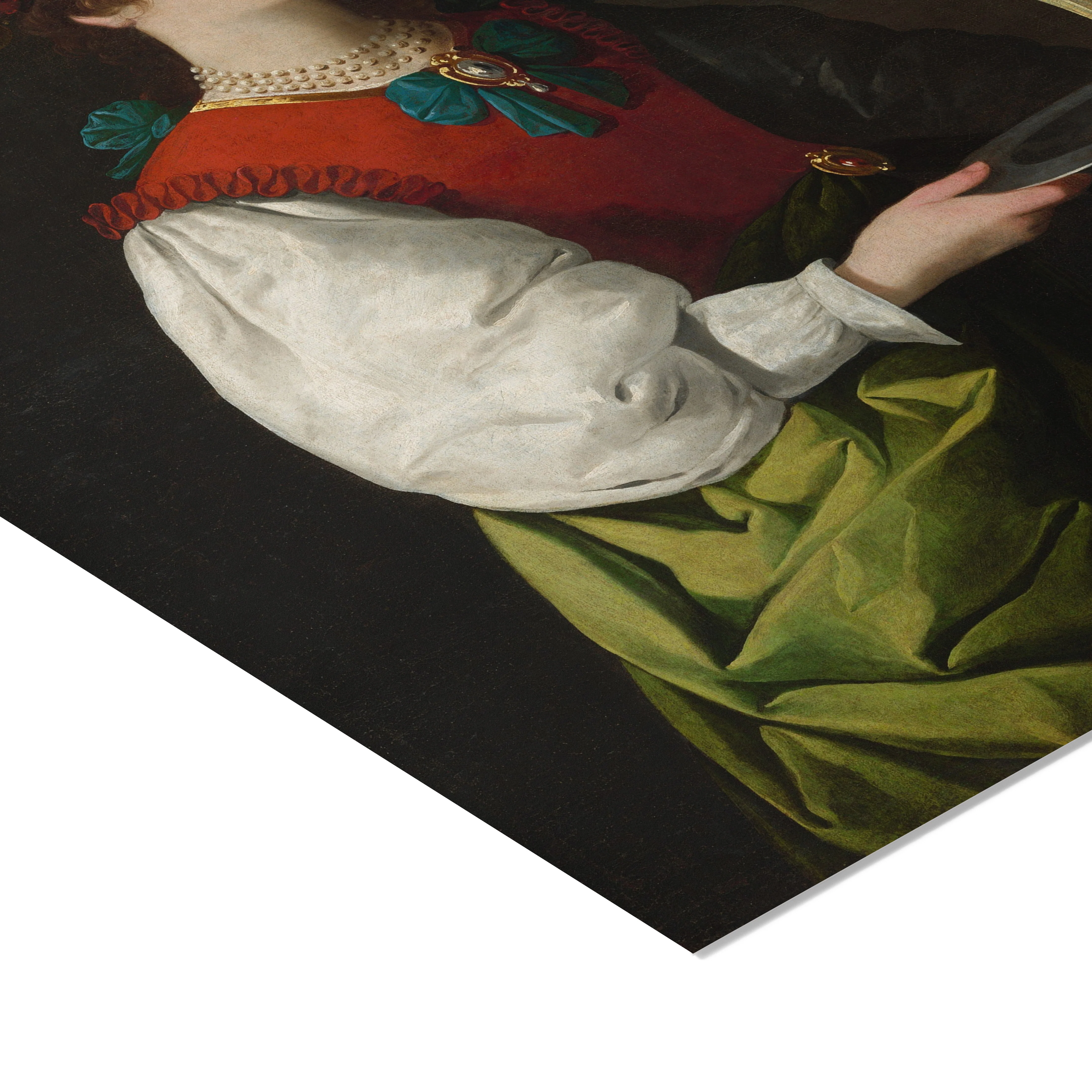
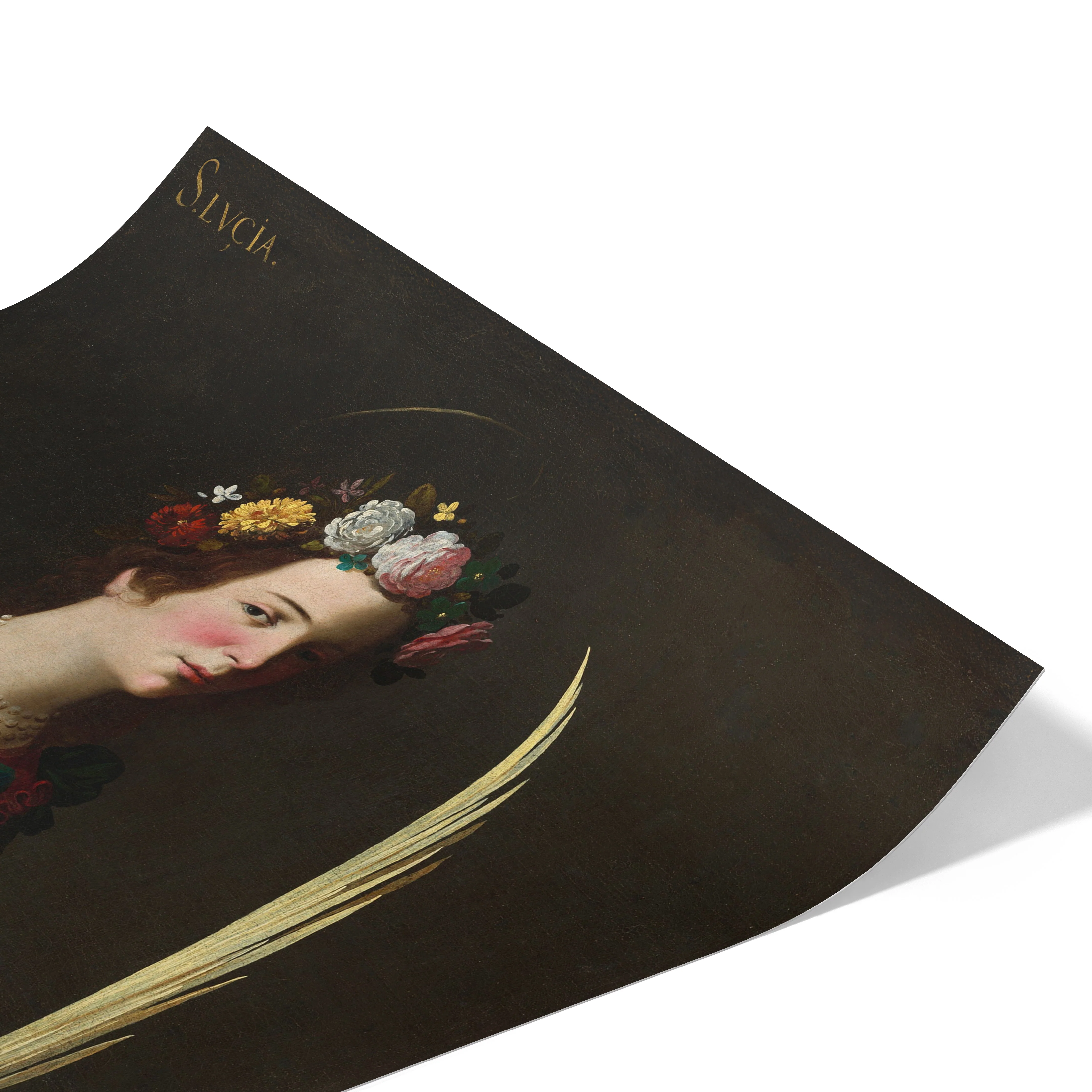
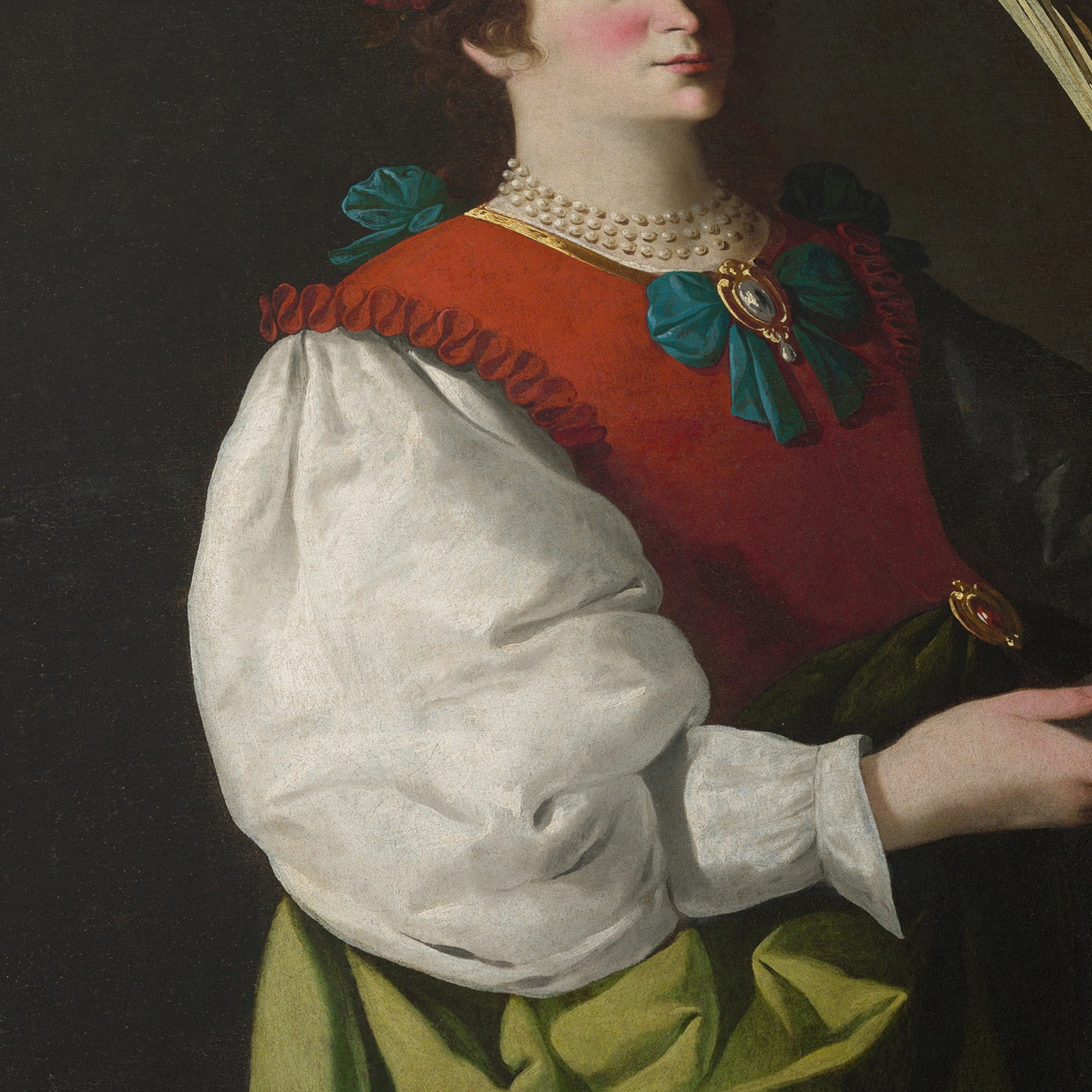
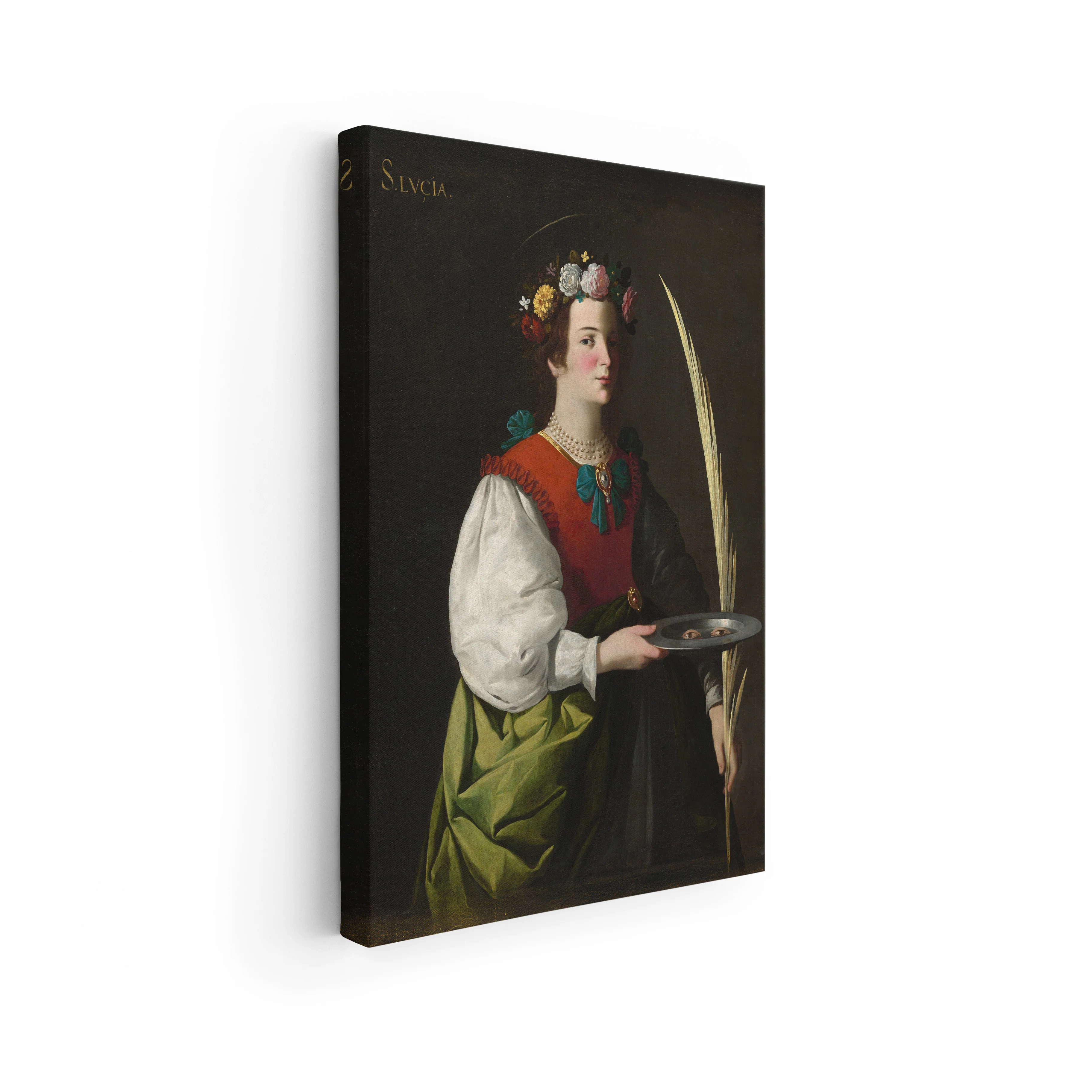
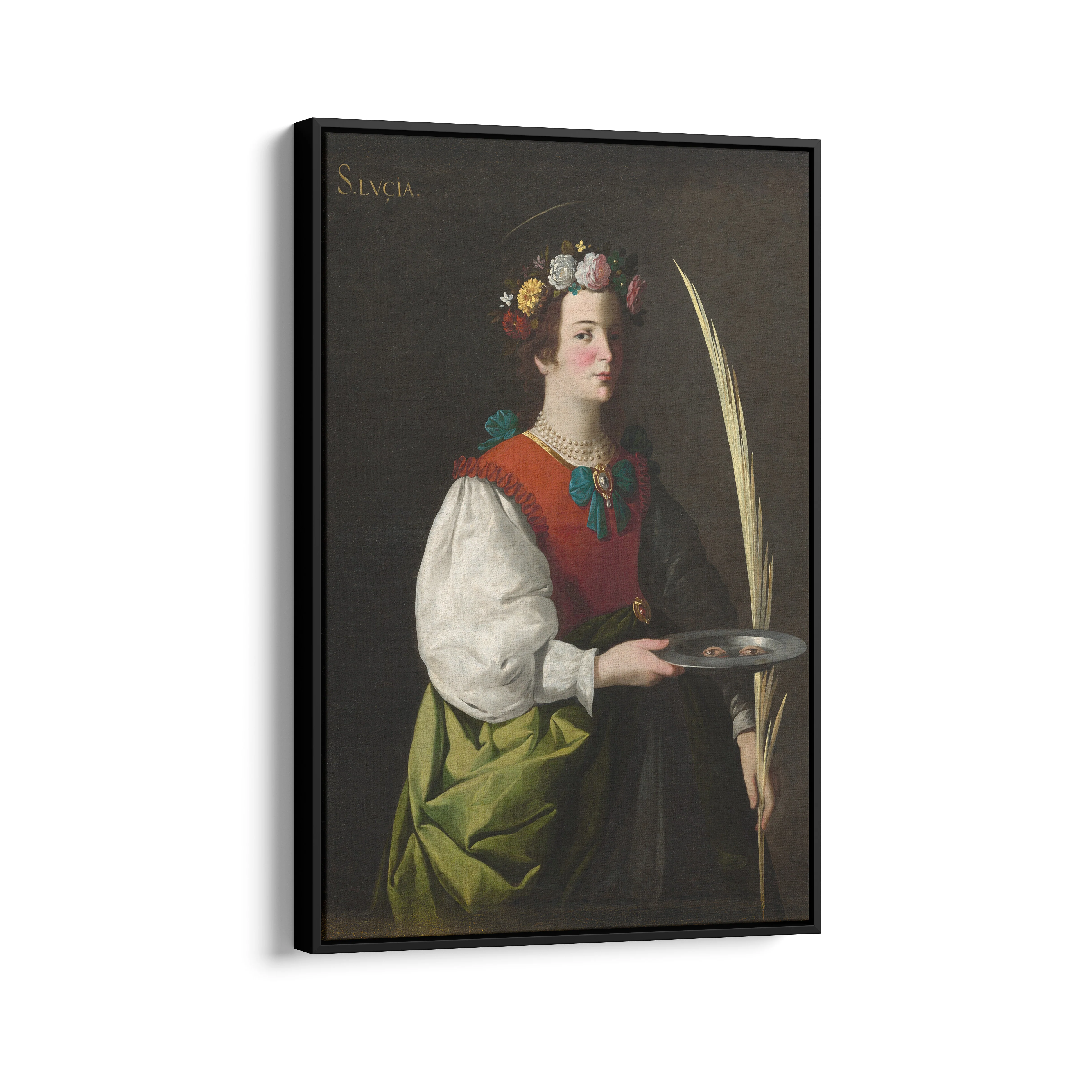
Saint Lucy by Francisco de Zurbarán, painted around 1635, reflects the artist’s sober and contemplative approach to religious imagery during the Spanish Baroque. The saint is presented with striking restraint, isolated against a dark background that removes any narrative distraction and directs full attention to her presence. Lucy holds the plate with her eyes, the traditional symbol of her martyrdom, rendered without drama or violence, which transforms a potentially disturbing attribute into an object of quiet devotion. Zurbarán emphasizes stillness, solid forms, and tactile realism, particularly in the fabrics and flesh, reinforcing the sense of spiritual gravity rather than emotional excess. The painting aligns with Counter Reformation ideals, offering a clear, dignified image intended for meditation, where sanctity is expressed through silence, humility, and unwavering faith rather than theatrical gesture.

Select Select Size
Select Frame Options
From $89.35

Original: $297.82

-70%
Saint Lucy | Francisco de Zurbarán | c. 1635

$297.82

$89.35

Product Information

Shipping & Returns

Description

About the artwork:
Saint Lucy by Francisco de Zurbarán, painted around 1635, reflects the artist’s sober and contemplative approach to religious imagery during the Spanish Baroque. The saint is presented with striking restraint, isolated against a dark background that removes any narrative distraction and directs full attention to her presence. Lucy holds the plate with her eyes, the traditional symbol of her martyrdom, rendered without drama or violence, which transforms a potentially disturbing attribute into an object of quiet devotion. Zurbarán emphasizes stillness, solid forms, and tactile realism, particularly in the fabrics and flesh, reinforcing the sense of spiritual gravity rather than emotional excess. The painting aligns with Counter Reformation ideals, offering a clear, dignified image intended for meditation, where sanctity is expressed through silence, humility, and unwavering faith rather than theatrical gesture.