✨ New Arrivals Just Dropped!Explore
HomeStore

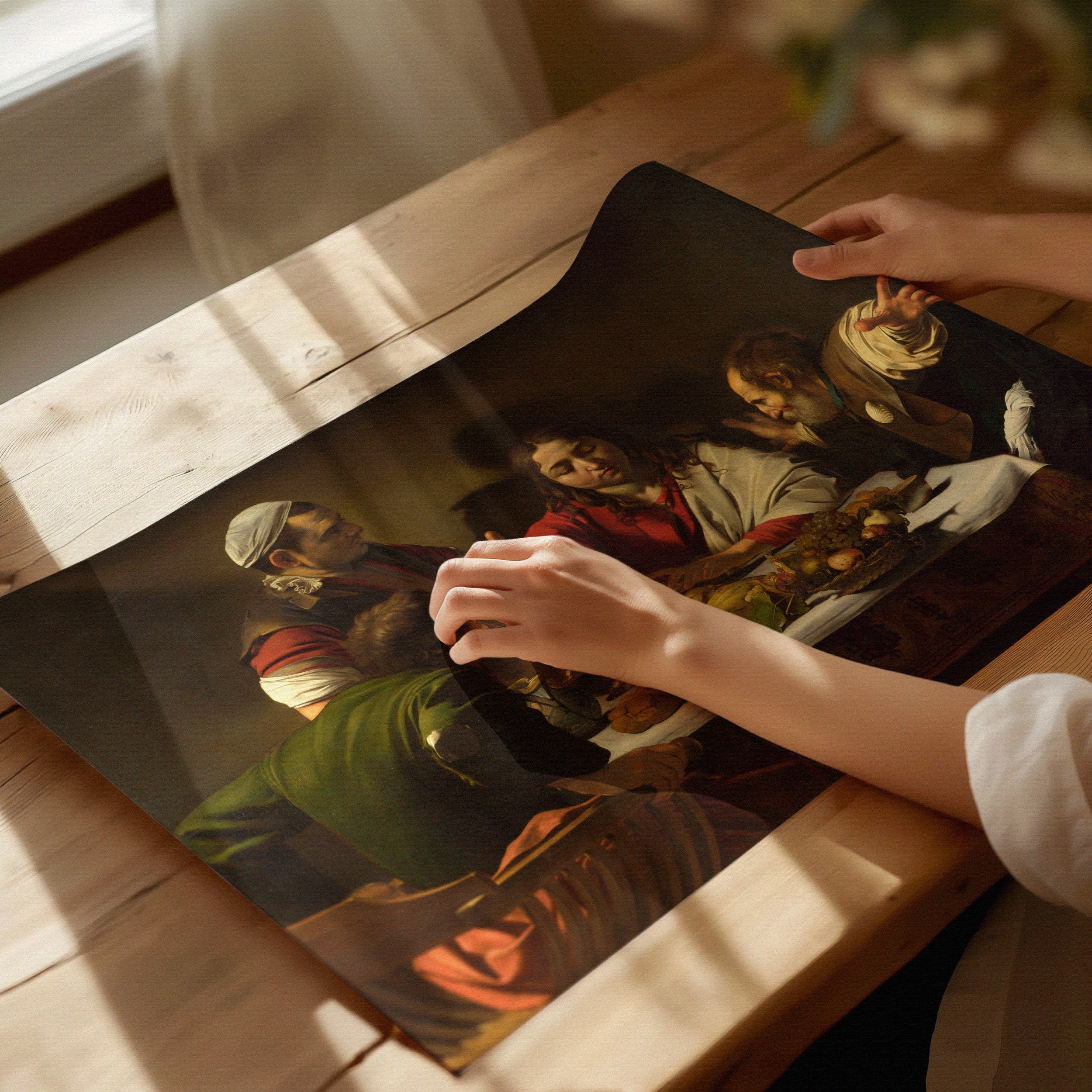
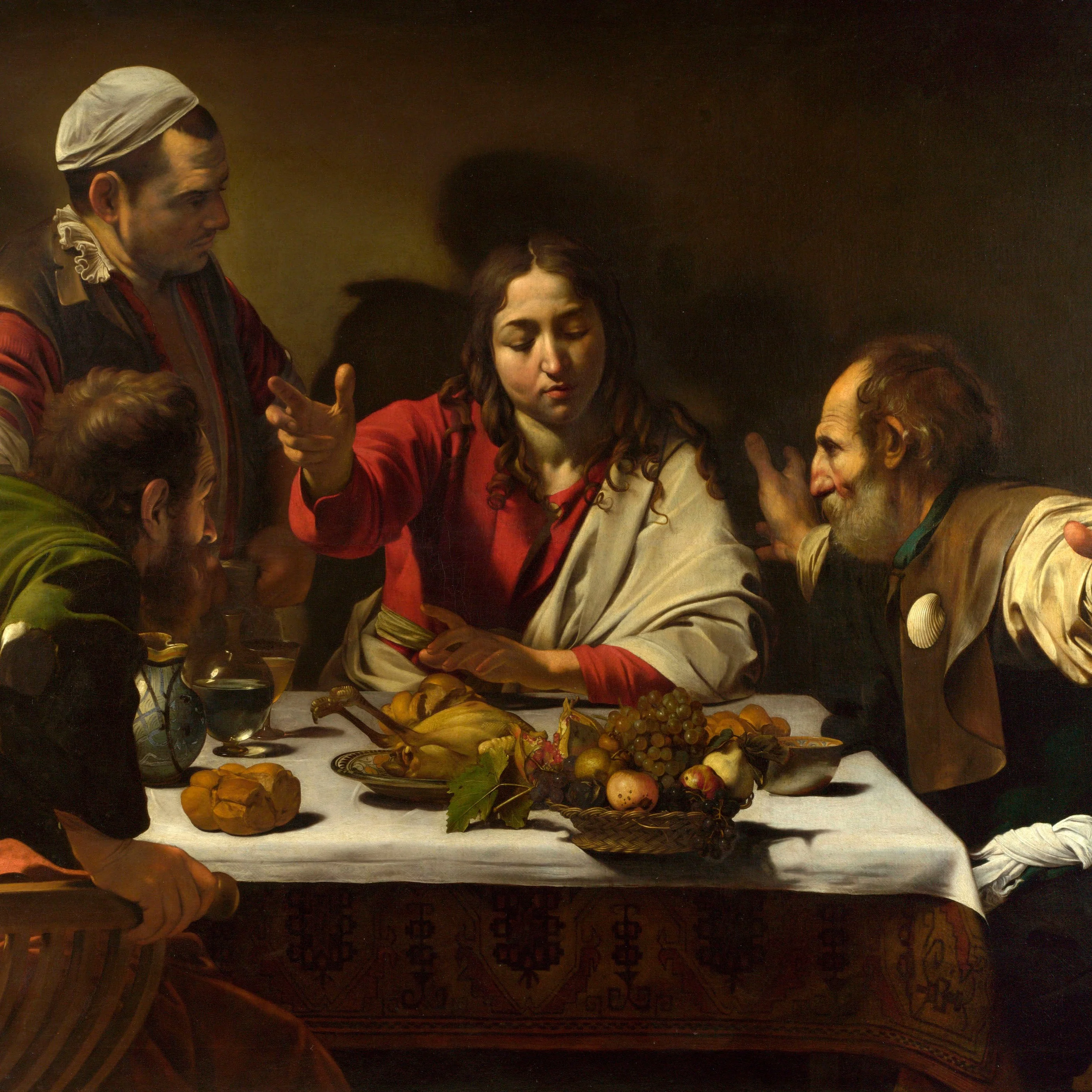
Supper at Emmaus | Caravaggio | 1601

Product image 1
Product image 2
Product image 3
Product image 4
Product image 5
Product image 6
Product image 7
Product image 8
Product image 9

Supper at Emmaus | Caravaggio | 1601

Supper at Emmaus | Caravaggio | 1601

About the artwork:

"Supper at Emmaus" by Caravaggio, created in 1601, captures the moment from the Gospel of Luke when the resurrected Jesus is revealed to two of his disciples in the village of Emmaus. This masterpiece is celebrated for its dramatic use of chiaroscuro and the realism with which Caravaggio imbues the biblical story. The painting is noted for the astonishment and emotion on the disciples' faces as they recognize Jesus, contrasting with his calm demeanor. Caravaggio's skill in depicting the textures of the food, the tableware, and the figures' clothing adds to the scene's immediacy and physical presence. The composition draws the viewer directly into the moment, making it a powerful example of Caravaggio's ability to convey complex religious themes with emotional depth and visual realism. This work is a quintessential demonstration of the Baroque style's focus on dramatic lighting, naturalistic detail, and the portrayal of intense human emotion.

Select Select Size
Select Frame Options
From $89.35

Original: $297.82

-70%
Supper at Emmaus | Caravaggio | 1601

$297.82

$89.35

Product Information

Shipping & Returns

Description

About the artwork:

"Supper at Emmaus" by Caravaggio, created in 1601, captures the moment from the Gospel of Luke when the resurrected Jesus is revealed to two of his disciples in the village of Emmaus. This masterpiece is celebrated for its dramatic use of chiaroscuro and the realism with which Caravaggio imbues the biblical story. The painting is noted for the astonishment and emotion on the disciples' faces as they recognize Jesus, contrasting with his calm demeanor. Caravaggio's skill in depicting the textures of the food, the tableware, and the figures' clothing adds to the scene's immediacy and physical presence. The composition draws the viewer directly into the moment, making it a powerful example of Caravaggio's ability to convey complex religious themes with emotional depth and visual realism. This work is a quintessential demonstration of the Baroque style's focus on dramatic lighting, naturalistic detail, and the portrayal of intense human emotion.