✨ New Arrivals Just Dropped!Explore
HomeStore

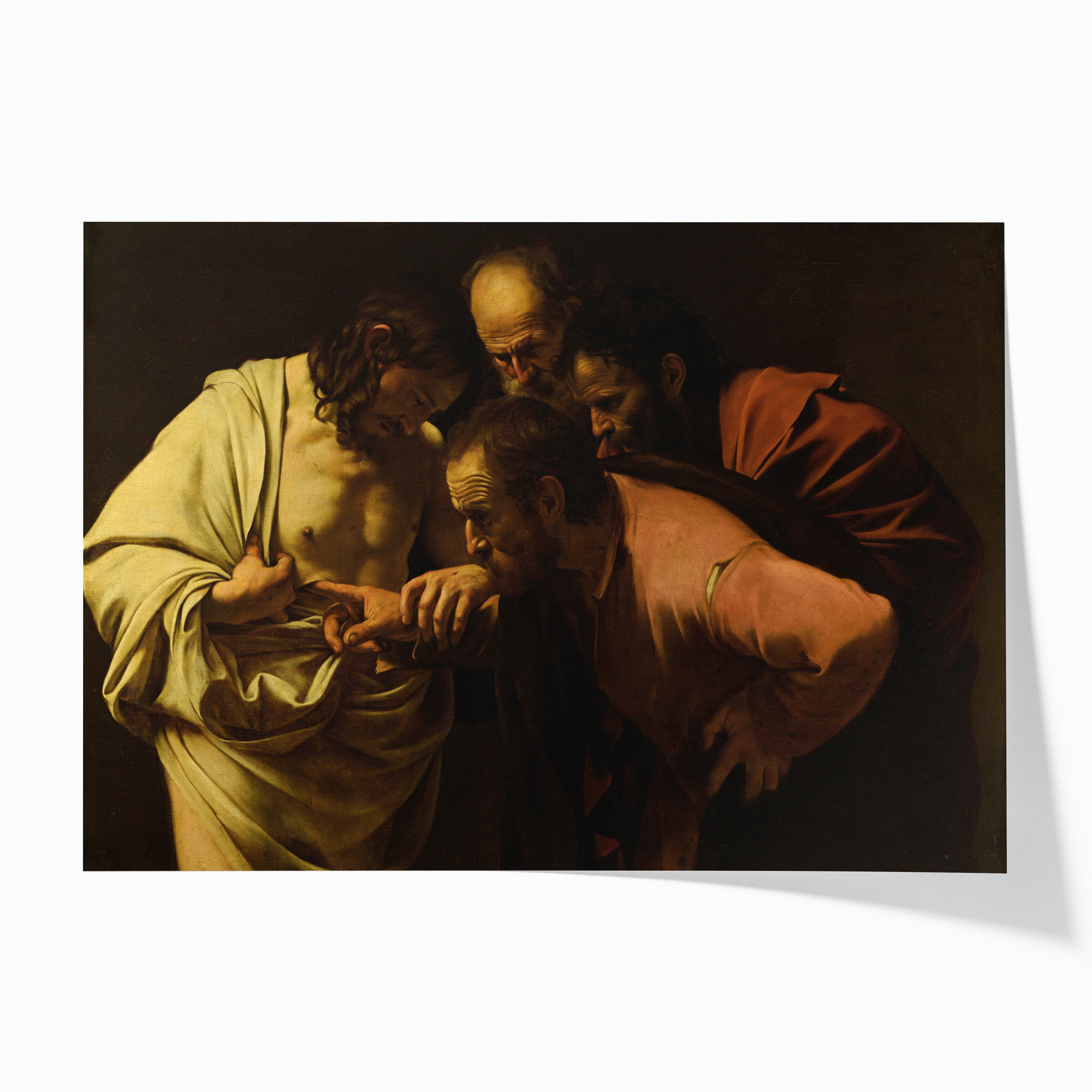
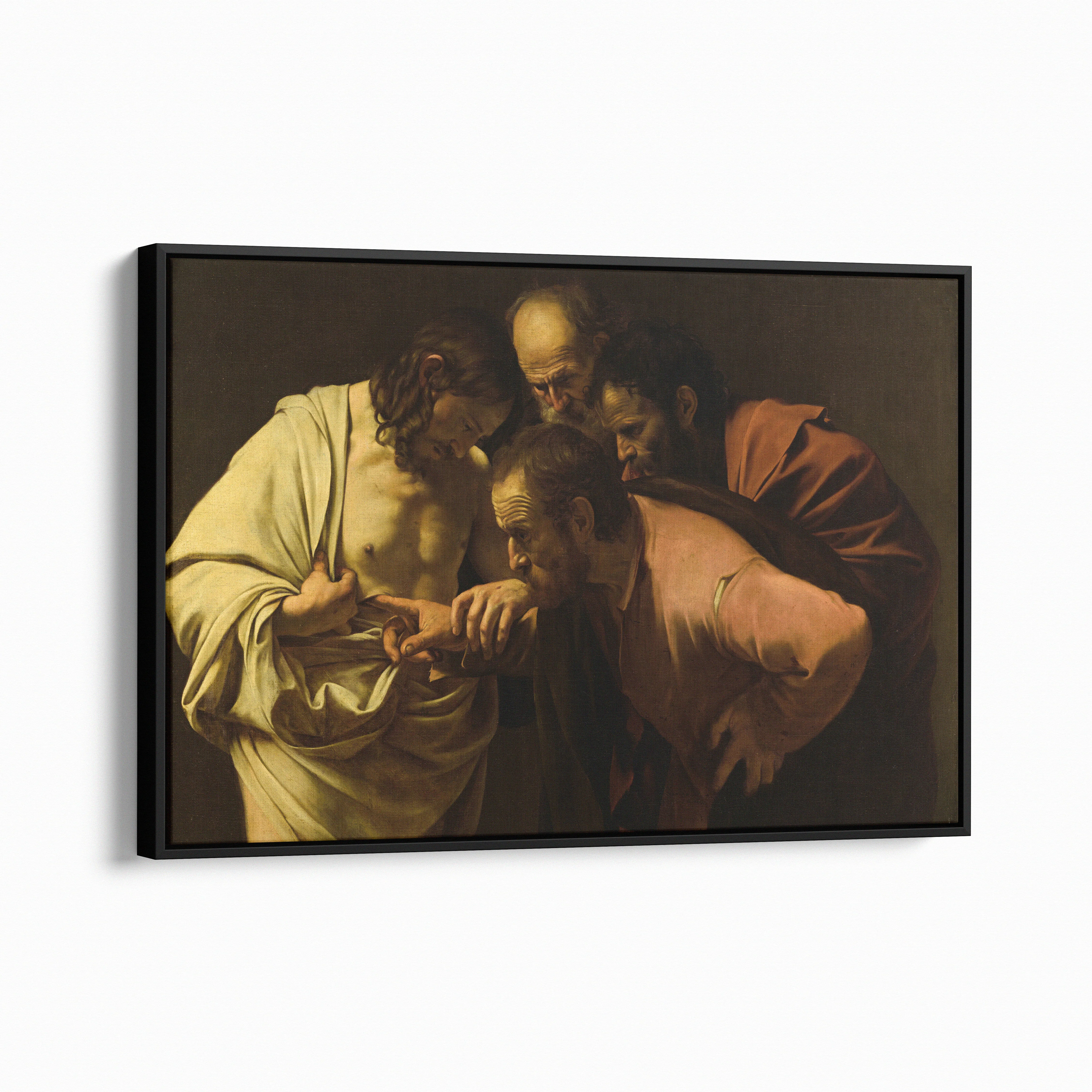
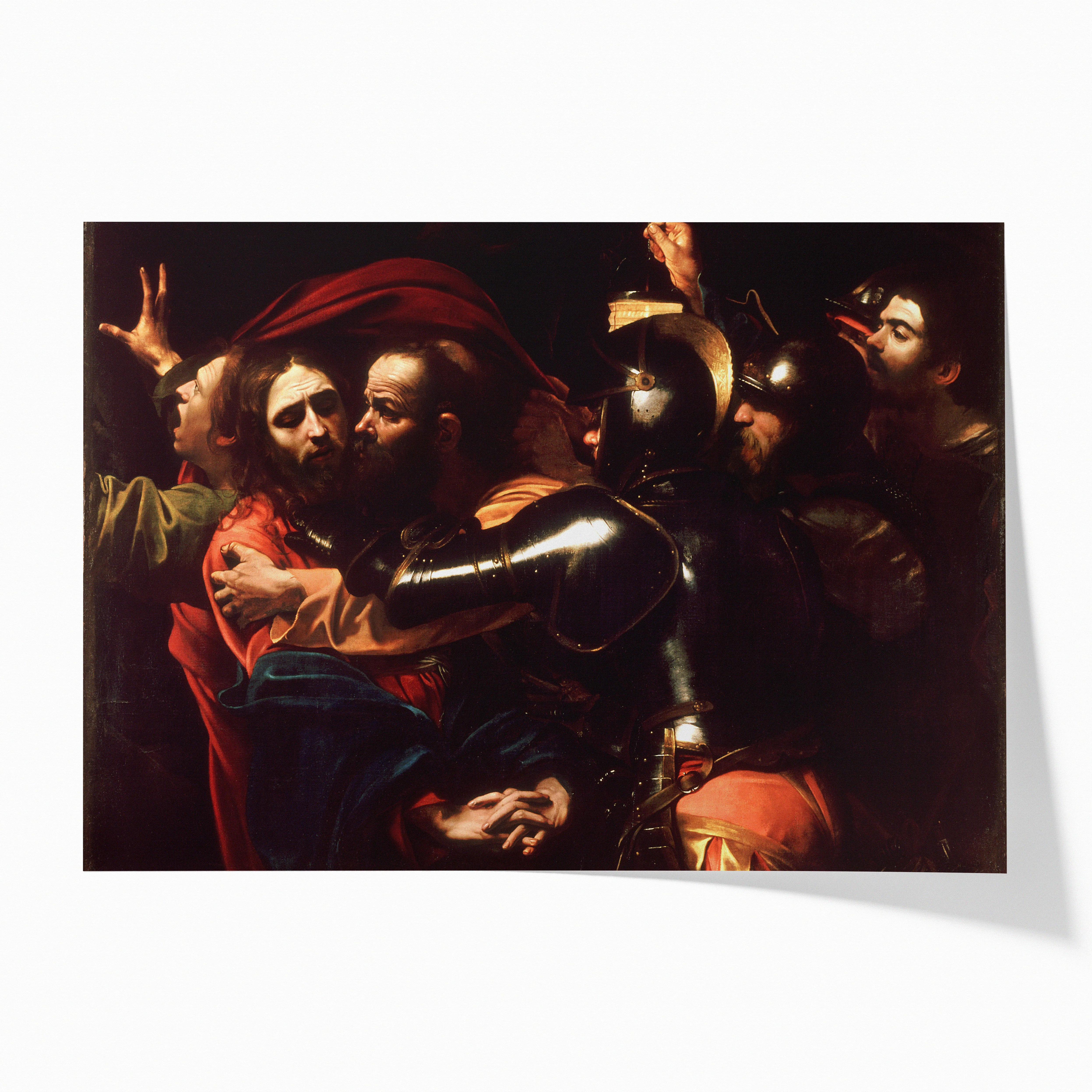
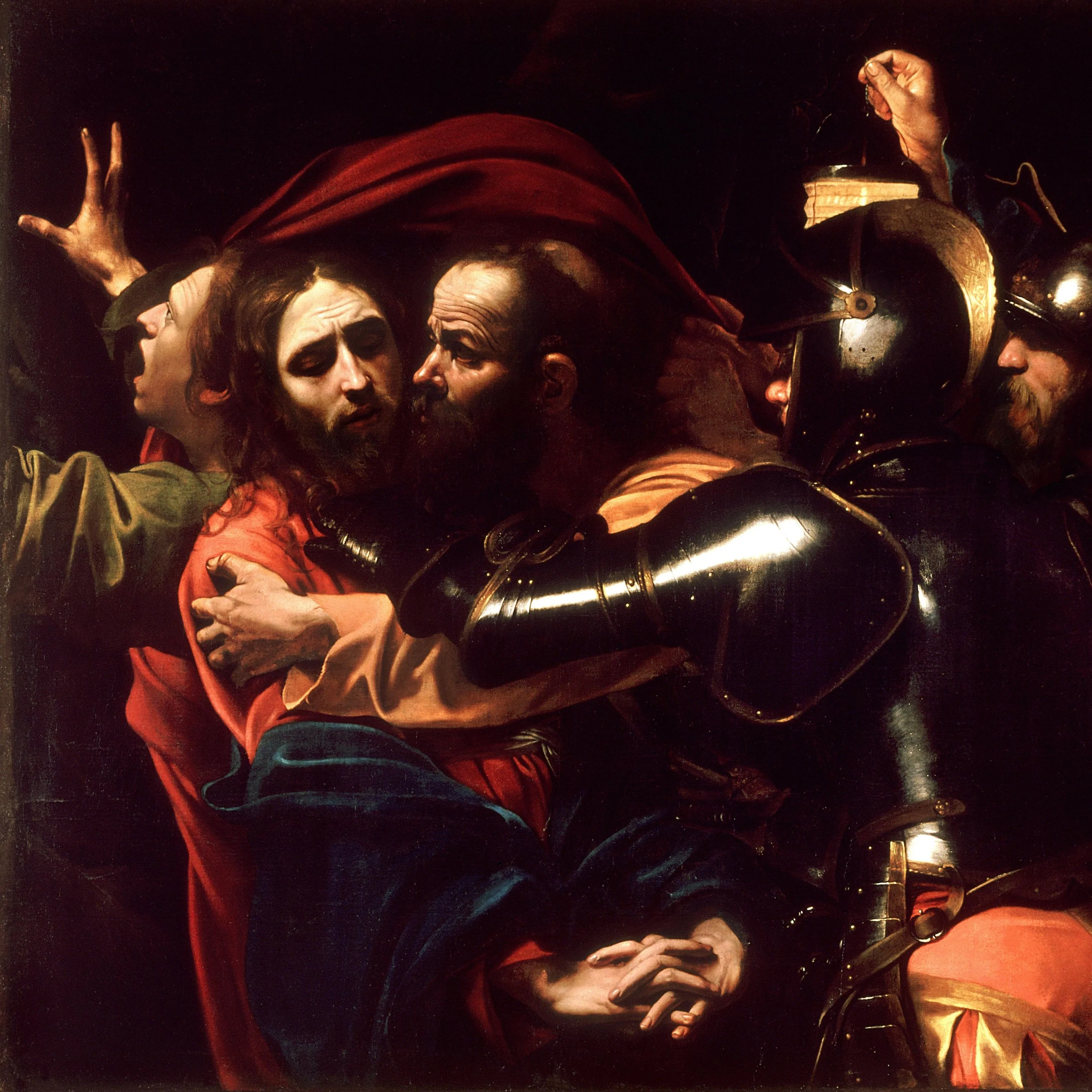
The Incredulity of Saint Thomas | Caravaggio | 1601

Product image 1
Product image 2
Product image 3
Product image 4
Product image 5
Product image 6
Product image 7
Product image 8
Product image 9

The Incredulity of Saint Thomas | Caravaggio | 1601

The Incredulity of Saint Thomas | Caravaggio | 1601

About the artwork:

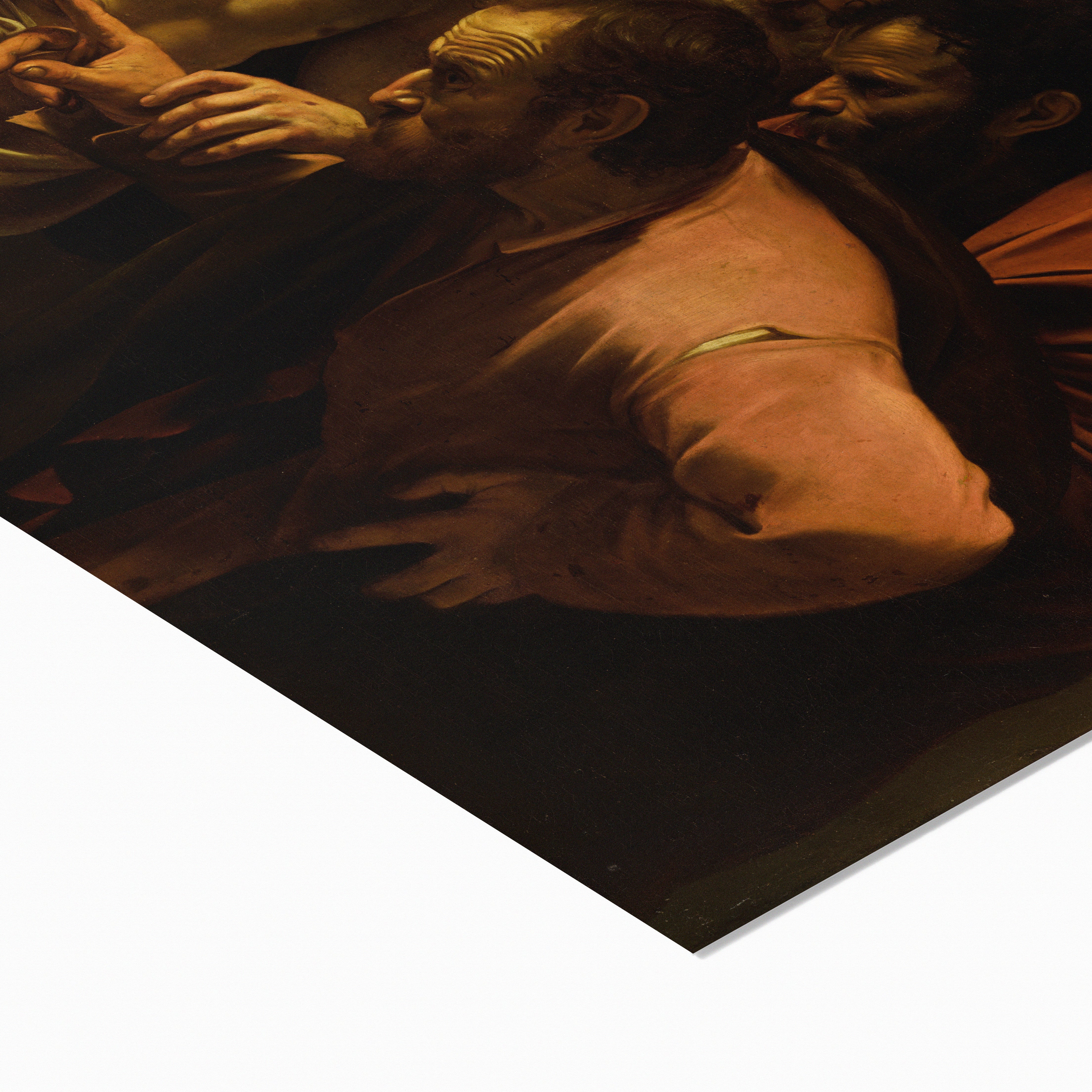
"The Incredulity of Saint Thomas" by Caravaggio, created in 1601-1602, is a powerful depiction of the moment from the New Testament when the apostle Thomas places his finger in the wound of the resurrected Jesus to believe in His resurrection. Caravaggio's use of chiaroscuro, the dramatic contrast between light and dark, highlights the figures and the intimate moment of revelation and belief. The painting is renowned for its realistic portrayal of emotions and physical details, such as the textures of the skin and the expressions on the faces of Thomas and the other apostles. Caravaggio's mastery in capturing human emotion and divine interaction is evident, making this work a poignant representation of doubt, faith, and the human desire for tangible proof of the miraculous.

Select Select Size
Select Frame Options
From $89.35

Original: $297.82

-70%
The Incredulity of Saint Thomas | Caravaggio | 1601

$297.82

$89.35

Product Information

Shipping & Returns

Description

About the artwork:
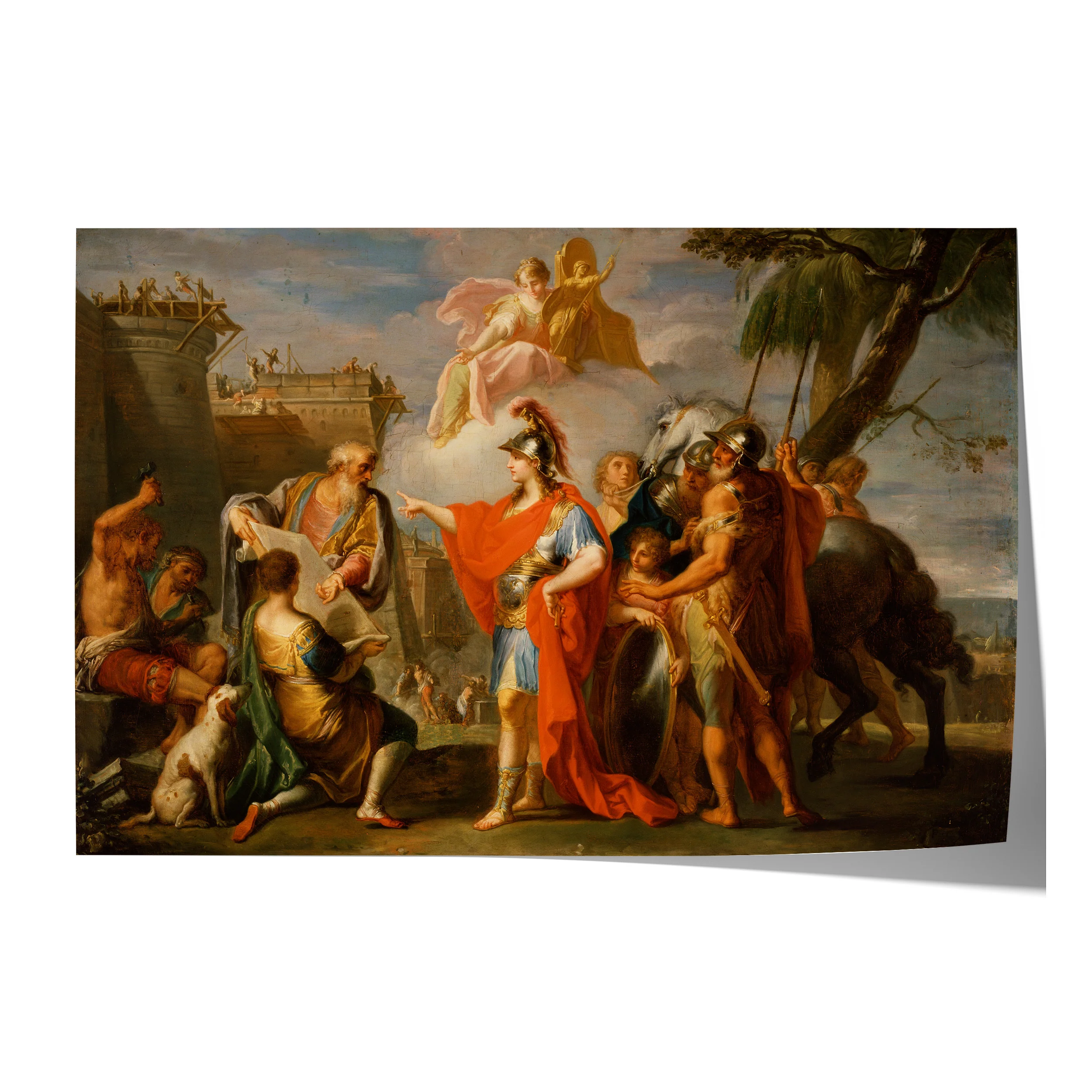
"The Incredulity of Saint Thomas" by Caravaggio, created in 1601-1602, is a powerful depiction of the moment from the New Testament when the apostle Thomas places his finger in the wound of the resurrected Jesus to believe in His resurrection. Caravaggio's use of chiaroscuro, the dramatic contrast between light and dark, highlights the figures and the intimate moment of revelation and belief. The painting is renowned for its realistic portrayal of emotions and physical details, such as the textures of the skin and the expressions on the faces of Thomas and the other apostles. Caravaggio's mastery in capturing human emotion and divine interaction is evident, making this work a poignant representation of doubt, faith, and the human desire for tangible proof of the miraculous.