✨ New Arrivals Just Dropped!Explore
HomeStore

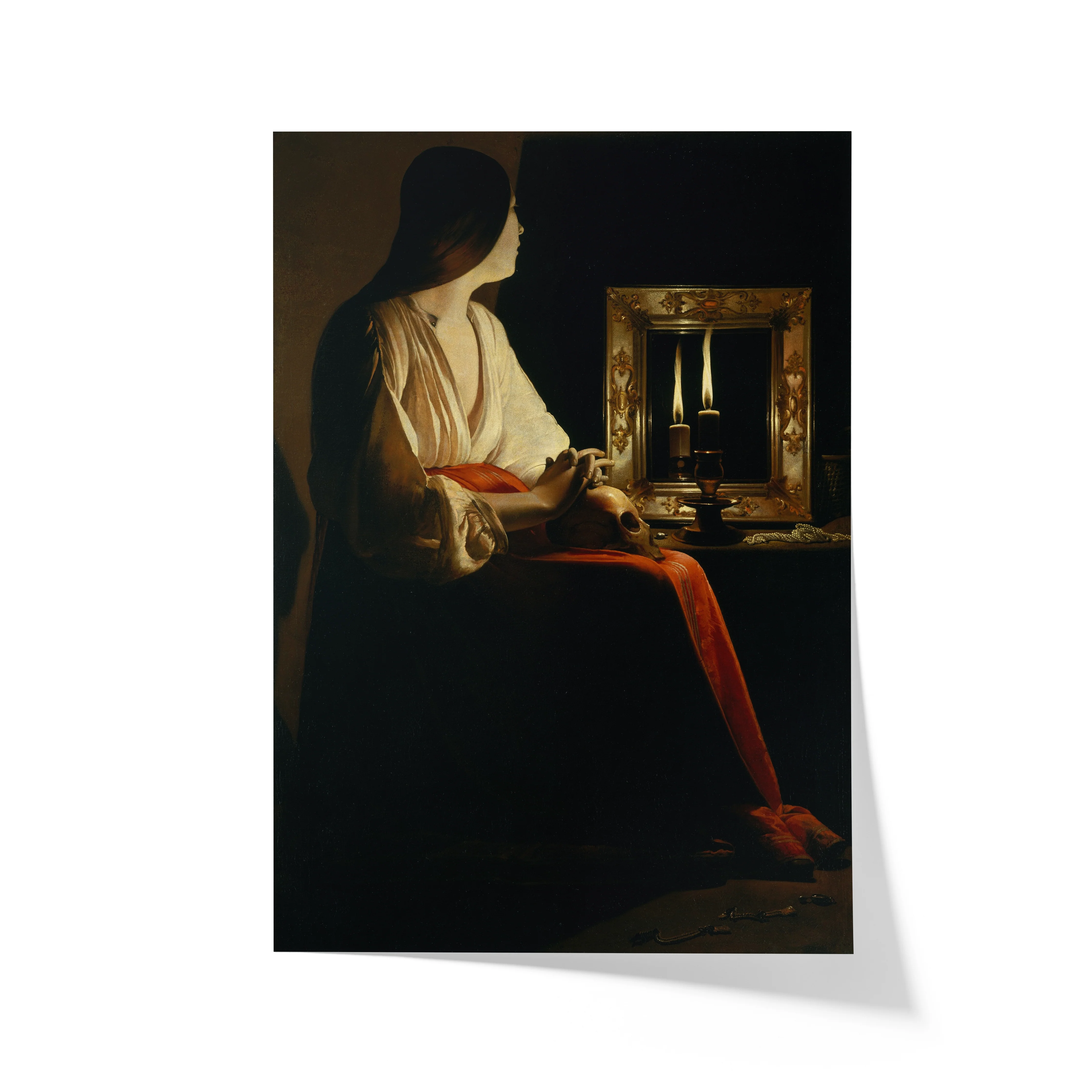
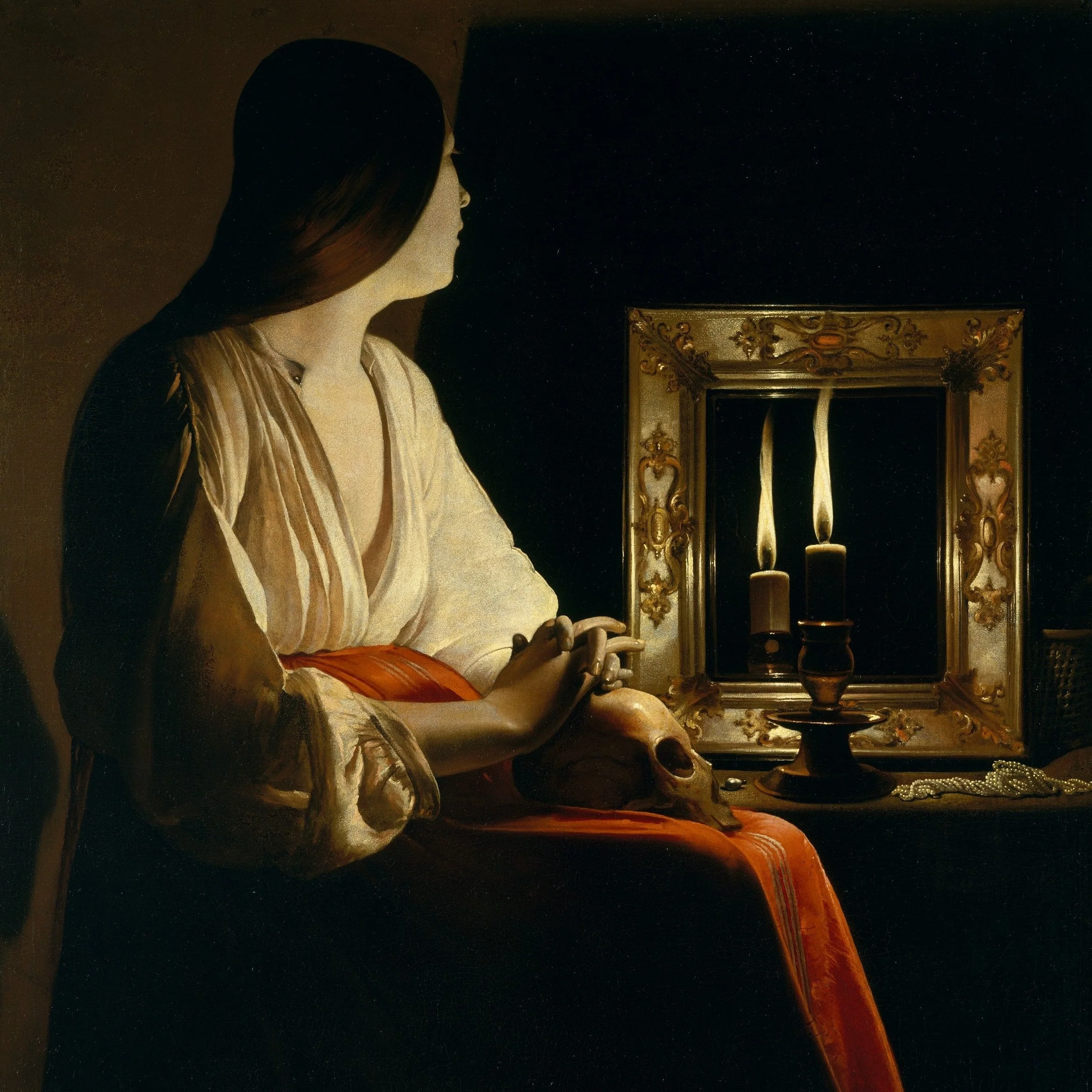
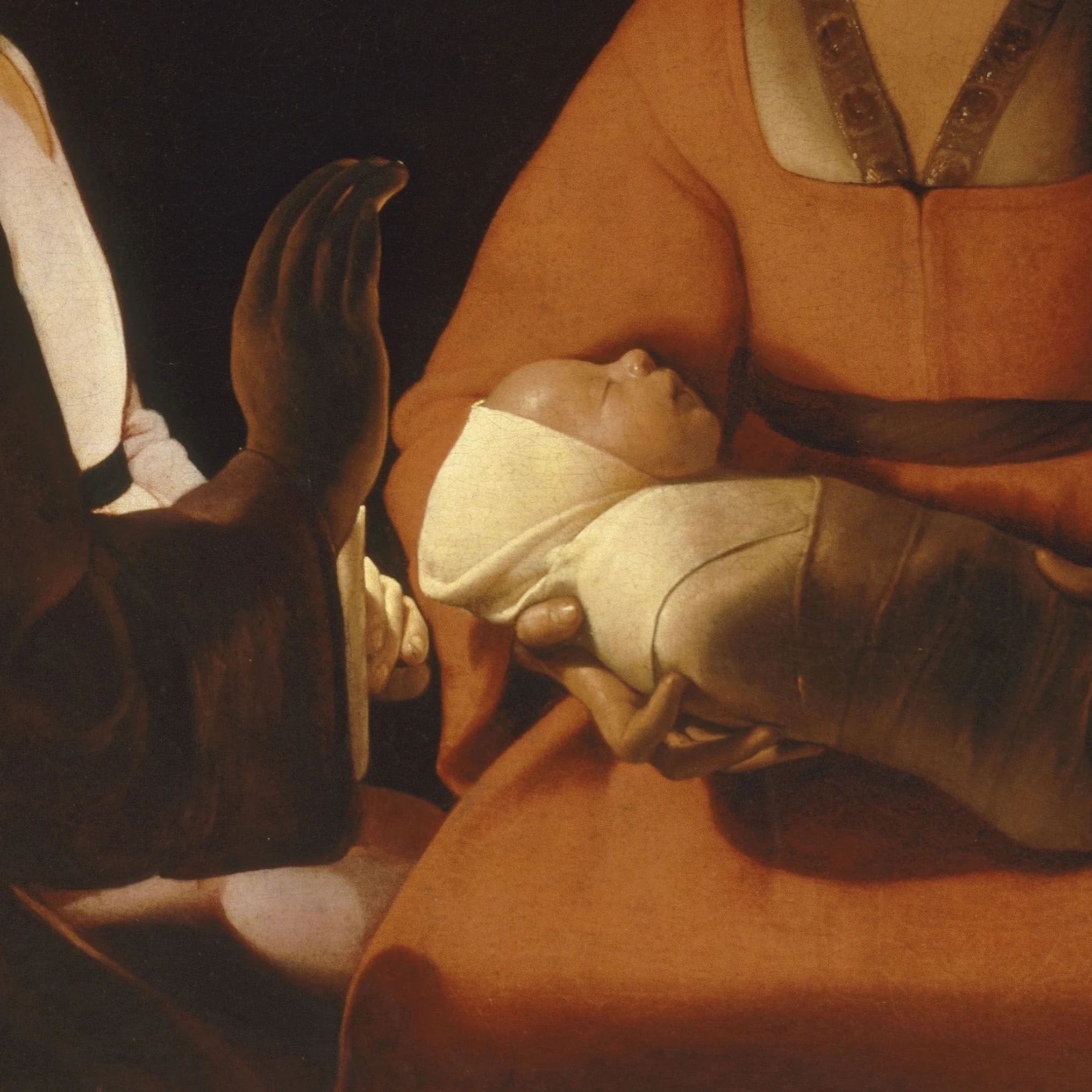
The Newborn Child | Georges de La Tour | 1645-48

Product image 1
Product image 2
Product image 3
Product image 4
Product image 5
Product image 6
Product image 7
Product image 8

The Newborn Child | Georges de La Tour | 1645-48

The Newborn Child | Georges de La Tour | 1645-48

About the artwork:

The Newborn Child by Georges de La Tour, painted around 1645 to 1648, is a refined example of French Baroque naturalism centered on the intimate power of candlelight. The scene presents a woman holding a sleeping infant while another figure shields a flame with her hand, directing a soft and controlled light across their faces. La Tour eliminates any unnecessary detail, placing the figures against a dark and silent background that heightens the stillness of the moment. The composition has often been interpreted either as a simple domestic scene or as a discreet Nativity, possibly representing the Virgin and Child, yet the artist avoids explicit religious symbols. This ambiguity strengthens the painting’s impact, as the light becomes both a physical and spiritual presence, suggesting protection, fragility, and contemplation. La Tour, who worked in Lorraine and was influenced by Caravaggio’s dramatic use of chiaroscuro, developed a more restrained and meditative approach, transforming a humble interior into a scene of profound human and symbolic depth.

Select Select Size
Select Frame Options
From $89.35

Original: $297.82

-70%
The Newborn Child | Georges de La Tour | 1645-48

$297.82

$89.35

Product Information

Shipping & Returns

Description

About the artwork:

The Newborn Child by Georges de La Tour, painted around 1645 to 1648, is a refined example of French Baroque naturalism centered on the intimate power of candlelight. The scene presents a woman holding a sleeping infant while another figure shields a flame with her hand, directing a soft and controlled light across their faces. La Tour eliminates any unnecessary detail, placing the figures against a dark and silent background that heightens the stillness of the moment. The composition has often been interpreted either as a simple domestic scene or as a discreet Nativity, possibly representing the Virgin and Child, yet the artist avoids explicit religious symbols. This ambiguity strengthens the painting’s impact, as the light becomes both a physical and spiritual presence, suggesting protection, fragility, and contemplation. La Tour, who worked in Lorraine and was influenced by Caravaggio’s dramatic use of chiaroscuro, developed a more restrained and meditative approach, transforming a humble interior into a scene of profound human and symbolic depth.