The Questioner of the Sphinx | Elihu Vedder | 1863
Product Information
Product Information
Shipping & Returns
Shipping & Returns


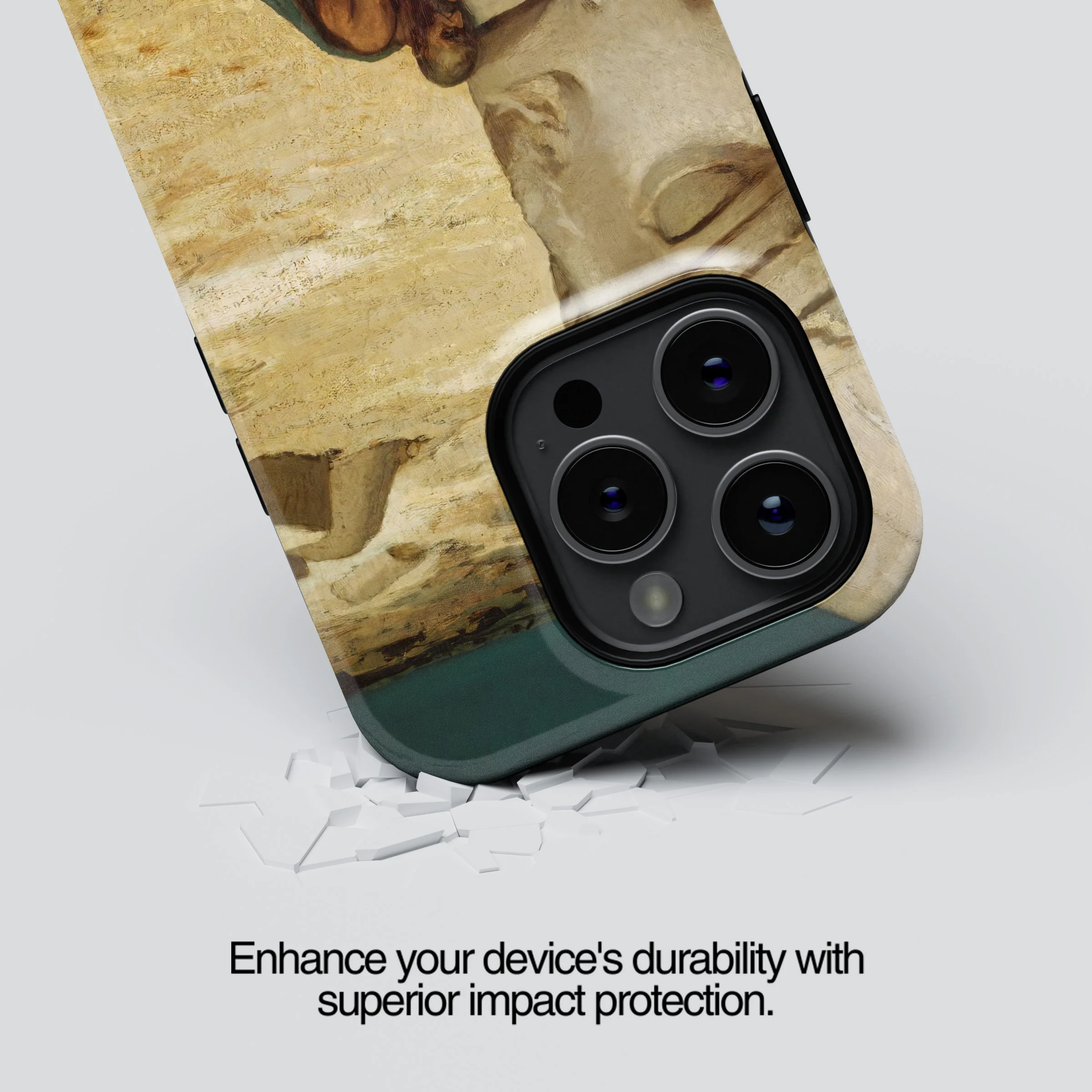


The Questioner of the Sphinx | Elihu Vedder | 1863
The Questioner of the Sphinx | Elihu Vedder | 1863
Select Phone Model
Select Case Style
From $94.82
Original: $316.08
-70%The Questioner of the Sphinx | Elihu Vedder | 1863—
$316.08
$94.82Product Information
Product Information
Shipping & Returns
Shipping & Returns