The Repentant Magdalen | Georges de La Tour | 1640
About the artwork:
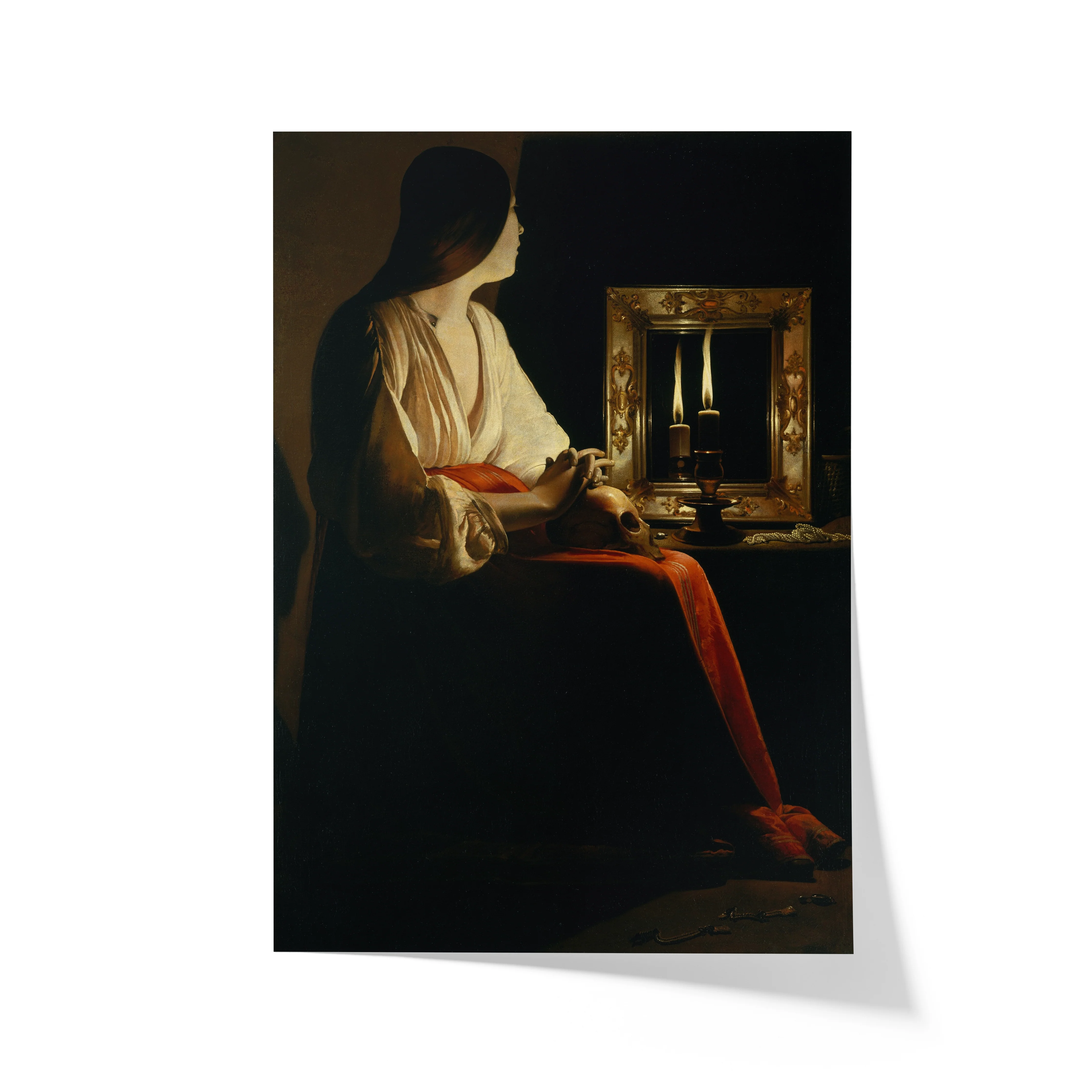
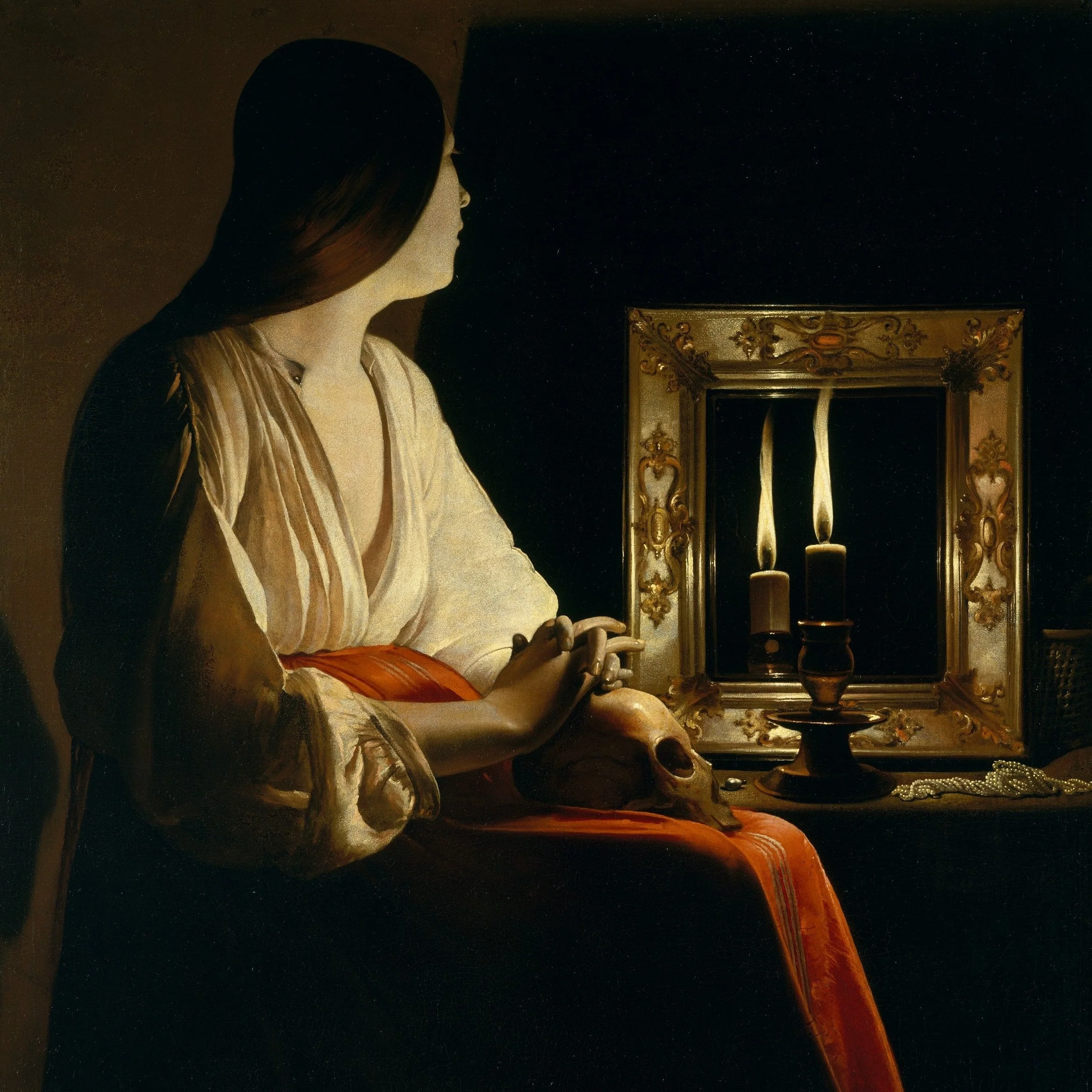
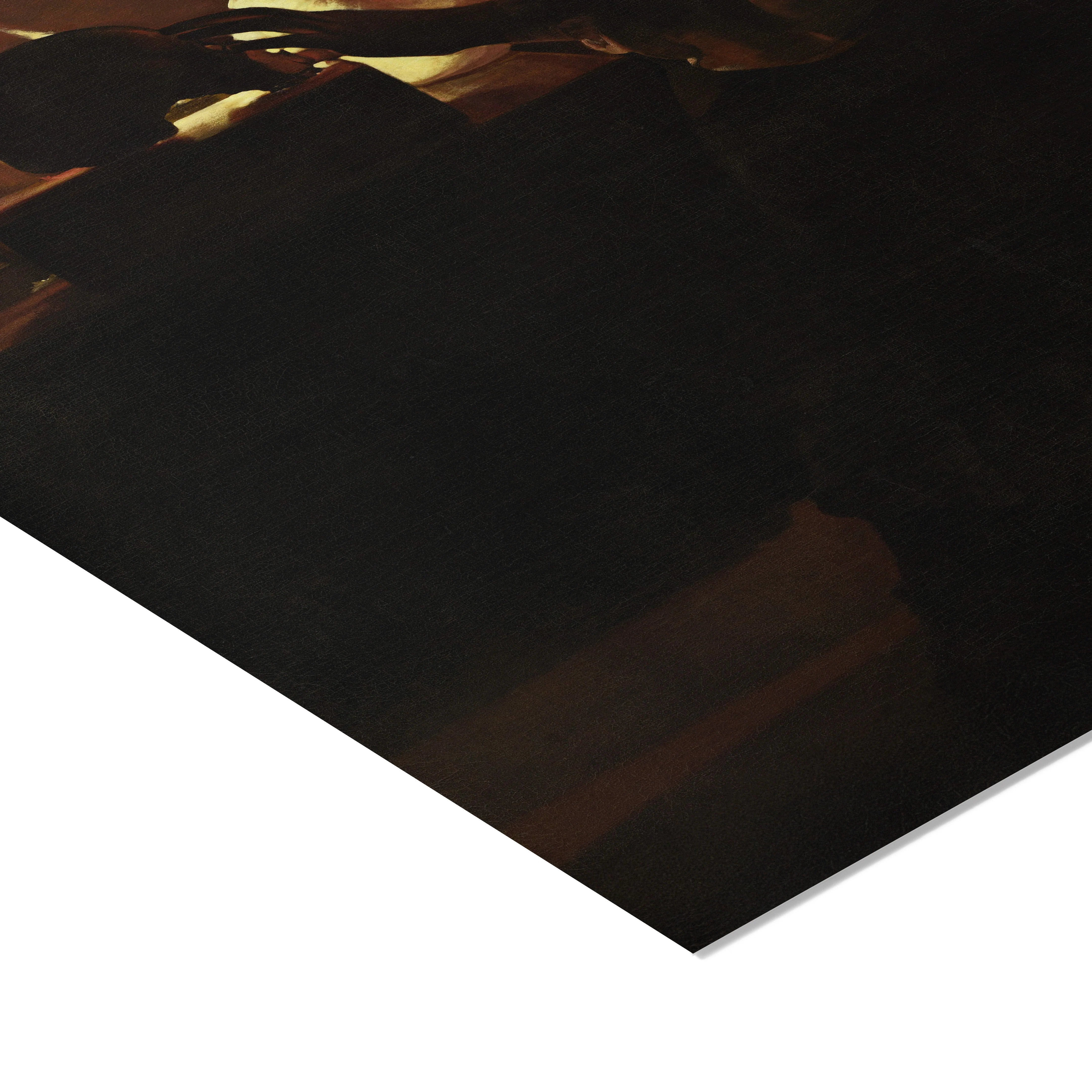
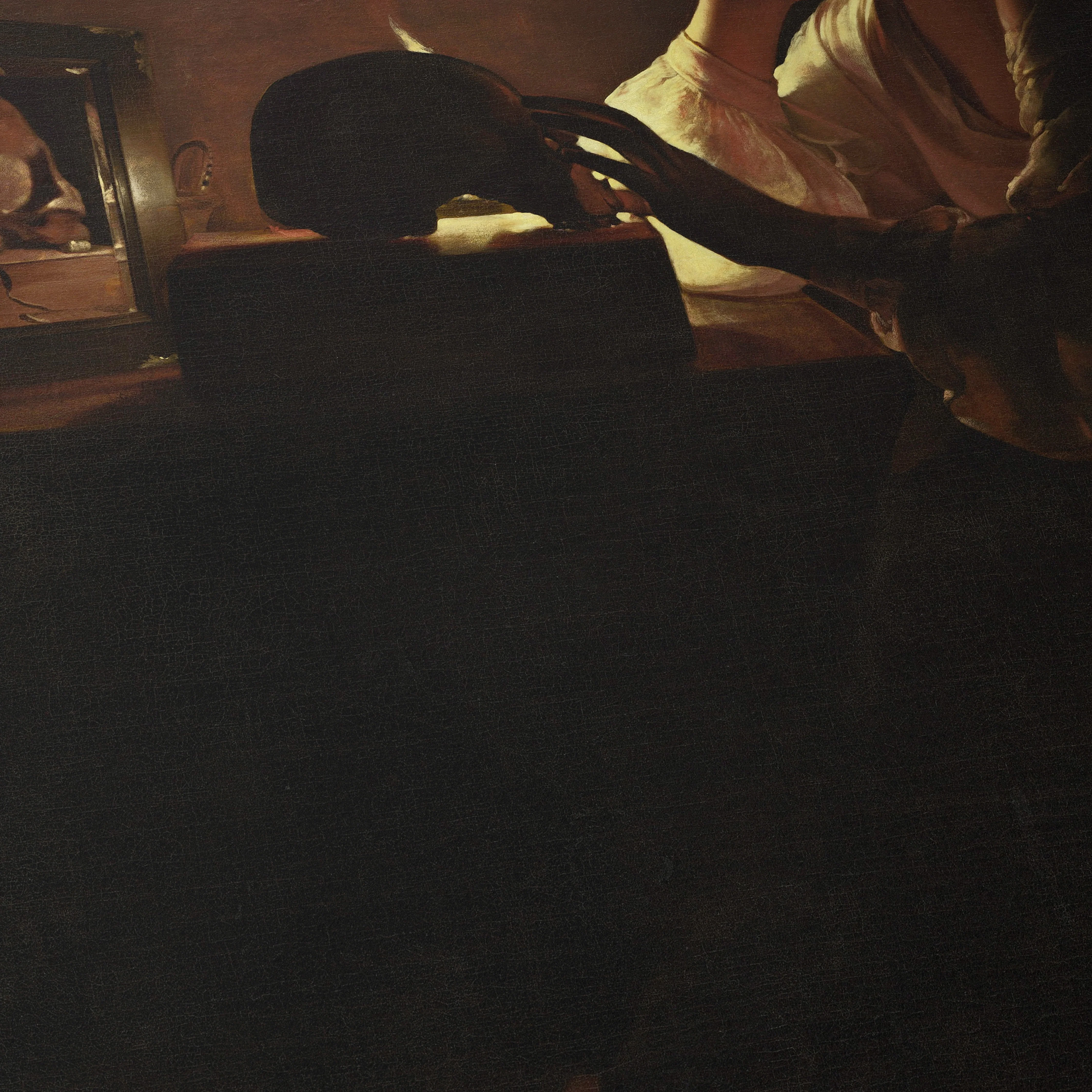
The Repentant Magdalen by Georges de La Tour, painted around 1640, presents Mary Magdalene seated in silence before a candle, absorbed in contemplation. The composition is simple and controlled, with a dark background that isolates the figure and intensifies the effect of the single light source. La Tour, a French Baroque painter deeply influenced by Caravaggio’s use of chiaroscuro, developed a more restrained and meditative approach. In this work, the candle does not create drama through movement, but rather establishes a quiet, interior atmosphere. The light models Magdalene’s face and hands with precision, while objects such as the skull and the mirror introduce traditional symbols of mortality and vanity. Instead of emphasizing emotional suffering, La Tour presents repentance as a calm and reflective state. The painting reflects the spiritual concerns of seventeenth century France, particularly the emphasis on inner devotion promoted during the Counter Reformation, and demonstrates the artist’s unique ability to transform a biblical subject into an intimate and timeless meditation on faith and self examination.
Product Information
Product Information
Shipping & Returns
Shipping & Returns





The Repentant Magdalen | Georges de La Tour | 1640
The Repentant Magdalen | Georges de La Tour | 1640
About the artwork:
The Repentant Magdalen by Georges de La Tour, painted around 1640, presents Mary Magdalene seated in silence before a candle, absorbed in contemplation. The composition is simple and controlled, with a dark background that isolates the figure and intensifies the effect of the single light source. La Tour, a French Baroque painter deeply influenced by Caravaggio’s use of chiaroscuro, developed a more restrained and meditative approach. In this work, the candle does not create drama through movement, but rather establishes a quiet, interior atmosphere. The light models Magdalene’s face and hands with precision, while objects such as the skull and the mirror introduce traditional symbols of mortality and vanity. Instead of emphasizing emotional suffering, La Tour presents repentance as a calm and reflective state. The painting reflects the spiritual concerns of seventeenth century France, particularly the emphasis on inner devotion promoted during the Counter Reformation, and demonstrates the artist’s unique ability to transform a biblical subject into an intimate and timeless meditation on faith and self examination.
Original: $297.82
-70%$297.82
$89.35Product Information
Product Information
Shipping & Returns
Shipping & Returns
Description
About the artwork:
The Repentant Magdalen by Georges de La Tour, painted around 1640, presents Mary Magdalene seated in silence before a candle, absorbed in contemplation. The composition is simple and controlled, with a dark background that isolates the figure and intensifies the effect of the single light source. La Tour, a French Baroque painter deeply influenced by Caravaggio’s use of chiaroscuro, developed a more restrained and meditative approach. In this work, the candle does not create drama through movement, but rather establishes a quiet, interior atmosphere. The light models Magdalene’s face and hands with precision, while objects such as the skull and the mirror introduce traditional symbols of mortality and vanity. Instead of emphasizing emotional suffering, La Tour presents repentance as a calm and reflective state. The painting reflects the spiritual concerns of seventeenth century France, particularly the emphasis on inner devotion promoted during the Counter Reformation, and demonstrates the artist’s unique ability to transform a biblical subject into an intimate and timeless meditation on faith and self examination.