✨ New Arrivals Just Dropped!Explore
HomeStore

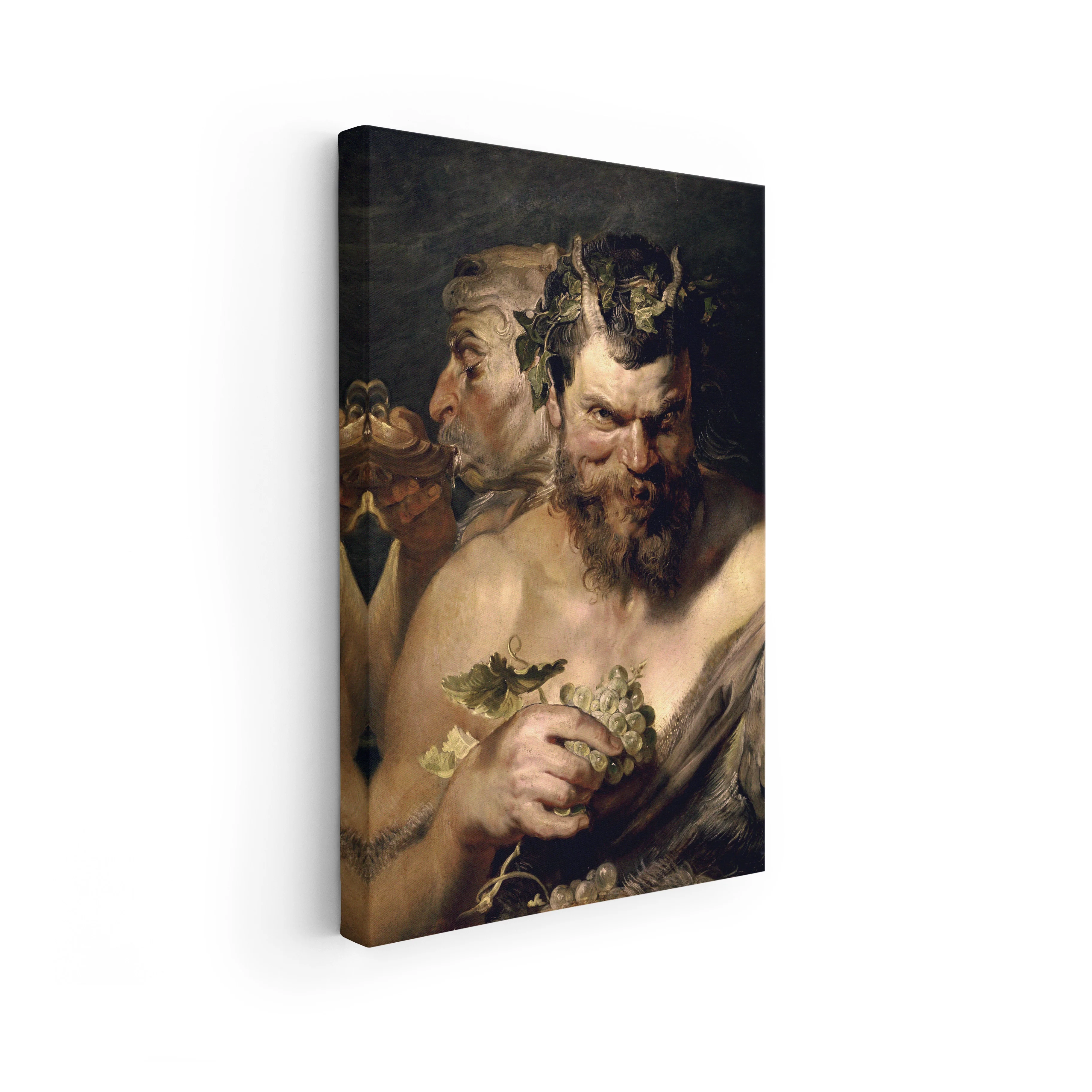
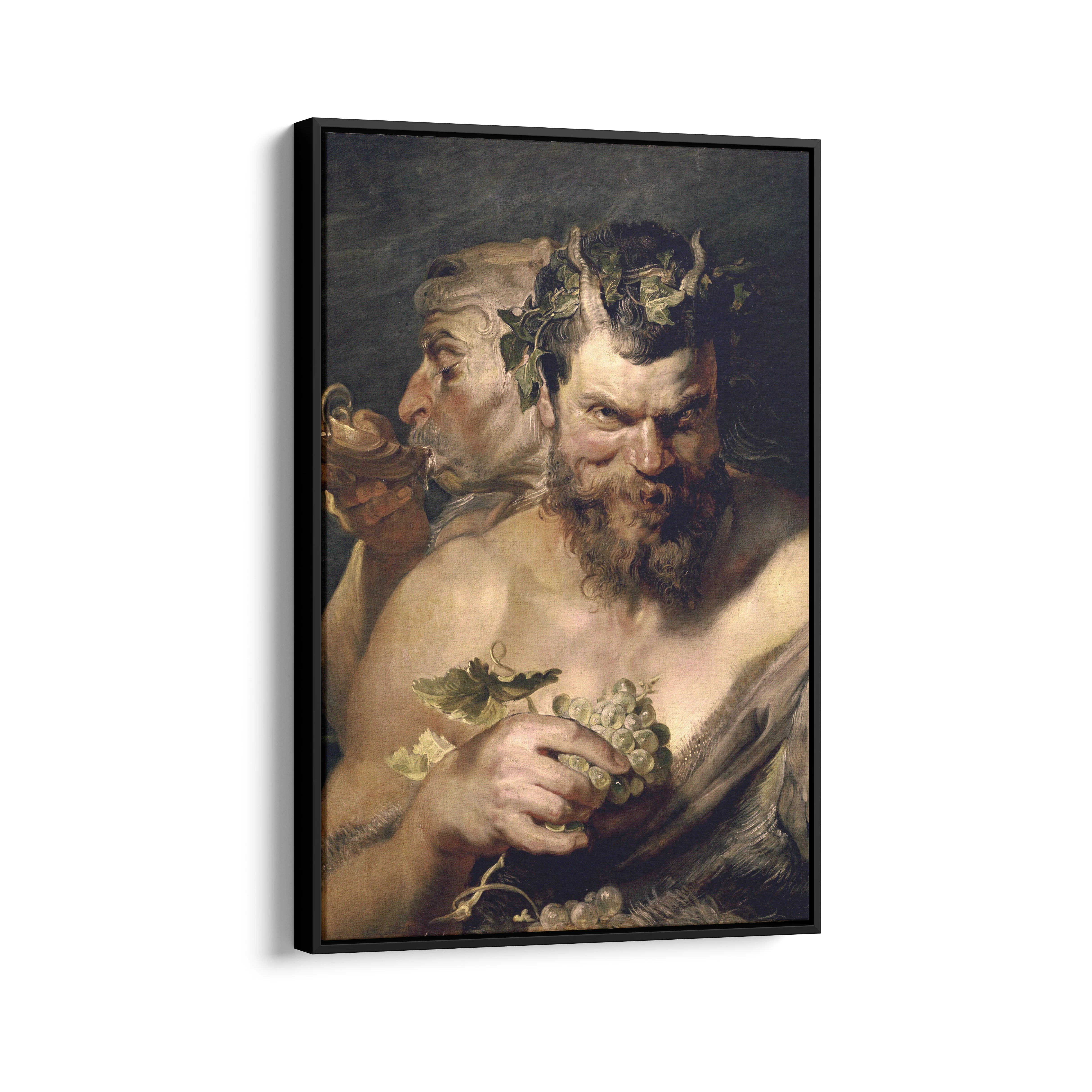
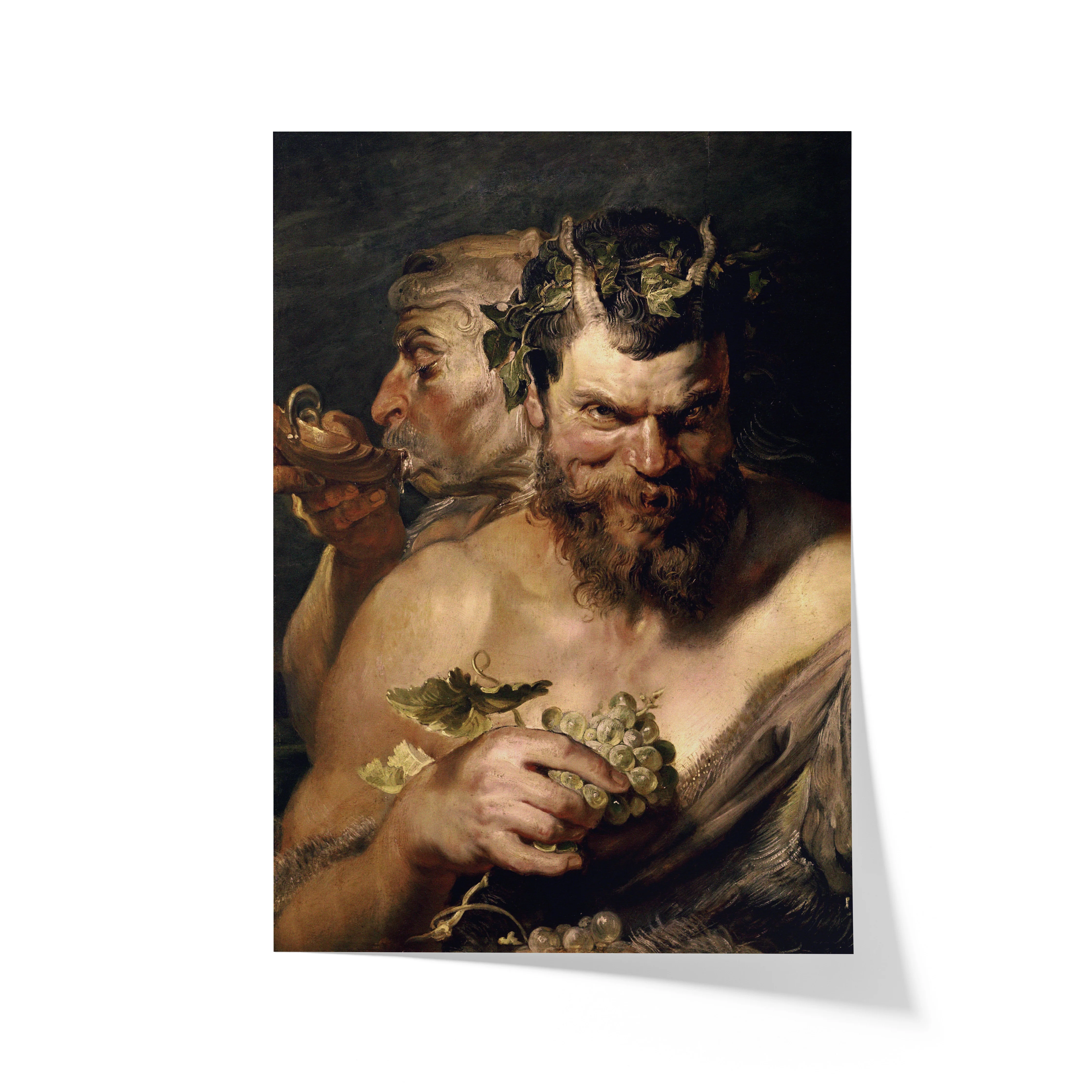
Two Satyrs | Peter Paul Rubens | c. 1617-19

Product image 1
Product image 2
Product image 3
Product image 4
Product image 5
Product image 6
Product image 7
Product image 8

Two Satyrs | Peter Paul Rubens | c. 1617-19

Two Satyrs | Peter Paul Rubens | c. 1617-19

About the artwork:

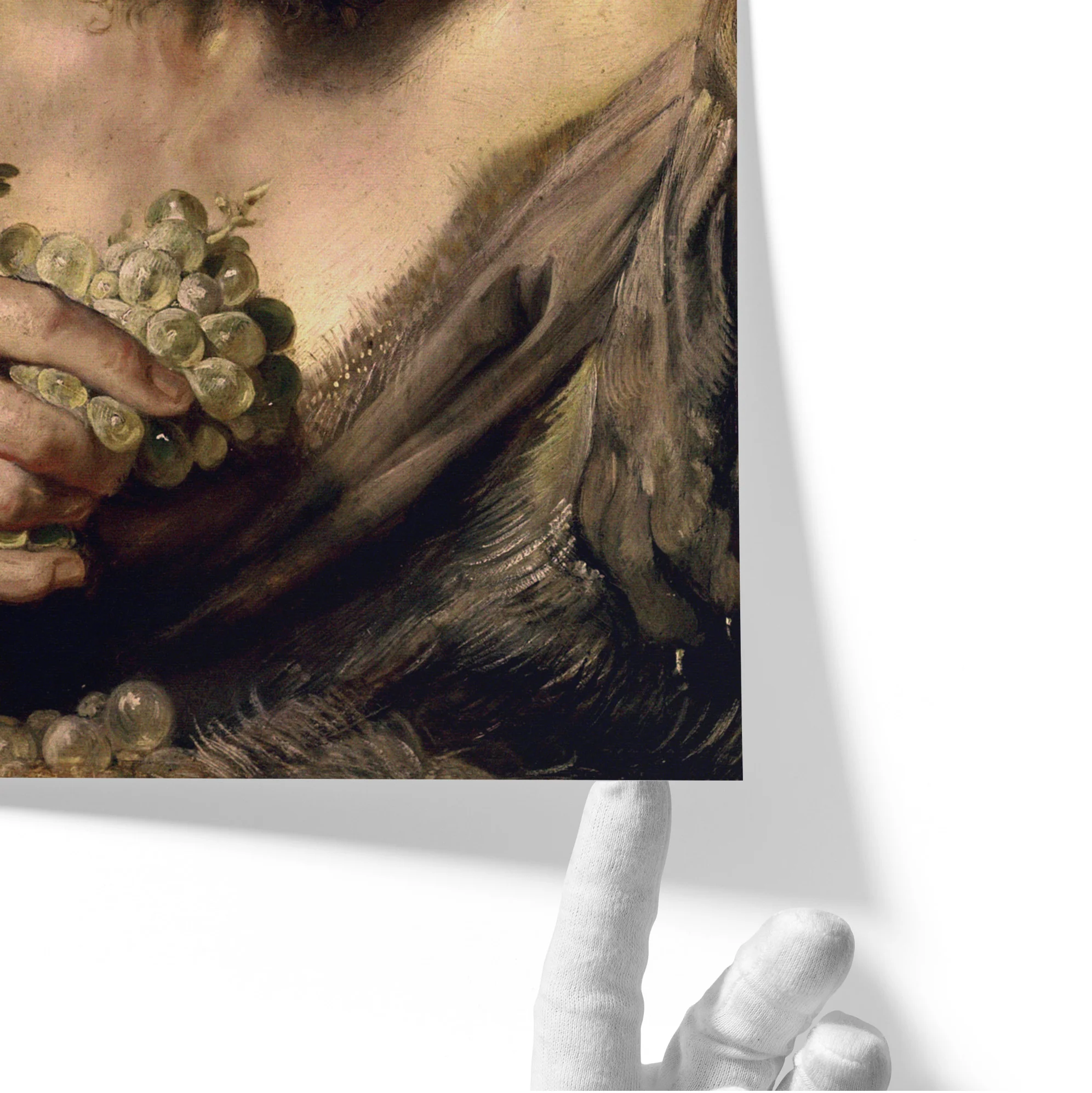
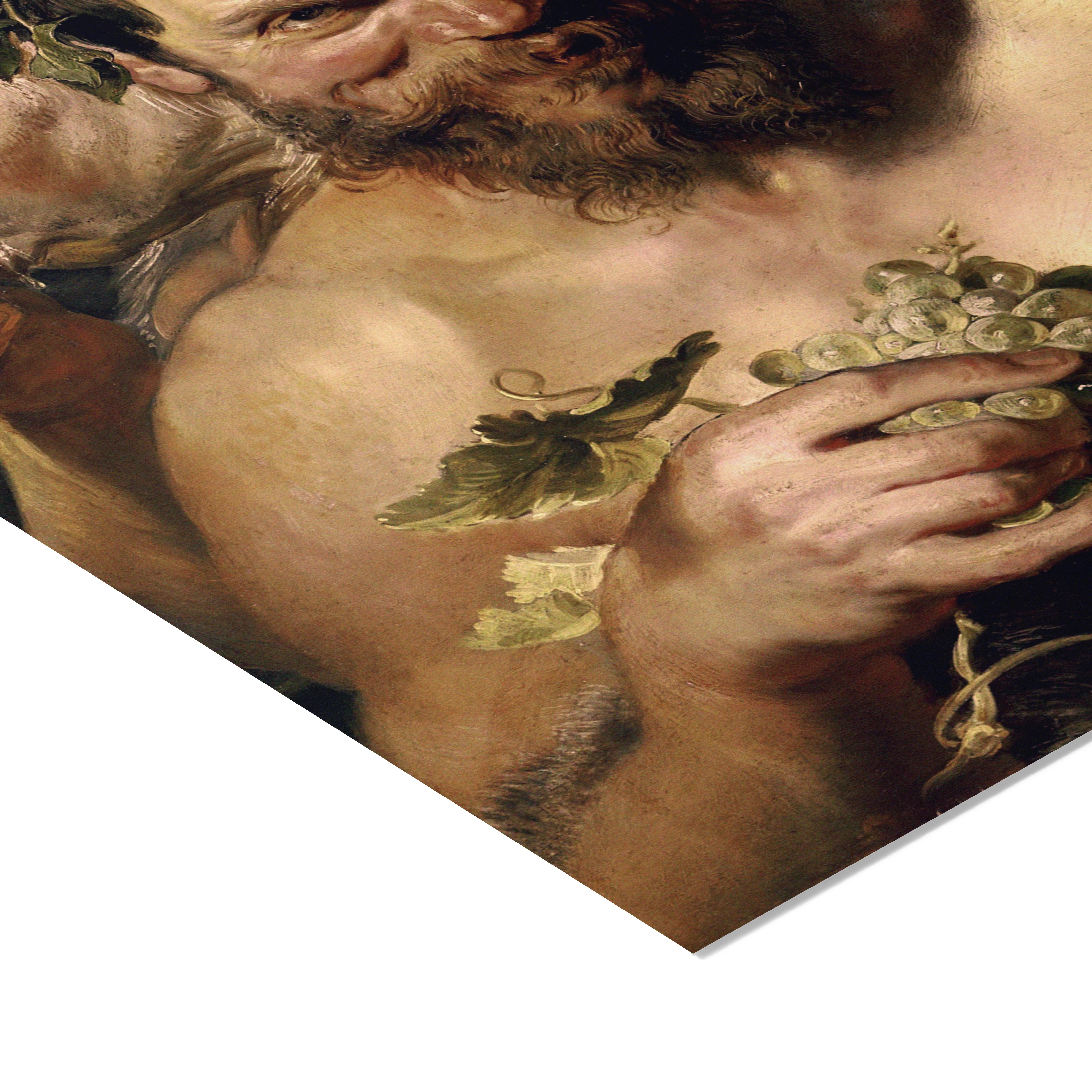
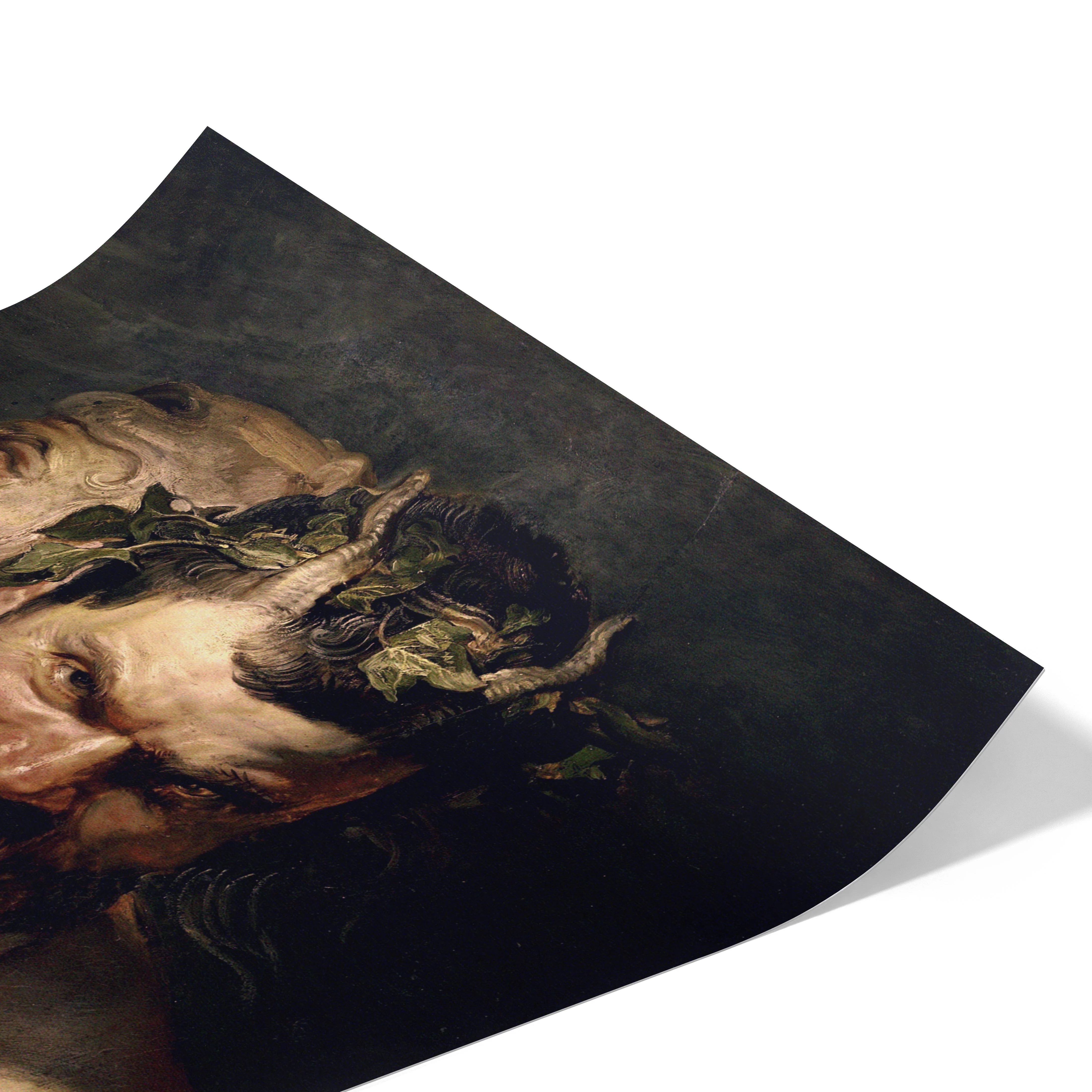
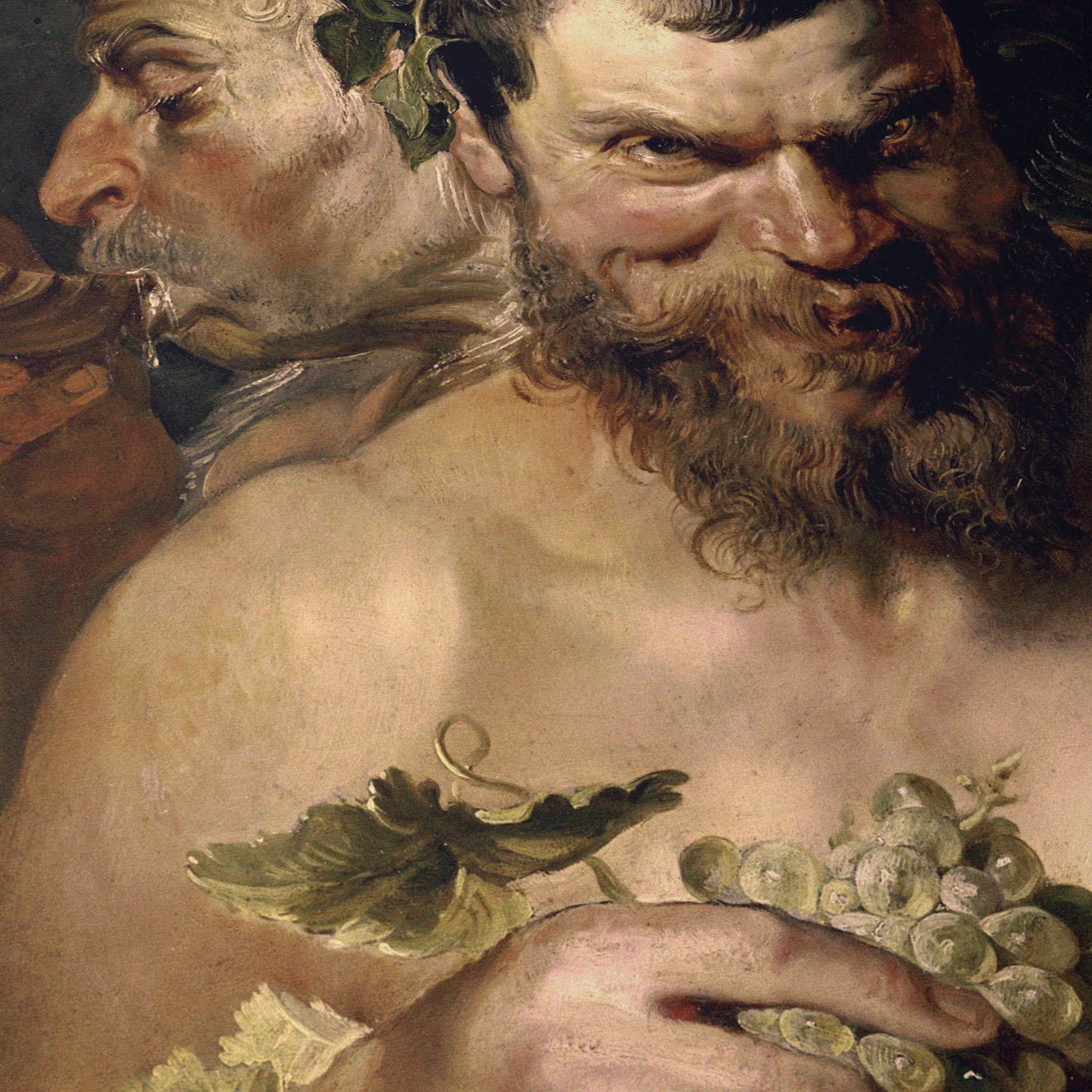
Rubens’s Two Satyrs is a compact but striking study in Baroque vitality, showing how he could turn a mythological subject into something intensely physical and immediate. Rather than presenting satyrs as distant symbols from classical literature, Rubens gives them weight, texture, and personality, with flushed flesh, animated expressions, and a direct sense of presence that makes the scene feel almost theatrical. The painting reflects his fascination with antiquity, but also his talent for transforming inherited motifs into something energetic and sensuous, which is one of the defining qualities of his work. In this case, the satyrs can be read as figures of instinct, excess, and untamed nature, yet the image is not purely wild or grotesque. It is also playful, showing Rubens’s ability to balance myth, humor, and technical brilliance. Created around 1617 to 1619, the work is now in the Alte Pinakothek in Munich, and its relatively small scale makes its expressive force even more impressive. 
Select Select Size
Select Frame Options
From $89.35

Original: $297.82

-70%
Two Satyrs | Peter Paul Rubens | c. 1617-19

$297.82

$89.35

Product Information

Shipping & Returns

Description

About the artwork:

Rubens’s Two Satyrs is a compact but striking study in Baroque vitality, showing how he could turn a mythological subject into something intensely physical and immediate. Rather than presenting satyrs as distant symbols from classical literature, Rubens gives them weight, texture, and personality, with flushed flesh, animated expressions, and a direct sense of presence that makes the scene feel almost theatrical. The painting reflects his fascination with antiquity, but also his talent for transforming inherited motifs into something energetic and sensuous, which is one of the defining qualities of his work. In this case, the satyrs can be read as figures of instinct, excess, and untamed nature, yet the image is not purely wild or grotesque. It is also playful, showing Rubens’s ability to balance myth, humor, and technical brilliance. Created around 1617 to 1619, the work is now in the Alte Pinakothek in Munich, and its relatively small scale makes its expressive force even more impressive.