✨ New Arrivals Just Dropped!Explore
HomeStore

Winter Landscape | Caspar David Friedrich | 1811

Product image 1
Product image 2
Product image 3
Product image 4
Product image 5
Product image 6
Product image 7
Product image 8
Product image 9

Winter Landscape | Caspar David Friedrich | 1811

Winter Landscape | Caspar David Friedrich | 1811

About the artwork:

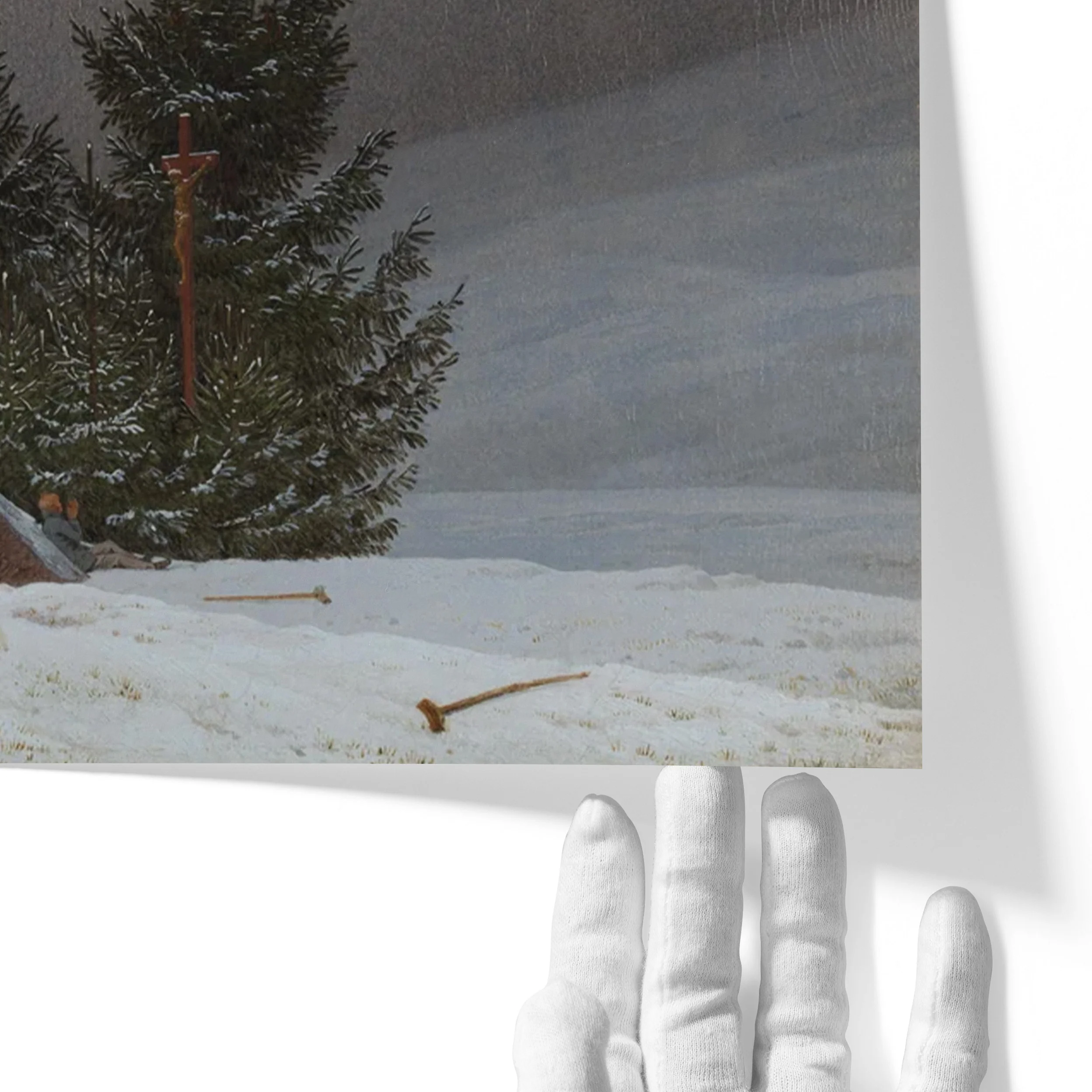
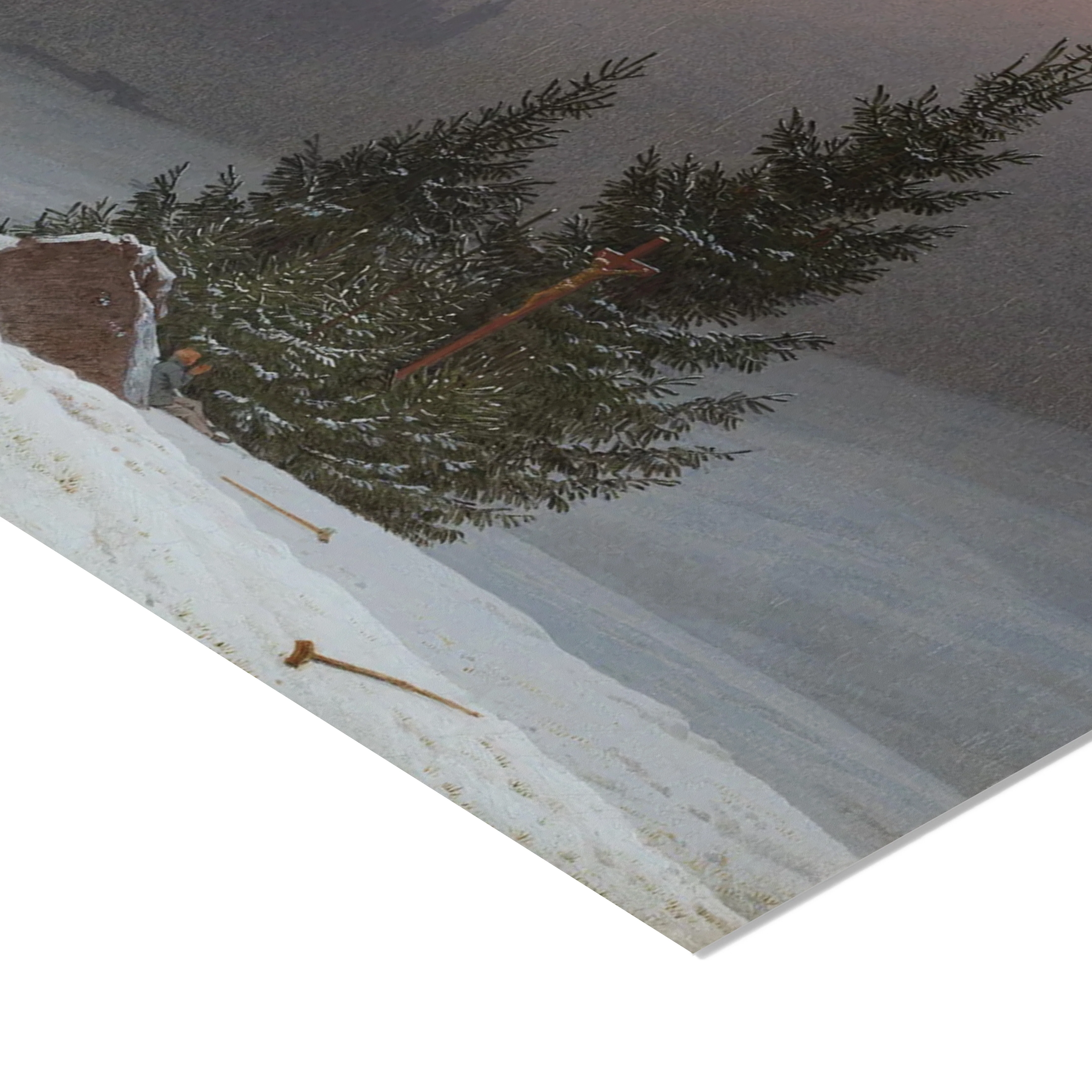
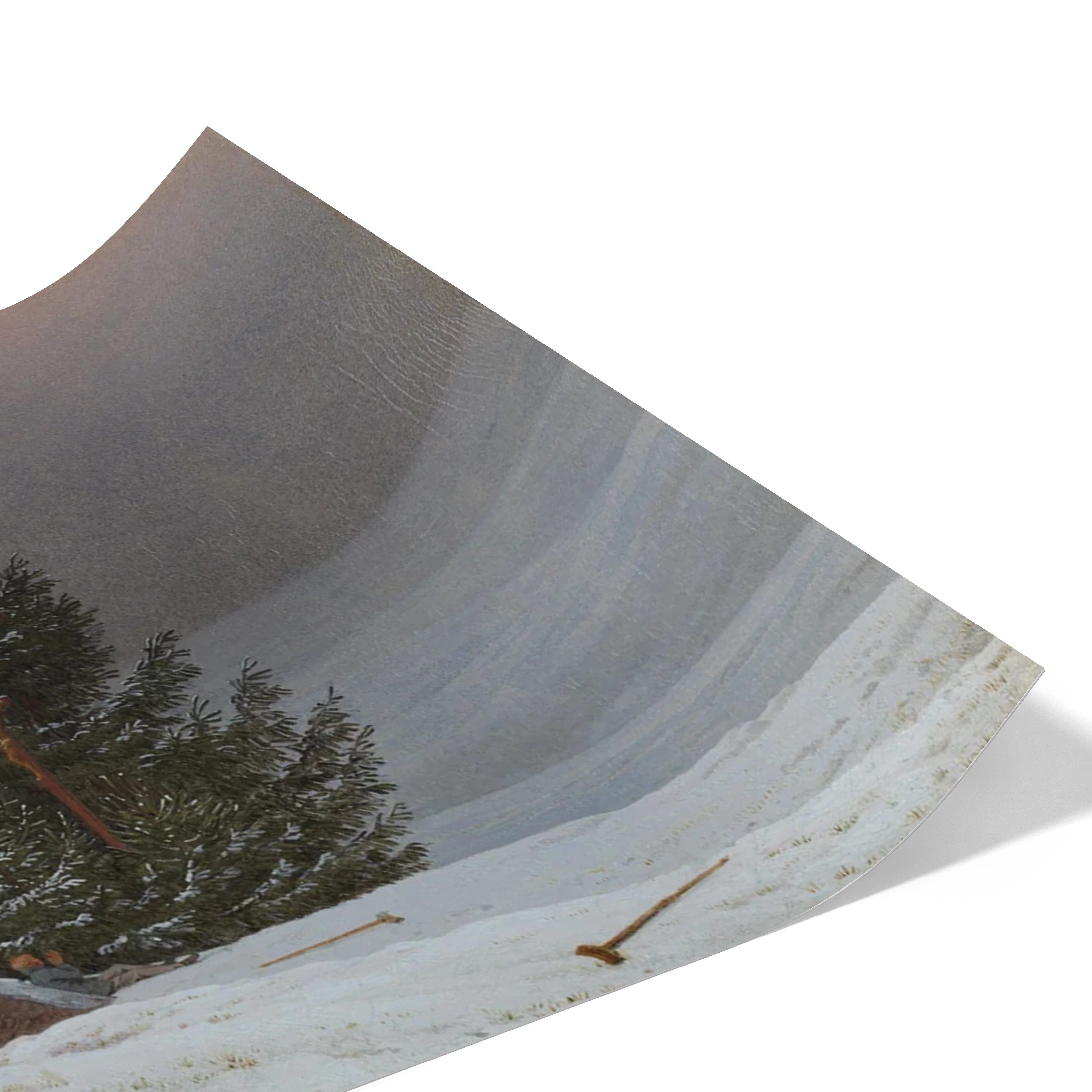
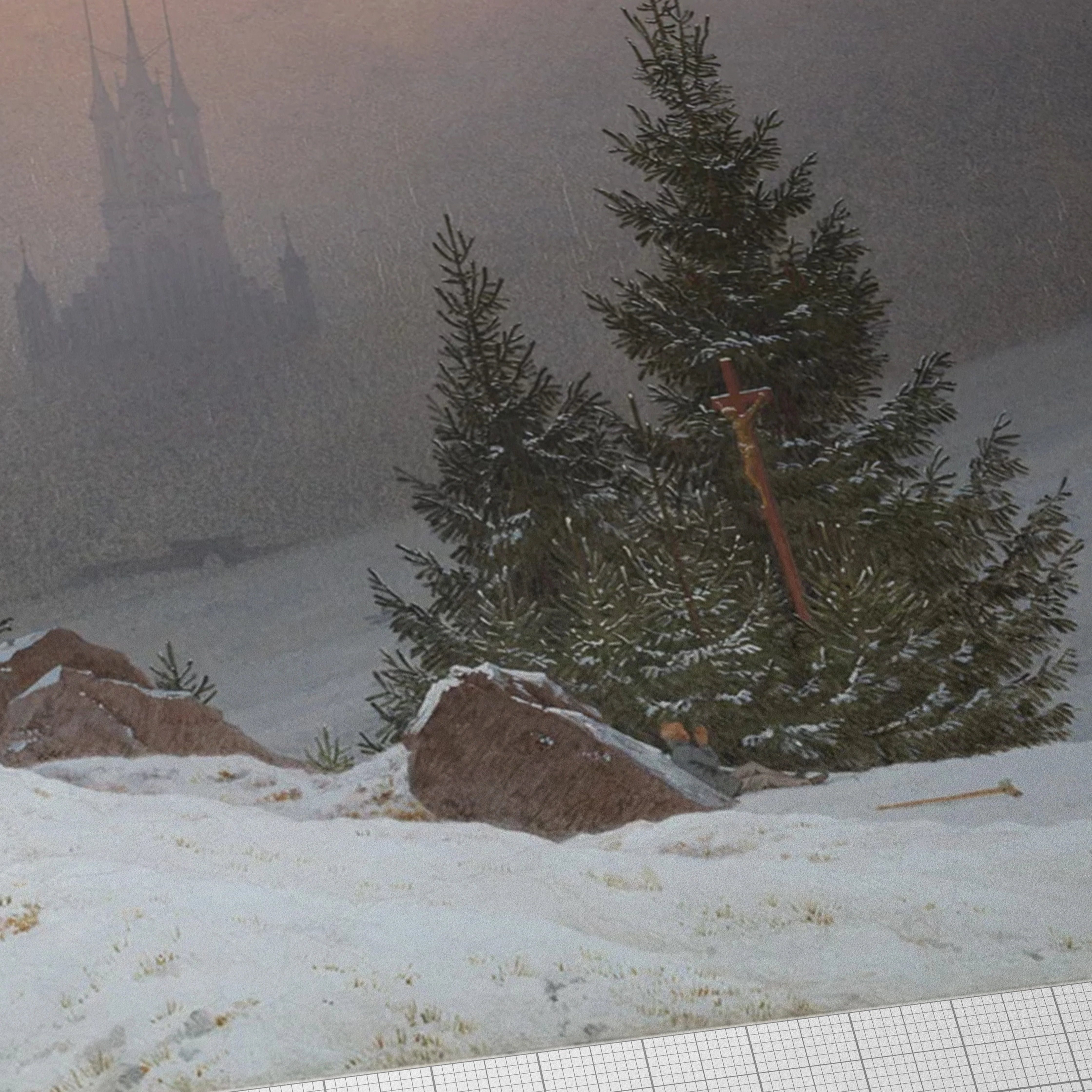
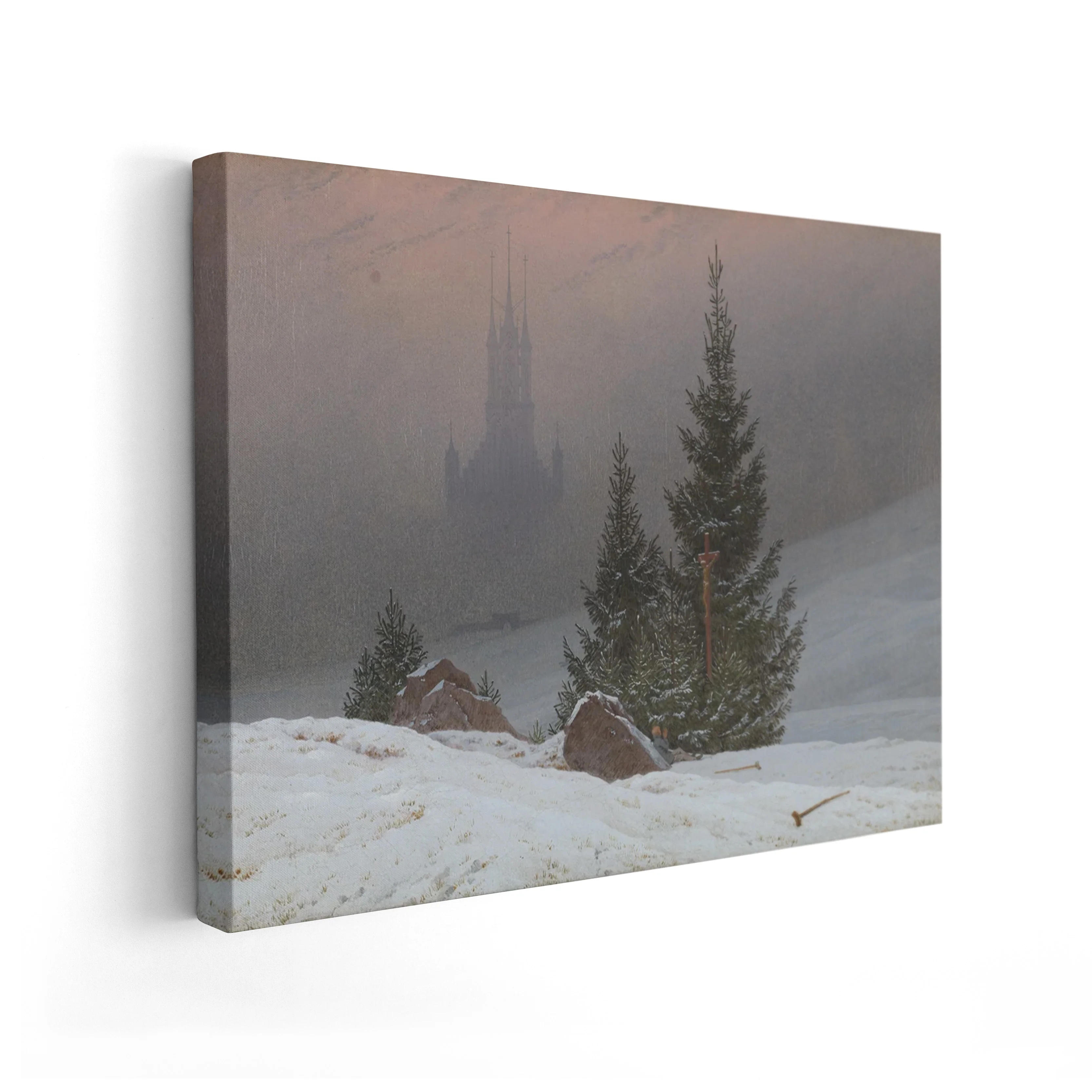
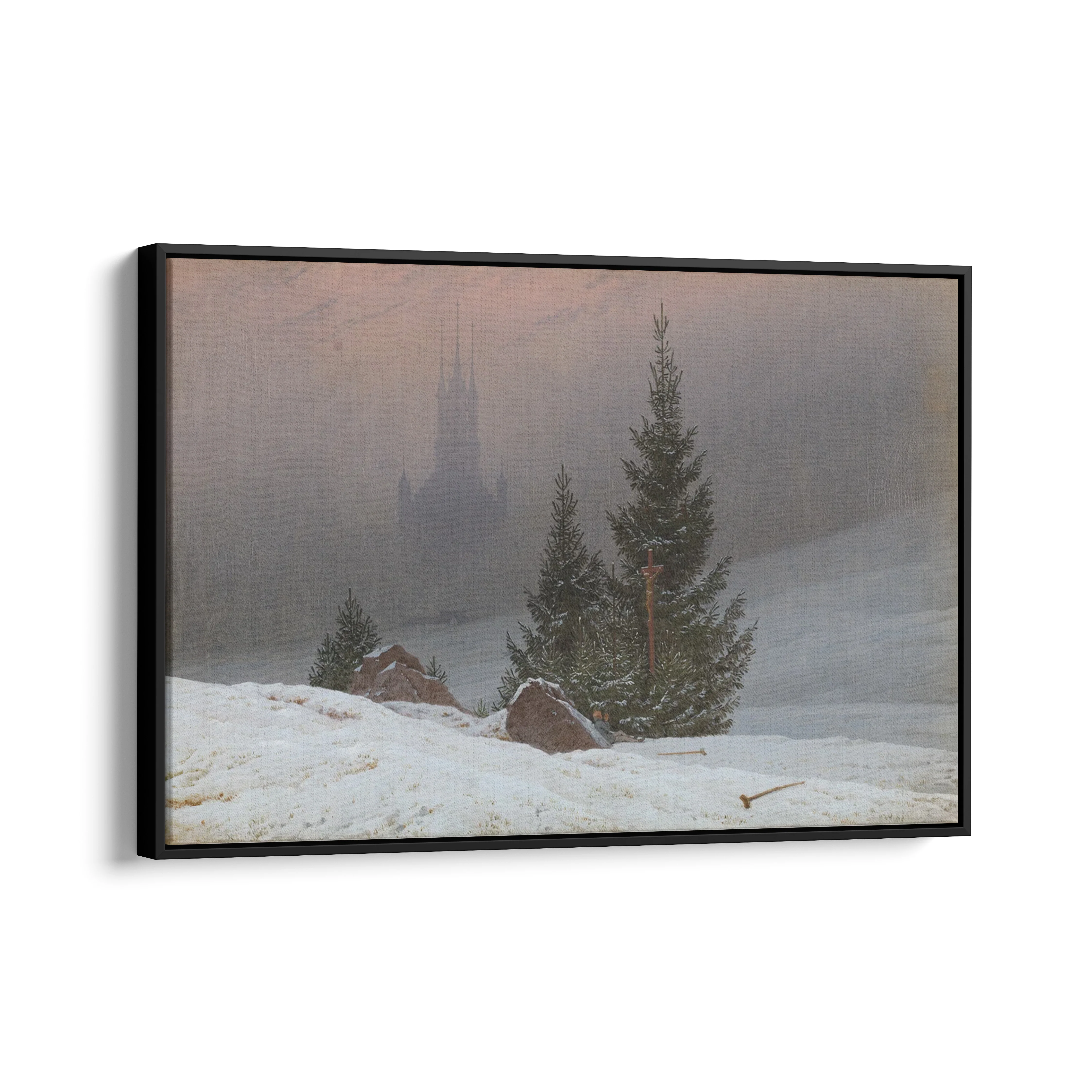
"Winter Landscape" by Caspar David Friedrich, painted in the early 19th century, encapsulates the sublime beauty of winter in a serene, desolate scene that invites contemplation and introspection. Friedrich, a master of Romantic landscape painting, depicts a snow-covered field with a small figure of a man seen from behind, leaning on crutches and facing a crucifix set among the barren trees. The vast expanse of the landscape, dominated by muted tones of white and gray, conveys a sense of isolation and the harshness of winter, while the presence of the crucifix suggests themes of hope, faith, and renewal amidst desolation. The painting's composition, with its emphasis on the vastness of nature and the smallness of the human figure within it, reflects Friedrich's interest in the sublime and the transcendental aspects of nature, portraying the winter landscape not just as a physical space but as a spiritual journey and a reflection on human vulnerability and resilience.

Select Select Size
Select Frame Options
From $89.35

Original: $297.82

-70%
Winter Landscape | Caspar David Friedrich | 1811

$297.82

$89.35

Product Information

Shipping & Returns

Description

About the artwork:
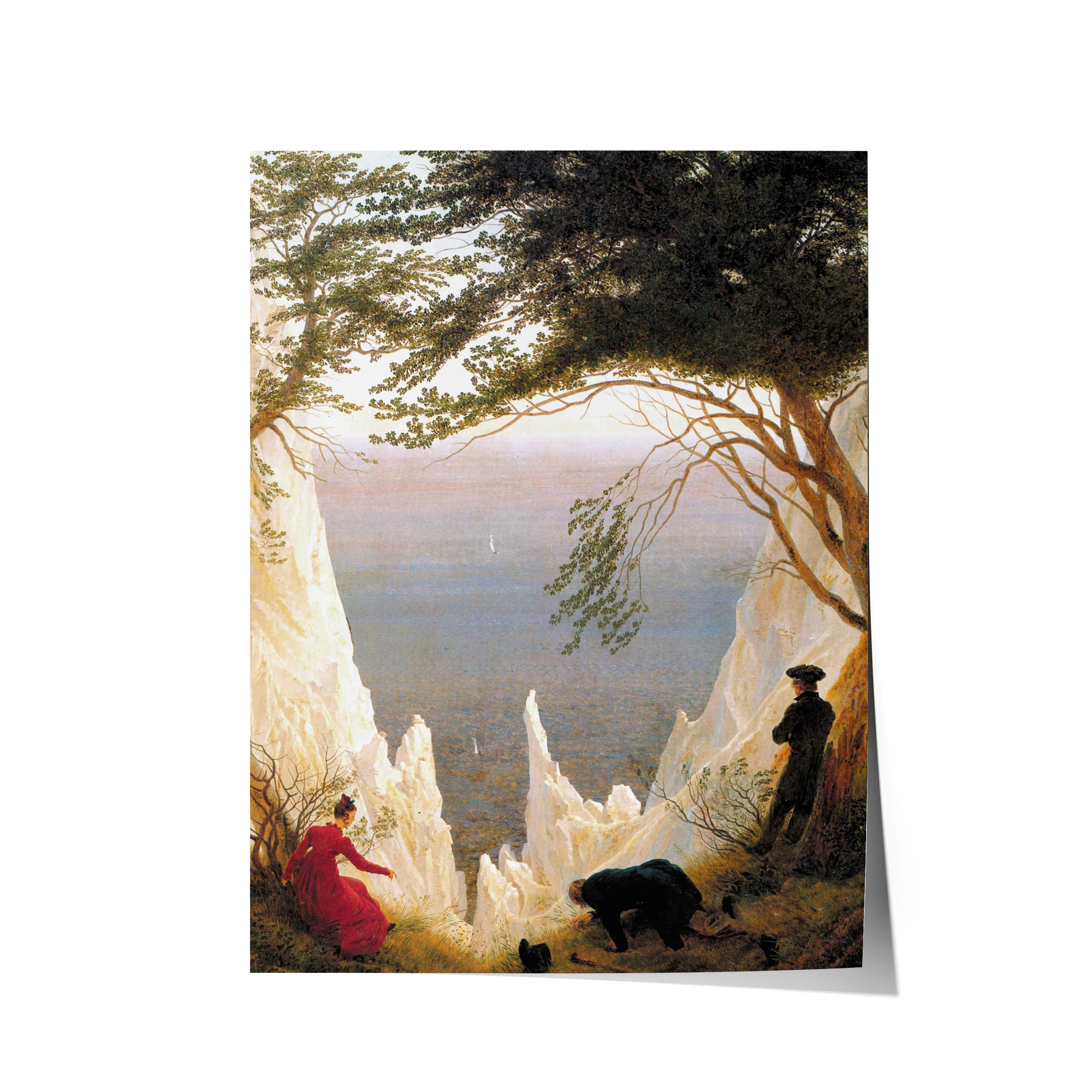
"Winter Landscape" by Caspar David Friedrich, painted in the early 19th century, encapsulates the sublime beauty of winter in a serene, desolate scene that invites contemplation and introspection. Friedrich, a master of Romantic landscape painting, depicts a snow-covered field with a small figure of a man seen from behind, leaning on crutches and facing a crucifix set among the barren trees. The vast expanse of the landscape, dominated by muted tones of white and gray, conveys a sense of isolation and the harshness of winter, while the presence of the crucifix suggests themes of hope, faith, and renewal amidst desolation. The painting's composition, with its emphasis on the vastness of nature and the smallness of the human figure within it, reflects Friedrich's interest in the sublime and the transcendental aspects of nature, portraying the winter landscape not just as a physical space but as a spiritual journey and a reflection on human vulnerability and resilience.