✨ New Arrivals Just Dropped!Explore
HomeStore

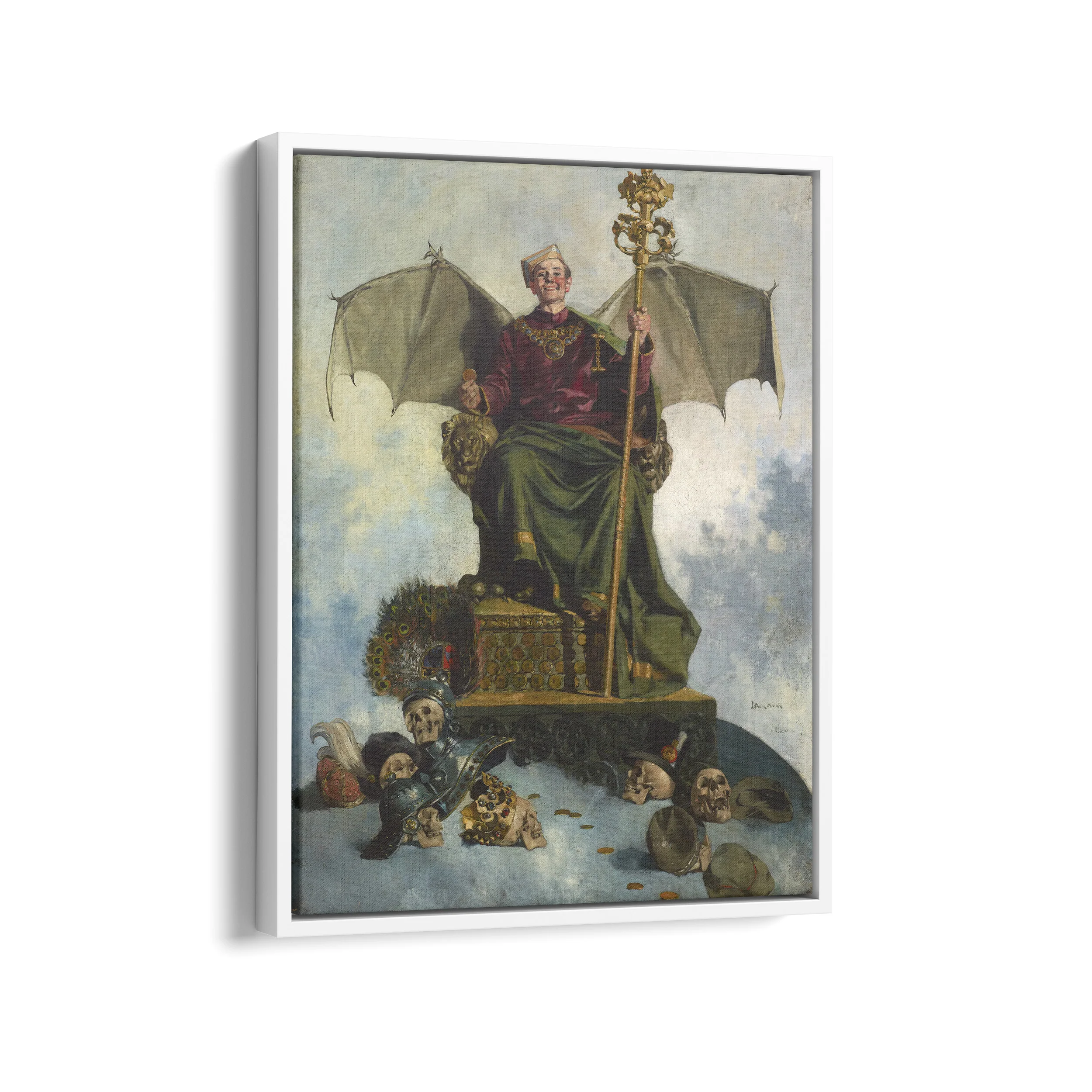
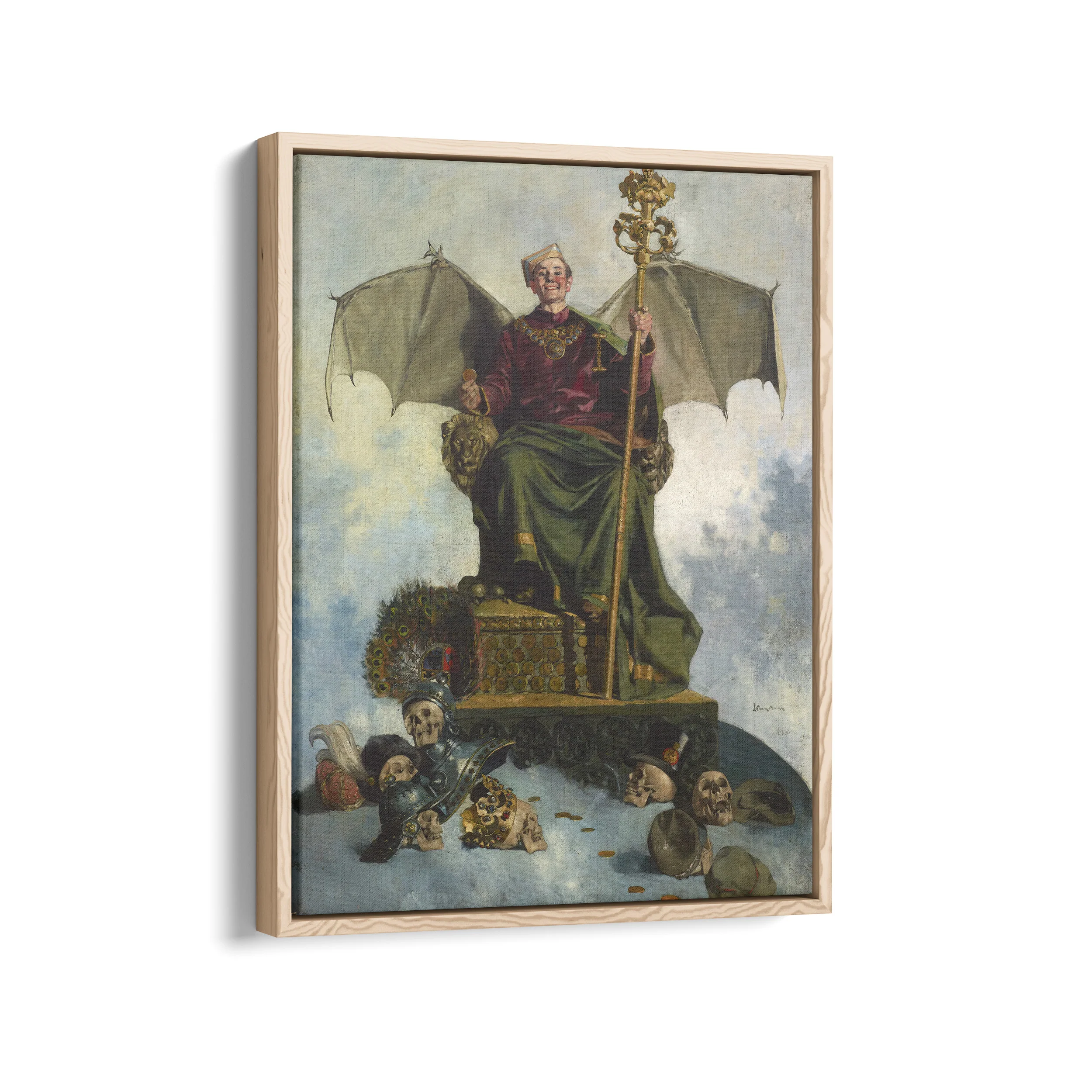
Allegory of Satan (Lord of the World) | Ludwik Stasiak | c. 1900

Product image 1
Product image 2
Product image 3
Product image 4
Product image 5
Product image 6
Product image 7
Product image 8
Product image 9
Product image 10

Allegory of Satan (Lord of the World) | Ludwik Stasiak | c. 1900

Allegory of Satan (Lord of the World) | Ludwik Stasiak | c. 1900

About the artwork:

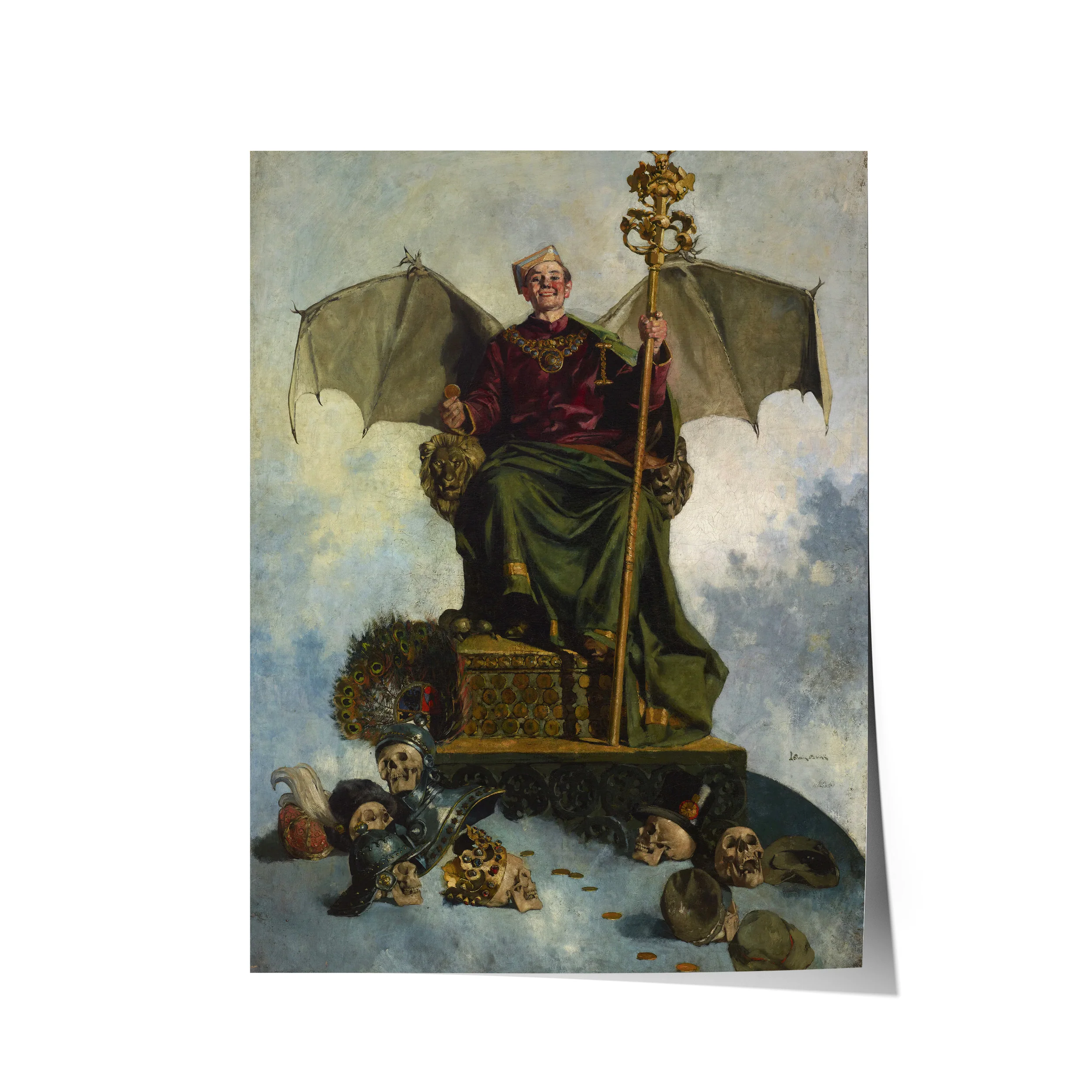
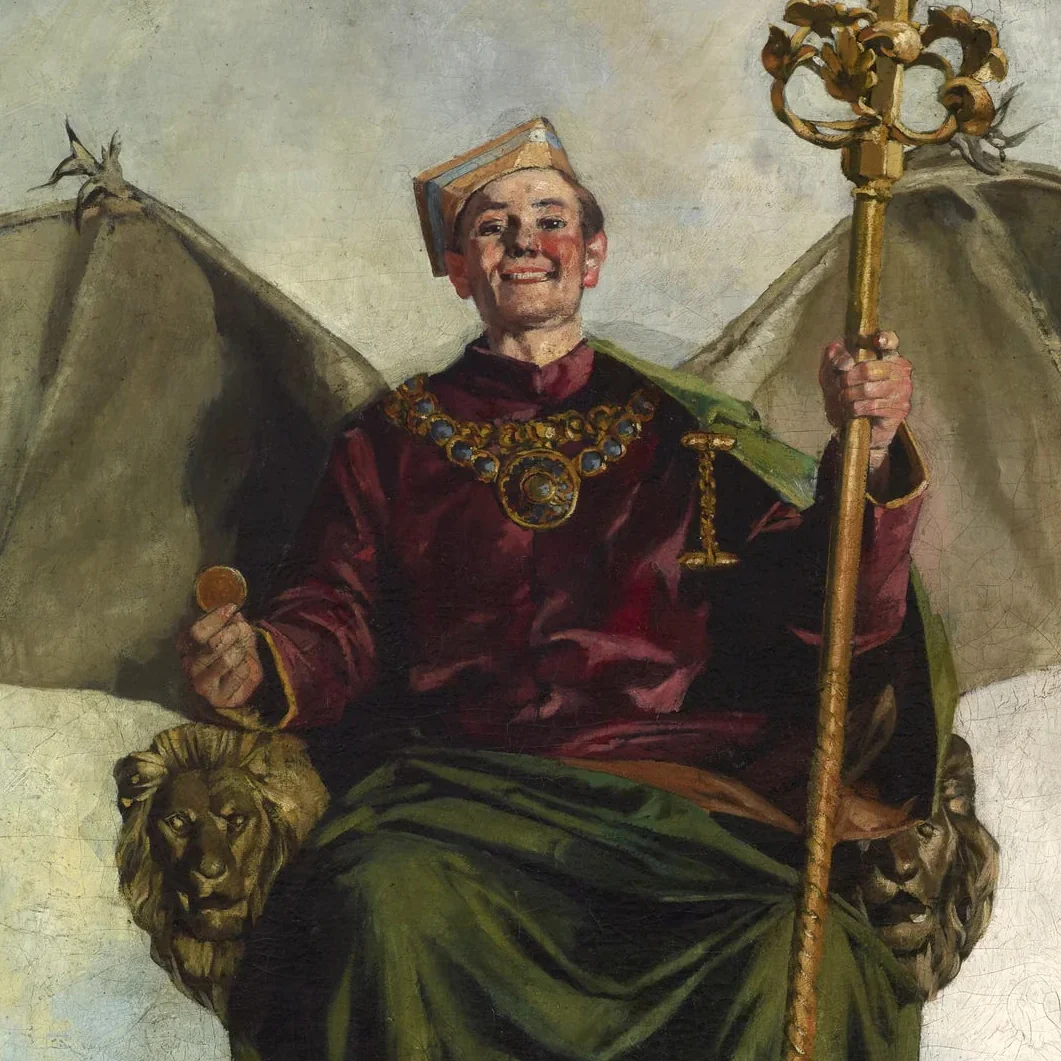
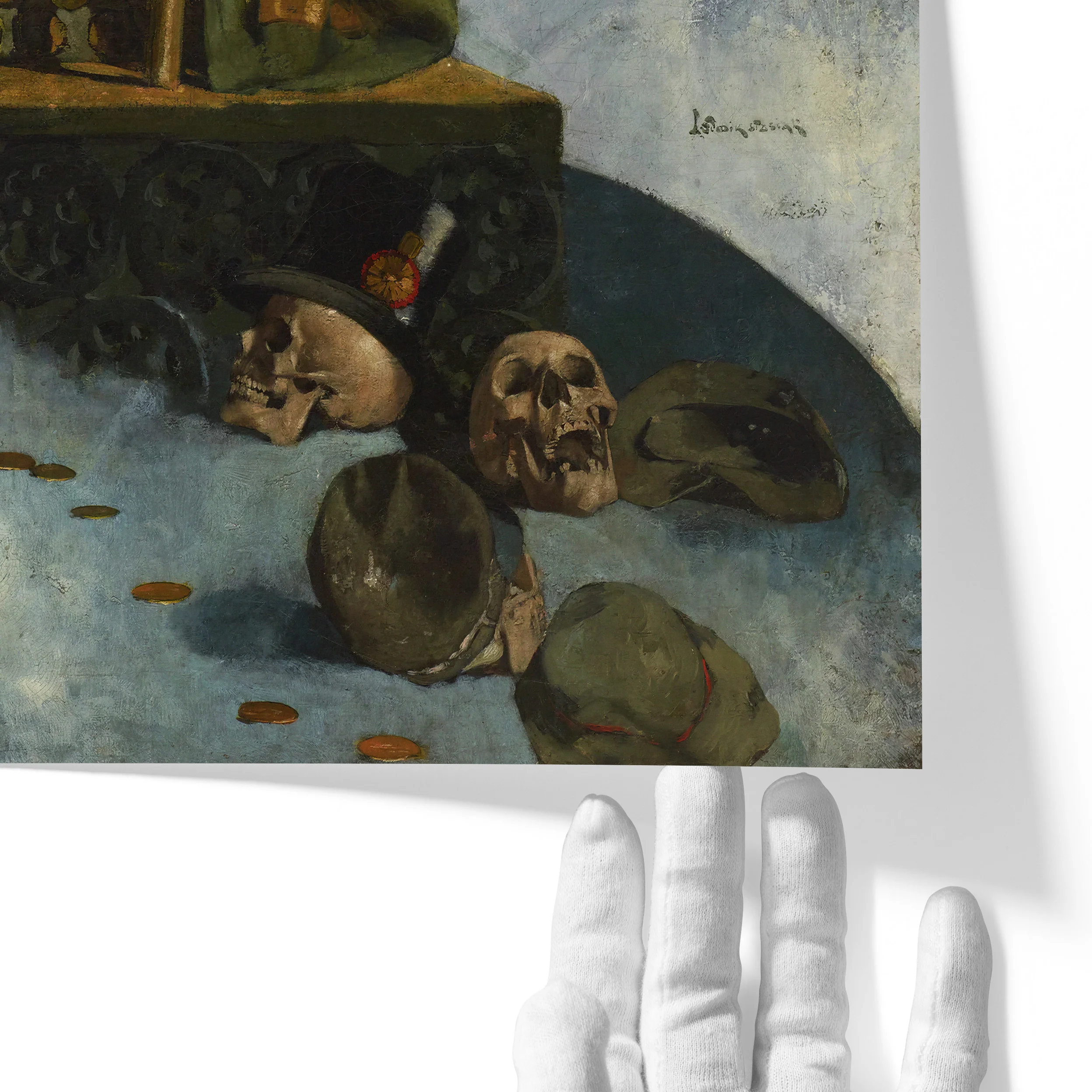
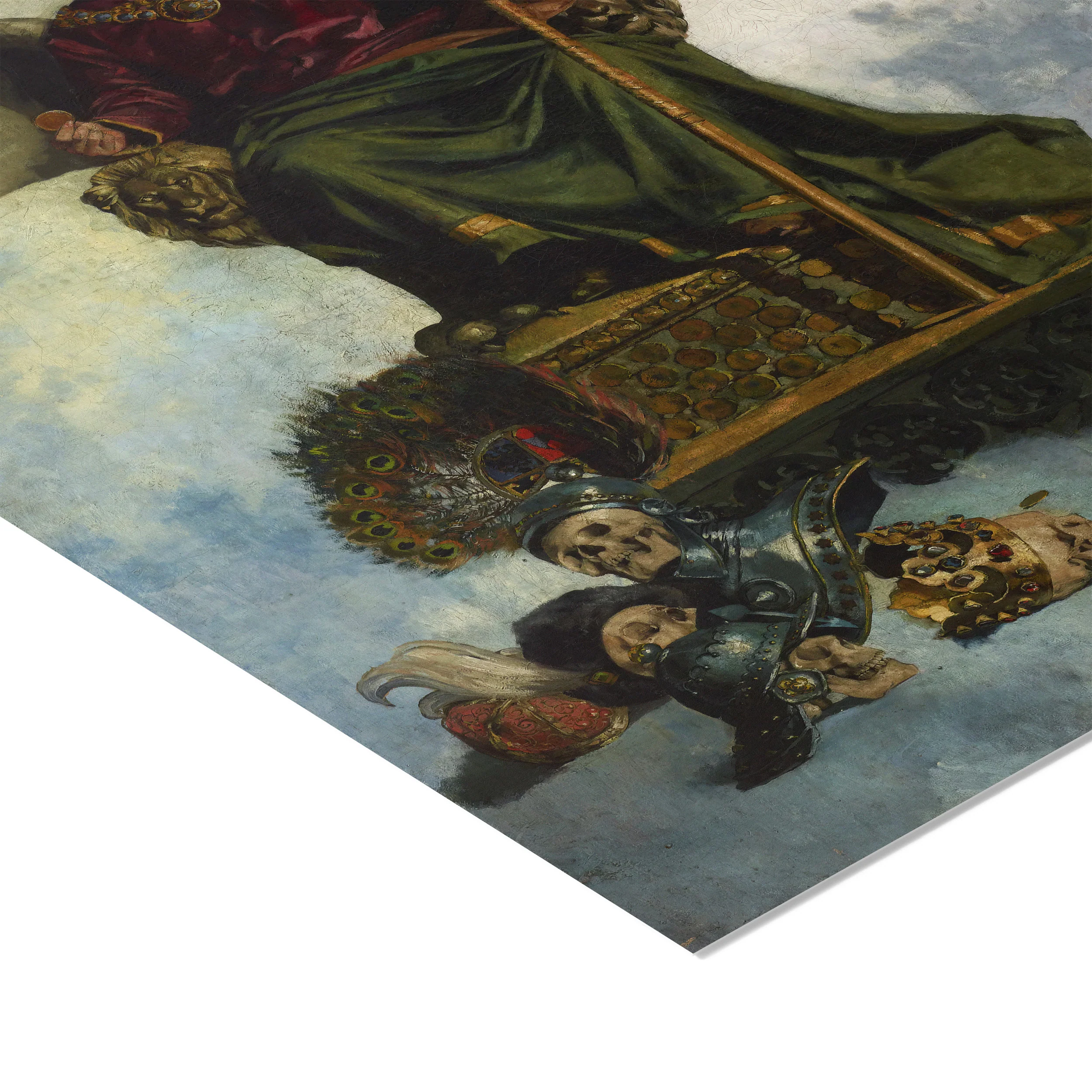
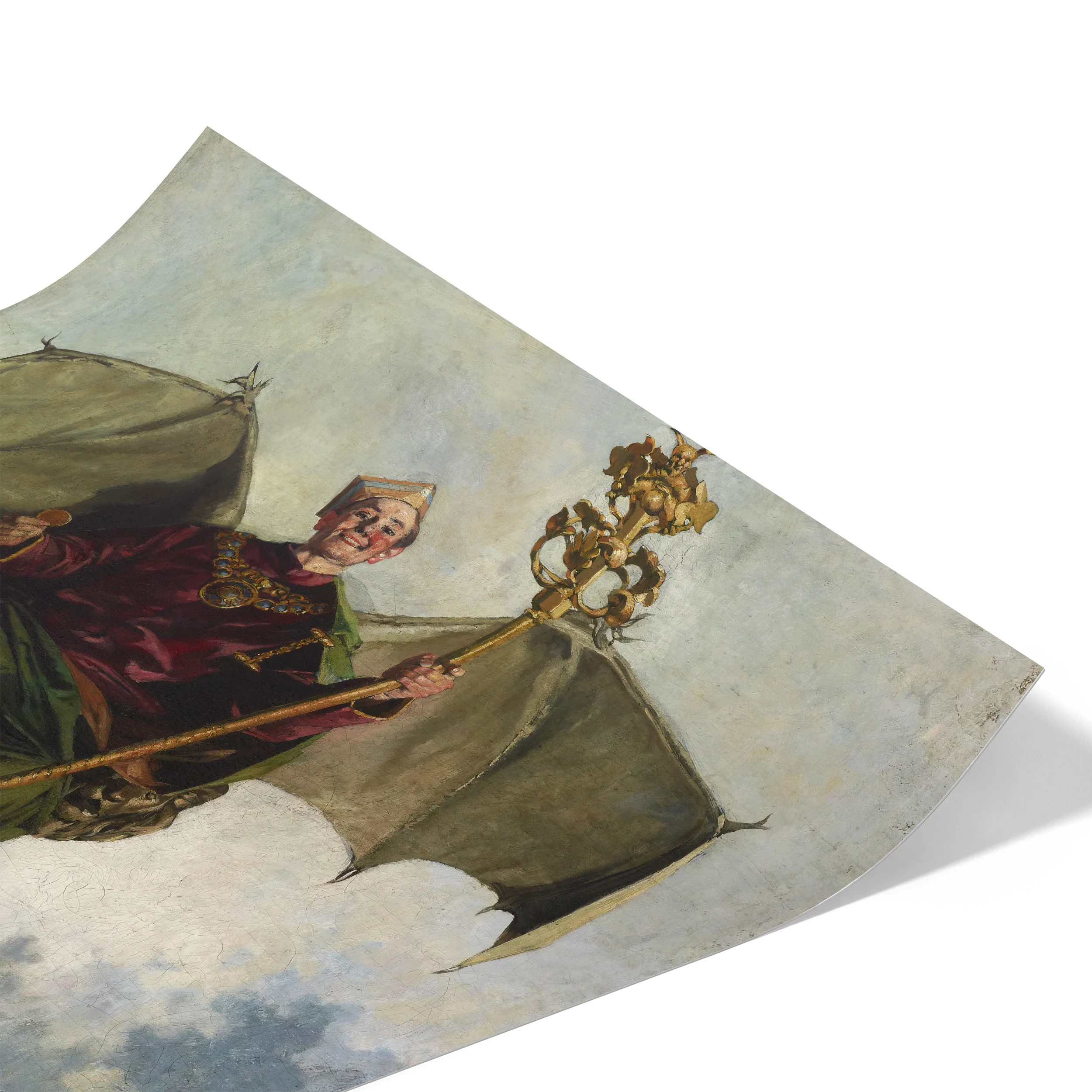
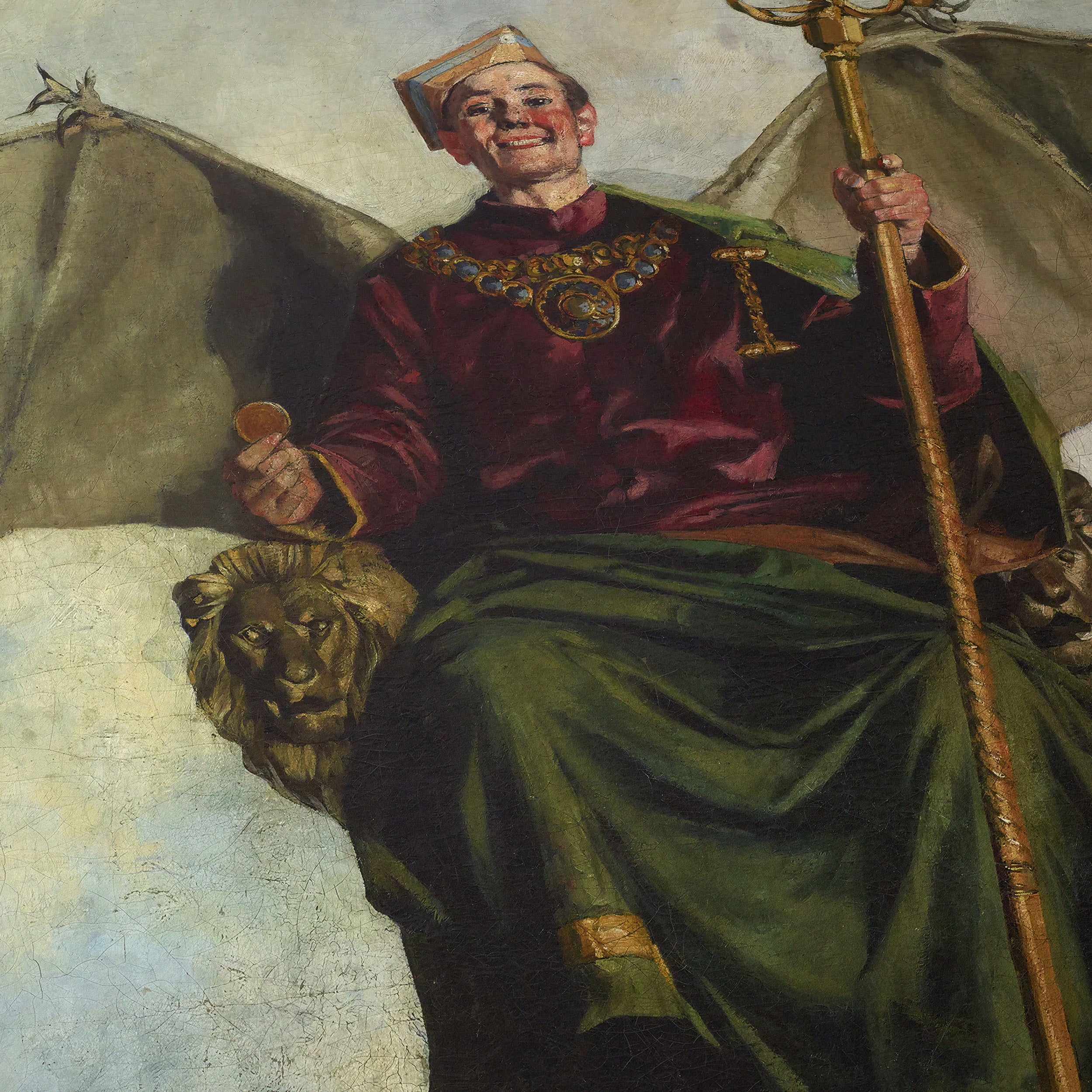
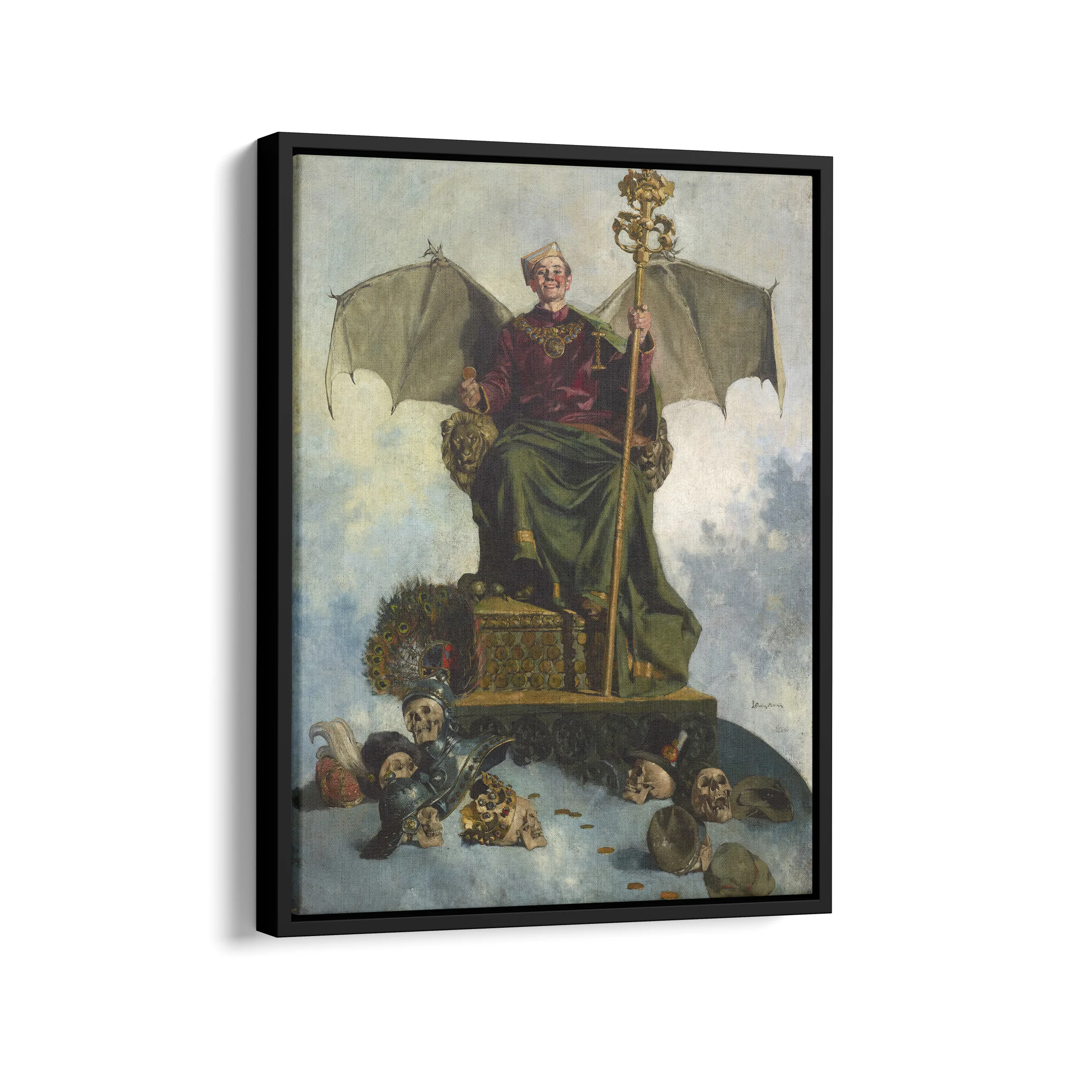
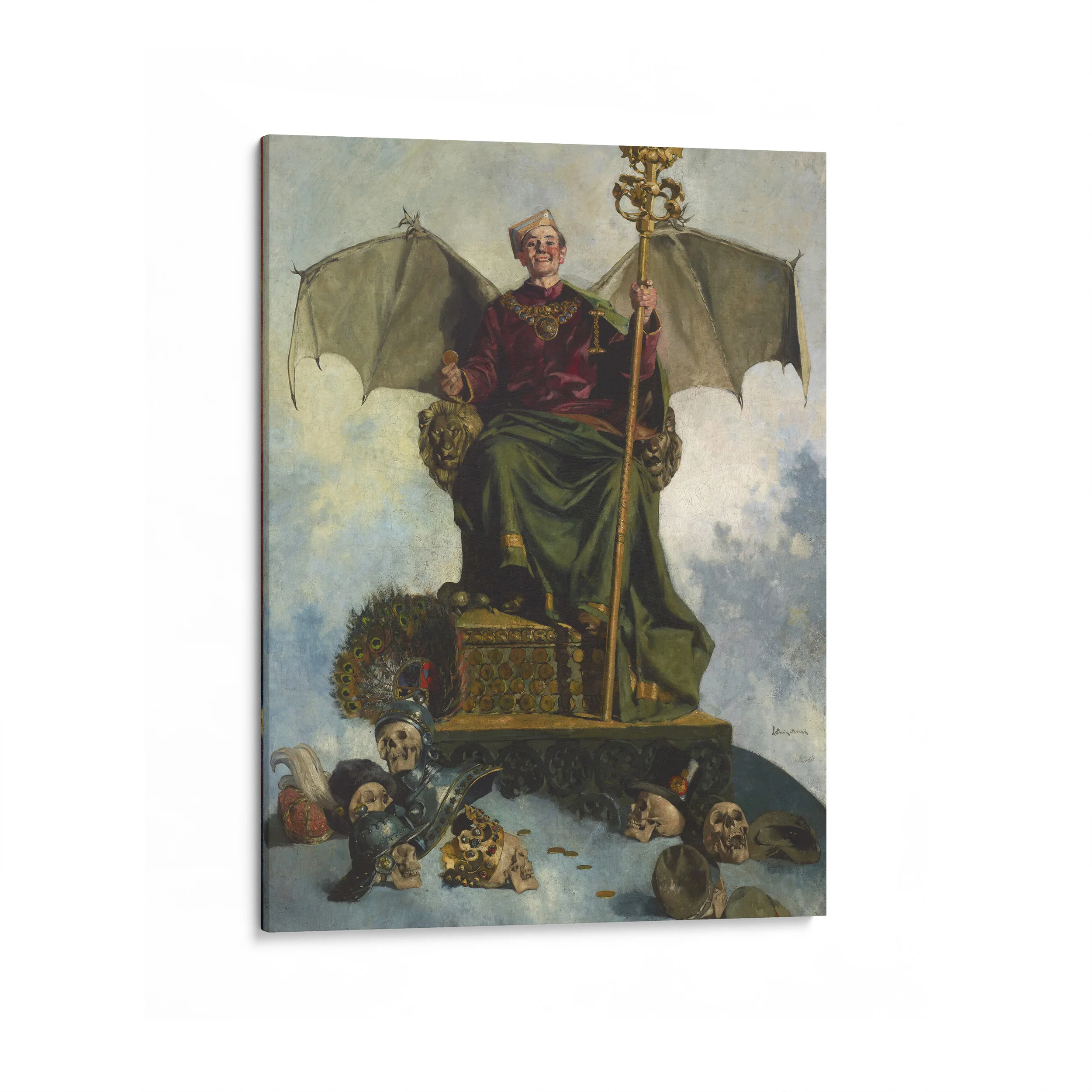
In Allegory of Satan (Lord of the World), Ludwik Stasiak presents evil not as chaos, but as authority, control, and worldly domination. Painted around 1900, the work shows Satan enthroned like a ruler, surrounded by symbols of death, broken power, and material corruption, which turns the image into a moral and political allegory rather than a simple religious scene. The title is essential because “Lord of the World” suggests that Stasiak was reflecting on the seductive power of wealth, ambition, and earthly rule, making Satan a figure of influence rather than mere terror. This approach fits the fin de siècle taste for symbolic and psychological imagery, and it also makes the painting feel strikingly modern in the way it links evil with power, vanity, and human weakness. Stasiak was a Polish artist, writer, and art historian, and the painting is held by the National Museum in Kraków. 

Select Select Size
Select Frame Options
From $89.35

Original: $297.82

-70%
Allegory of Satan (Lord of the World) | Ludwik Stasiak | c. 1900

$297.82

$89.35

Product Information

Shipping & Returns

Description

About the artwork:
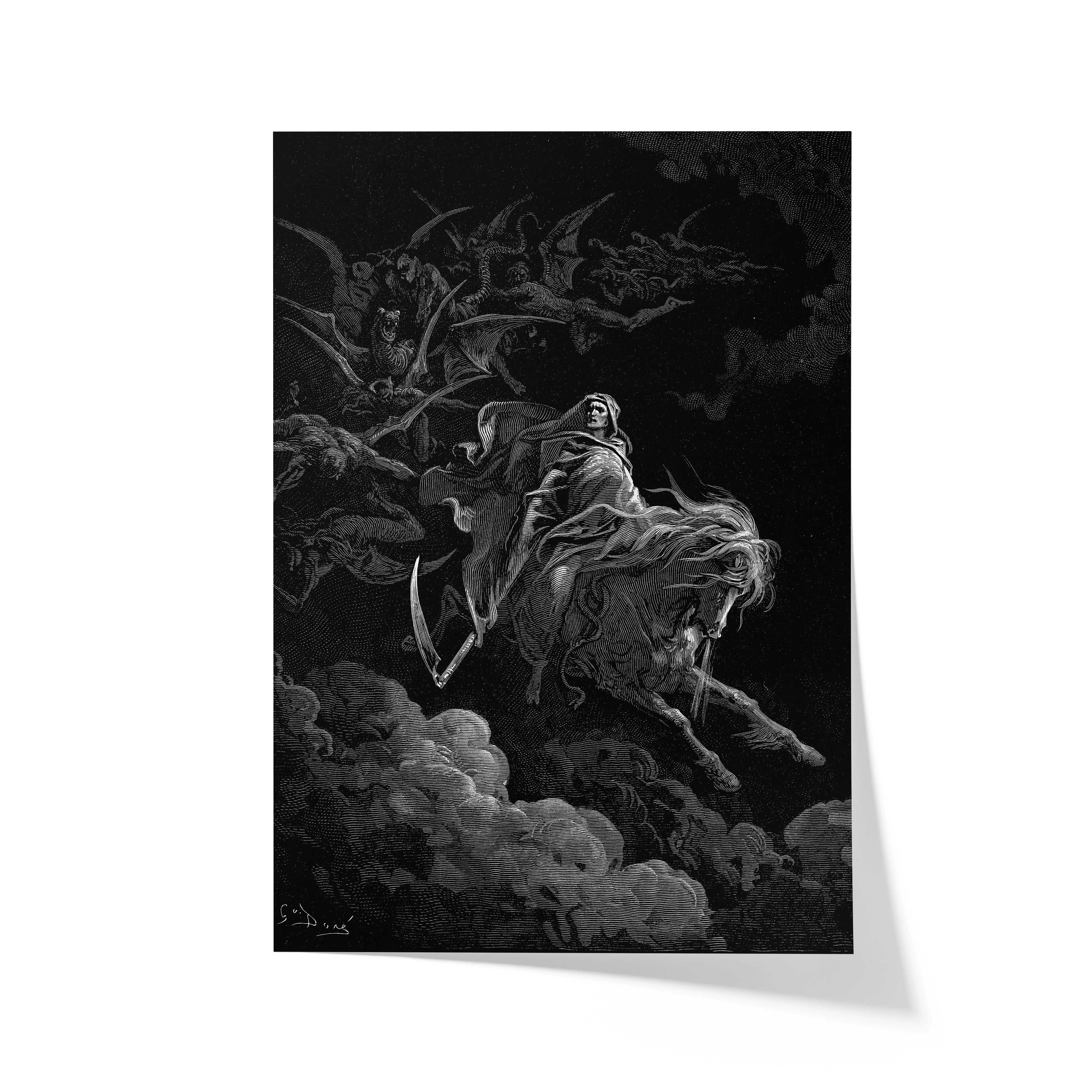
In Allegory of Satan (Lord of the World), Ludwik Stasiak presents evil not as chaos, but as authority, control, and worldly domination. Painted around 1900, the work shows Satan enthroned like a ruler, surrounded by symbols of death, broken power, and material corruption, which turns the image into a moral and political allegory rather than a simple religious scene. The title is essential because “Lord of the World” suggests that Stasiak was reflecting on the seductive power of wealth, ambition, and earthly rule, making Satan a figure of influence rather than mere terror. This approach fits the fin de siècle taste for symbolic and psychological imagery, and it also makes the painting feel strikingly modern in the way it links evil with power, vanity, and human weakness. Stasiak was a Polish artist, writer, and art historian, and the painting is held by the National Museum in Kraków.