William Frederick Yeames’ And When Did You Last See Your Father? (1878) is a classic example of a “problem picture,” a Victorian genre that invites viewers to speculate on the outcome of a dramatic scene. Set during the English Civil War, it depicts Royalist soldiers interrogating a young boy about his father’s allegiance. The painting’s tension lies in the boy’s innocence: his honesty could betray his family, while silence could condemn him. Yeames deliberately leaves the resolution ambiguous, compelling the viewer to imagine the moral weight of truth, loyalty, and survival. The detailed composition—the stern soldiers, anxious family members, and the child’s calm composure—creates a tableau that blends history with moral drama, making it one of the most enduring works of Victorian narrative art.
And When Did You Last See Your Father? | William Frederick Yeames | 1878
About the artwork:
Product Information
Product Information
Shipping & Returns
Shipping & Returns


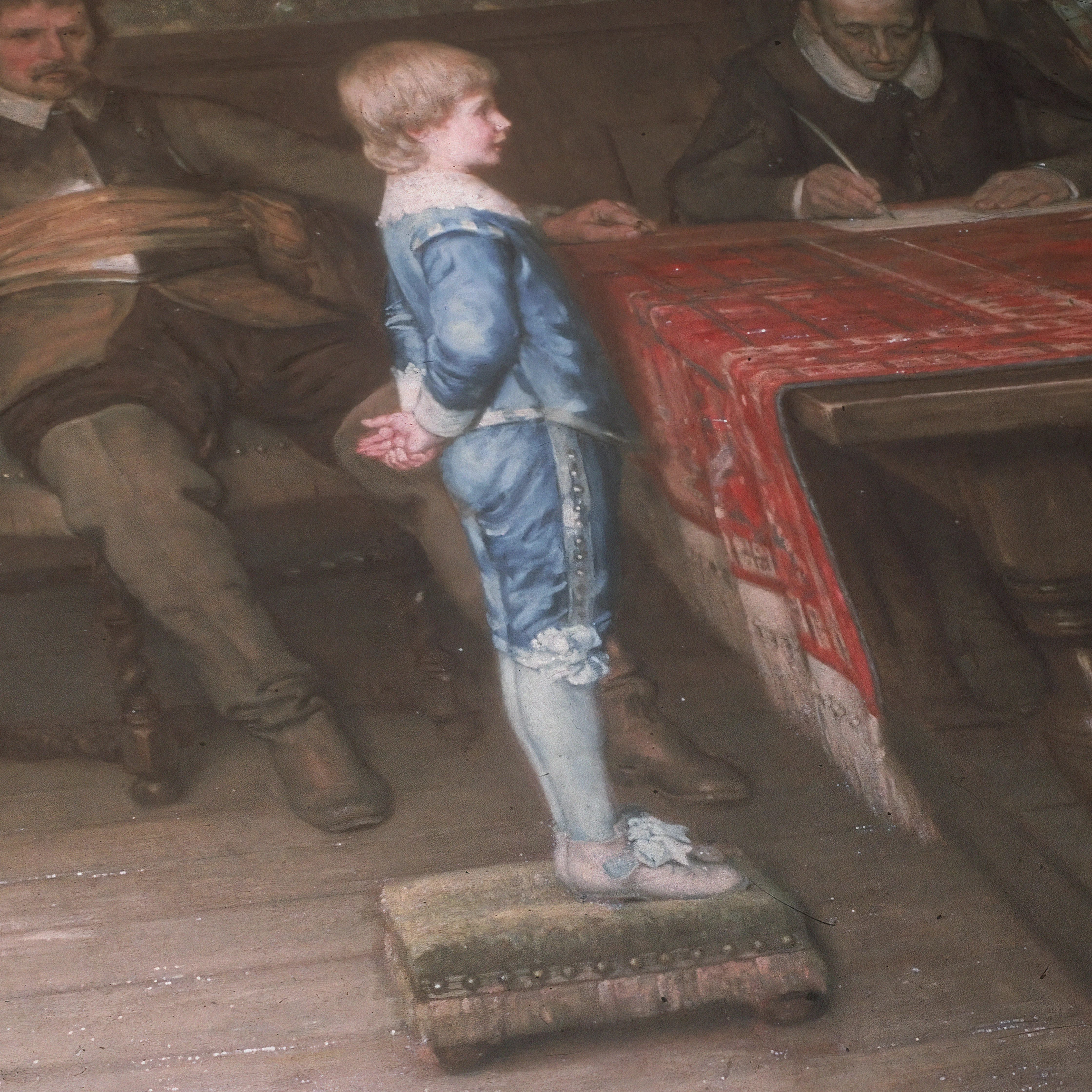

And When Did You Last See Your Father? | William Frederick Yeames | 1878
And When Did You Last See Your Father? | William Frederick Yeames | 1878
About the artwork:
Select Select Size
Select Frame Options
From $151.31
Original: $504.35
-70%And When Did You Last See Your Father? | William Frederick Yeames | 1878—
$504.35
$151.31Product Information
Product Information
Shipping & Returns
Shipping & Returns
Description
About the artwork: