✨ New Arrivals Just Dropped!Explore
HomeStore

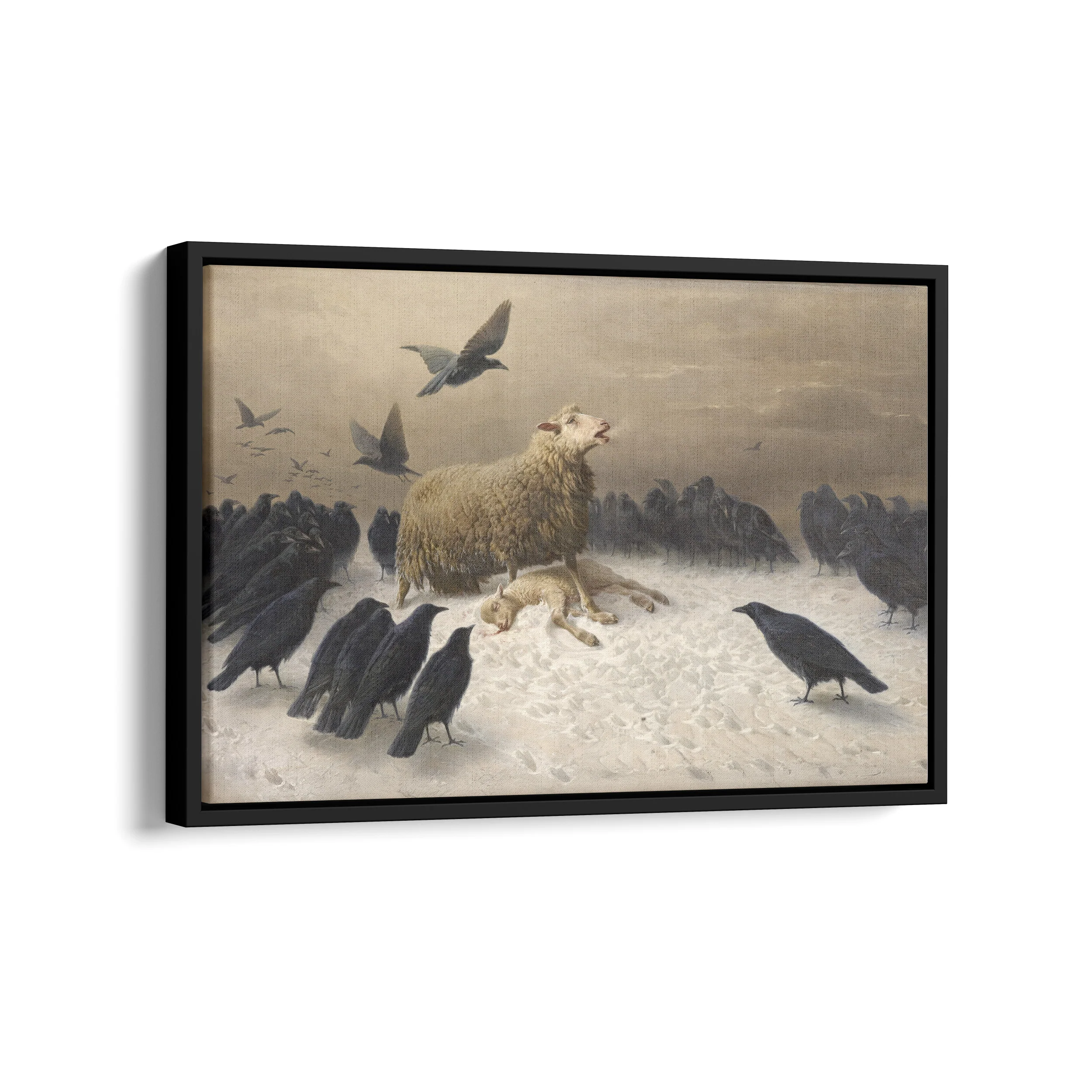
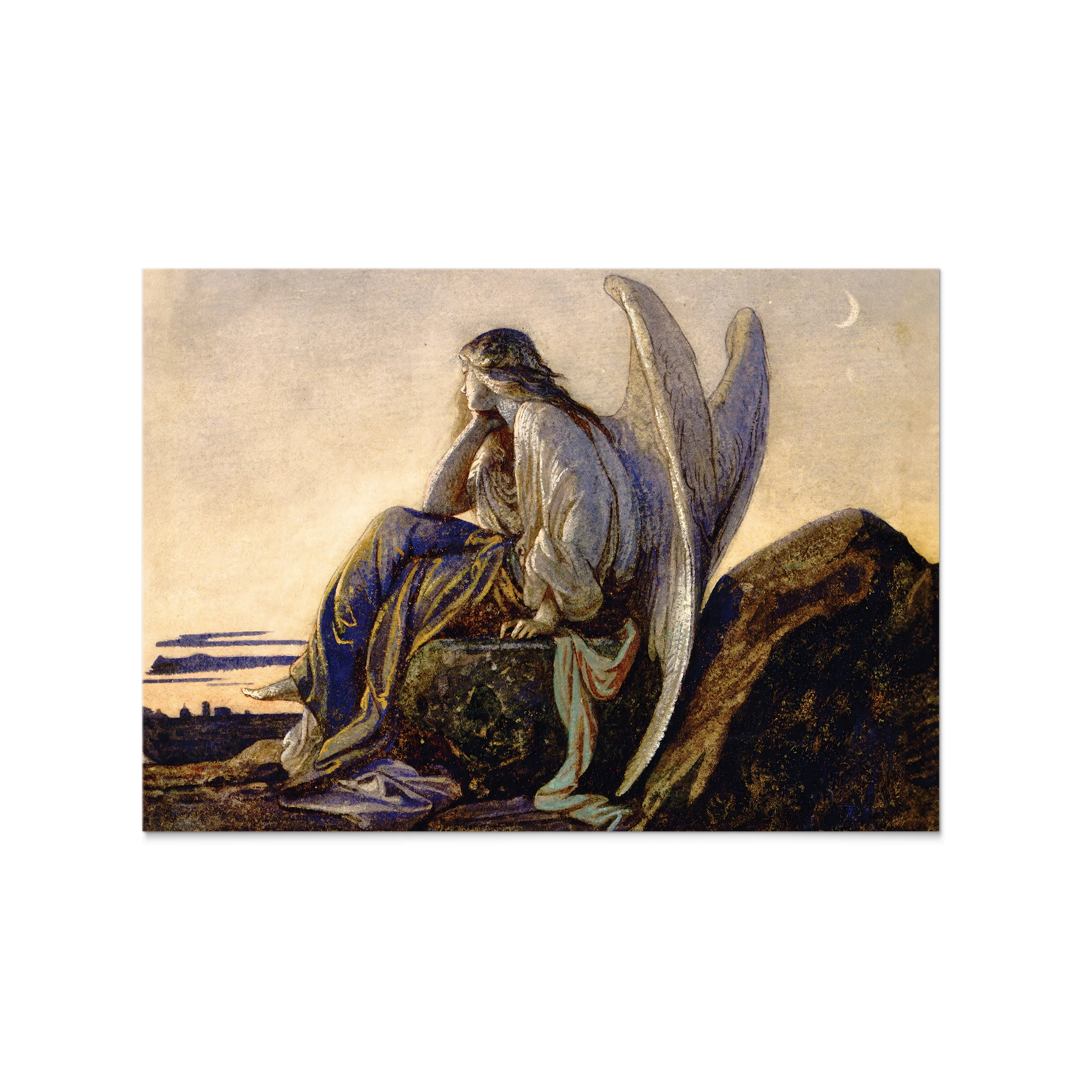
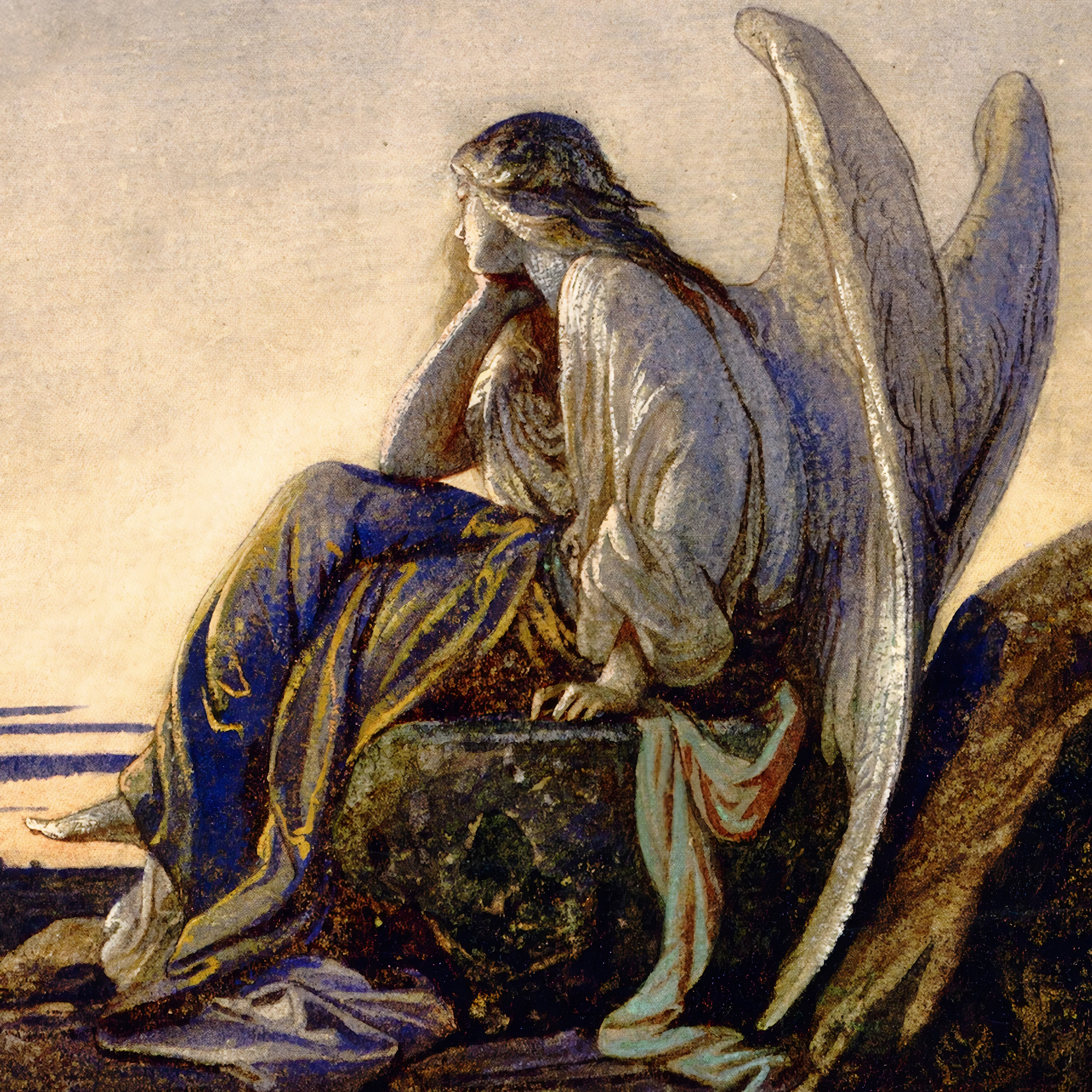
Anguish | August Friedrich Schenck | c. 1878

Product image 1
Product image 2
Product image 3
Product image 4
Product image 5
Product image 6
Product image 7
Product image 8
Product image 9
Product image 10

Anguish | August Friedrich Schenck | c. 1878

Anguish | August Friedrich Schenck | c. 1878

About the artwork:

Anguish (L'Angoisse, c. 1878) by August Friedrich Schenck is a profoundly emotive painting that captures the raw despair of a ewe mourning her dead lamb amidst a desolate, snow-covered landscape. The central figure of the ewe, depicted with remarkable detail and expression, conveys an almost human sense of grief and helplessness, symbolizing universal themes of loss and maternal sorrow. Surrounding the ewe, a murder of crows gathers ominously, heightening the tension and foreboding, as if embodying death's relentless presence. The stark, icy terrain mirrors the emotional chill of the scene, while Schenck's mastery of texture and light draws the viewer into the bleak, unforgiving setting. The painting transcends a simple animal study to evoke broader existential questions about suffering and resilience, making it a powerful example of Romanticism's emotional depth and Realism's meticulous detail. Through this haunting tableau, Schenck invites viewers to reflect on the shared vulnerability of life.

Select Select Size
Select Frame Options
From $89.35

Original: $297.82

-70%
Anguish | August Friedrich Schenck | c. 1878

$297.82

$89.35

Product Information

Shipping & Returns

Description

About the artwork:

Anguish (L'Angoisse, c. 1878) by August Friedrich Schenck is a profoundly emotive painting that captures the raw despair of a ewe mourning her dead lamb amidst a desolate, snow-covered landscape. The central figure of the ewe, depicted with remarkable detail and expression, conveys an almost human sense of grief and helplessness, symbolizing universal themes of loss and maternal sorrow. Surrounding the ewe, a murder of crows gathers ominously, heightening the tension and foreboding, as if embodying death's relentless presence. The stark, icy terrain mirrors the emotional chill of the scene, while Schenck's mastery of texture and light draws the viewer into the bleak, unforgiving setting. The painting transcends a simple animal study to evoke broader existential questions about suffering and resilience, making it a powerful example of Romanticism's emotional depth and Realism's meticulous detail. Through this haunting tableau, Schenck invites viewers to reflect on the shared vulnerability of life.