✨ New Arrivals Just Dropped!Explore
HomeStore

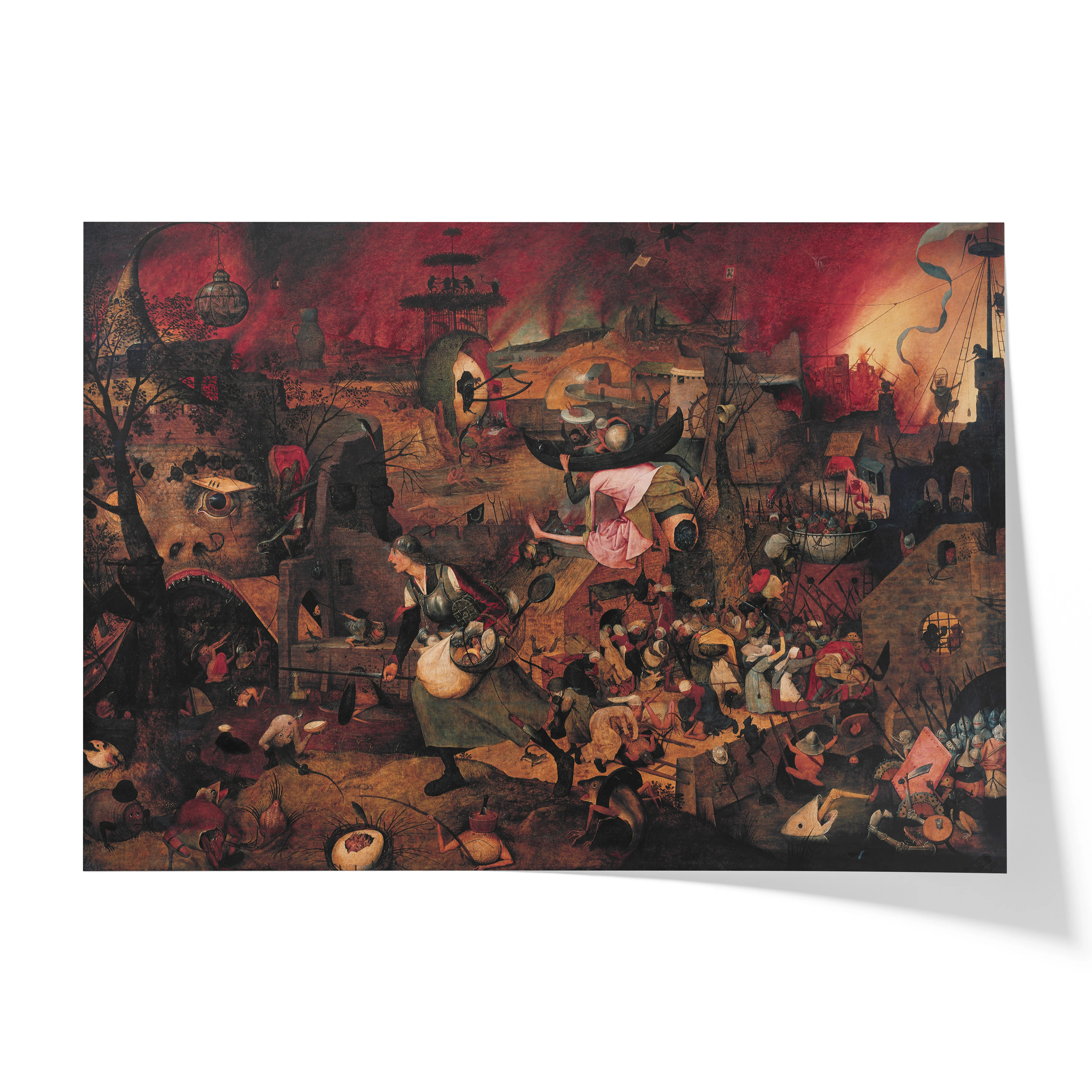
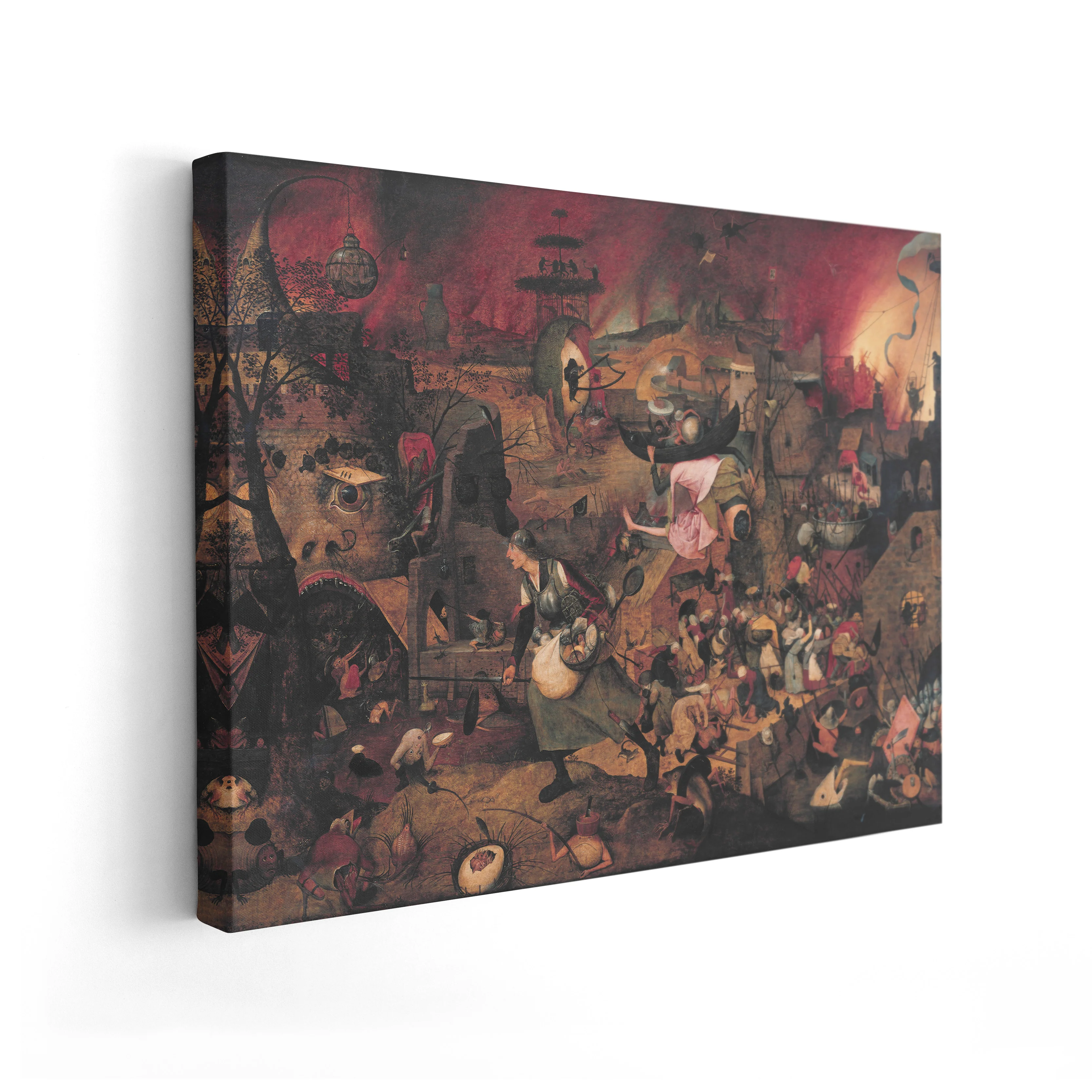
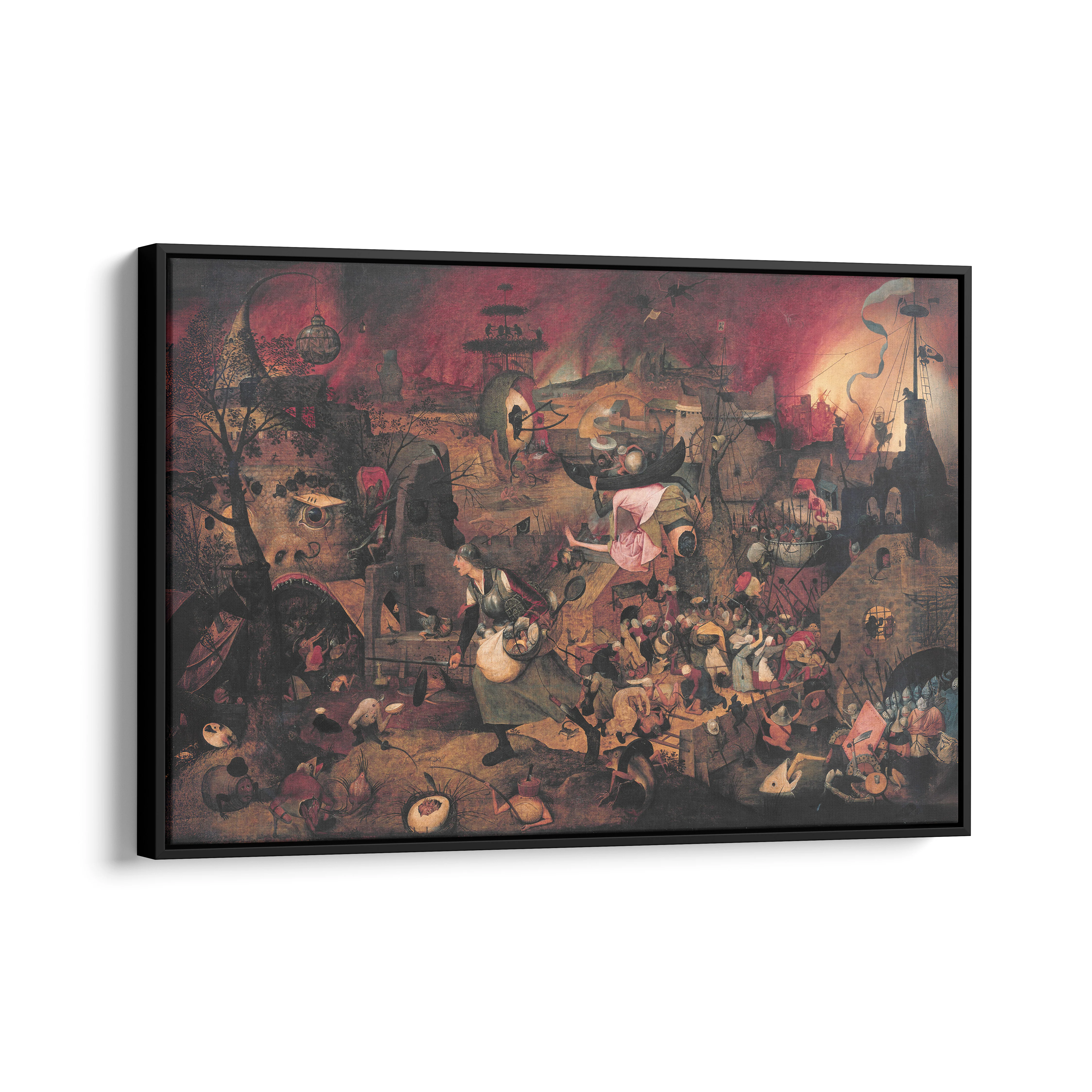
Dull Gret | Pieter Bruegel the Elder | 1563

Product image 1
Product image 2
Product image 3
Product image 4
Product image 5
Product image 6
Product image 7
Product image 8
Product image 9

Dull Gret | Pieter Bruegel the Elder | 1563

Dull Gret | Pieter Bruegel the Elder | 1563

About the artwork:

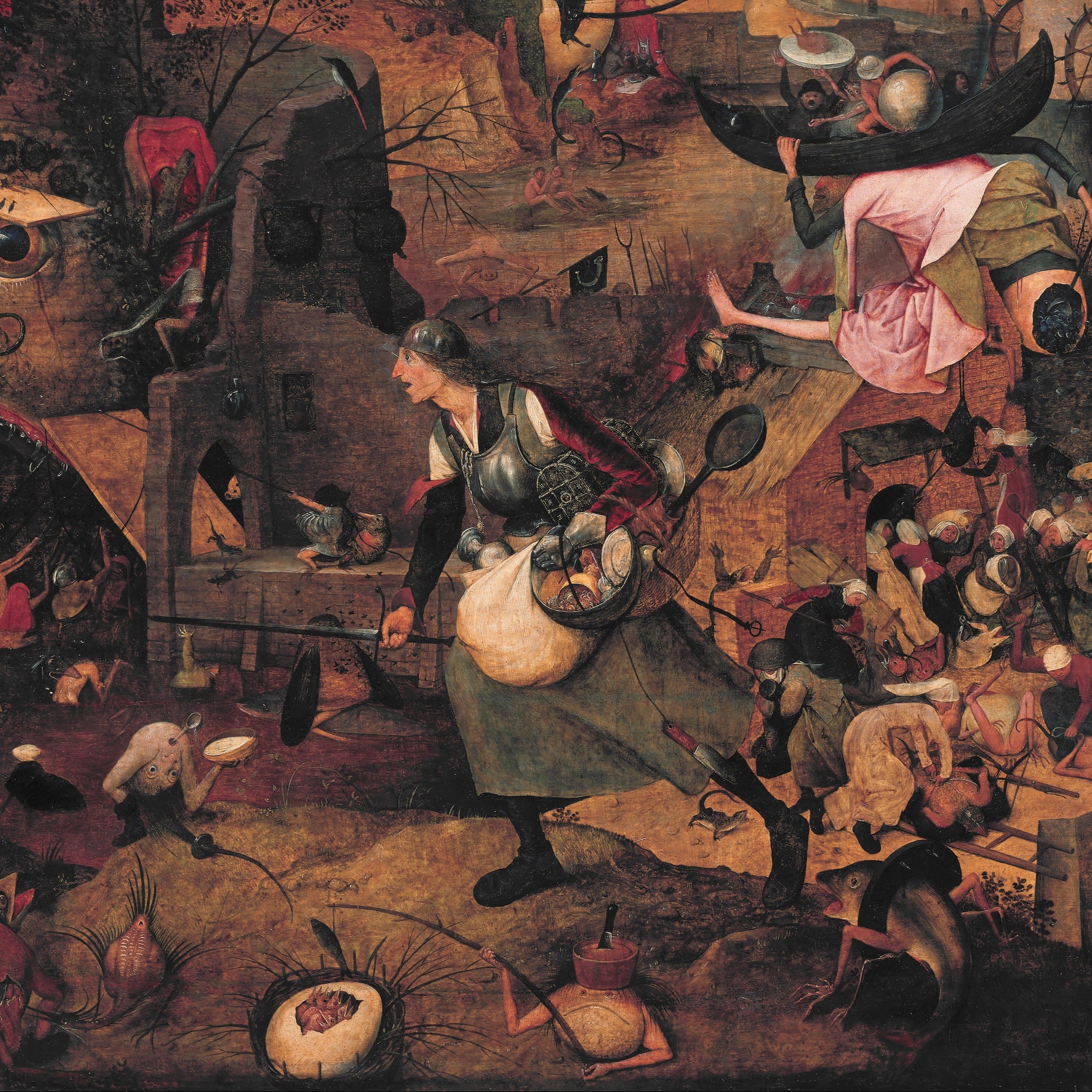
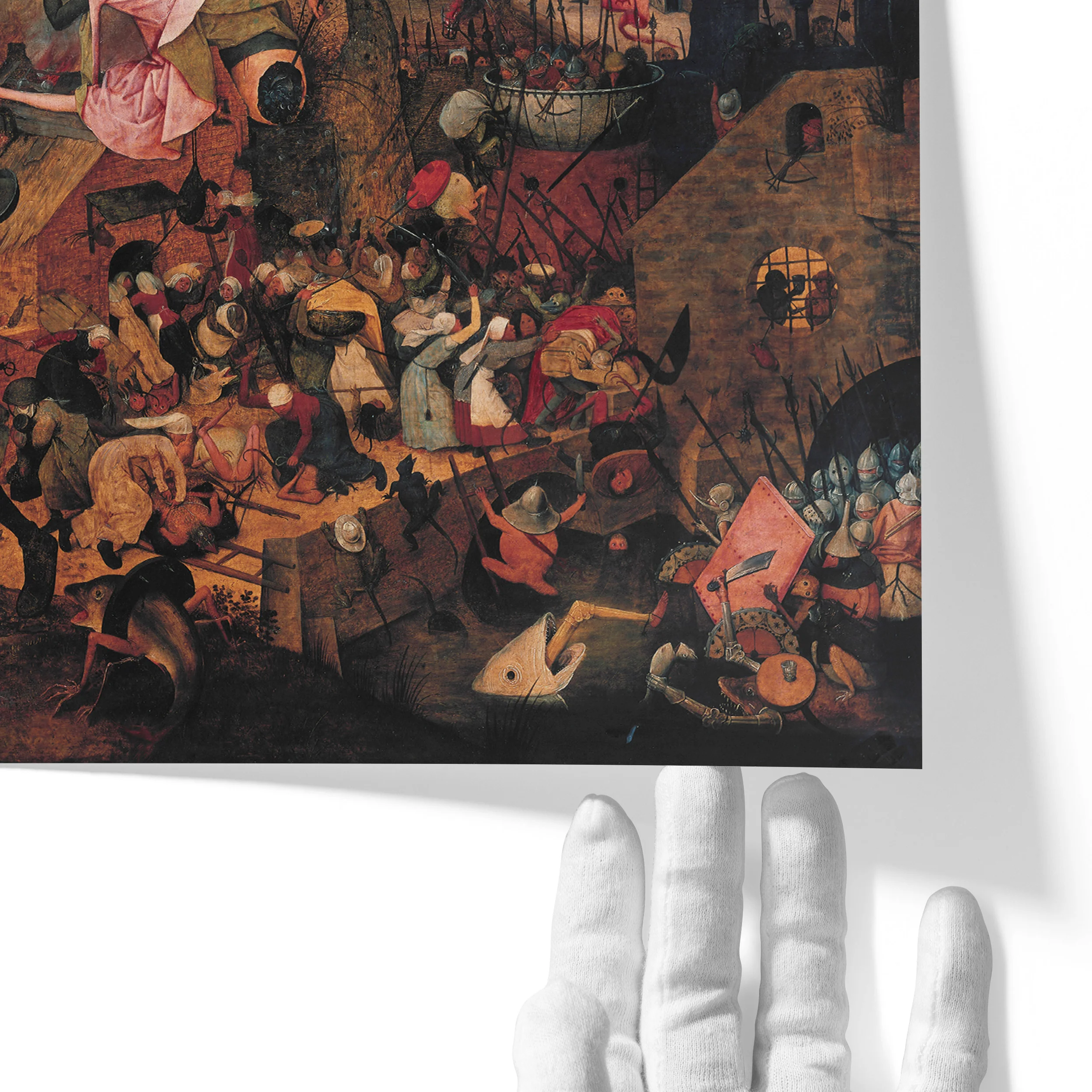
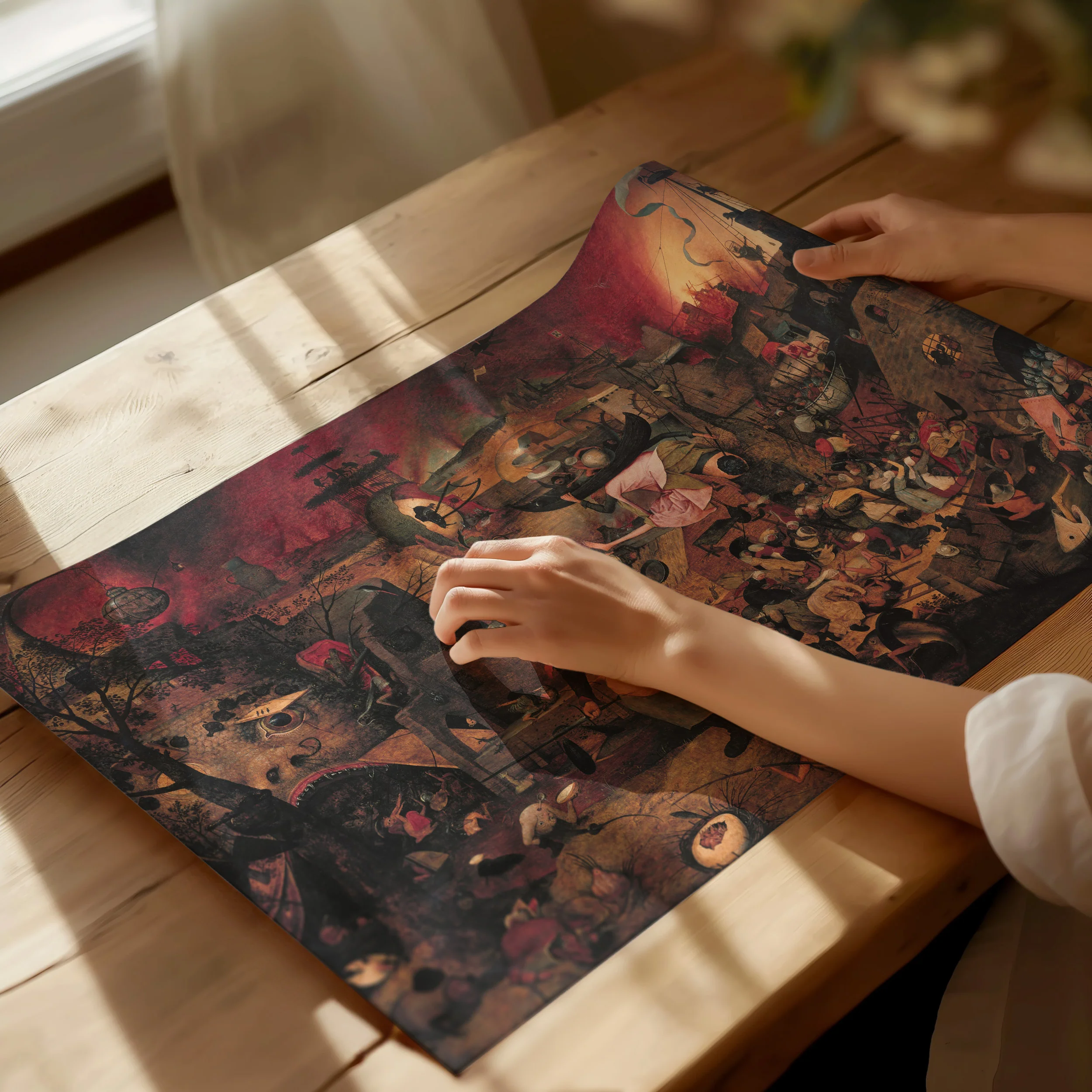
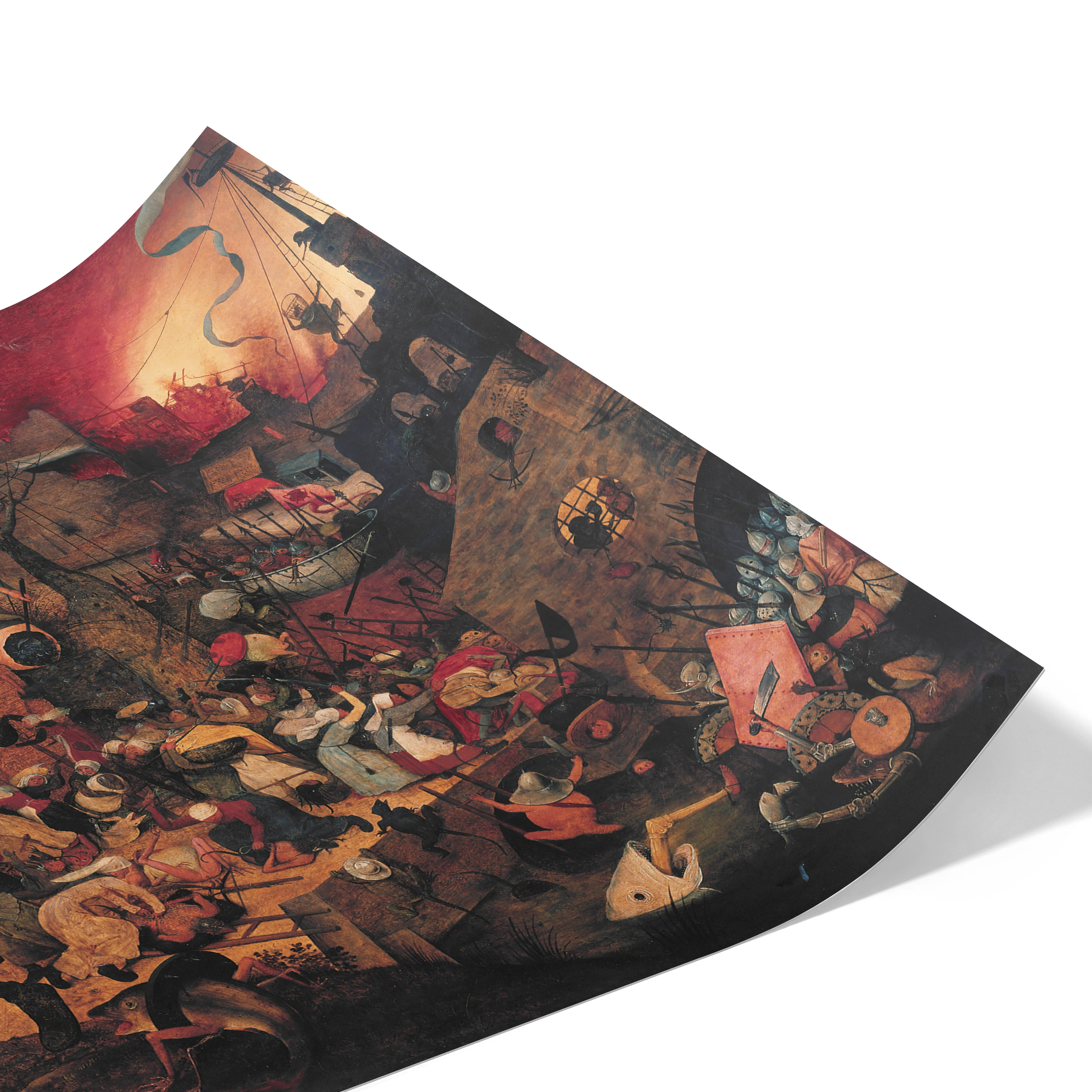
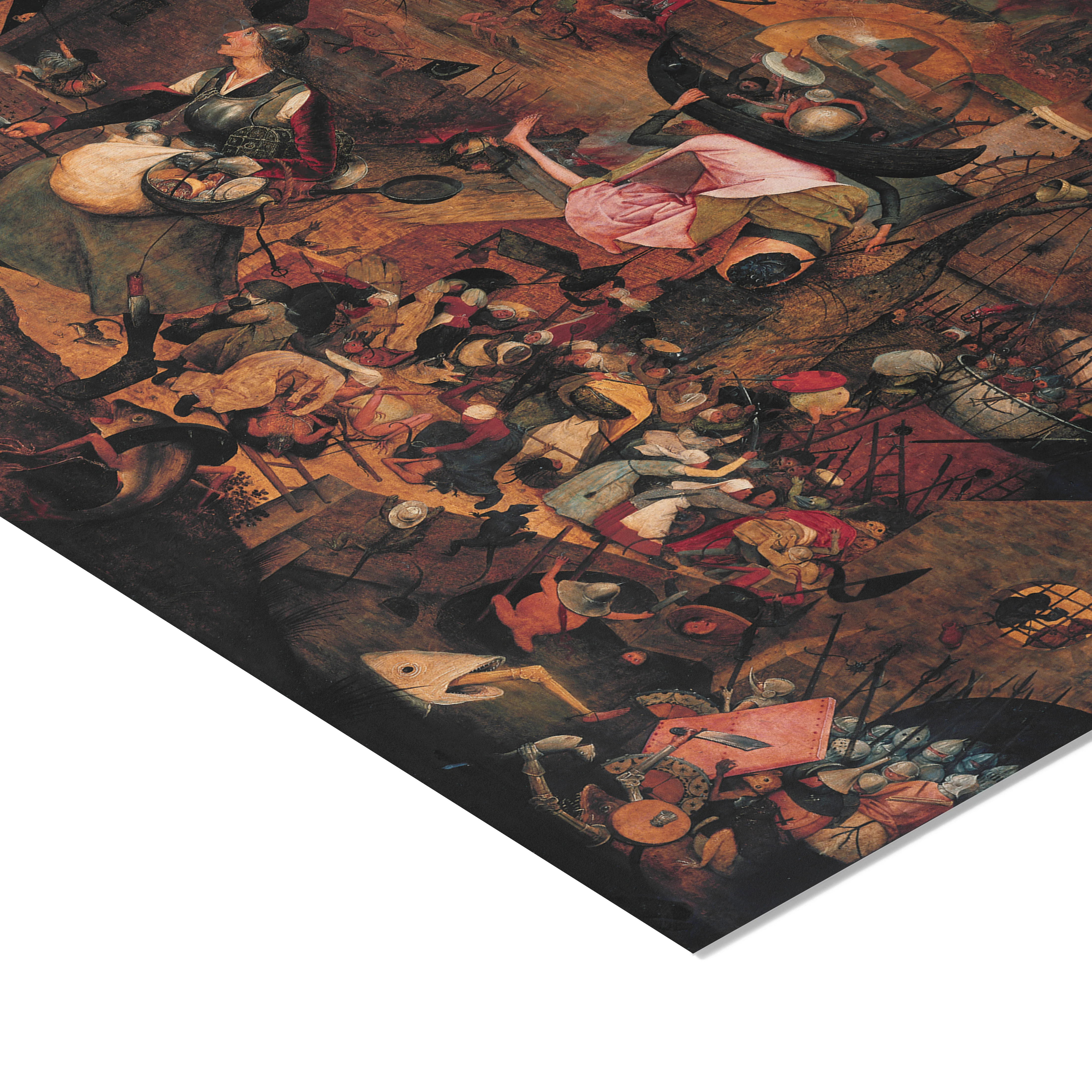
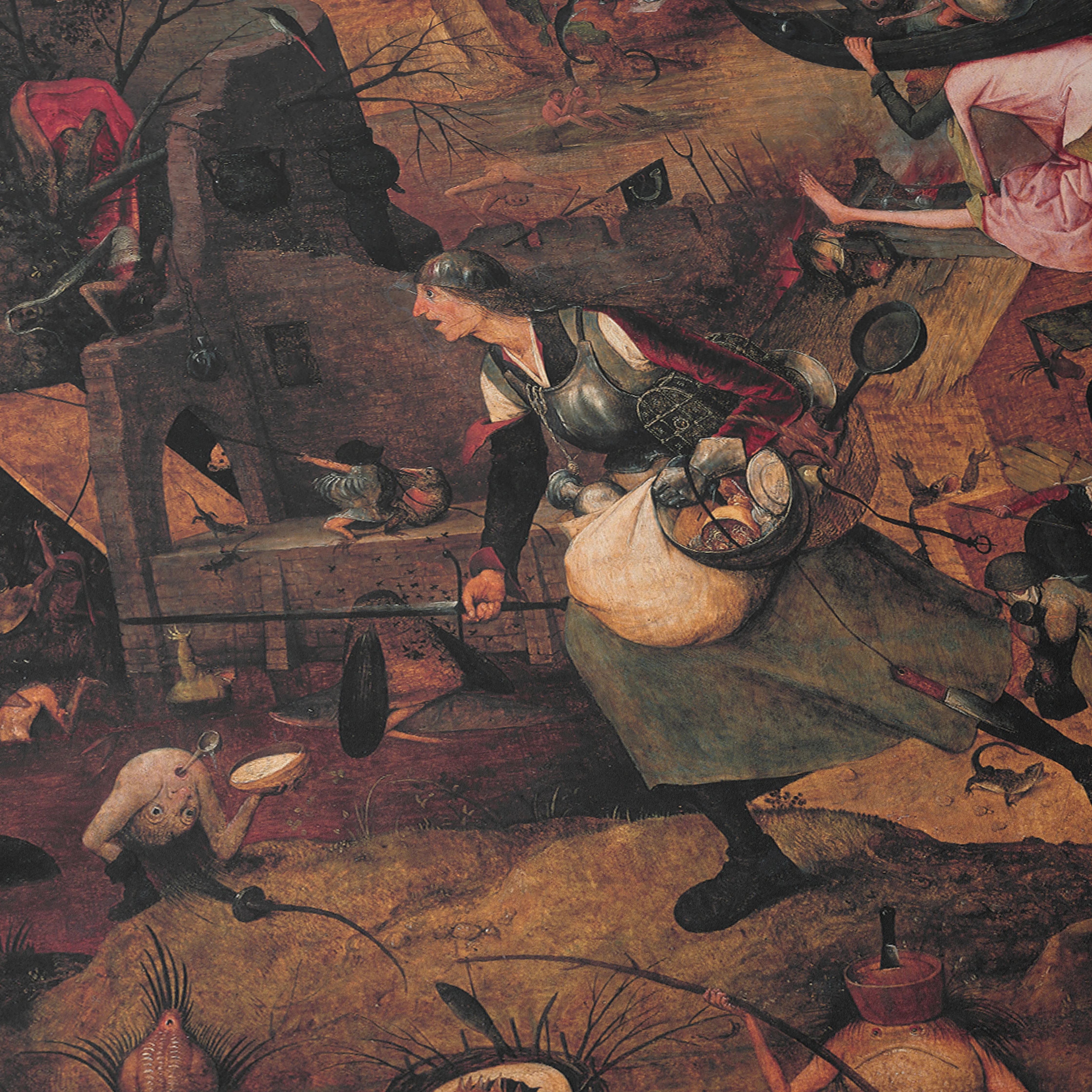
This painting portrays the formidable figure of Dull Gret, a character from Flemish folklore, leading an army of women on a daring raid into Hell. Clad in armor and wielding a sword, Gret marches resolutely across a chaotic landscape filled with grotesque demons and fantastical creatures. The scene is a vivid tapestry of pandemonium, with burning buildings and surreal monstrosities populating the hellish environment.

Bruegel's work is rich in symbolism and moral commentary. Dull Gret, also known as Mad Meg, embodies the archetype of the 'femme forte' or strong woman, challenging traditional gender roles by taking on a typically male warrior persona. The depiction of women storming Hell can be interpreted as a satire on greed and folly, reflecting societal tensions and the upheavals of the 16th century. The painting's intricate details invite viewers to ponder the boundaries between bravery and madness, as well as the consequences of human vices.

Select Select Size
Select Frame Options
From $89.35

Original: $297.82

-70%
Dull Gret | Pieter Bruegel the Elder | 1563

$297.82

$89.35

Product Information

Shipping & Returns

Description

About the artwork:
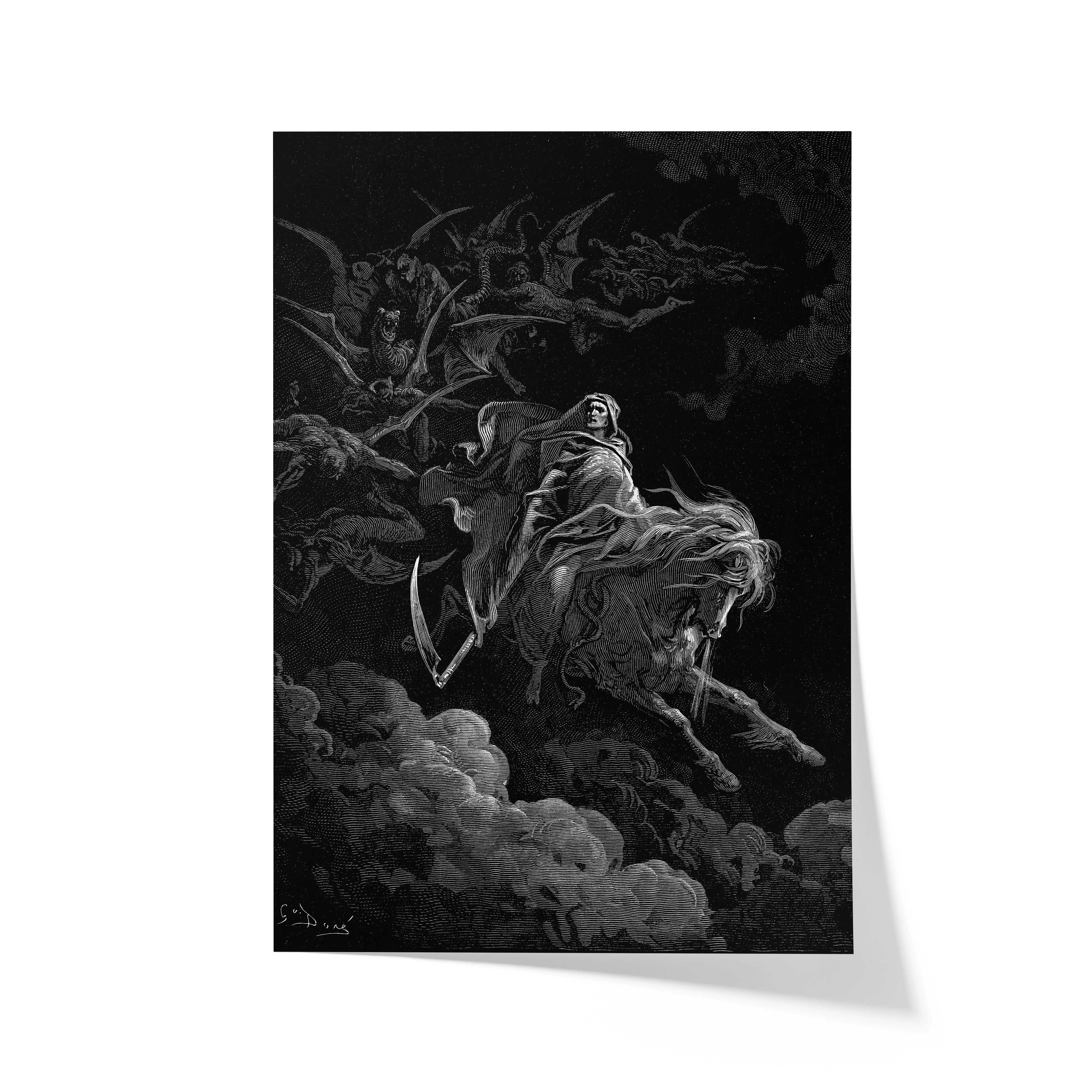
This painting portrays the formidable figure of Dull Gret, a character from Flemish folklore, leading an army of women on a daring raid into Hell. Clad in armor and wielding a sword, Gret marches resolutely across a chaotic landscape filled with grotesque demons and fantastical creatures. The scene is a vivid tapestry of pandemonium, with burning buildings and surreal monstrosities populating the hellish environment.

Bruegel's work is rich in symbolism and moral commentary. Dull Gret, also known as Mad Meg, embodies the archetype of the 'femme forte' or strong woman, challenging traditional gender roles by taking on a typically male warrior persona. The depiction of women storming Hell can be interpreted as a satire on greed and folly, reflecting societal tensions and the upheavals of the 16th century. The painting's intricate details invite viewers to ponder the boundaries between bravery and madness, as well as the consequences of human vices.