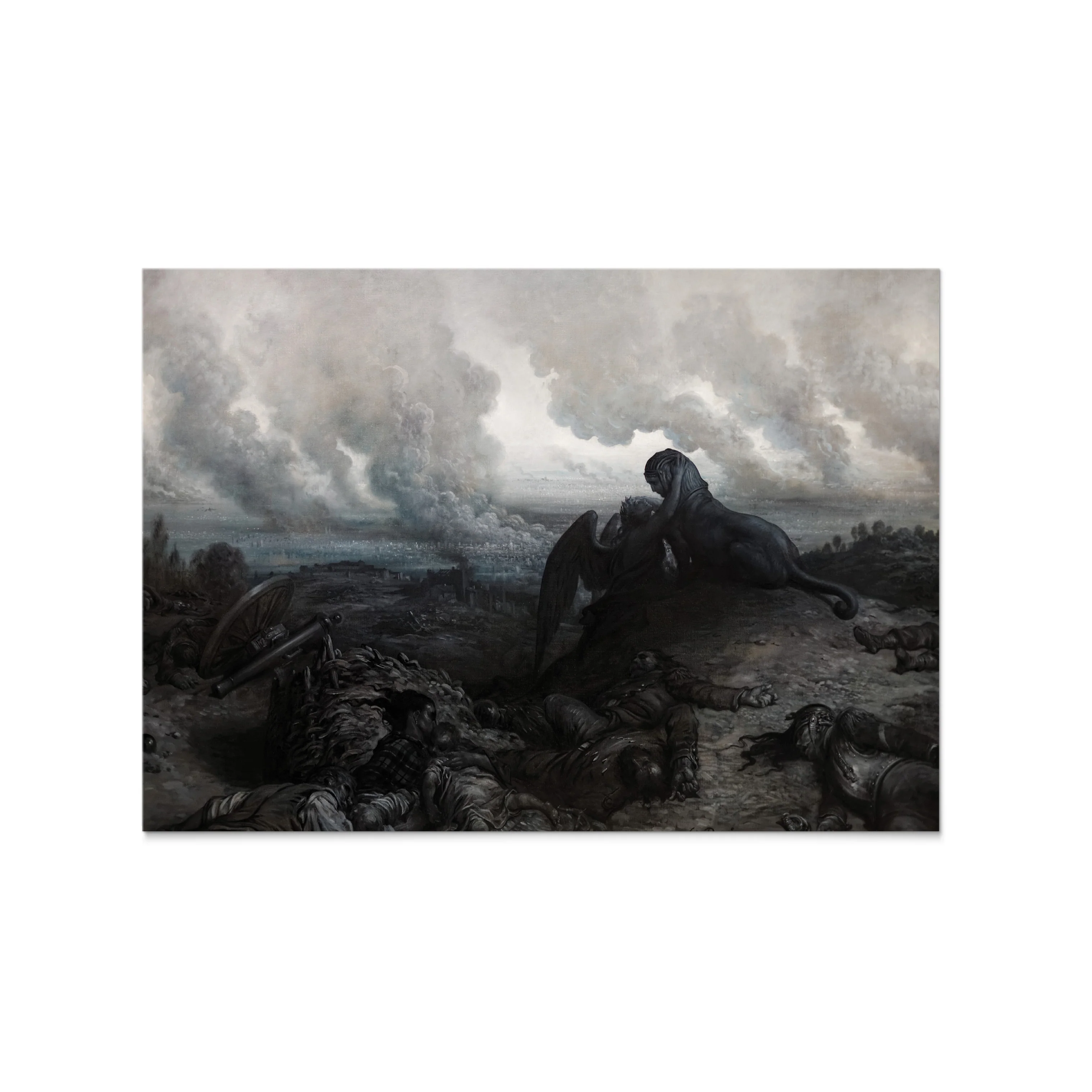
Empyrean | Gustave Doré | c. 1867
About the artwork:
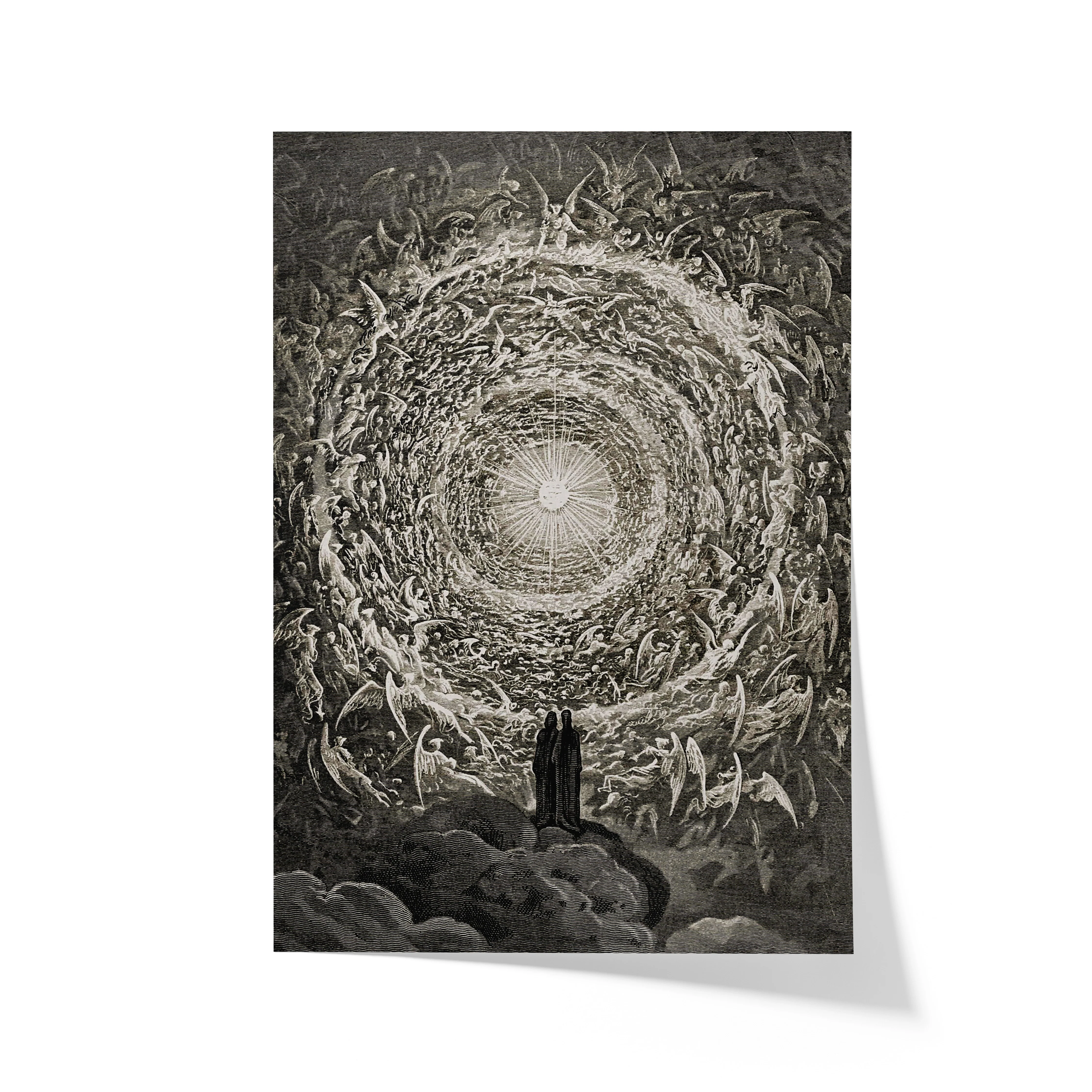
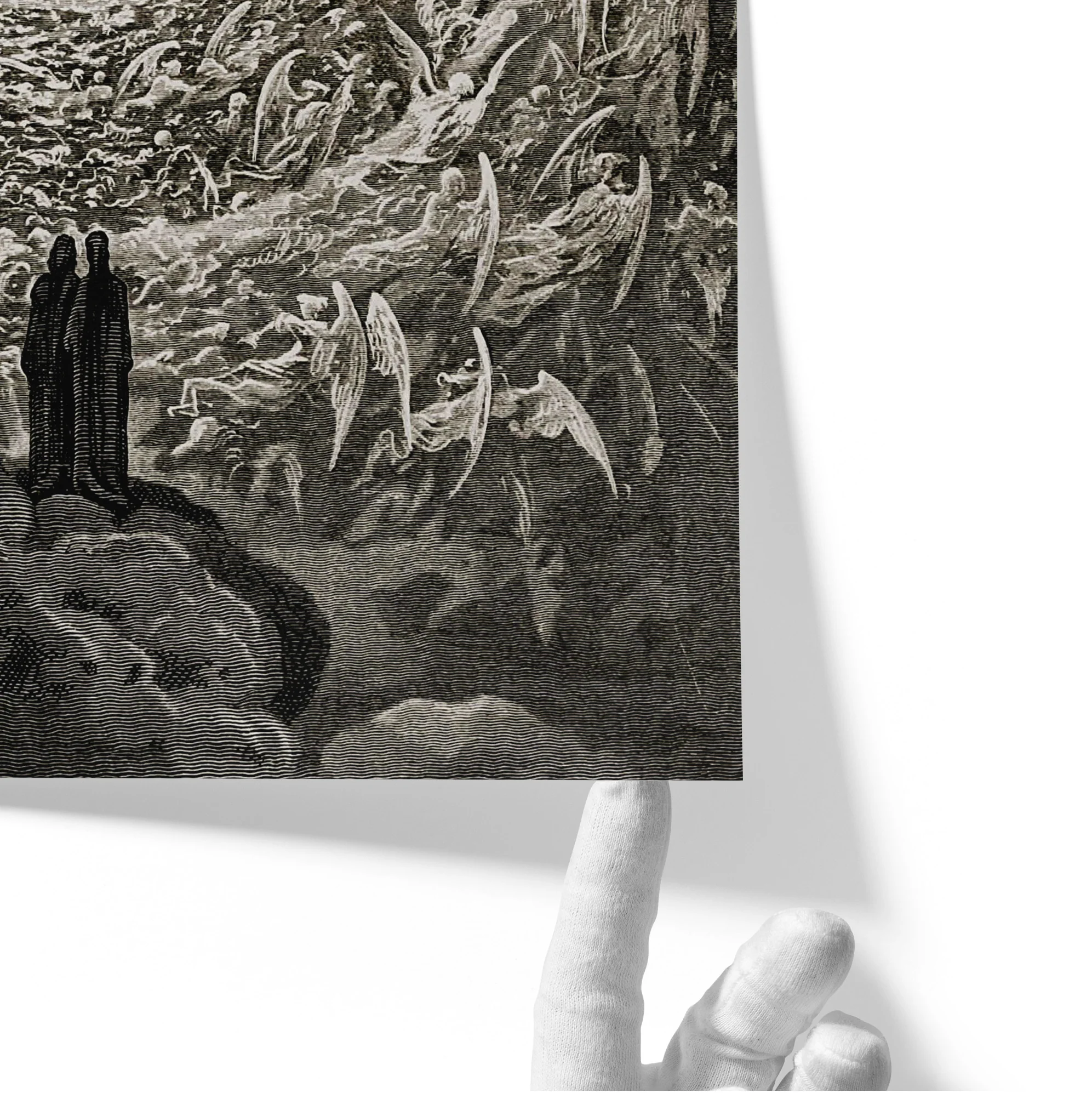
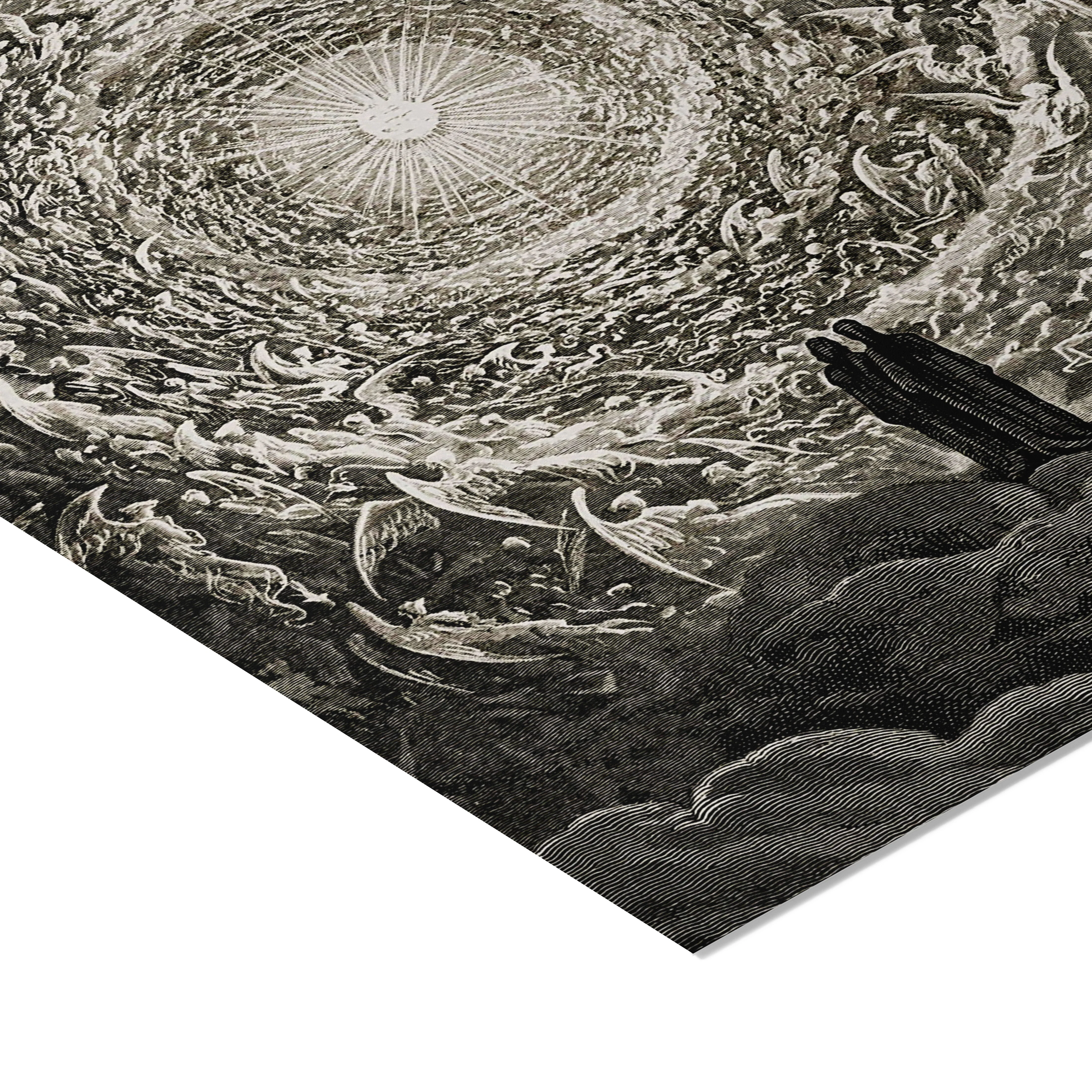
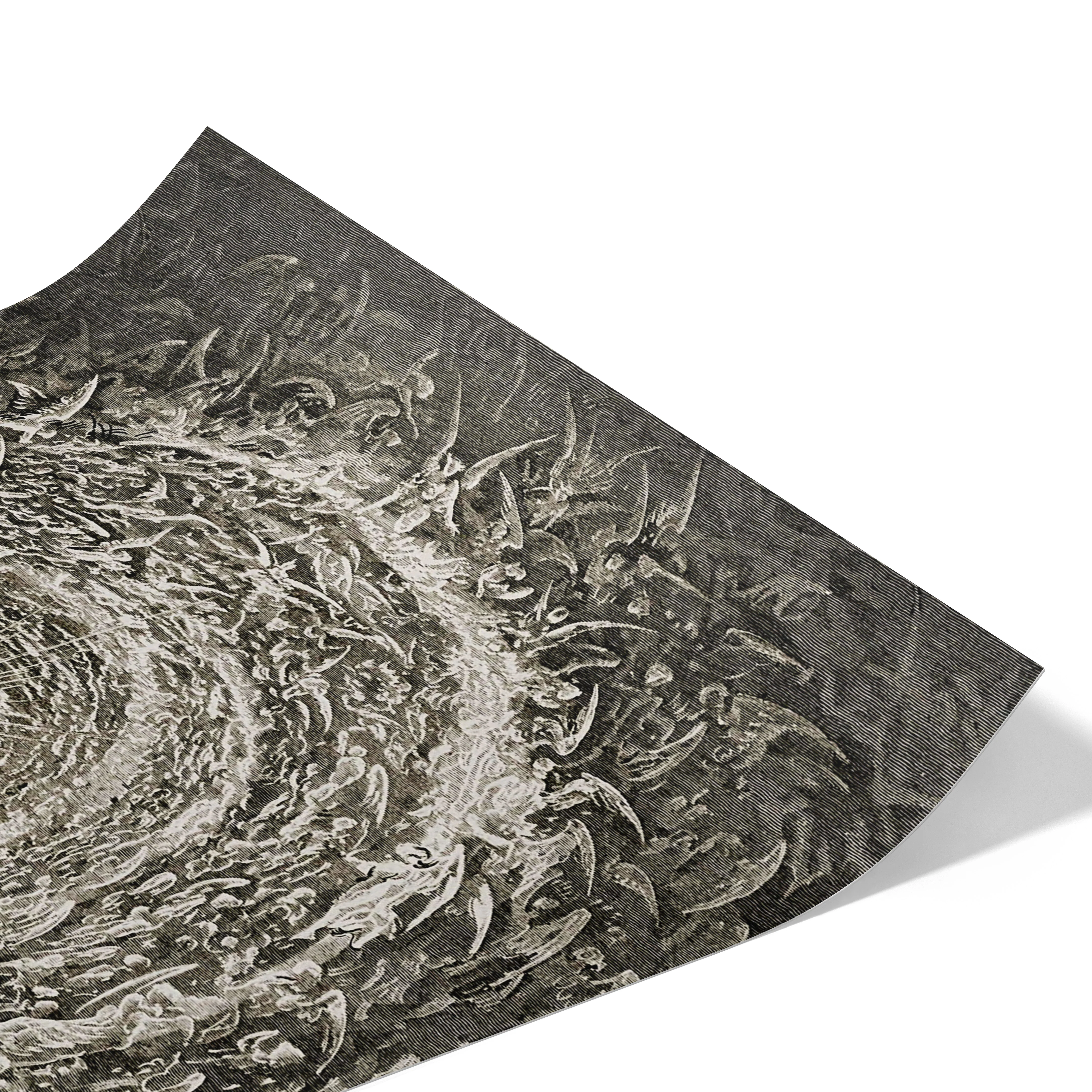
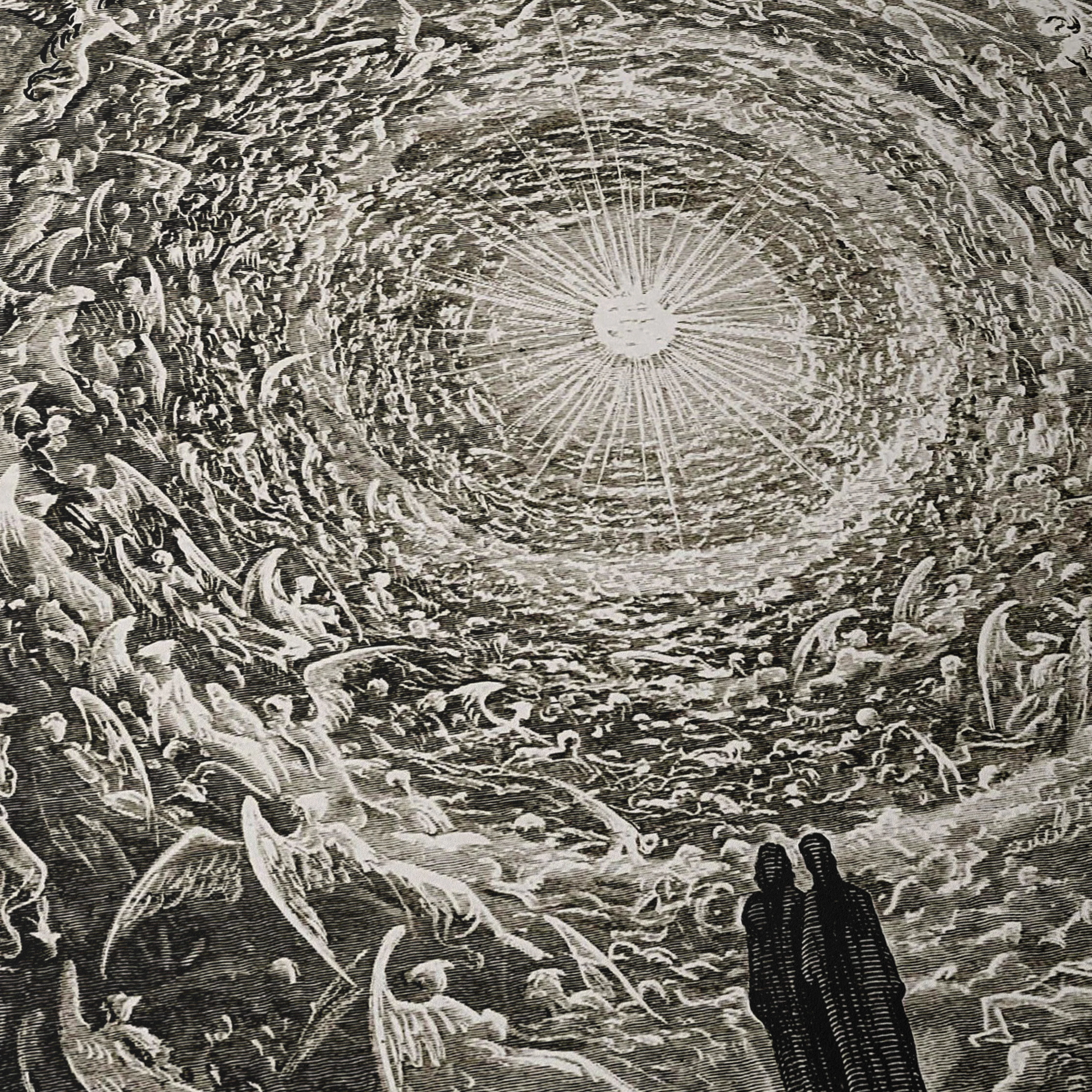
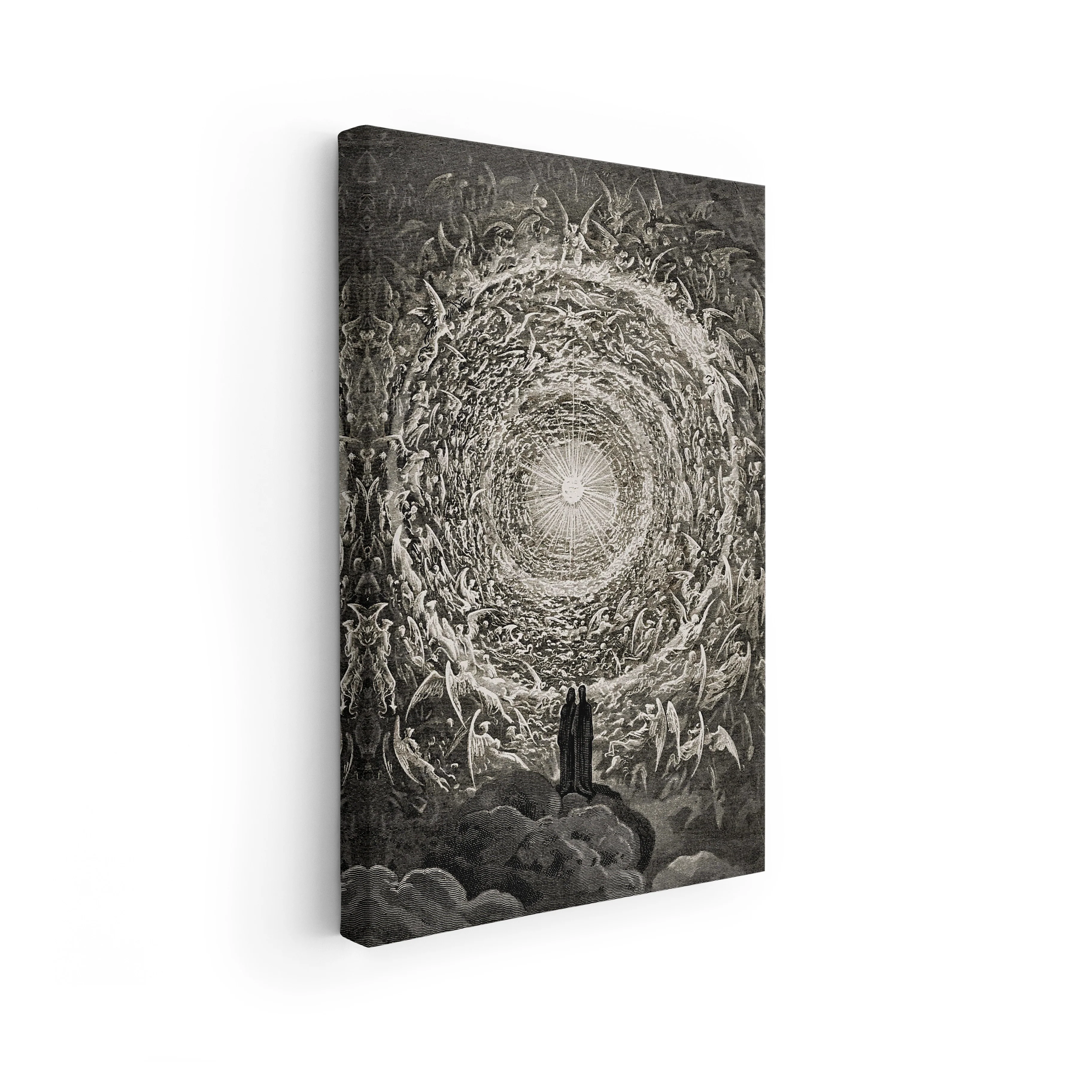
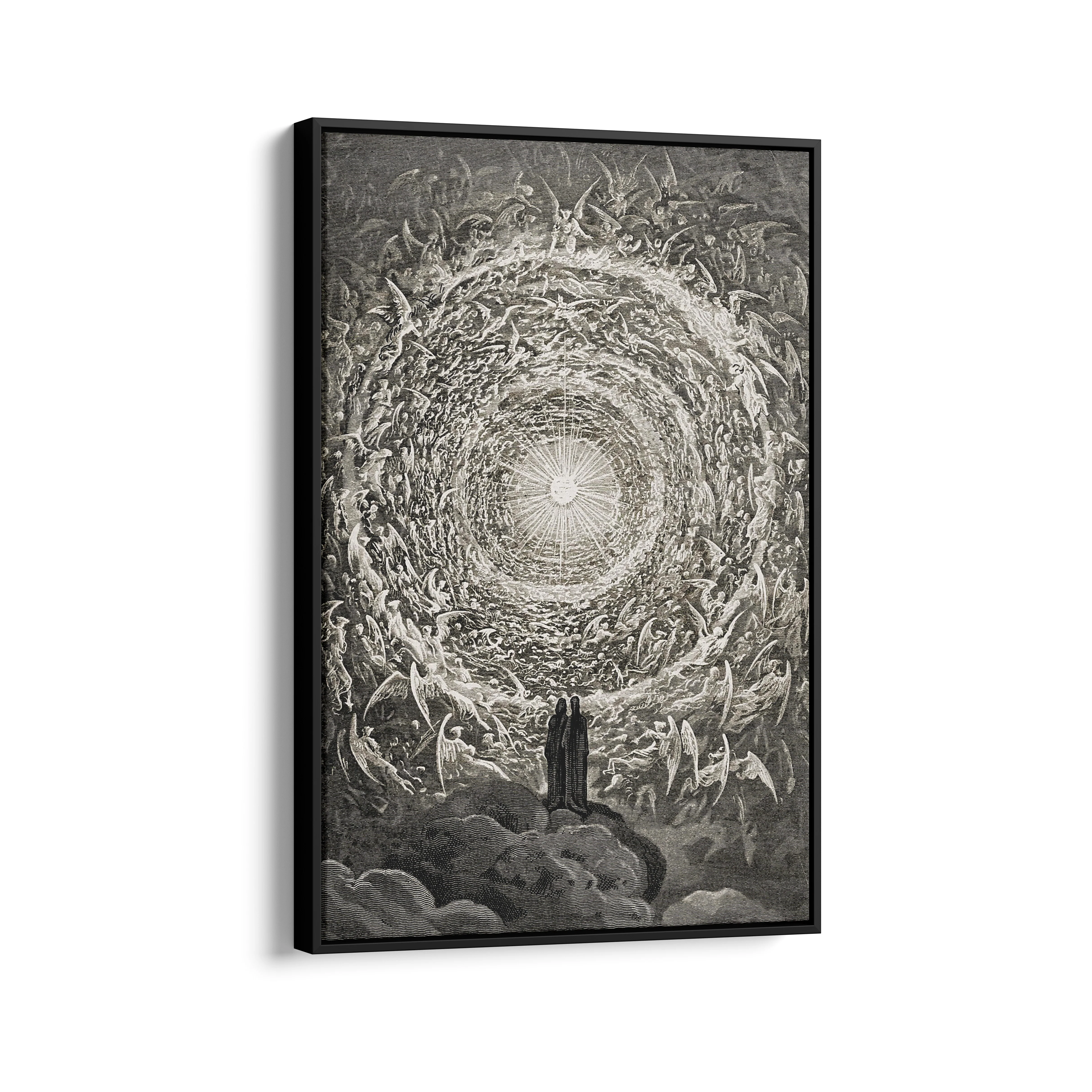
Empyrean by Gustave Doré, created around 1867, is a breathtaking depiction of the highest realm of heaven as imagined in Dante’s Divine Comedy. Swirling with radiant angels arranged in concentric circles of light, the composition draws the viewer’s eye toward a brilliant central point—a divine presence that remains abstract and infinite. Doré masterfully captures the spiritual ecstasy and overwhelming magnitude of divine glory using dramatic contrasts of light and shadow. The angels seem to pulse and move in unison, forming a celestial vortex that evokes both awe and serenity. It’s a vision of paradise not grounded in earthly terms, but in a sublime, almost mathematical harmony that reflects the poetic and philosophical ambition of Dante’s vision.
Product Information
Product Information
Shipping & Returns
Shipping & Returns

Empyrean | Gustave Doré | c. 1867
Empyrean | Gustave Doré | c. 1867
About the artwork:
Empyrean by Gustave Doré, created around 1867, is a breathtaking depiction of the highest realm of heaven as imagined in Dante’s Divine Comedy. Swirling with radiant angels arranged in concentric circles of light, the composition draws the viewer’s eye toward a brilliant central point—a divine presence that remains abstract and infinite. Doré masterfully captures the spiritual ecstasy and overwhelming magnitude of divine glory using dramatic contrasts of light and shadow. The angels seem to pulse and move in unison, forming a celestial vortex that evokes both awe and serenity. It’s a vision of paradise not grounded in earthly terms, but in a sublime, almost mathematical harmony that reflects the poetic and philosophical ambition of Dante’s vision.
Original: $297.82
-70%$297.82
$89.35Product Information
Product Information
Shipping & Returns
Shipping & Returns
Description
About the artwork:
Empyrean by Gustave Doré, created around 1867, is a breathtaking depiction of the highest realm of heaven as imagined in Dante’s Divine Comedy. Swirling with radiant angels arranged in concentric circles of light, the composition draws the viewer’s eye toward a brilliant central point—a divine presence that remains abstract and infinite. Doré masterfully captures the spiritual ecstasy and overwhelming magnitude of divine glory using dramatic contrasts of light and shadow. The angels seem to pulse and move in unison, forming a celestial vortex that evokes both awe and serenity. It’s a vision of paradise not grounded in earthly terms, but in a sublime, almost mathematical harmony that reflects the poetic and philosophical ambition of Dante’s vision.