Faust's Dream | Carl Gustav Carus | 1852
About the artwork:
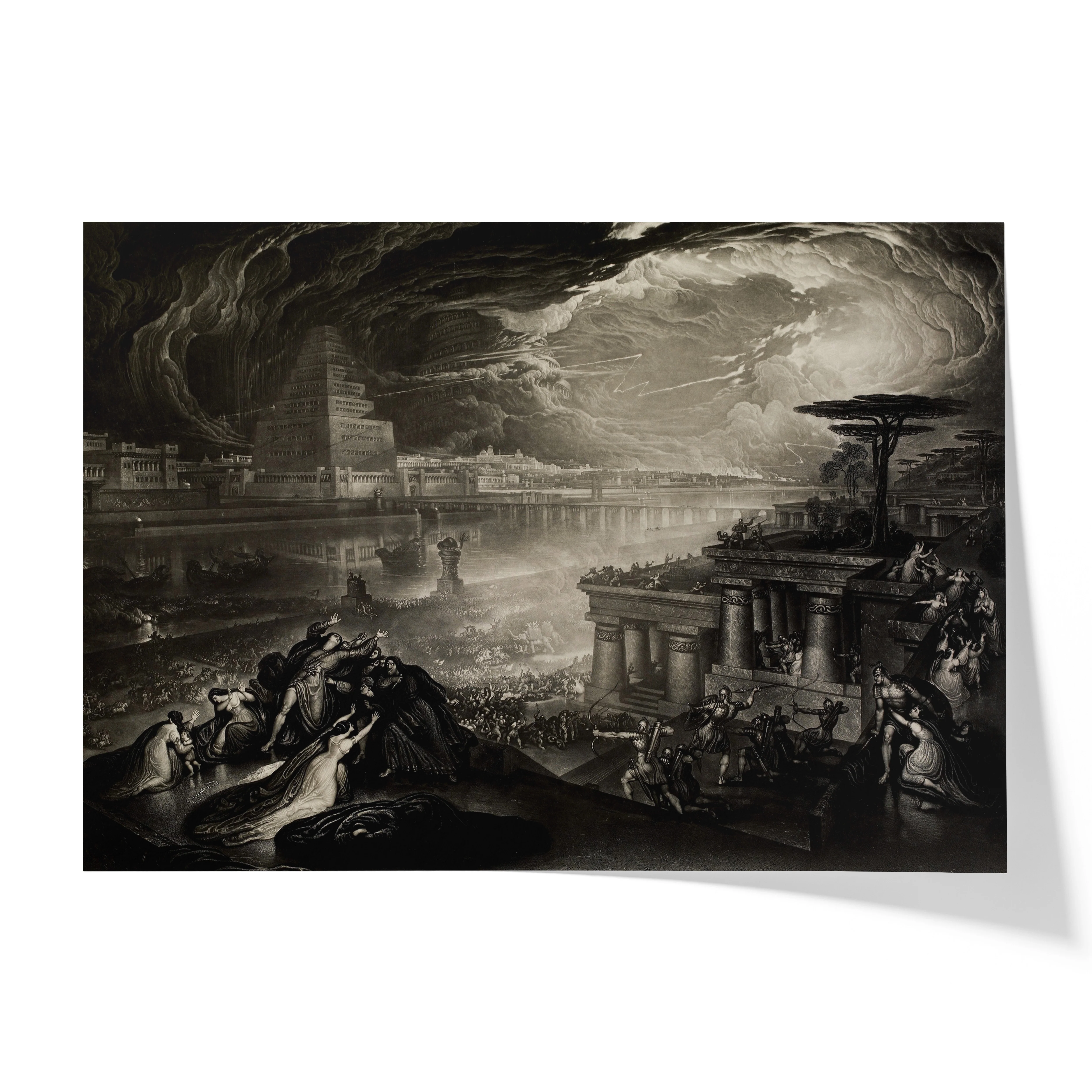
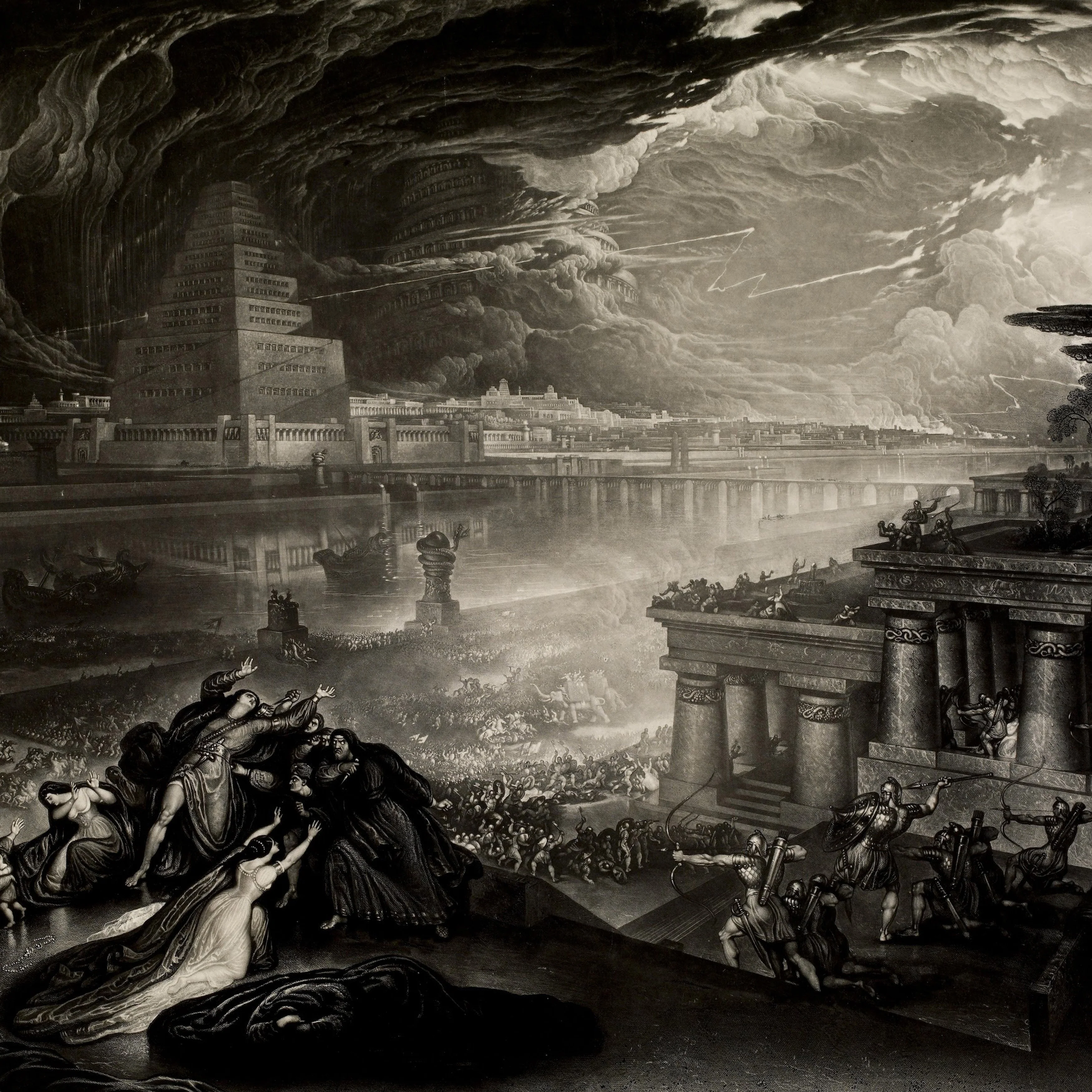
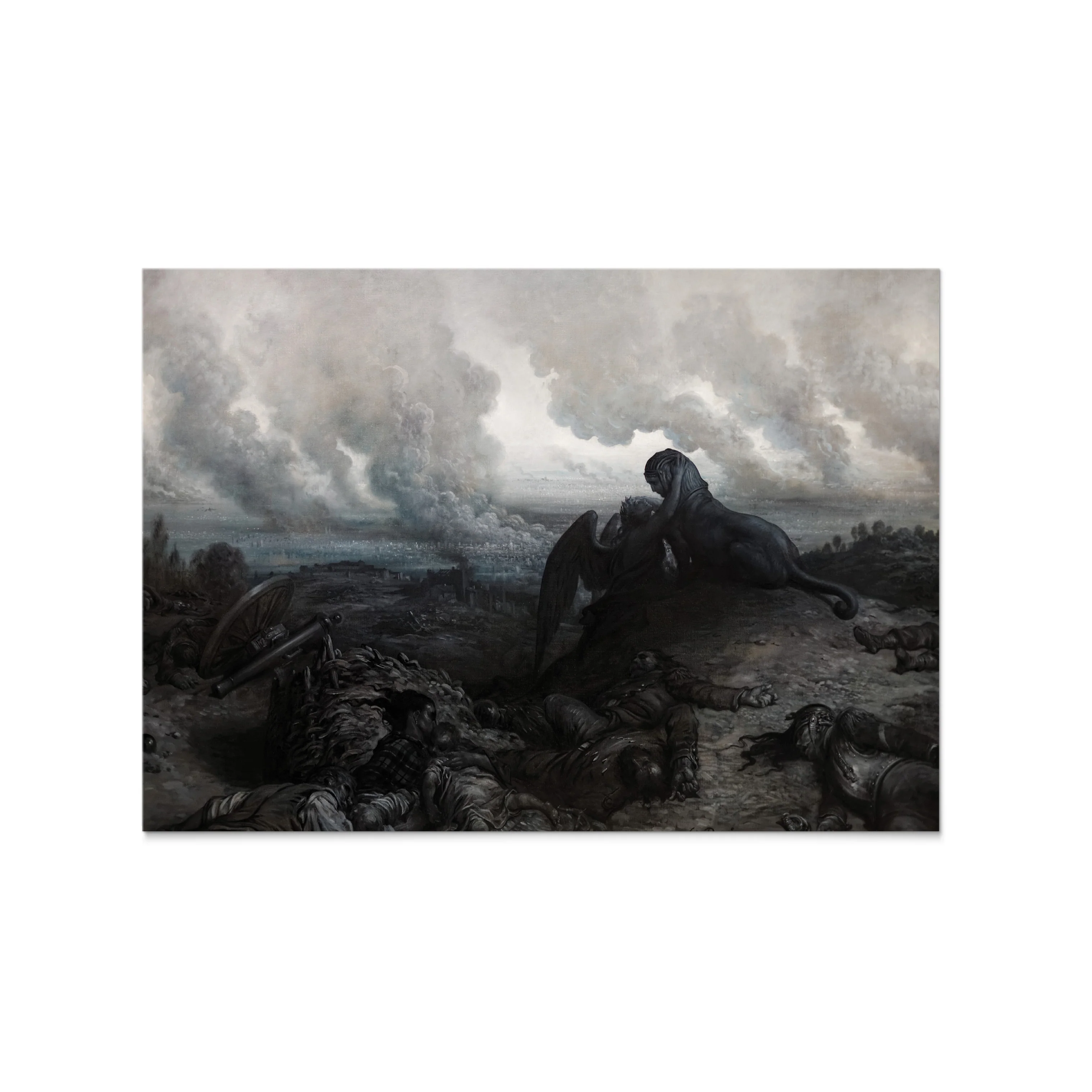
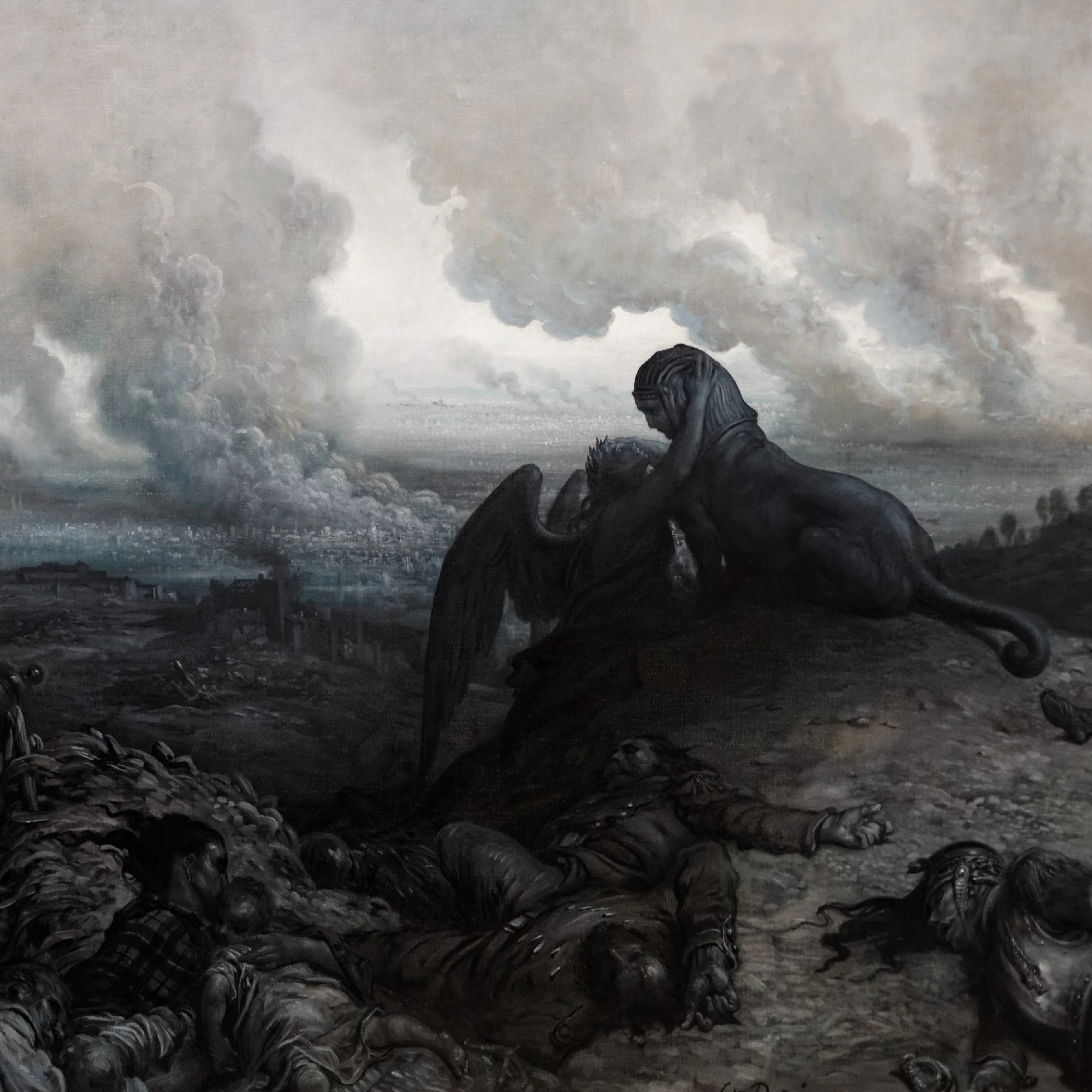
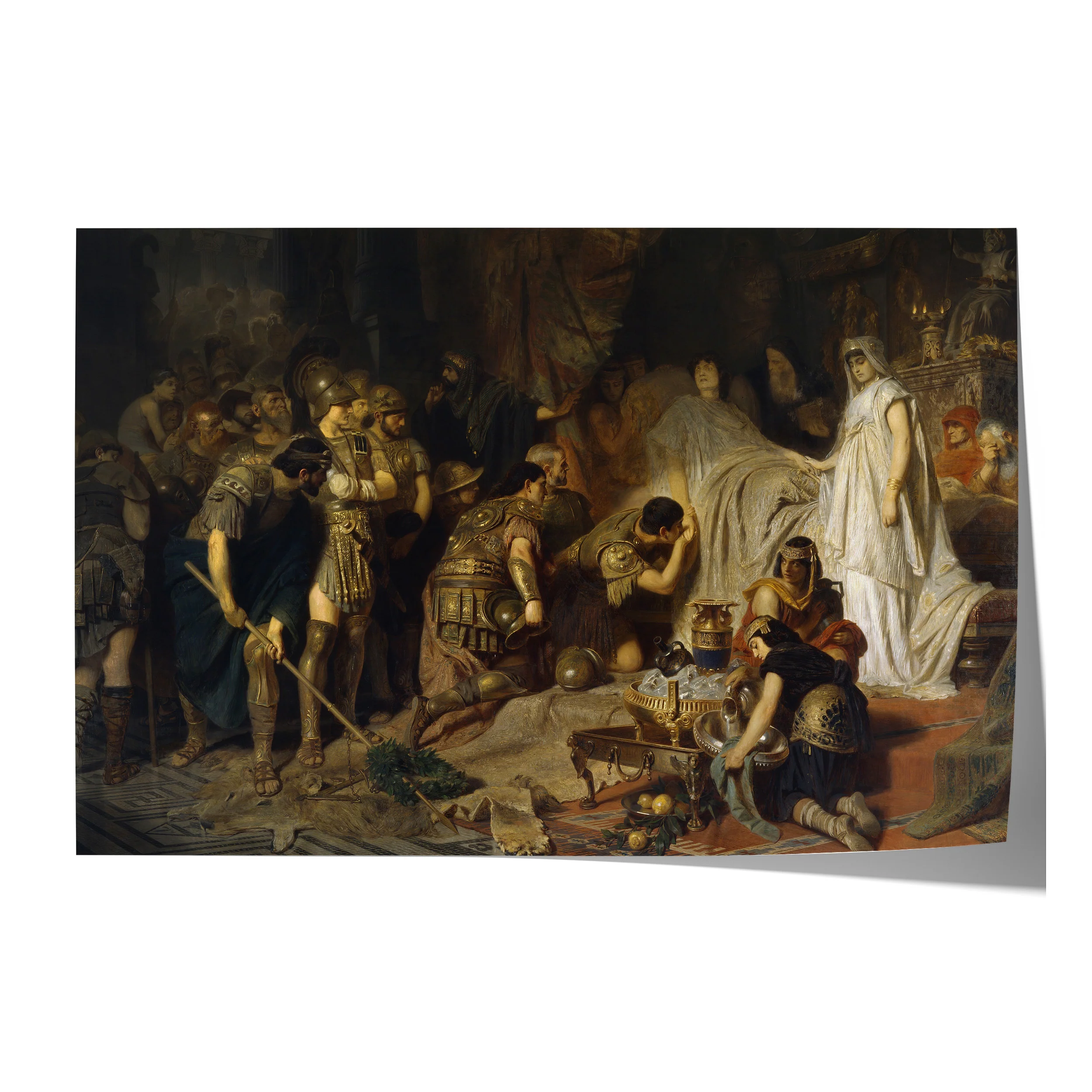
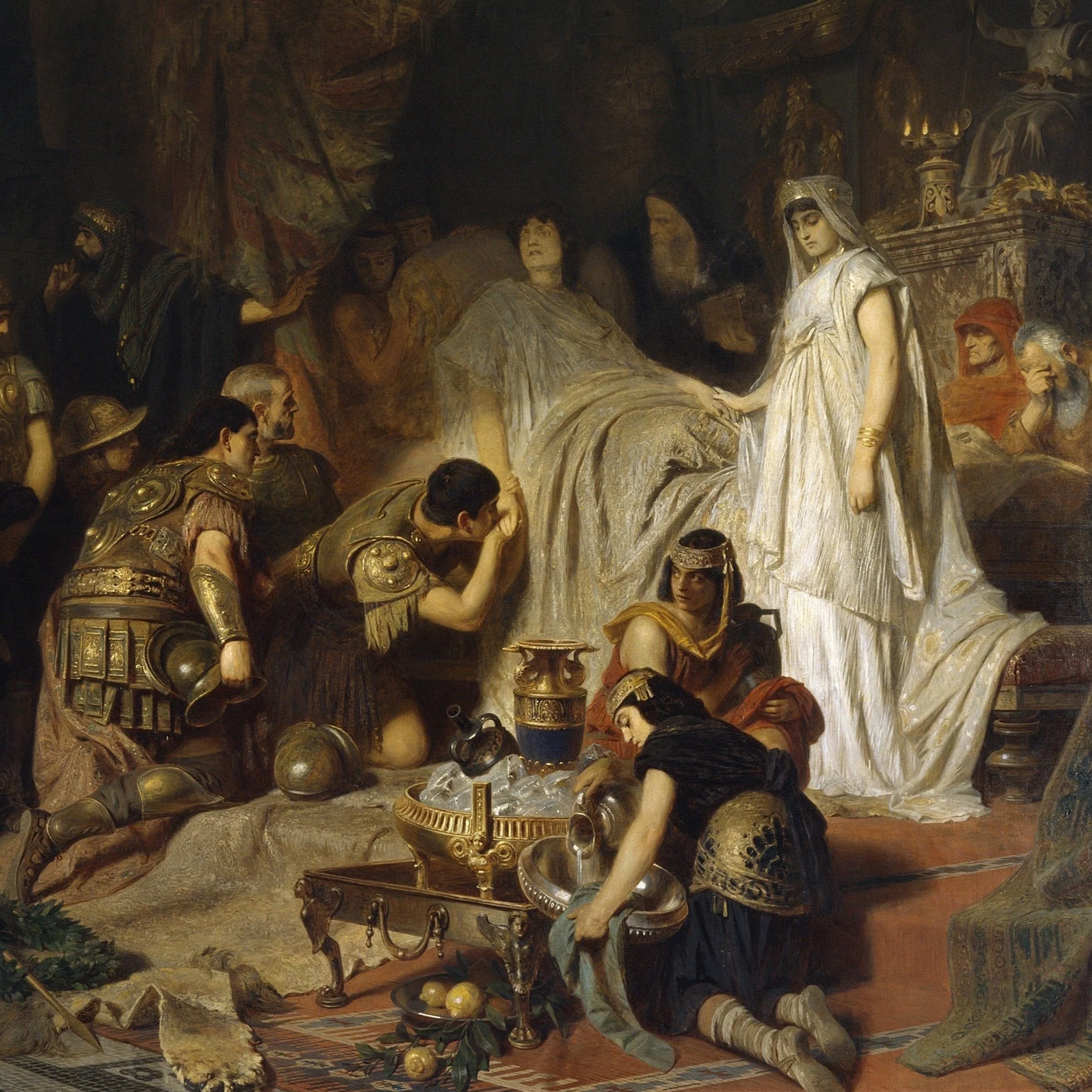
In Faust’s Dream (1852) by Carl Gustav Carus, the tortured scholar of Johann Wolfgang von Goethe’s legend is captured at the moment of haunting introspection and spectral encounter: Carus places Faust in a dimly lit chamber, the walls heavy with shadow and the large arched window beyond suggesting an indifferent cosmos, while faint ghost-like forms swirl around him in the half-light, evoking Mephistopheles’s realm of temptation and the inner abyss of Faust’s longing. The minimal palette and the technique of body-colour on charcoal heighten the dream-state, dissolving the boundary between reality and vision, showing not just a theatrical scene but the Romantic preoccupation with the sublime, the inner self, and the metaphysical search for meaning. Through the isolation of the figure and the restless apparition of the phantoms, Carus visualises the conflict between knowledge and experience, mortality and transcendence — a moment of crisis that is also an invitation to the viewer to consider their own internal “dream”-world of ambition and despair.
Product Information
Product Information
Shipping & Returns
Shipping & Returns


Faust's Dream | Carl Gustav Carus | 1852
Faust's Dream | Carl Gustav Carus | 1852
About the artwork:
In Faust’s Dream (1852) by Carl Gustav Carus, the tortured scholar of Johann Wolfgang von Goethe’s legend is captured at the moment of haunting introspection and spectral encounter: Carus places Faust in a dimly lit chamber, the walls heavy with shadow and the large arched window beyond suggesting an indifferent cosmos, while faint ghost-like forms swirl around him in the half-light, evoking Mephistopheles’s realm of temptation and the inner abyss of Faust’s longing. The minimal palette and the technique of body-colour on charcoal heighten the dream-state, dissolving the boundary between reality and vision, showing not just a theatrical scene but the Romantic preoccupation with the sublime, the inner self, and the metaphysical search for meaning. Through the isolation of the figure and the restless apparition of the phantoms, Carus visualises the conflict between knowledge and experience, mortality and transcendence — a moment of crisis that is also an invitation to the viewer to consider their own internal “dream”-world of ambition and despair.
Original: $297.82
-70%$297.82
$89.35Product Information
Product Information
Shipping & Returns
Shipping & Returns
Description
About the artwork:
In Faust’s Dream (1852) by Carl Gustav Carus, the tortured scholar of Johann Wolfgang von Goethe’s legend is captured at the moment of haunting introspection and spectral encounter: Carus places Faust in a dimly lit chamber, the walls heavy with shadow and the large arched window beyond suggesting an indifferent cosmos, while faint ghost-like forms swirl around him in the half-light, evoking Mephistopheles’s realm of temptation and the inner abyss of Faust’s longing. The minimal palette and the technique of body-colour on charcoal heighten the dream-state, dissolving the boundary between reality and vision, showing not just a theatrical scene but the Romantic preoccupation with the sublime, the inner self, and the metaphysical search for meaning. Through the isolation of the figure and the restless apparition of the phantoms, Carus visualises the conflict between knowledge and experience, mortality and transcendence — a moment of crisis that is also an invitation to the viewer to consider their own internal “dream”-world of ambition and despair.