Grief | Oskar Zwintscher | 1898
About the artwork:
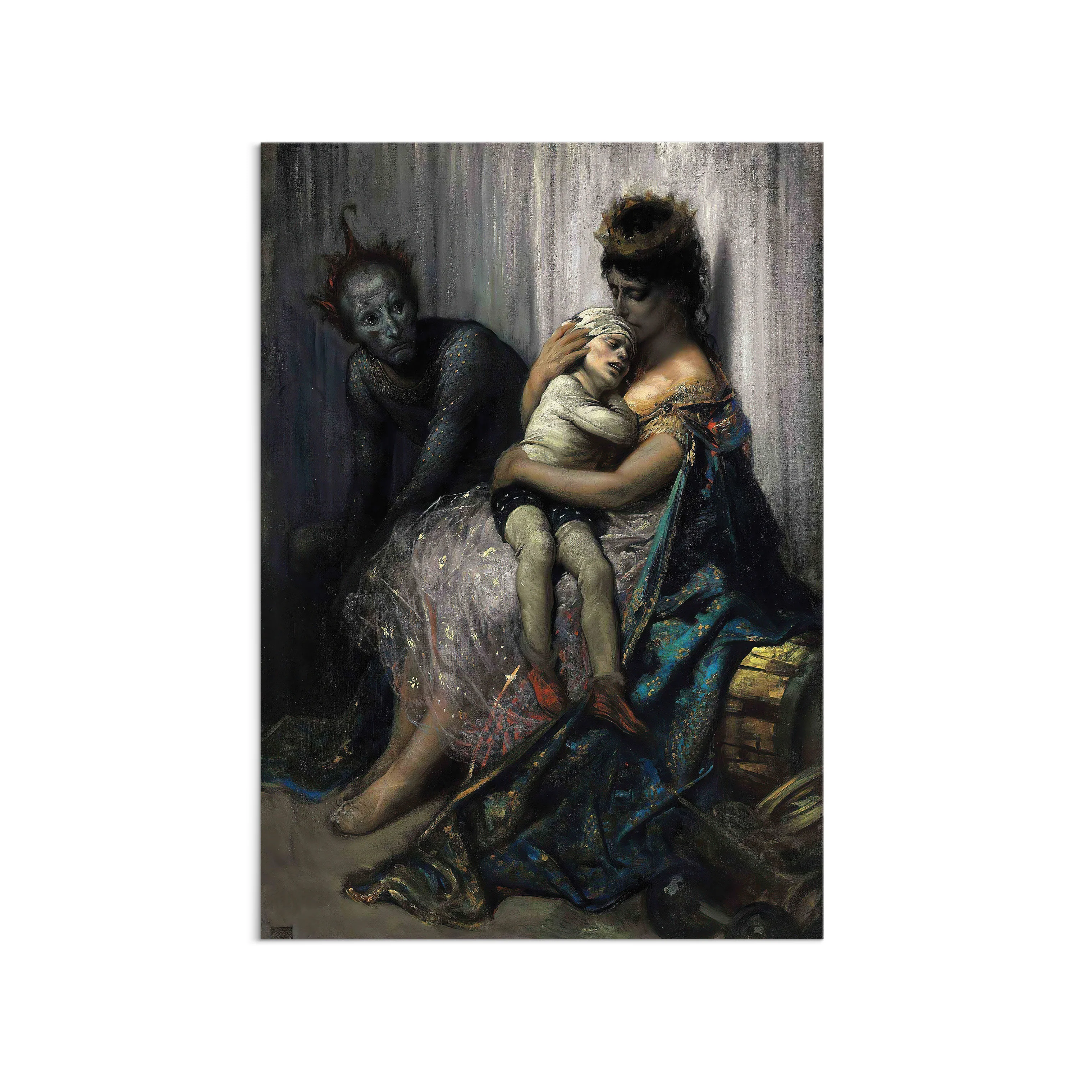
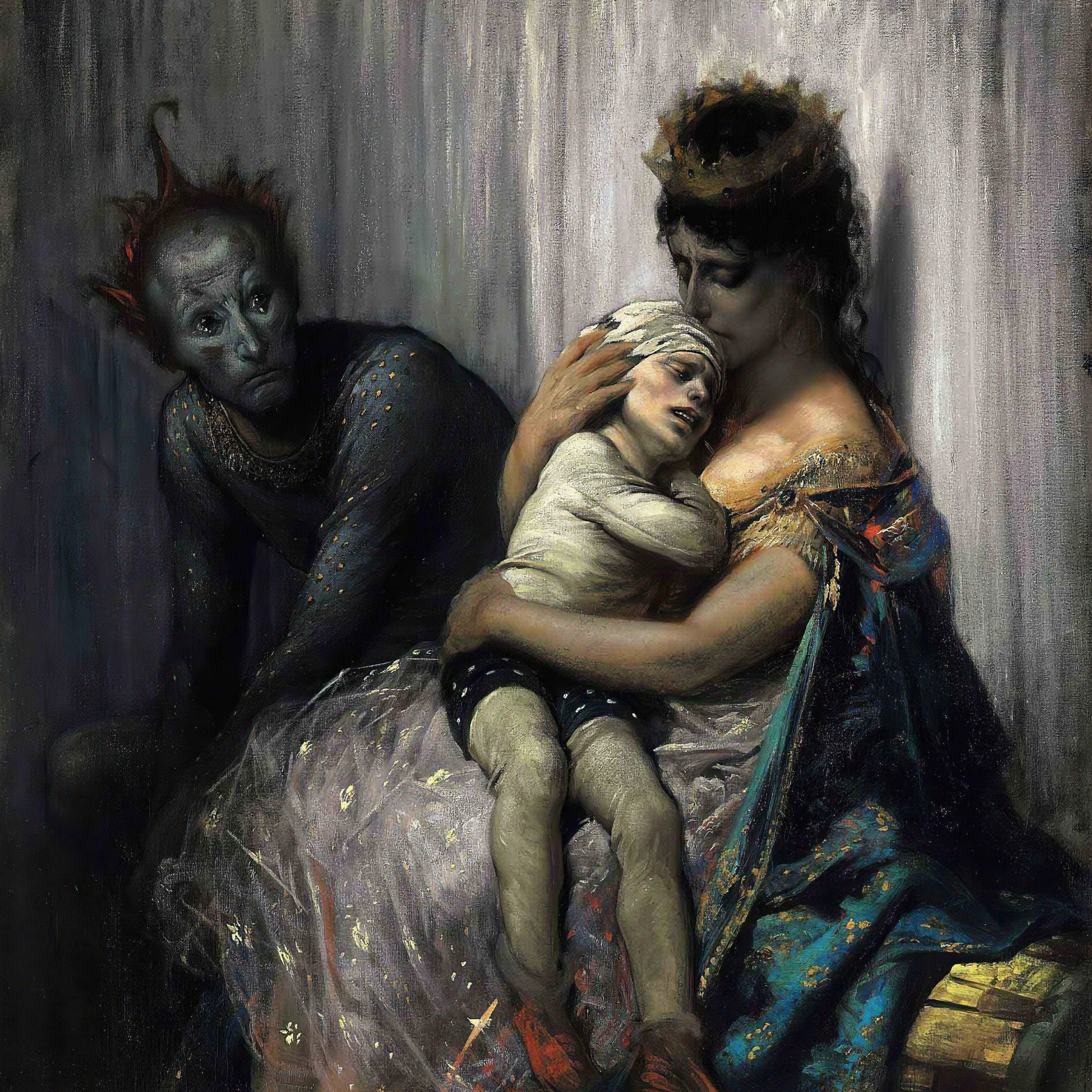
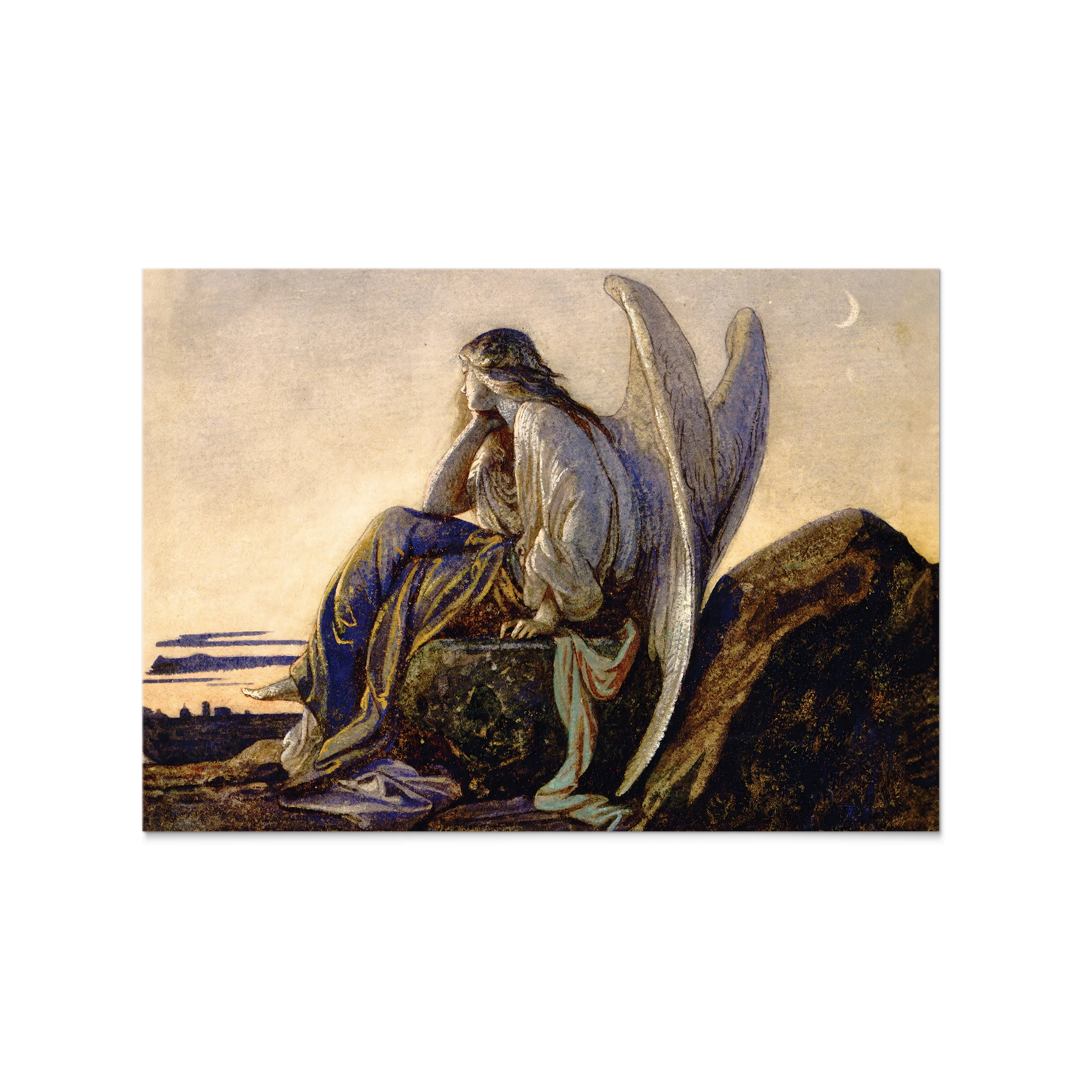
Grief (1898) by Oskar Zwintscher captures the haunting stillness of sorrow in a deeply psychological way. The painting shows a pale woman seated against a stark, undefined background, her body frozen in anguish and her gaze distant, almost detached from the world around her. Zwintscher, known for blending Symbolism with fin-de-siècle melancholy, portrays grief not through tears or dramatic gestures, but through emptiness and silence. The woman’s lifeless expression and rigid posture suggest that pain has consumed her entirely, leaving behind only the shell of her former self. The subdued palette, dominated by cold tones and muted light, reinforces the suffocating atmosphere of emotional paralysis. Through this quiet, restrained depiction, Zwintscher reveals that grief is not always loud—it can be still, isolating, and devastatingly eternal.
Product Information
Product Information
Shipping & Returns
Shipping & Returns


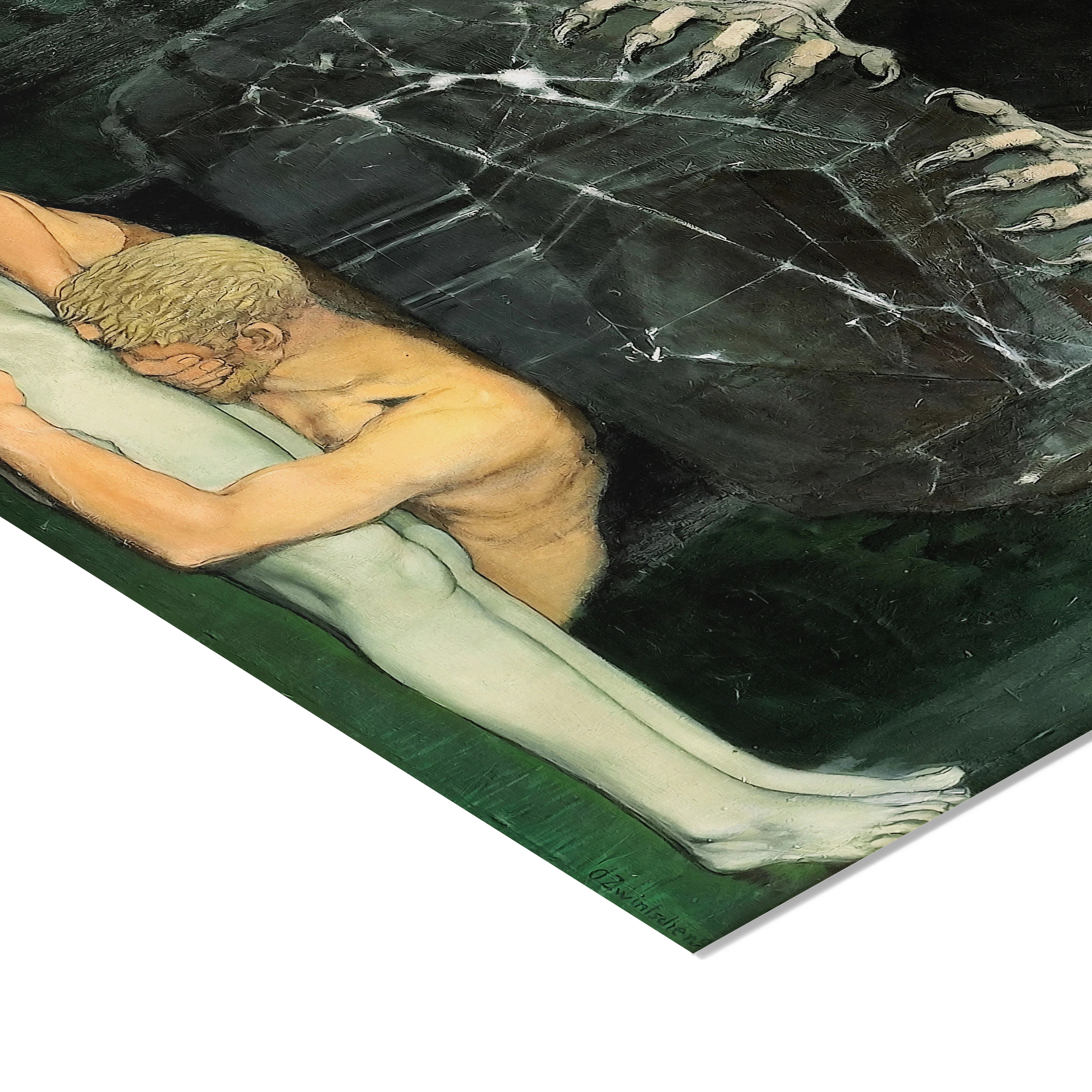


Grief | Oskar Zwintscher | 1898
Grief | Oskar Zwintscher | 1898
About the artwork:
Grief (1898) by Oskar Zwintscher captures the haunting stillness of sorrow in a deeply psychological way. The painting shows a pale woman seated against a stark, undefined background, her body frozen in anguish and her gaze distant, almost detached from the world around her. Zwintscher, known for blending Symbolism with fin-de-siècle melancholy, portrays grief not through tears or dramatic gestures, but through emptiness and silence. The woman’s lifeless expression and rigid posture suggest that pain has consumed her entirely, leaving behind only the shell of her former self. The subdued palette, dominated by cold tones and muted light, reinforces the suffocating atmosphere of emotional paralysis. Through this quiet, restrained depiction, Zwintscher reveals that grief is not always loud—it can be still, isolating, and devastatingly eternal.
Original: $459.85
-70%$459.85
$137.96Product Information
Product Information
Shipping & Returns
Shipping & Returns
Description
About the artwork:
Grief (1898) by Oskar Zwintscher captures the haunting stillness of sorrow in a deeply psychological way. The painting shows a pale woman seated against a stark, undefined background, her body frozen in anguish and her gaze distant, almost detached from the world around her. Zwintscher, known for blending Symbolism with fin-de-siècle melancholy, portrays grief not through tears or dramatic gestures, but through emptiness and silence. The woman’s lifeless expression and rigid posture suggest that pain has consumed her entirely, leaving behind only the shell of her former self. The subdued palette, dominated by cold tones and muted light, reinforces the suffocating atmosphere of emotional paralysis. Through this quiet, restrained depiction, Zwintscher reveals that grief is not always loud—it can be still, isolating, and devastatingly eternal.