Hail Mary | Paul Gauguin | 1891
About the artwork:
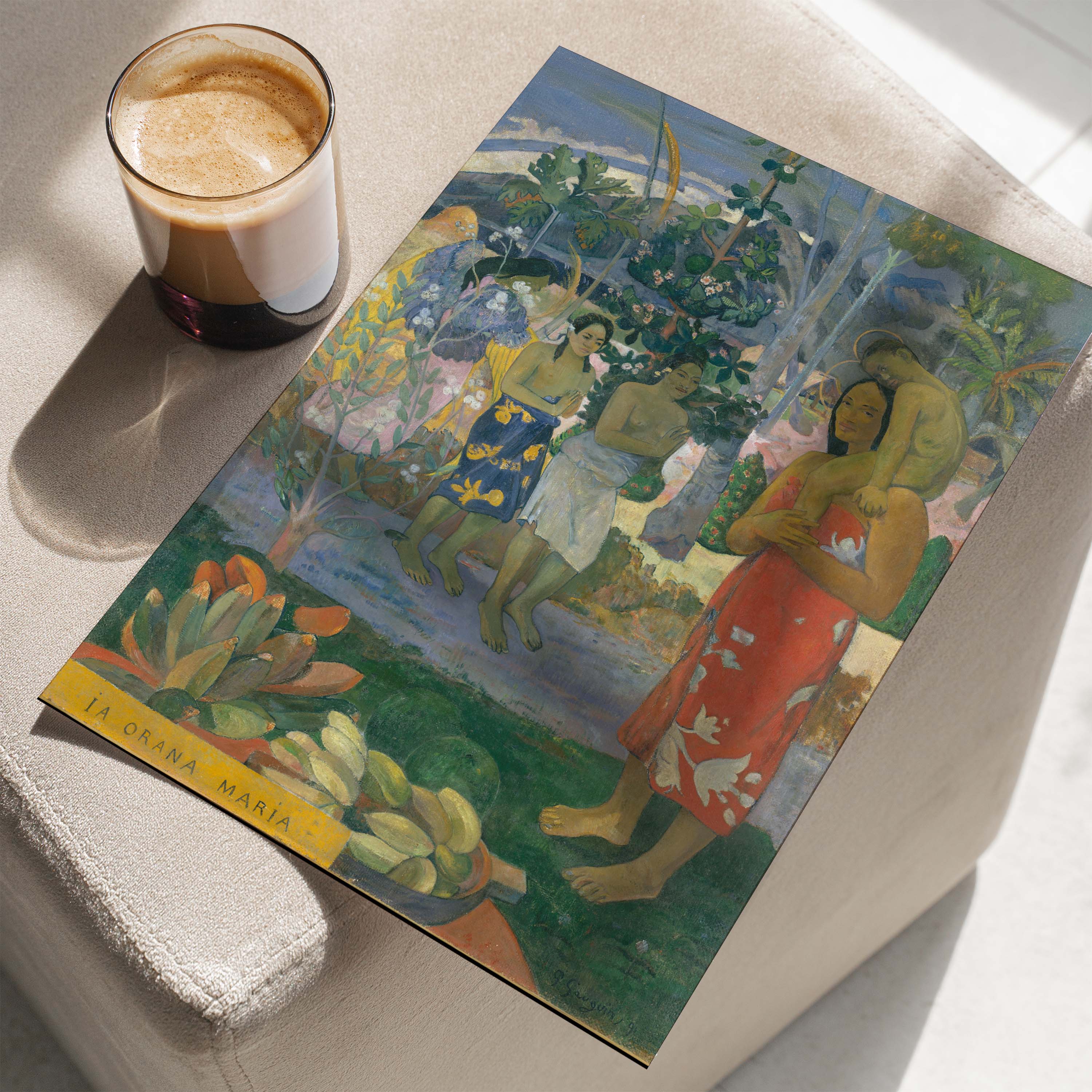
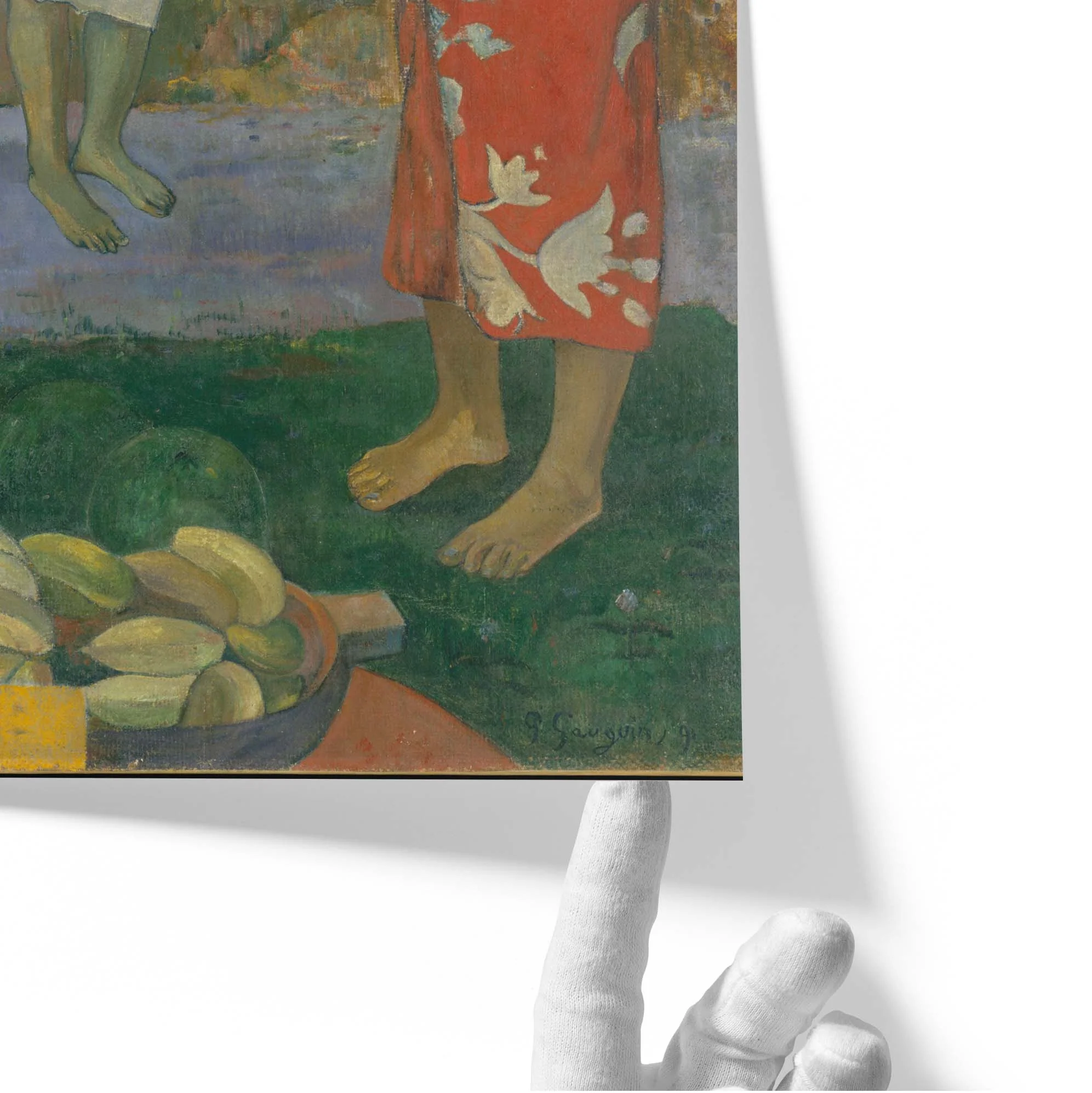
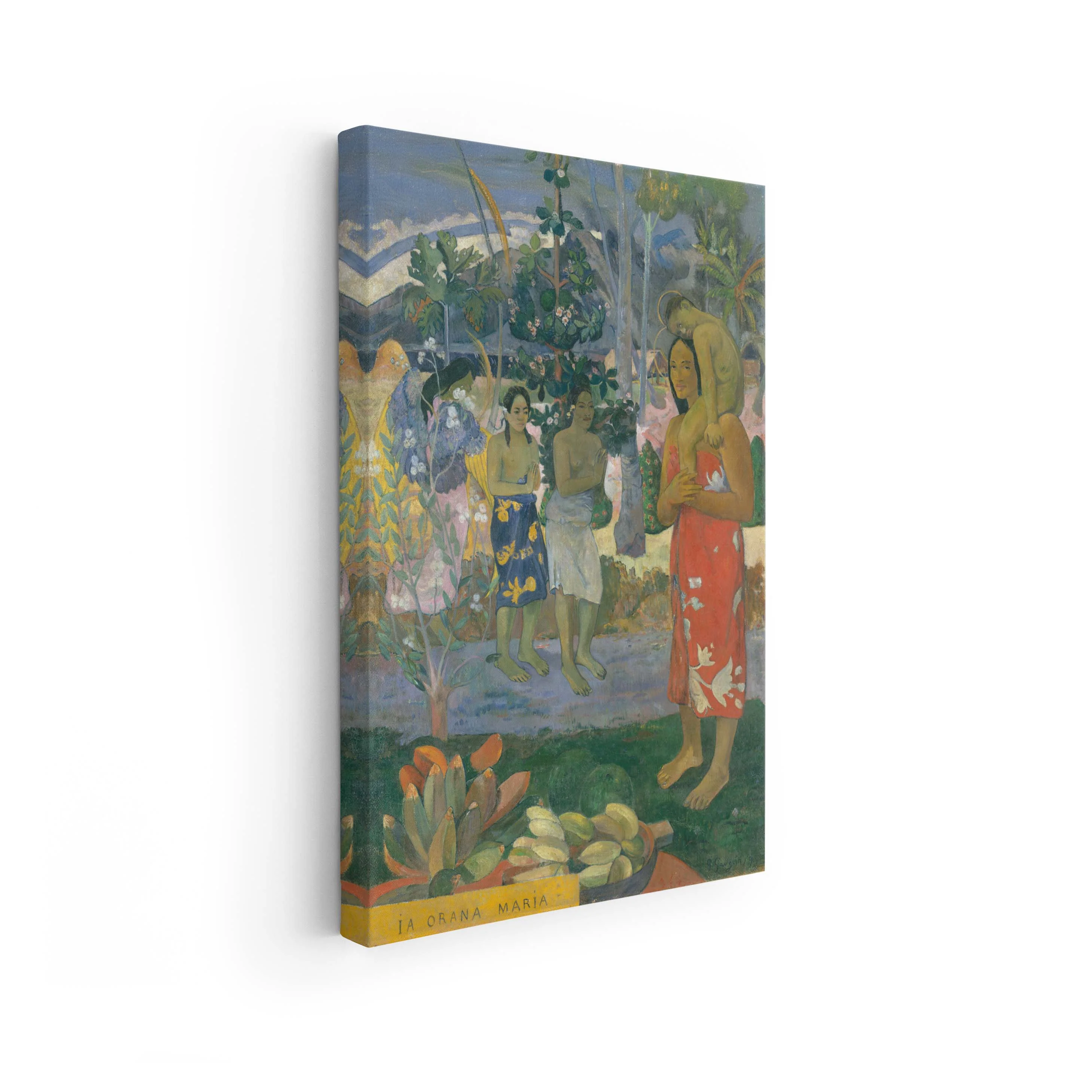
"Hail Mary" by Paul Gauguin, painted in 1891, is an evocative work from his Tahitian period. Gauguin created this painting after traveling to Tahiti, seeking to capture the exotic and spiritual essence of the South Pacific.
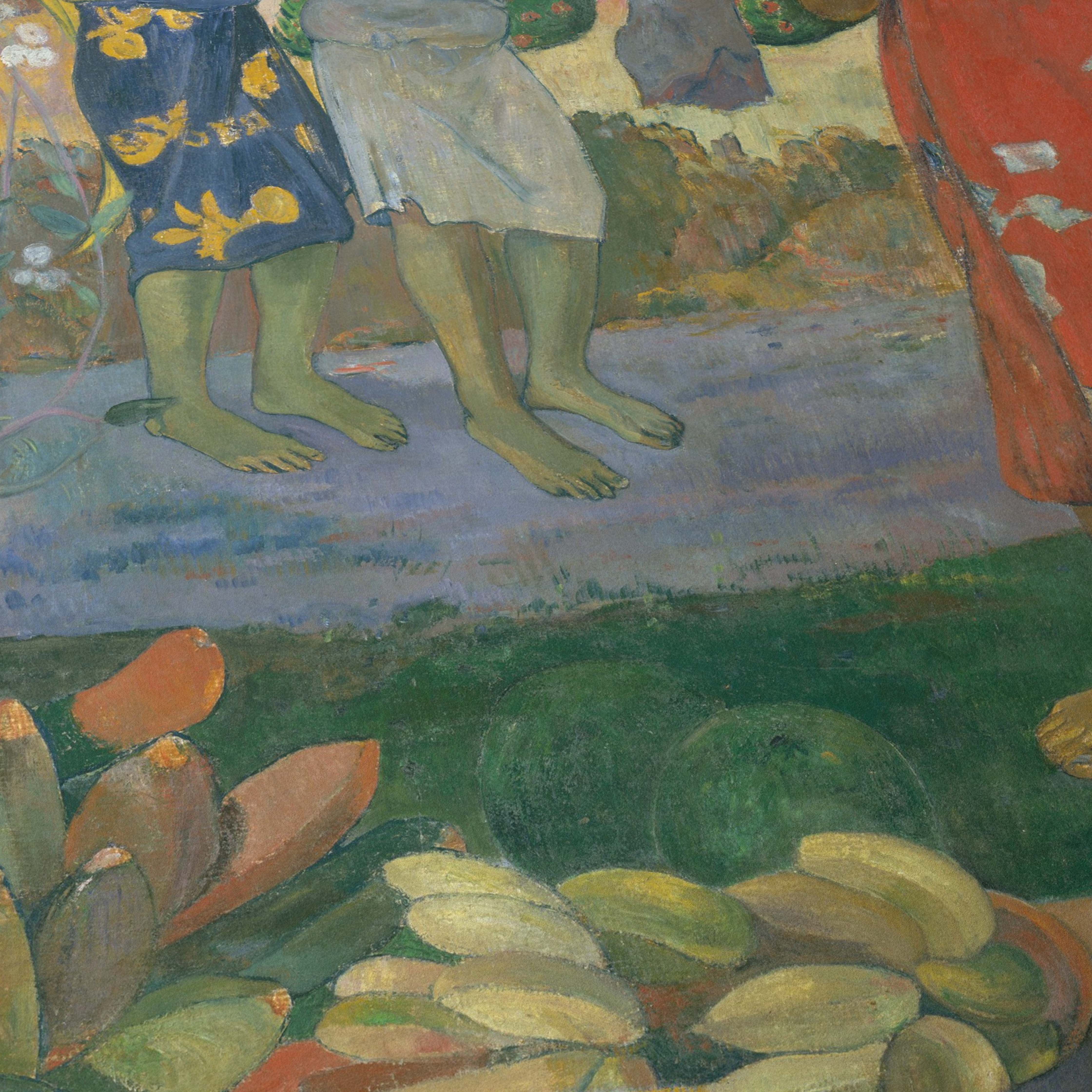
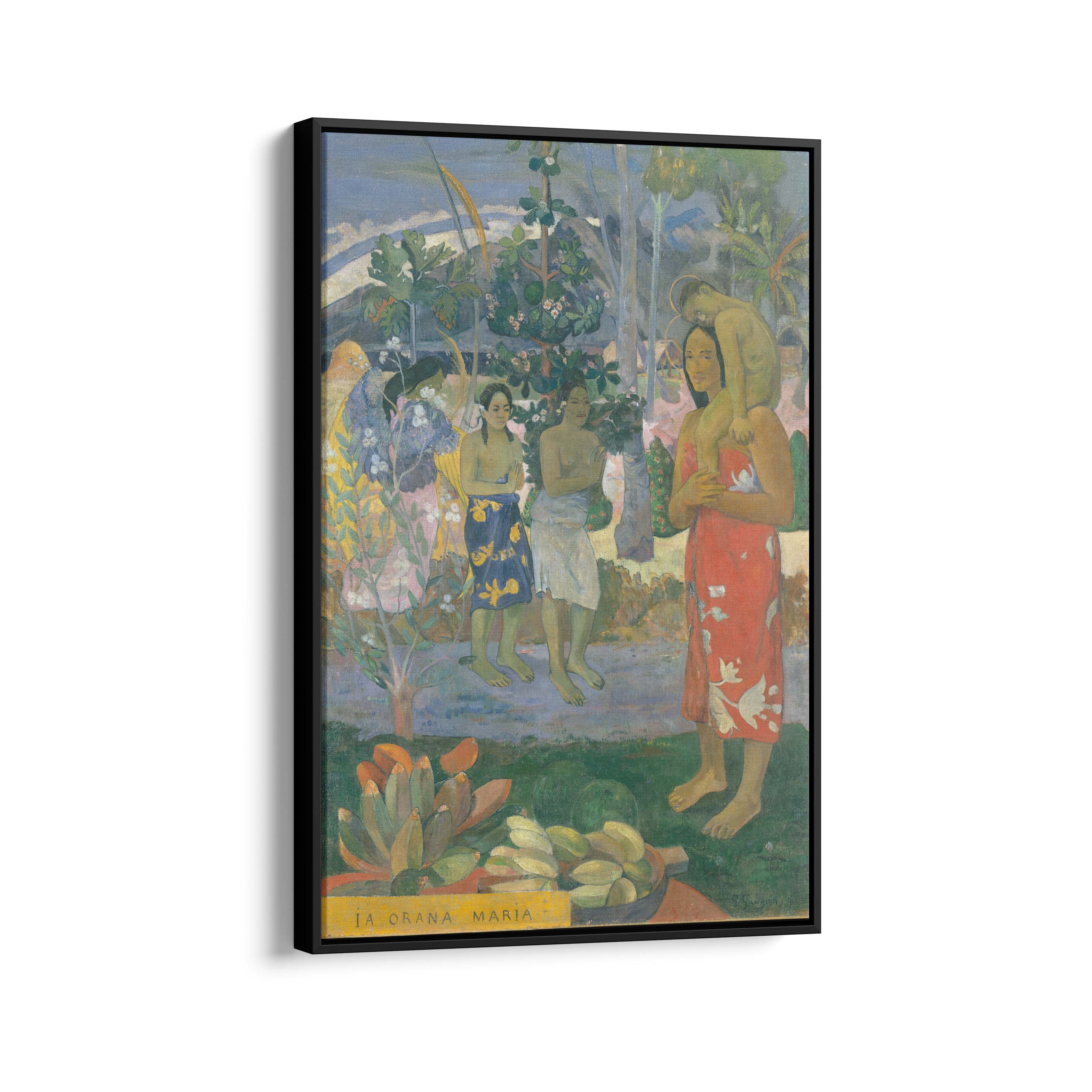
The artwork depicts a female figure, likely a Tahitian woman, in a serene pose with a contemplative expression, set against a vibrant, colorful backdrop. The composition is marked by Gauguin's signature bold colors, symbolic use of form, and stylized representation, reflecting his fascination with Tahitian culture and his desire to evoke a sense of primitive purity.
"Hail Mary" exemplifies Gauguin's move away from traditional European art to explore more expressive and abstract forms. The painting blends religious iconography with the artist’s own mystical interpretations, creating a profound and visually striking piece that invites viewers to ponder themes of spirituality and cultural identity.
Product Information
Product Information
Shipping & Returns
Shipping & Returns




Hail Mary | Paul Gauguin | 1891
Hail Mary | Paul Gauguin | 1891
About the artwork:
"Hail Mary" by Paul Gauguin, painted in 1891, is an evocative work from his Tahitian period. Gauguin created this painting after traveling to Tahiti, seeking to capture the exotic and spiritual essence of the South Pacific.
The artwork depicts a female figure, likely a Tahitian woman, in a serene pose with a contemplative expression, set against a vibrant, colorful backdrop. The composition is marked by Gauguin's signature bold colors, symbolic use of form, and stylized representation, reflecting his fascination with Tahitian culture and his desire to evoke a sense of primitive purity.
"Hail Mary" exemplifies Gauguin's move away from traditional European art to explore more expressive and abstract forms. The painting blends religious iconography with the artist’s own mystical interpretations, creating a profound and visually striking piece that invites viewers to ponder themes of spirituality and cultural identity.
Original: $297.82
-70%$297.82
$89.35Product Information
Product Information
Shipping & Returns
Shipping & Returns
Description
About the artwork:
"Hail Mary" by Paul Gauguin, painted in 1891, is an evocative work from his Tahitian period. Gauguin created this painting after traveling to Tahiti, seeking to capture the exotic and spiritual essence of the South Pacific.
The artwork depicts a female figure, likely a Tahitian woman, in a serene pose with a contemplative expression, set against a vibrant, colorful backdrop. The composition is marked by Gauguin's signature bold colors, symbolic use of form, and stylized representation, reflecting his fascination with Tahitian culture and his desire to evoke a sense of primitive purity.
"Hail Mary" exemplifies Gauguin's move away from traditional European art to explore more expressive and abstract forms. The painting blends religious iconography with the artist’s own mystical interpretations, creating a profound and visually striking piece that invites viewers to ponder themes of spirituality and cultural identity.