House Wall (Window) | Egon Schiele | 1914
About the artwork:
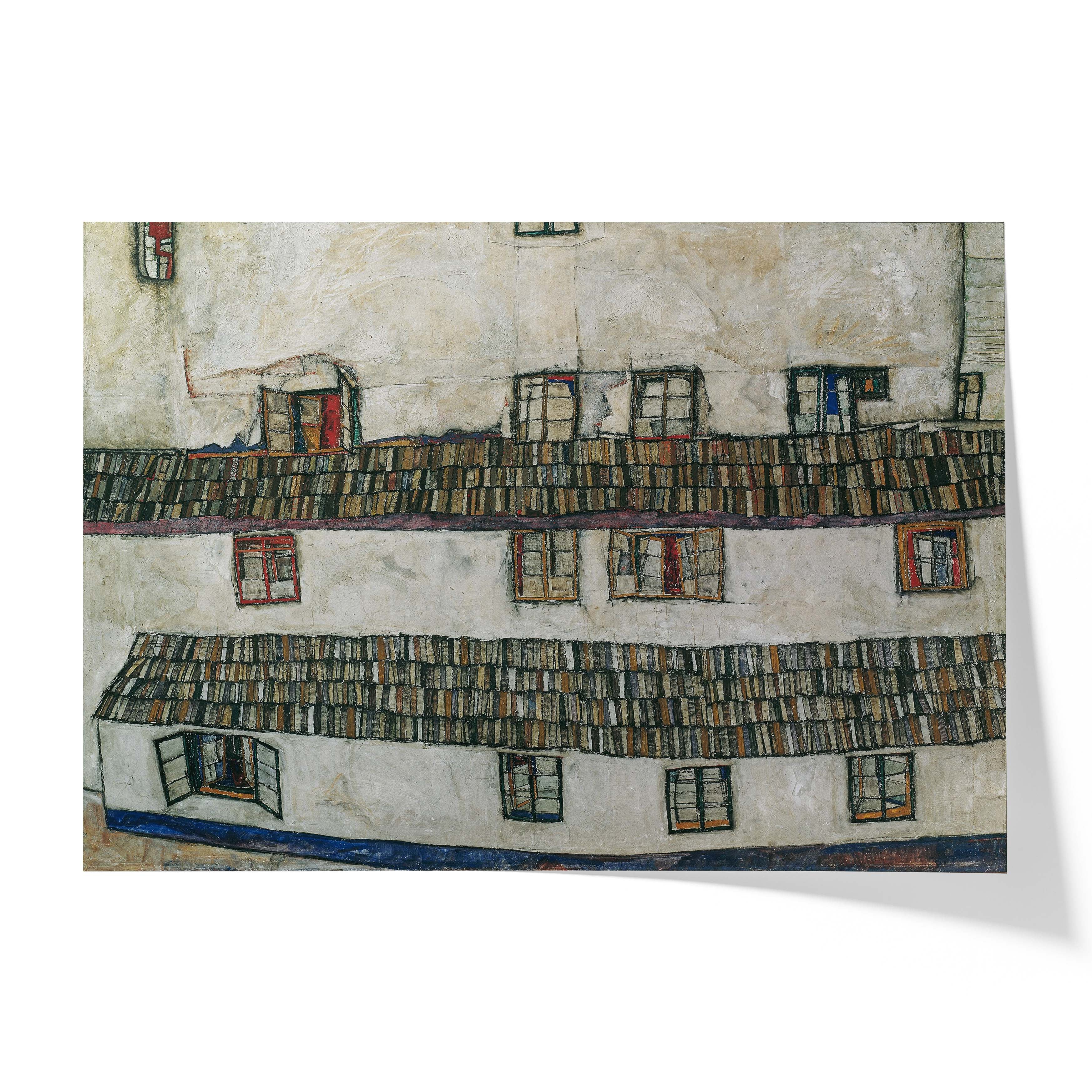
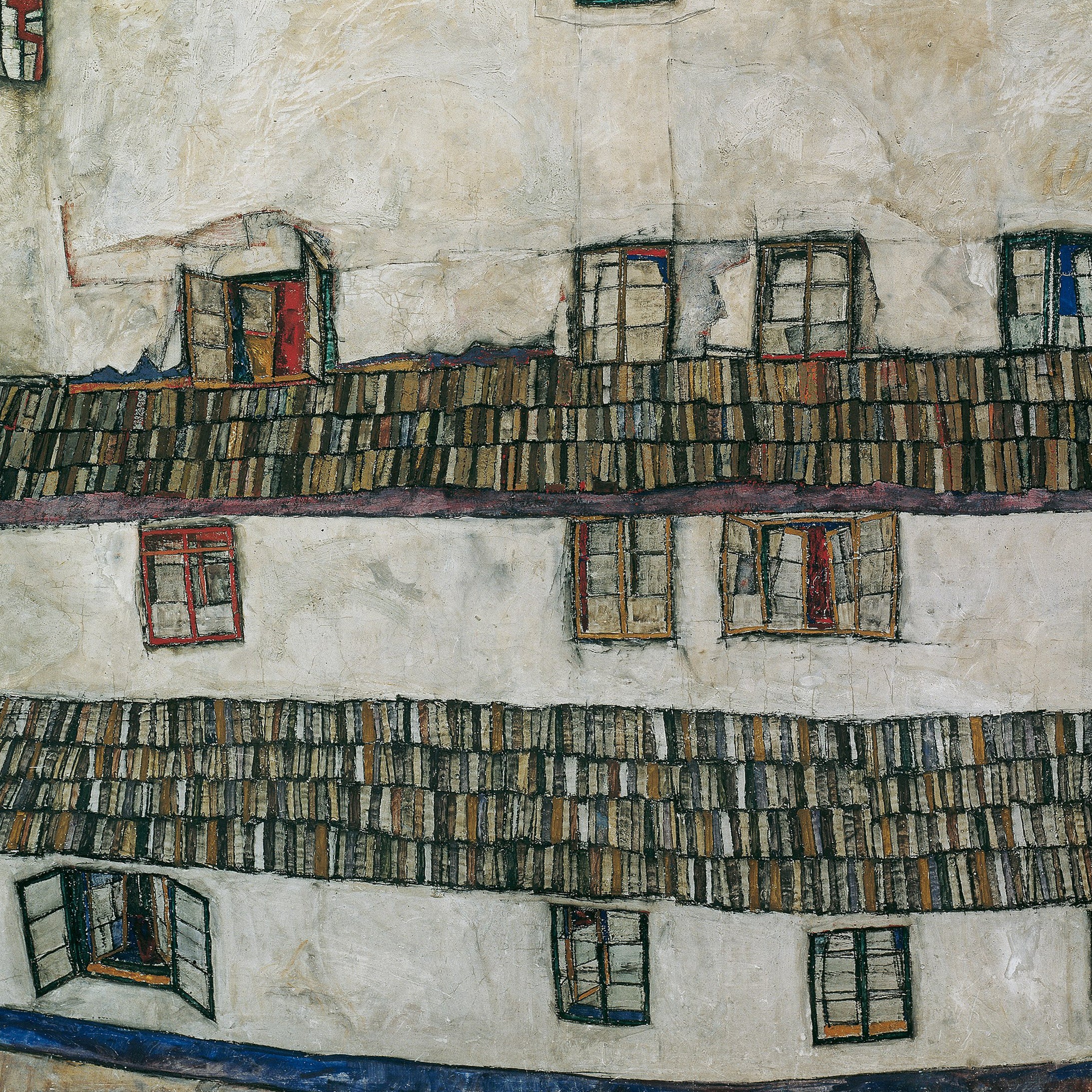
In House Wall (Window) (1914), Egon Schiele captures a fragmented, almost haunting view of urban decay through the close-up of a crumbling wall and a single dark window. Stripped of human presence, the painting transforms a mundane architectural detail into a deeply expressive subject, emphasizing texture, asymmetry, and isolation. The peeling paint, exposed bricks, and the stark contrast between shadow and light reflect Schiele’s fascination with impermanence and the psychological weight of neglected spaces. Rather than offering a traditional cityscape, Schiele zooms in on a silent witness of time’s passage—imbuing the lifeless wall with a raw, emotional resonance that mirrors his own sense of inner turmoil during a year marked by personal and political unrest.
Product Information
Product Information
Shipping & Returns
Shipping & Returns




House Wall (Window) | Egon Schiele | 1914
House Wall (Window) | Egon Schiele | 1914
About the artwork:
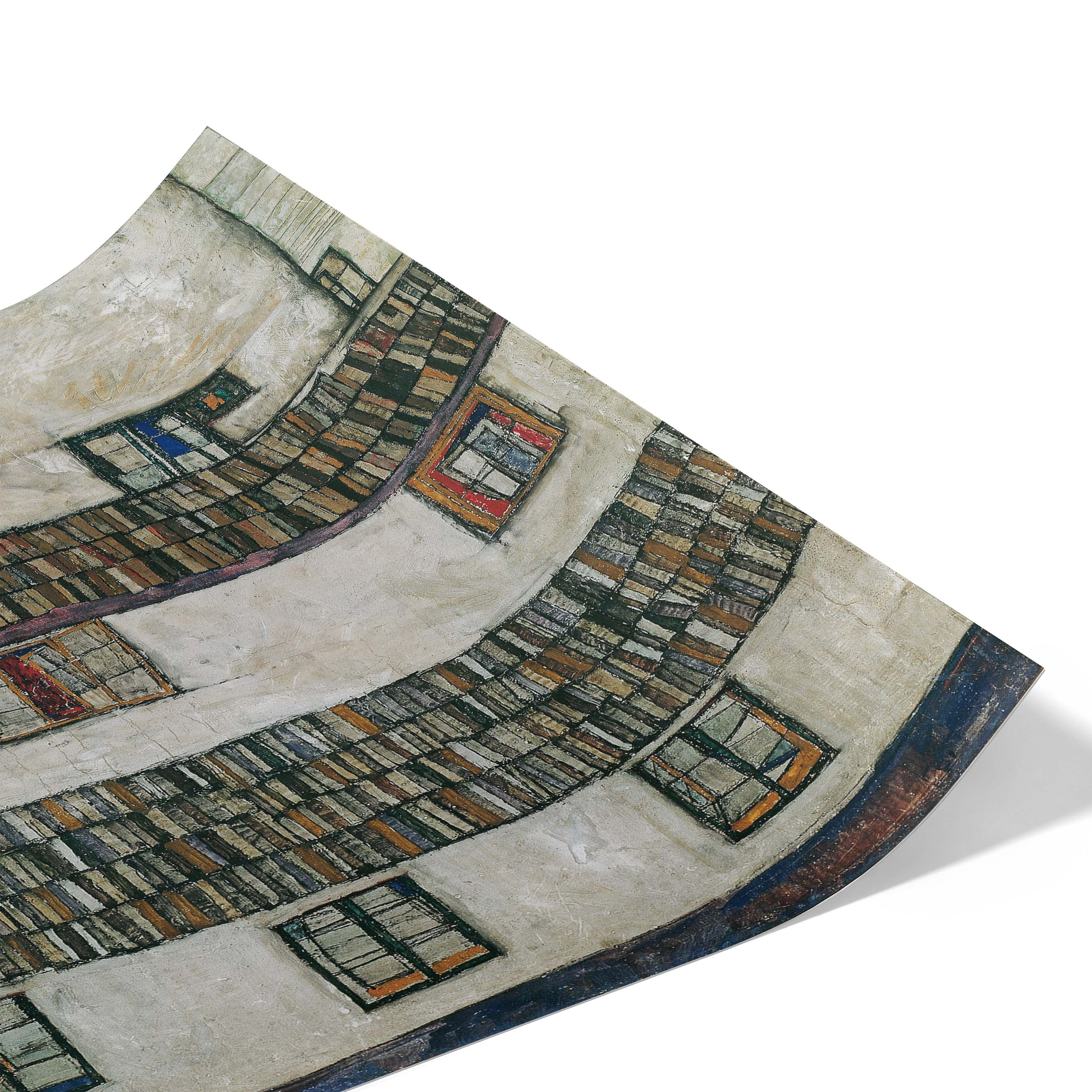
In House Wall (Window) (1914), Egon Schiele captures a fragmented, almost haunting view of urban decay through the close-up of a crumbling wall and a single dark window. Stripped of human presence, the painting transforms a mundane architectural detail into a deeply expressive subject, emphasizing texture, asymmetry, and isolation. The peeling paint, exposed bricks, and the stark contrast between shadow and light reflect Schiele’s fascination with impermanence and the psychological weight of neglected spaces. Rather than offering a traditional cityscape, Schiele zooms in on a silent witness of time’s passage—imbuing the lifeless wall with a raw, emotional resonance that mirrors his own sense of inner turmoil during a year marked by personal and political unrest.
Original: $297.82
-70%$297.82
$89.35Product Information
Product Information
Shipping & Returns
Shipping & Returns
Description
About the artwork:
In House Wall (Window) (1914), Egon Schiele captures a fragmented, almost haunting view of urban decay through the close-up of a crumbling wall and a single dark window. Stripped of human presence, the painting transforms a mundane architectural detail into a deeply expressive subject, emphasizing texture, asymmetry, and isolation. The peeling paint, exposed bricks, and the stark contrast between shadow and light reflect Schiele’s fascination with impermanence and the psychological weight of neglected spaces. Rather than offering a traditional cityscape, Schiele zooms in on a silent witness of time’s passage—imbuing the lifeless wall with a raw, emotional resonance that mirrors his own sense of inner turmoil during a year marked by personal and political unrest.