✨ New Arrivals Just Dropped!Explore
HomeStore

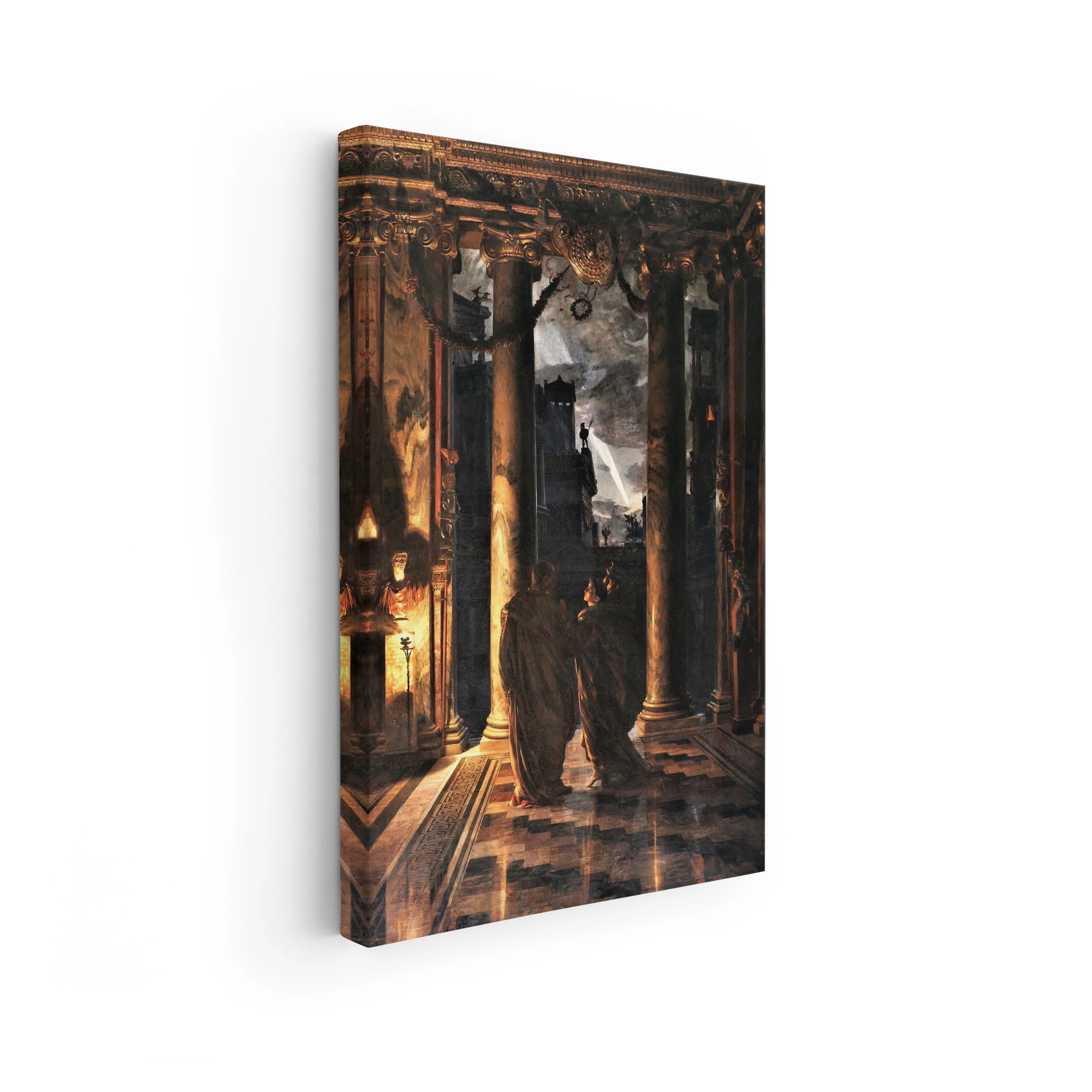
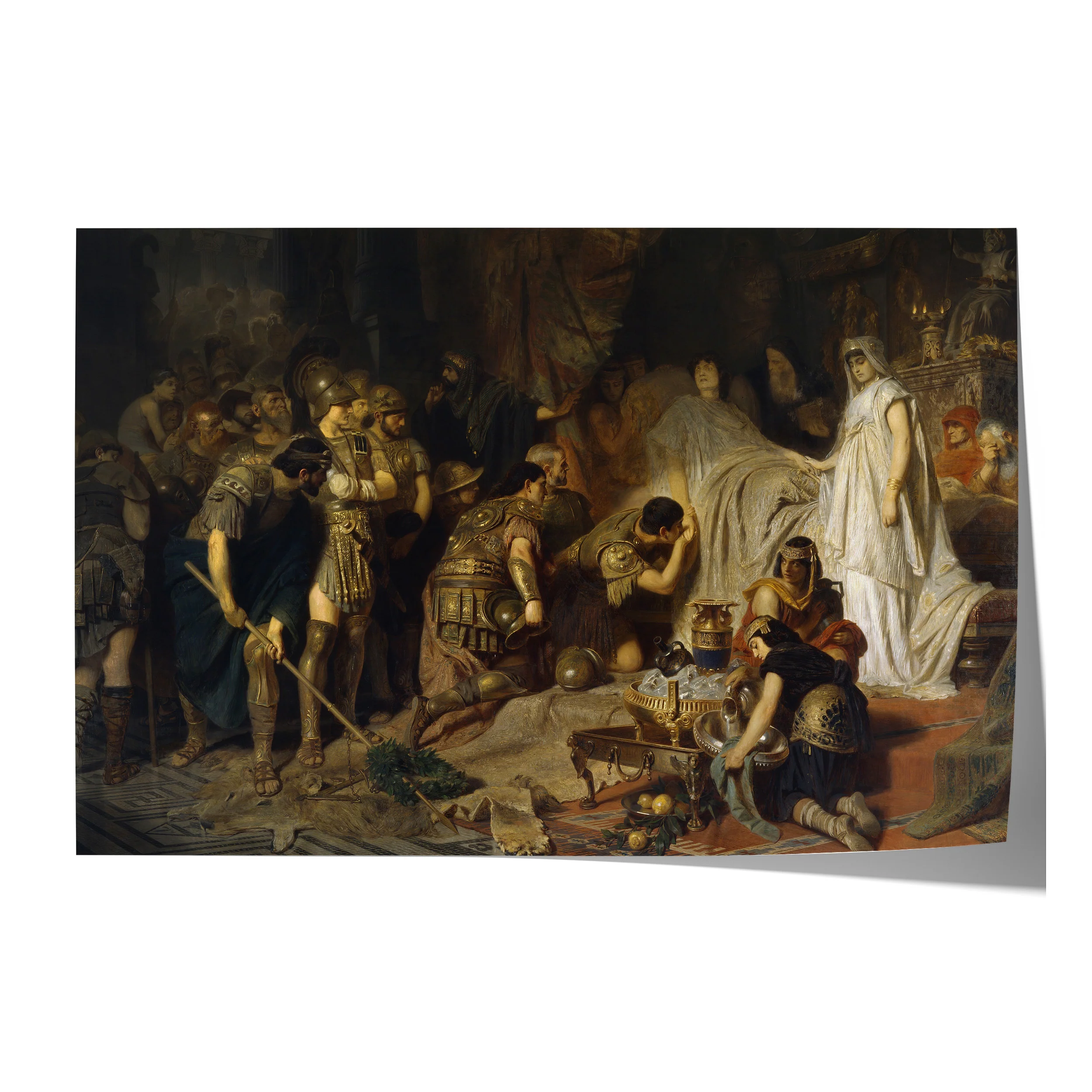
Ides of March | Sir Edward John Poynter | 1883

Product image 1
Product image 2
Product image 3
Product image 4
Product image 5
Product image 6
Product image 7
Product image 8
Product image 9

Ides of March | Sir Edward John Poynter | 1883

Ides of March | Sir Edward John Poynter | 1883

About the artwork:

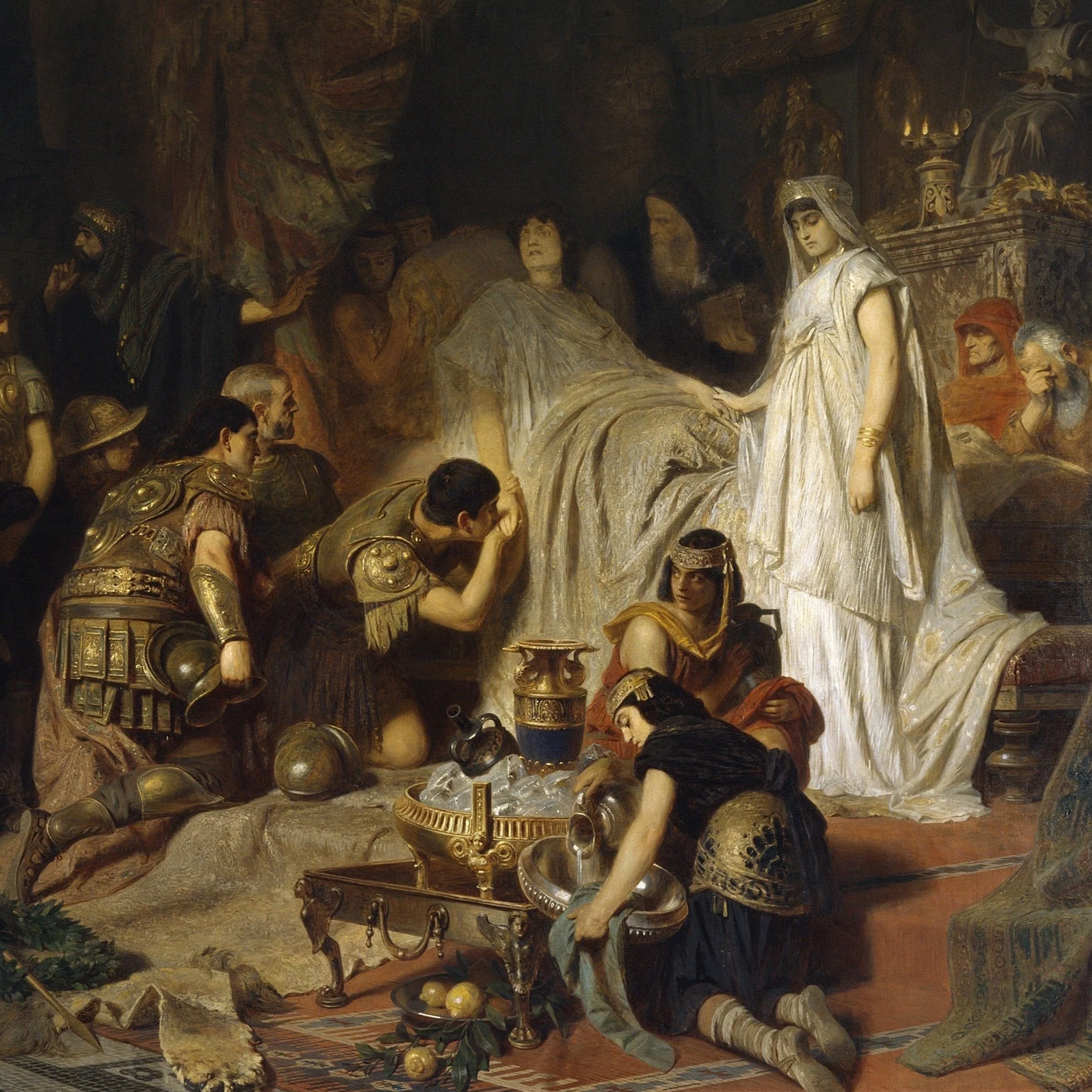
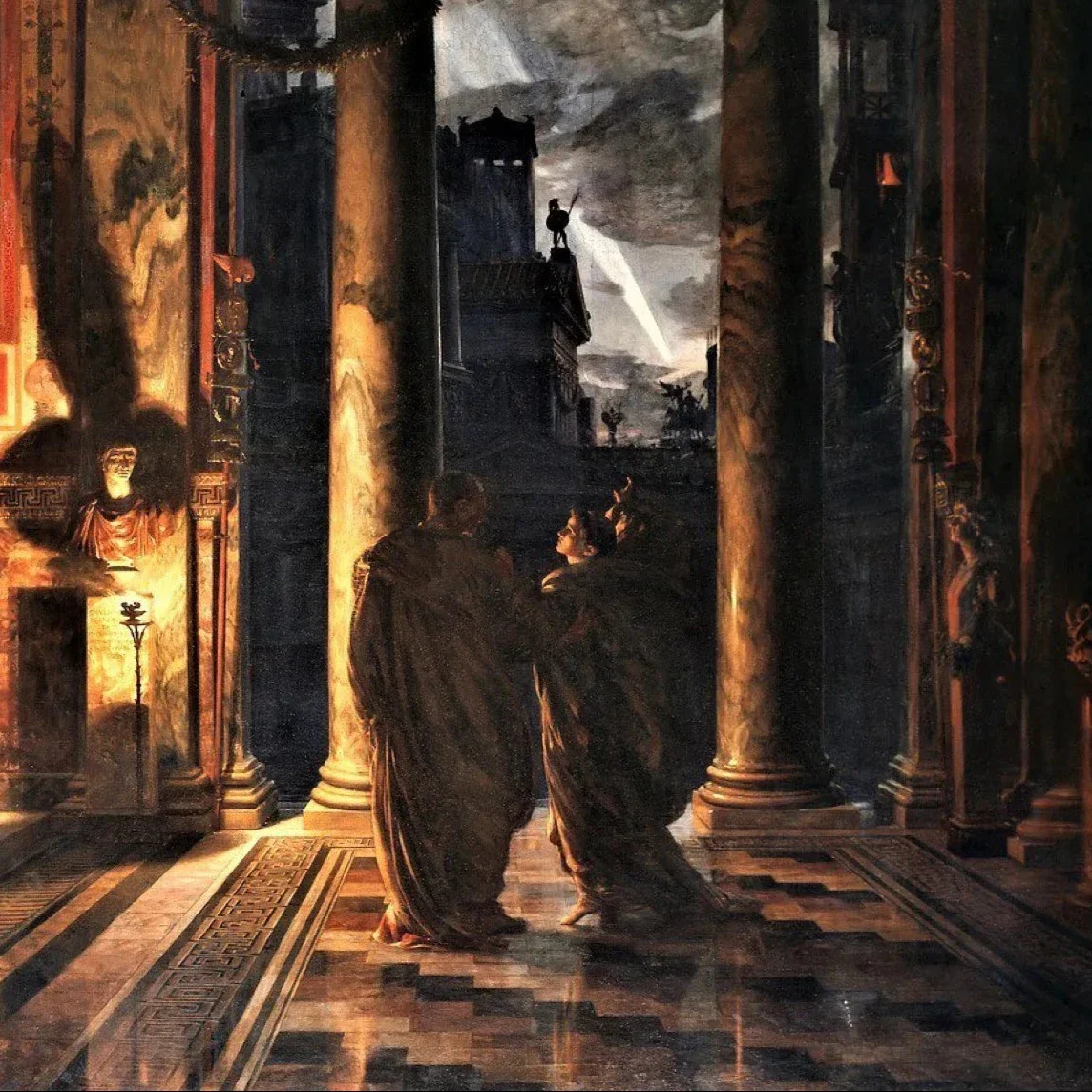
"Ides of March" by Sir Edward John Poynter, completed in 1883, is a dramatic and historically inspired painting that captures a pivotal moment in Roman history. The scene depicts Julius Caesar, the famed Roman dictator, seated on a throne, surrounded by a group of senators. Caesar, dressed in regal attire, appears contemplative and unaware of the impending betrayal. The senators, with expressions ranging from apprehension to determination, are plotting the assassination that would occur on the infamous Ides of March. Poynter's masterful use of light and shadow heightens the tension and drama of the scene, with the flickering torches casting an eerie glow on the faces of the conspirators. The painting's meticulous attention to historical detail, from the Roman attire to the architectural elements, lends an air of authenticity to the momentous event. "Ides of March" serves as a poignant reminder of the fragility of power and the treacherous nature of politics, capturing the fateful decision that would change the course of Roman history.

Select Select Size
Select Frame Options
From $89.35

Original: $297.82

-70%
Ides of March | Sir Edward John Poynter | 1883

$297.82

$89.35

Product Information

Shipping & Returns

Description

About the artwork:

"Ides of March" by Sir Edward John Poynter, completed in 1883, is a dramatic and historically inspired painting that captures a pivotal moment in Roman history. The scene depicts Julius Caesar, the famed Roman dictator, seated on a throne, surrounded by a group of senators. Caesar, dressed in regal attire, appears contemplative and unaware of the impending betrayal. The senators, with expressions ranging from apprehension to determination, are plotting the assassination that would occur on the infamous Ides of March. Poynter's masterful use of light and shadow heightens the tension and drama of the scene, with the flickering torches casting an eerie glow on the faces of the conspirators. The painting's meticulous attention to historical detail, from the Roman attire to the architectural elements, lends an air of authenticity to the momentous event. "Ides of March" serves as a poignant reminder of the fragility of power and the treacherous nature of politics, capturing the fateful decision that would change the course of Roman history.