✨ New Arrivals Just Dropped!Explore
HomeStore

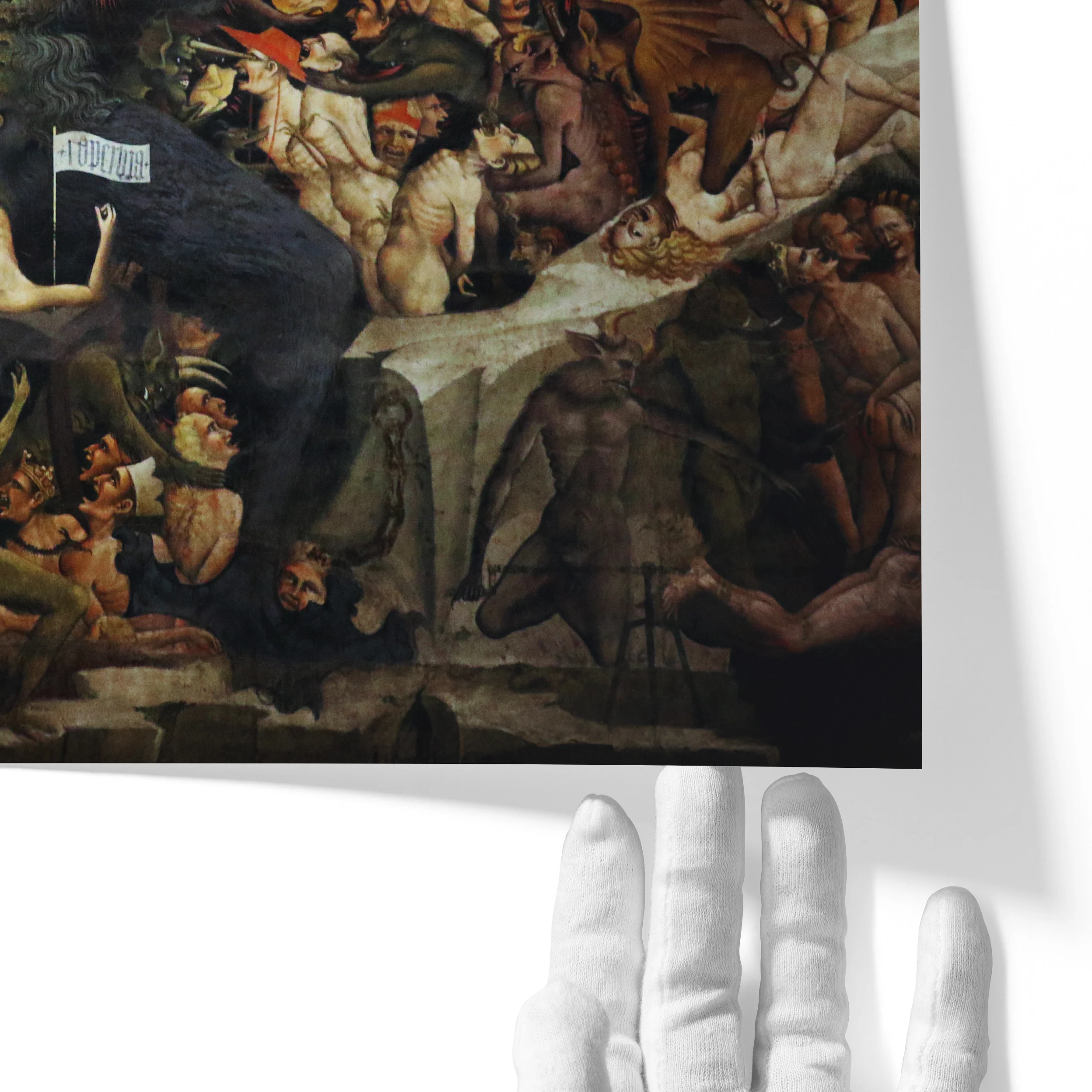
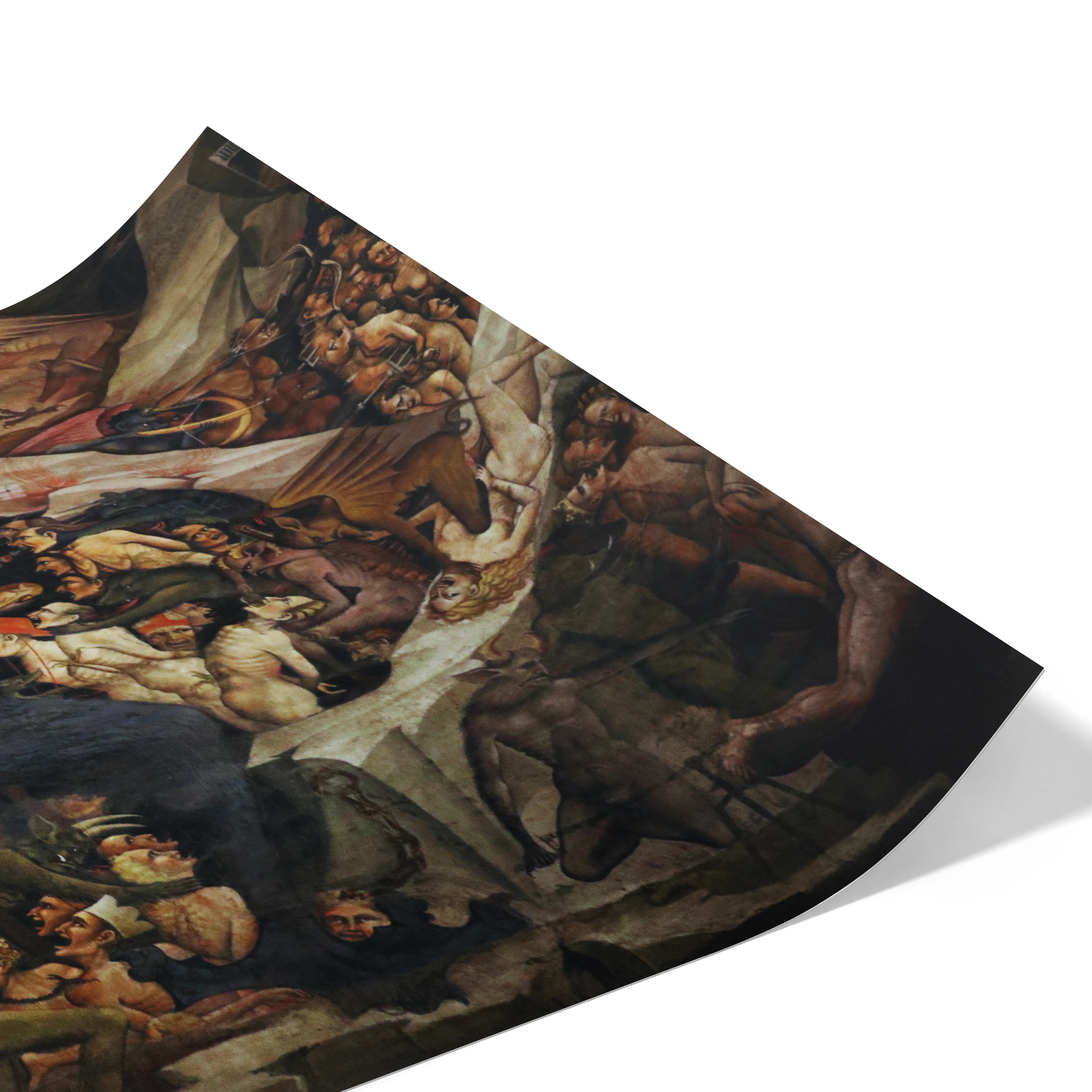
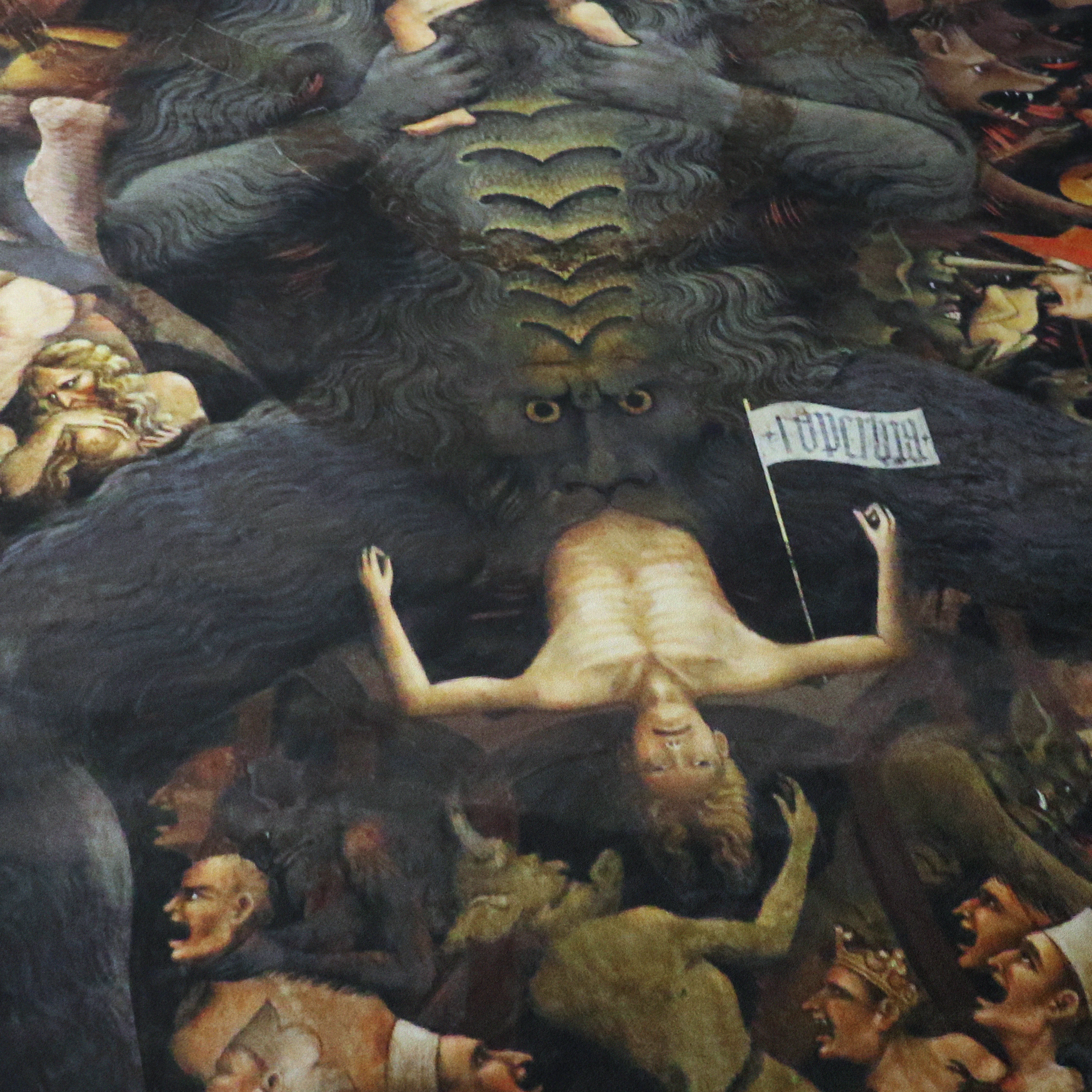
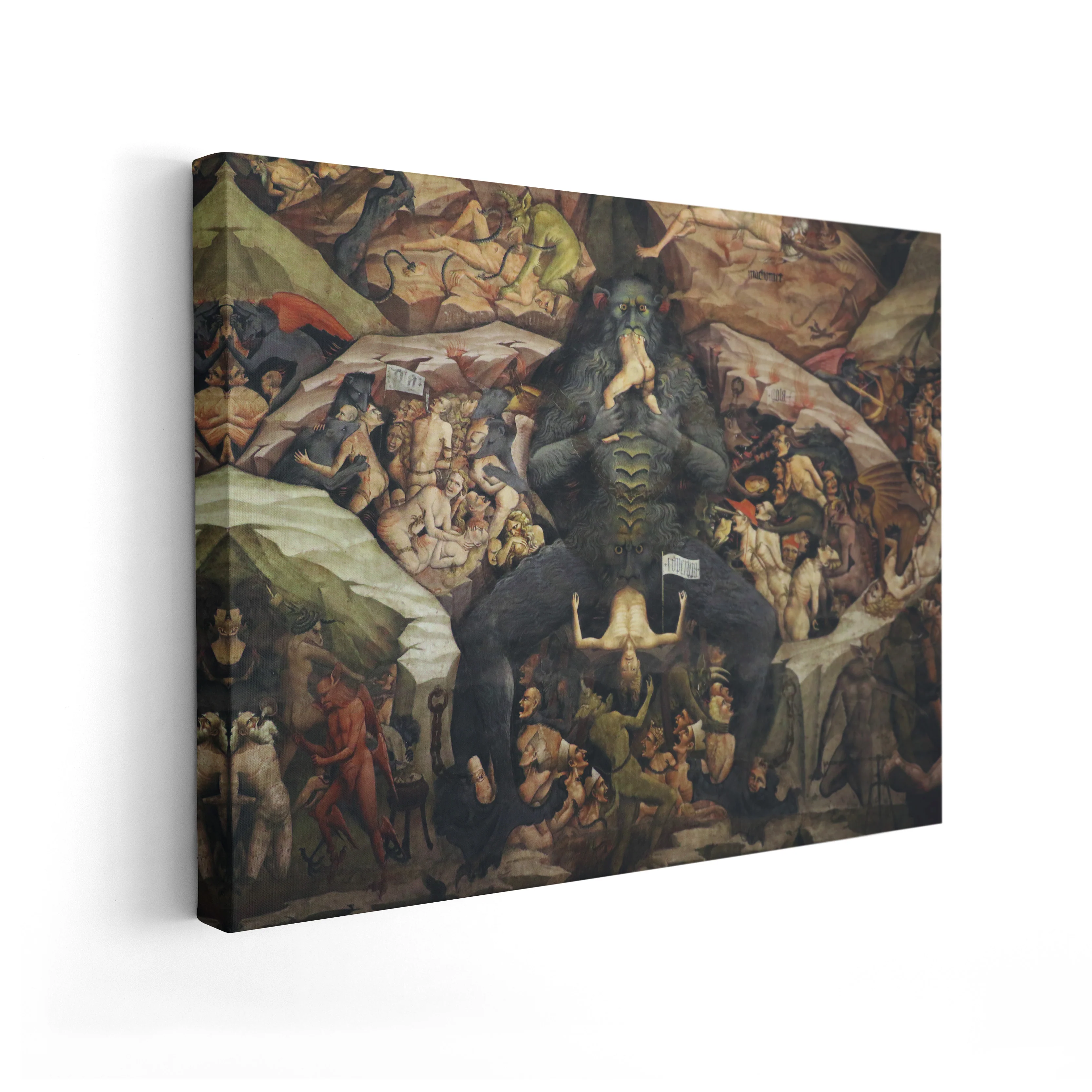
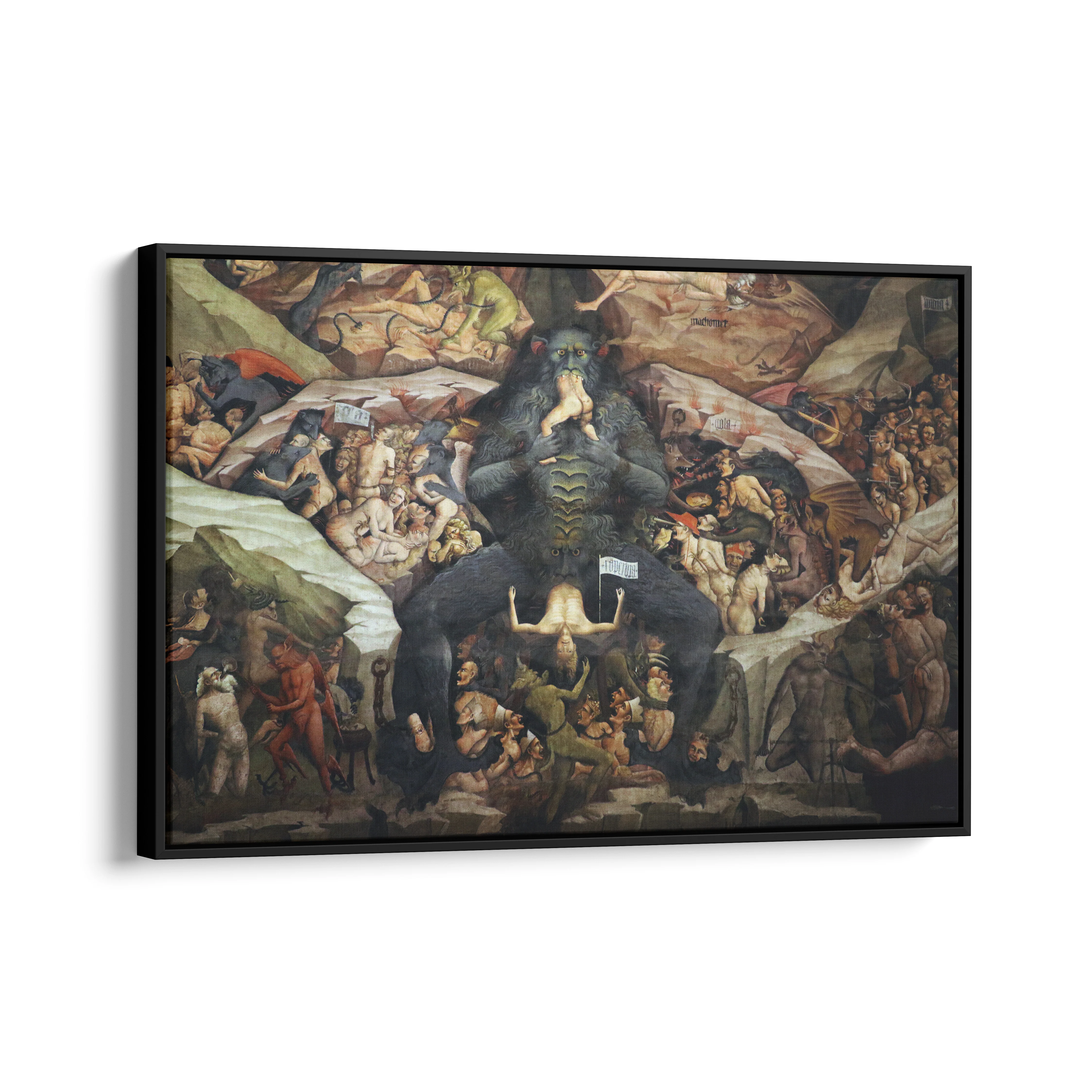
Inferno | Giovanni da Modena | c. 1410

Product image 1
Product image 2
Product image 3
Product image 4
Product image 5
Product image 6
Product image 7
Product image 8
Product image 9
Product image 10

Inferno | Giovanni da Modena | c. 1410

Inferno | Giovanni da Modena | c. 1410

About the artwork:

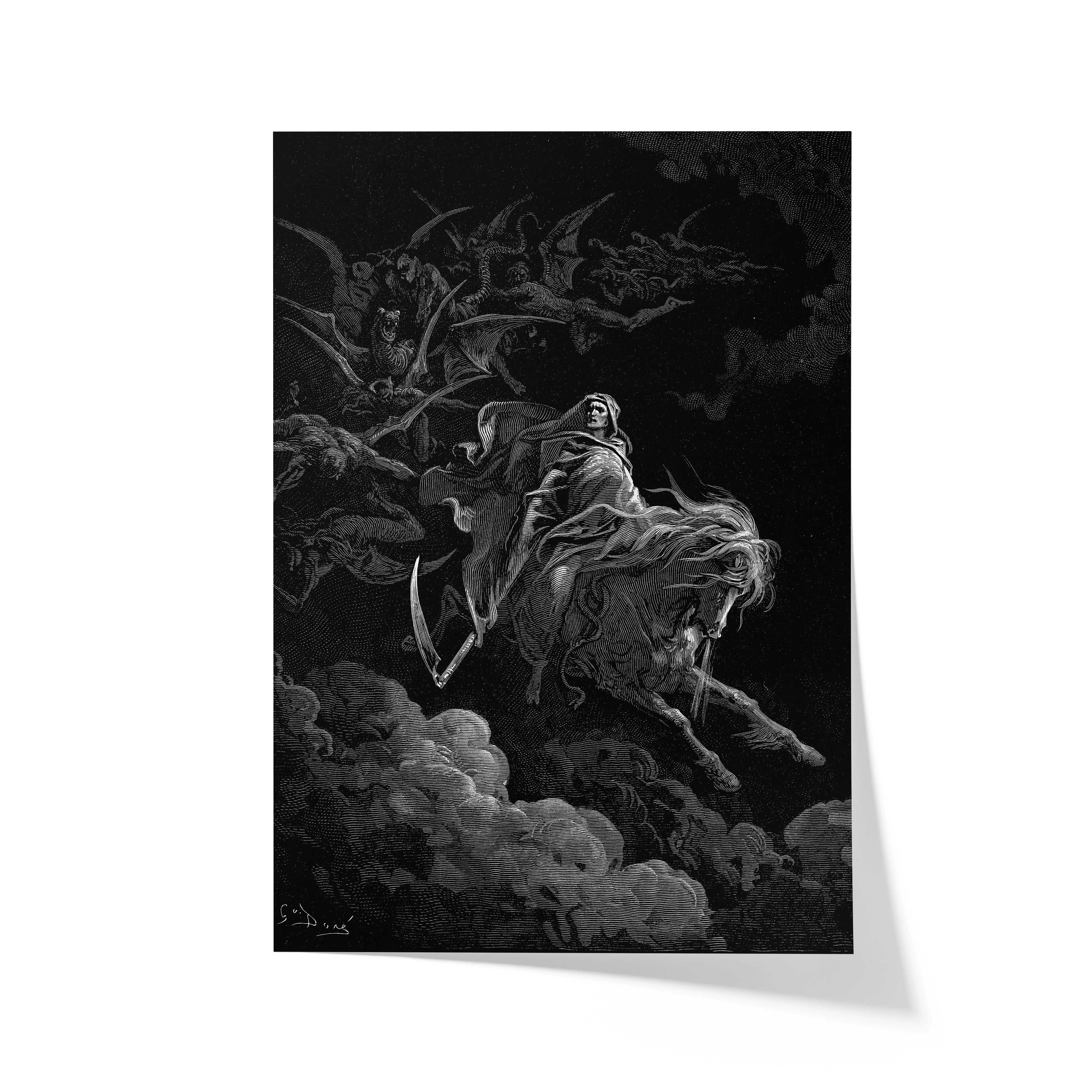
Giovanni da Modena’s Inferno is a striking visual sermon that embodies the medieval Church’s use of fear as a moral tool. Inspired by Dante’s Divine Comedy, the fresco presents a nightmarish vision of Hell, dominated by a grotesque Lucifer who devours and expels sinners in an endless cycle of punishment. Each section of the composition depicts torments tailored to specific sins, vividly illustrating the fate that awaits the damned. The inclusion of controversial figures, like Muhammad, reflects the theological and political tensions of the time, while the overall style—marked by expressive faces, vibrant colors, and exotic details—amplifies the emotional intensity of the scene. Far from being merely decorative, this fresco was meant to confront viewers with the terrifying consequences of sin and steer them toward repentance and salvation.

Select Select Size
Select Frame Options
From $89.35

Original: $297.82

-70%
Inferno | Giovanni da Modena | c. 1410

$297.82

$89.35

Product Information

Shipping & Returns

Description

About the artwork:
Giovanni da Modena’s Inferno is a striking visual sermon that embodies the medieval Church’s use of fear as a moral tool. Inspired by Dante’s Divine Comedy, the fresco presents a nightmarish vision of Hell, dominated by a grotesque Lucifer who devours and expels sinners in an endless cycle of punishment. Each section of the composition depicts torments tailored to specific sins, vividly illustrating the fate that awaits the damned. The inclusion of controversial figures, like Muhammad, reflects the theological and political tensions of the time, while the overall style—marked by expressive faces, vibrant colors, and exotic details—amplifies the emotional intensity of the scene. Far from being merely decorative, this fresco was meant to confront viewers with the terrifying consequences of sin and steer them toward repentance and salvation.