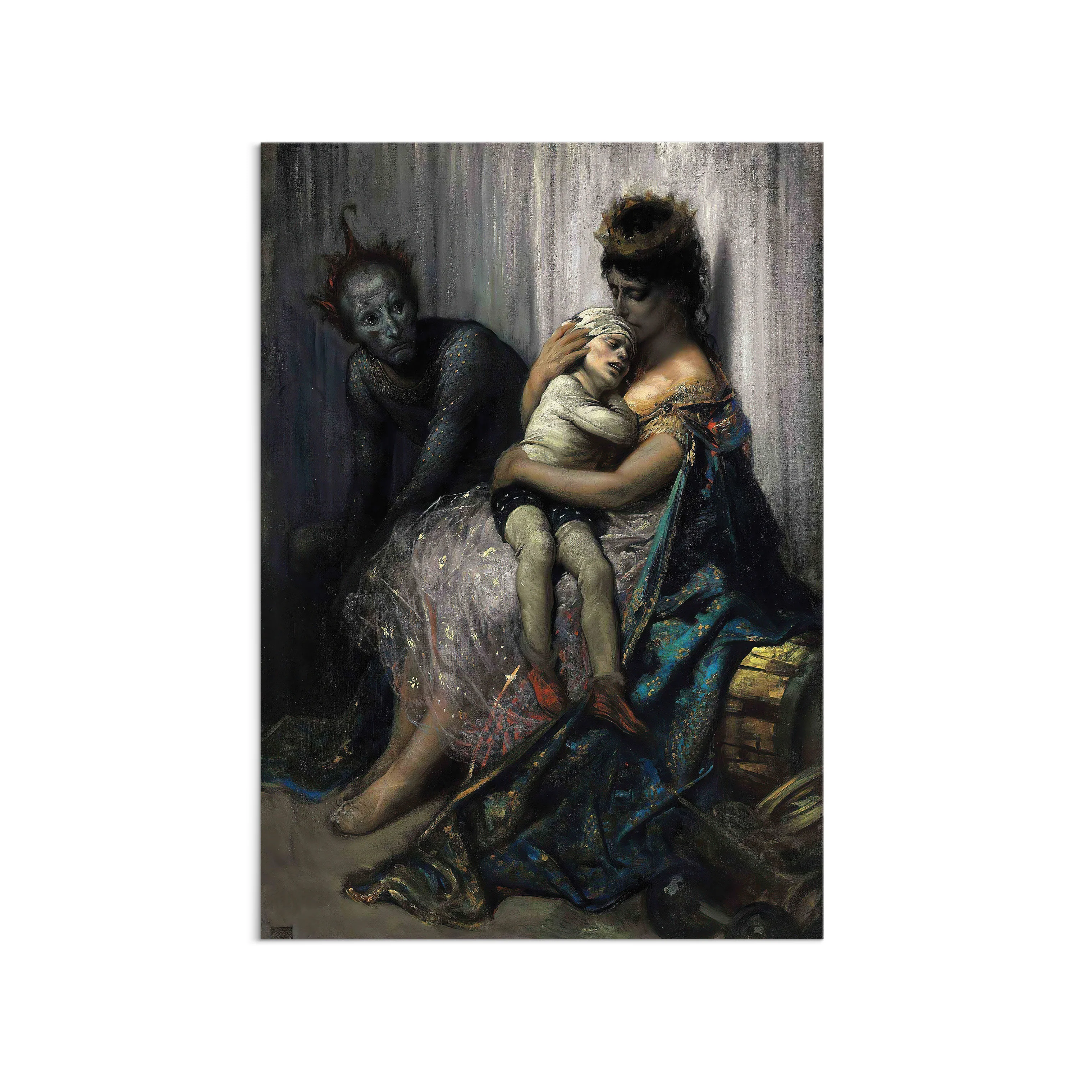
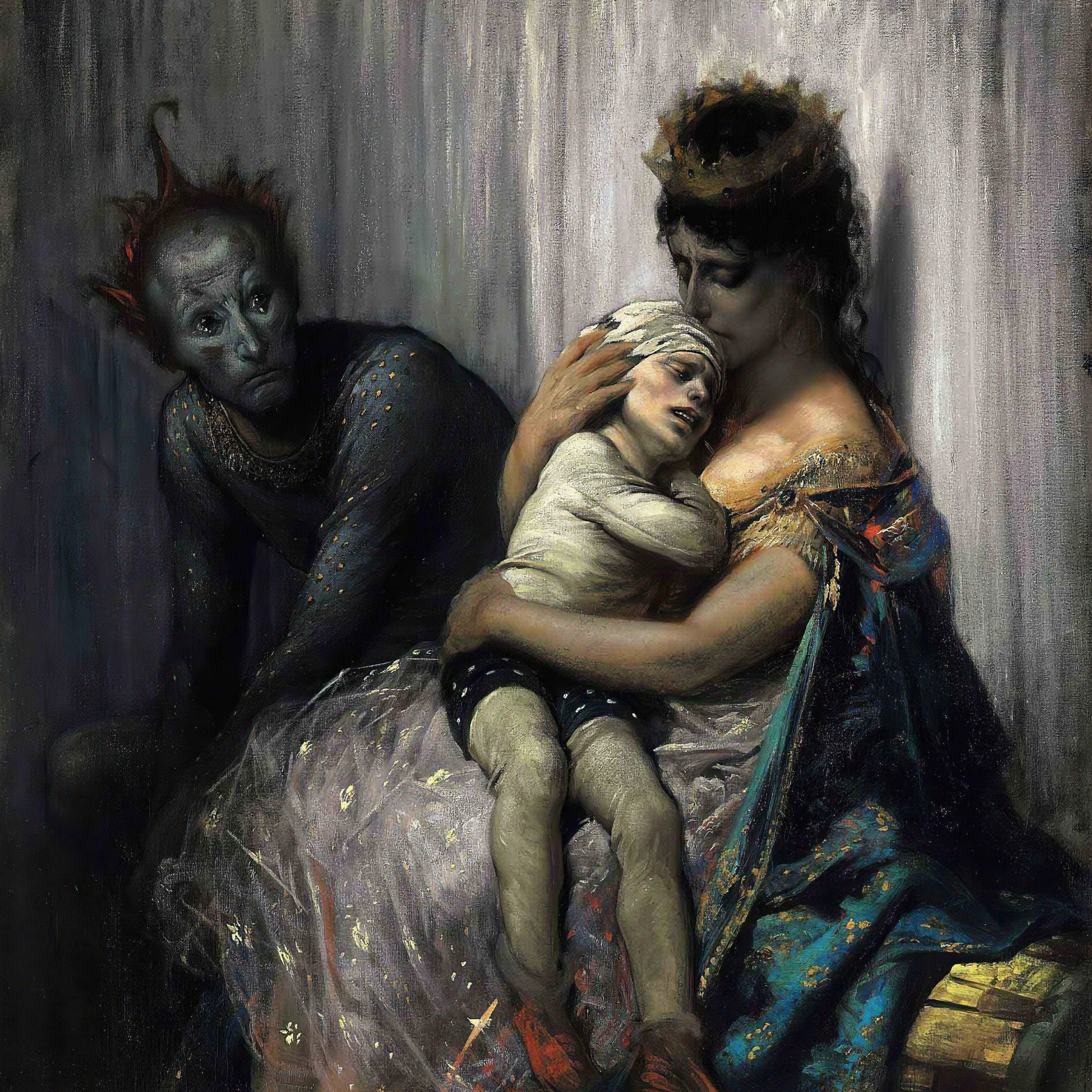
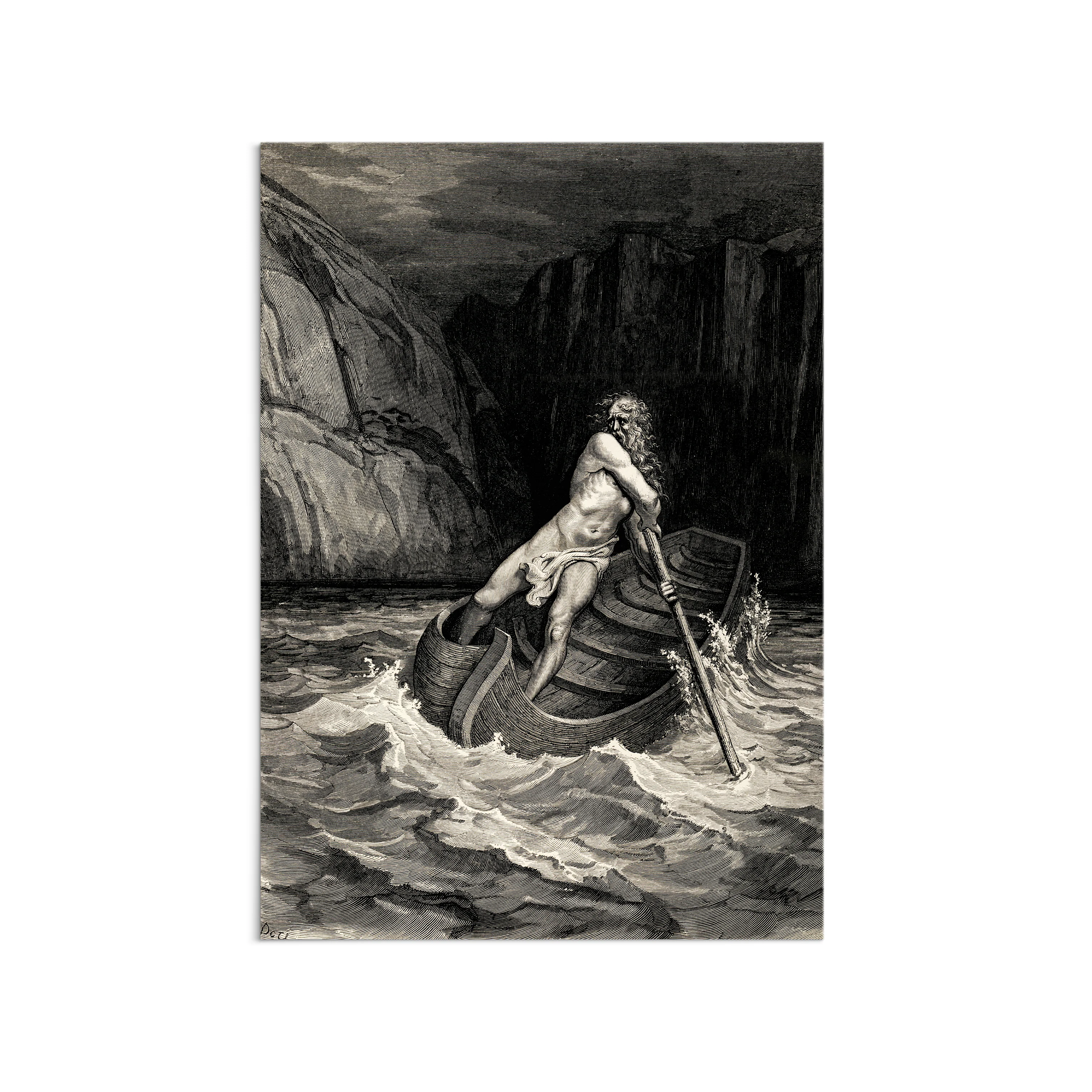
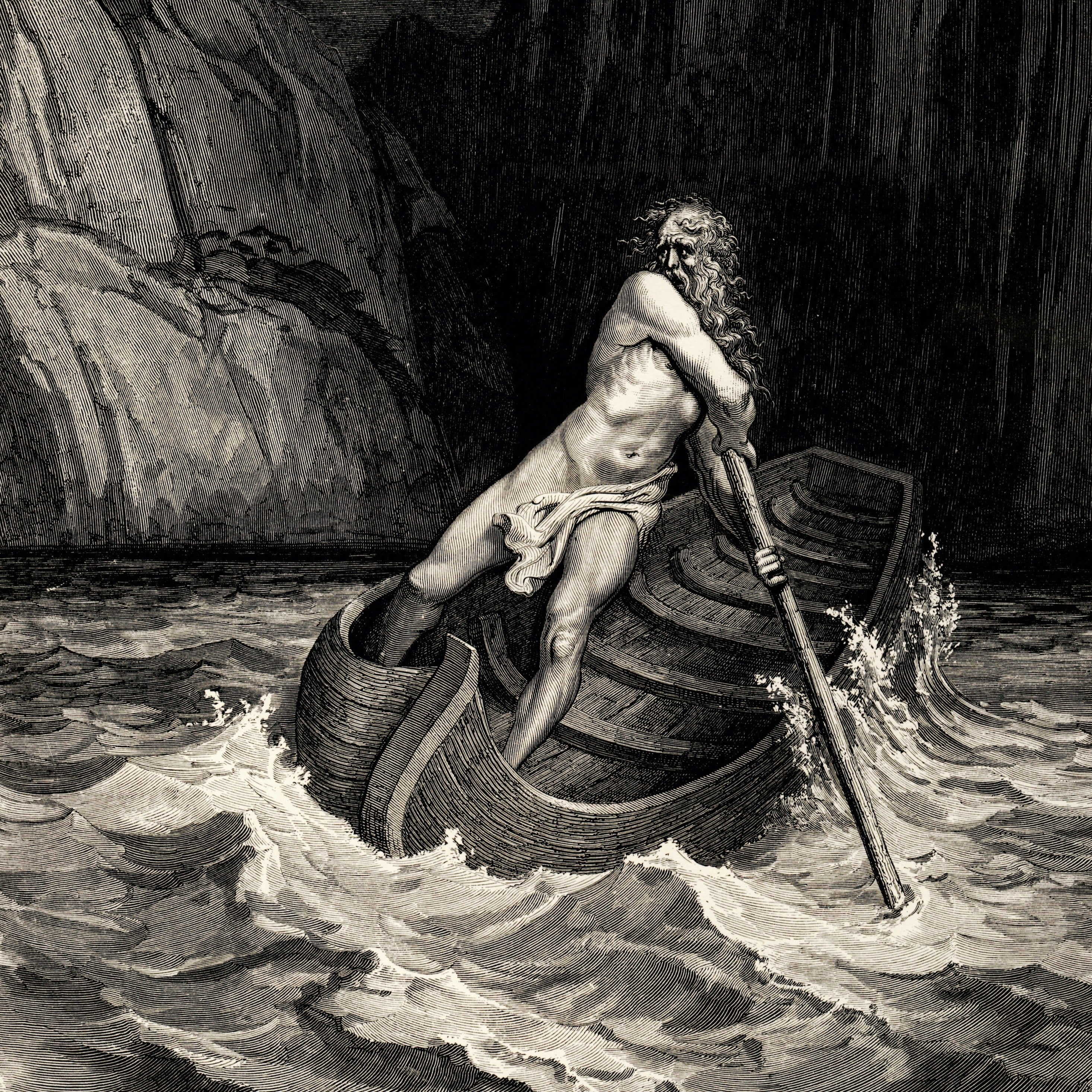
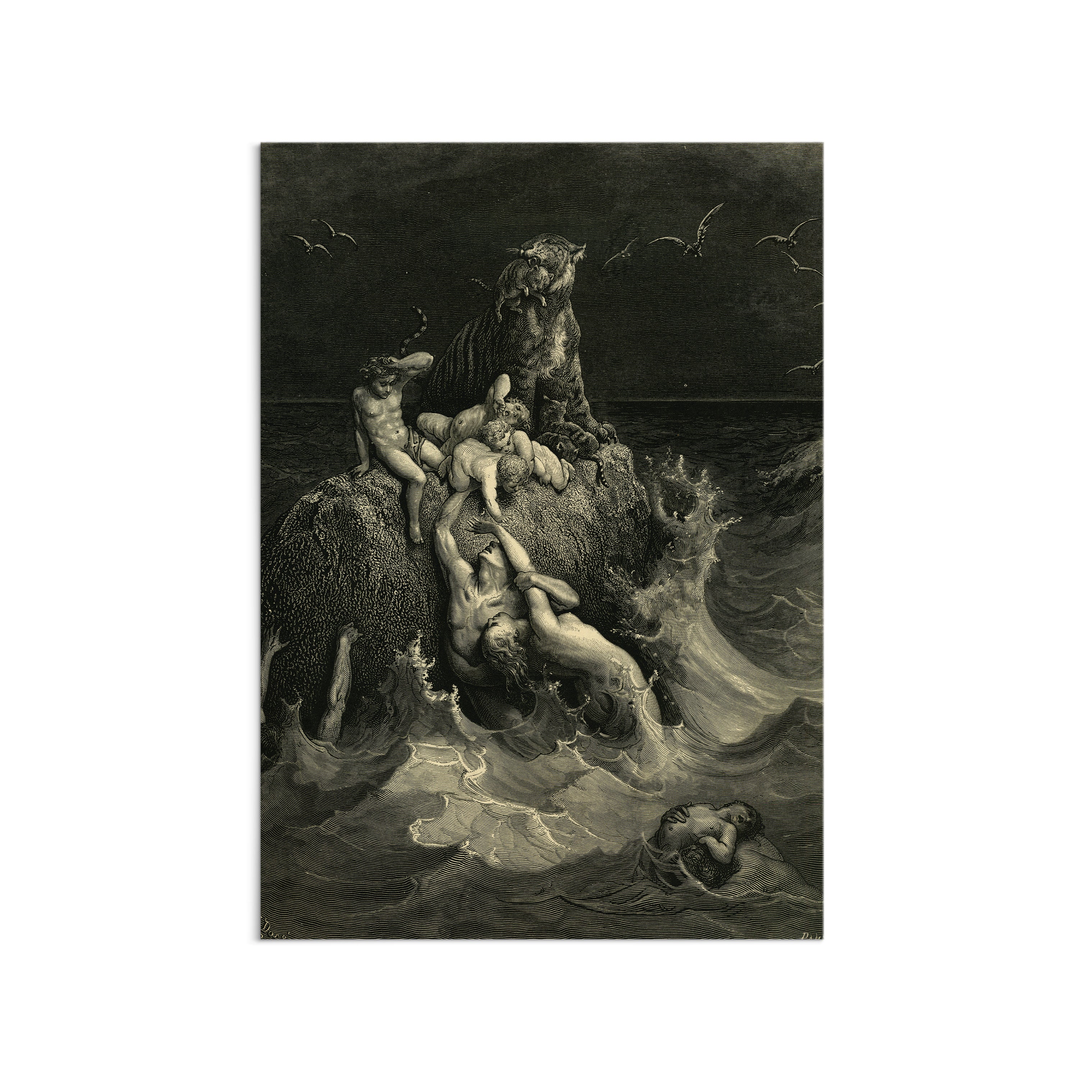
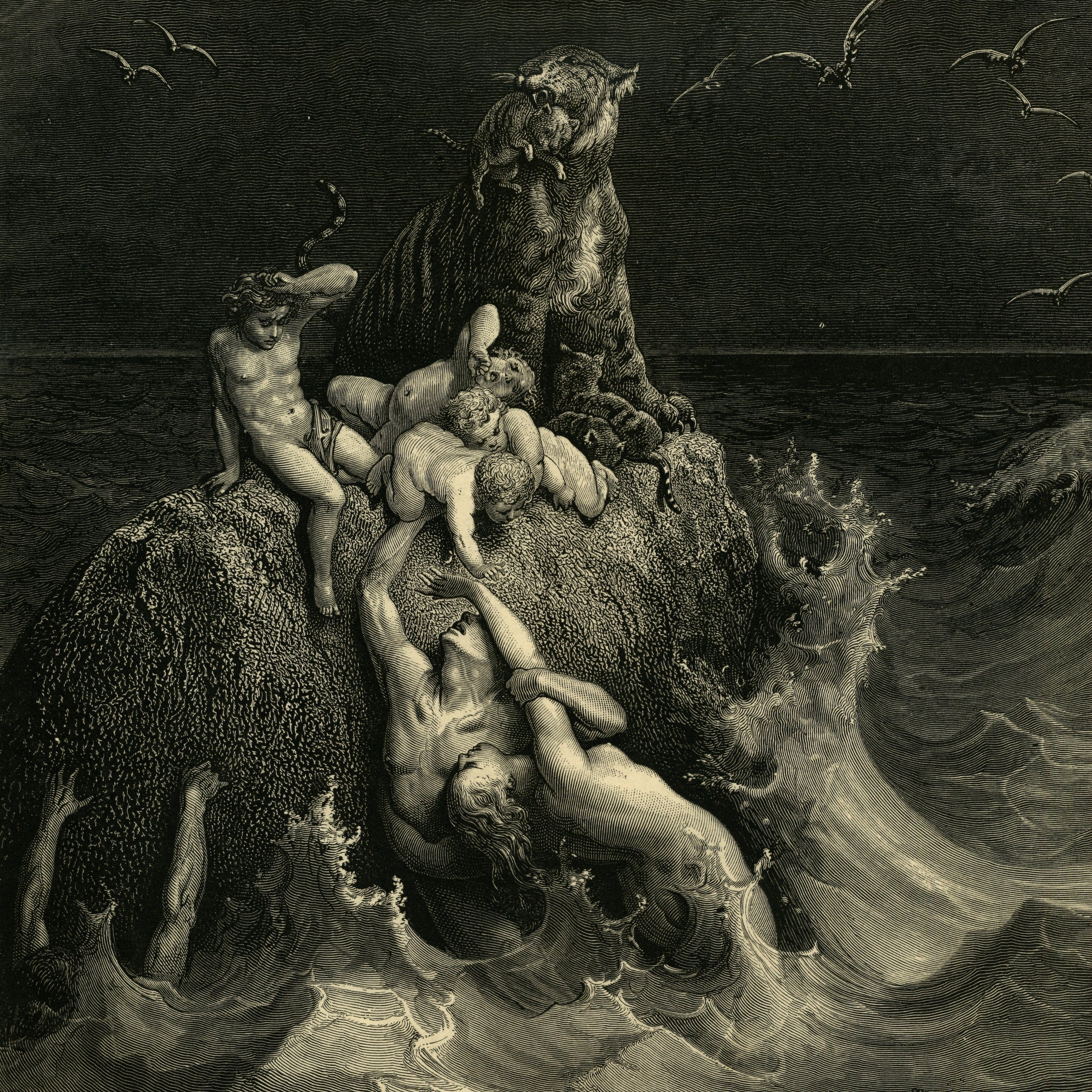
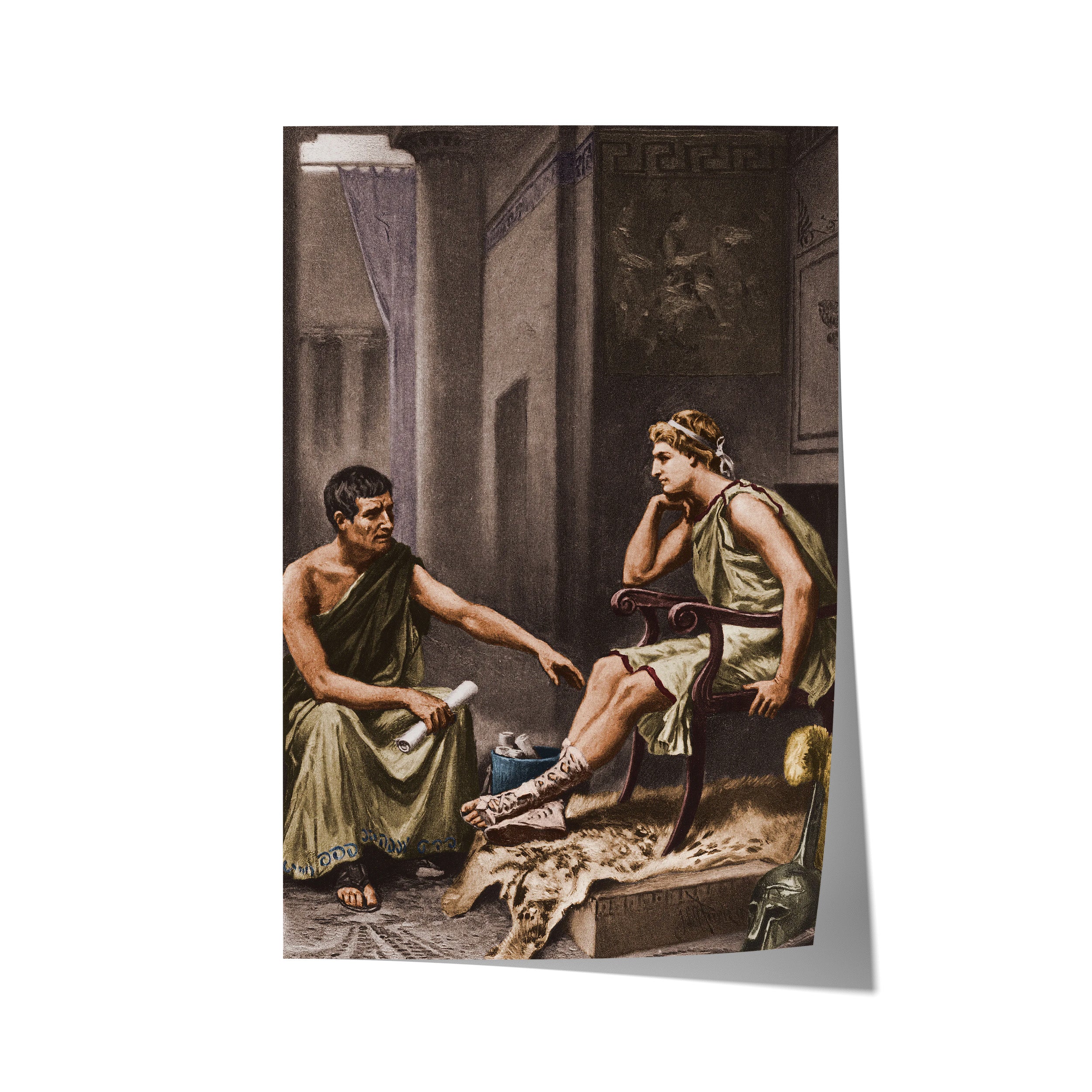
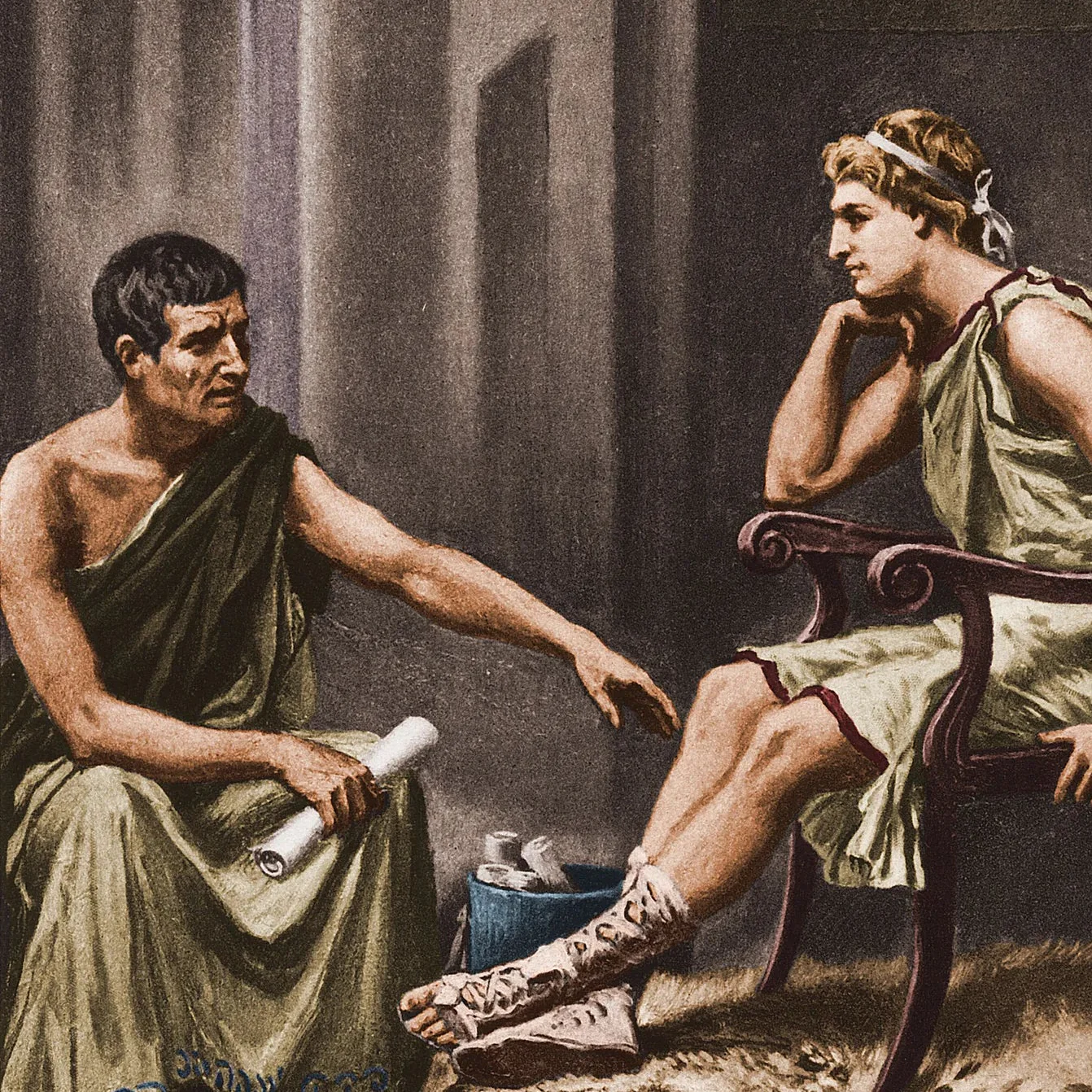
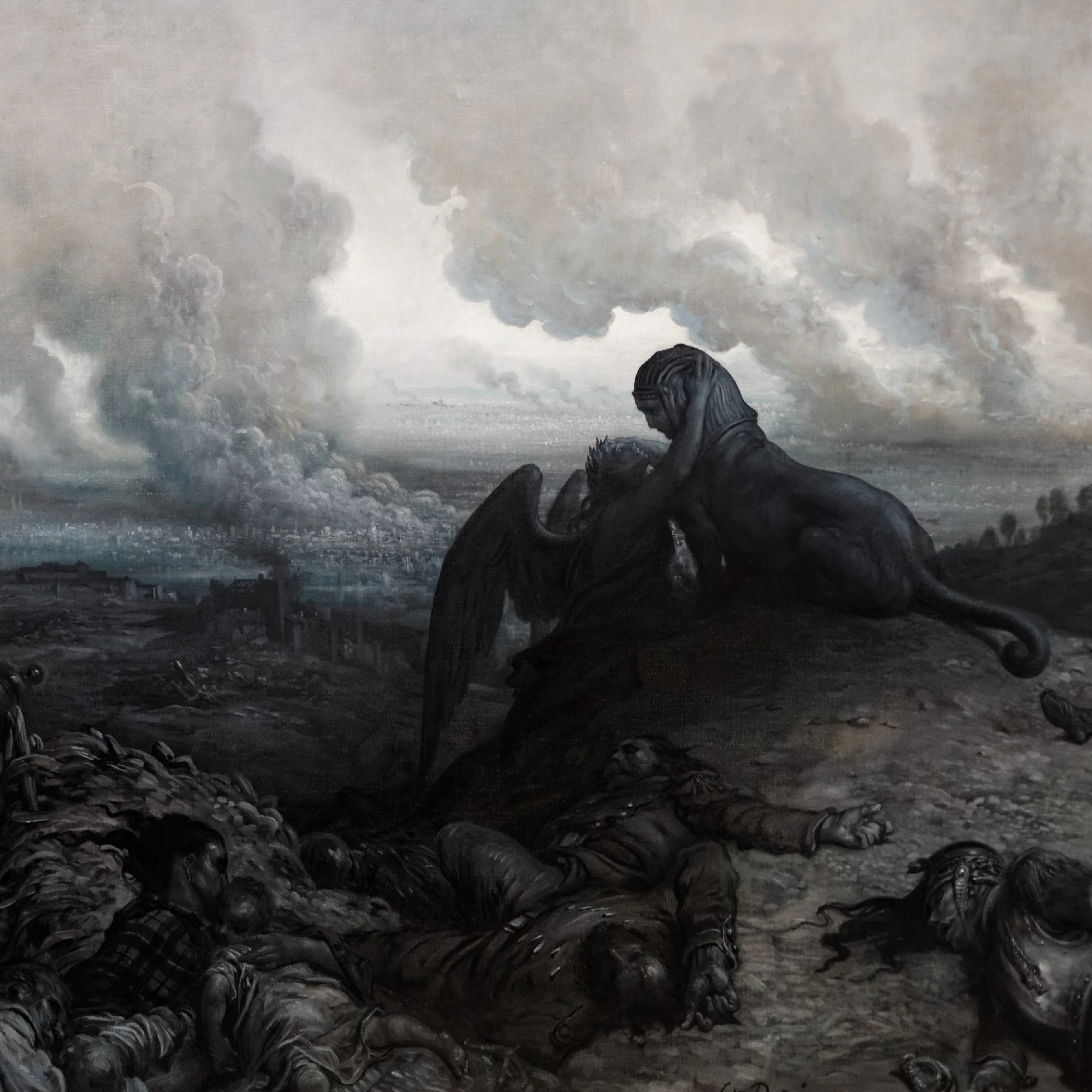
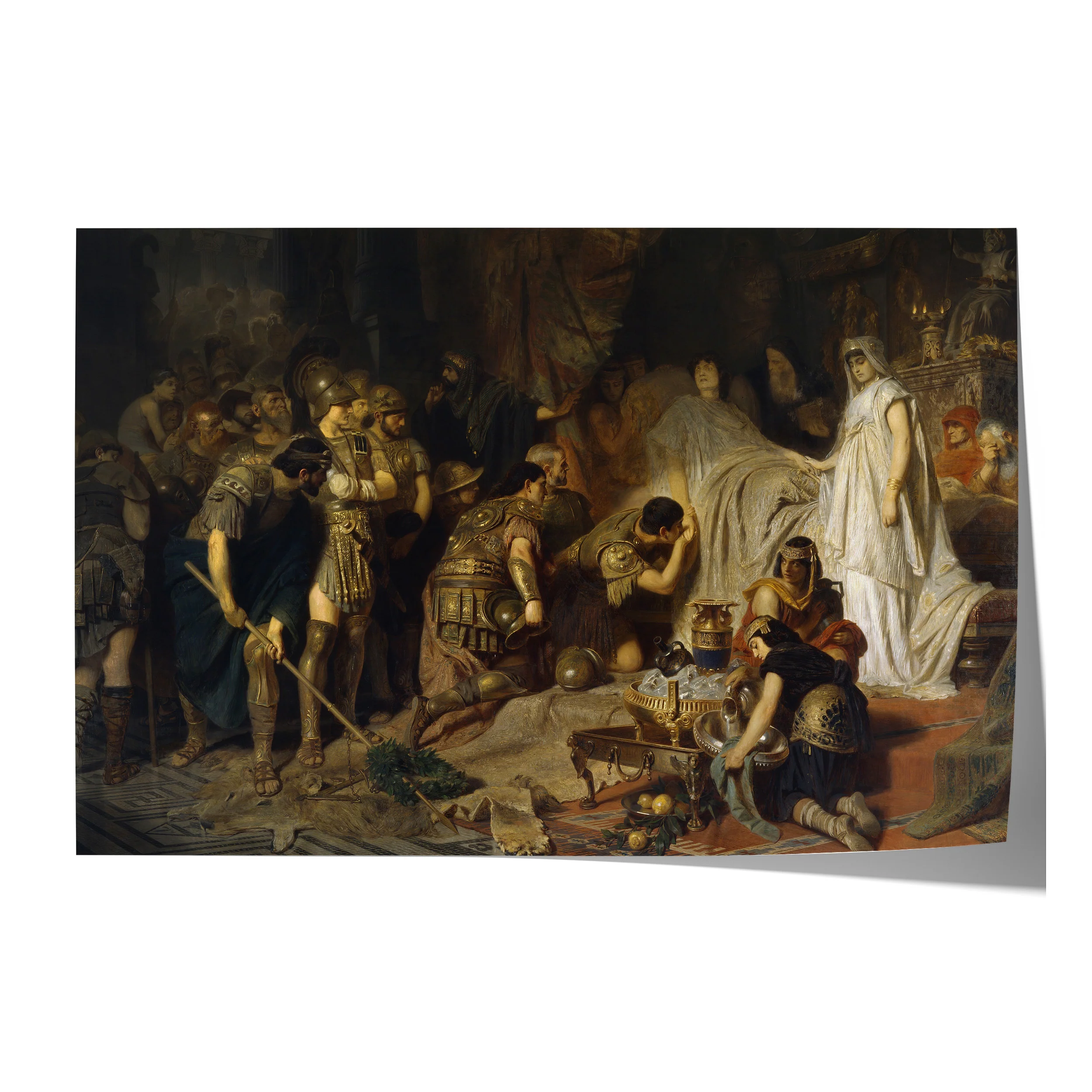
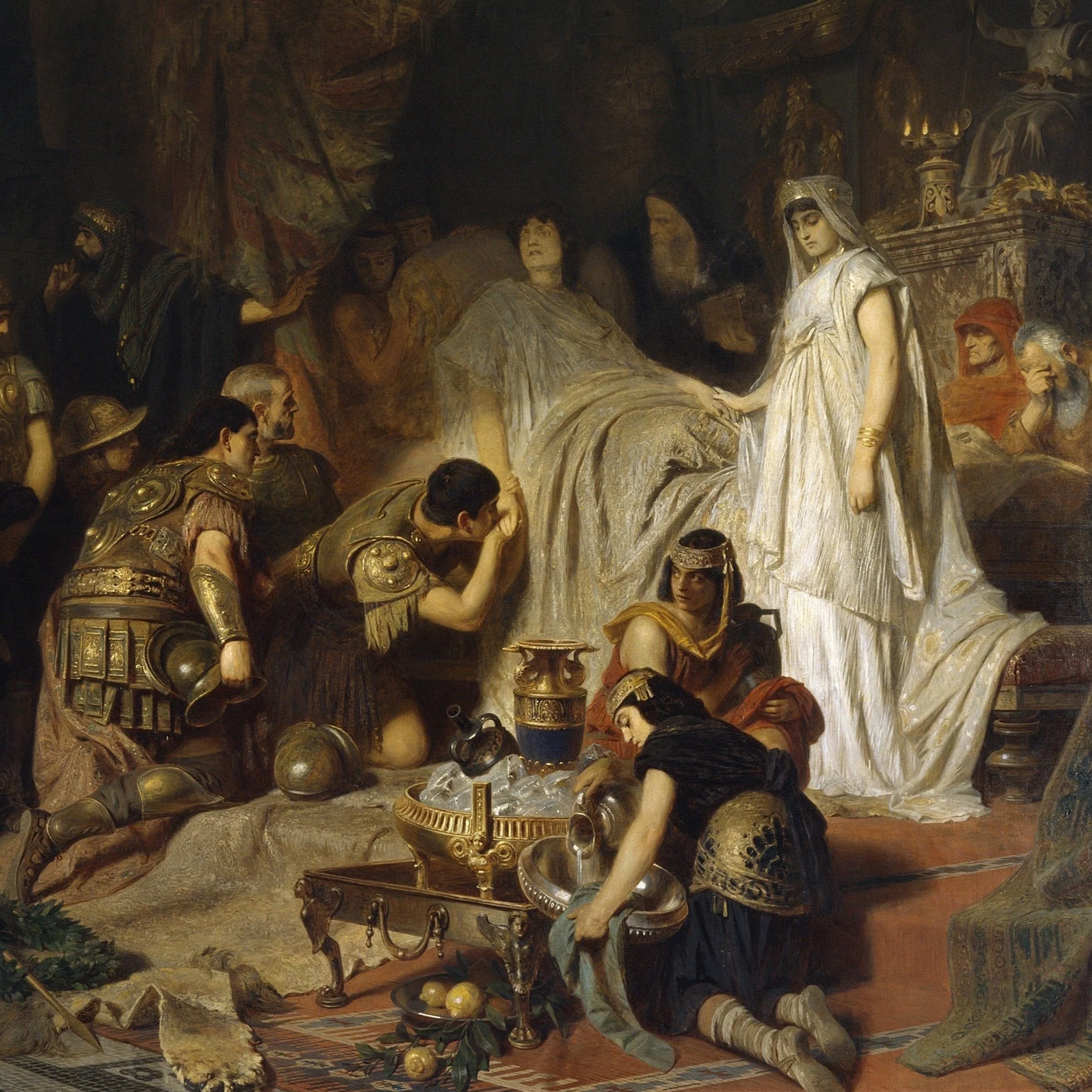
Isabella and the Pot of Basil by William Holman Hunt, painted in 1868, illustrates a pivotal moment from Isabella or the Pot of Basil by John Keats, focusing on the aftermath of betrayal and loss rather than the act of violence itself. Hunt depicts Isabella in an enclosed interior, physically attached to the basil pot that conceals her murdered lover’s head, turning the plant into a quiet but disturbing symbol of obsessive grief. The composition emphasizes psychological intensity through rigid posture, compressed space, and meticulous surface detail, all characteristic of Pre-Raphaelite realism. Rather than dramatizing the narrative, Hunt interprets the scene as an intimate study of mourning, where love becomes pathological and devotion replaces rationality. The painting also reflects Victorian interests in moral psychology and the consequences of repressed emotion, presenting Isabella not as a passive victim but as a figure consumed by memory. Through literary fidelity and symbolic restraint, Hunt transforms a Romantic poem into a visual meditation on isolation, fixation, and emotional collapse.
Isabella and the Pot of Basil | William Holman Hunt | 1868
About the artwork:
Product Information
Product Information
Shipping & Returns
Shipping & Returns


Isabella and the Pot of Basil | William Holman Hunt | 1868
Isabella and the Pot of Basil | William Holman Hunt | 1868
About the artwork:
Select Select Size
Select Frame Options
From $89.35
Original: $297.82
-70%Isabella and the Pot of Basil | William Holman Hunt | 1868—
$297.82
$89.35Product Information
Product Information
Shipping & Returns
Shipping & Returns
Description
About the artwork: