Judas Iscariot | Sascha Schneider | 1908
About the artwork:
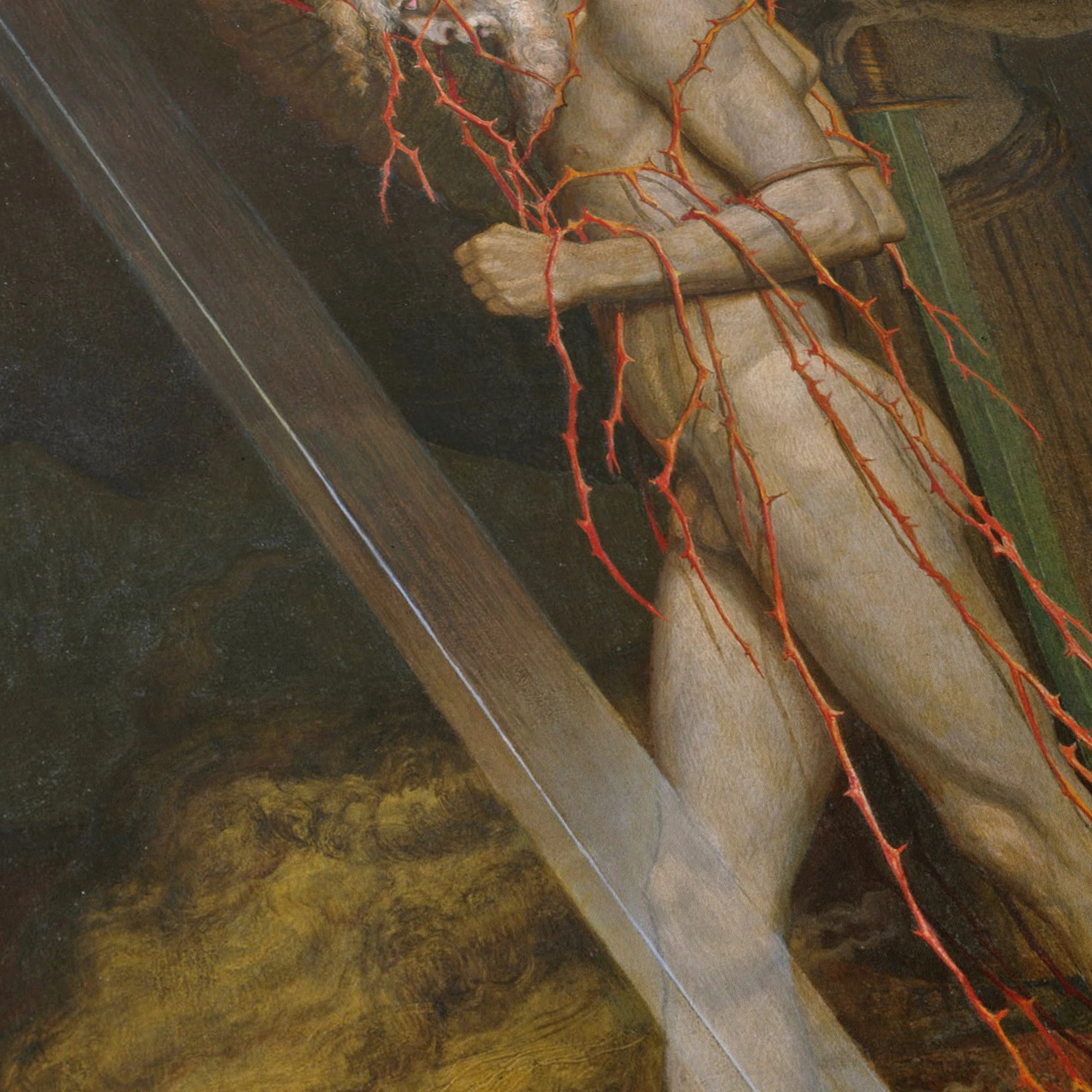
Sascha Schneider’s Judas Iscariot (1908) is one of his most haunting allegories, casting the infamous betrayer of Christ as more than a biblical figure—he becomes a symbol of human weakness, guilt, and inner torment. Judas is depicted not merely as a villain, but as a tragic figure crushed beneath the weight of his own betrayal. Schneider heightens this psychological drama with his Symbolist style: Judas’s muscular form conveys vitality and strength, yet his posture and expression suggest spiritual collapse, as if he is consumed by an invisible darkness. The work reflects Schneider’s preoccupation with the duality of body and spirit—physical grandeur set against inner corruption. More than an illustration of scripture, the painting transforms Judas into an archetype of despair, a warning about the destructive consequences of greed, temptation, and betrayal. In Schneider’s hands, the biblical traitor is not just condemned—he is made profoundly human.
Product Information
Product Information
Shipping & Returns
Shipping & Returns

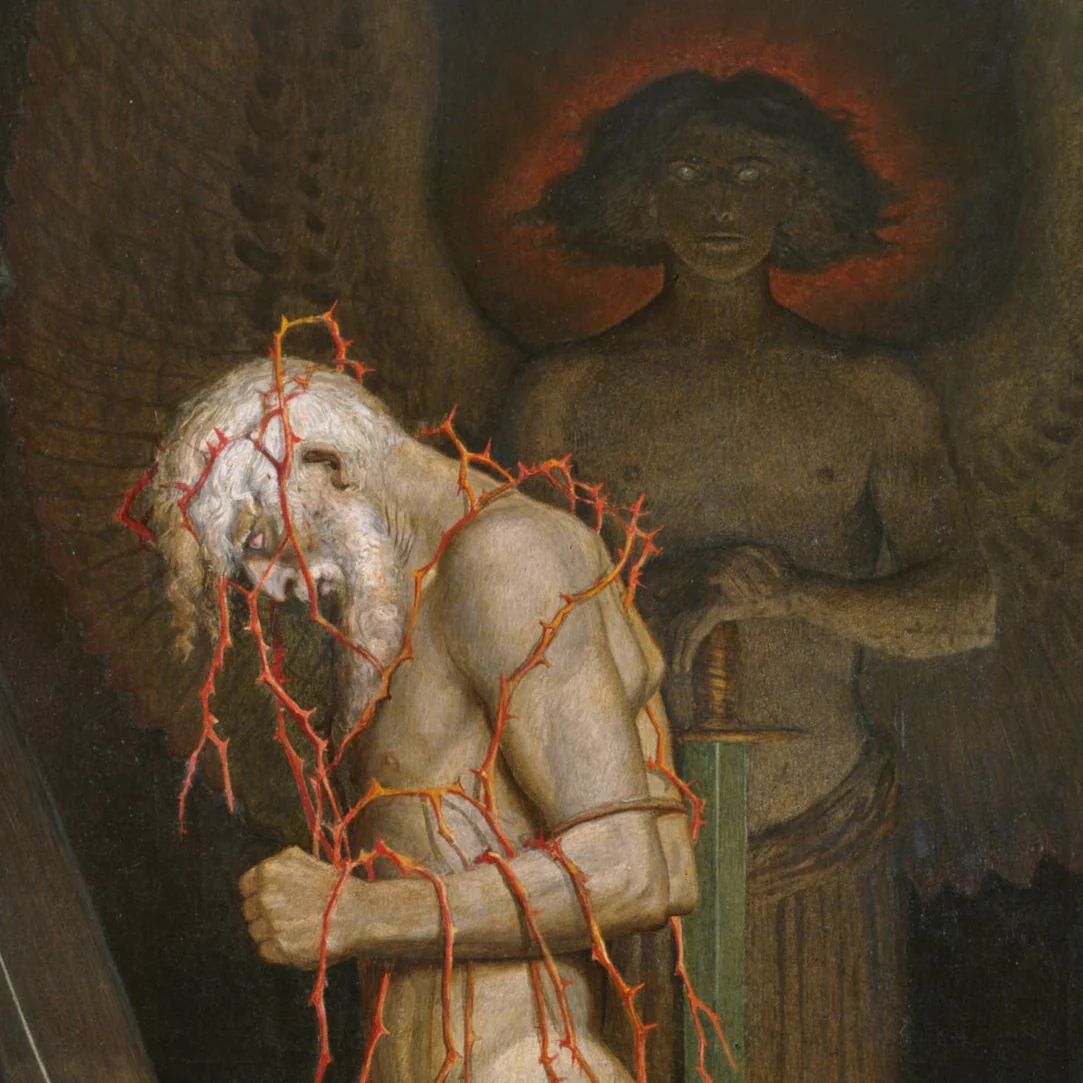




Judas Iscariot | Sascha Schneider | 1908
Judas Iscariot | Sascha Schneider | 1908
About the artwork:
Sascha Schneider’s Judas Iscariot (1908) is one of his most haunting allegories, casting the infamous betrayer of Christ as more than a biblical figure—he becomes a symbol of human weakness, guilt, and inner torment. Judas is depicted not merely as a villain, but as a tragic figure crushed beneath the weight of his own betrayal. Schneider heightens this psychological drama with his Symbolist style: Judas’s muscular form conveys vitality and strength, yet his posture and expression suggest spiritual collapse, as if he is consumed by an invisible darkness. The work reflects Schneider’s preoccupation with the duality of body and spirit—physical grandeur set against inner corruption. More than an illustration of scripture, the painting transforms Judas into an archetype of despair, a warning about the destructive consequences of greed, temptation, and betrayal. In Schneider’s hands, the biblical traitor is not just condemned—he is made profoundly human.
Original: $297.82
-70%$297.82
$89.35Product Information
Product Information
Shipping & Returns
Shipping & Returns
Description
About the artwork:
Sascha Schneider’s Judas Iscariot (1908) is one of his most haunting allegories, casting the infamous betrayer of Christ as more than a biblical figure—he becomes a symbol of human weakness, guilt, and inner torment. Judas is depicted not merely as a villain, but as a tragic figure crushed beneath the weight of his own betrayal. Schneider heightens this psychological drama with his Symbolist style: Judas’s muscular form conveys vitality and strength, yet his posture and expression suggest spiritual collapse, as if he is consumed by an invisible darkness. The work reflects Schneider’s preoccupation with the duality of body and spirit—physical grandeur set against inner corruption. More than an illustration of scripture, the painting transforms Judas into an archetype of despair, a warning about the destructive consequences of greed, temptation, and betrayal. In Schneider’s hands, the biblical traitor is not just condemned—he is made profoundly human.