✨ New Arrivals Just Dropped!Explore
HomeStore

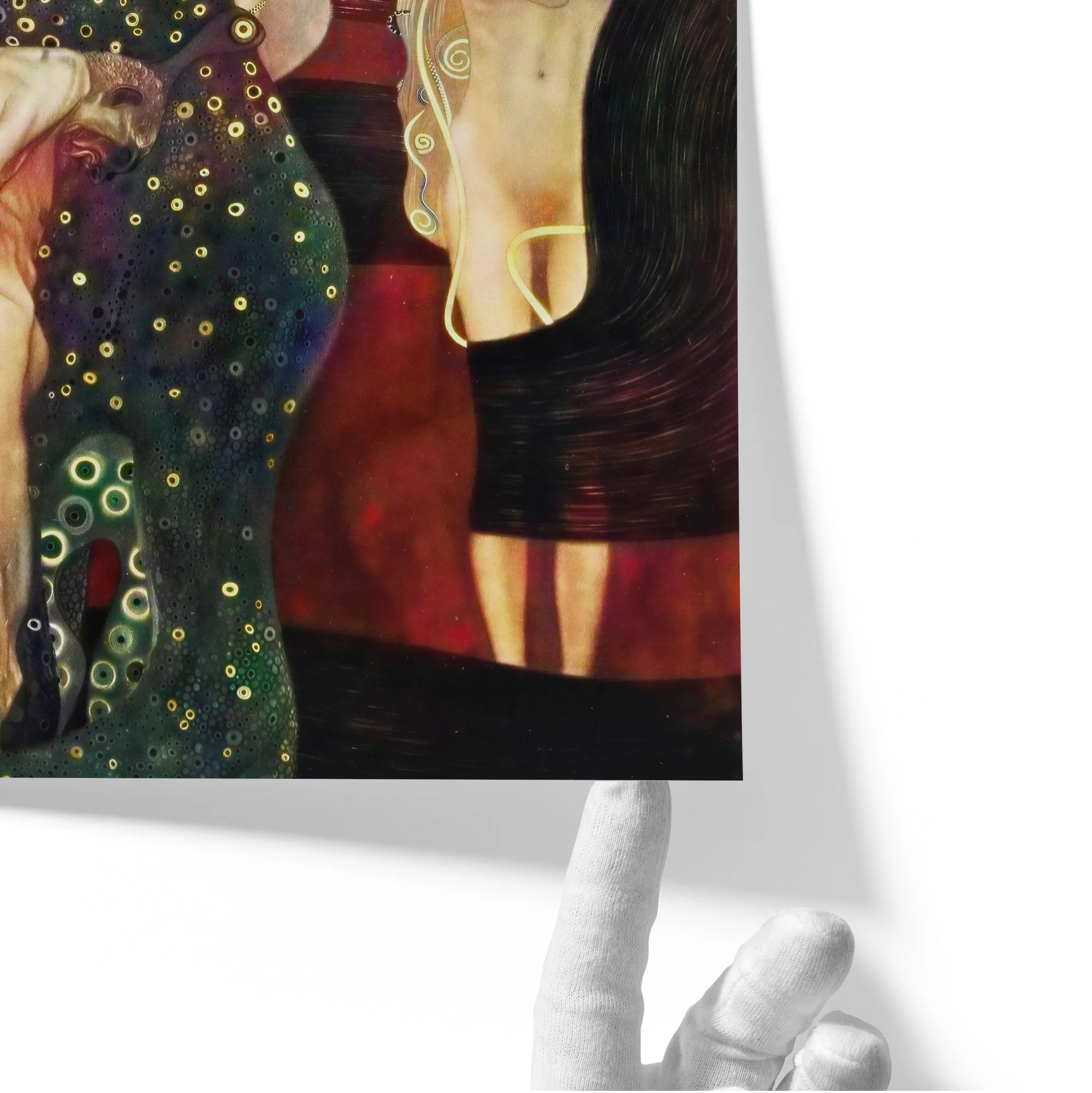
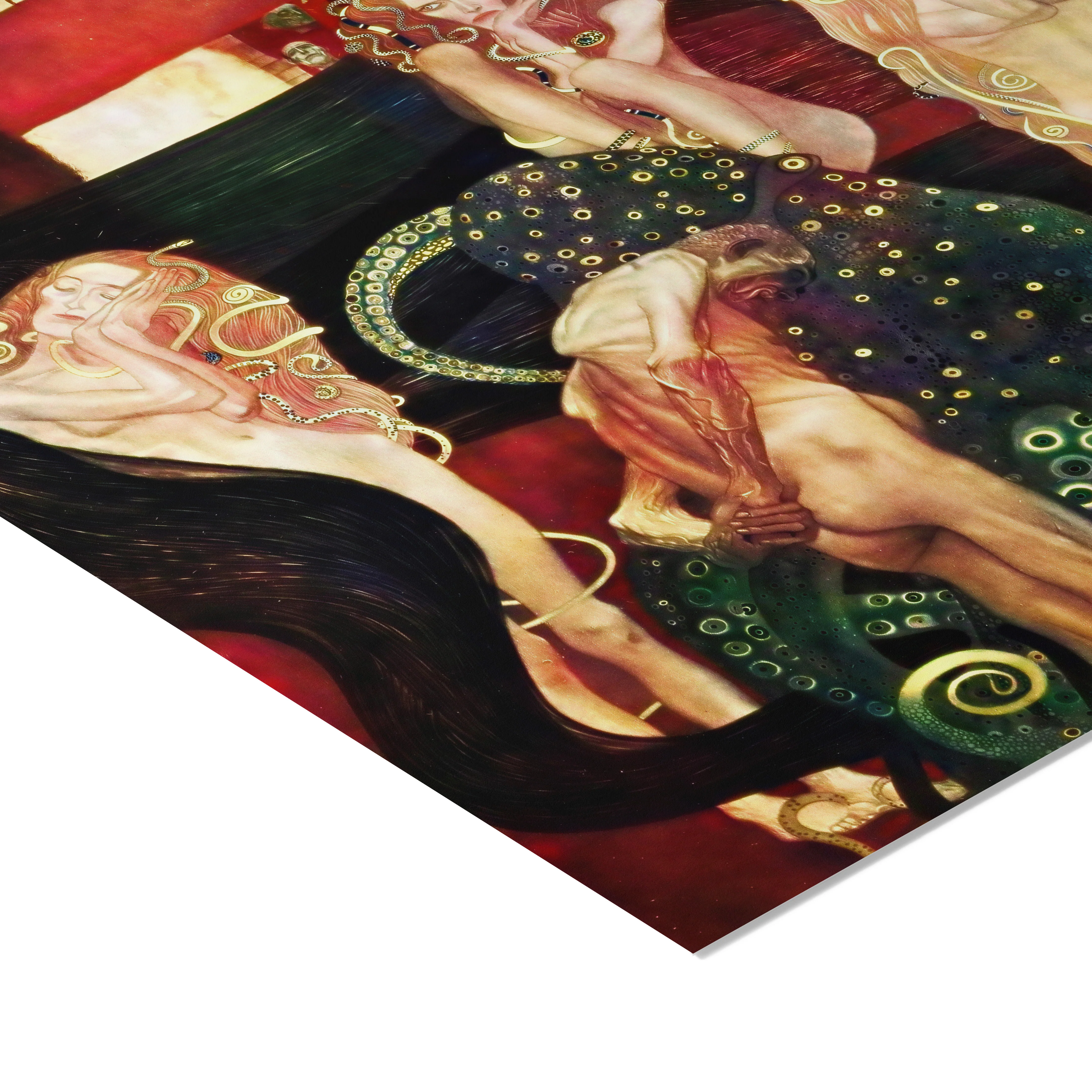
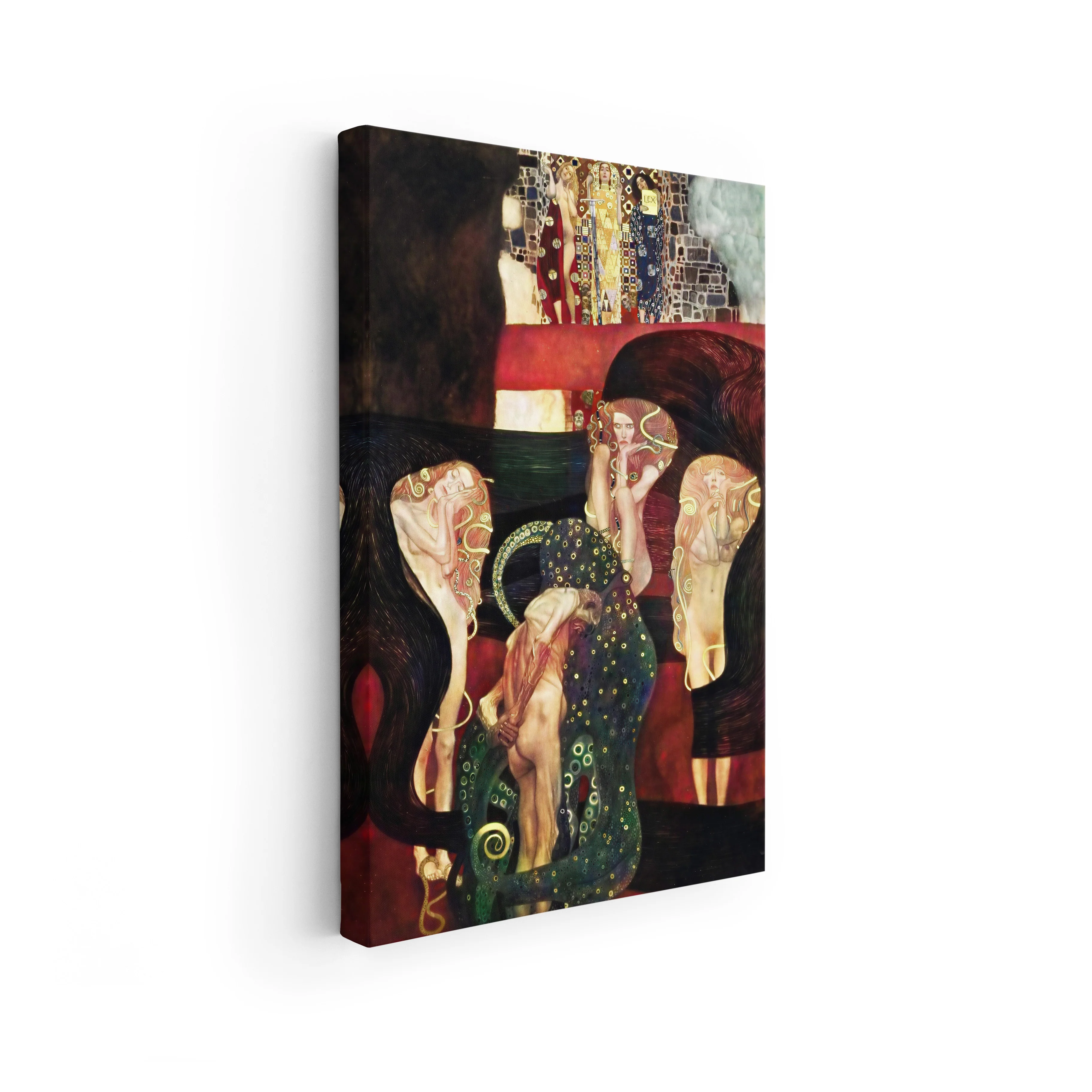
Jurisprudence (Colorized) | Gustav Klimt | 1903

Product image 1
Product image 2
Product image 3
Product image 4
Product image 5
Product image 6
Product image 7
Product image 8

Jurisprudence (Colorized) | Gustav Klimt | 1903

Jurisprudence (Colorized) | Gustav Klimt | 1903

About the artwork:

Gustav Klimt’s Faculty PaintingsPhilosophy (1900), Medicine (1901), and Jurisprudence (1903)—form one of the most controversial trilogies in modern art. Originally commissioned for the University of Vienna, these monumental works shocked the public with their dark symbolism, fragmented bodies, and unsettling depictions of human suffering. Philosophy dissolves humanity into a cosmic swirl, Medicine confronts the fragility of life through a towering column of naked figures, and Jurisprudence shows humanity trapped and judged by inescapable forces. Their radical style and pessimistic worldview caused such outrage that the university rejected them, and the paintings were later destroyed in 1945—surviving today only through photographs that reveal how far Klimt was willing to push both art and society.

Select Select Size
Select Frame Options
From $89.35

Original: $297.82

-70%
Jurisprudence (Colorized) | Gustav Klimt | 1903

$297.82

$89.35

Product Information

Shipping & Returns

Description

About the artwork:

Gustav Klimt’s Faculty PaintingsPhilosophy (1900), Medicine (1901), and Jurisprudence (1903)—form one of the most controversial trilogies in modern art. Originally commissioned for the University of Vienna, these monumental works shocked the public with their dark symbolism, fragmented bodies, and unsettling depictions of human suffering. Philosophy dissolves humanity into a cosmic swirl, Medicine confronts the fragility of life through a towering column of naked figures, and Jurisprudence shows humanity trapped and judged by inescapable forces. Their radical style and pessimistic worldview caused such outrage that the university rejected them, and the paintings were later destroyed in 1945—surviving today only through photographs that reveal how far Klimt was willing to push both art and society.