✨ New Arrivals Just Dropped!Explore
HomeStore

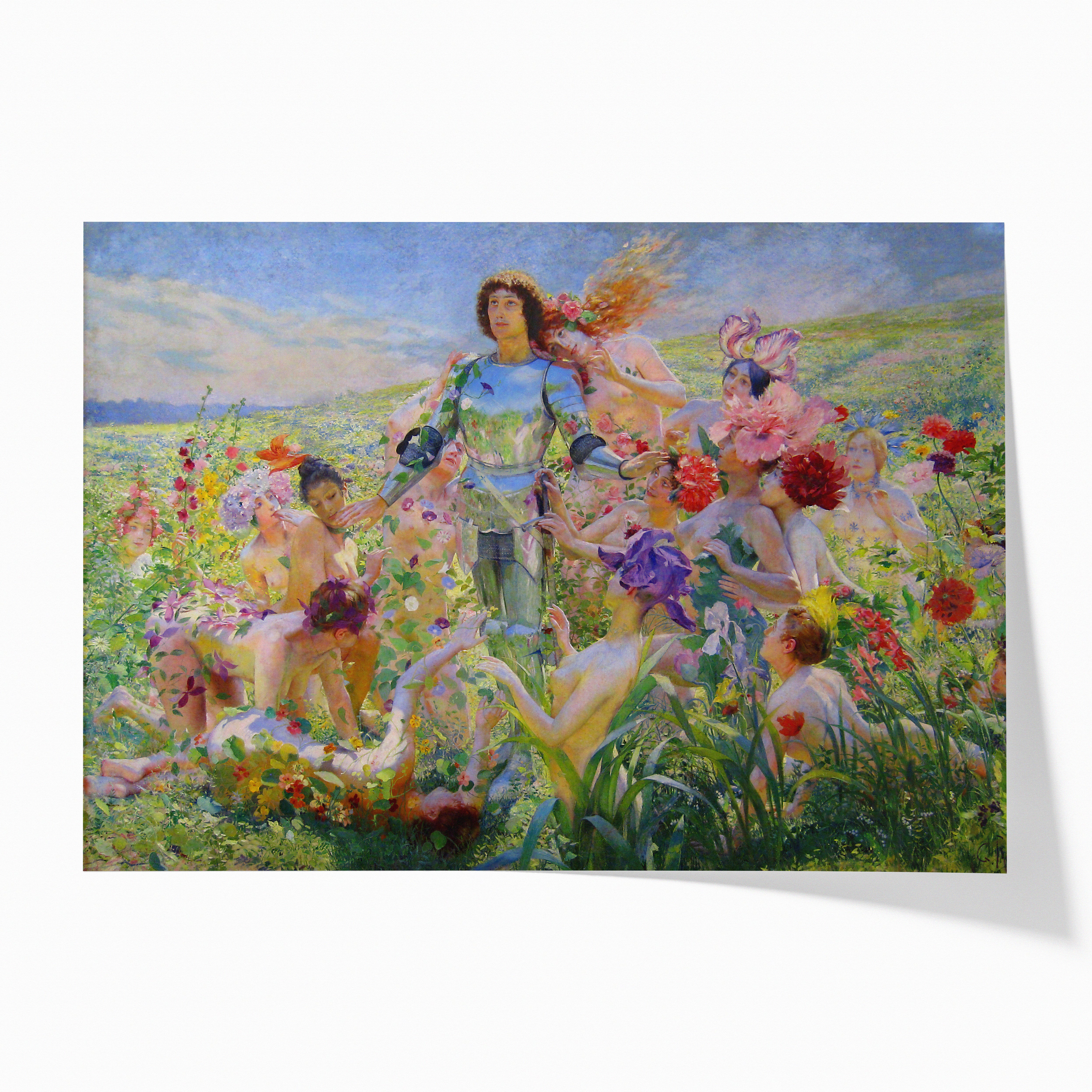
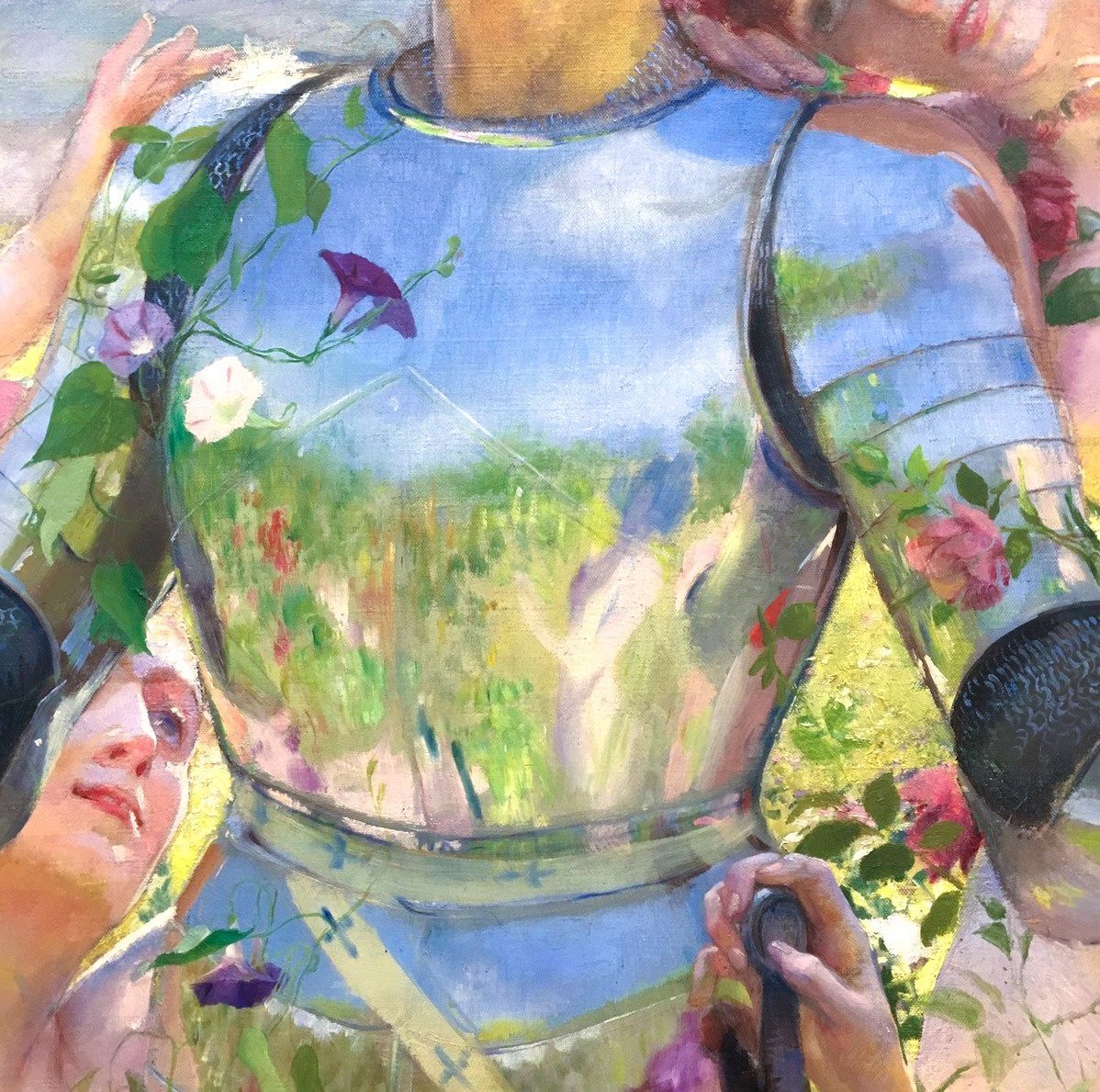
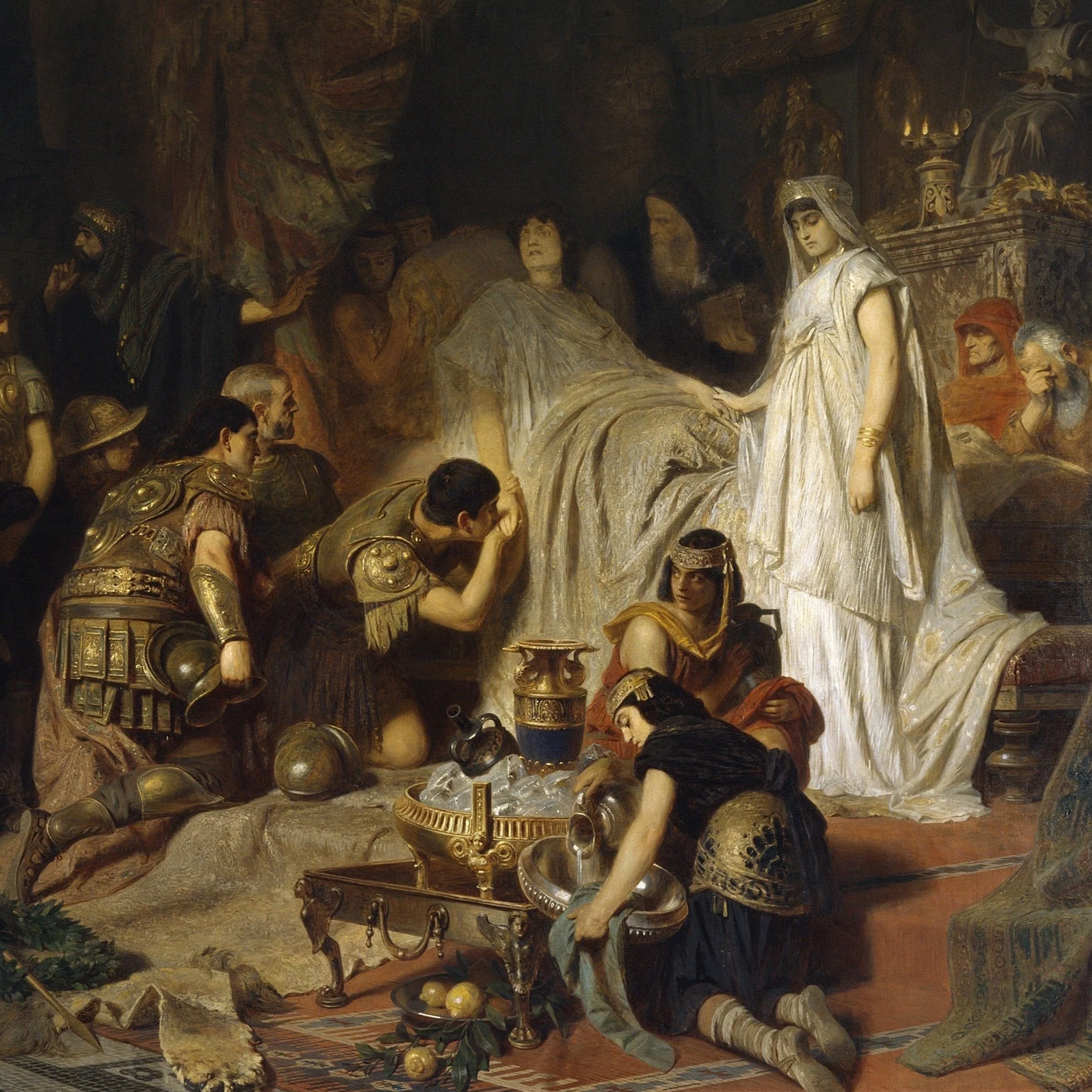
Knight of the Flowers | Georges Rochegrosse | 1894

Product image 1
Product image 2
Product image 3
Product image 4
Product image 5
Product image 6
Product image 7
Product image 8

Knight of the Flowers | Georges Rochegrosse | 1894

Knight of the Flowers | Georges Rochegrosse | 1894

About the artwork:

Knight of the Flowers by Georges Rochegrosse is a large-scale oil on canvas painted in 1894 and currently in the Musée d’Orsay in Paris. It depicts a scene inspired by Parsifal, the opera and medieval epic in which the chaste knight Parsifal enters an enchanted garden after defeating the magician Klingsor’s guards and resists the seductive calls of the flower maidens who surround him. Rochegrosse’s composition balances rich floral imagery and the idealised figure of the knight to explore themes of temptation and moral steadfastness, blending elements of Symbolism with realist and Impressionist touches. The work was praised at the 1894 Paris Salon and purchased by the French state for public collection, reflecting both the artist’s ambition to engage with contemporary tastes and his interest in mythological and literary subjects.

Select Select Size
Select Frame Options
From $89.35

Original: $297.82

-70%
Knight of the Flowers | Georges Rochegrosse | 1894

$297.82

$89.35

Product Information

Shipping & Returns

Description

About the artwork:
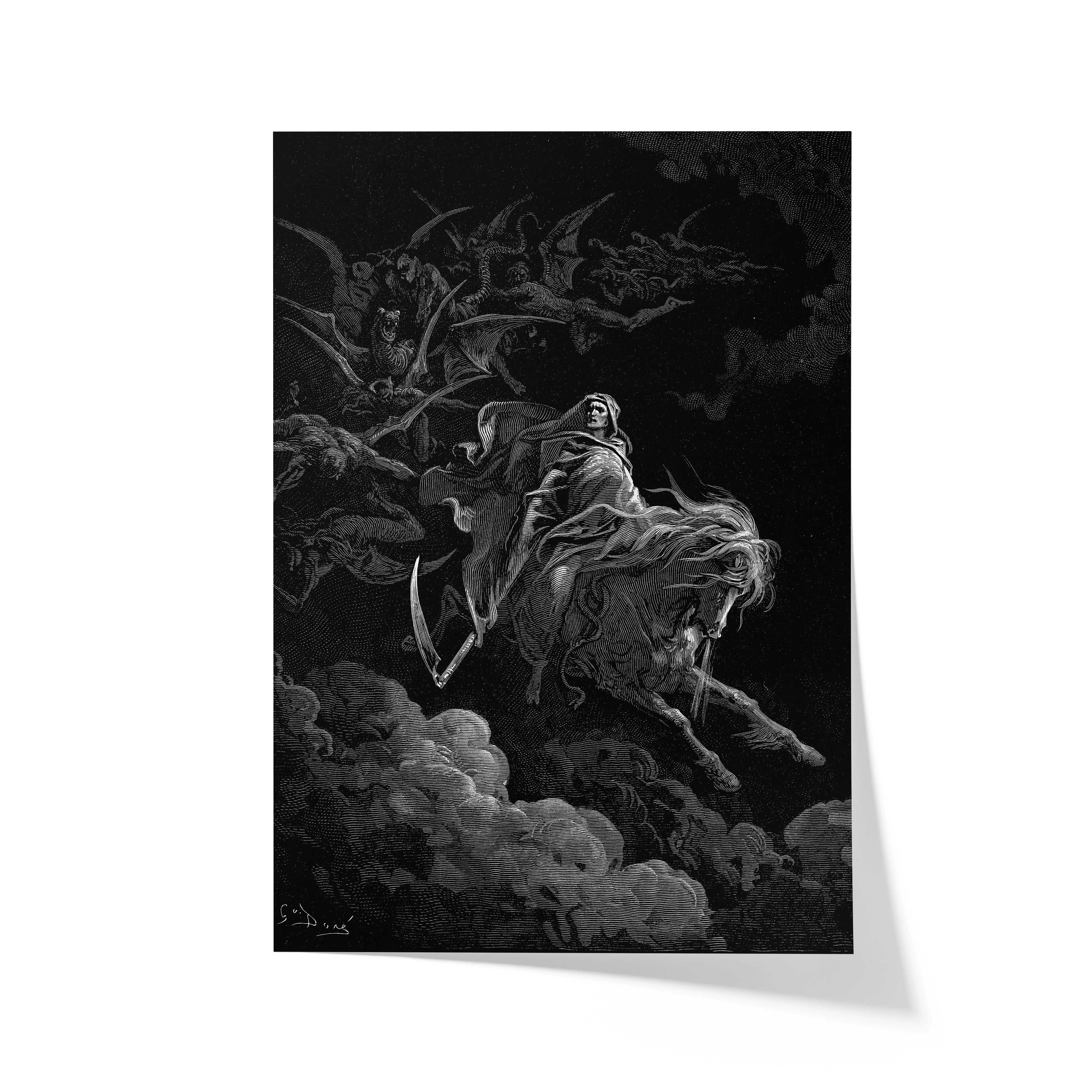
Knight of the Flowers by Georges Rochegrosse is a large-scale oil on canvas painted in 1894 and currently in the Musée d’Orsay in Paris. It depicts a scene inspired by Parsifal, the opera and medieval epic in which the chaste knight Parsifal enters an enchanted garden after defeating the magician Klingsor’s guards and resists the seductive calls of the flower maidens who surround him. Rochegrosse’s composition balances rich floral imagery and the idealised figure of the knight to explore themes of temptation and moral steadfastness, blending elements of Symbolism with realist and Impressionist touches. The work was praised at the 1894 Paris Salon and purchased by the French state for public collection, reflecting both the artist’s ambition to engage with contemporary tastes and his interest in mythological and literary subjects.