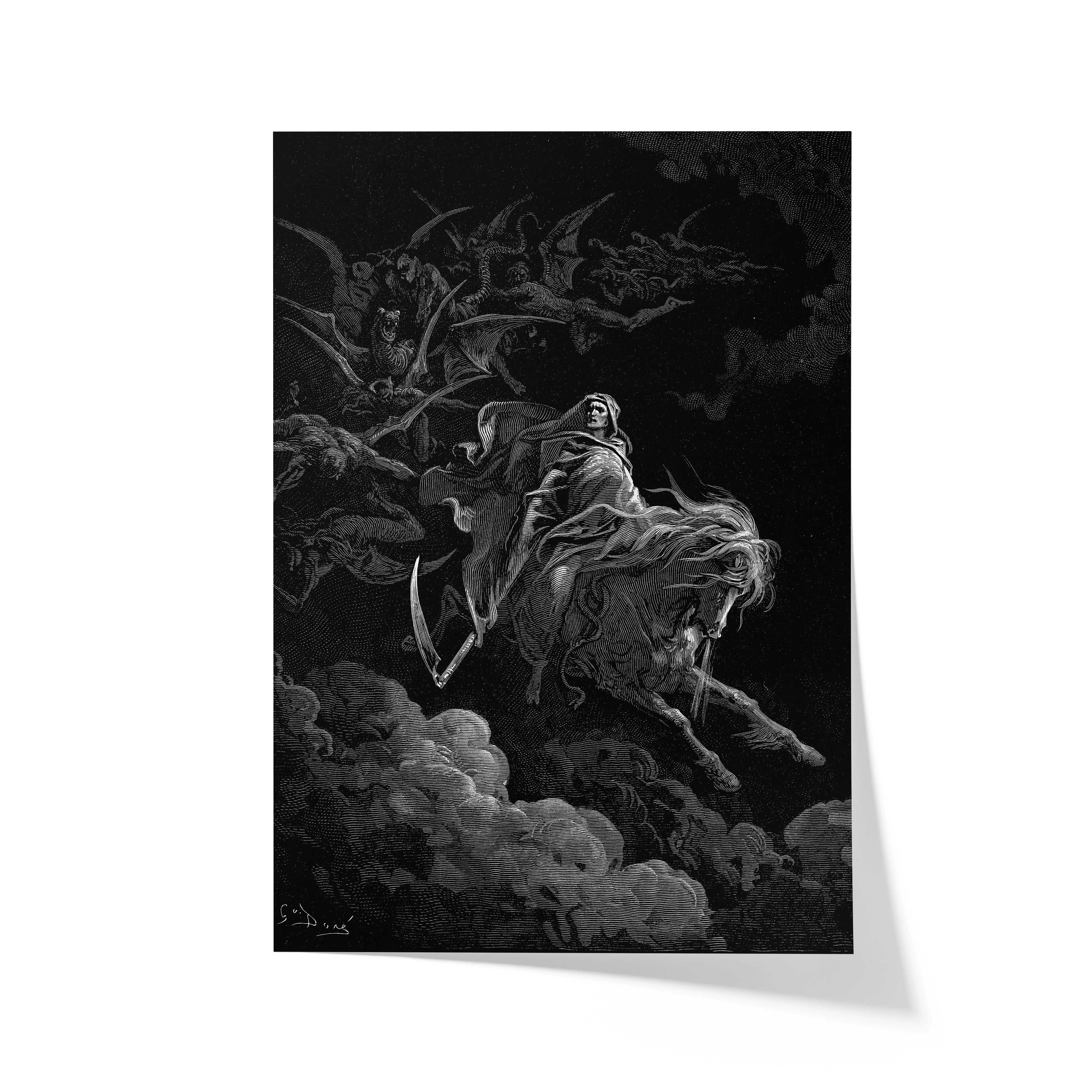
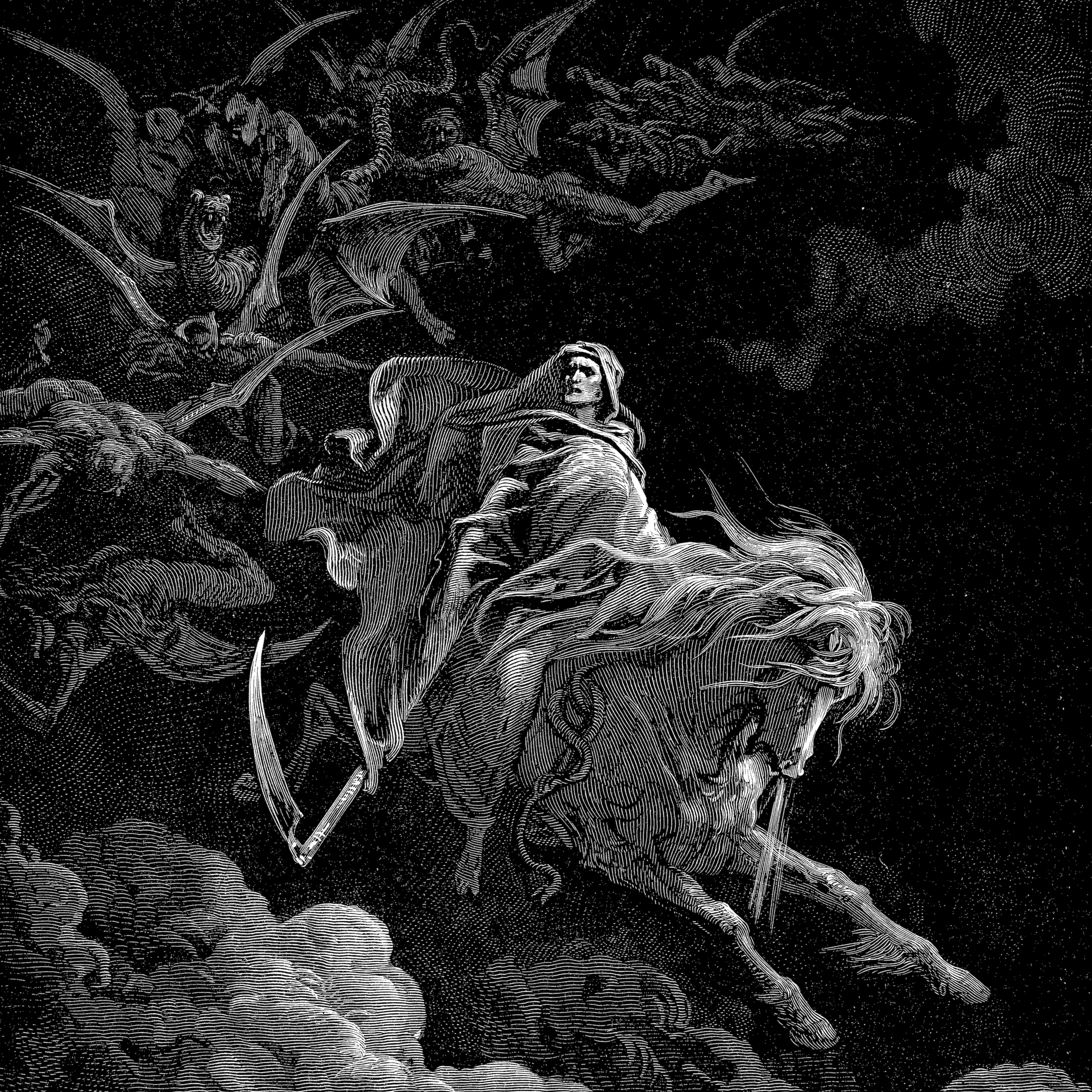
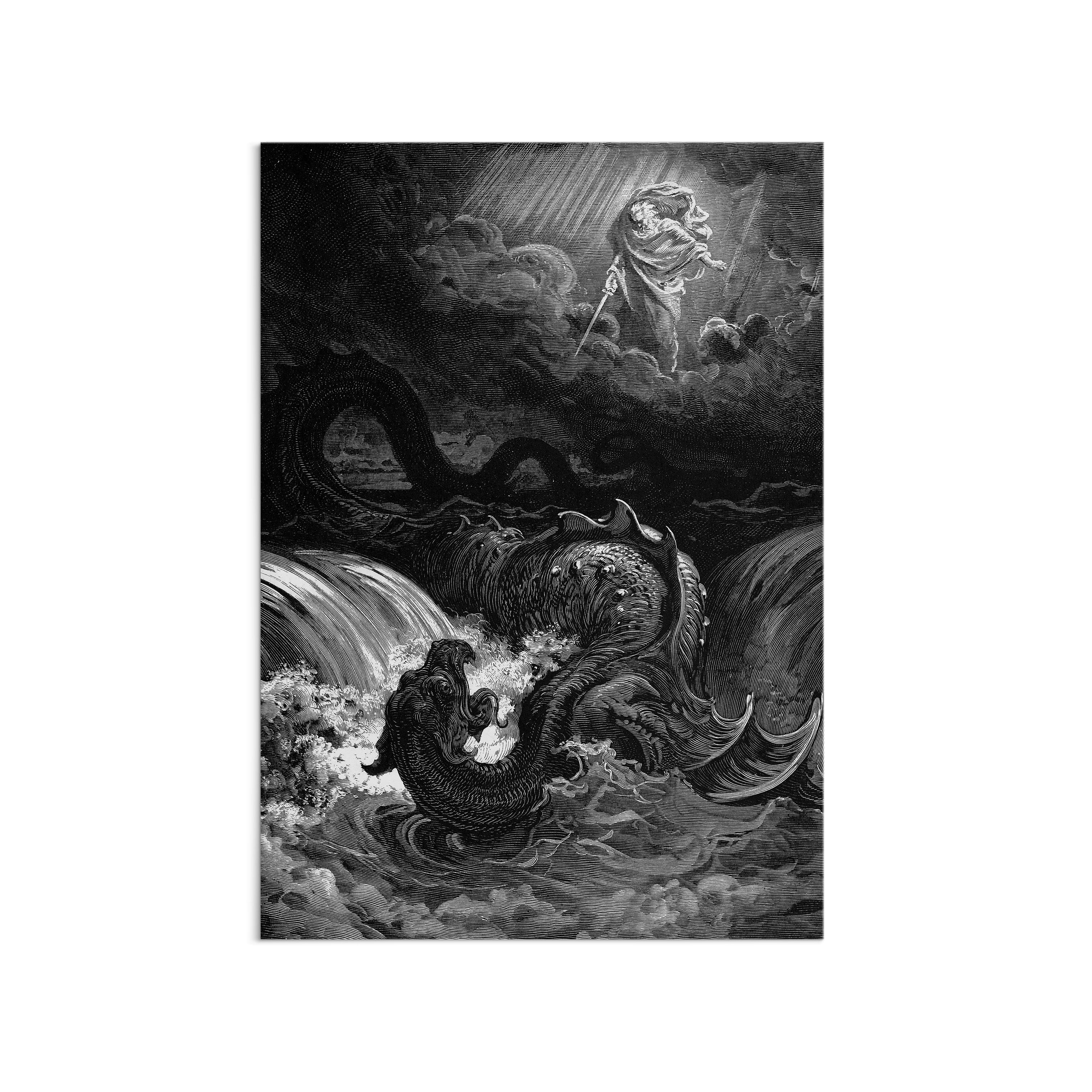
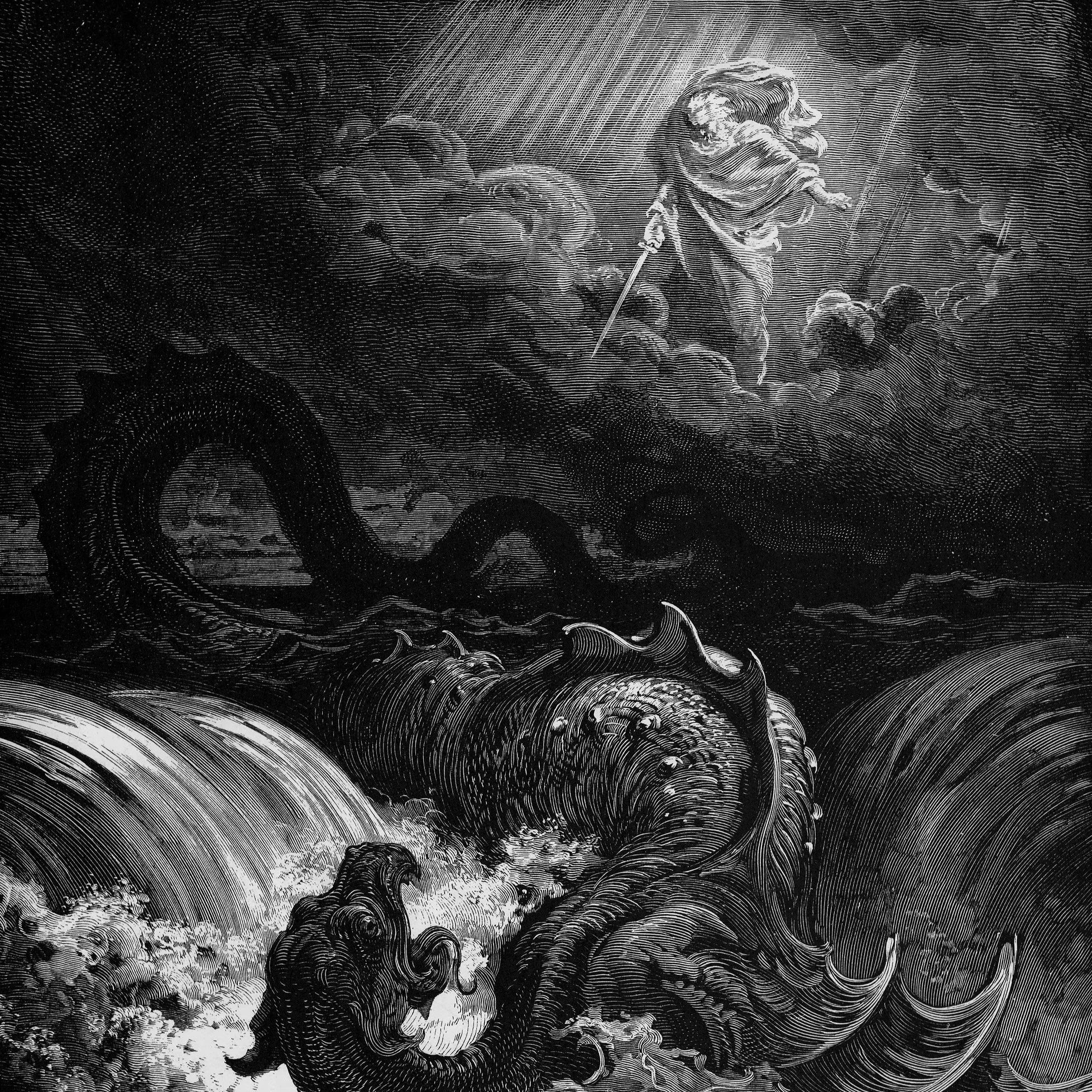
Old Man's Death | László Mednyánszky | 1890
About the artwork:
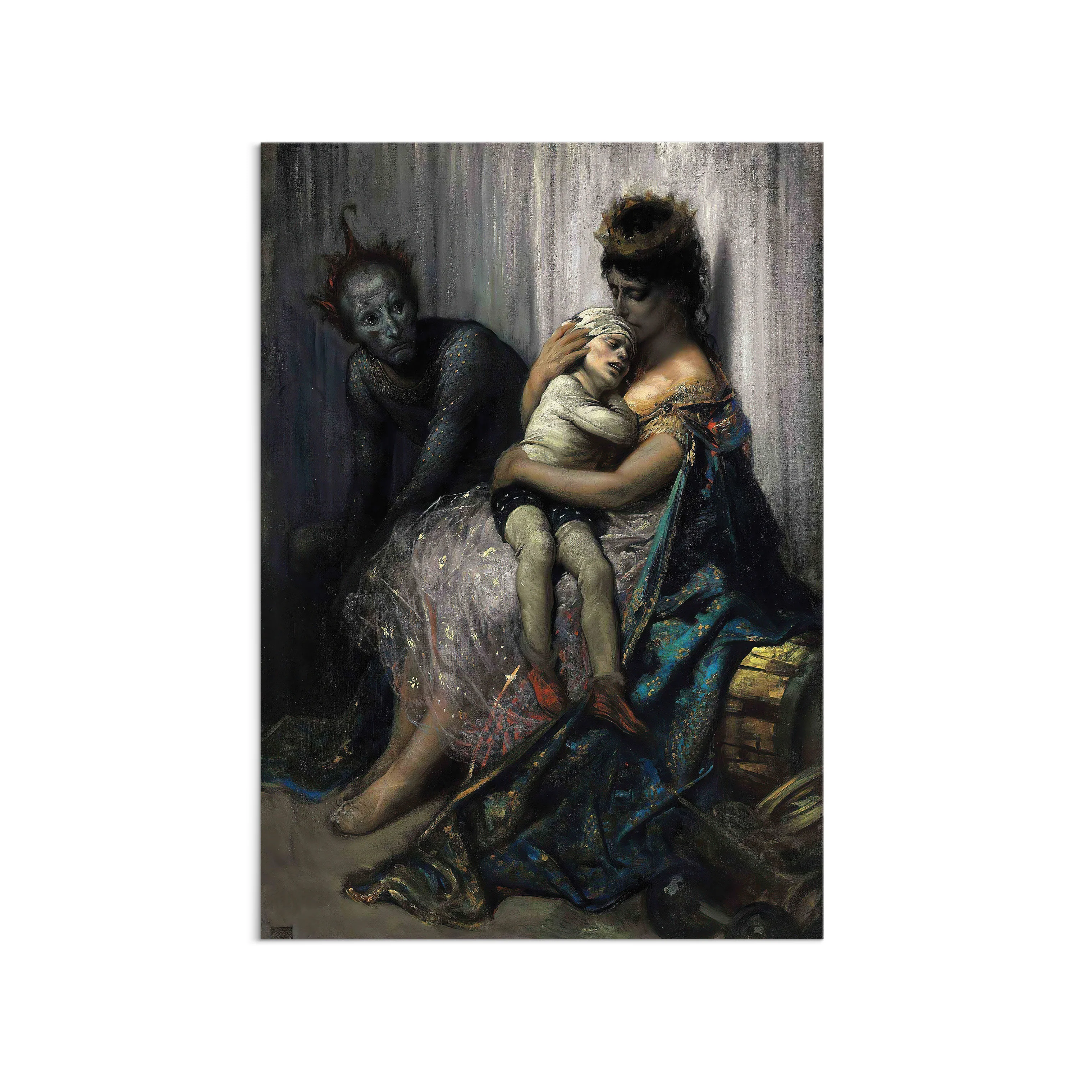
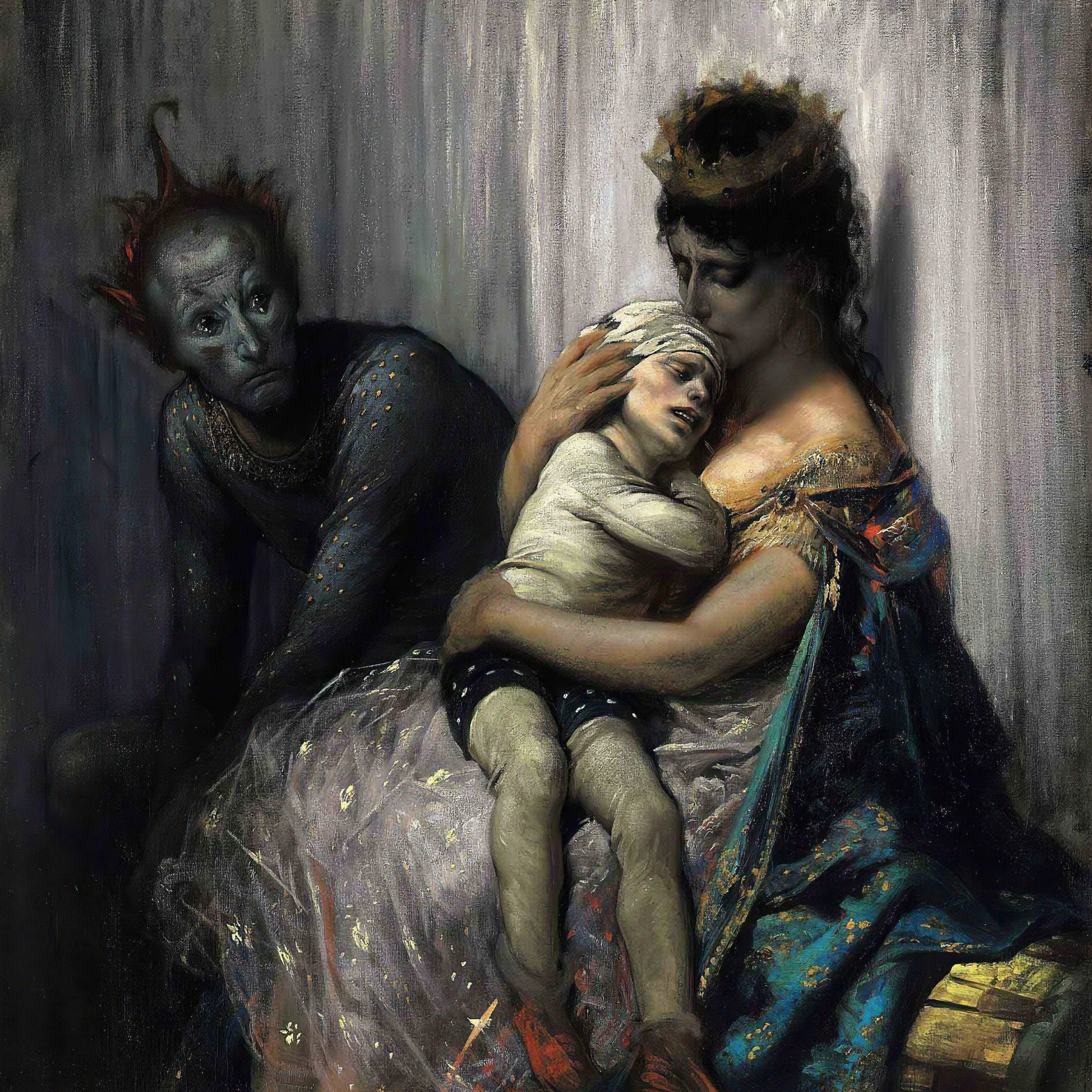
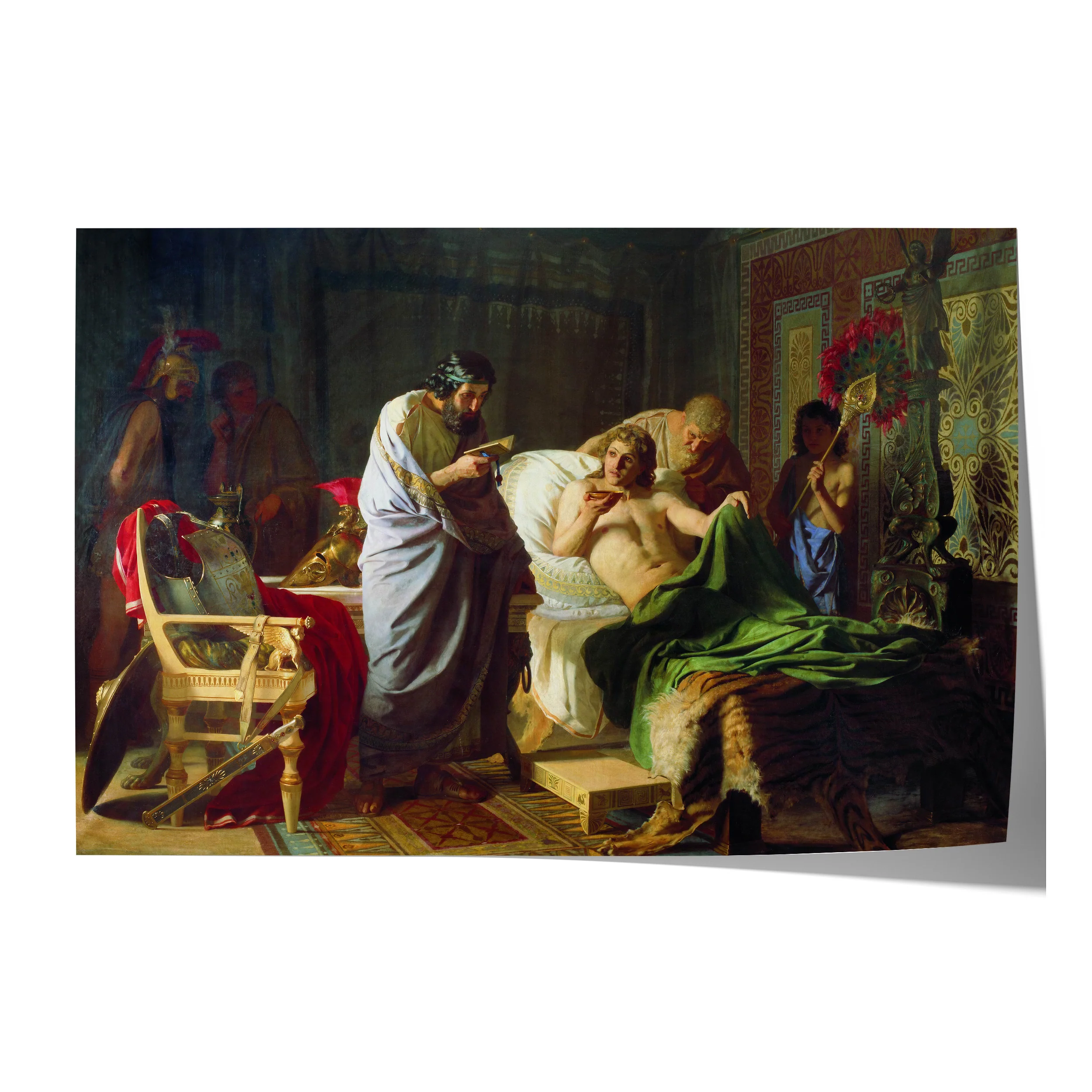
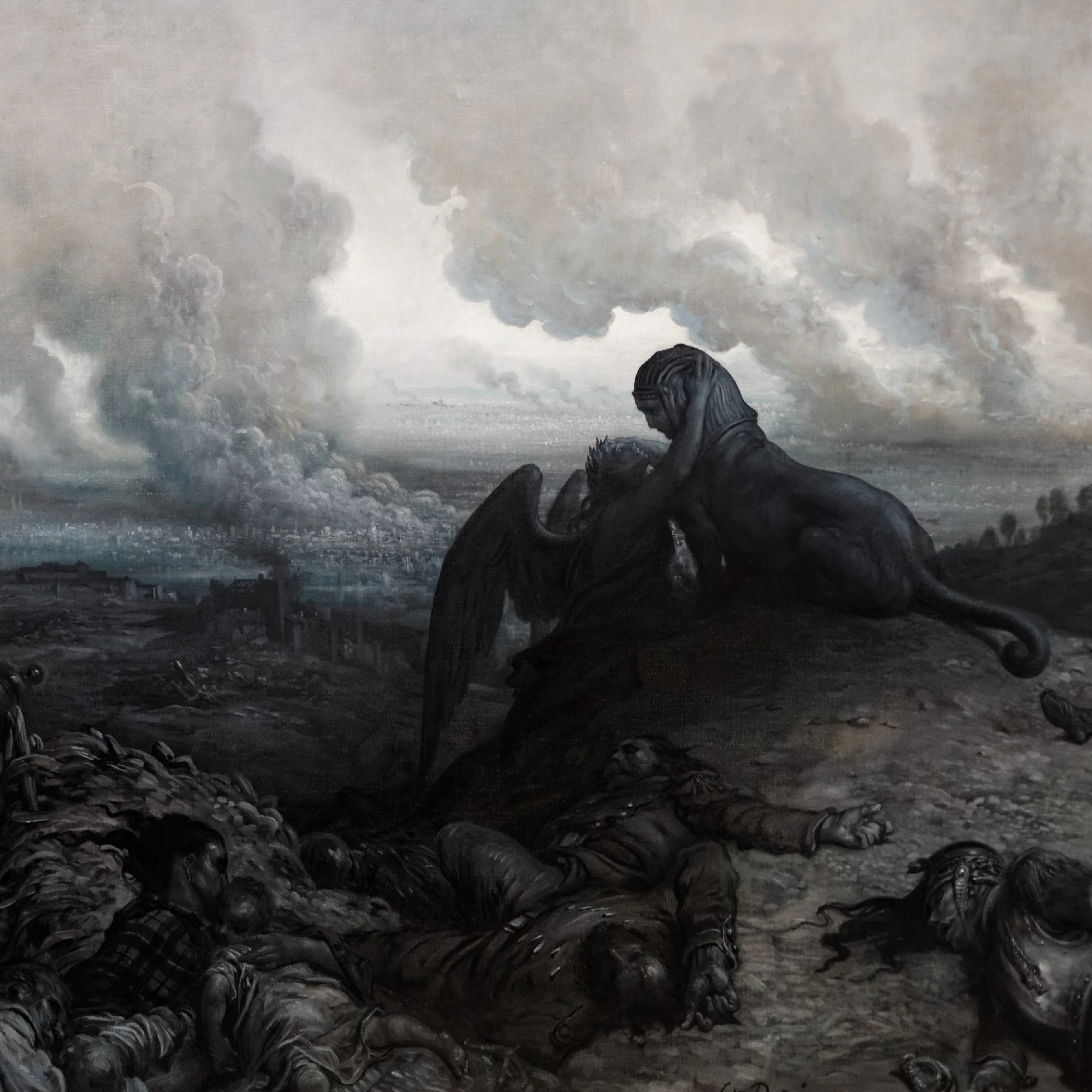
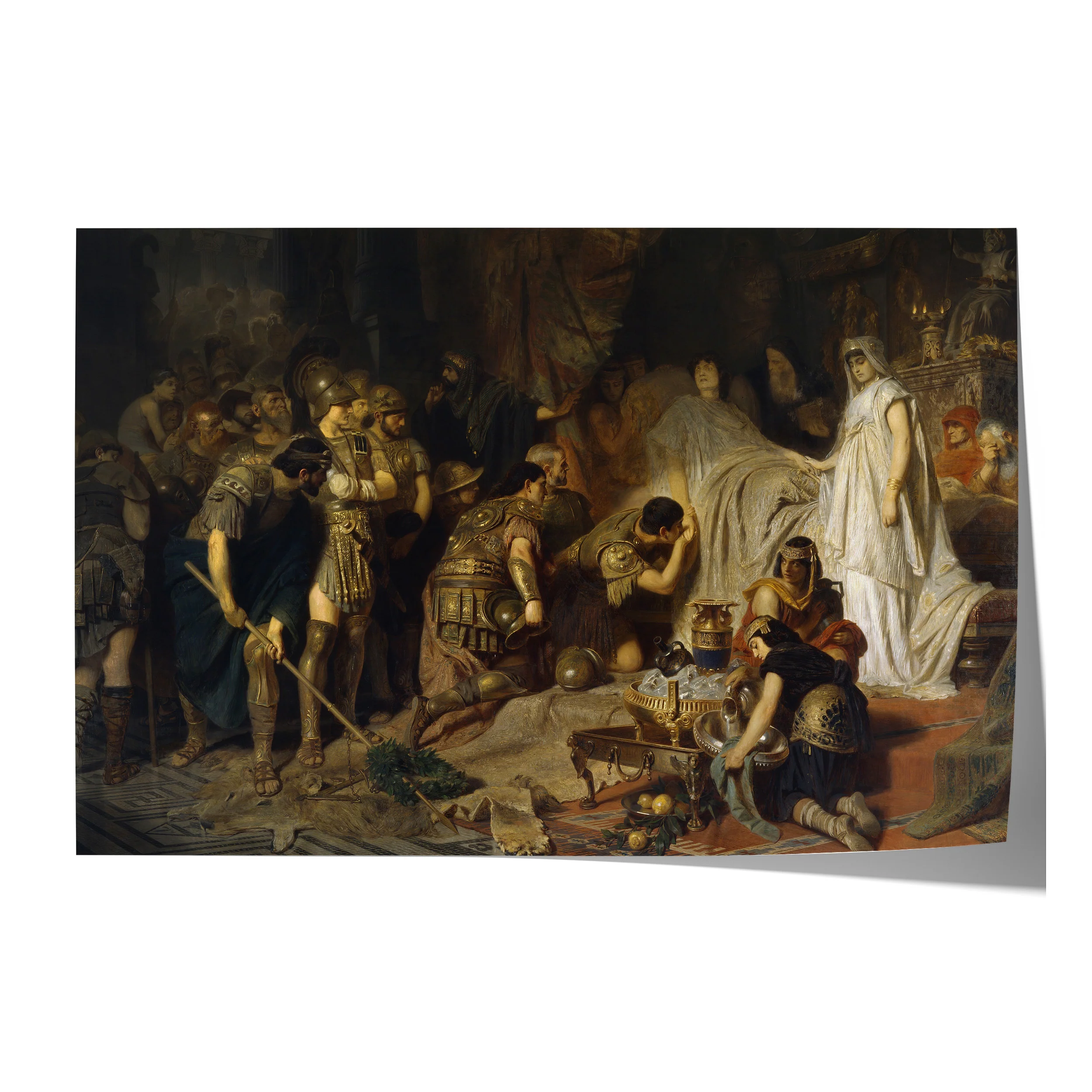
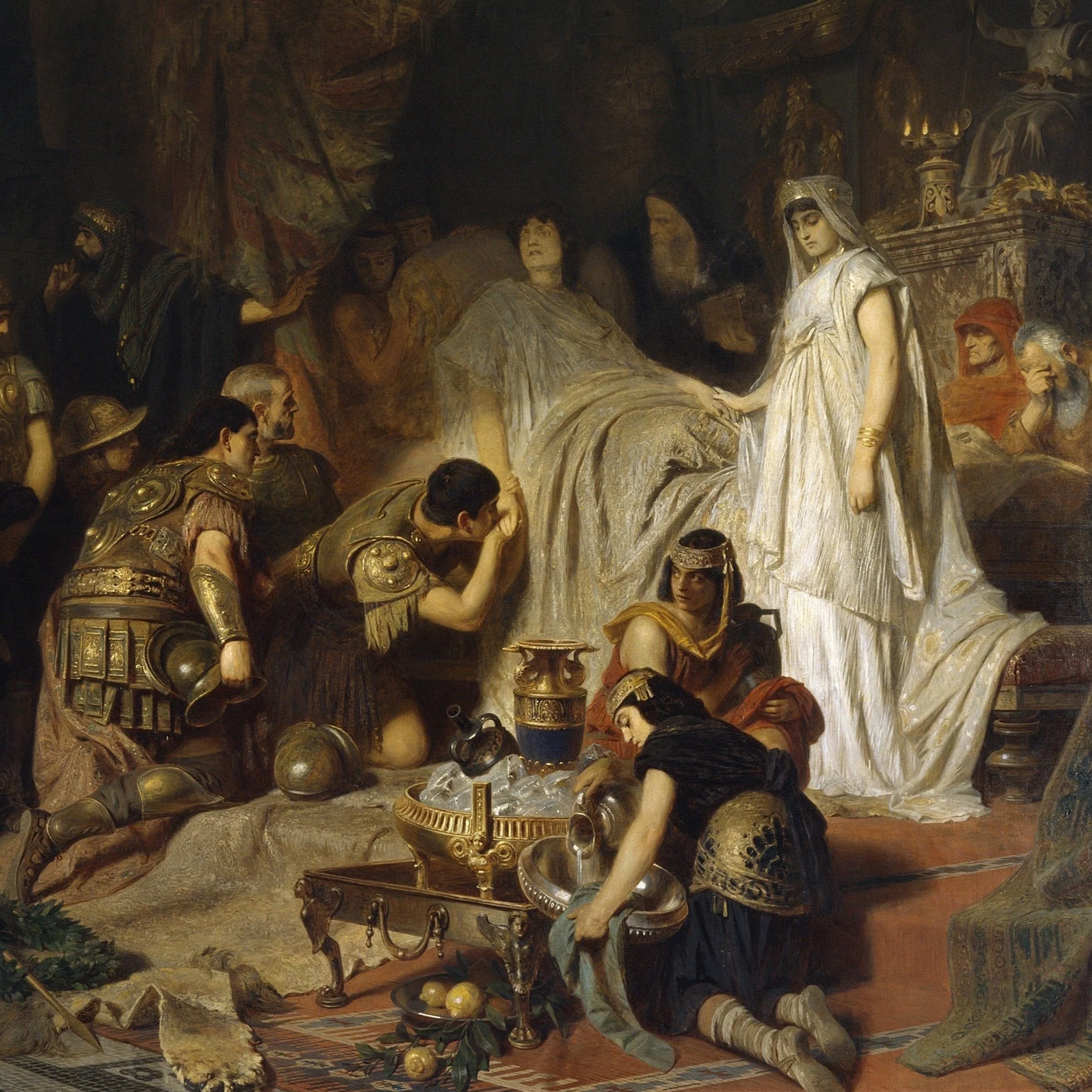
Old Man's Death by László Mednyánszky, painted in 1890, reflects the artist’s deep interest in marginal figures and the quiet dignity of human suffering. Mednyánszky, a Hungarian Symbolist with strong ties to realism and spiritual introspection, often portrayed the poor, the elderly, and the socially invisible with unusual empathy. In this work, the scene is intimate and subdued, focusing on the fragile presence of an aging man at the threshold of death. The palette is typically muted, dominated by earthy and dark tonalities that create a somber atmosphere and emphasize the stillness of the moment. Rather than dramatizing death, Mednyánszky approaches it as a contemplative and almost sacred transition, inviting the viewer to reflect on mortality without spectacle. The painting aligns with late nineteenth century currents that explored existential themes and psychological depth, revealing the artist’s commitment to portraying not only physical reality but also the inner condition of his subjects.
Product Information
Product Information
Shipping & Returns
Shipping & Returns


Old Man's Death | László Mednyánszky | 1890
Old Man's Death | László Mednyánszky | 1890
About the artwork:
Old Man's Death by László Mednyánszky, painted in 1890, reflects the artist’s deep interest in marginal figures and the quiet dignity of human suffering. Mednyánszky, a Hungarian Symbolist with strong ties to realism and spiritual introspection, often portrayed the poor, the elderly, and the socially invisible with unusual empathy. In this work, the scene is intimate and subdued, focusing on the fragile presence of an aging man at the threshold of death. The palette is typically muted, dominated by earthy and dark tonalities that create a somber atmosphere and emphasize the stillness of the moment. Rather than dramatizing death, Mednyánszky approaches it as a contemplative and almost sacred transition, inviting the viewer to reflect on mortality without spectacle. The painting aligns with late nineteenth century currents that explored existential themes and psychological depth, revealing the artist’s commitment to portraying not only physical reality but also the inner condition of his subjects.
Original: $297.82
-70%$297.82
$89.35Product Information
Product Information
Shipping & Returns
Shipping & Returns
Description
About the artwork:
Old Man's Death by László Mednyánszky, painted in 1890, reflects the artist’s deep interest in marginal figures and the quiet dignity of human suffering. Mednyánszky, a Hungarian Symbolist with strong ties to realism and spiritual introspection, often portrayed the poor, the elderly, and the socially invisible with unusual empathy. In this work, the scene is intimate and subdued, focusing on the fragile presence of an aging man at the threshold of death. The palette is typically muted, dominated by earthy and dark tonalities that create a somber atmosphere and emphasize the stillness of the moment. Rather than dramatizing death, Mednyánszky approaches it as a contemplative and almost sacred transition, inviting the viewer to reflect on mortality without spectacle. The painting aligns with late nineteenth century currents that explored existential themes and psychological depth, revealing the artist’s commitment to portraying not only physical reality but also the inner condition of his subjects.