✨ New Arrivals Just Dropped!Explore
HomeStore

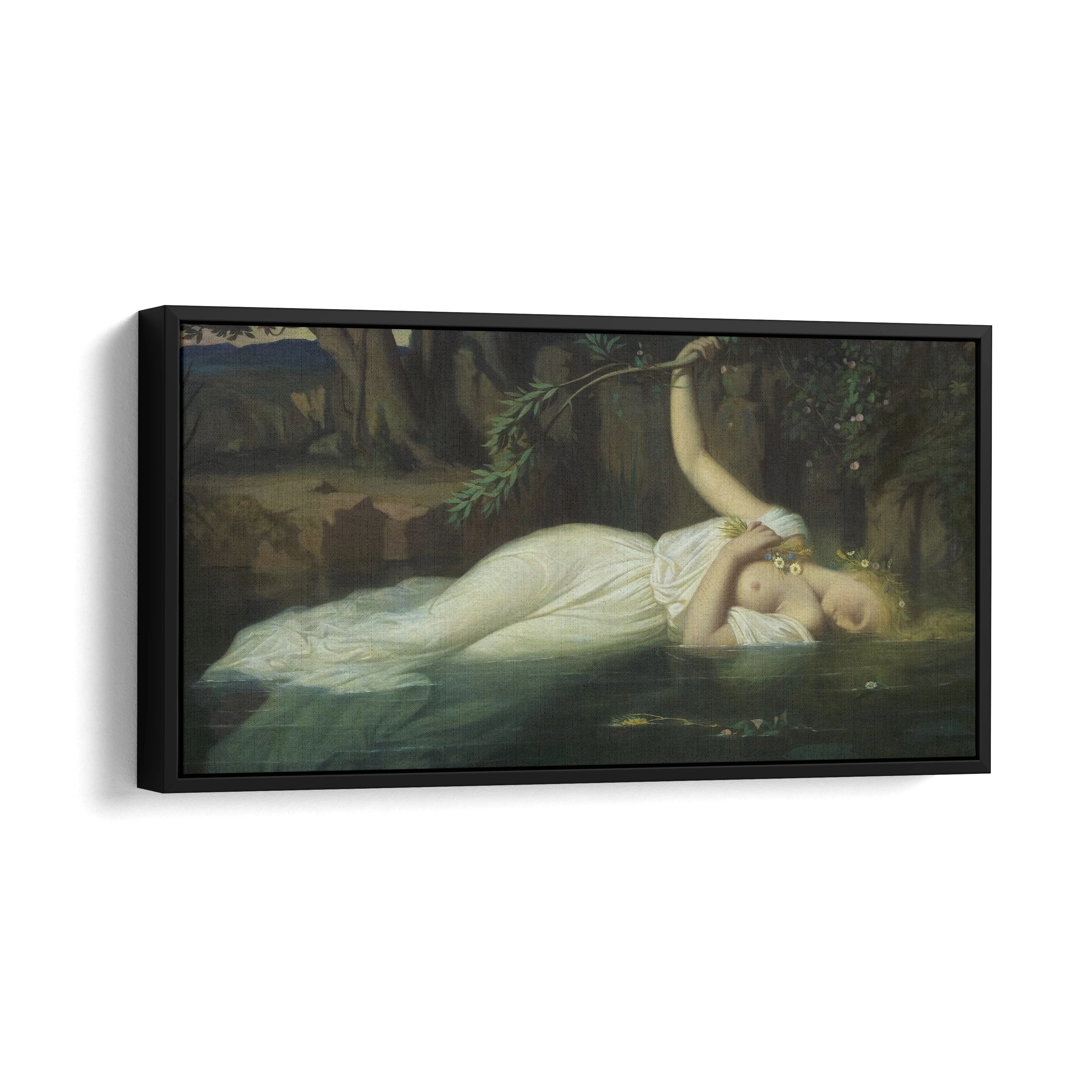
Ophelia | Léopold Burthe | 1851

Product image 1
Product image 2
Product image 3
Product image 4
Product image 5
Product image 6
Product image 7
Product image 8

Ophelia | Léopold Burthe | 1851

Ophelia | Léopold Burthe | 1851

About the artwork:

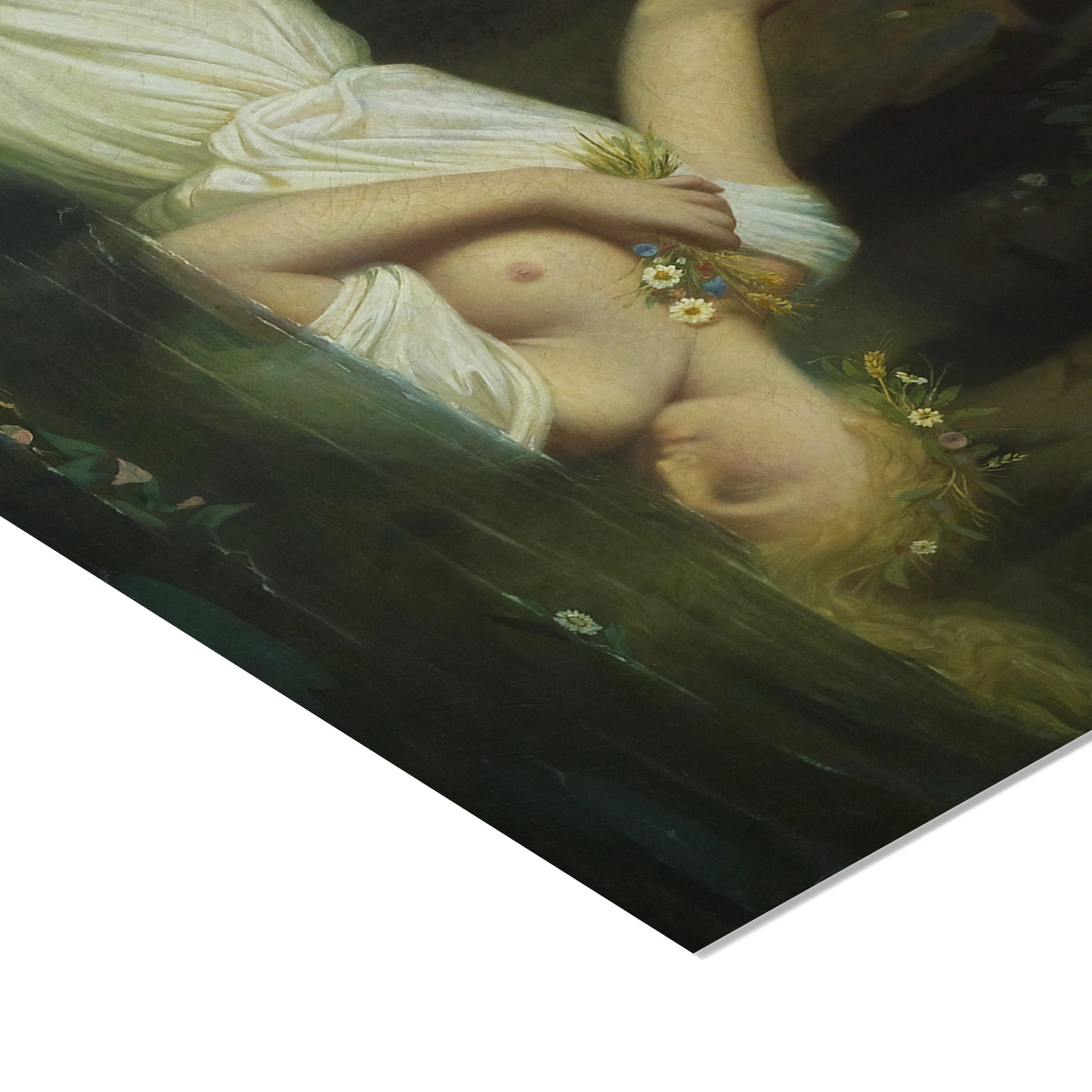
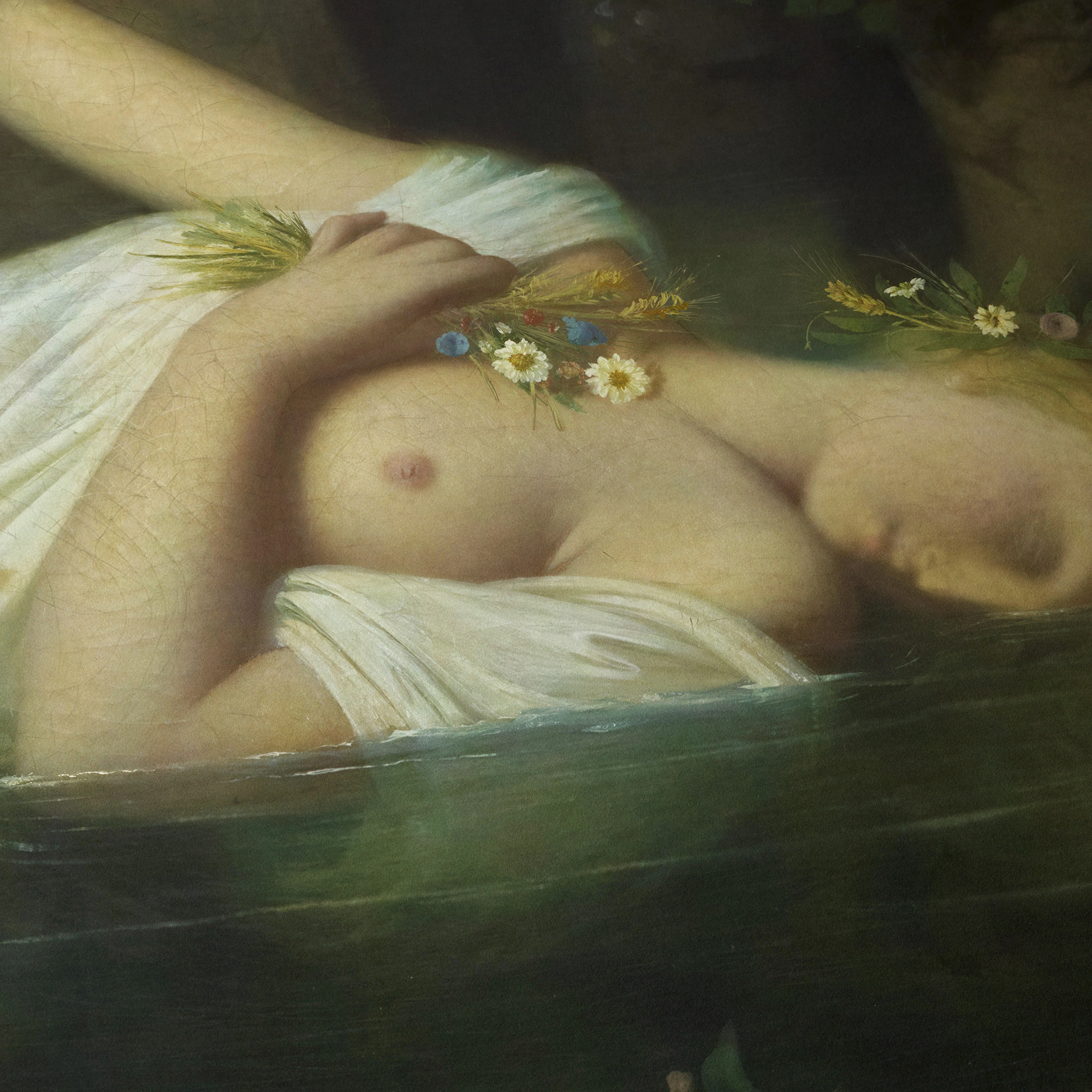
Léopold Burthe’s Ophelia presents Shakespeare’s tragic heroine at the threshold between life and death, focusing on the moment described in Act IV, Scene VII of Hamlet, when Ophelia falls near the willow and is carried away by the water. Painted in 1851, the work reflects the nineteenth-century fascination with Shakespearean tragedy and with fragile, psychologically charged female figures. Burthe, a French painter associated with academic and Romantic sensibilities, gives the scene a dramatic stillness rather than a theatrical excess. Ophelia’s pale body, loose hair, and vulnerable pose emphasize her emotional collapse after the death of her father and her rejection by Hamlet, while the surrounding nature becomes both beautiful and fatal. Compared with later or more famous versions of the subject, Burthe’s interpretation feels darker and more direct, presenting Ophelia less as an idealized vision and more as a figure suspended in resignation, madness, and quiet tragedy. 


Select Select Size
Select Frame Options
From $151.31

Original: $504.35

-70%
Ophelia | Léopold Burthe | 1851

$504.35

$151.31

Product Information

Shipping & Returns

Description

About the artwork:
Léopold Burthe’s Ophelia presents Shakespeare’s tragic heroine at the threshold between life and death, focusing on the moment described in Act IV, Scene VII of Hamlet, when Ophelia falls near the willow and is carried away by the water. Painted in 1851, the work reflects the nineteenth-century fascination with Shakespearean tragedy and with fragile, psychologically charged female figures. Burthe, a French painter associated with academic and Romantic sensibilities, gives the scene a dramatic stillness rather than a theatrical excess. Ophelia’s pale body, loose hair, and vulnerable pose emphasize her emotional collapse after the death of her father and her rejection by Hamlet, while the surrounding nature becomes both beautiful and fatal. Compared with later or more famous versions of the subject, Burthe’s interpretation feels darker and more direct, presenting Ophelia less as an idealized vision and more as a figure suspended in resignation, madness, and quiet tragedy. 


You may also like

-70%NEW
Thumbnail 1Thumbnail 2

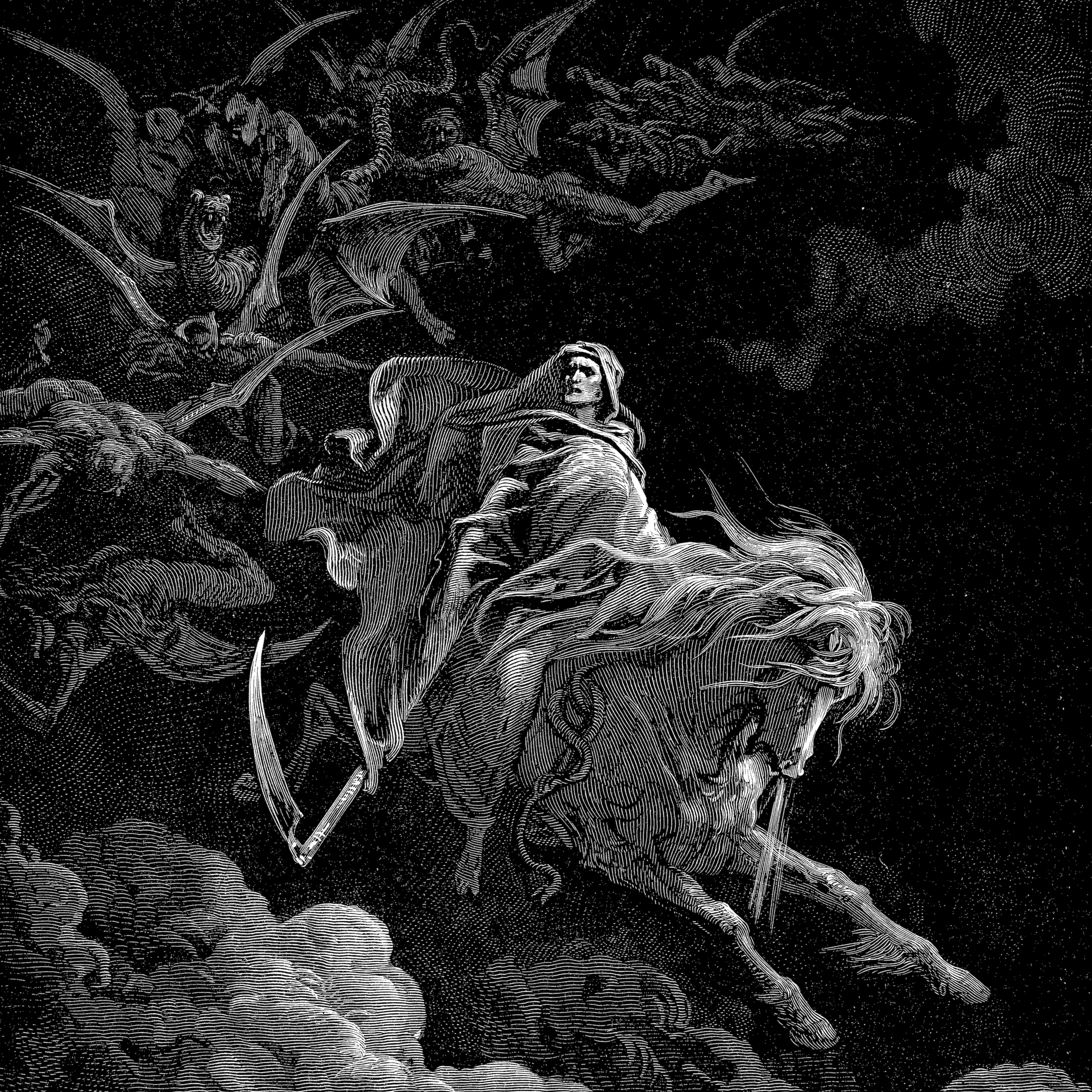
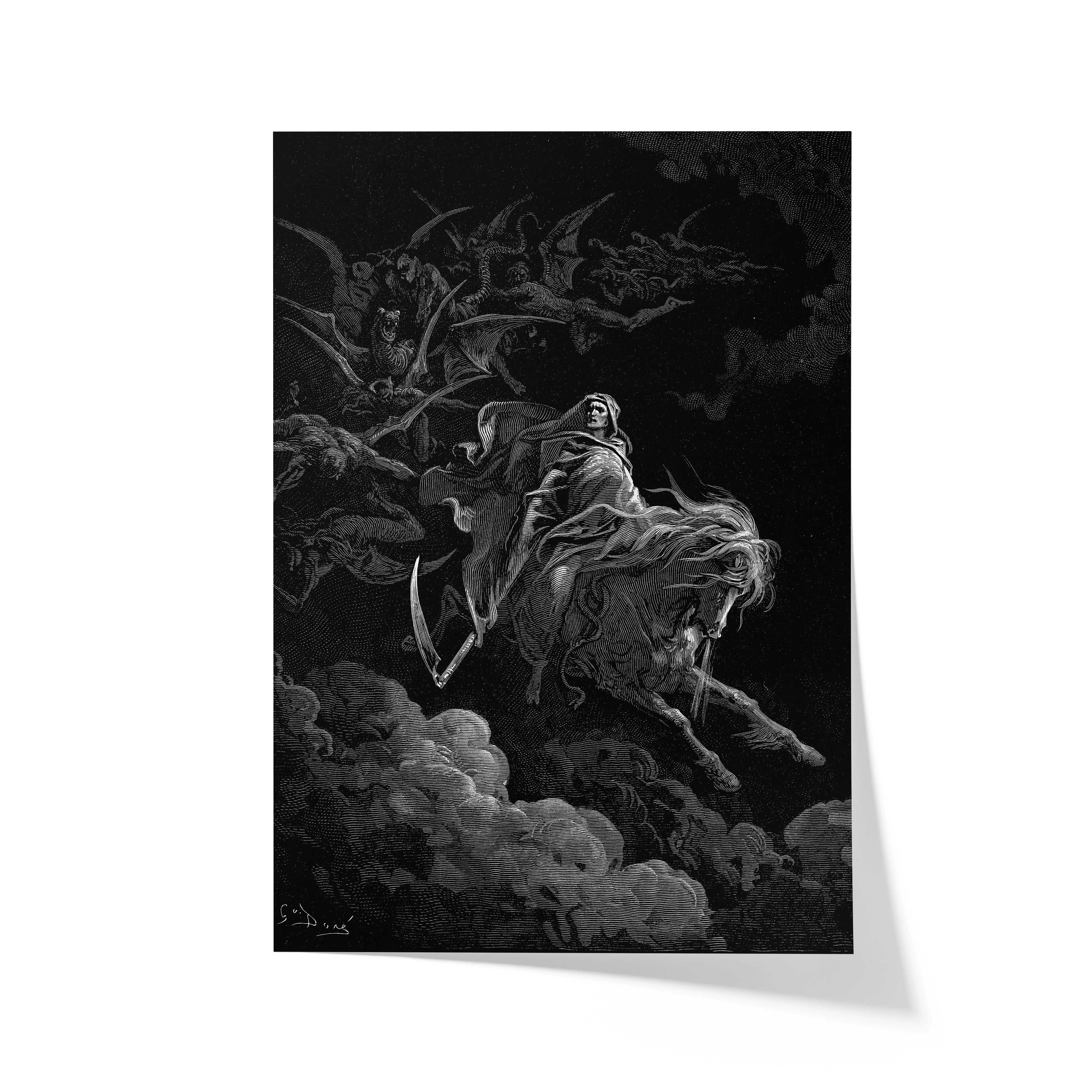
Death on the Pale Horse | Gustave Doré | 1865

$297.82

$89.35

-70%NEW
Thumbnail 1Thumbnail 2

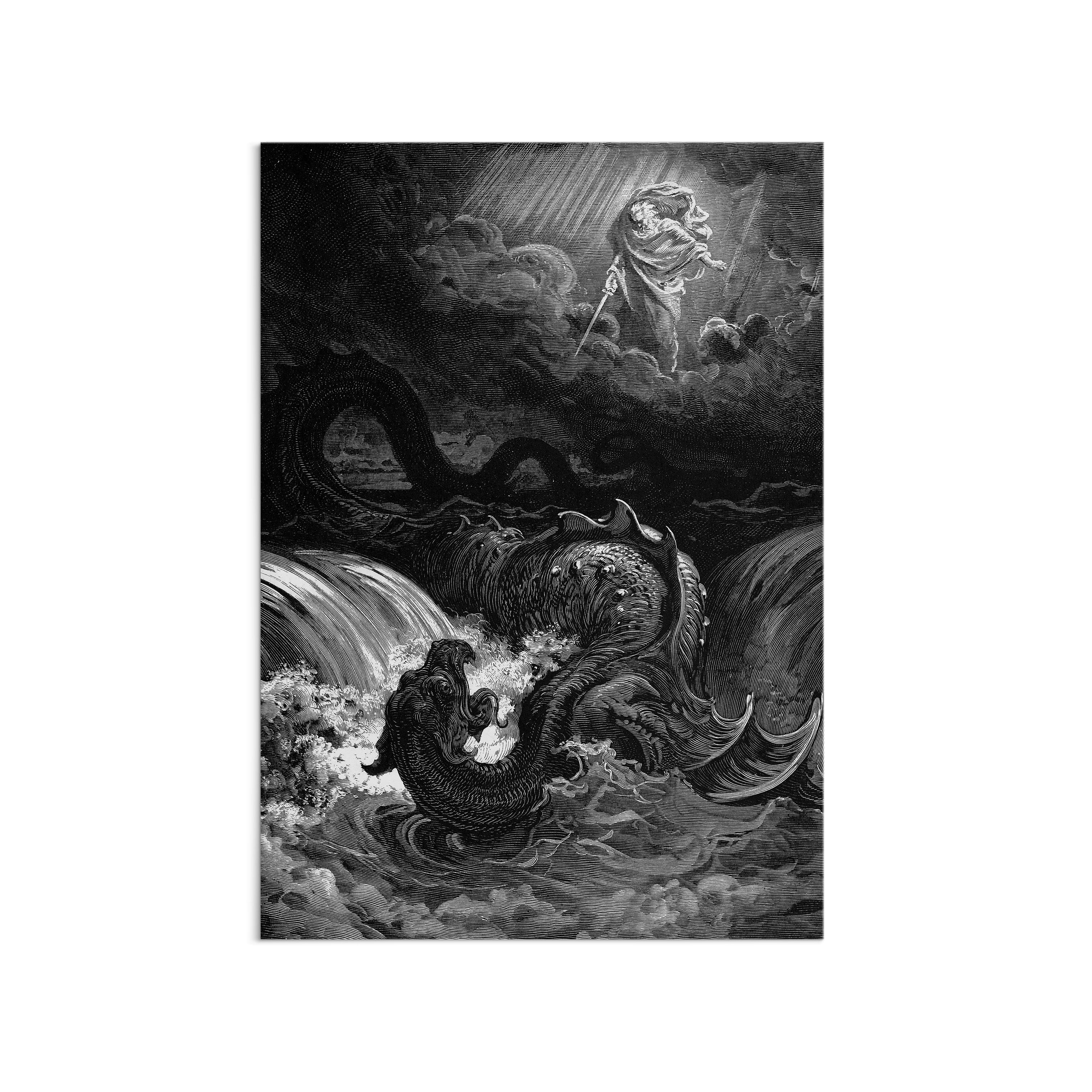
Destruction of Leviathan | Gustave Doré | 19th Century

$297.82

$89.35

-70%NEW
Thumbnail 1Thumbnail 2

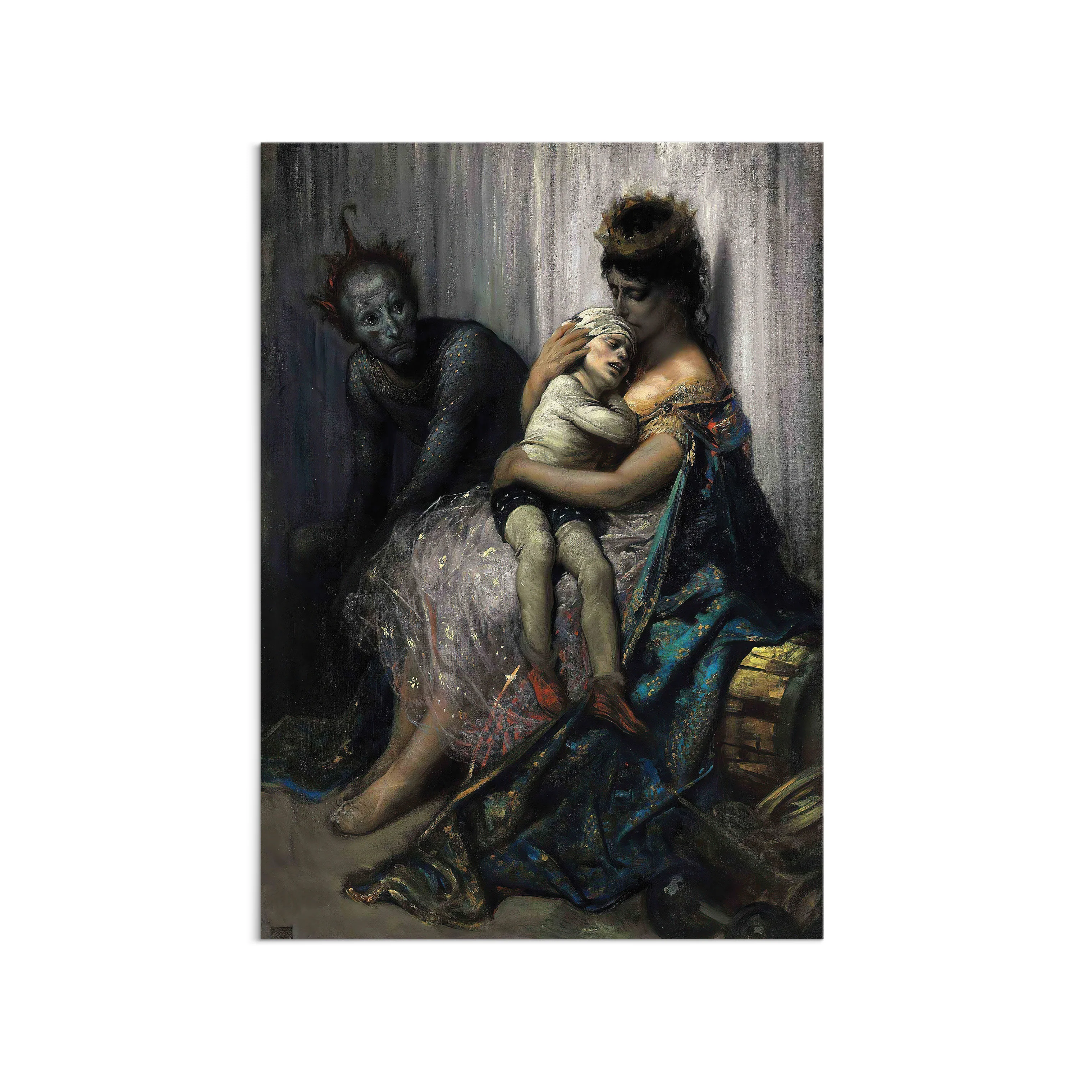
The Injured Child | Gustave Doré | 1873

$414.21

$124.26

NEW
Thumbnail 1Thumbnail 2

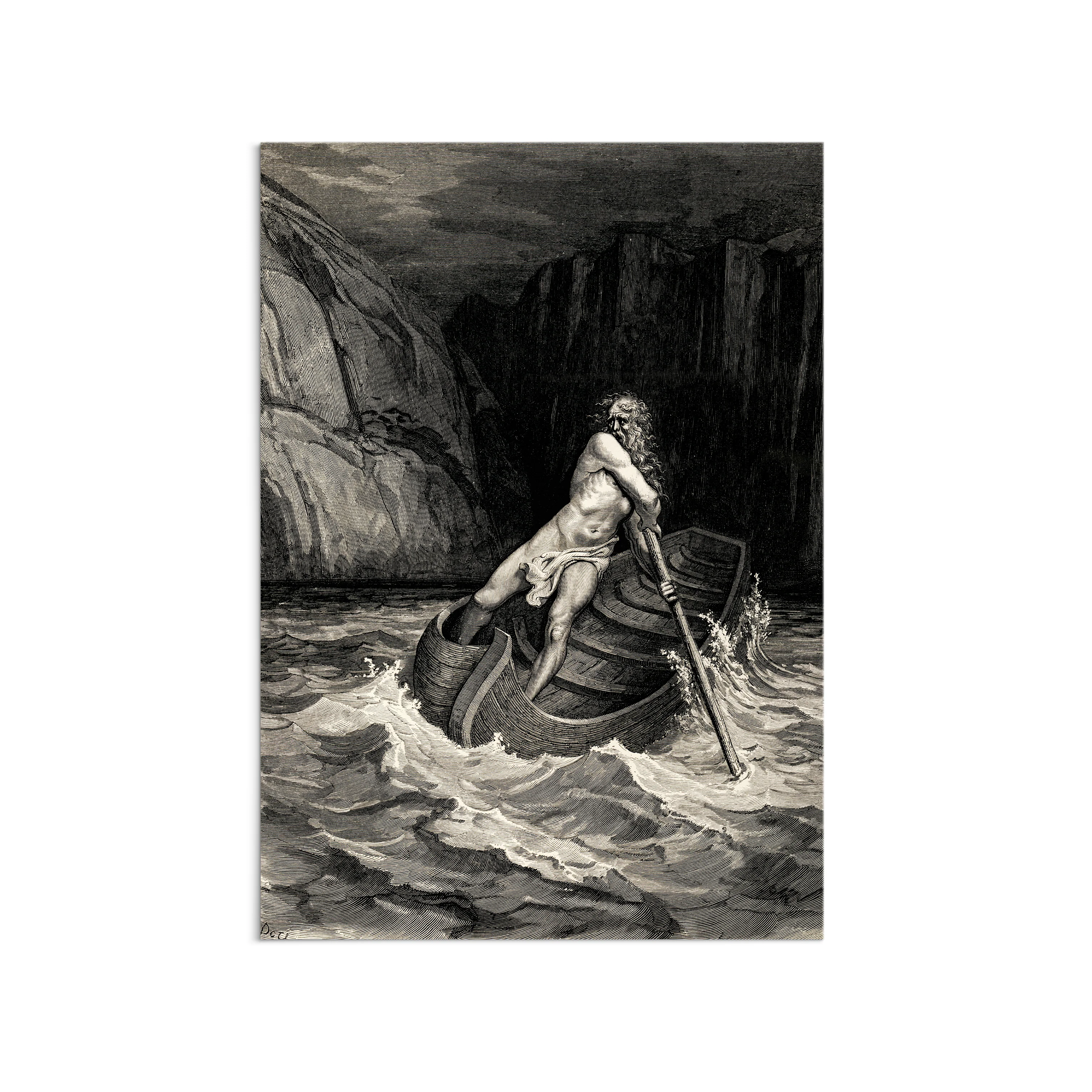
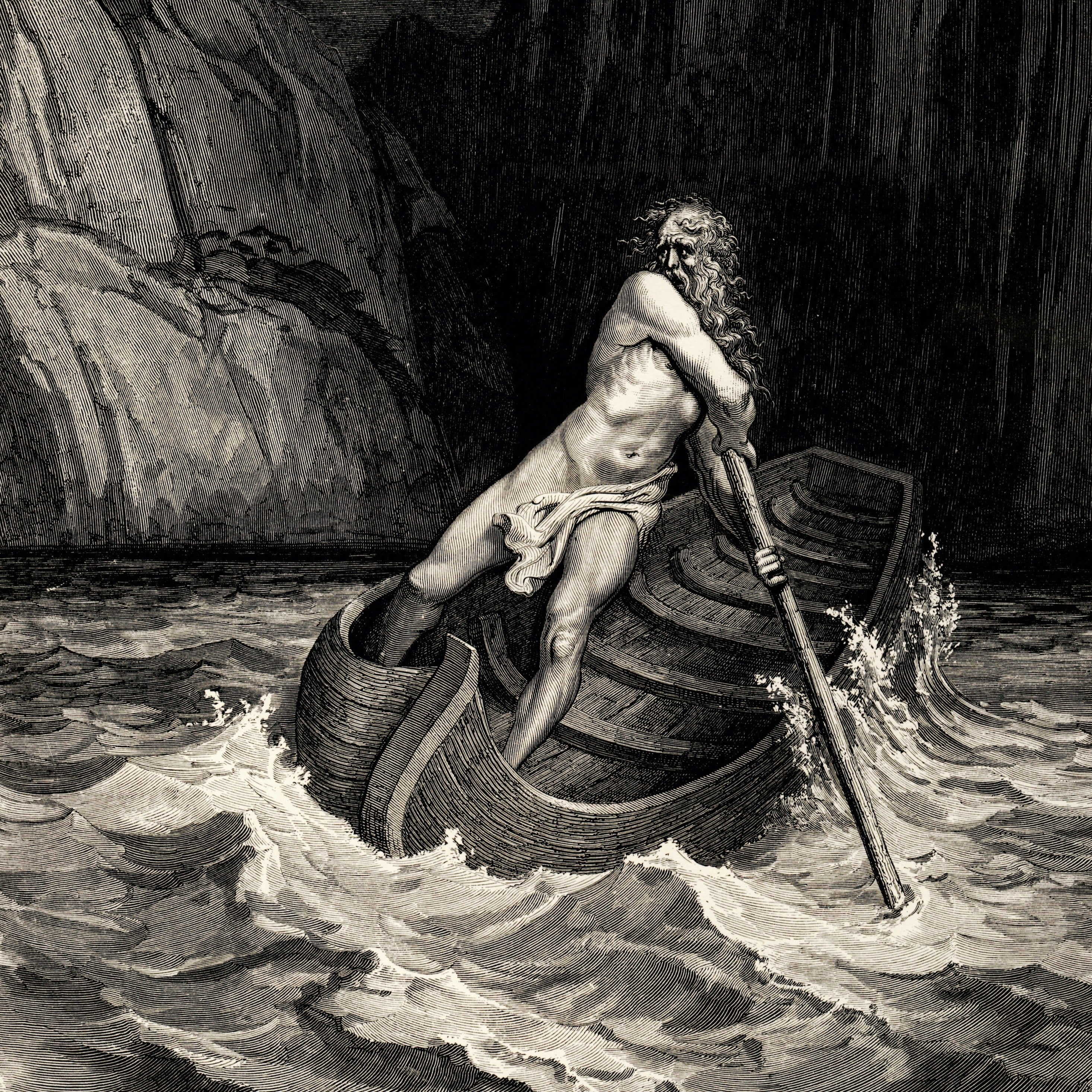
Inferno | Gustave Doré | 1857

$297.82

-70%NEW
Thumbnail 1Thumbnail 2

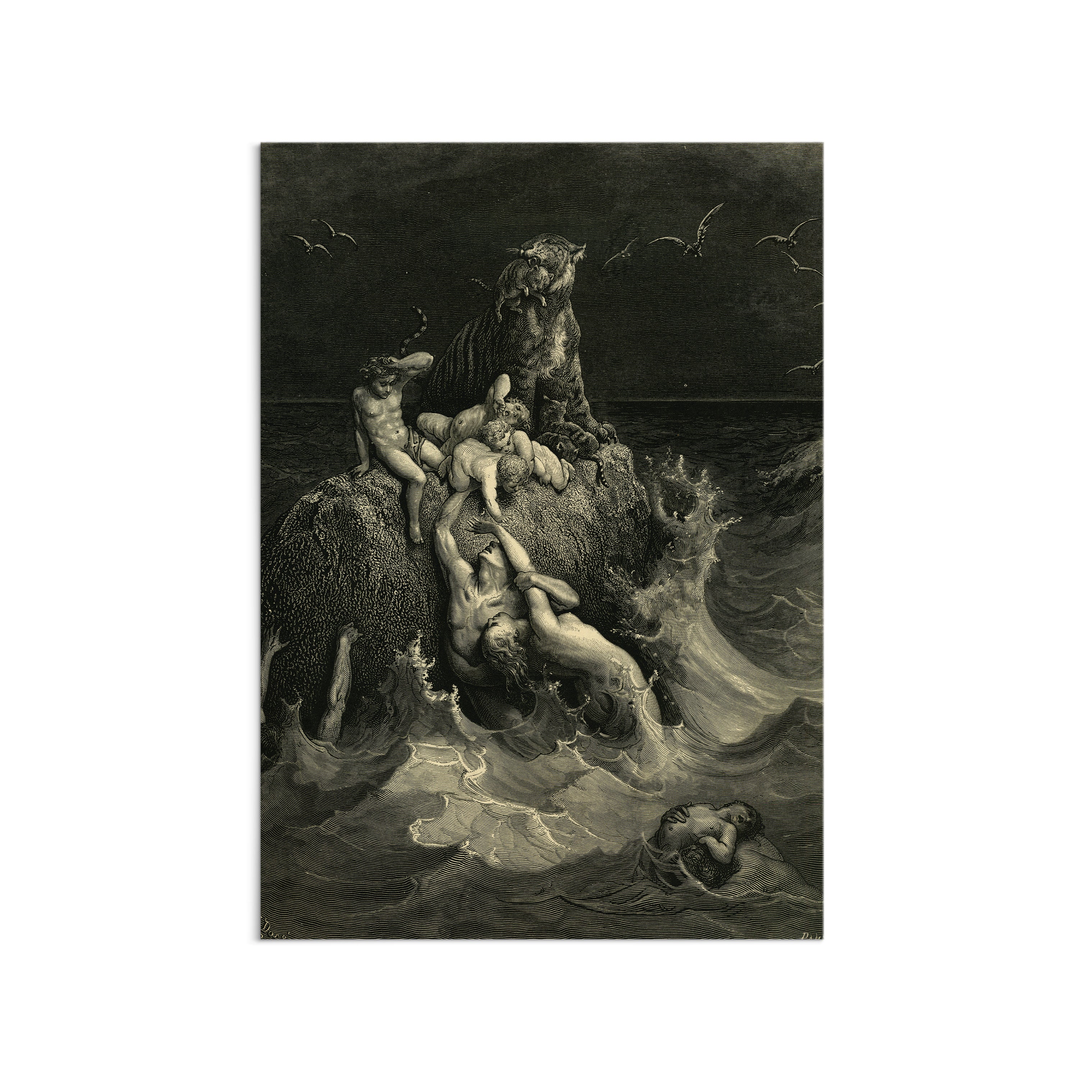
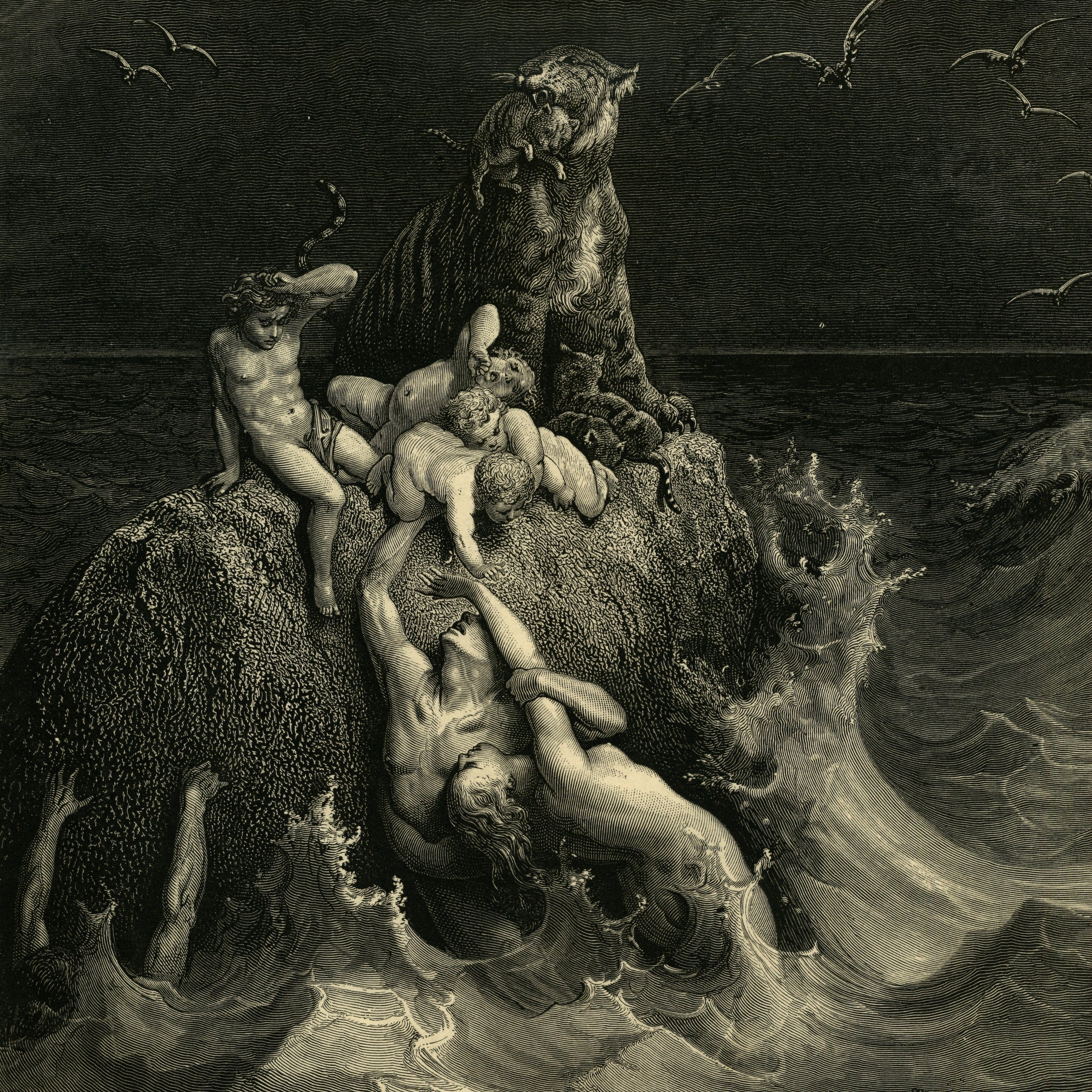
The Deluge | Gustave Doré | 1866

$297.82

$89.35

NEW
Thumbnail 1Thumbnail 2

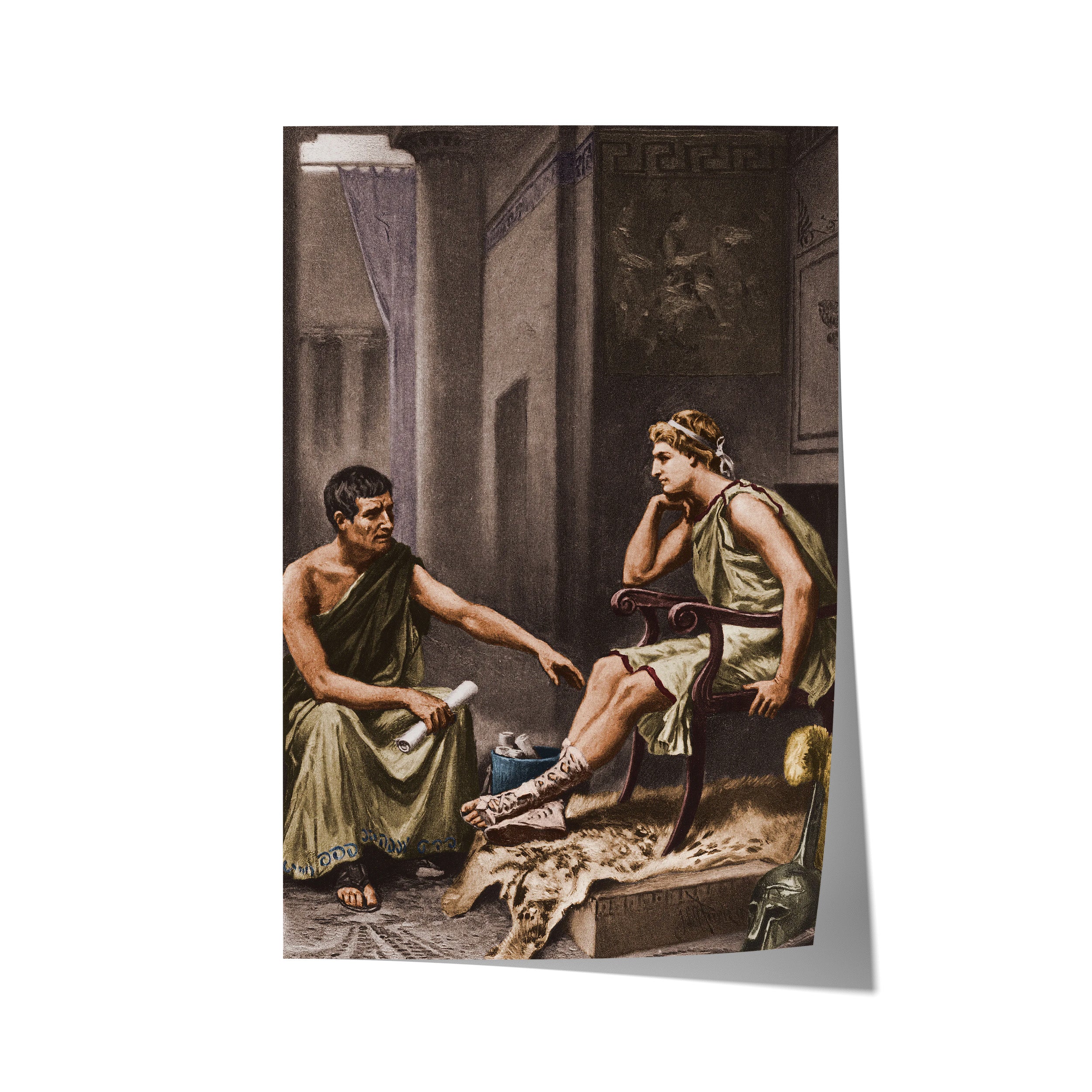
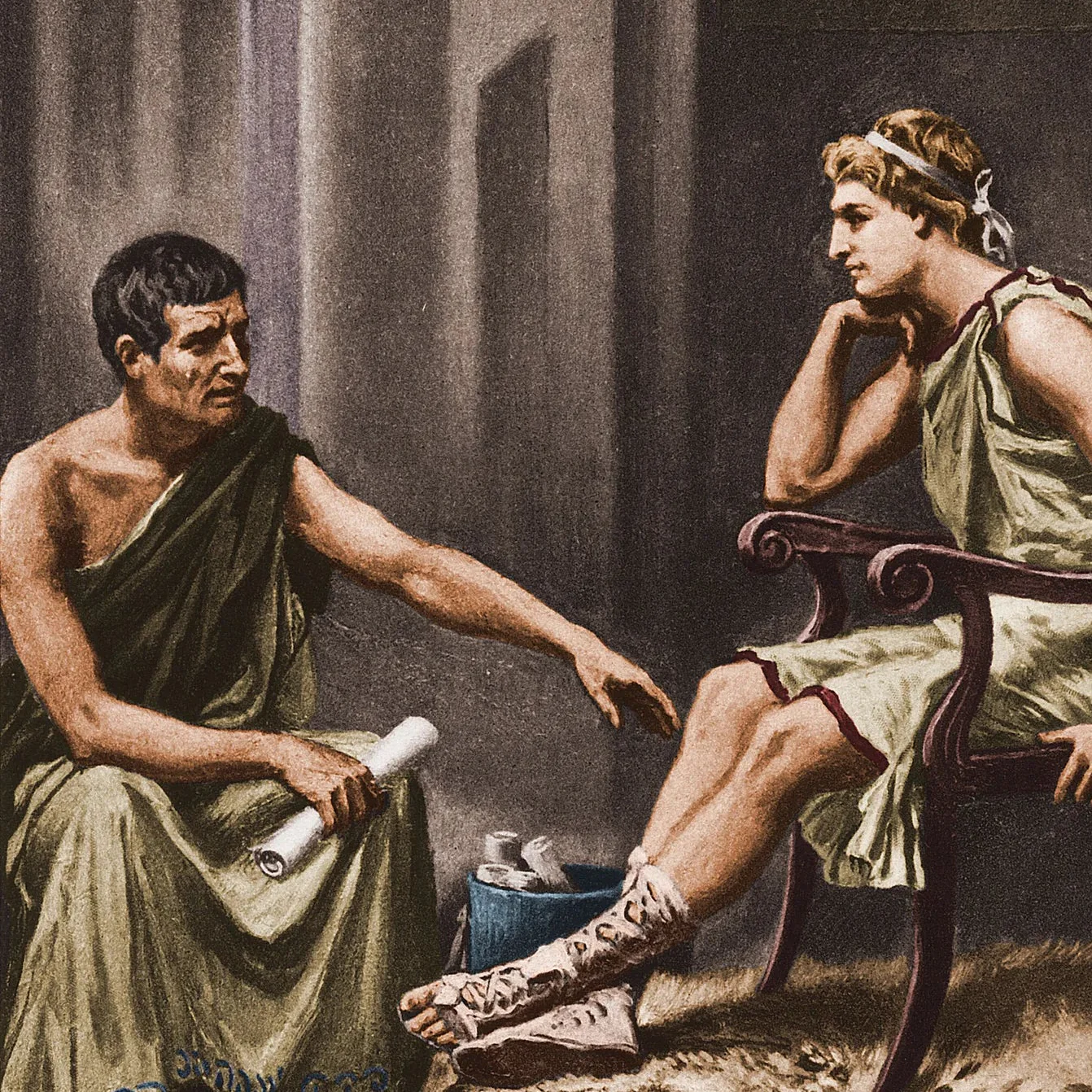
Aristotle tutoring Alexander the Great | Jean-Léon Gerôme | 1895

$297.82

NEW
Thumbnail 1Thumbnail 2

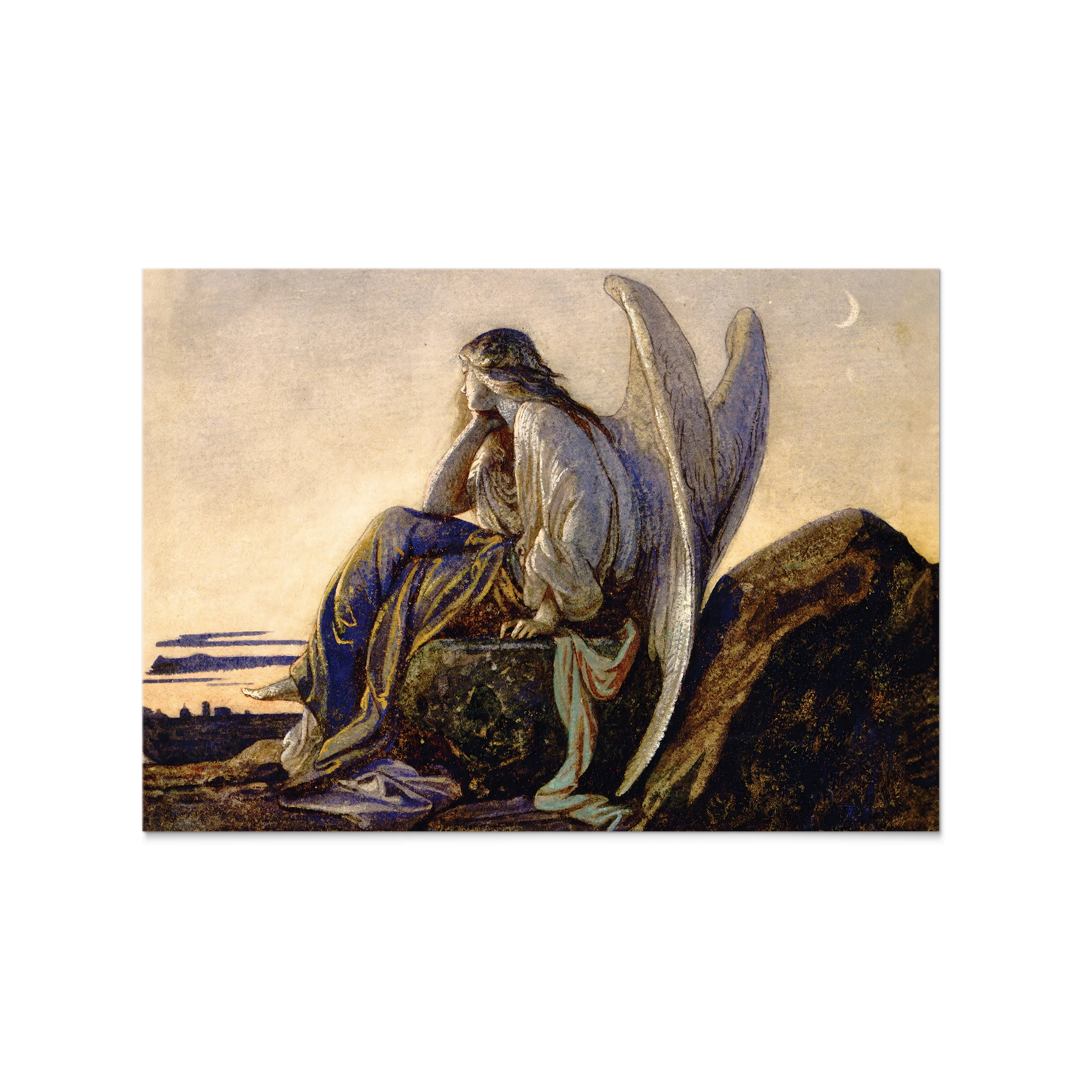
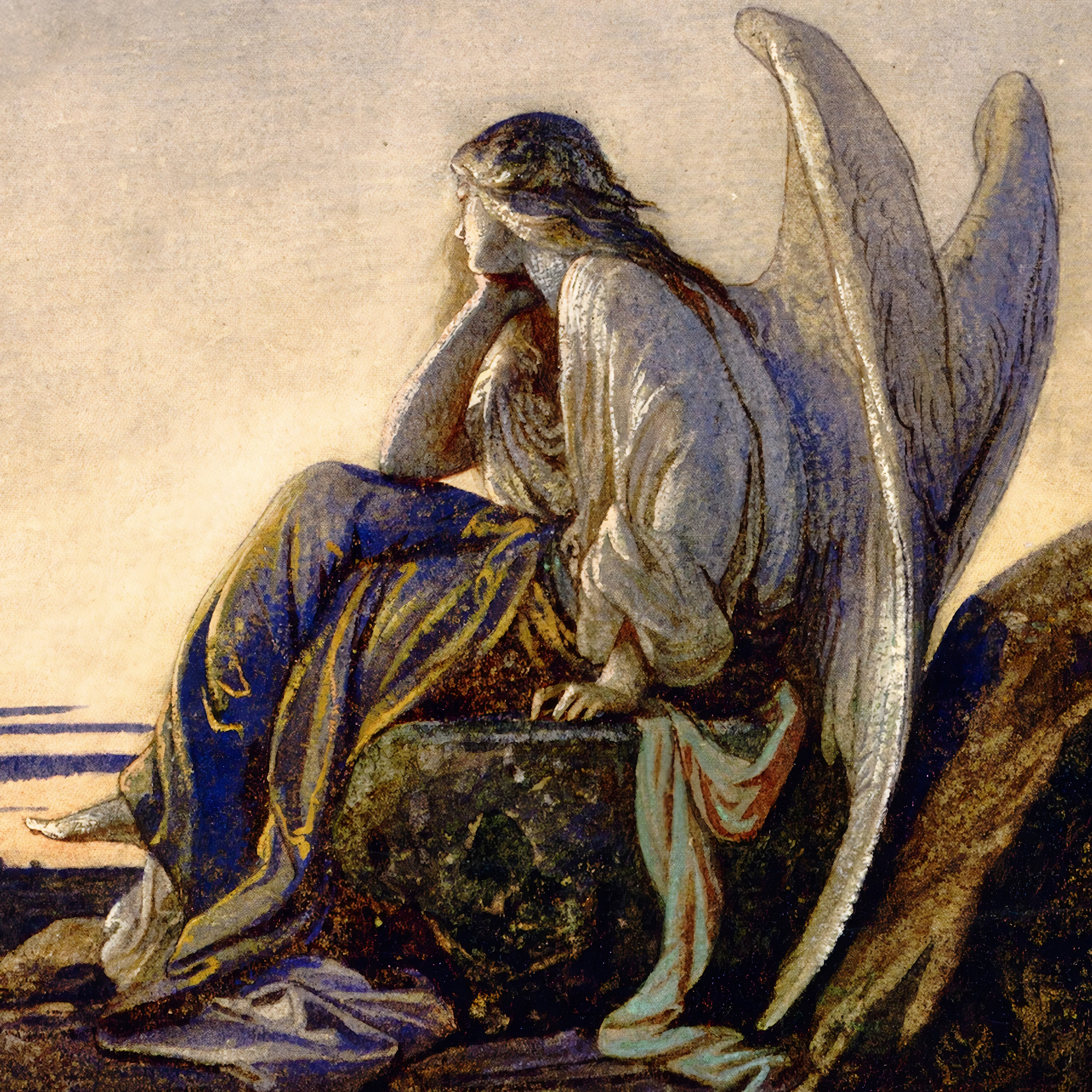
The Evening Angel | Alexandre Cabanel | 1847

$297.82

-70%NEW
Thumbnail 1Thumbnail 2

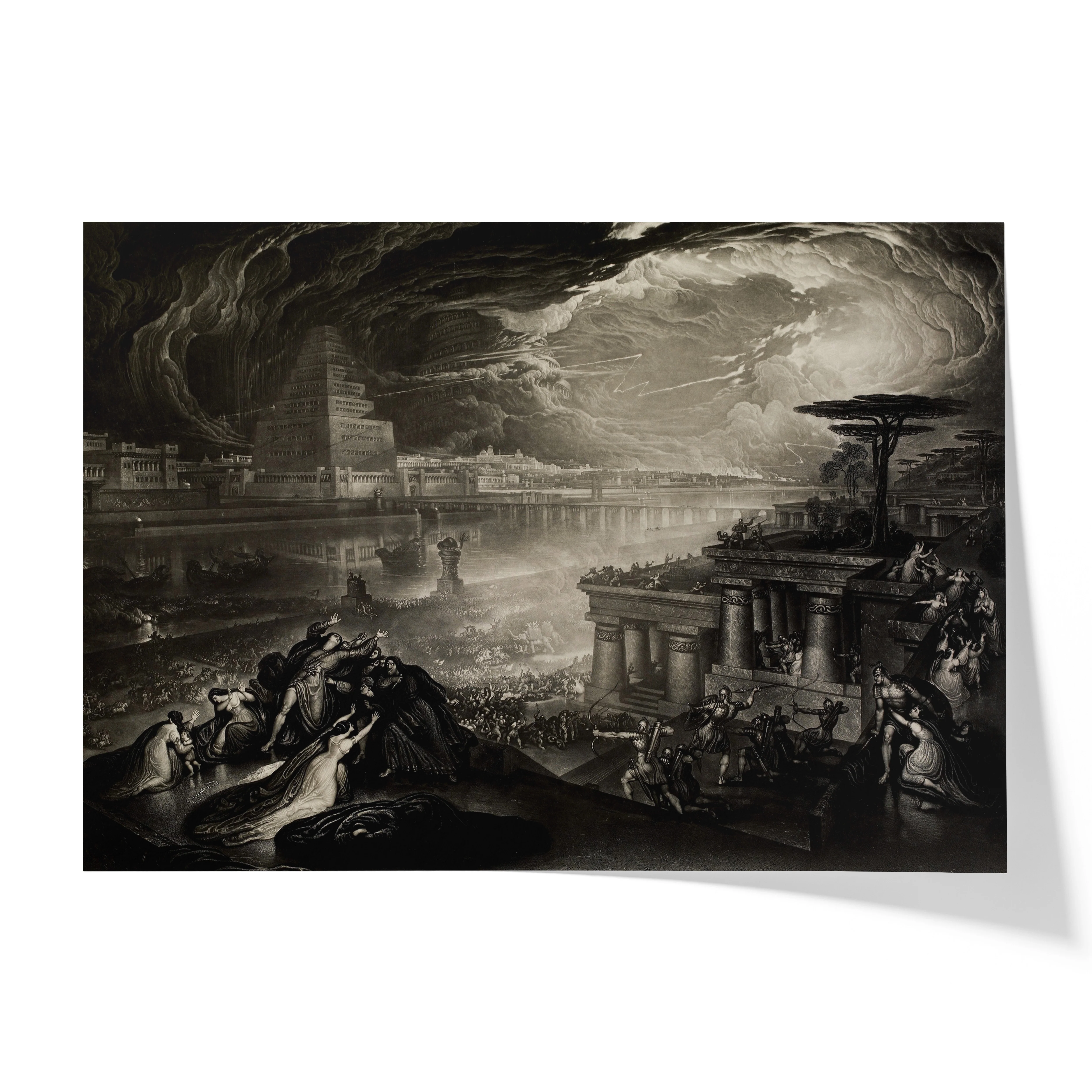
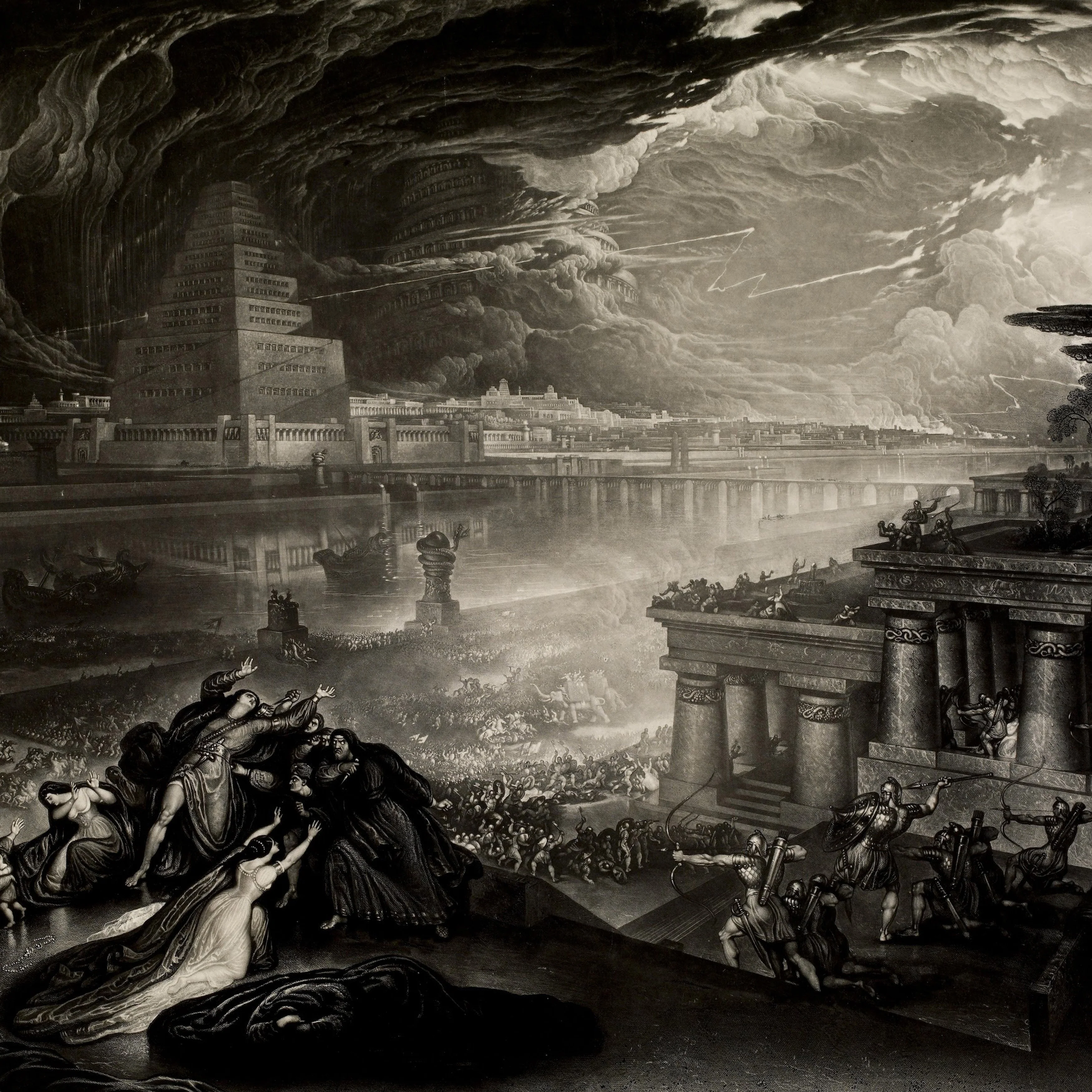
The Fall of Babylon | John Martin | 1830

$297.82

$89.35

-70%NEW
Thumbnail 1Thumbnail 2

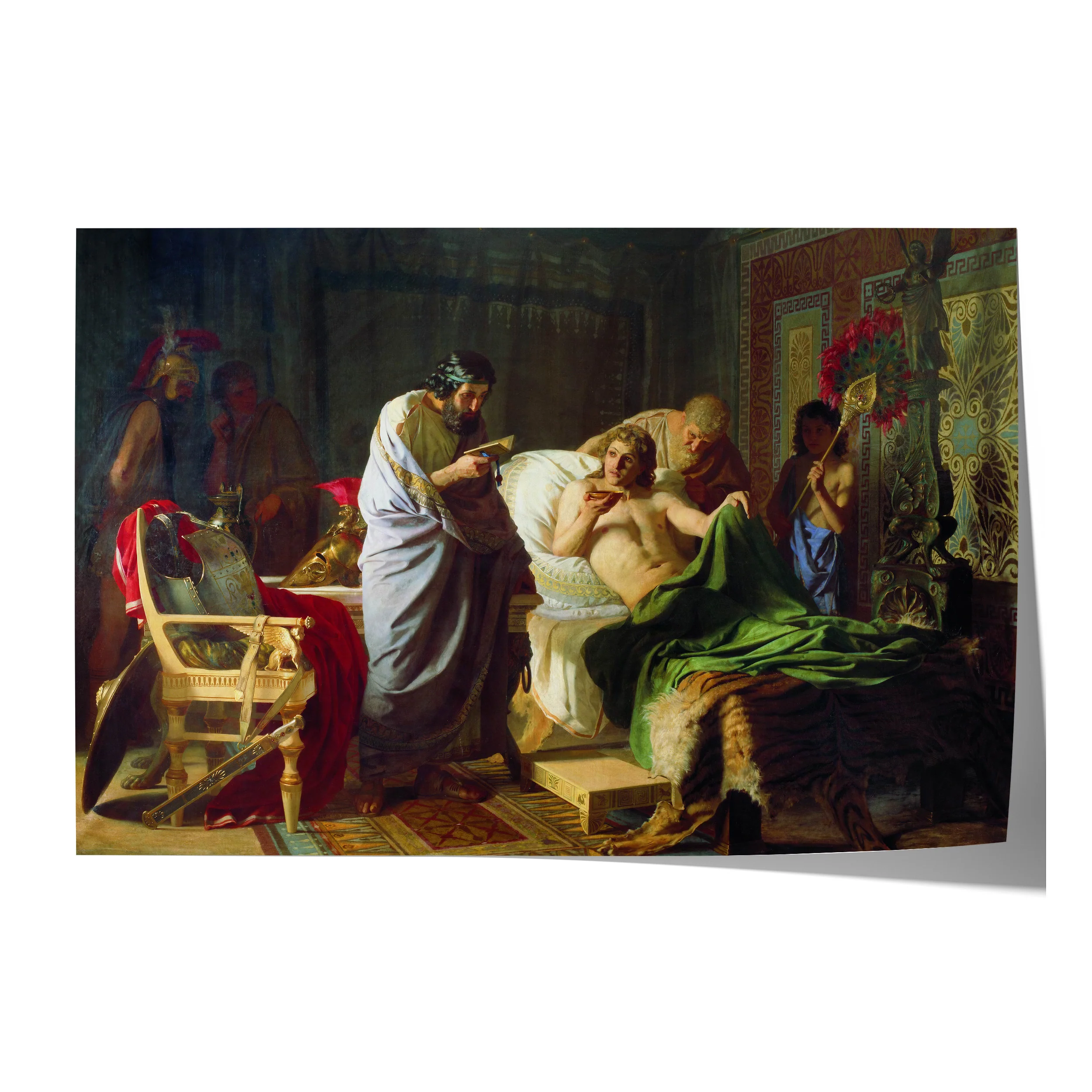
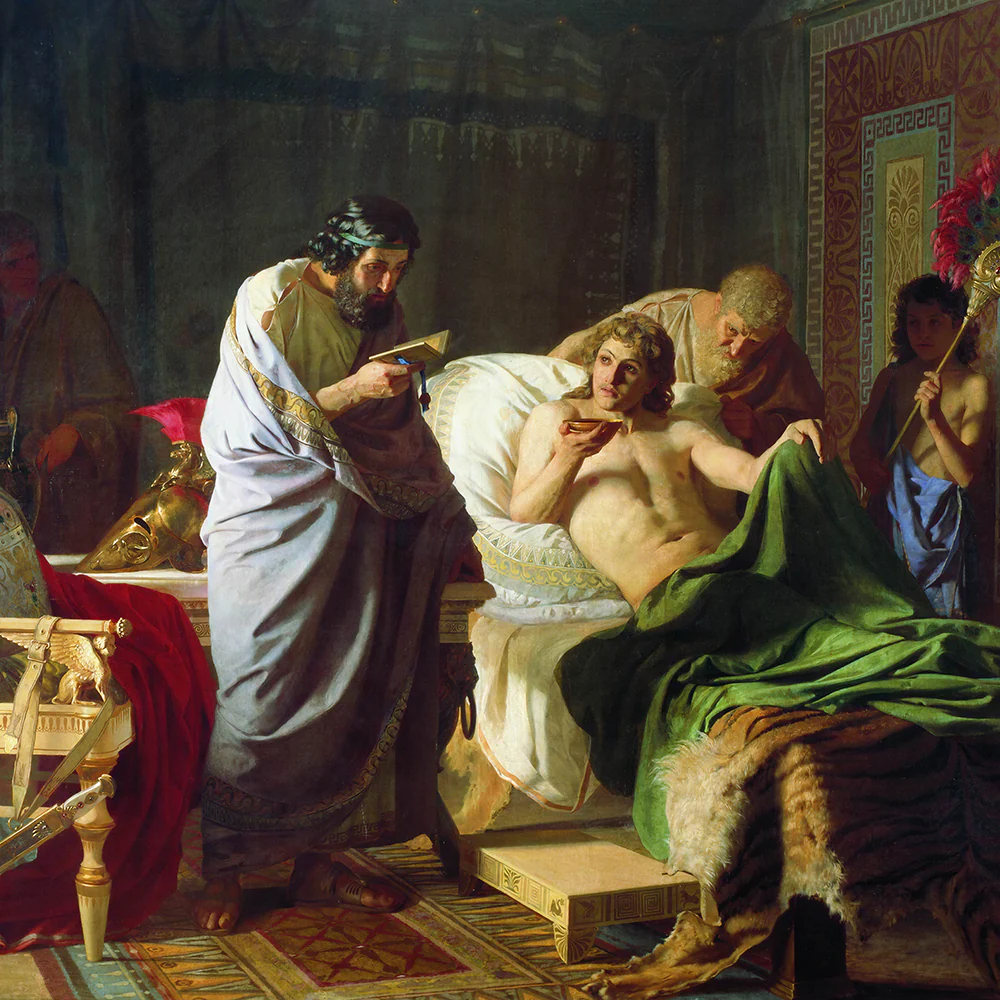
Alexander the Great and Physician Phillip of Arcarnania | Henryk Siemiradzki | 1870

$414.21

$124.26

-70%NEW
Thumbnail 1Thumbnail 2

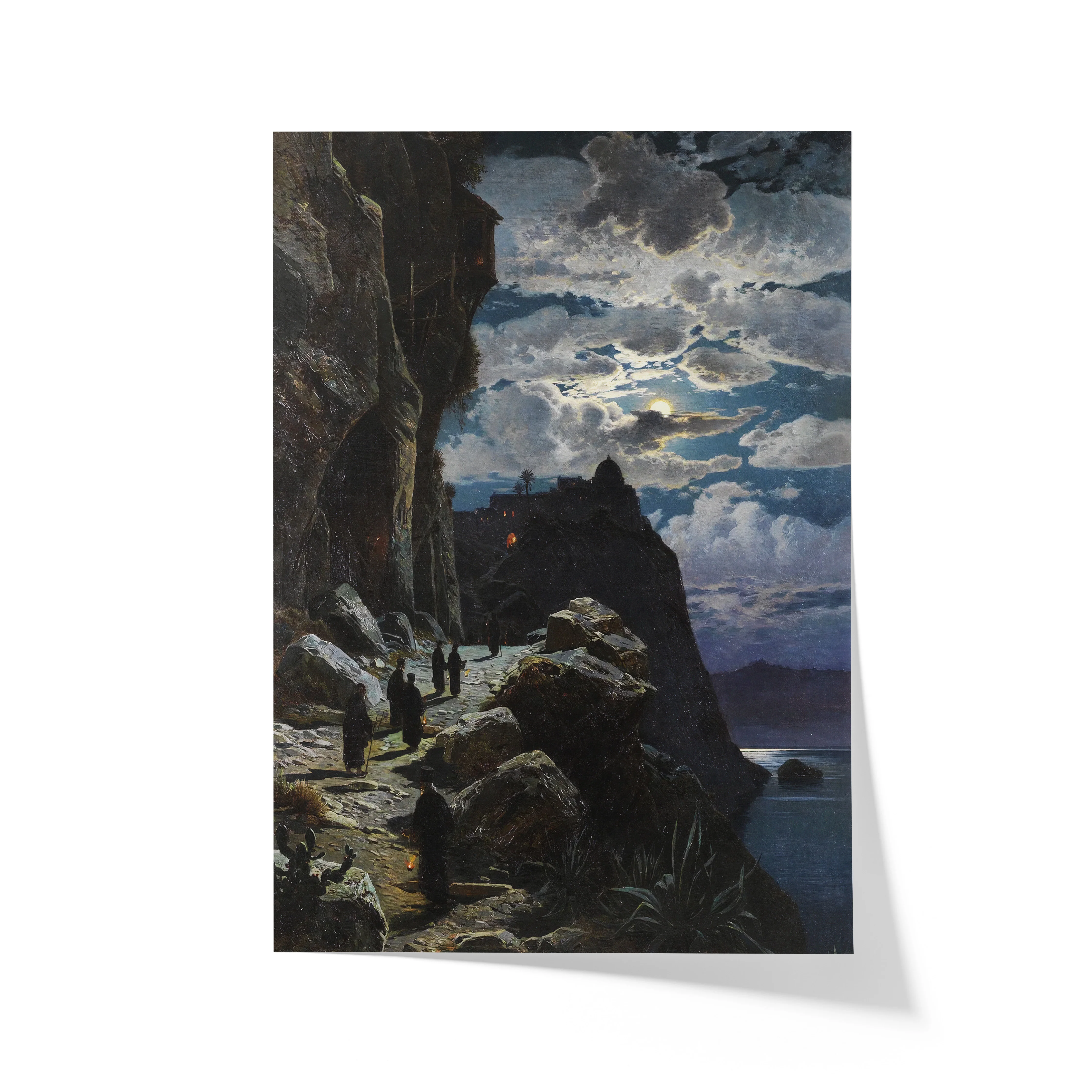
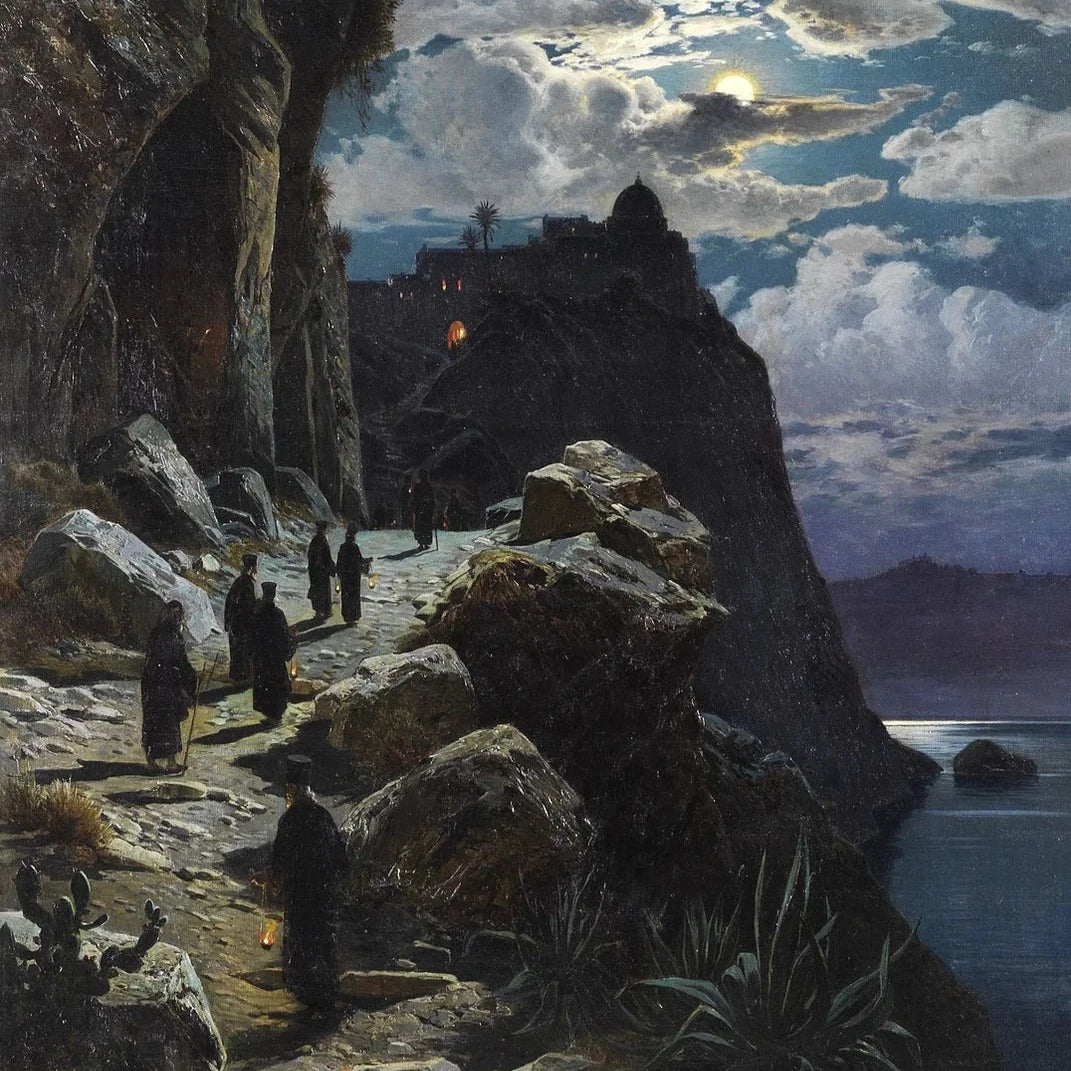
Monks Walk to the Mountain Monastery of Athos | Hermann Corrodi | 1905

$297.82

$89.35

-70%NEW
Thumbnail 1Thumbnail 2

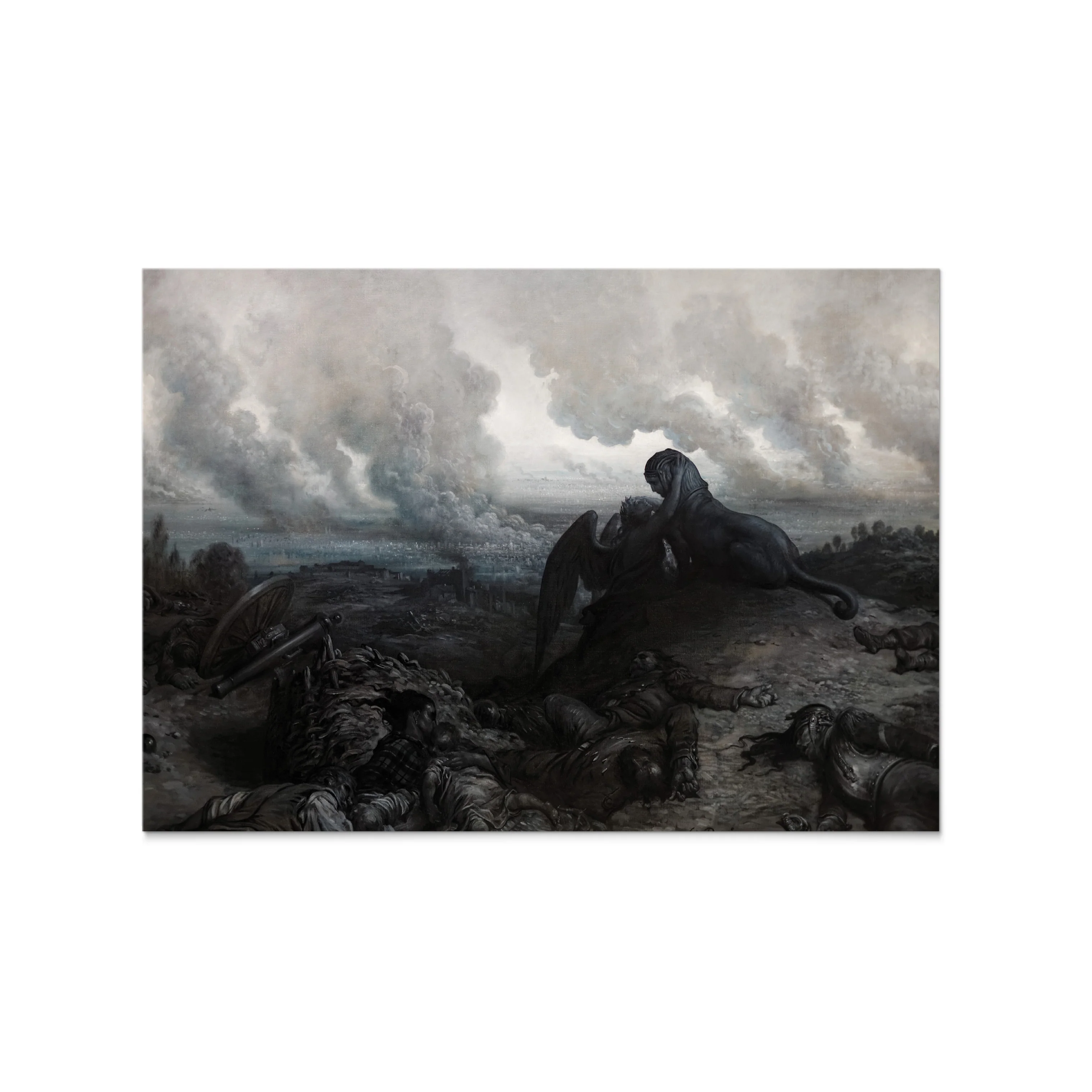
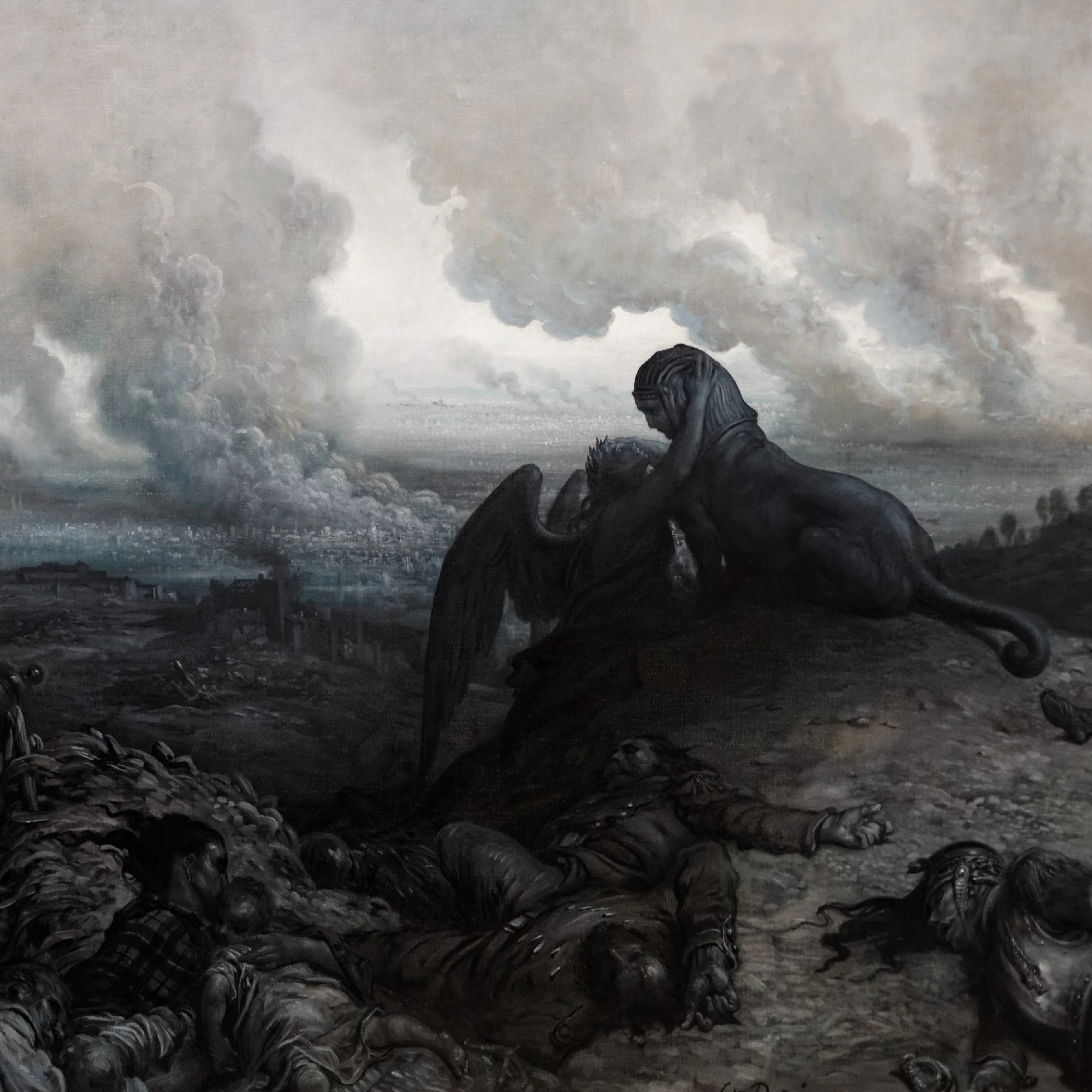
L' Enigme | Gustave Doré | 1871

$297.82

$89.35

-70%NEW
Thumbnail 1Thumbnail 2

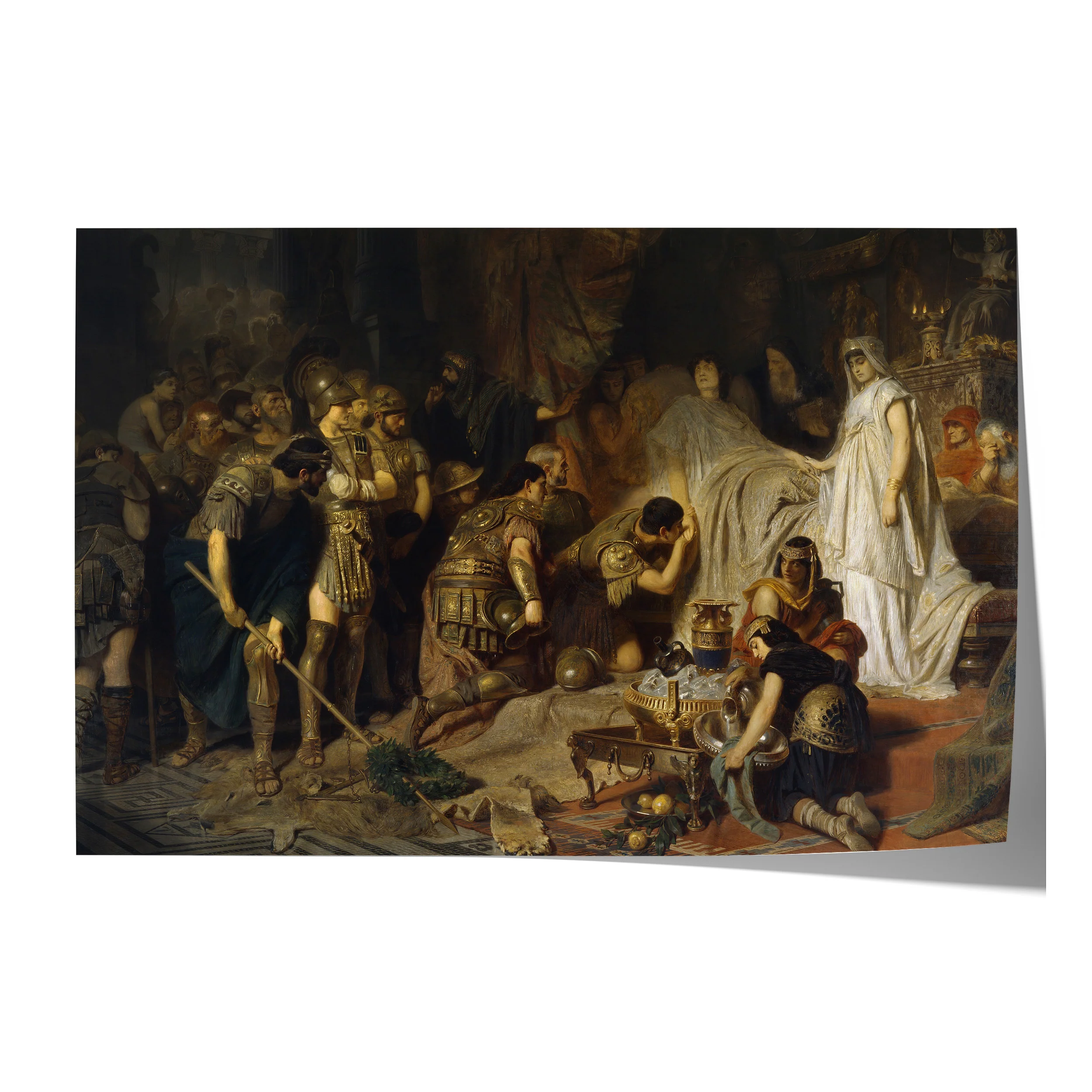
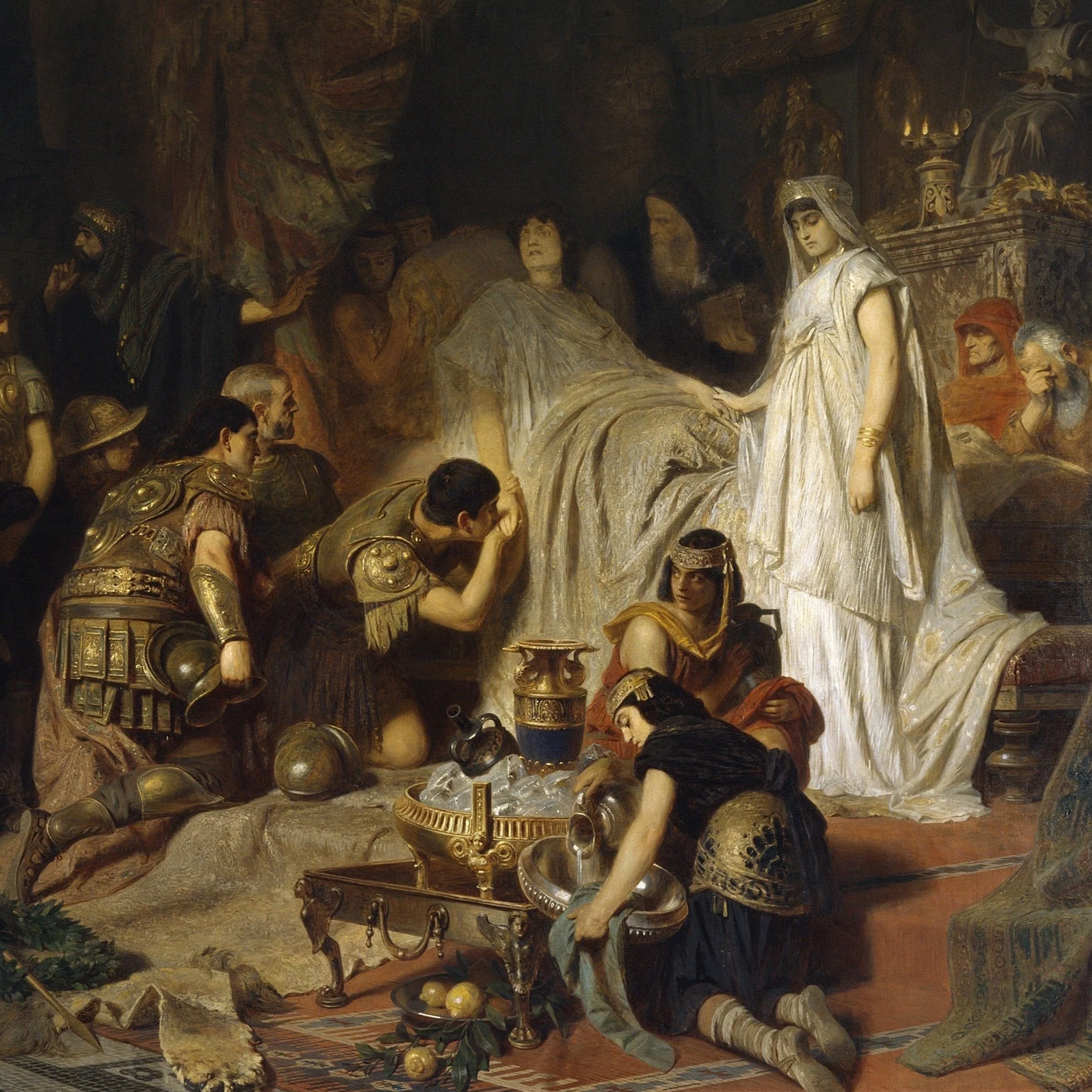
Alexander the Great Dying | Karl von Piloty | 1885-1886

$297.82

$89.35