✨ New Arrivals Just Dropped!Explore
HomeStore

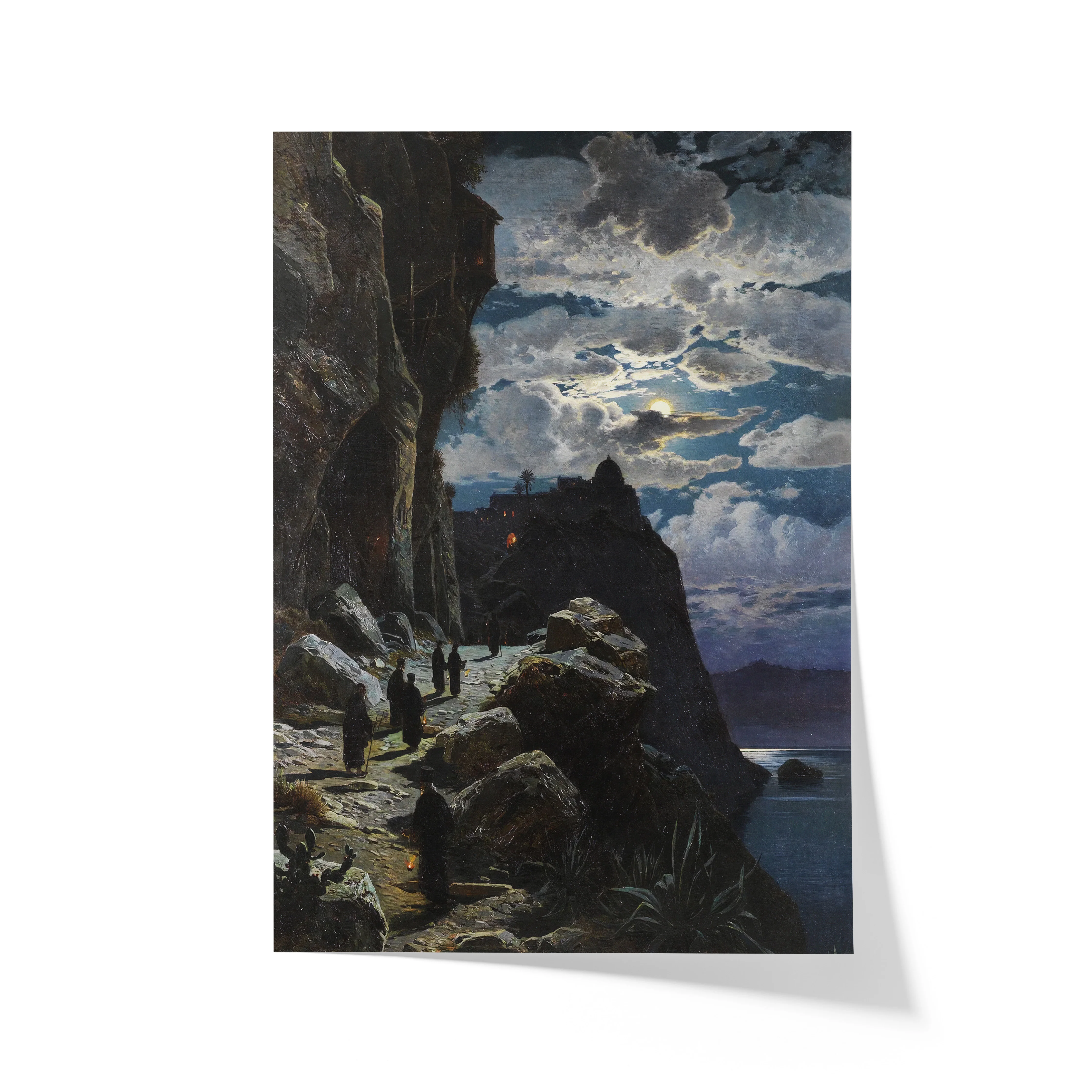
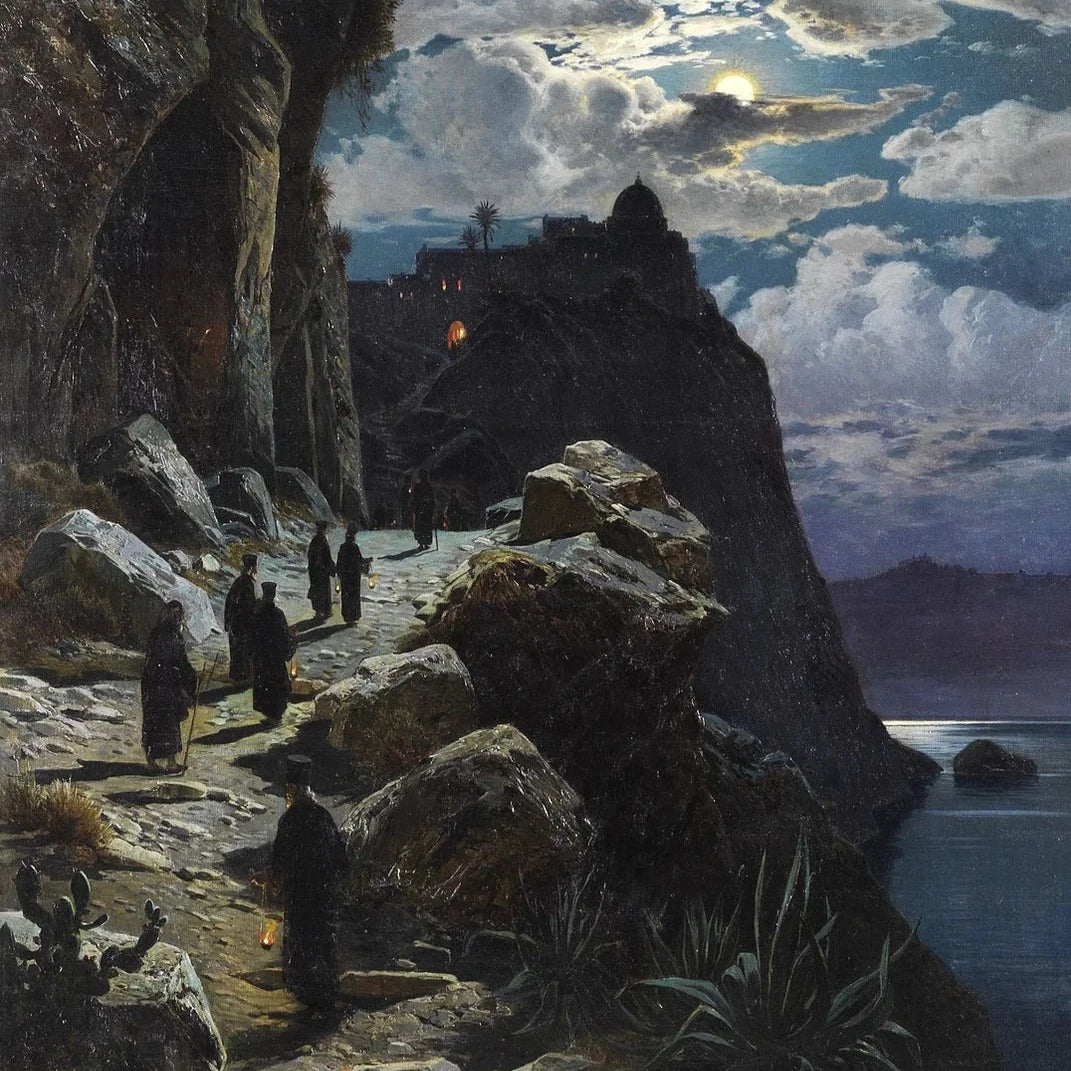
Blessing of Pius IX from the Quirinale at Night | Ippolito Caffi | 1848

Product image 1
Product image 2
Product image 3
Product image 4
Product image 5
Product image 6
Product image 7
Product image 8
Product image 9
Product image 10

Blessing of Pius IX from the Quirinale at Night | Ippolito Caffi | 1848

Blessing of Pius IX from the Quirinale at Night | Ippolito Caffi | 1848

About the artwork:

Ippolito Caffi was an Italian painter known for his luminous urban landscapes and atmospheric depictions of city life, particularly in Venice and Rome. His mastery of light and perspective brought a cinematic quality to his works, often capturing fleeting moments of everyday activity with remarkable clarity and depth. Trained as an architect, Caffi applied a precise understanding of spatial dynamics to his paintings, allowing viewers to feel immersed in the scene. Unlike many of his contemporaries, he often painted directly from life, striving to capture not just the structure of a place but its mood and essence—whether it was the bustle of a Venetian regatta or the eerie calm of a moonlit Roman ruin. His works are not merely topographical records but emotional interpretations of urban grandeur and transience. Caffi’s untimely death during a naval battle in 1866 cut short a career that had already begun to redefine vedutismo for the modern age.

Select Select Size
Select Frame Options
From $89.35

Original: $297.82

-70%
Blessing of Pius IX from the Quirinale at Night | Ippolito Caffi | 1848

$297.82

$89.35

Product Information

Shipping & Returns

Description

About the artwork:
Ippolito Caffi was an Italian painter known for his luminous urban landscapes and atmospheric depictions of city life, particularly in Venice and Rome. His mastery of light and perspective brought a cinematic quality to his works, often capturing fleeting moments of everyday activity with remarkable clarity and depth. Trained as an architect, Caffi applied a precise understanding of spatial dynamics to his paintings, allowing viewers to feel immersed in the scene. Unlike many of his contemporaries, he often painted directly from life, striving to capture not just the structure of a place but its mood and essence—whether it was the bustle of a Venetian regatta or the eerie calm of a moonlit Roman ruin. His works are not merely topographical records but emotional interpretations of urban grandeur and transience. Caffi’s untimely death during a naval battle in 1866 cut short a career that had already begun to redefine vedutismo for the modern age.