Portrait of the Journalist Sylvia von Harden | Otto Dix | 1926
About the artwork:
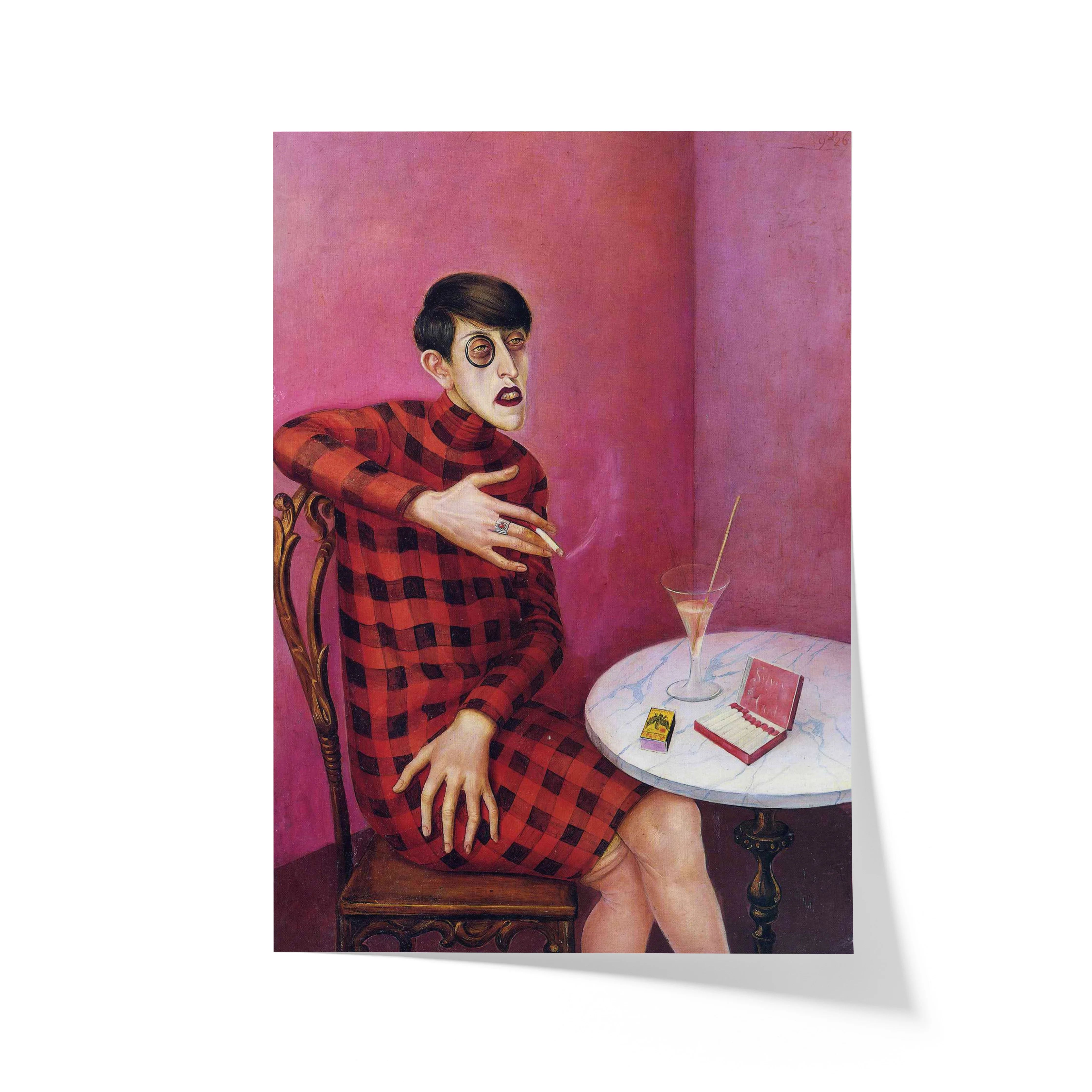
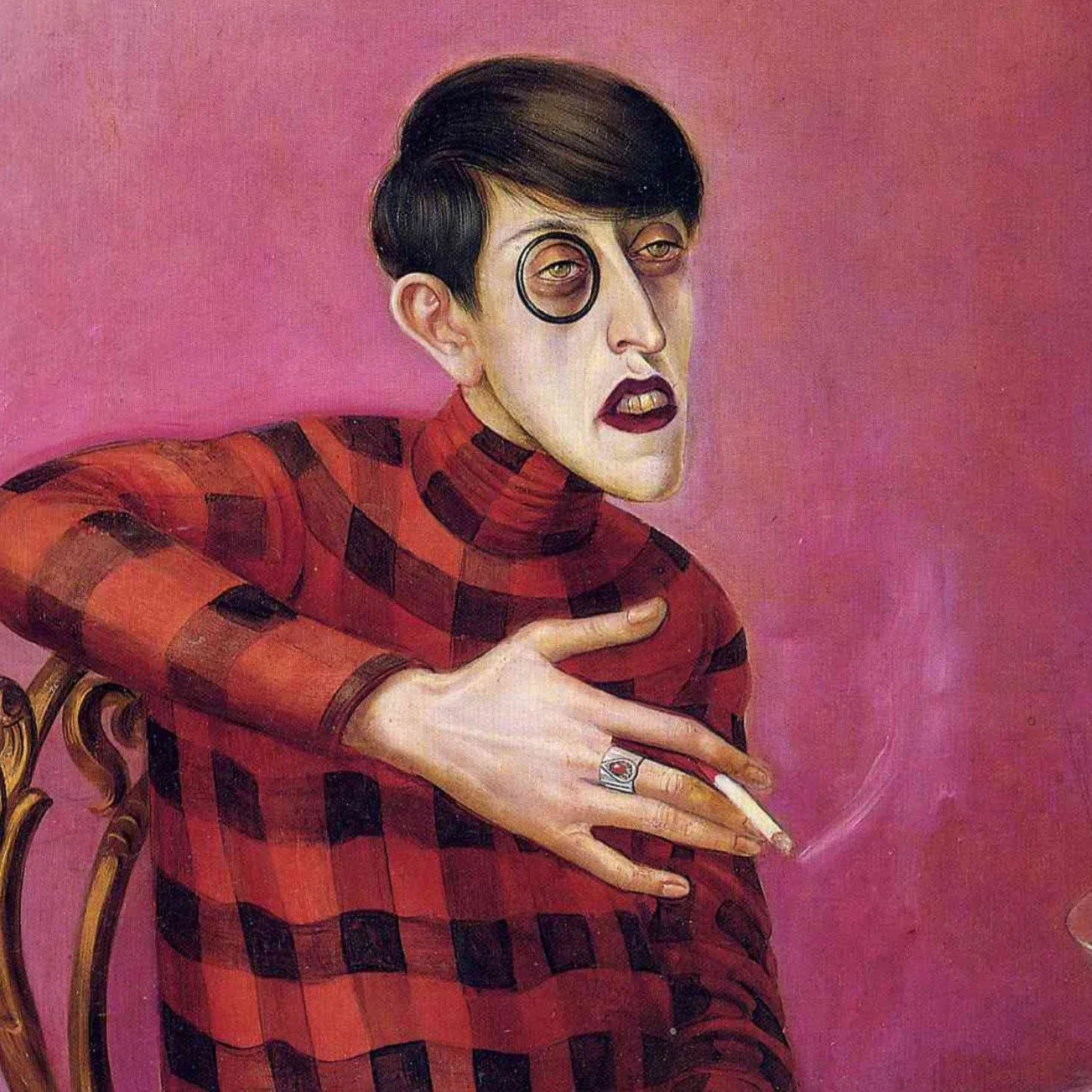
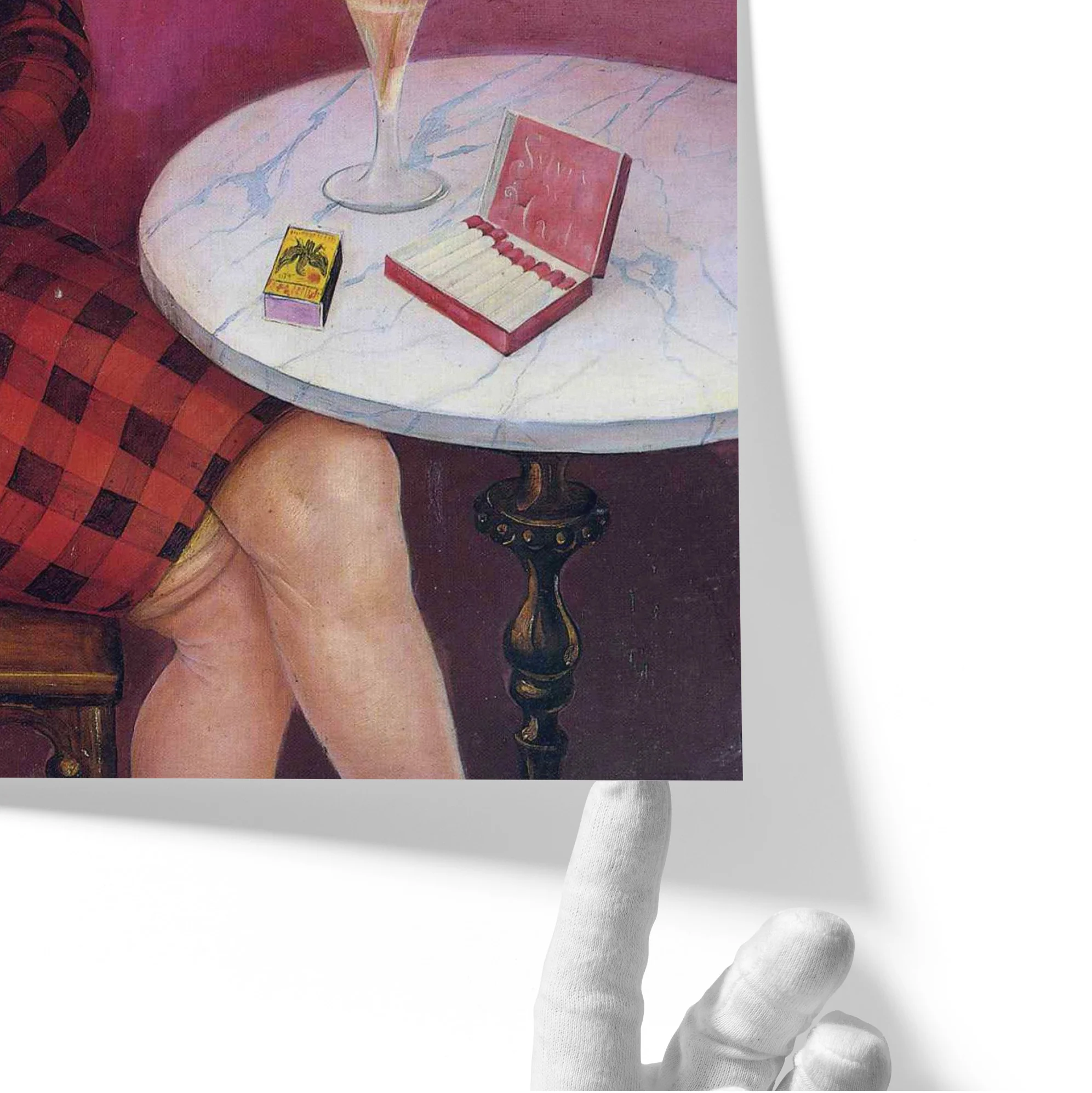
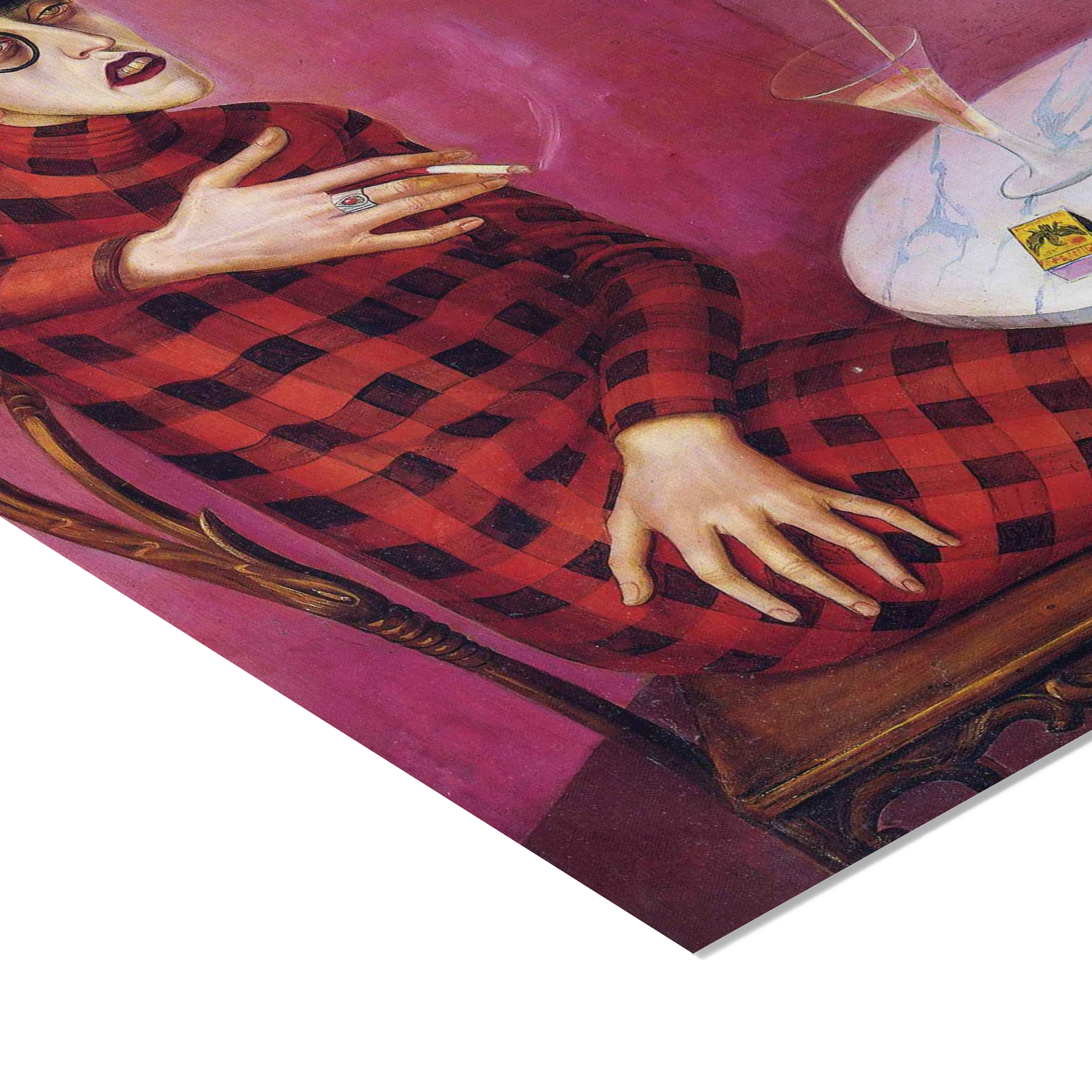
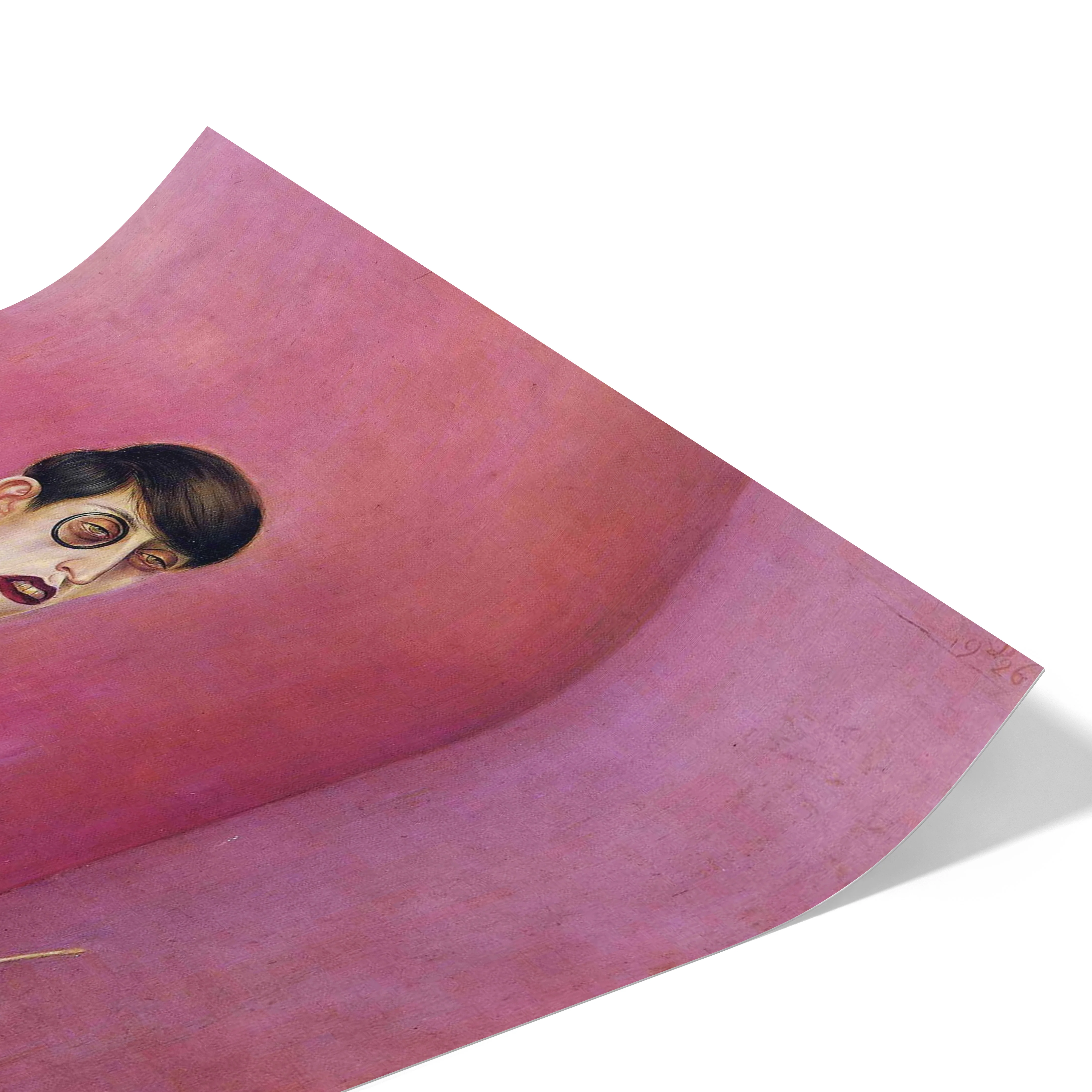
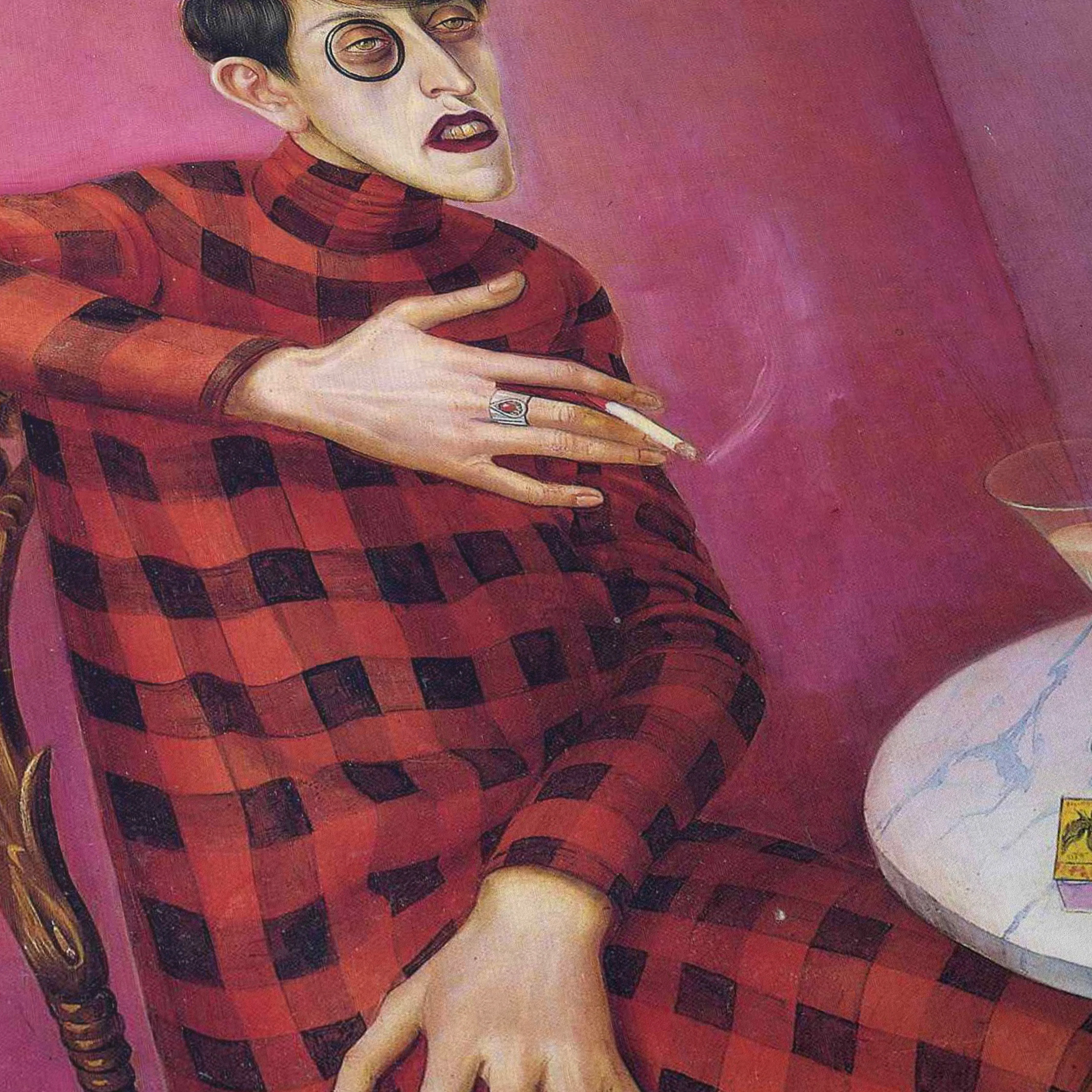
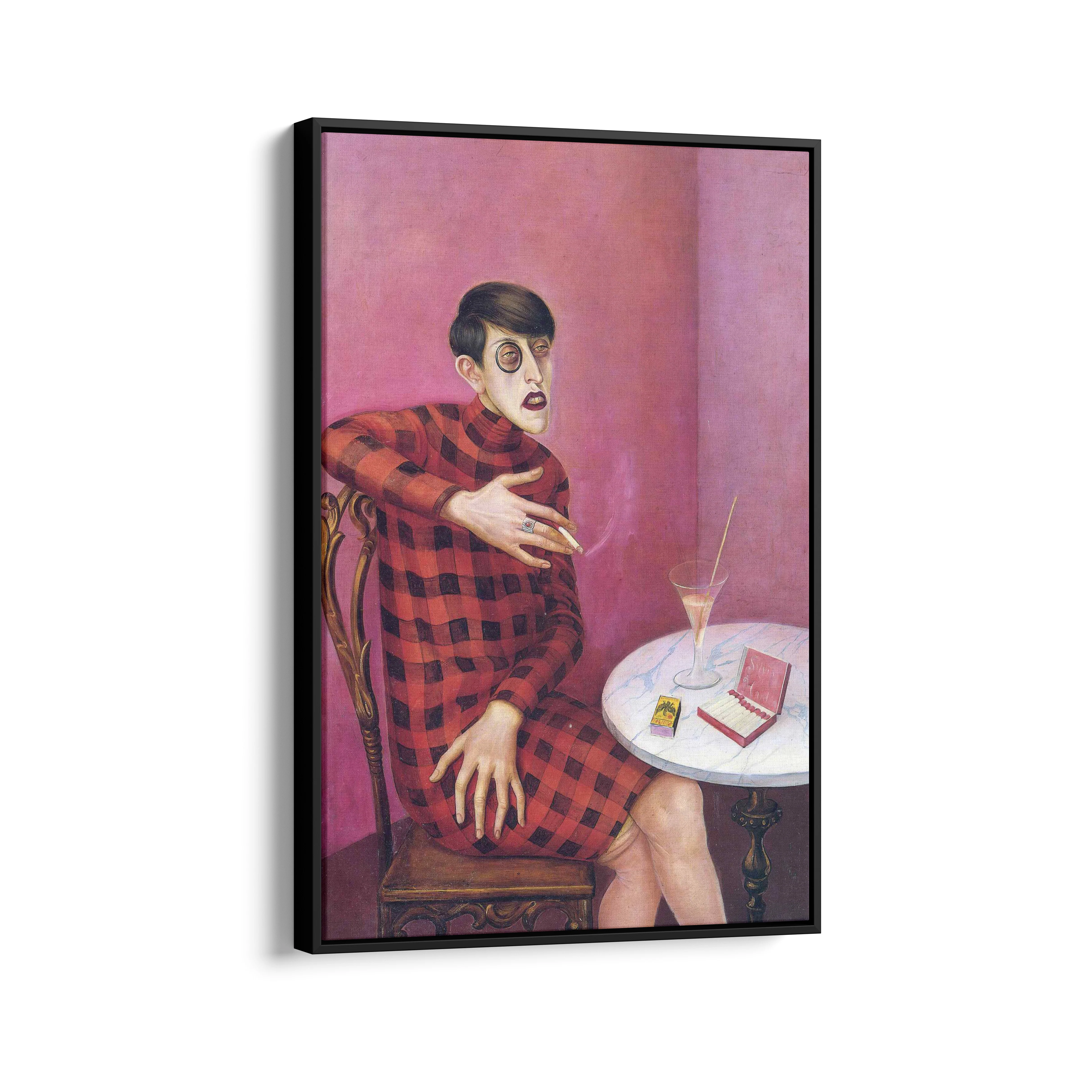
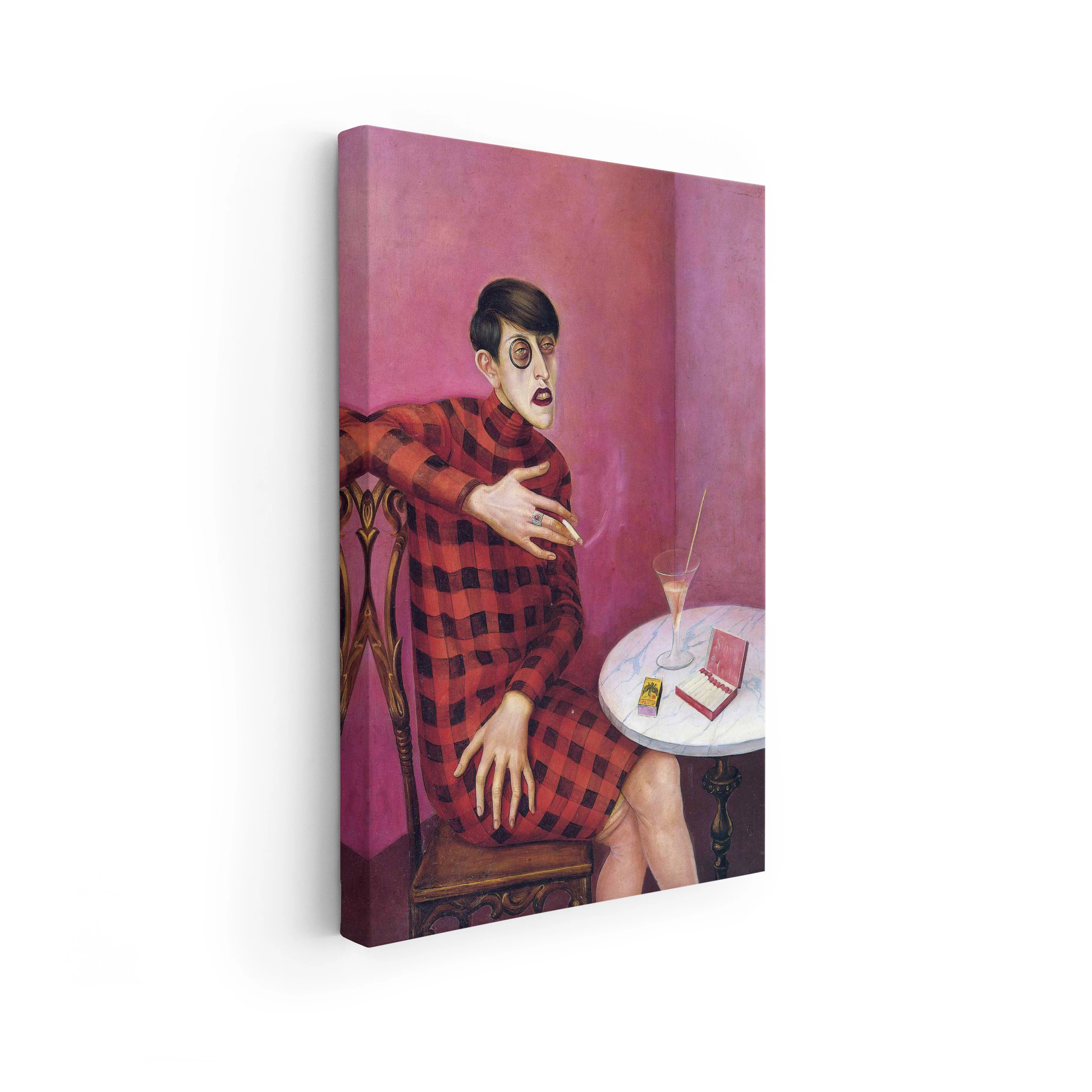
Otto Dix's Portrait of the Journalist Sylvia von Harden (1926) epitomizes the Neue Sachlichkeit (New Objectivity) movement, capturing the essence of 1920s Weimar Germany with its sharp realism and social critique. Von Harden, depicted with angular features, a monocle, and cigarette in hand, embodies the archetype of the liberated, intellectual New Woman. Her androgynous appearance, unconventional clothing, and relaxed posture challenge traditional notions of femininity, reflecting the era's shifting gender dynamics and cultural upheaval. Dix uses a harsh, almost clinical realism, emphasizing her elongated fingers, exaggerated facial features, and pale complexion against the stark café setting, creating a detached yet penetrating depiction. The scattered objects—a drink, a cigarette, and the café chair—add to the sense of modern disconnection and urban ennui. This portrait not only immortalizes Sylvia von Harden as a symbol of her time but also critiques the fleeting nature and isolation of modern urban life, making it both a personal and societal commentary.
Product Information
Product Information
Shipping & Returns
Shipping & Returns
Portrait of the Journalist Sylvia von Harden | Otto Dix | 1926
Portrait of the Journalist Sylvia von Harden | Otto Dix | 1926
About the artwork:
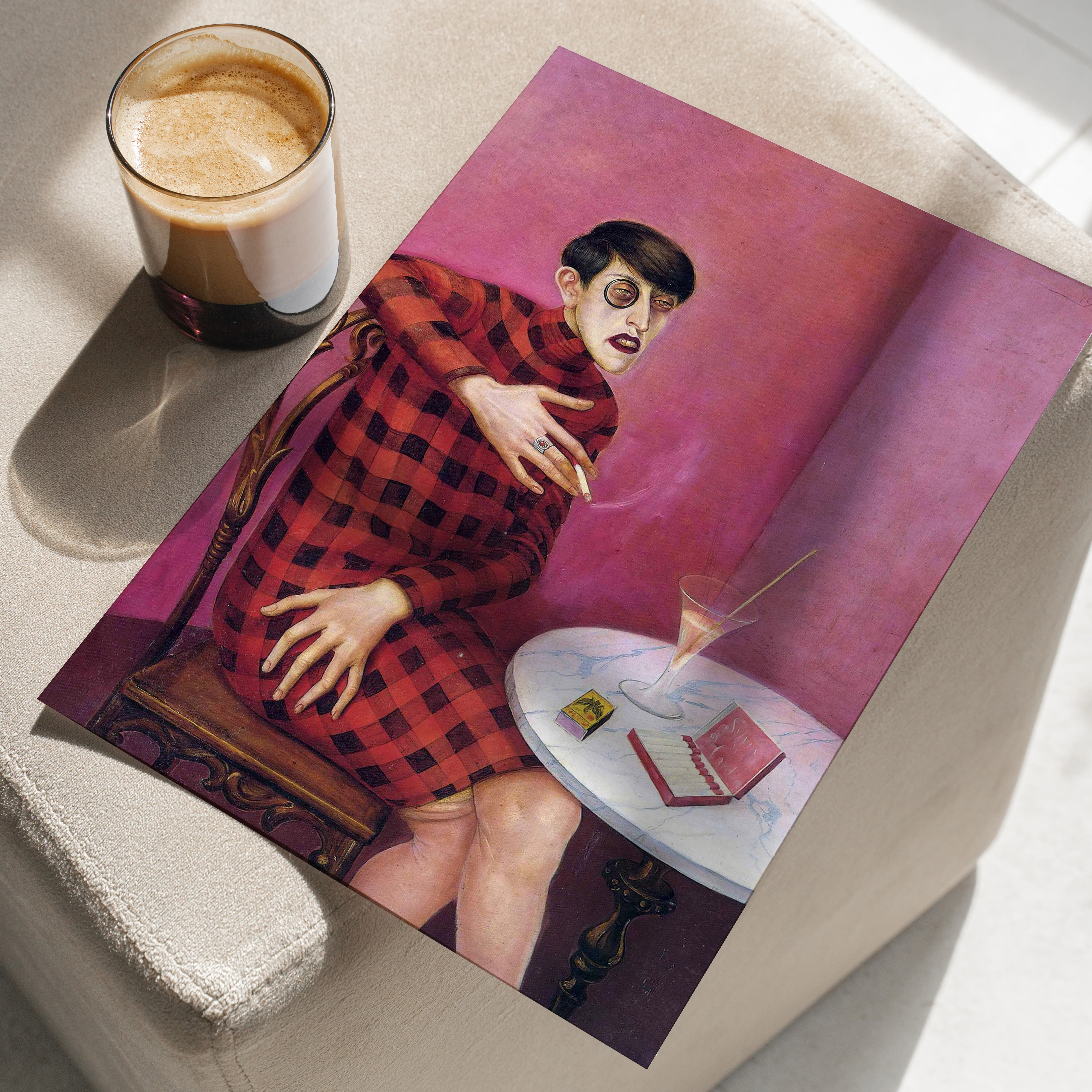
Otto Dix's Portrait of the Journalist Sylvia von Harden (1926) epitomizes the Neue Sachlichkeit (New Objectivity) movement, capturing the essence of 1920s Weimar Germany with its sharp realism and social critique. Von Harden, depicted with angular features, a monocle, and cigarette in hand, embodies the archetype of the liberated, intellectual New Woman. Her androgynous appearance, unconventional clothing, and relaxed posture challenge traditional notions of femininity, reflecting the era's shifting gender dynamics and cultural upheaval. Dix uses a harsh, almost clinical realism, emphasizing her elongated fingers, exaggerated facial features, and pale complexion against the stark café setting, creating a detached yet penetrating depiction. The scattered objects—a drink, a cigarette, and the café chair—add to the sense of modern disconnection and urban ennui. This portrait not only immortalizes Sylvia von Harden as a symbol of her time but also critiques the fleeting nature and isolation of modern urban life, making it both a personal and societal commentary.
Original: $297.82
-70%$297.82
$89.35Product Information
Product Information
Shipping & Returns
Shipping & Returns
Description
About the artwork:
Otto Dix's Portrait of the Journalist Sylvia von Harden (1926) epitomizes the Neue Sachlichkeit (New Objectivity) movement, capturing the essence of 1920s Weimar Germany with its sharp realism and social critique. Von Harden, depicted with angular features, a monocle, and cigarette in hand, embodies the archetype of the liberated, intellectual New Woman. Her androgynous appearance, unconventional clothing, and relaxed posture challenge traditional notions of femininity, reflecting the era's shifting gender dynamics and cultural upheaval. Dix uses a harsh, almost clinical realism, emphasizing her elongated fingers, exaggerated facial features, and pale complexion against the stark café setting, creating a detached yet penetrating depiction. The scattered objects—a drink, a cigarette, and the café chair—add to the sense of modern disconnection and urban ennui. This portrait not only immortalizes Sylvia von Harden as a symbol of her time but also critiques the fleeting nature and isolation of modern urban life, making it both a personal and societal commentary.