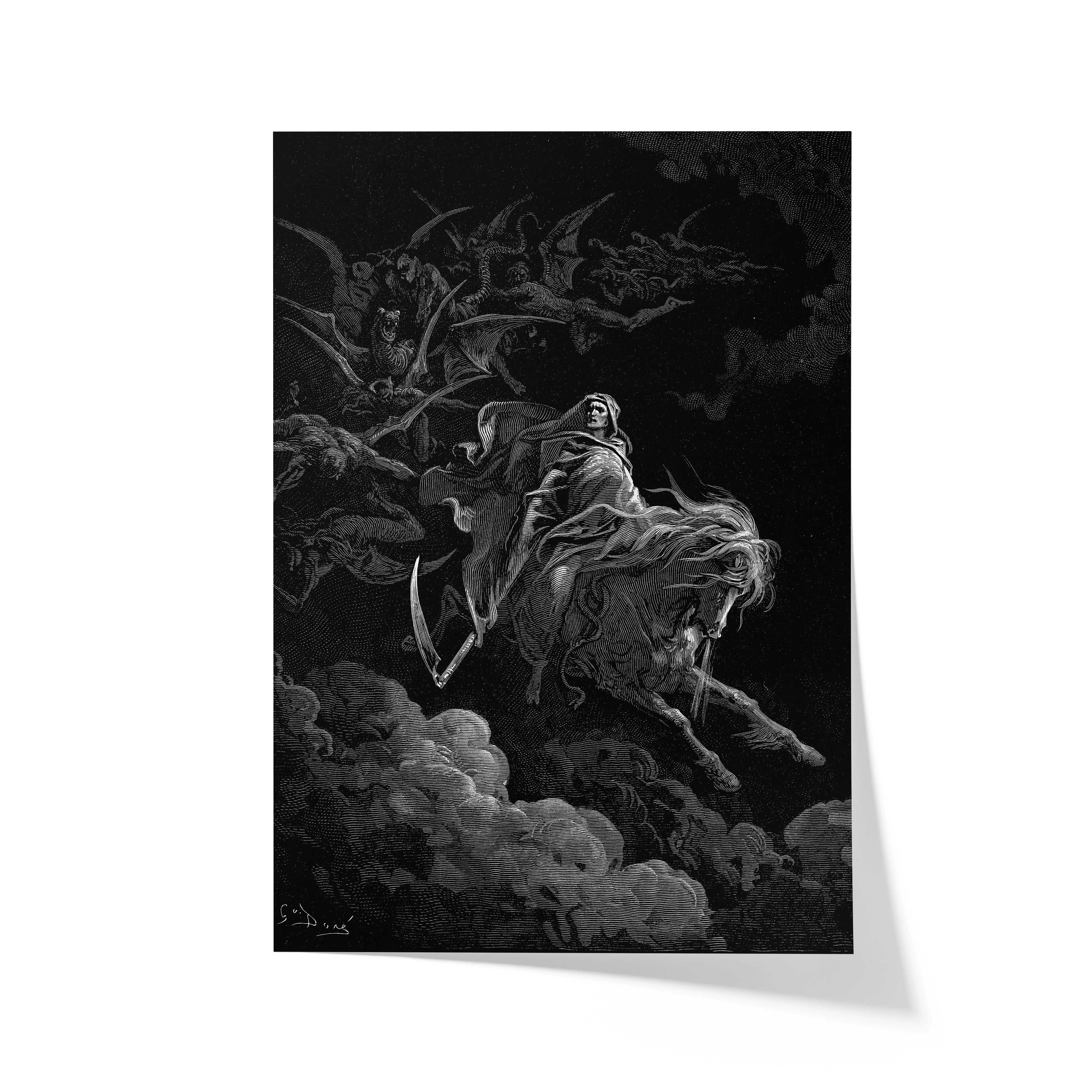
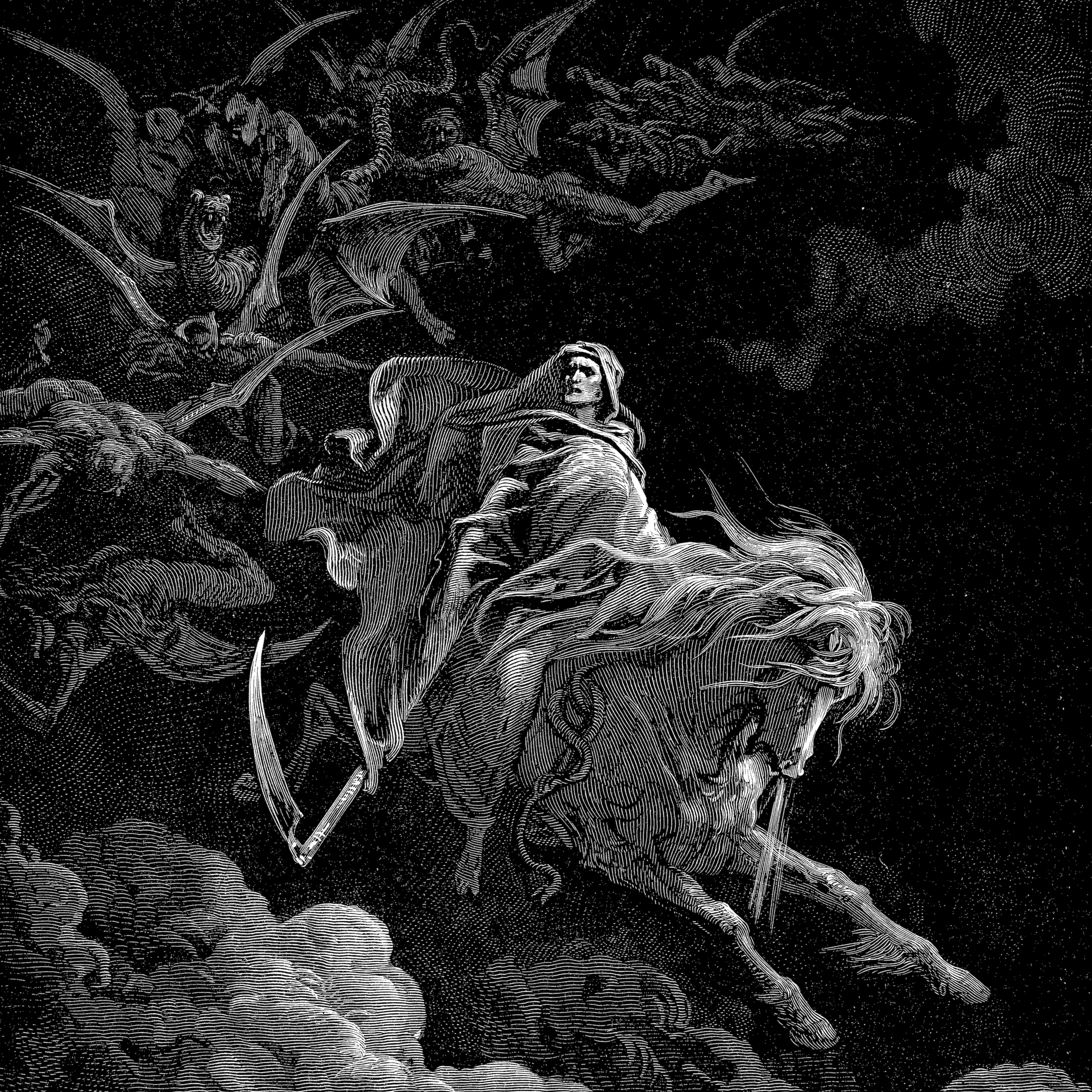
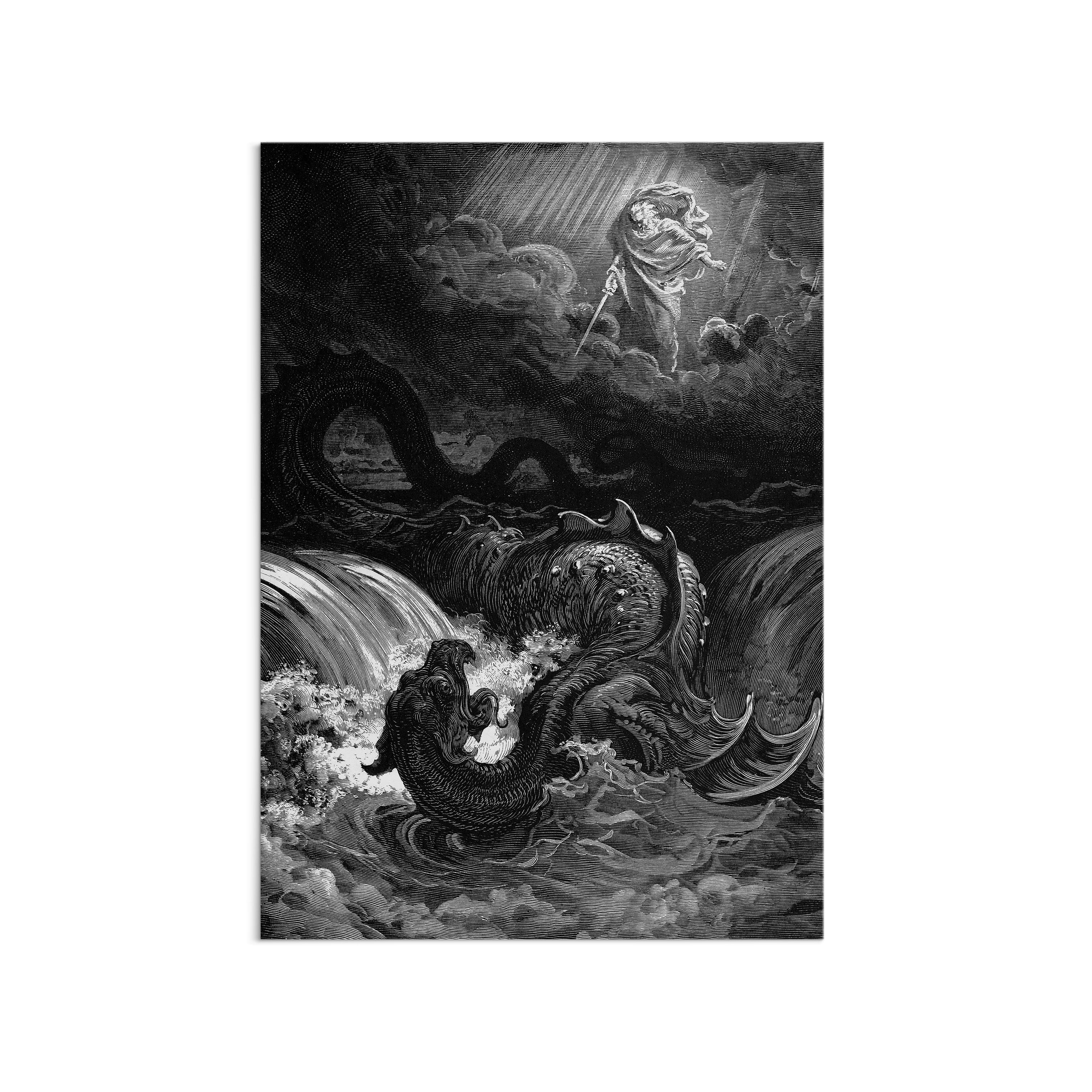
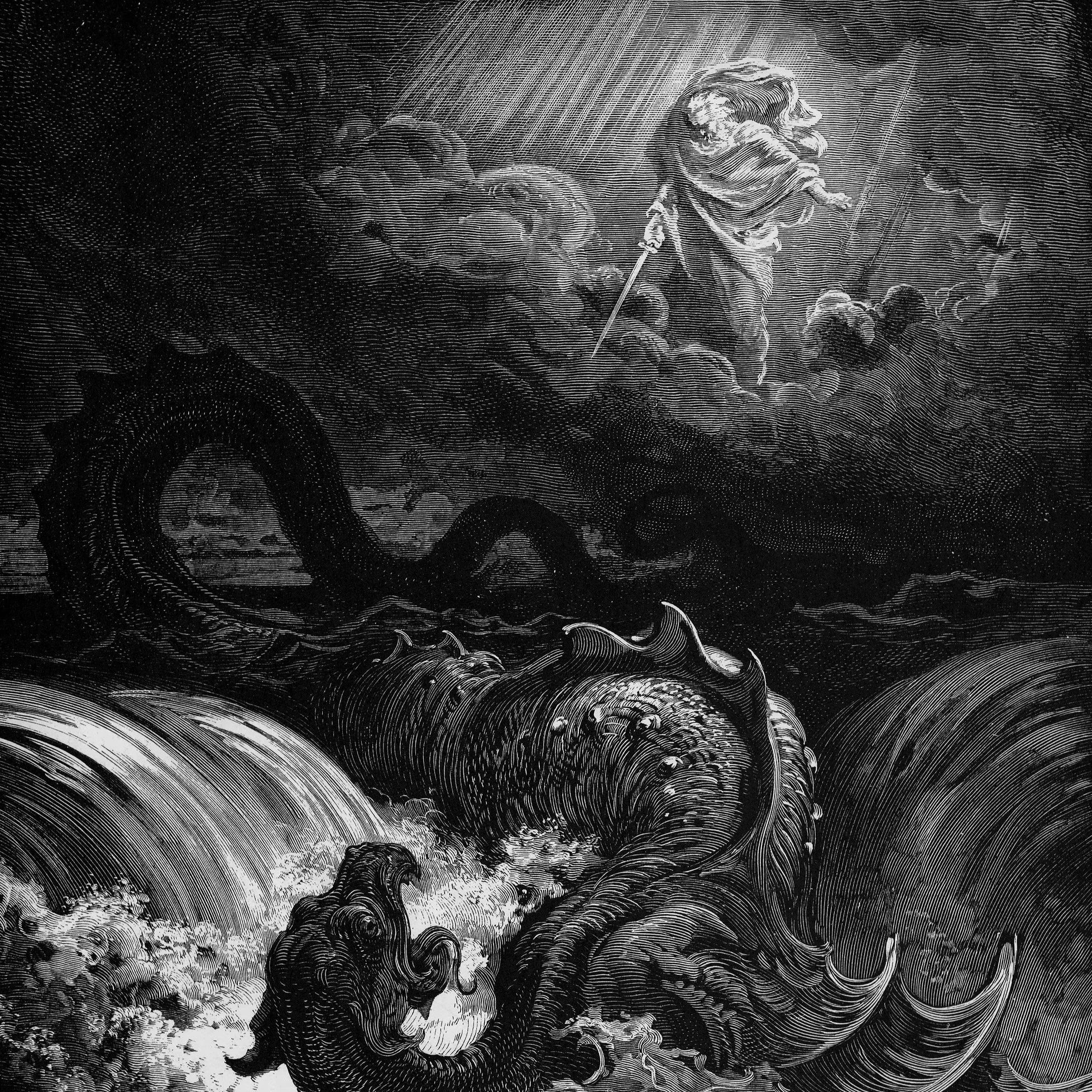
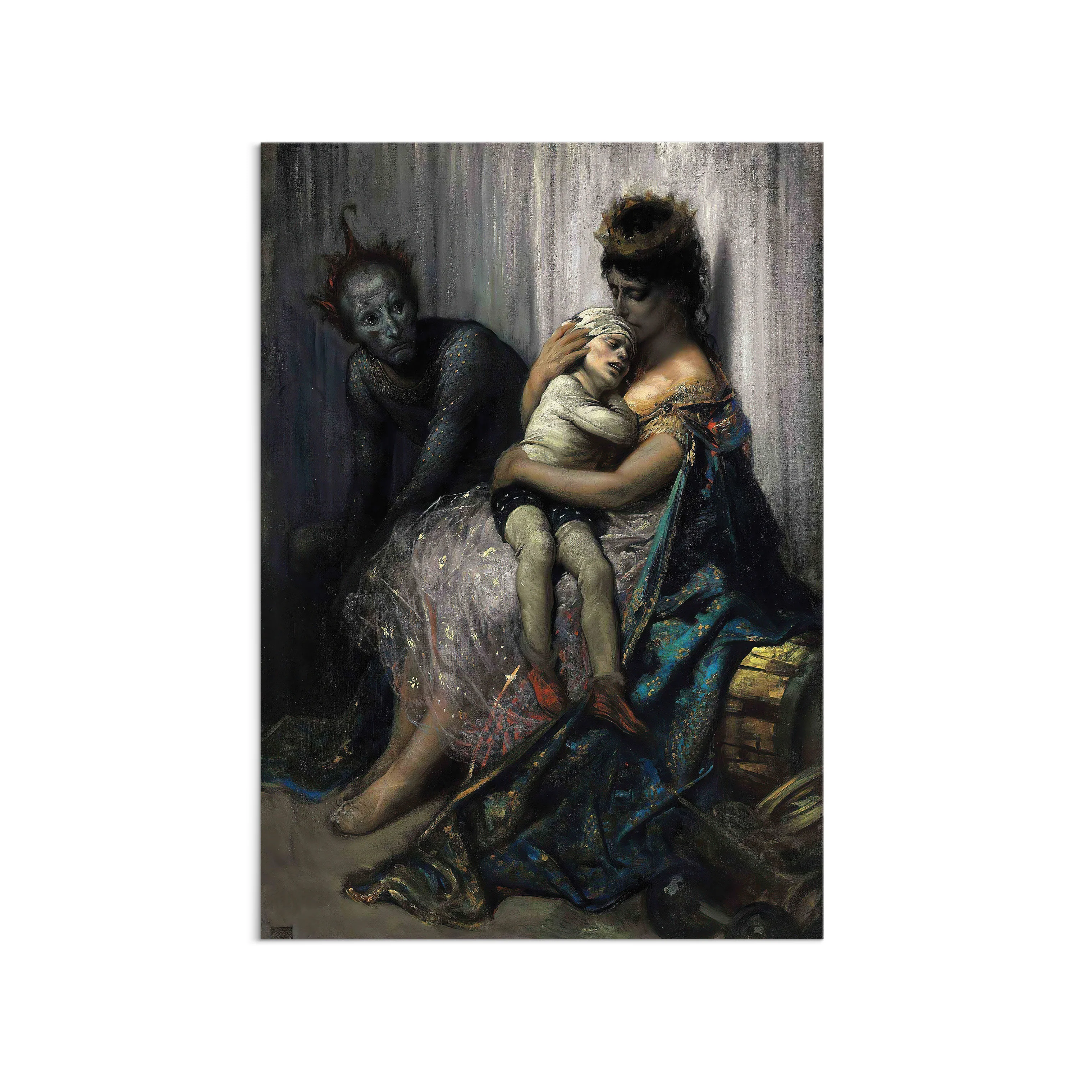
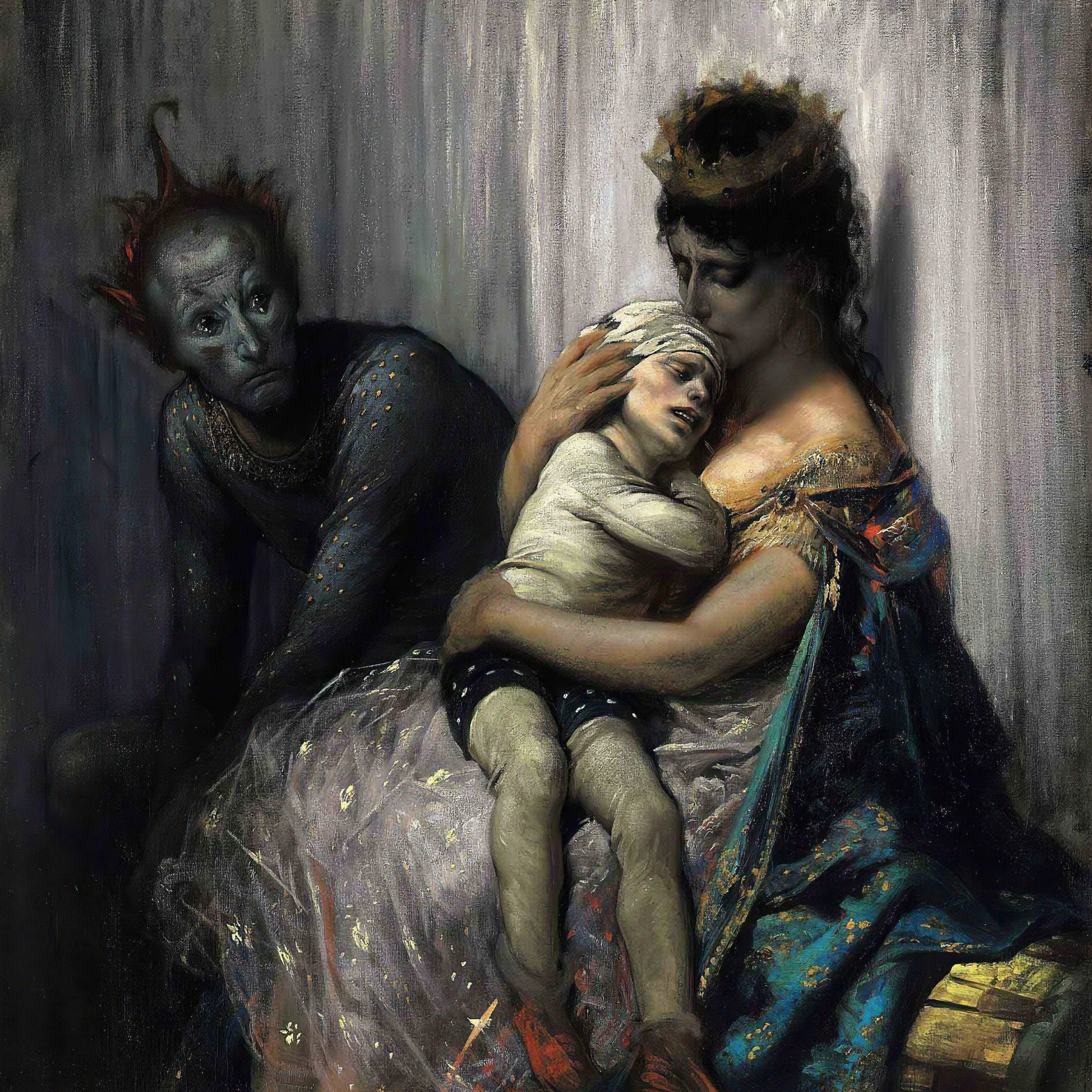
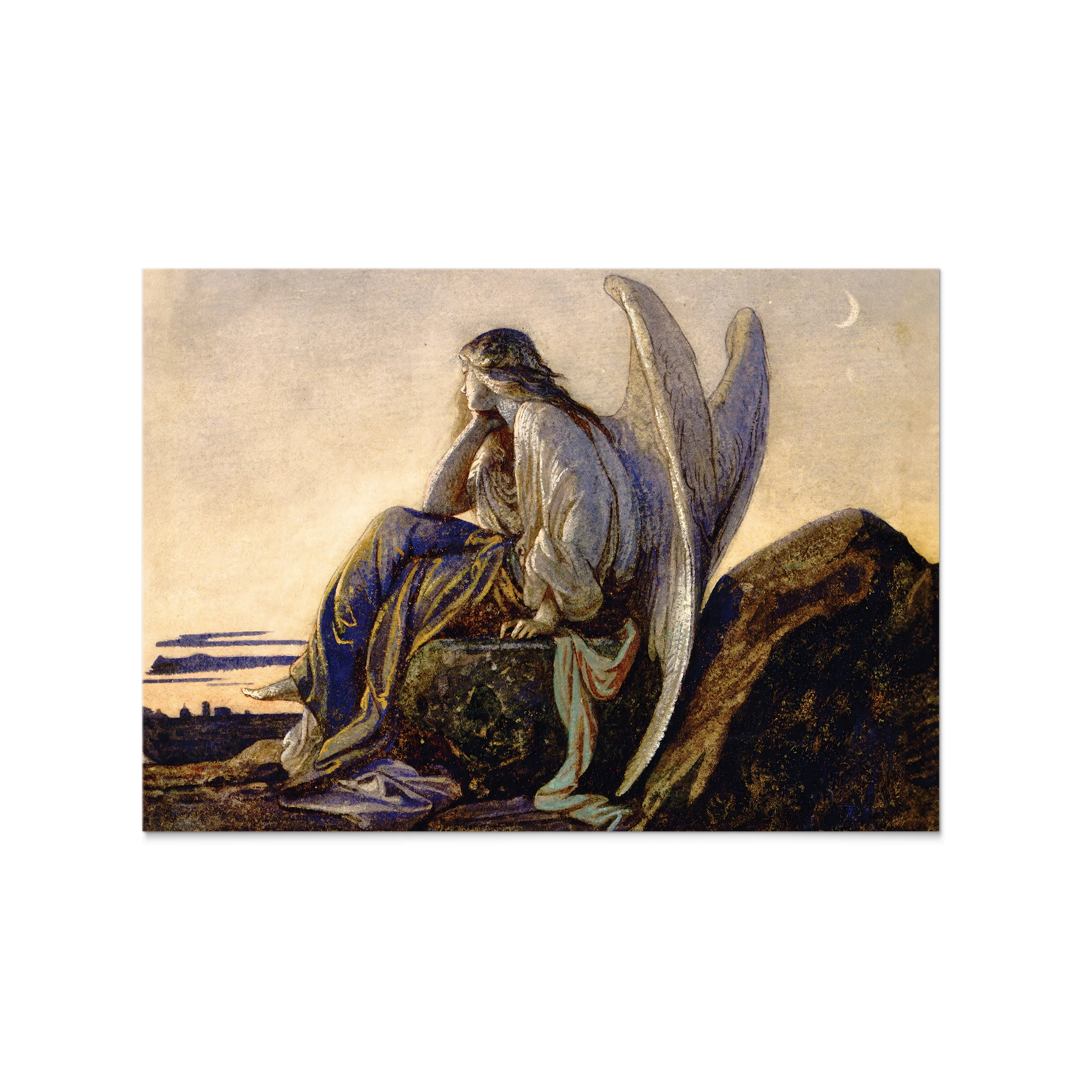
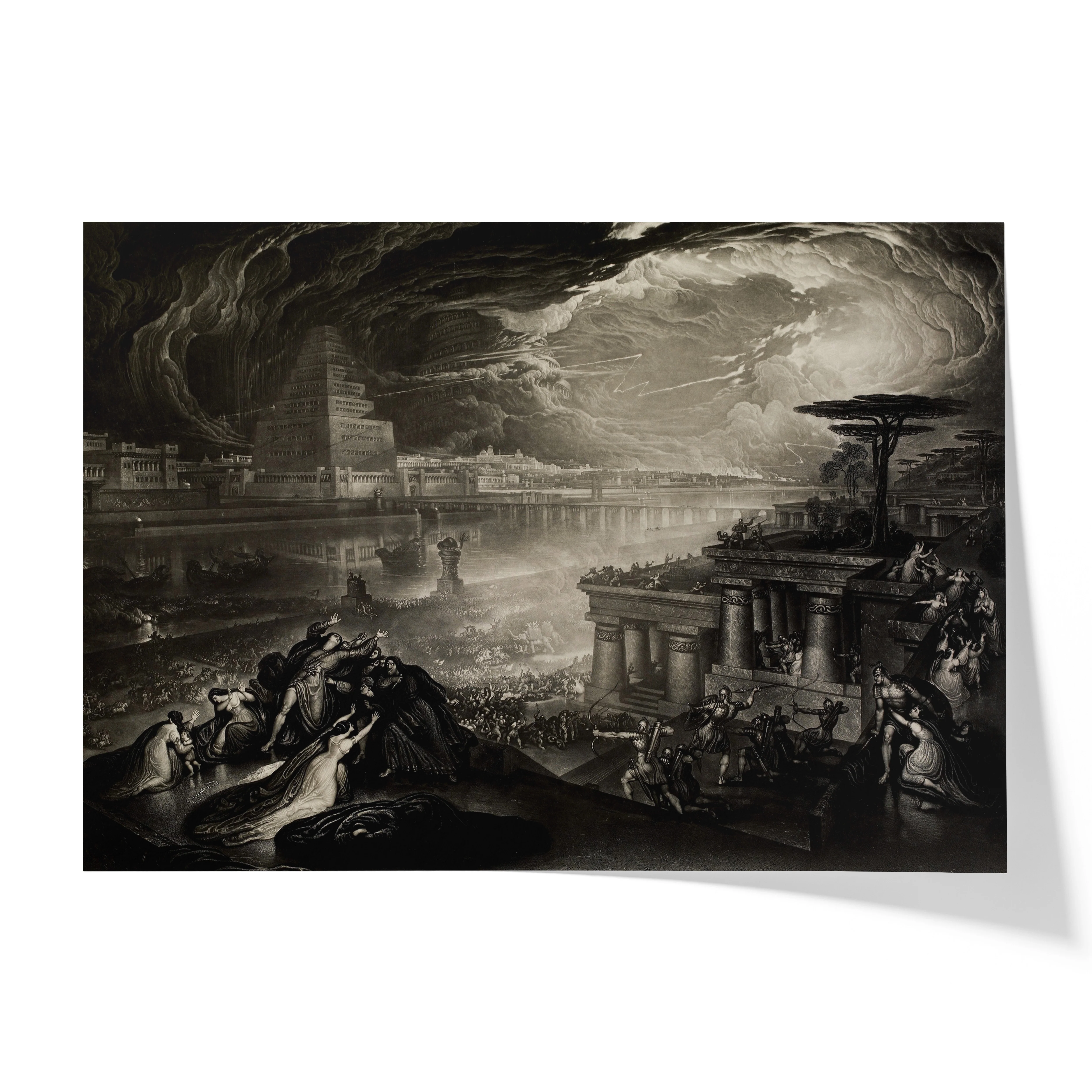
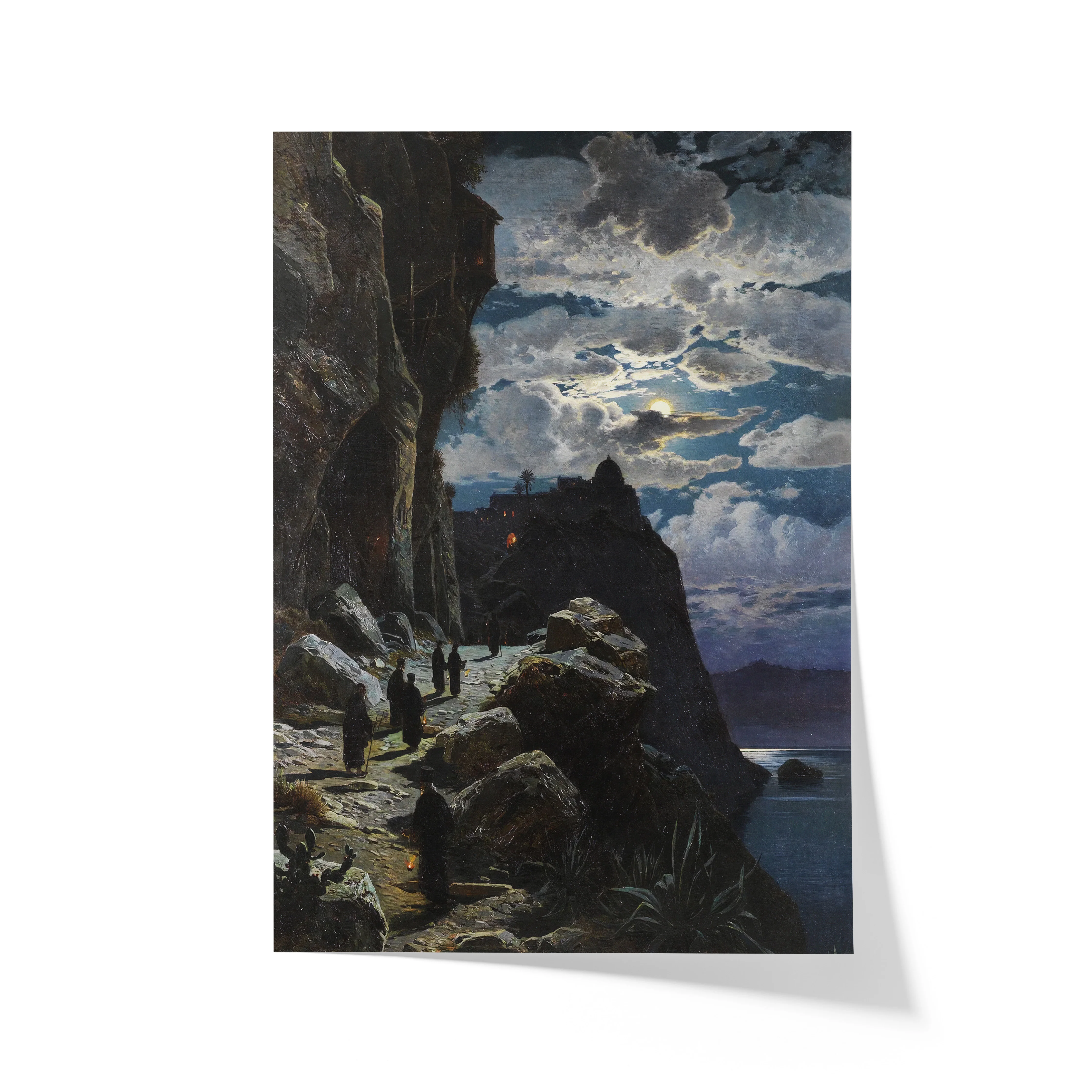
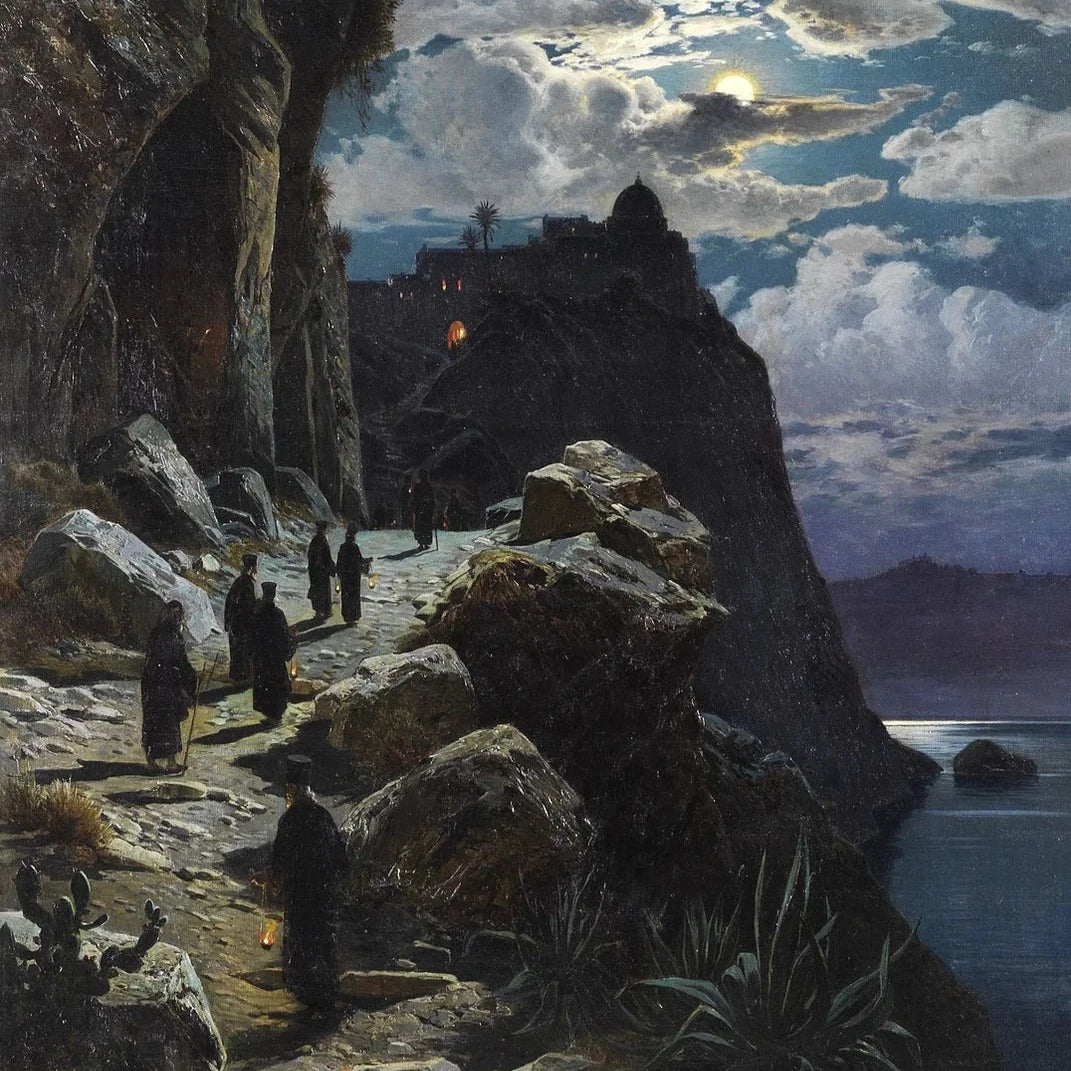
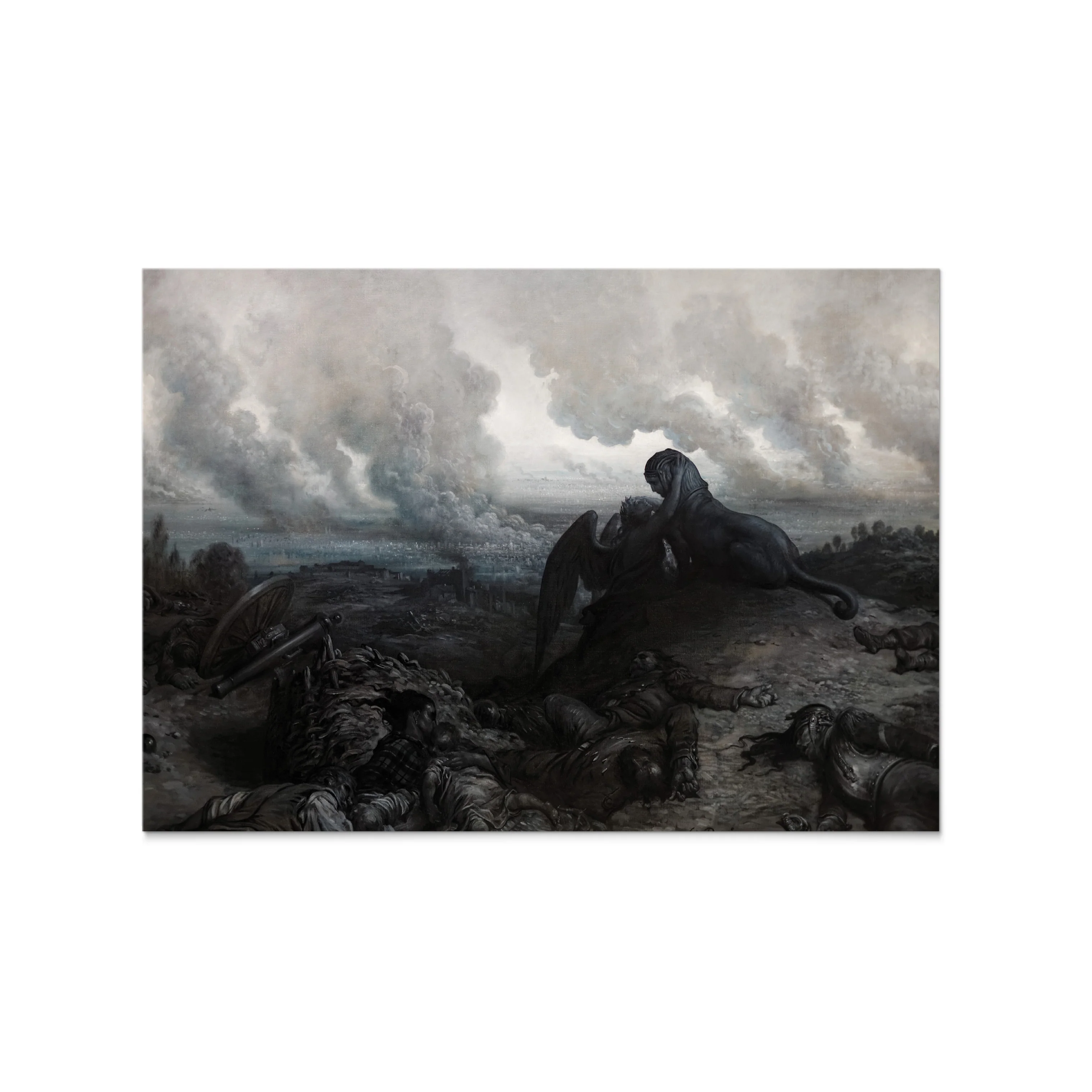
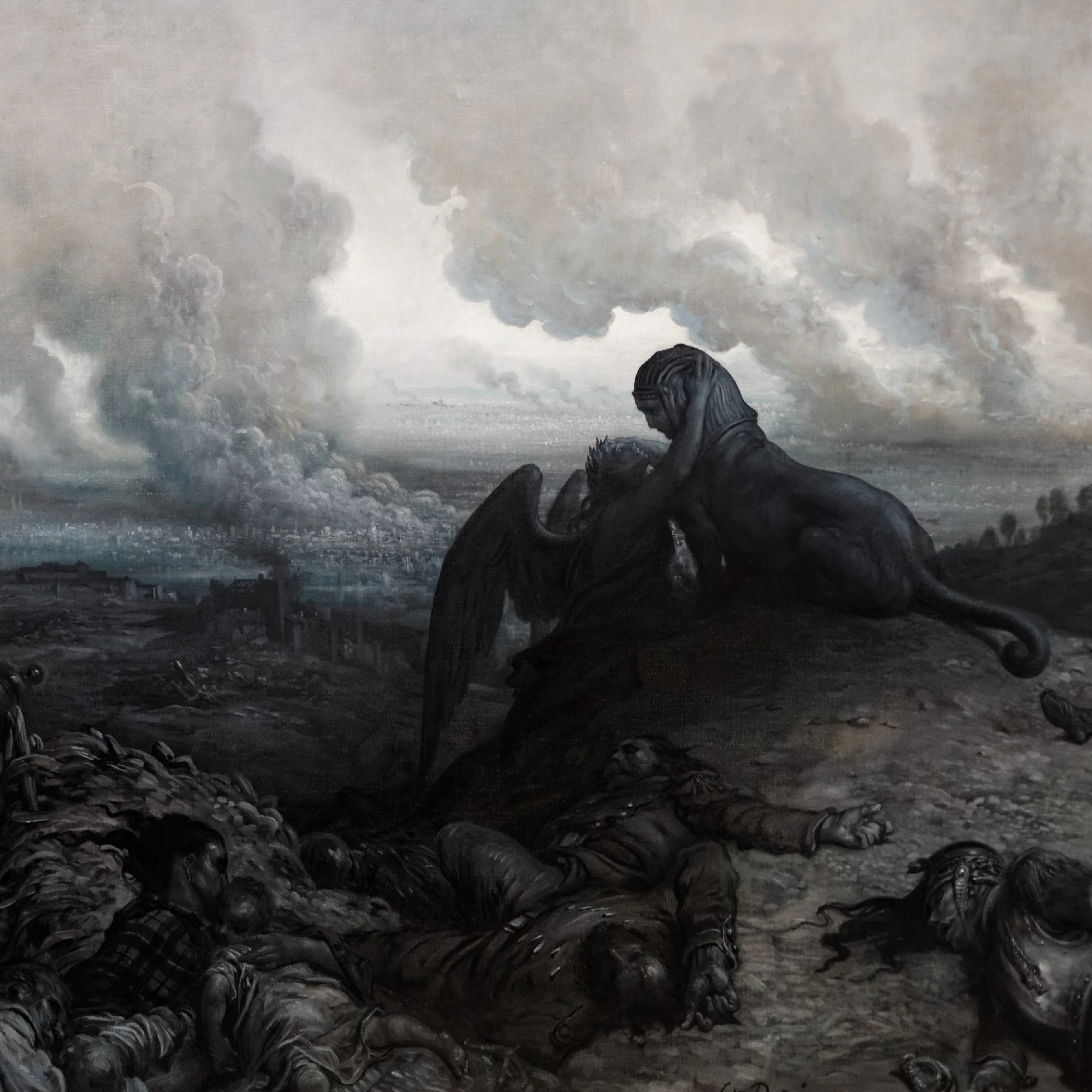
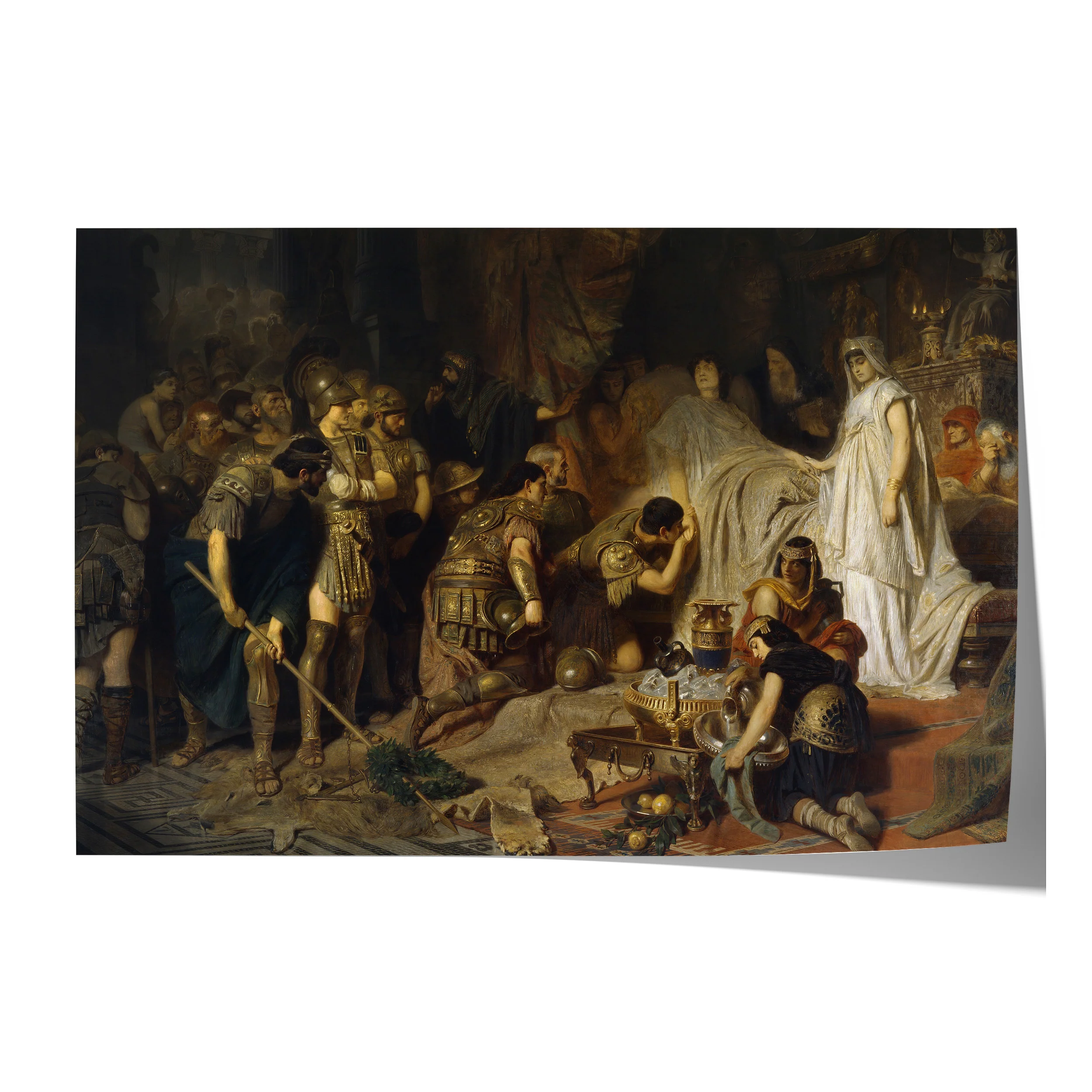
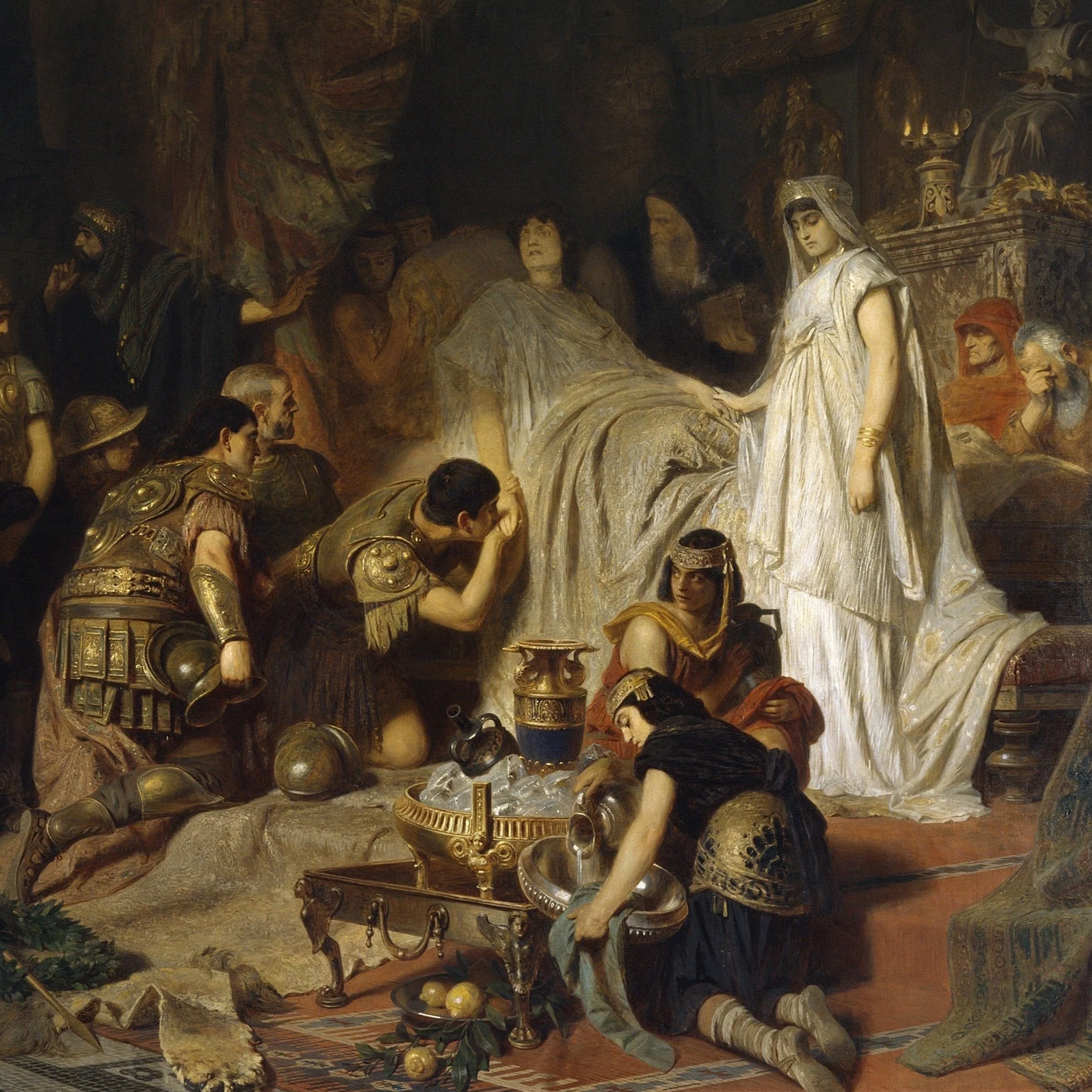
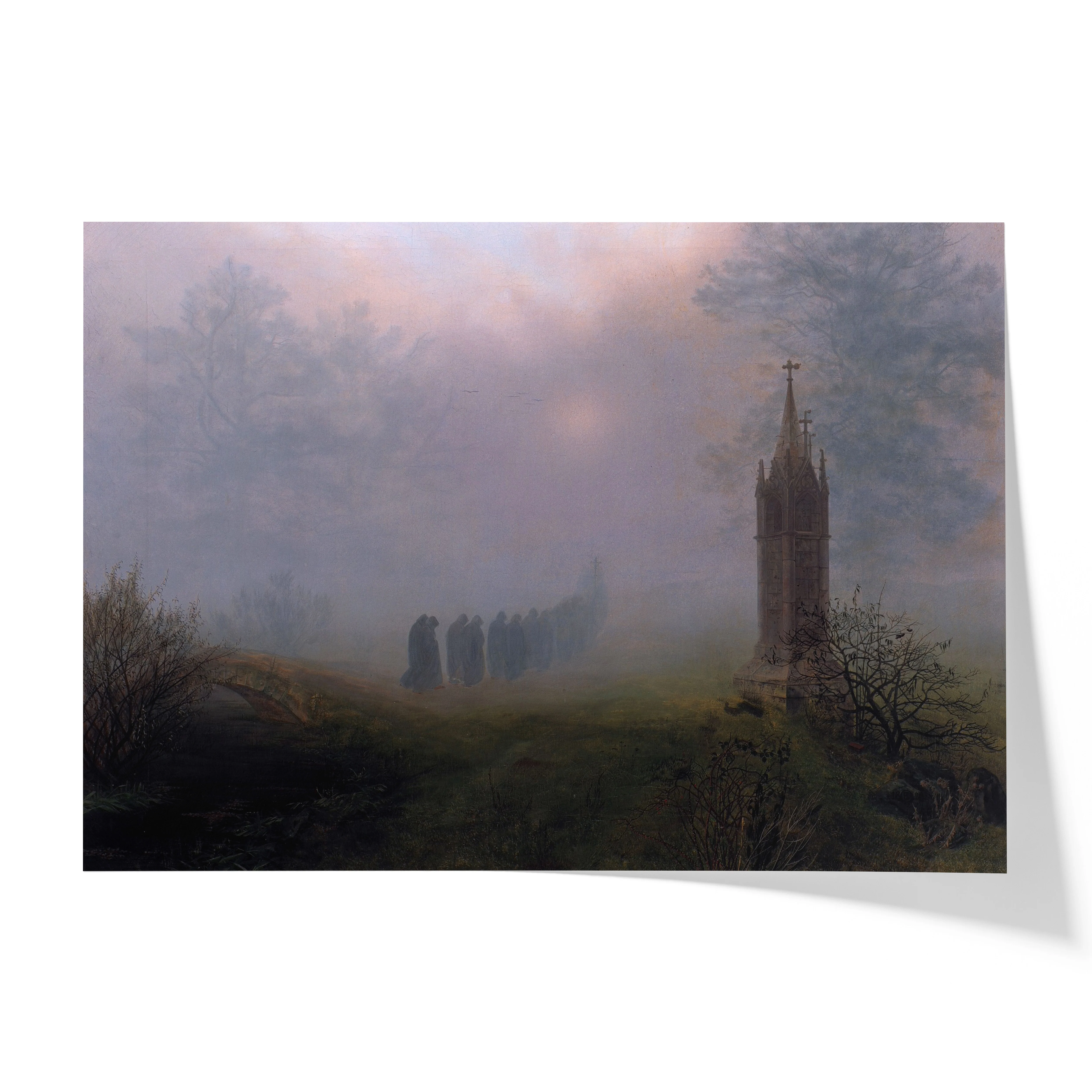
Procession in the Fog | Ernst Ferdinand Oehme | 1828
About the artwork:
Product Information
Product Information
Shipping & Returns
Shipping & Returns


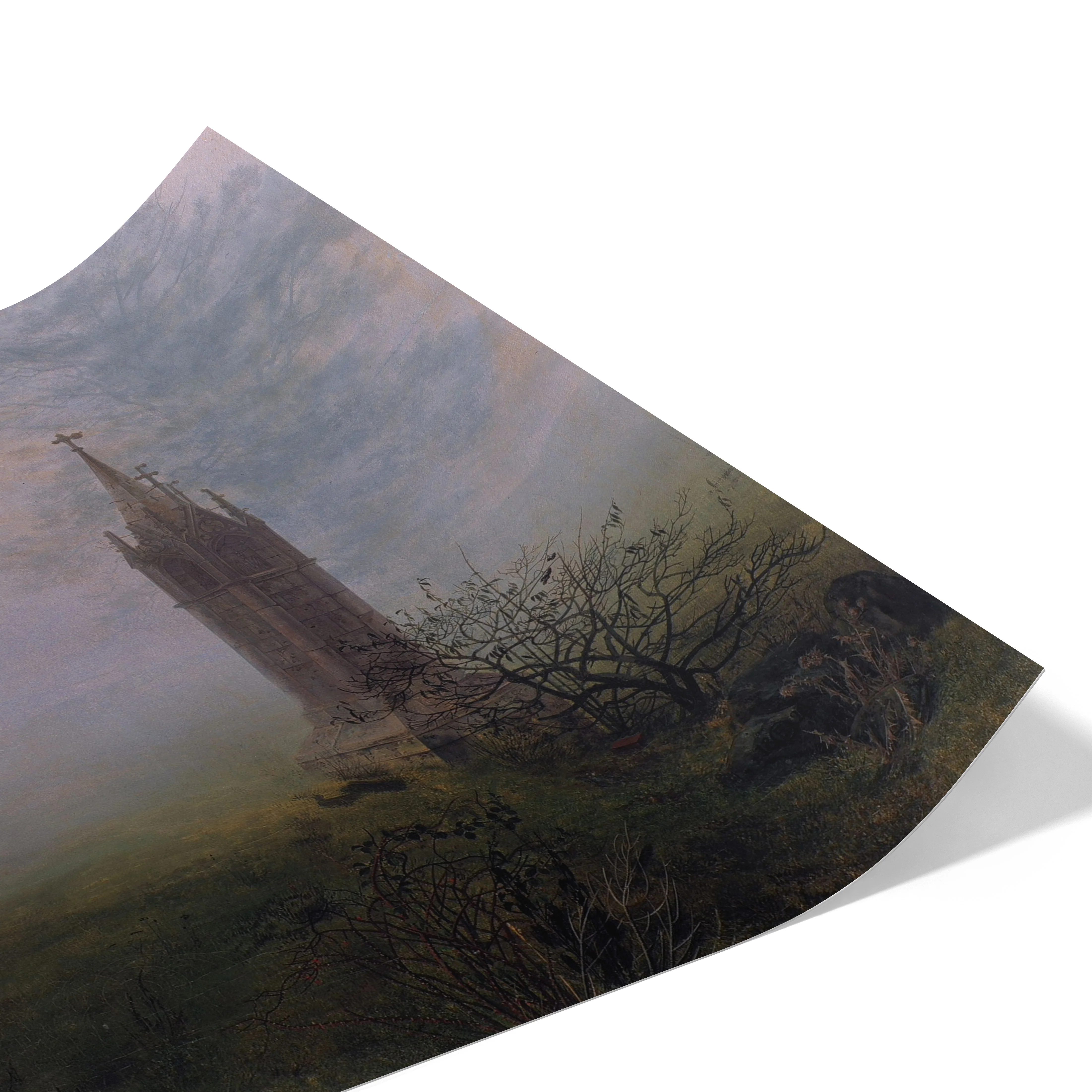
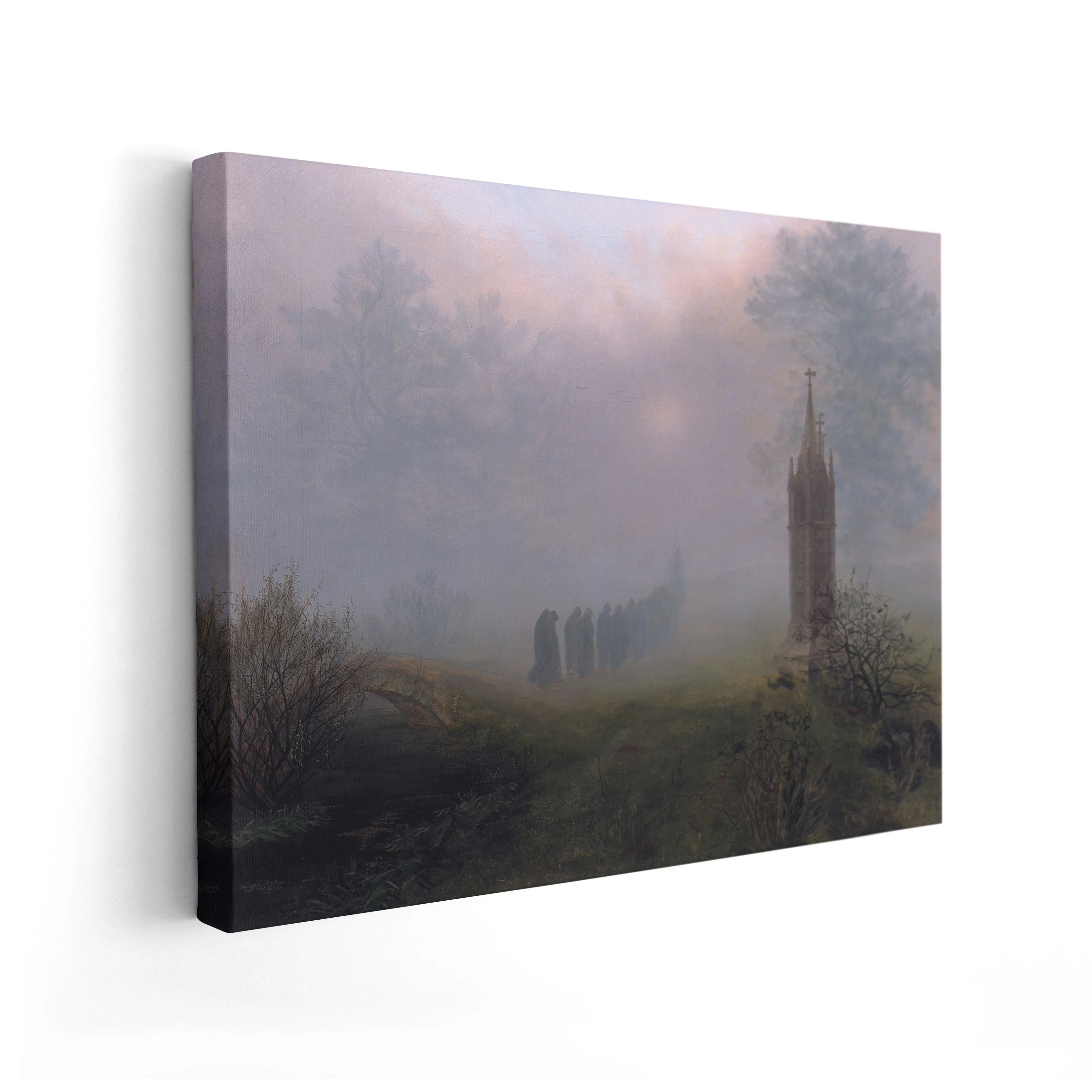
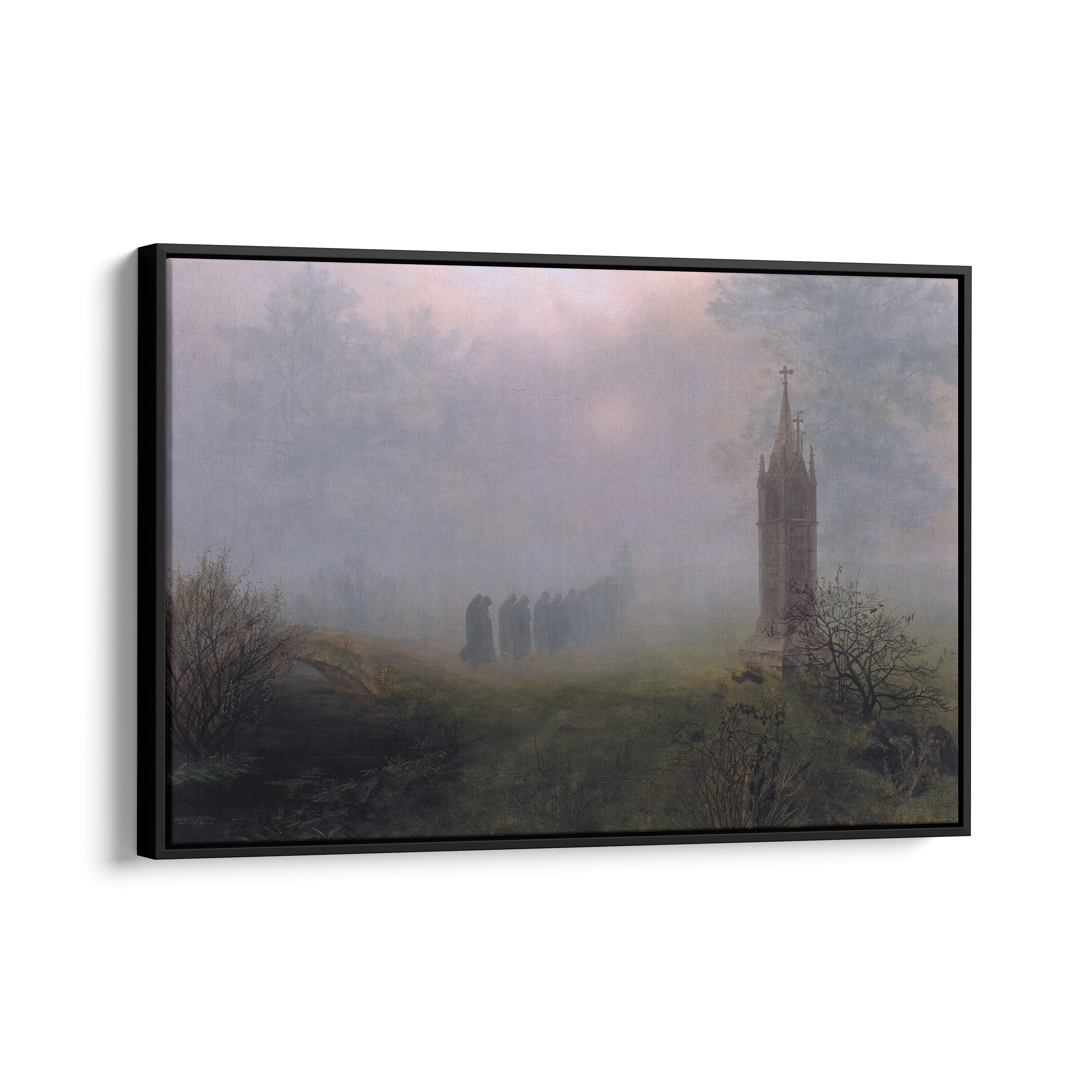
Procession in the Fog | Ernst Ferdinand Oehme | 1828
Procession in the Fog | Ernst Ferdinand Oehme | 1828
About the artwork:
Select Select Size
Select Frame Options
From $89.35
Original: $297.82
-70%Procession in the Fog | Ernst Ferdinand Oehme | 1828—
$297.82
$89.35Product Information
Product Information
Shipping & Returns
Shipping & Returns
Description
About the artwork: