Procession of Souls | Louis Welden Hawkins | 1890
About the artwork:
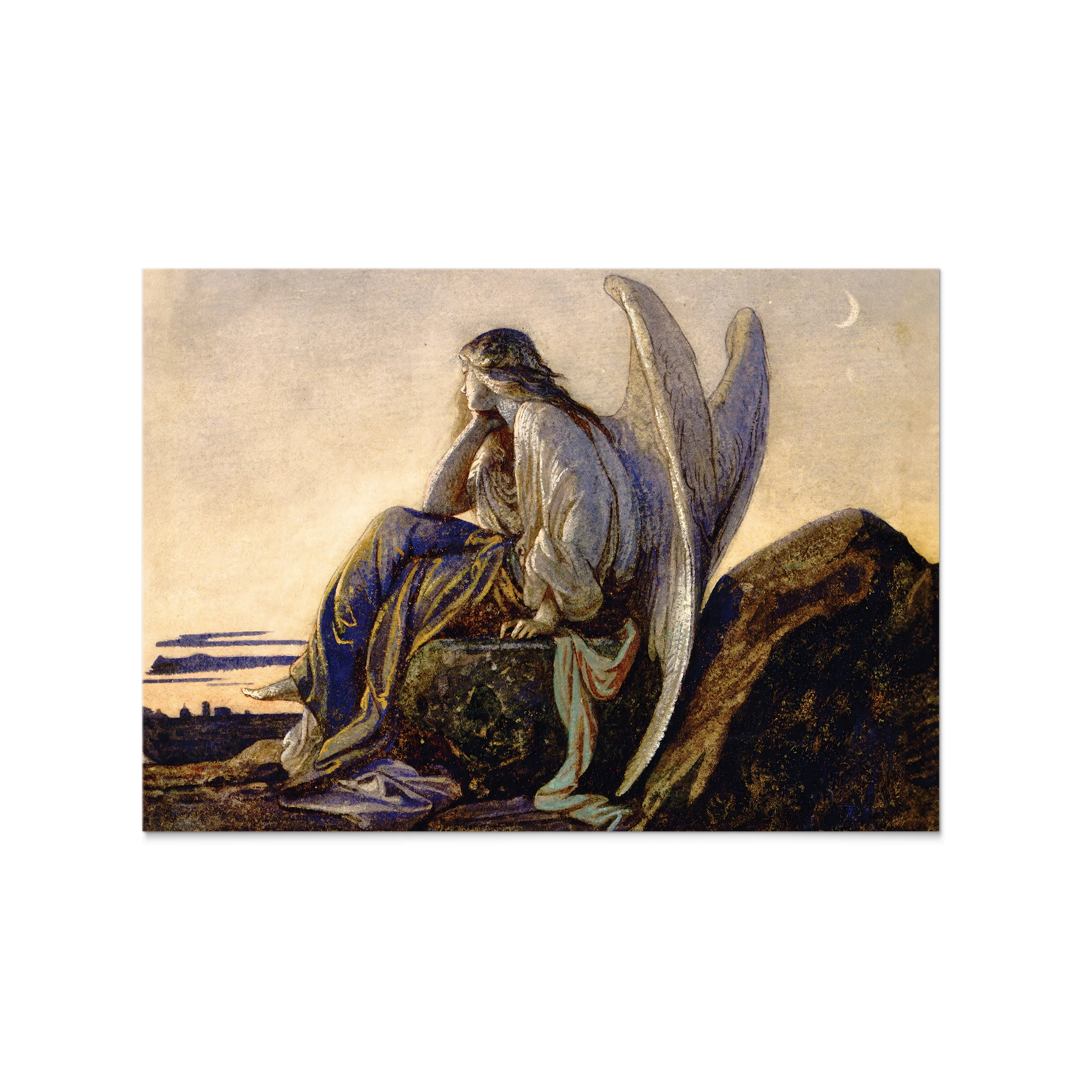
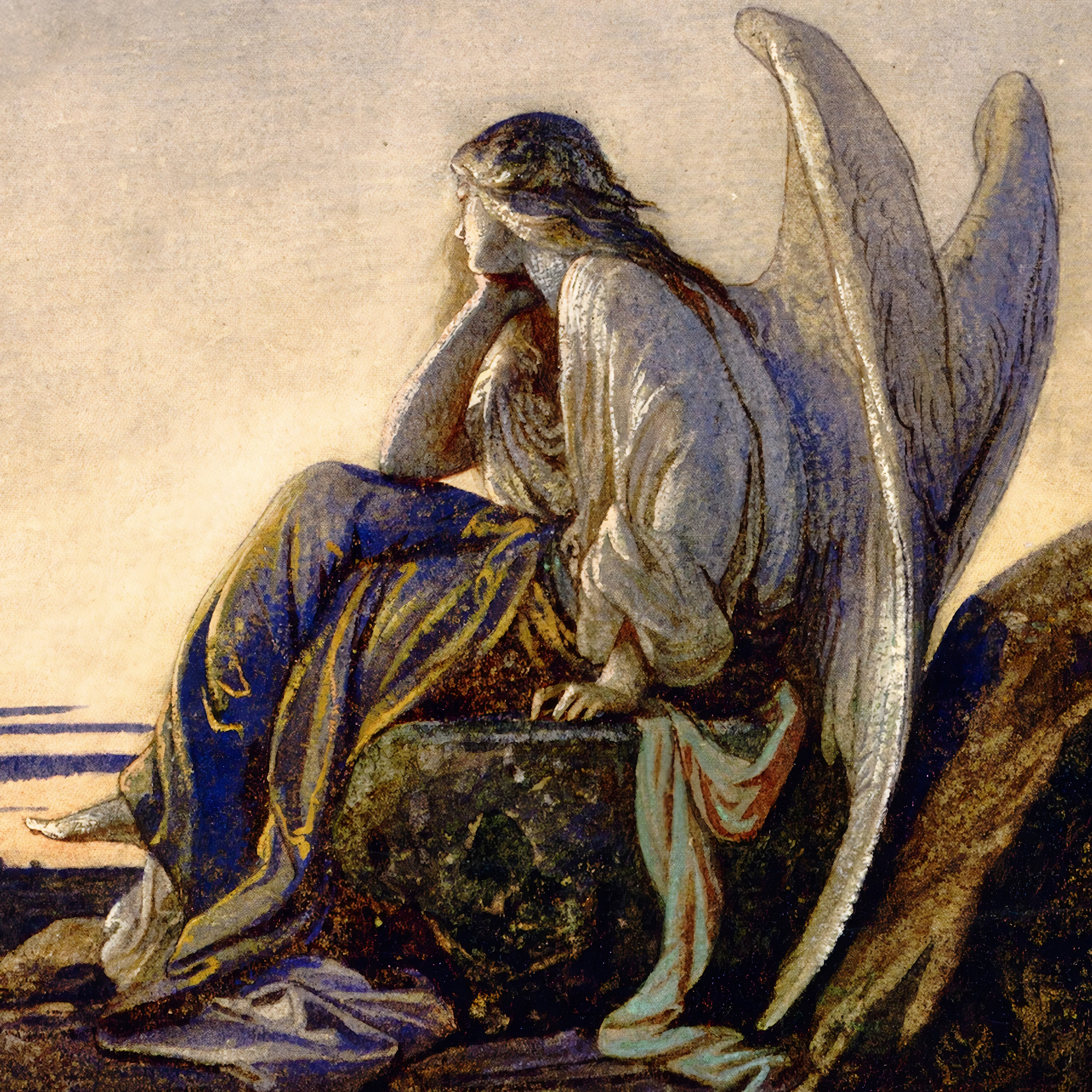
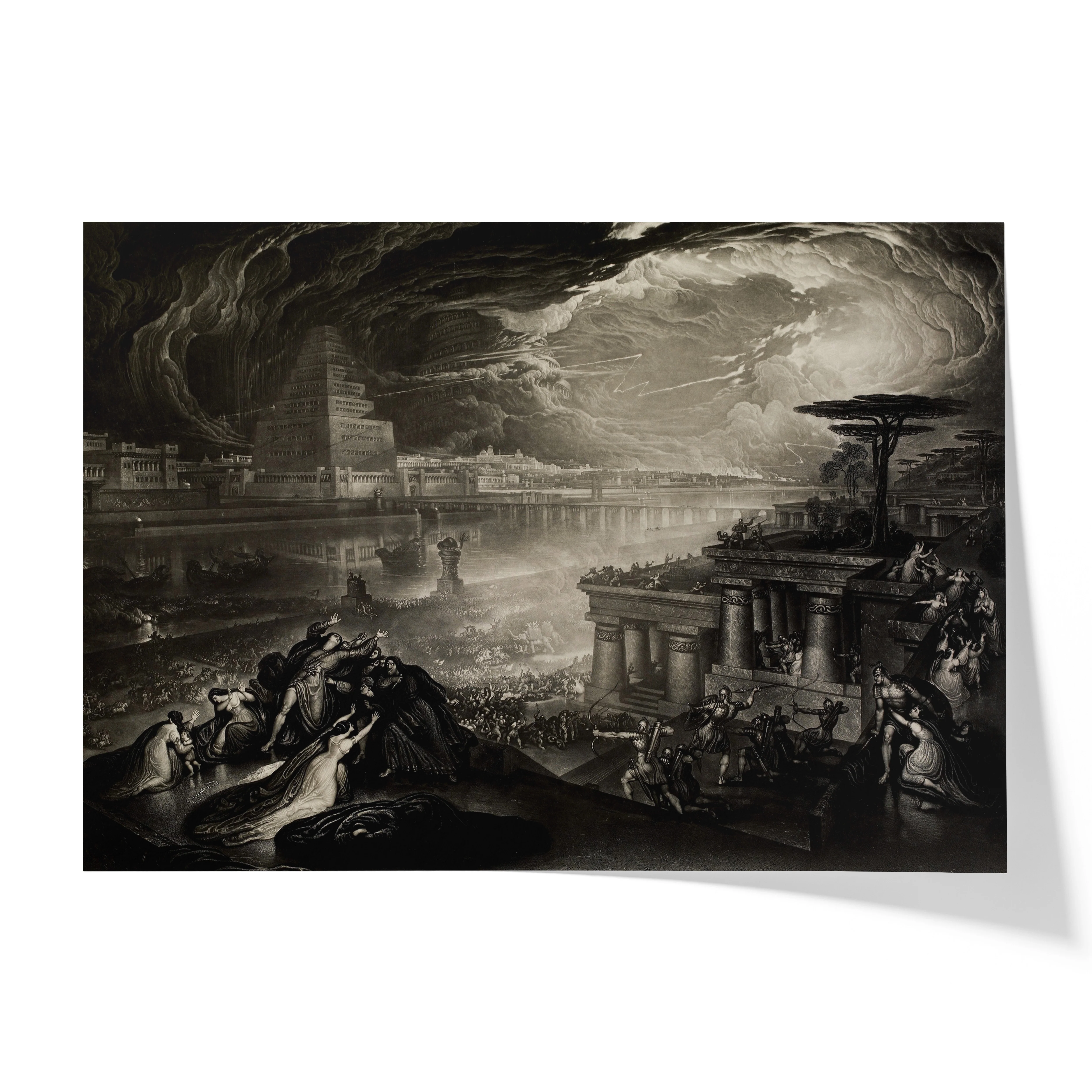
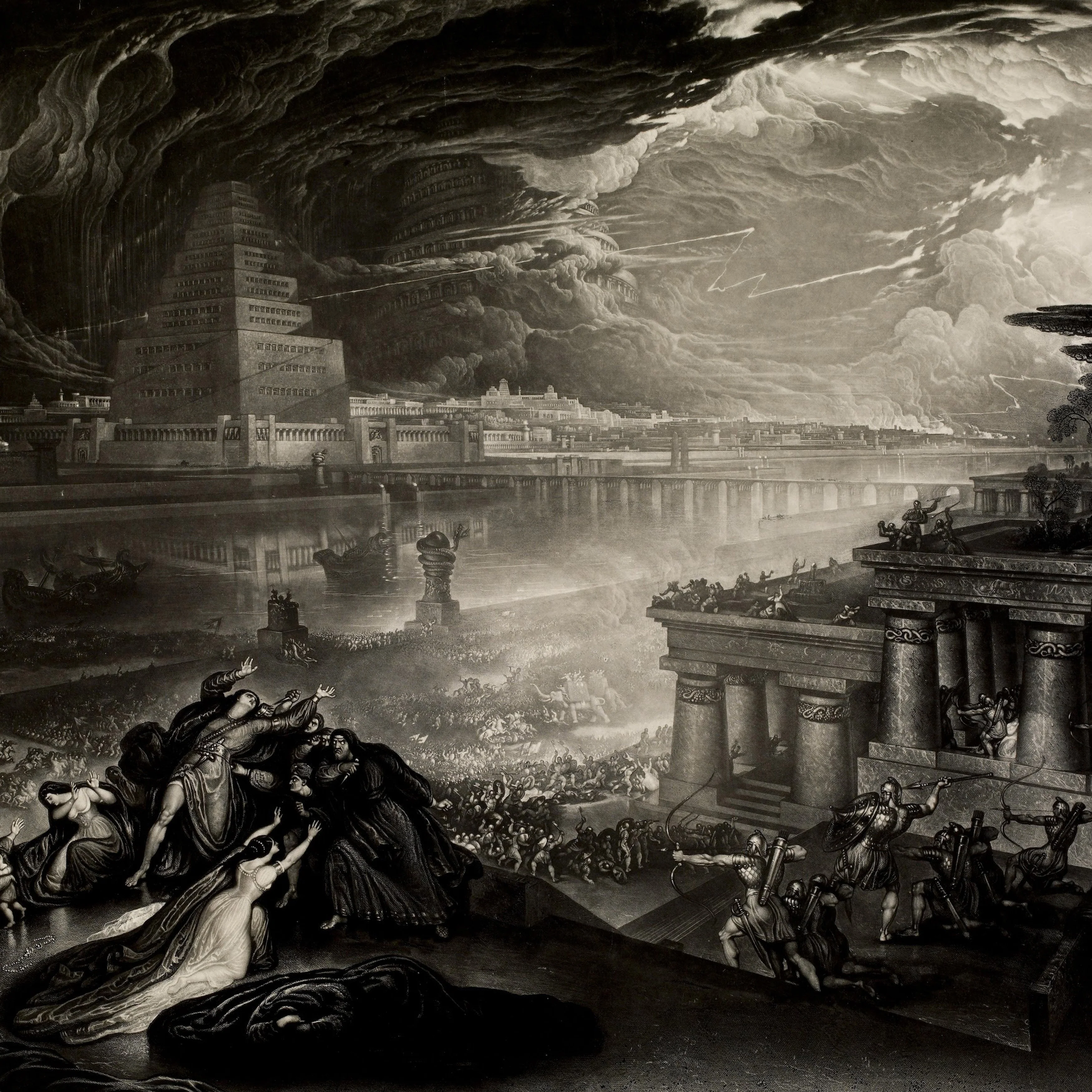
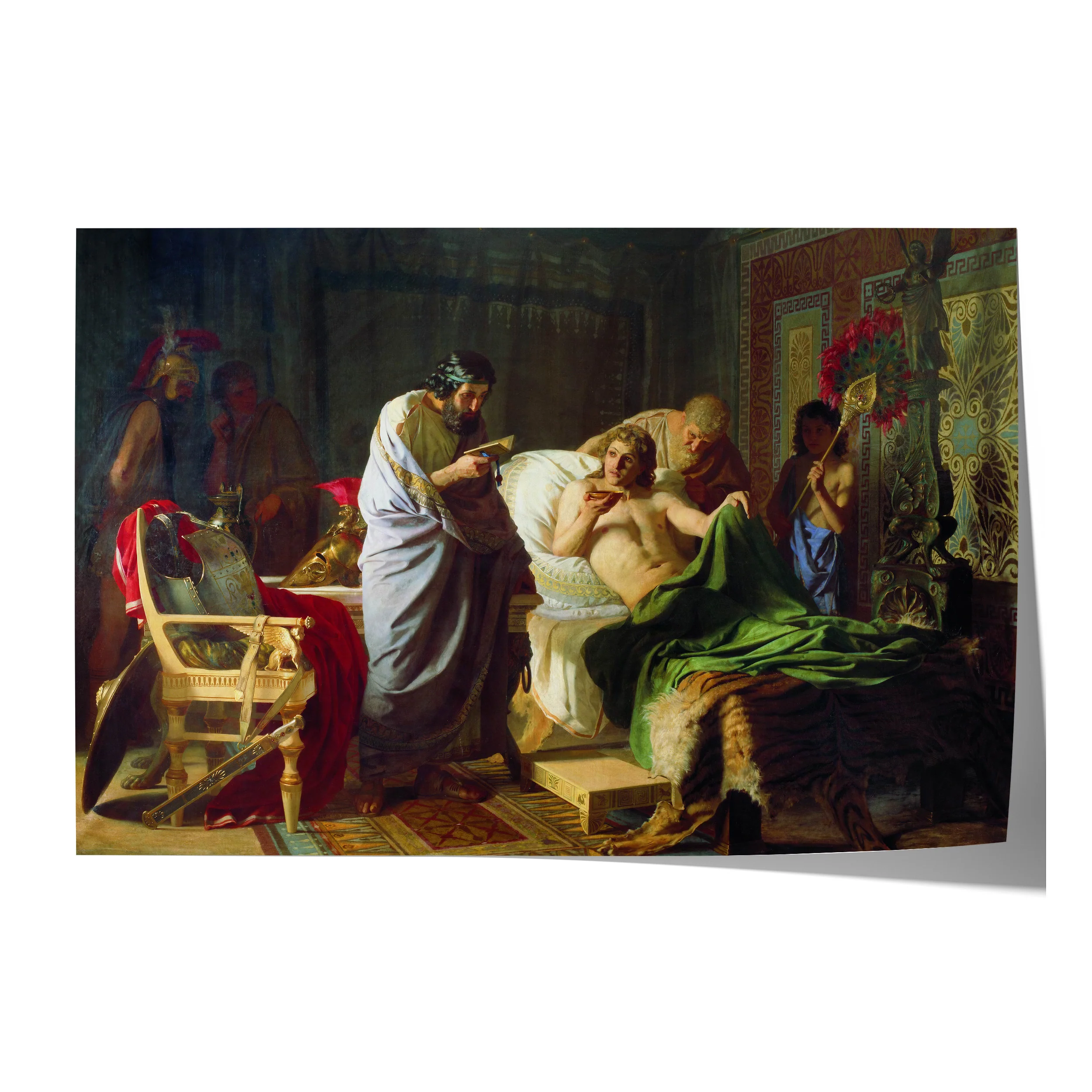
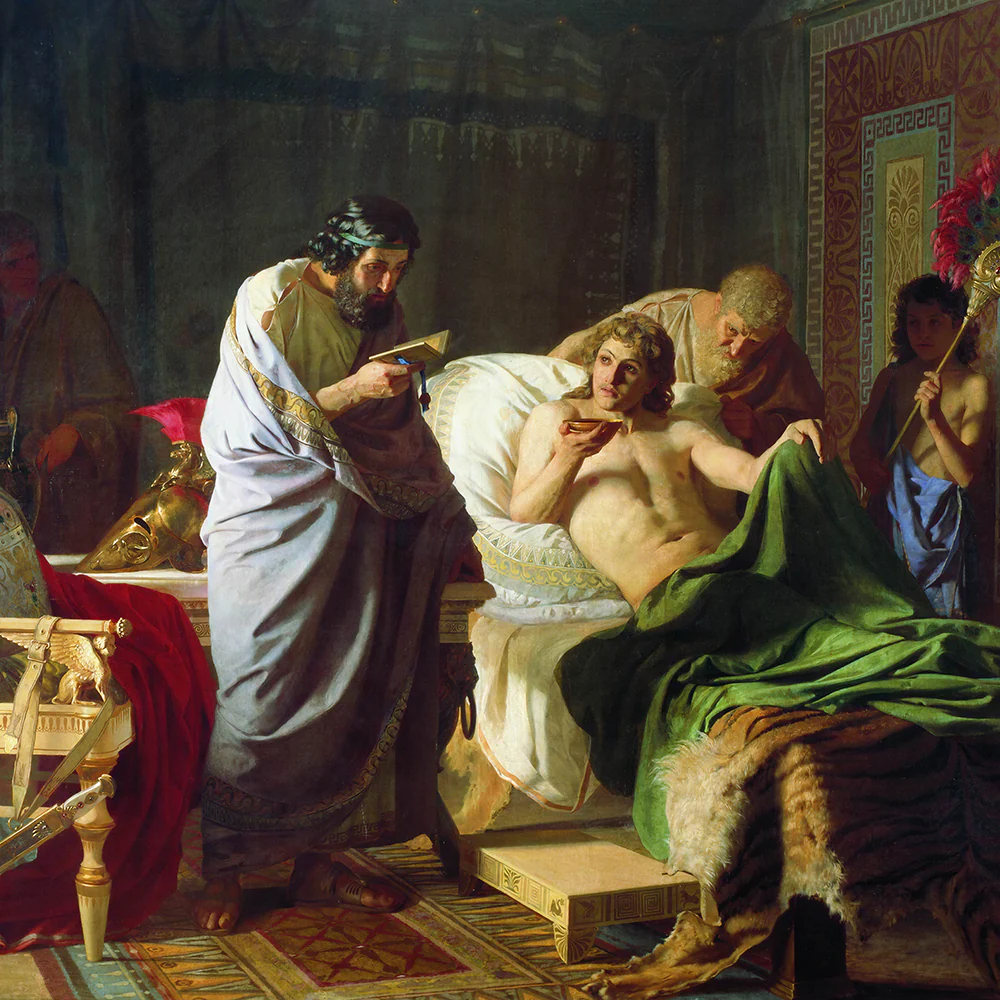
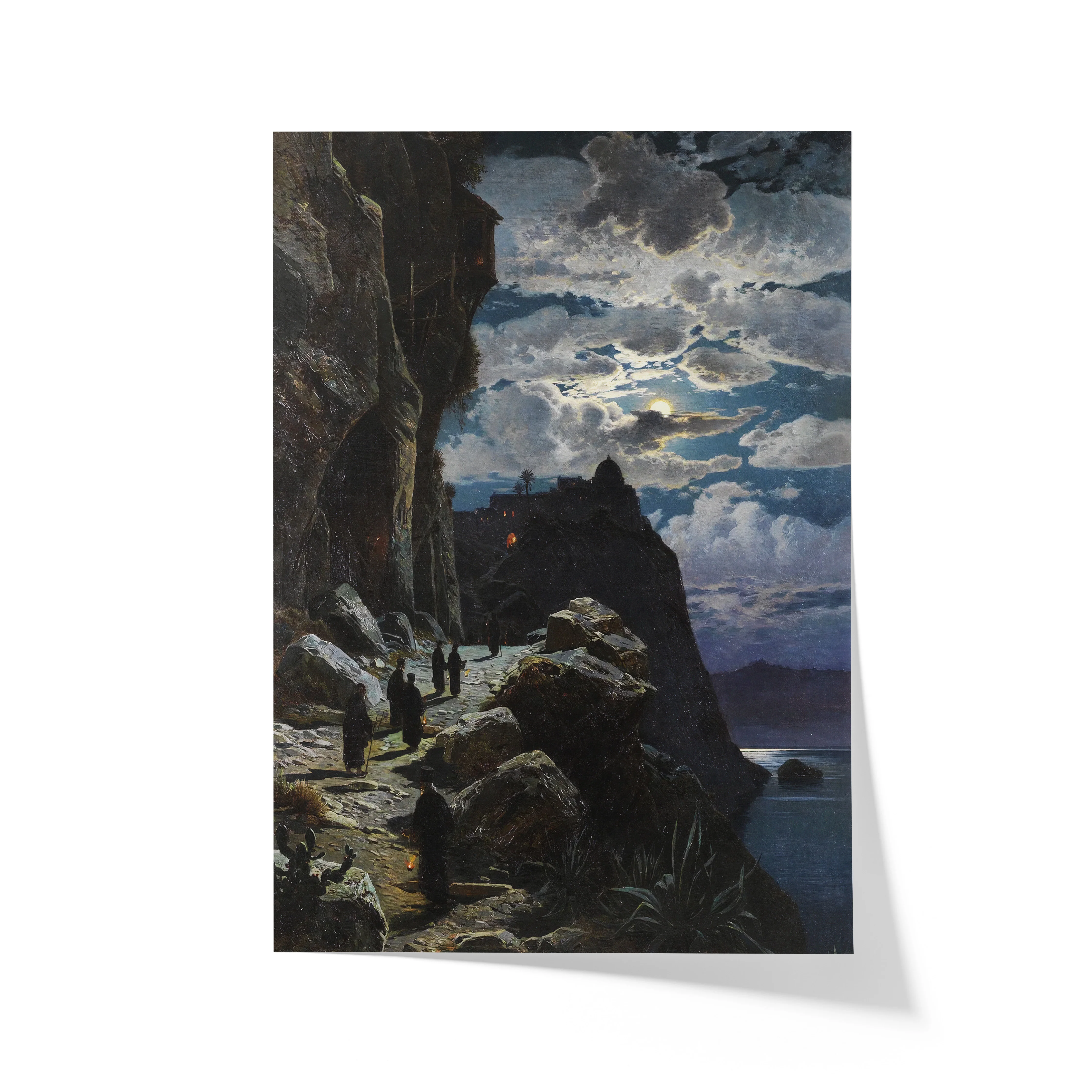
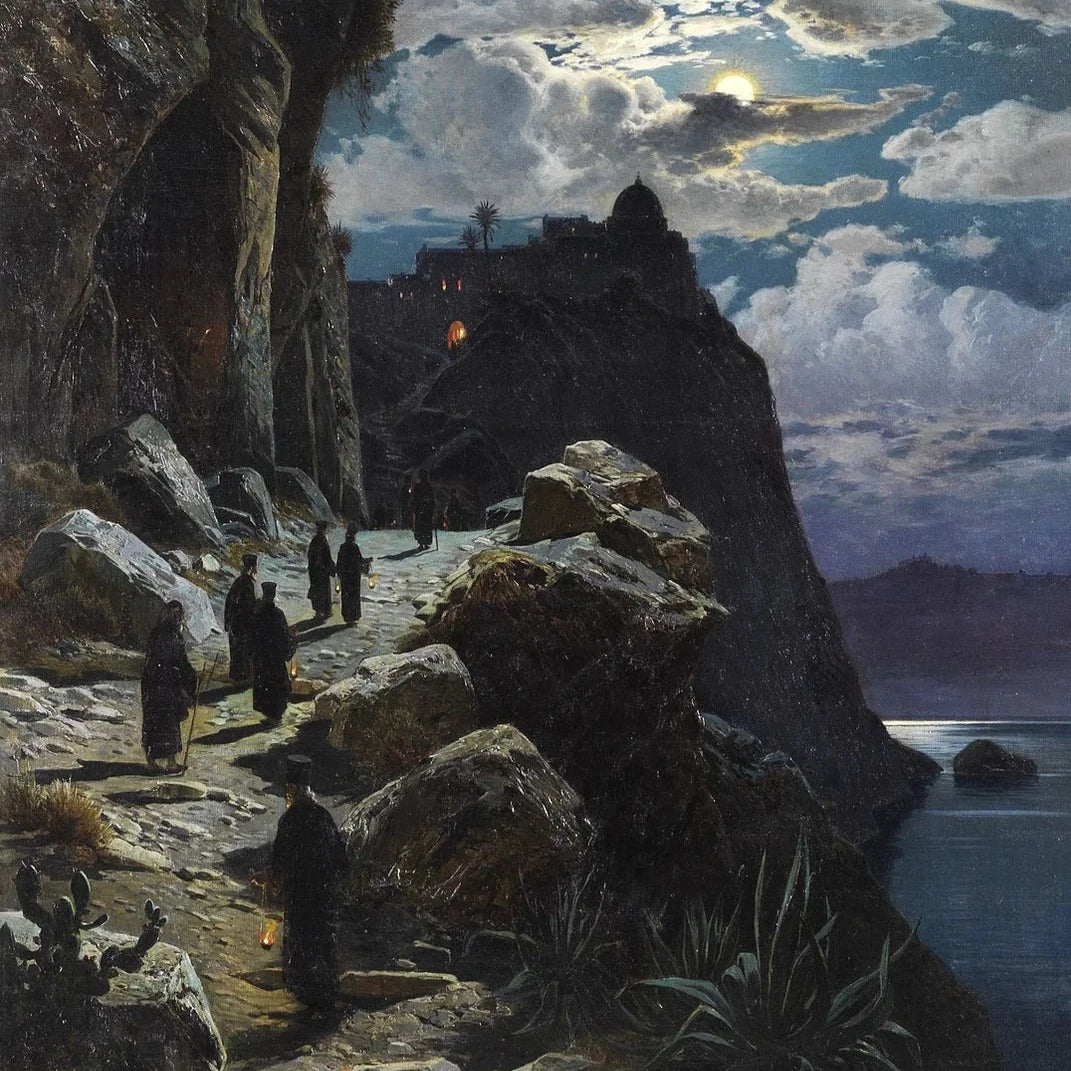
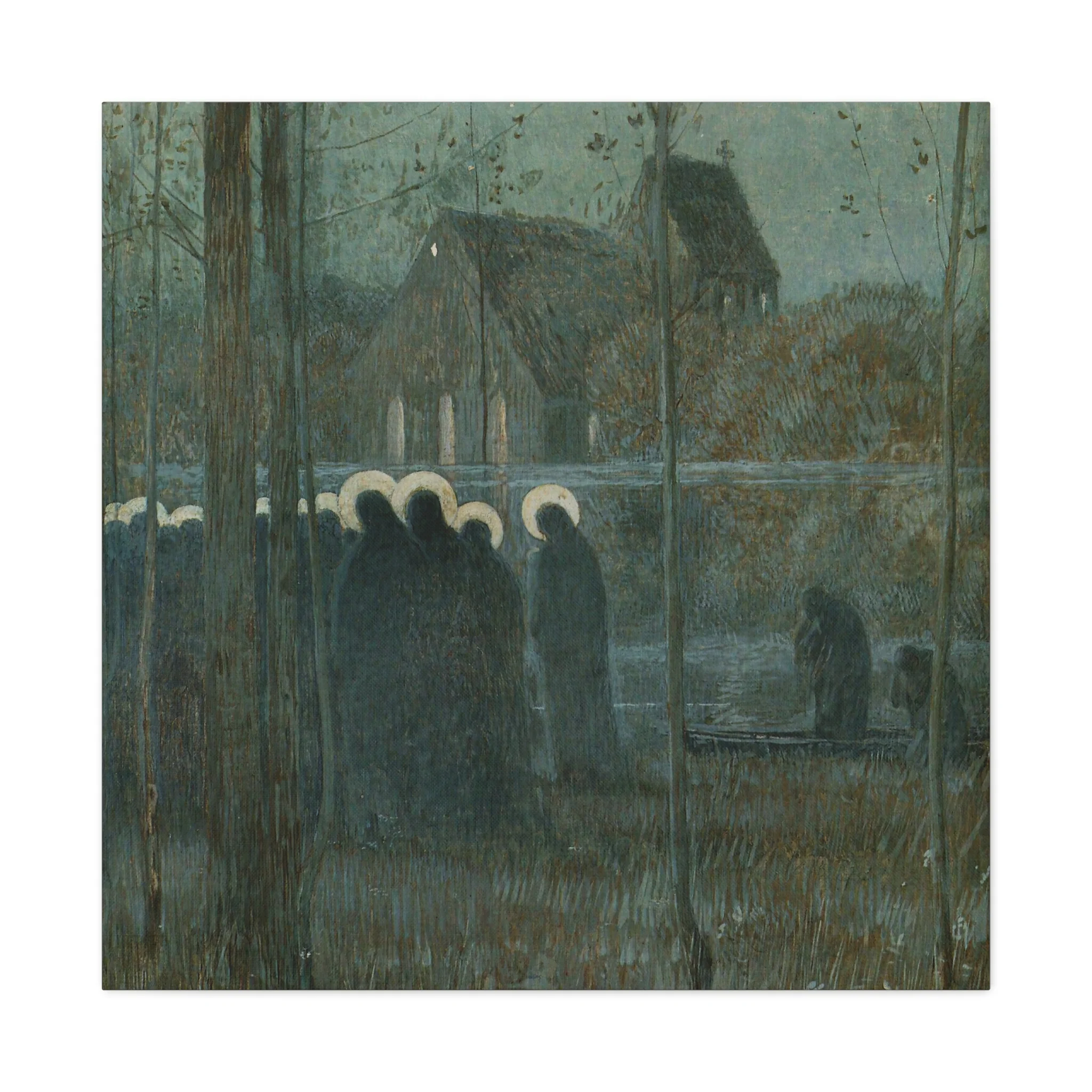
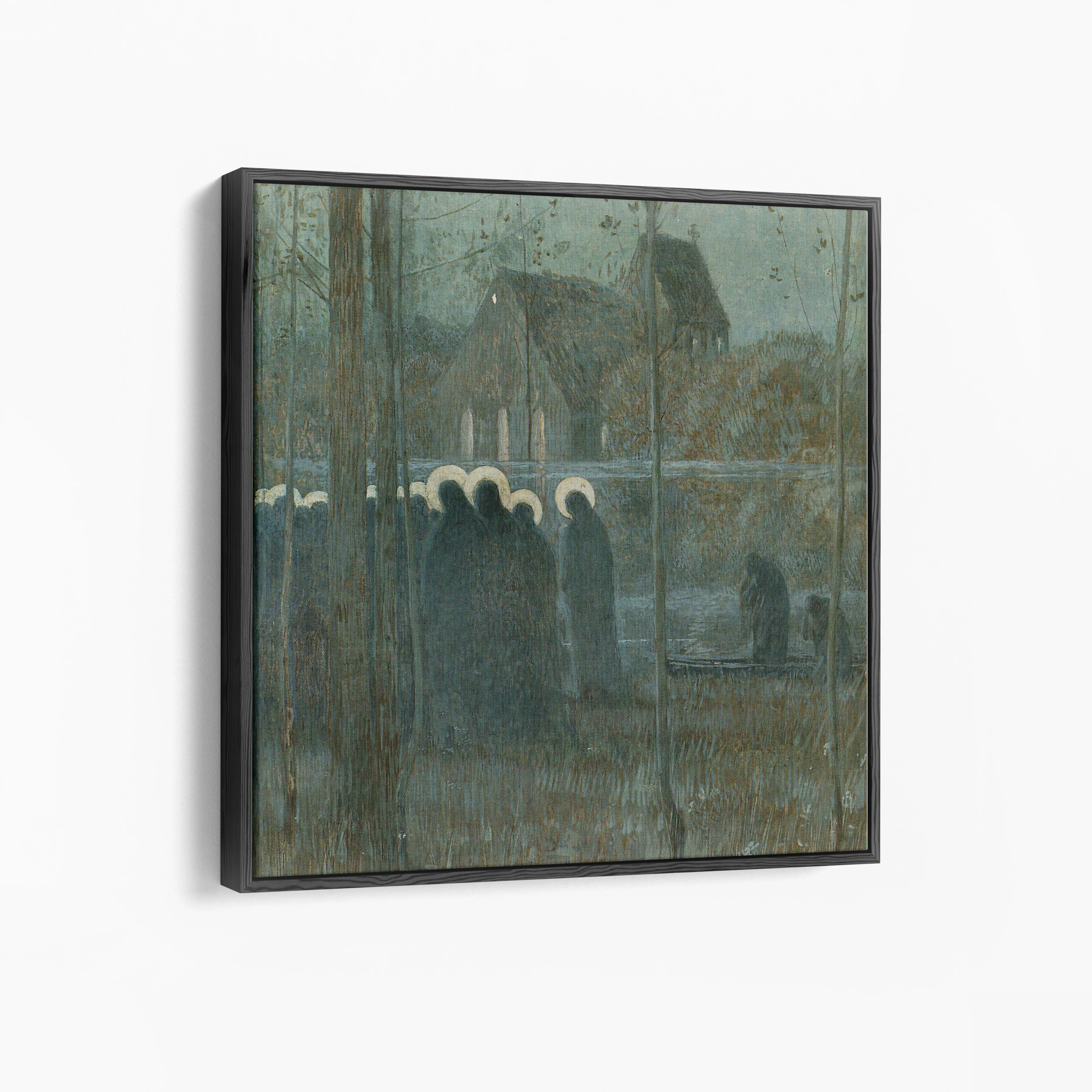
Procession of Souls is a symbolist painting by Louis Welden Hawkins, created around 1890, during a period when European artists were increasingly turning away from realism in favor of psychological and spiritual themes. The work presents a silent, almost ritualistic movement of figures that appear detached from the physical world, suggesting a collective passage between life and death rather than a literal religious scene. Hawkins was closely connected to Symbolism and the Nabis circle, and his interest lay in inner states of being, memory, and the unseen forces shaping human existence. In this painting, individuality dissolves into a shared destiny, reinforcing the Symbolist belief that art should evoke ideas and emotions rather than describe reality. The restrained palette and simplified forms contribute to a meditative atmosphere, aligning the work with late nineteenth century anxieties about mortality, transcendence, and the limits of rational thought, themes that were central to Symbolist art at the fin de siècle.
Product Information
Product Information
Shipping & Returns
Shipping & Returns



Procession of Souls | Louis Welden Hawkins | 1890
Procession of Souls | Louis Welden Hawkins | 1890
About the artwork:
Procession of Souls is a symbolist painting by Louis Welden Hawkins, created around 1890, during a period when European artists were increasingly turning away from realism in favor of psychological and spiritual themes. The work presents a silent, almost ritualistic movement of figures that appear detached from the physical world, suggesting a collective passage between life and death rather than a literal religious scene. Hawkins was closely connected to Symbolism and the Nabis circle, and his interest lay in inner states of being, memory, and the unseen forces shaping human existence. In this painting, individuality dissolves into a shared destiny, reinforcing the Symbolist belief that art should evoke ideas and emotions rather than describe reality. The restrained palette and simplified forms contribute to a meditative atmosphere, aligning the work with late nineteenth century anxieties about mortality, transcendence, and the limits of rational thought, themes that were central to Symbolist art at the fin de siècle.
Original: $459.85
-70%$459.85
$137.96Product Information
Product Information
Shipping & Returns
Shipping & Returns
Description
About the artwork:
Procession of Souls is a symbolist painting by Louis Welden Hawkins, created around 1890, during a period when European artists were increasingly turning away from realism in favor of psychological and spiritual themes. The work presents a silent, almost ritualistic movement of figures that appear detached from the physical world, suggesting a collective passage between life and death rather than a literal religious scene. Hawkins was closely connected to Symbolism and the Nabis circle, and his interest lay in inner states of being, memory, and the unseen forces shaping human existence. In this painting, individuality dissolves into a shared destiny, reinforcing the Symbolist belief that art should evoke ideas and emotions rather than describe reality. The restrained palette and simplified forms contribute to a meditative atmosphere, aligning the work with late nineteenth century anxieties about mortality, transcendence, and the limits of rational thought, themes that were central to Symbolist art at the fin de siècle.