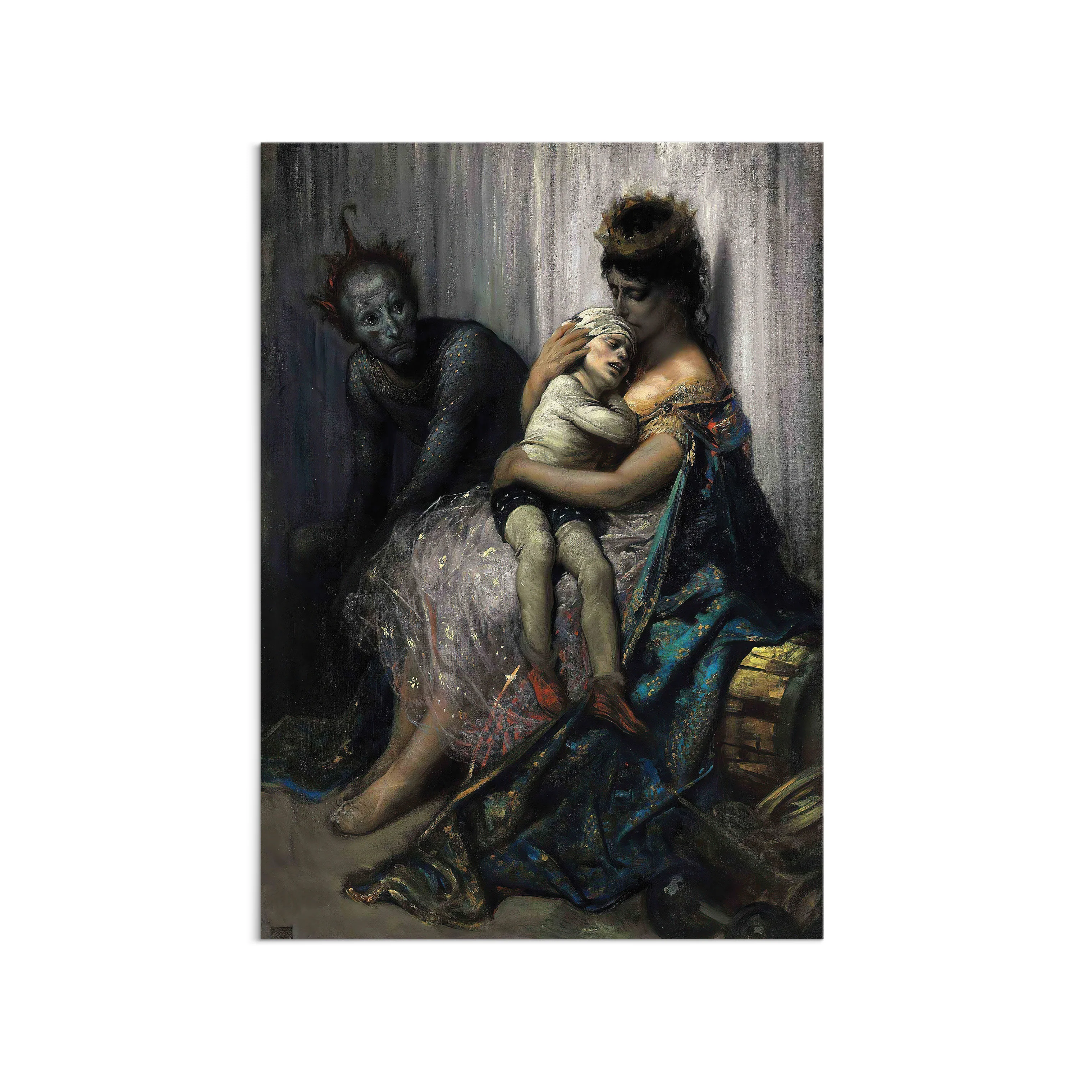
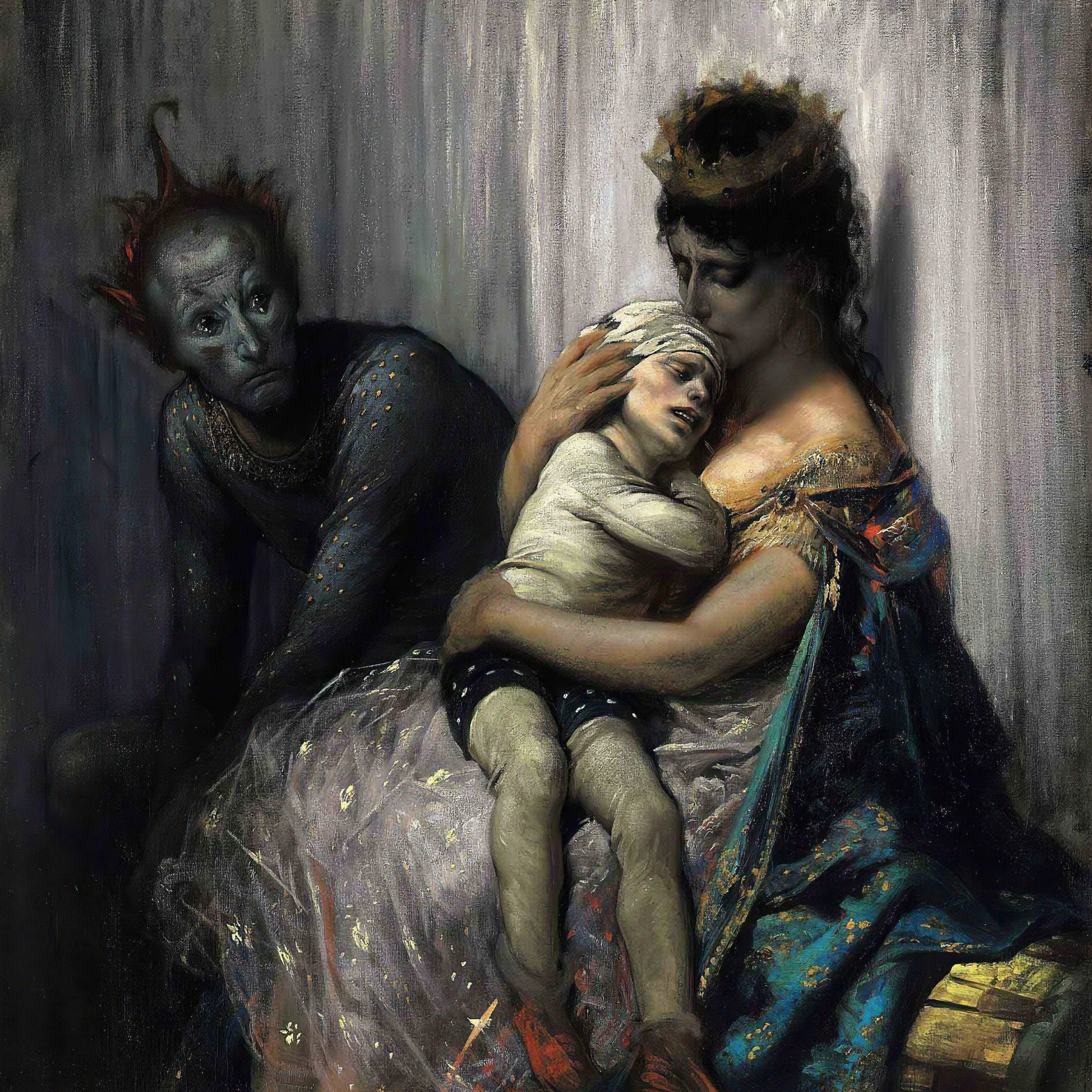
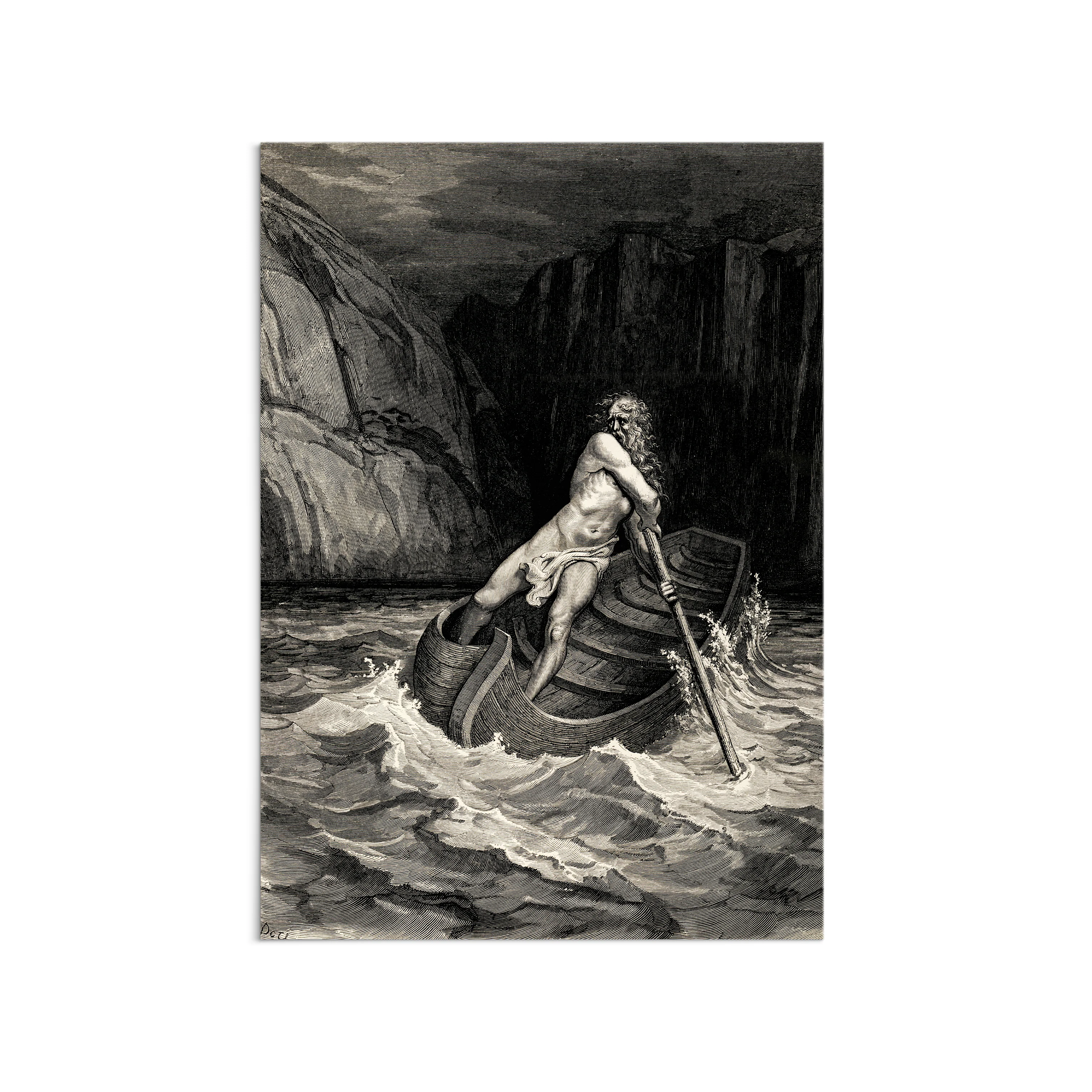
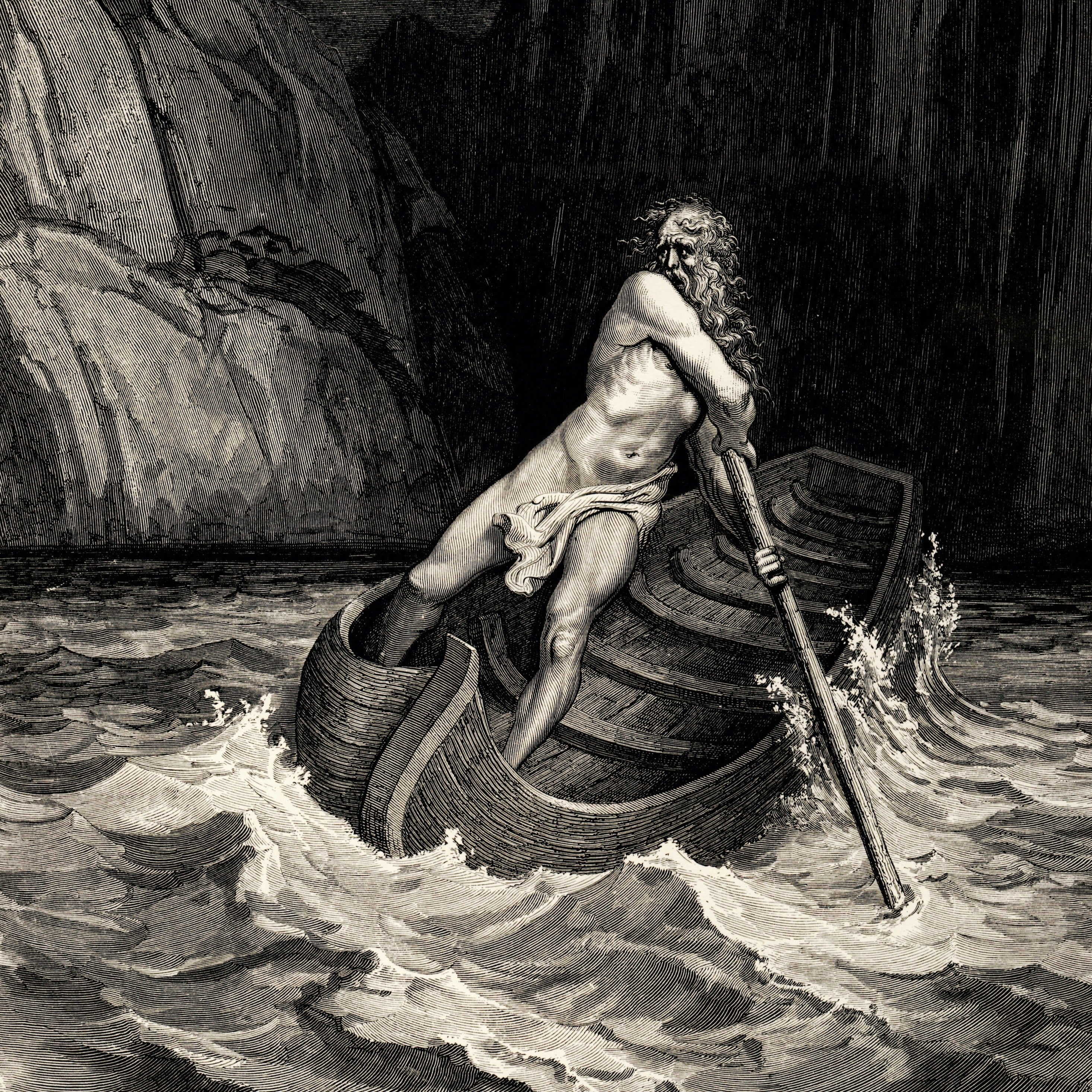
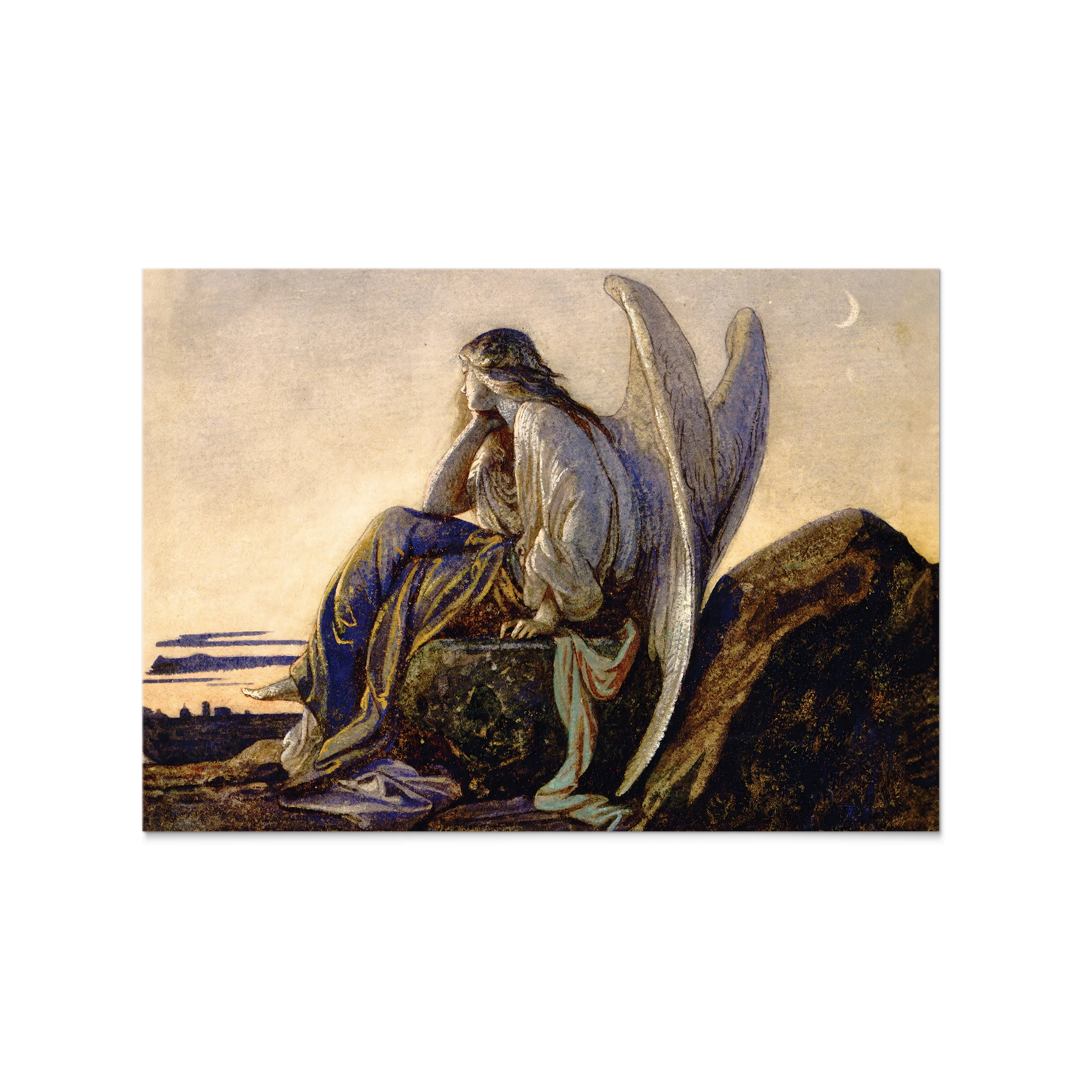
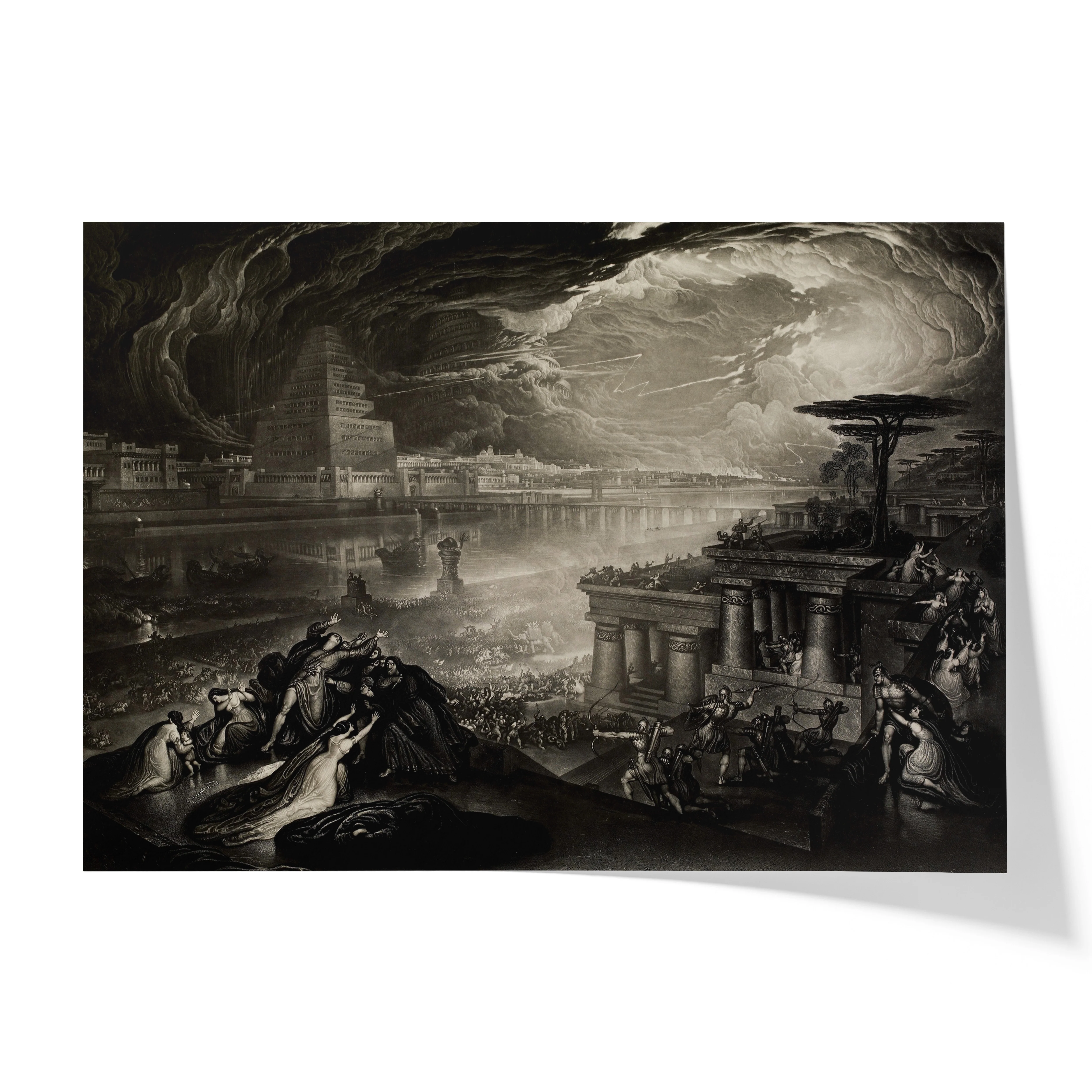
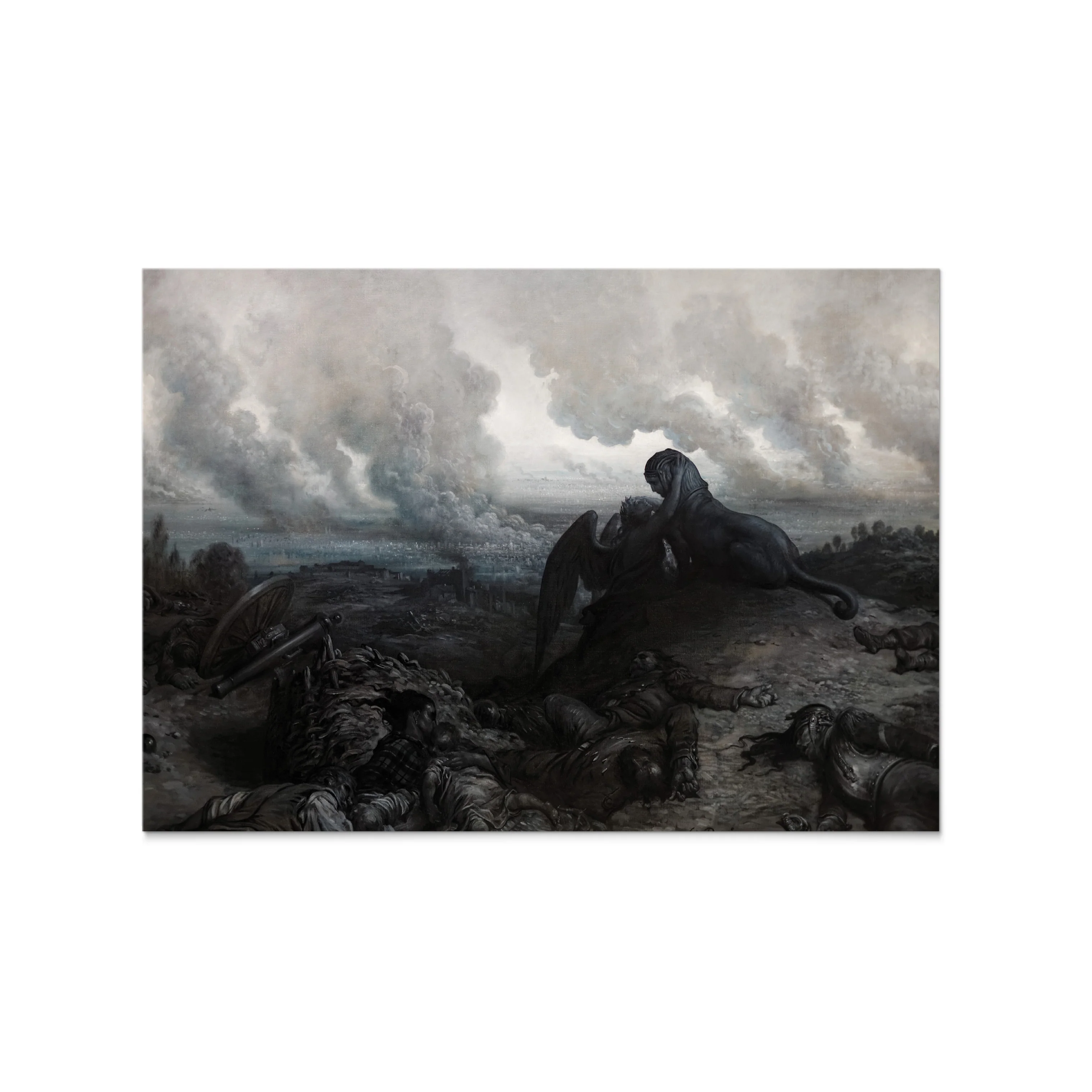
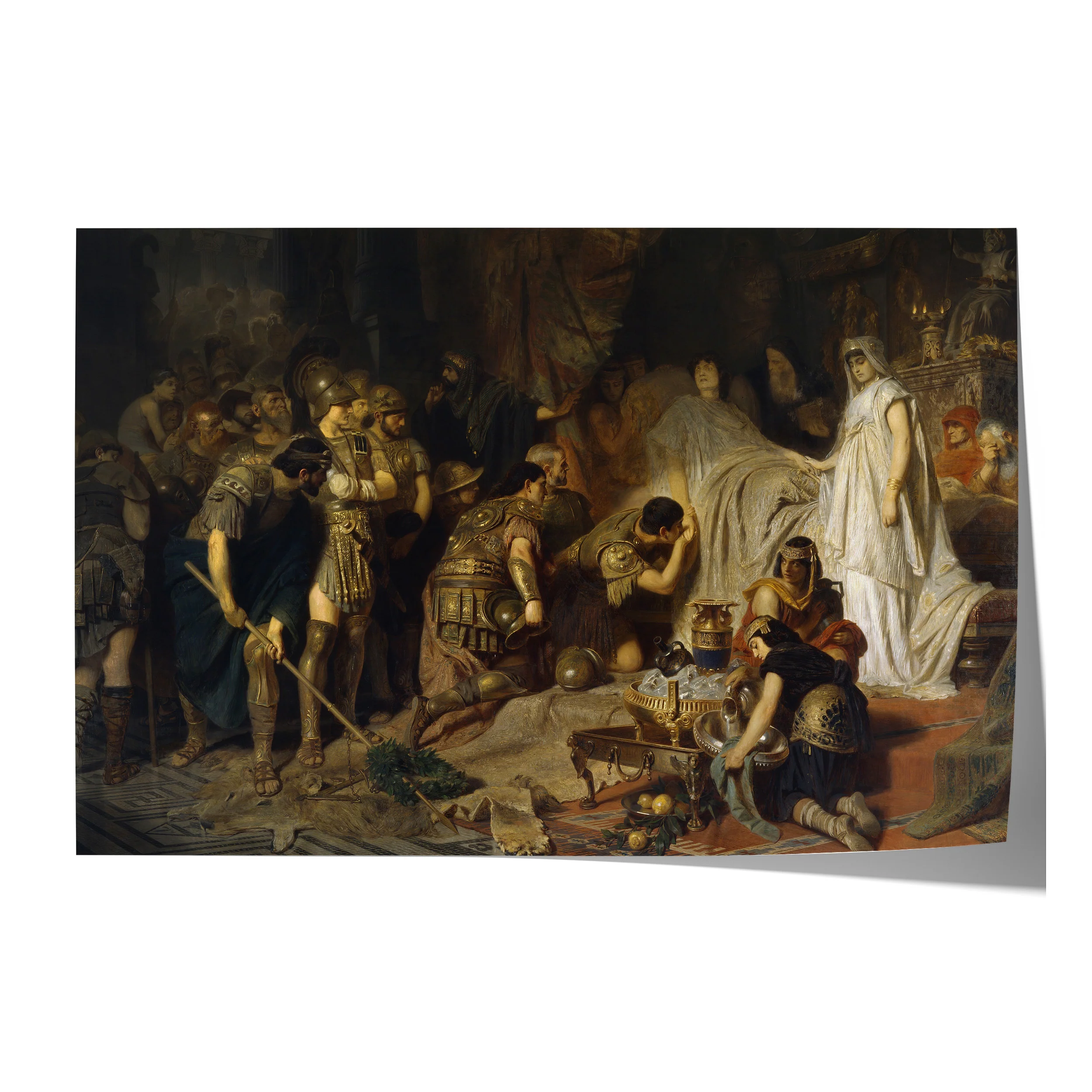
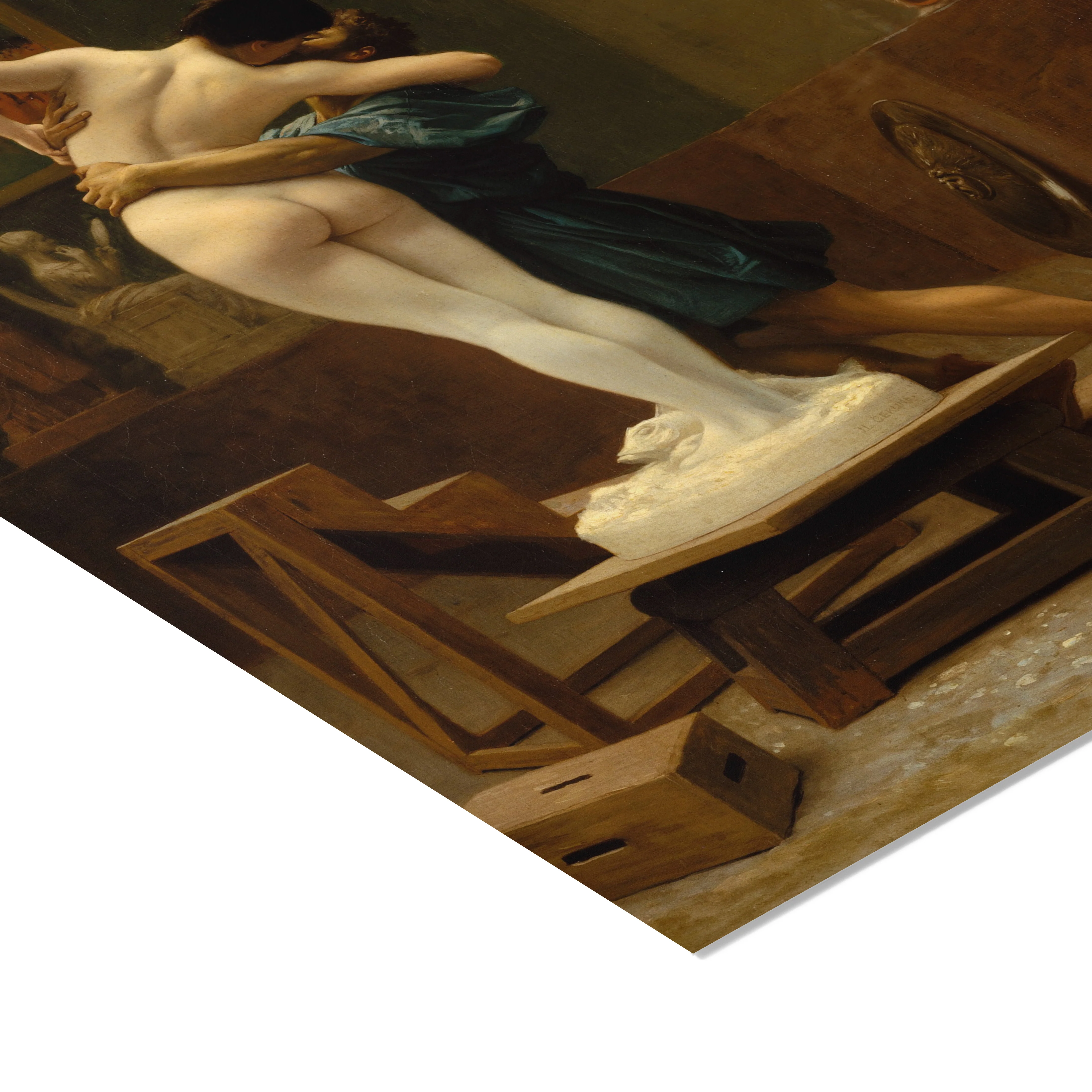
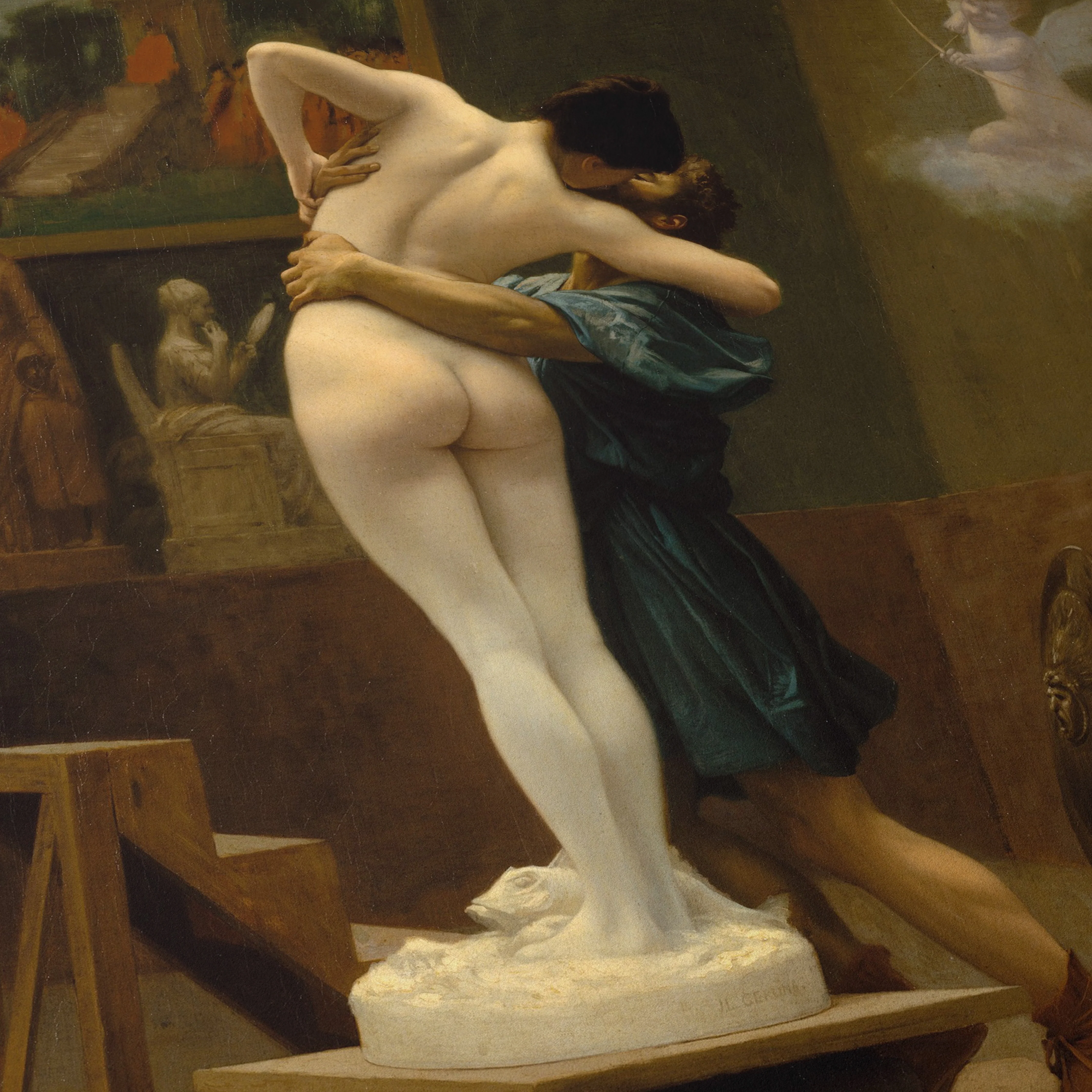
Jean-Léon Gérôme’s Pygmalion and Galatea (1890) captures the mythical moment when art transcends its boundaries and becomes life itself. Inspired by Ovid’s Metamorphoses, the painting shows the sculptor Pygmalion embracing his creation, Galatea, just as she transforms from marble into a living woman. Gérôme’s mastery of texture blurs the line between cold stone and warm flesh, echoing the story’s theme of artistic obsession and divine intervention. The composition—bathed in soft light and filled with sculptural precision—reflects Gérôme’s academic style and fascination with the act of creation. Beyond its mythological subject, the work becomes a meditation on the artist’s power and desire: to give life to what is lifeless, and to fall in love with one’s own creation.
Pygmalion and Galatea | Jean-Léon Gerôme | 1890
About the artwork:
Product Information
Product Information
Shipping & Returns
Shipping & Returns





Pygmalion and Galatea | Jean-Léon Gerôme | 1890
Pygmalion and Galatea | Jean-Léon Gerôme | 1890
About the artwork:
Select Select Size
Select Frame Options
From $89.35
Original: $297.82
-70%Pygmalion and Galatea | Jean-Léon Gerôme | 1890—
$297.82
$89.35Product Information
Product Information
Shipping & Returns
Shipping & Returns
Description
About the artwork: