✨ New Arrivals Just Dropped!Explore
HomeStore

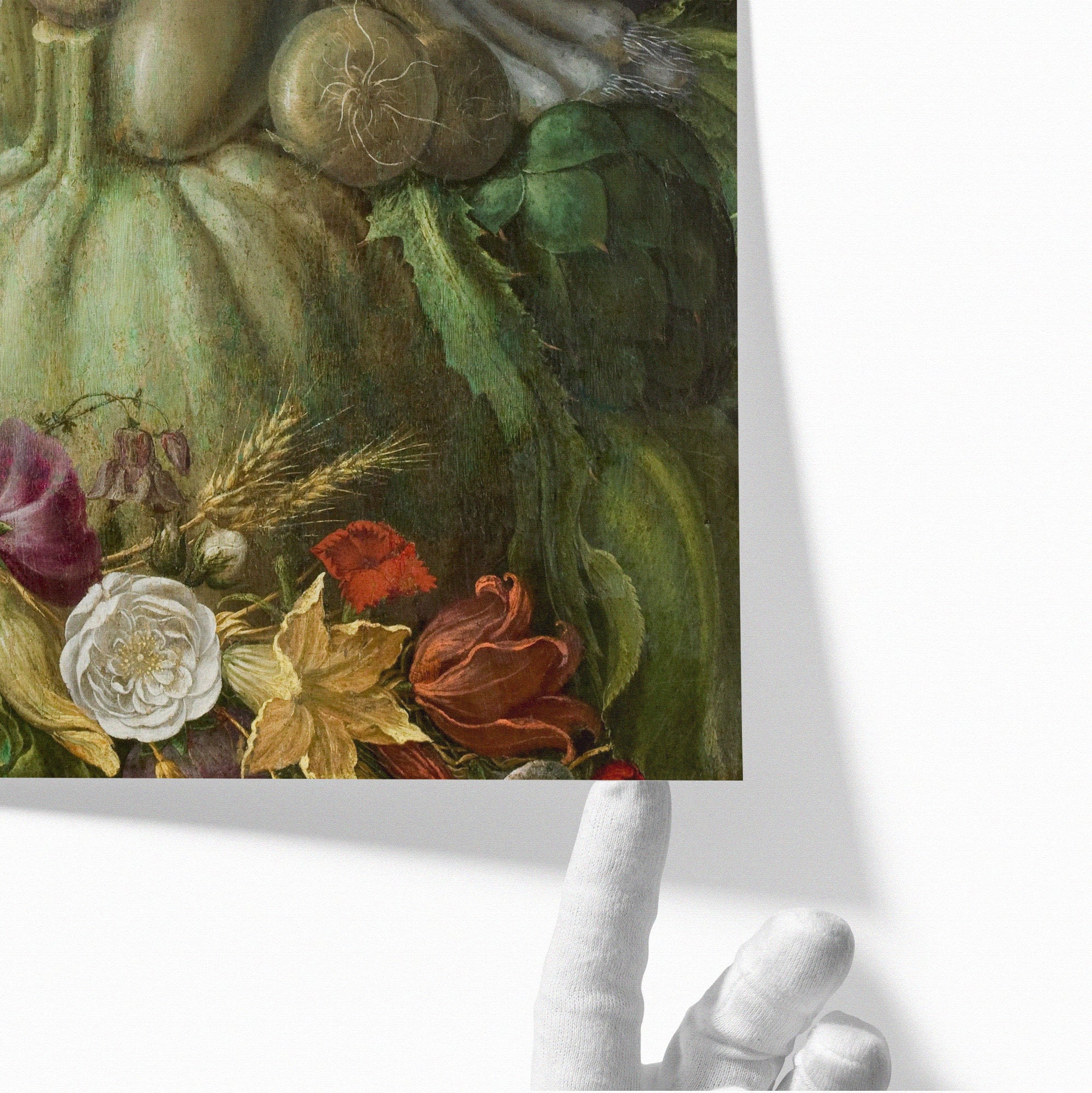
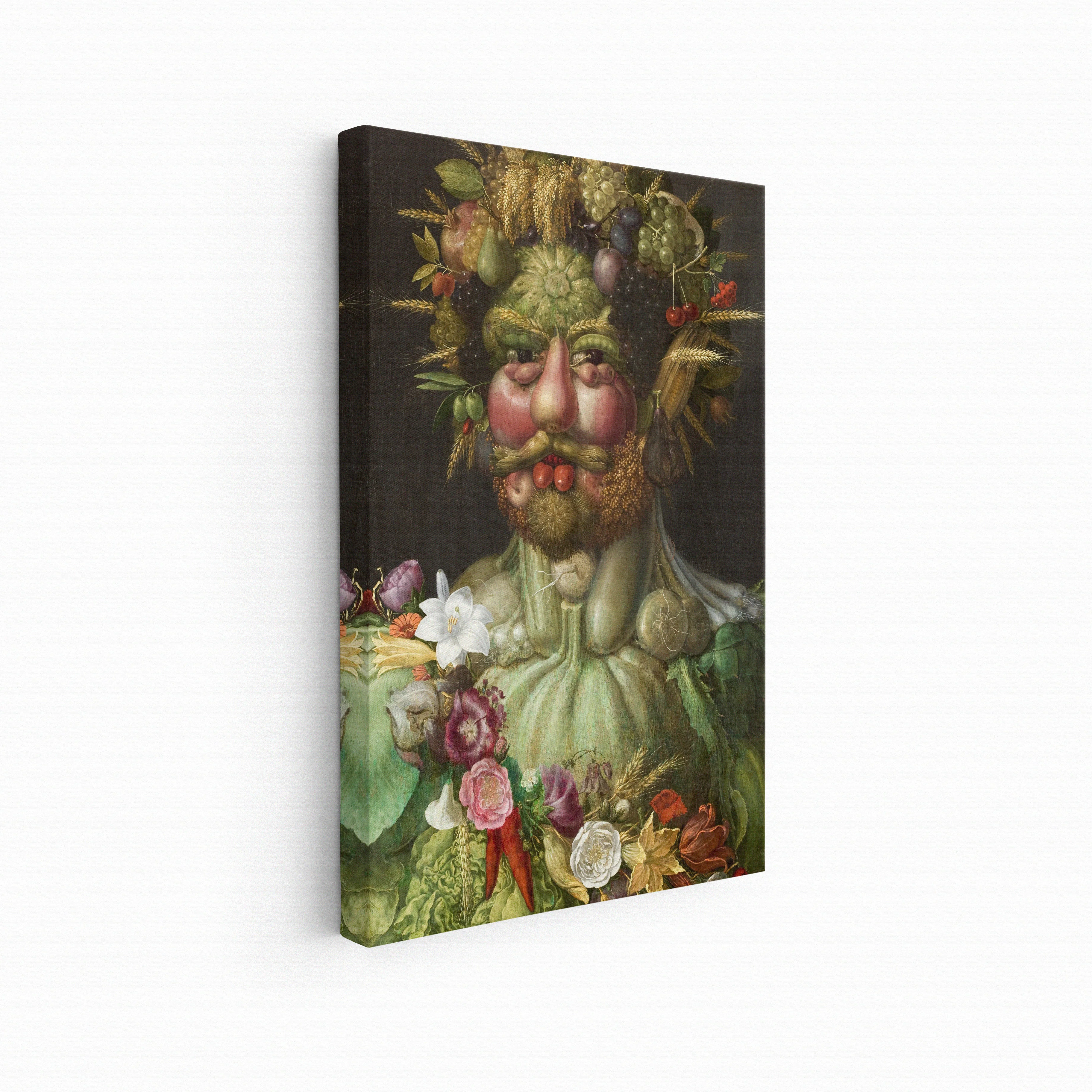
Rudolf II of Habsburg as Vertumnus | Giuseppe Arcimboldo | 1590

Product image 1
Product image 2
Product image 3
Product image 4
Product image 5
Product image 6
Product image 7
Product image 8
Product image 9

Rudolf II of Habsburg as Vertumnus | Giuseppe Arcimboldo | 1590

Rudolf II of Habsburg as Vertumnus | Giuseppe Arcimboldo | 1590

About the artwork:

Rudolf II of Habsburg as Vertumnus by Giuseppe Arcimboldo is a striking allegorical portrait that transforms the Holy Roman Emperor into the Roman god of seasons, gardens, and transformation. Composed entirely of fruits, vegetables, and flowers, the painting is both a celebration of nature’s abundance and a testament to the emperor’s cultivated image as a patron of the arts and sciences during the late Renaissance. Each carefully chosen botanical element corresponds with Arcimboldo’s meticulous technique and the symbolic language of imperial power, suggesting harmony between man and the natural world. Yet beneath the surface of this surreal composition lies an ambiguous tension: is it flattery or parody? By merging human identity with organic matter, Arcimboldo blurs the boundary between ruler and cosmos, reinforcing Rudolf’s mythologized status while subtly questioning the permanence and vanity of earthly power.

Select Select Size
Select Frame Options
From $89.35

Original: $297.82

-70%
Rudolf II of Habsburg as Vertumnus | Giuseppe Arcimboldo | 1590

$297.82

$89.35

Product Information

Shipping & Returns

Description

About the artwork:
Rudolf II of Habsburg as Vertumnus by Giuseppe Arcimboldo is a striking allegorical portrait that transforms the Holy Roman Emperor into the Roman god of seasons, gardens, and transformation. Composed entirely of fruits, vegetables, and flowers, the painting is both a celebration of nature’s abundance and a testament to the emperor’s cultivated image as a patron of the arts and sciences during the late Renaissance. Each carefully chosen botanical element corresponds with Arcimboldo’s meticulous technique and the symbolic language of imperial power, suggesting harmony between man and the natural world. Yet beneath the surface of this surreal composition lies an ambiguous tension: is it flattery or parody? By merging human identity with organic matter, Arcimboldo blurs the boundary between ruler and cosmos, reinforcing Rudolf’s mythologized status while subtly questioning the permanence and vanity of earthly power.