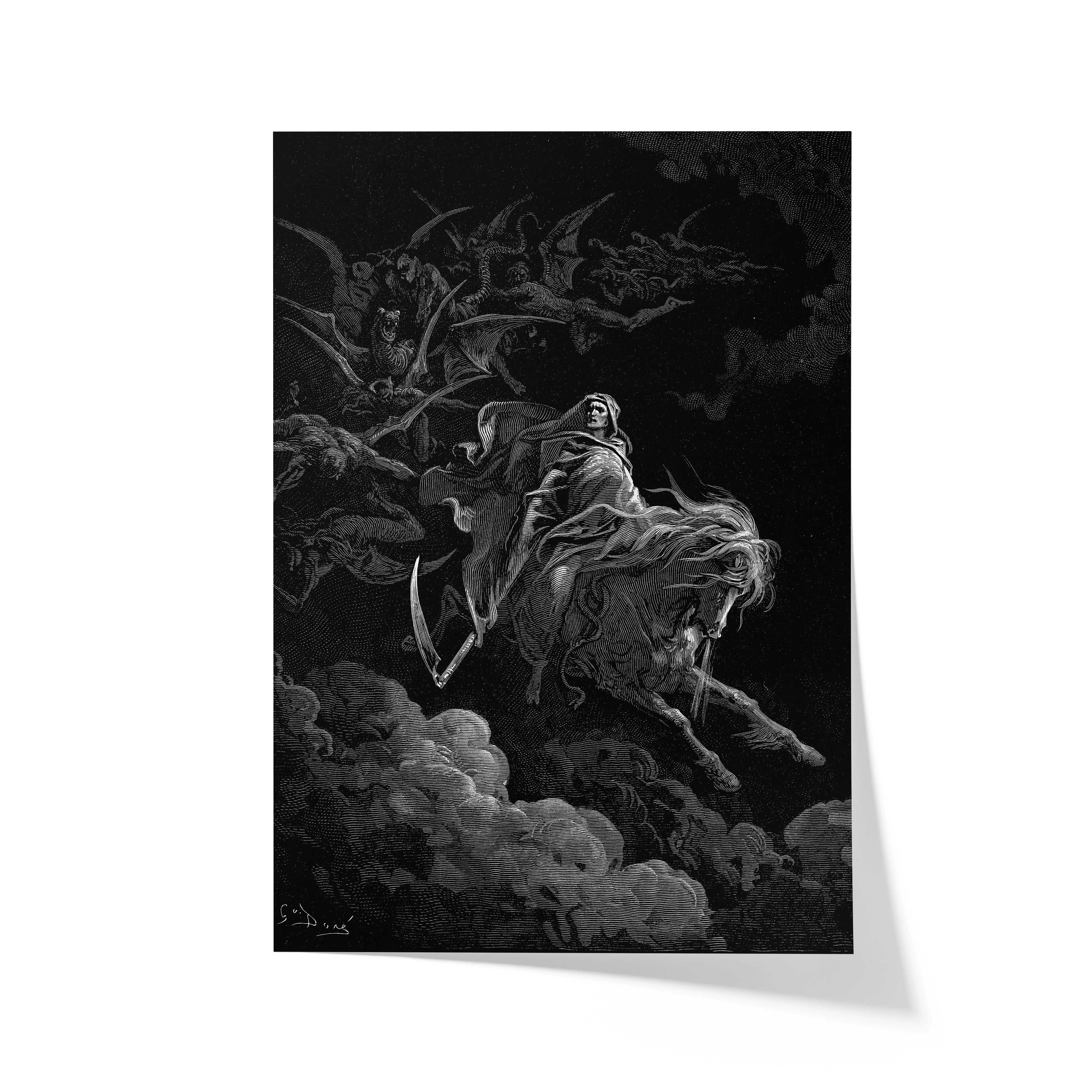
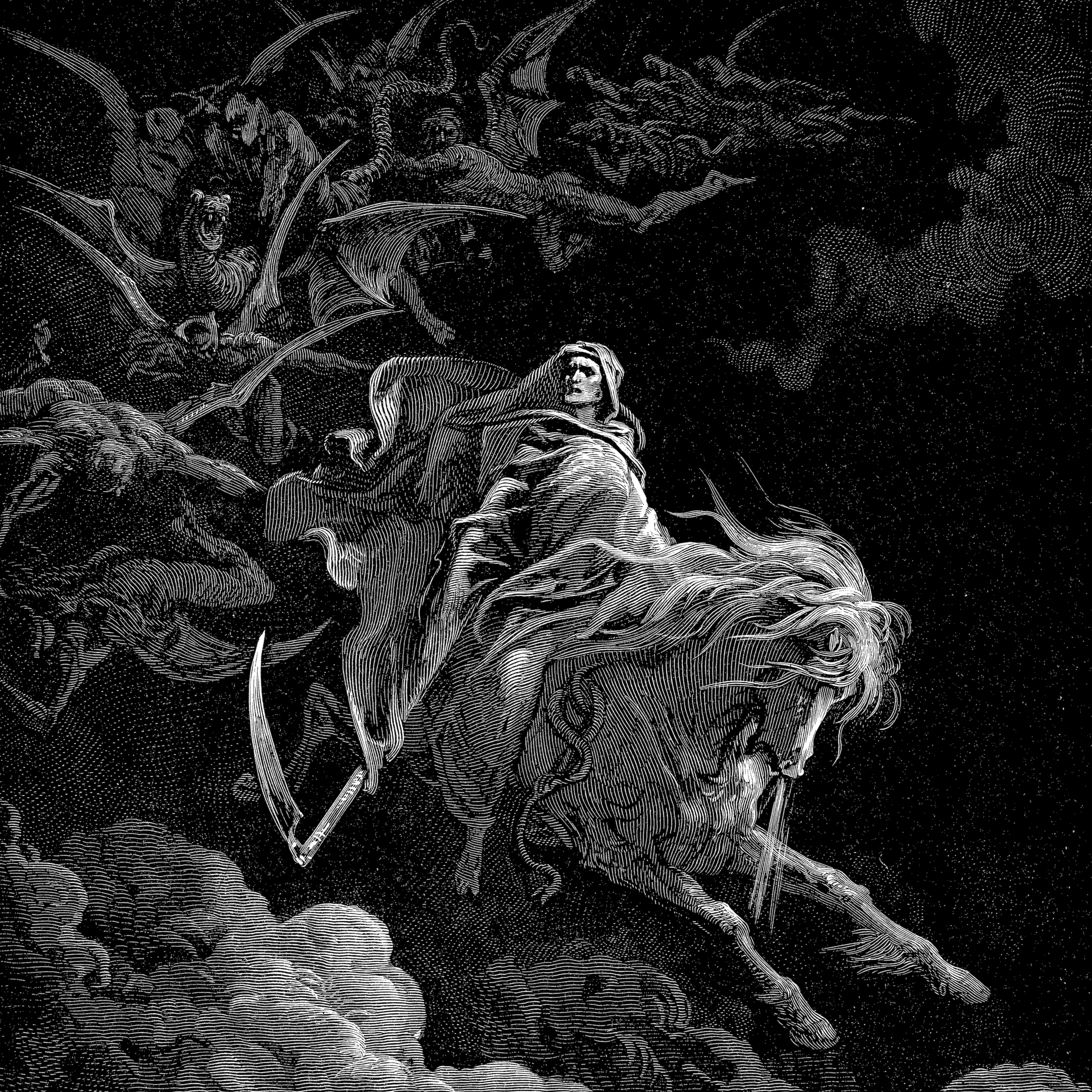
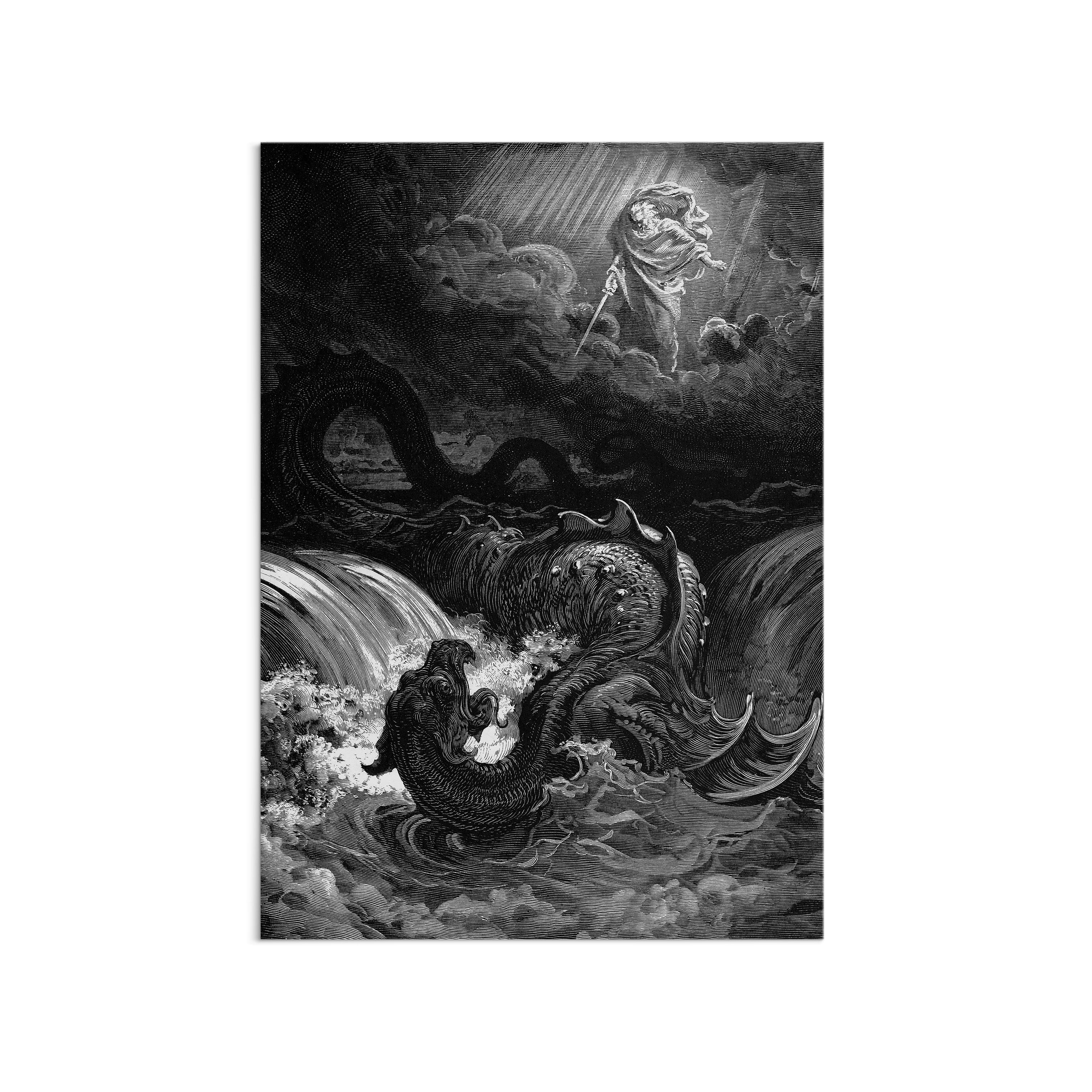
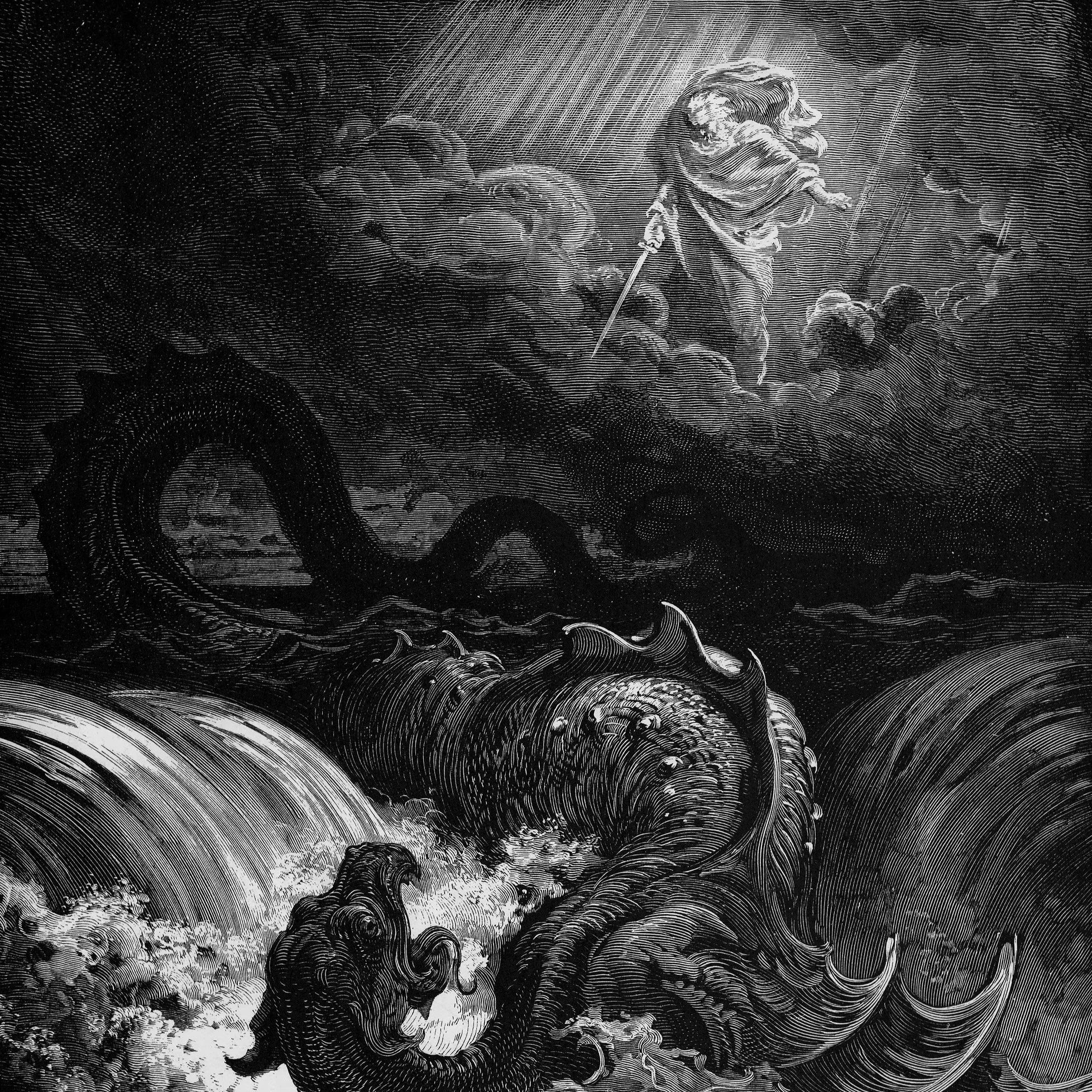
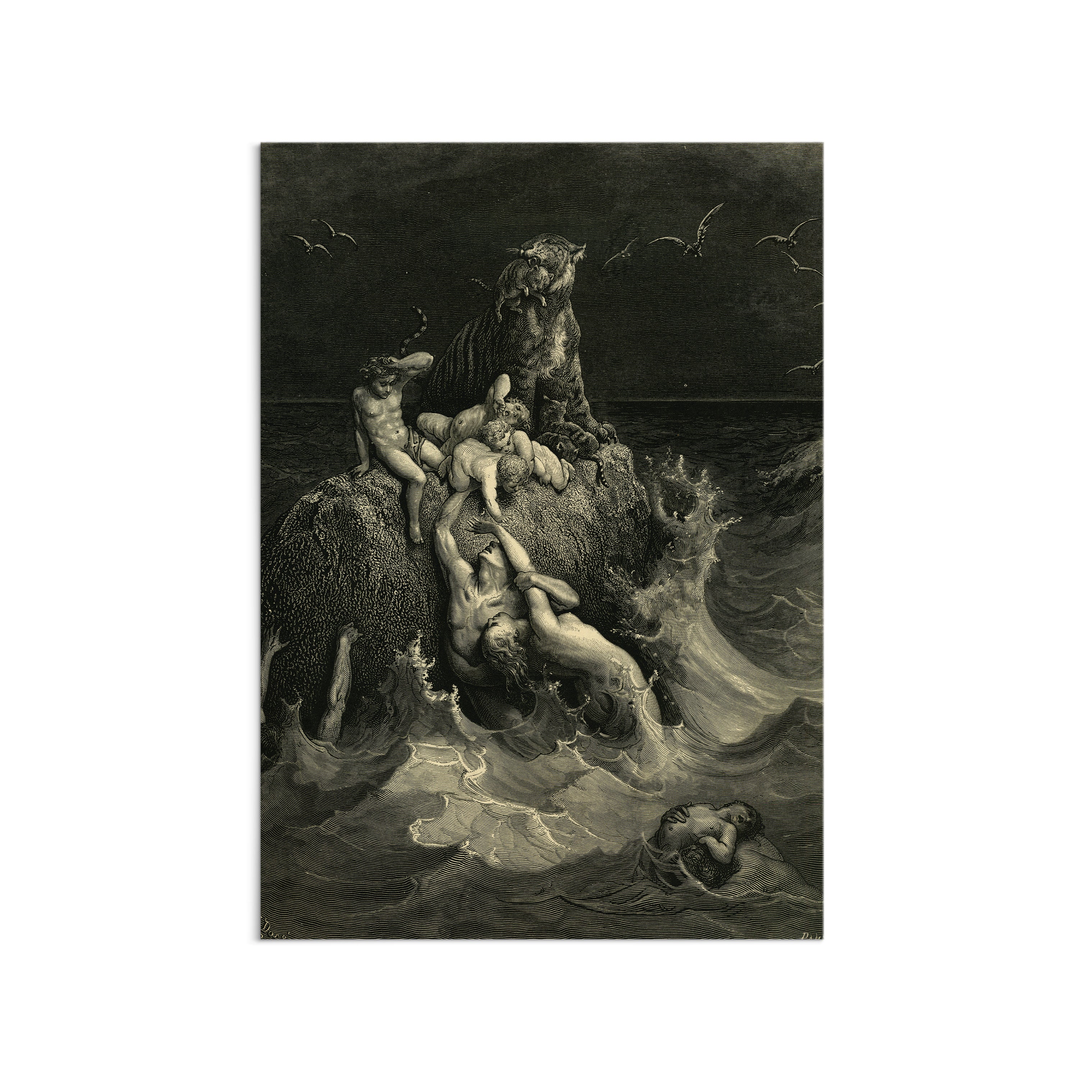
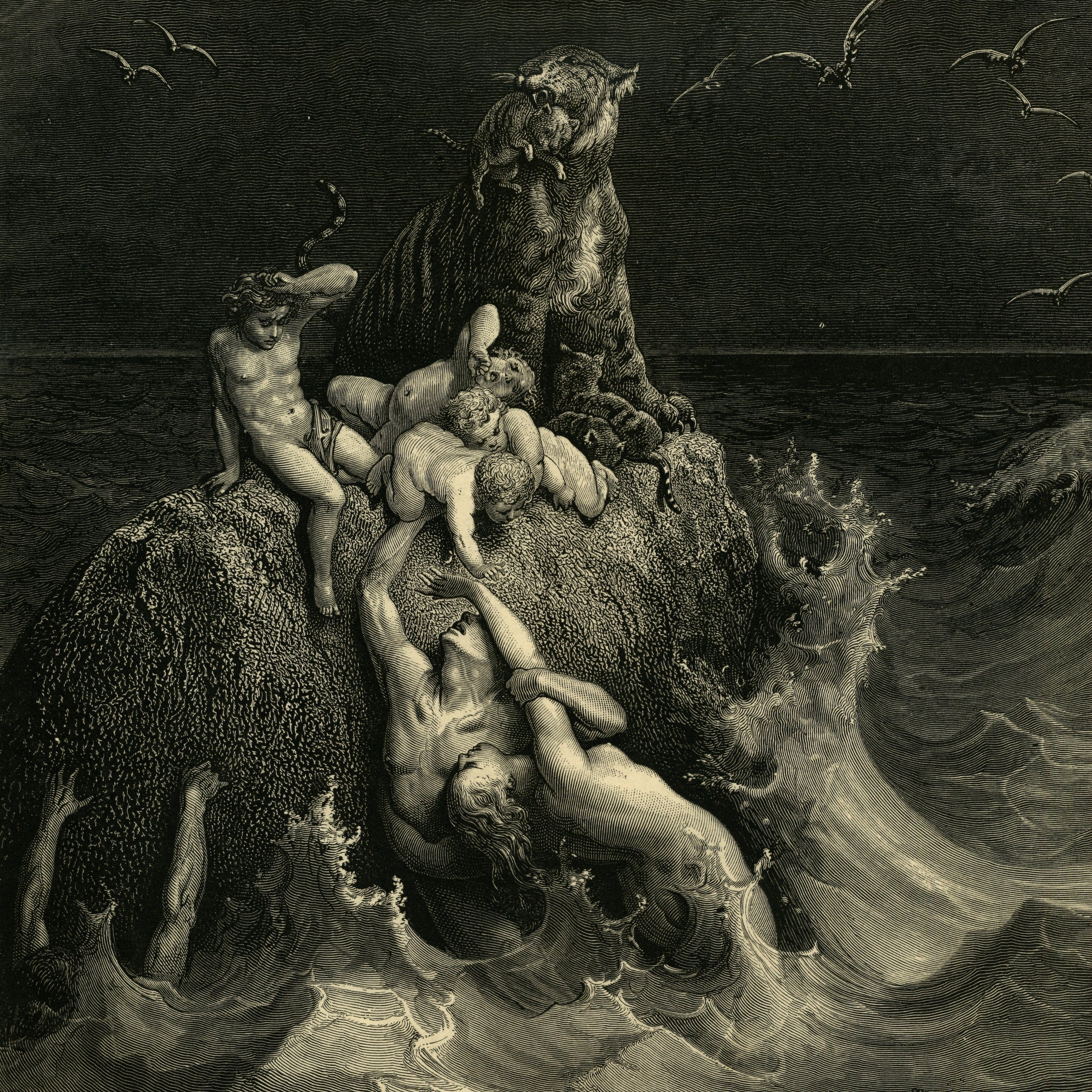
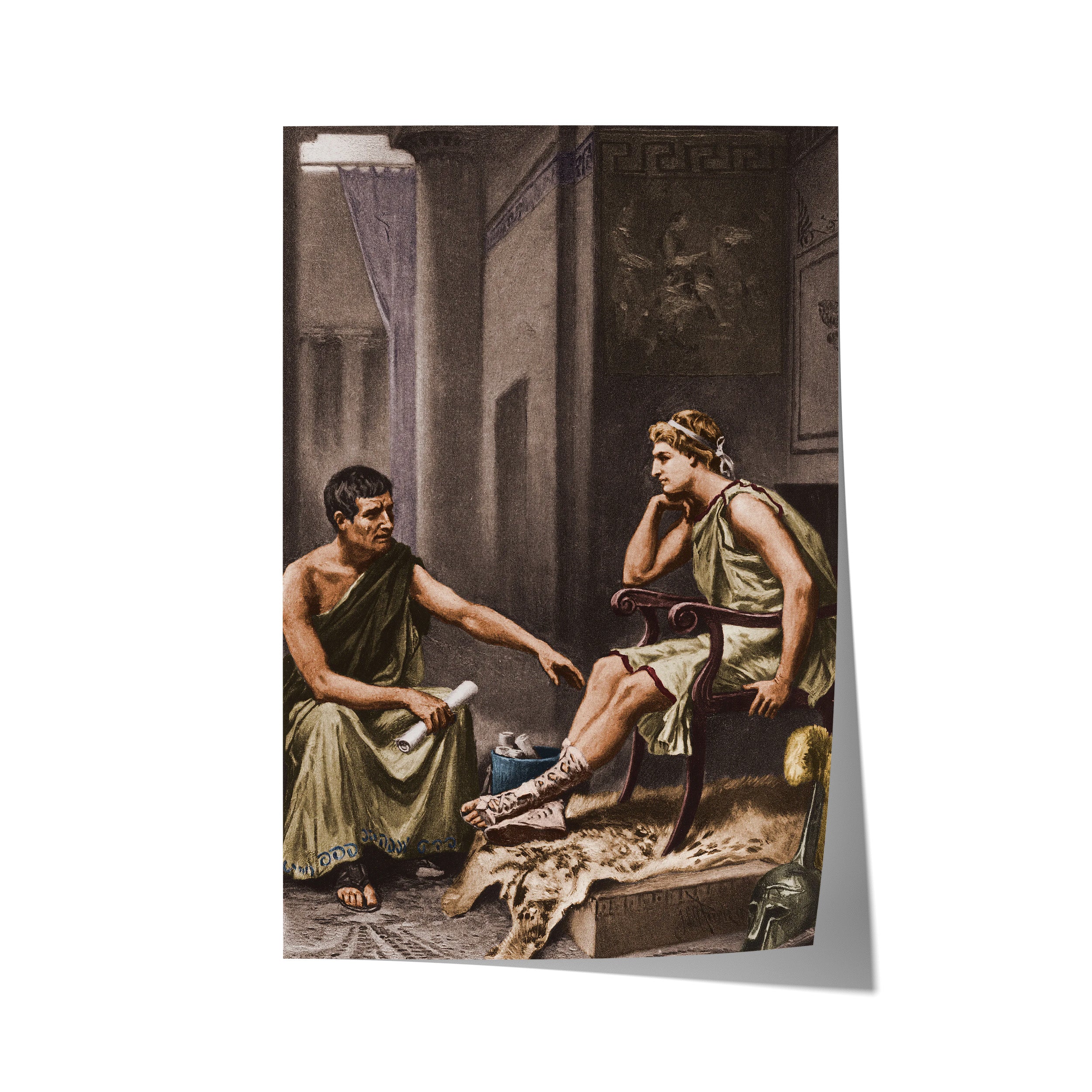
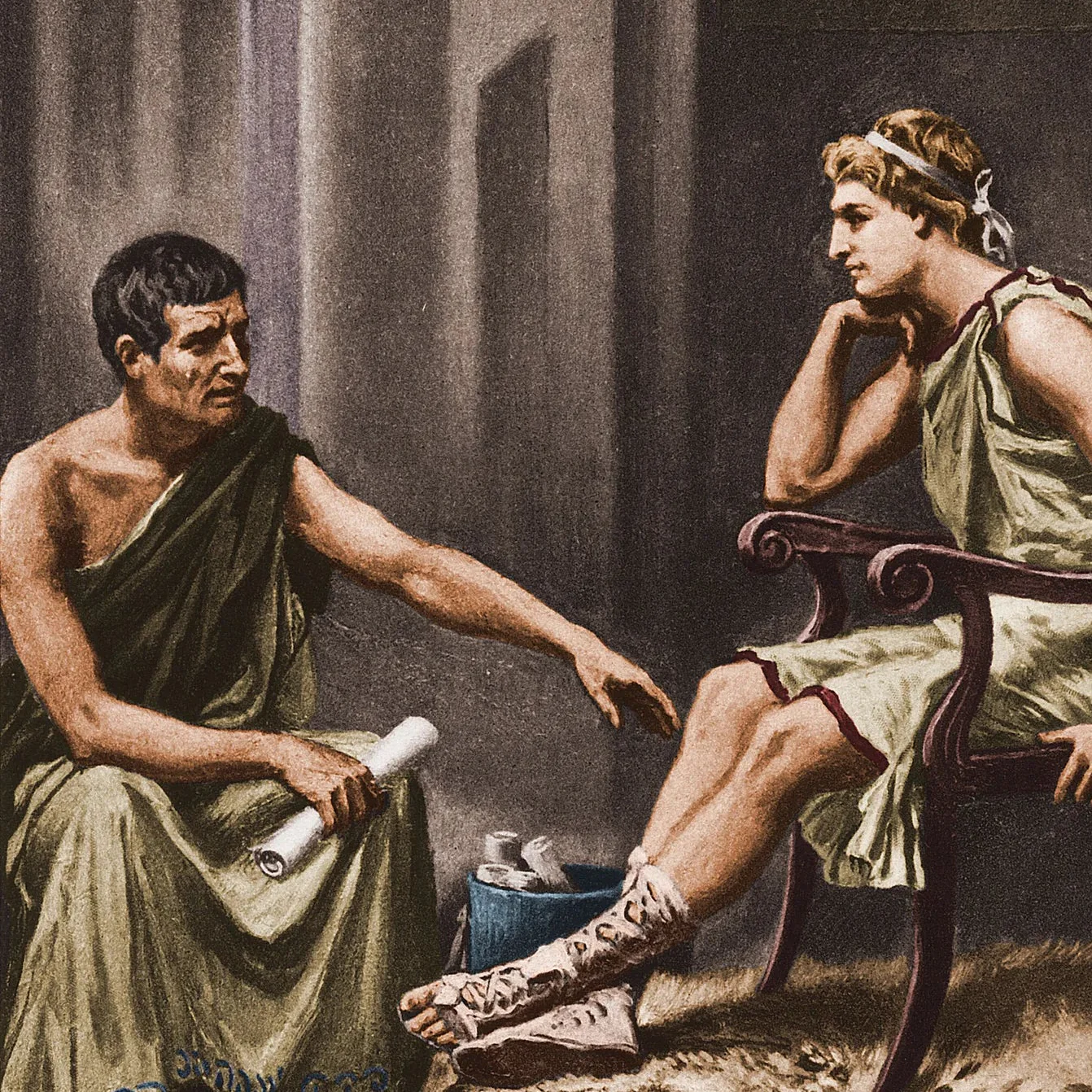
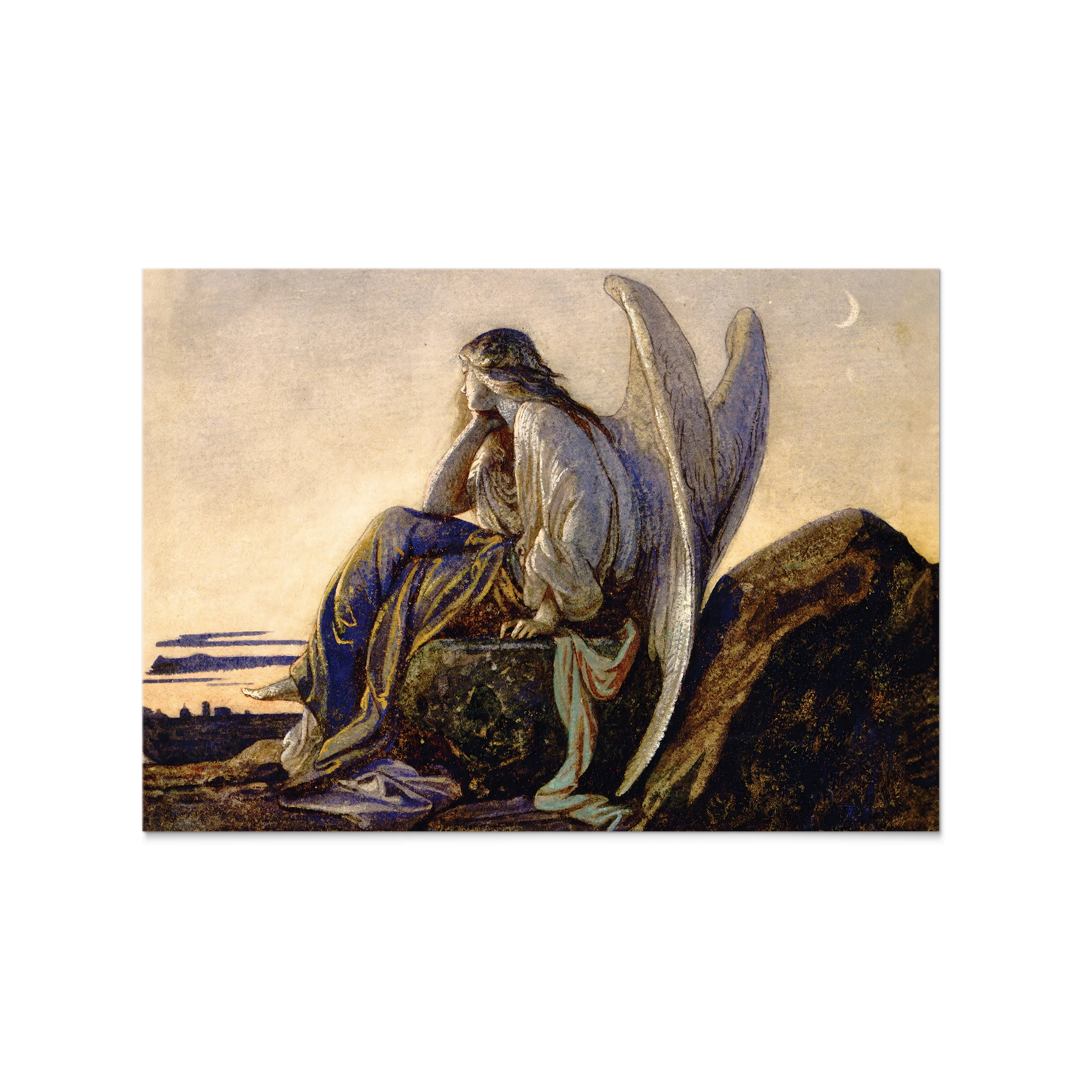
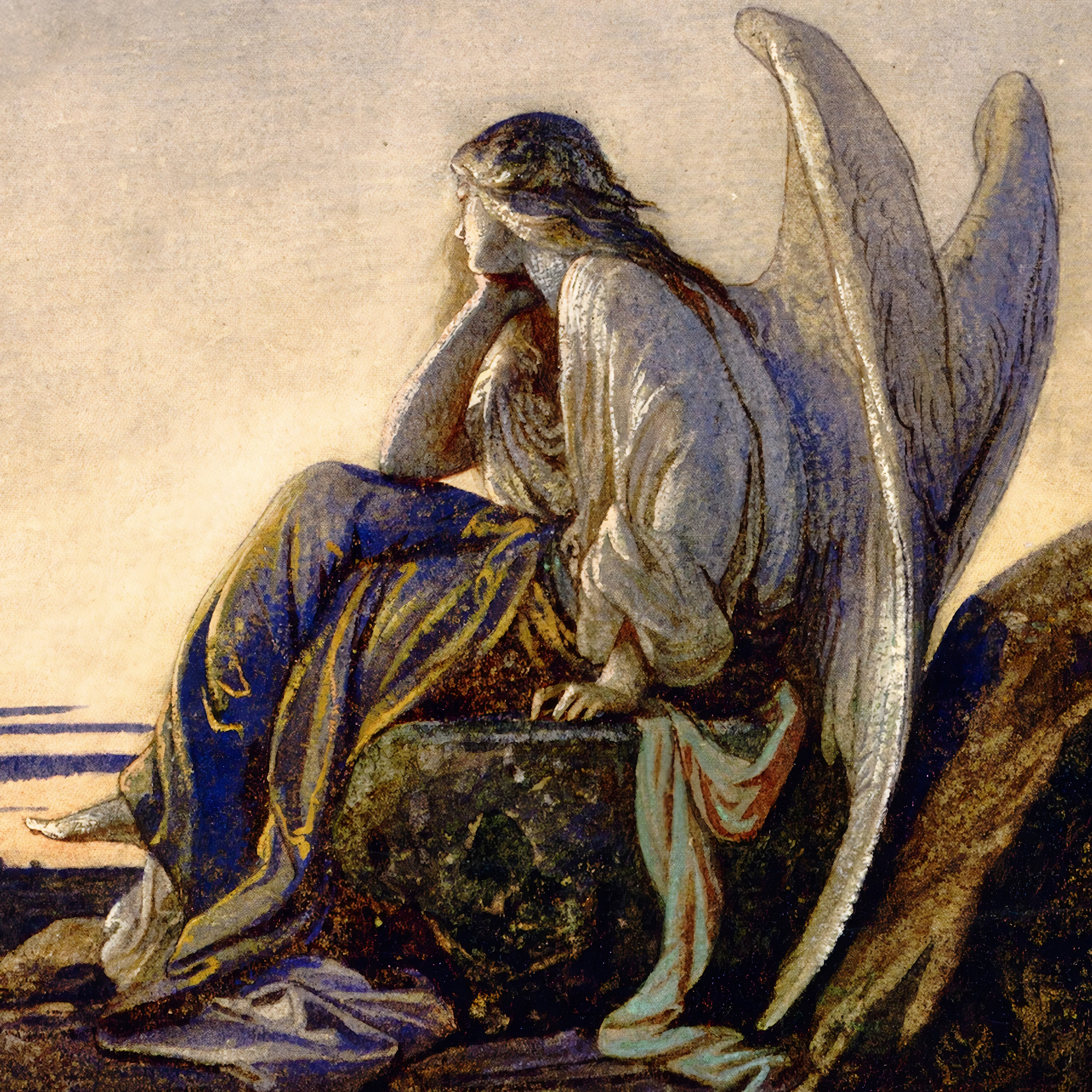
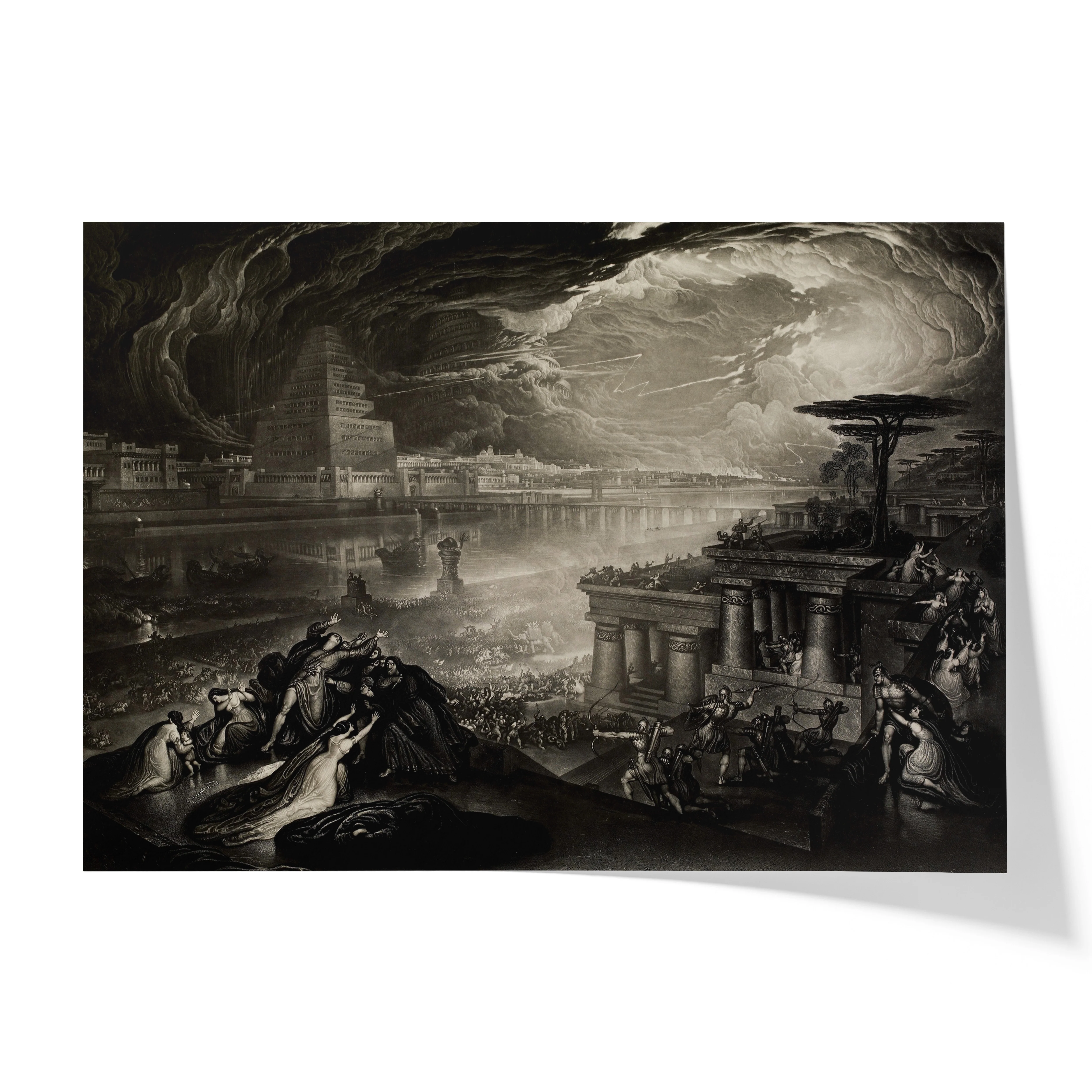
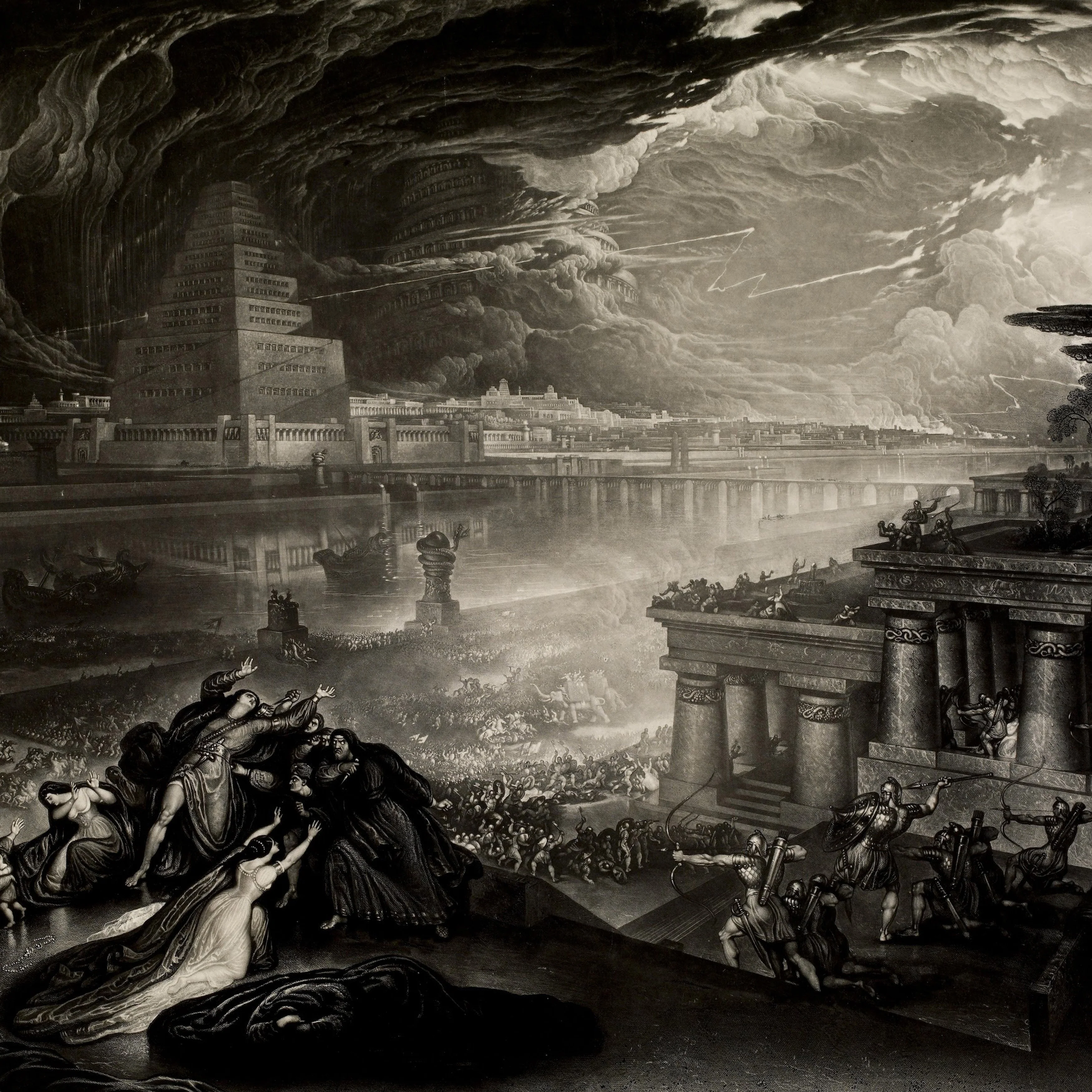
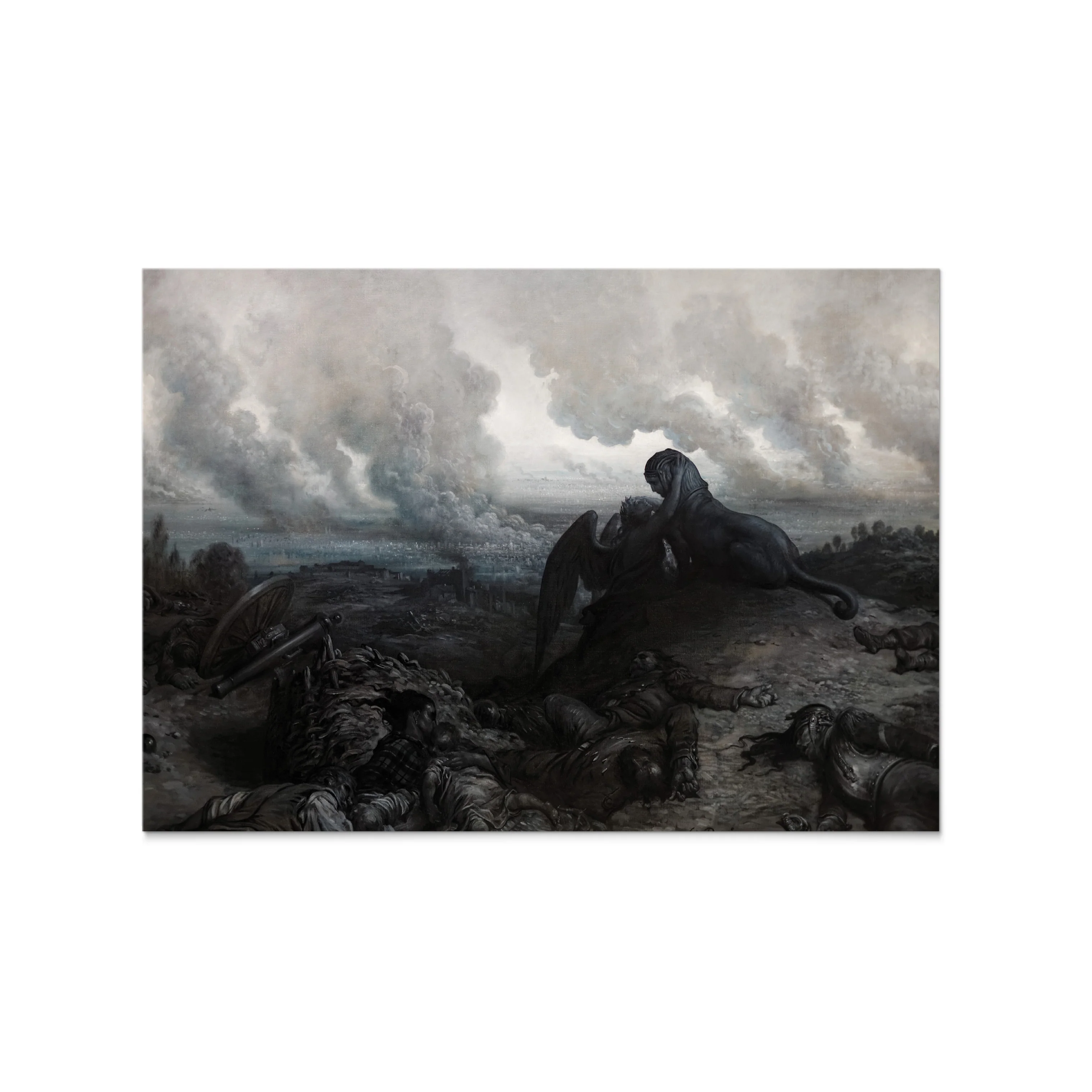
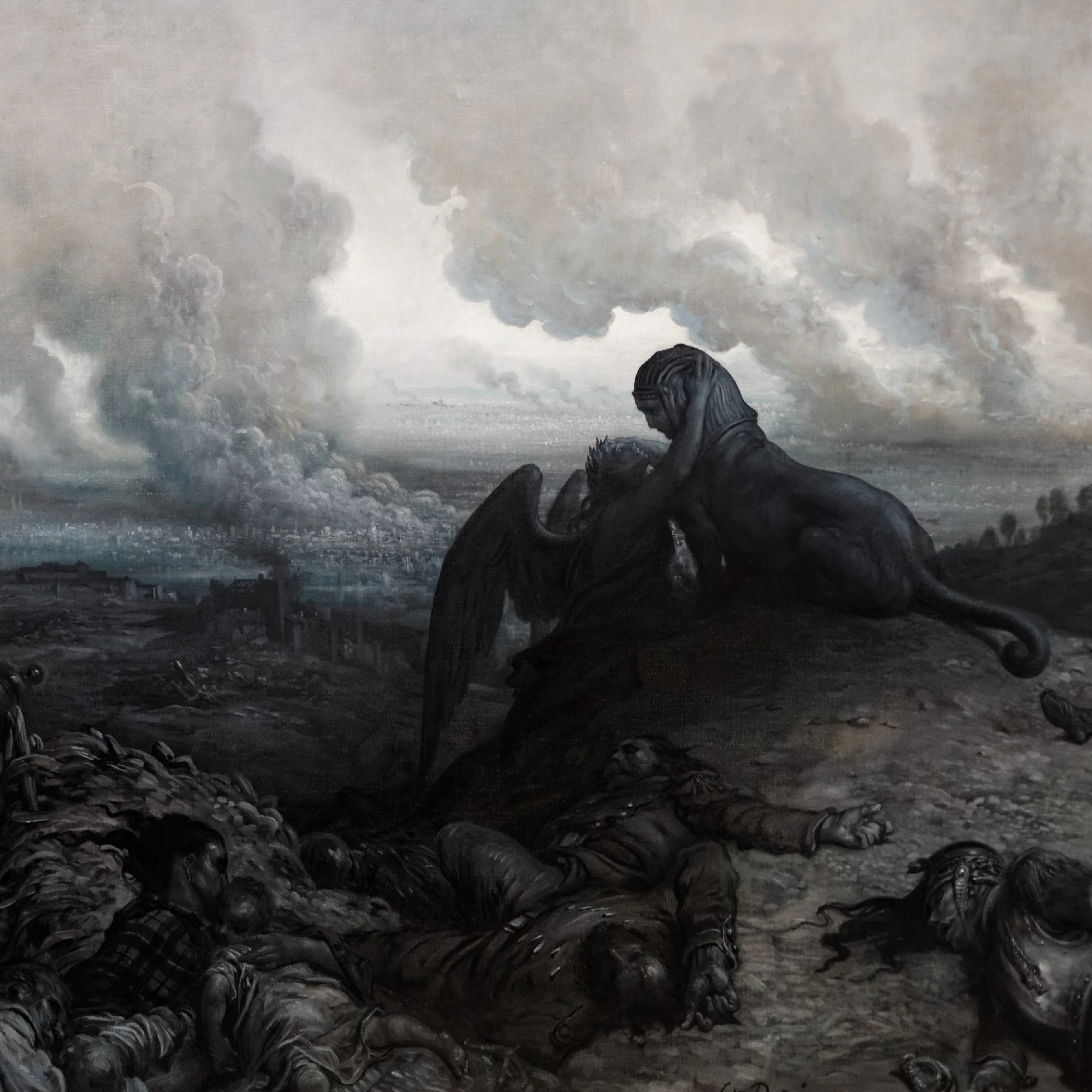
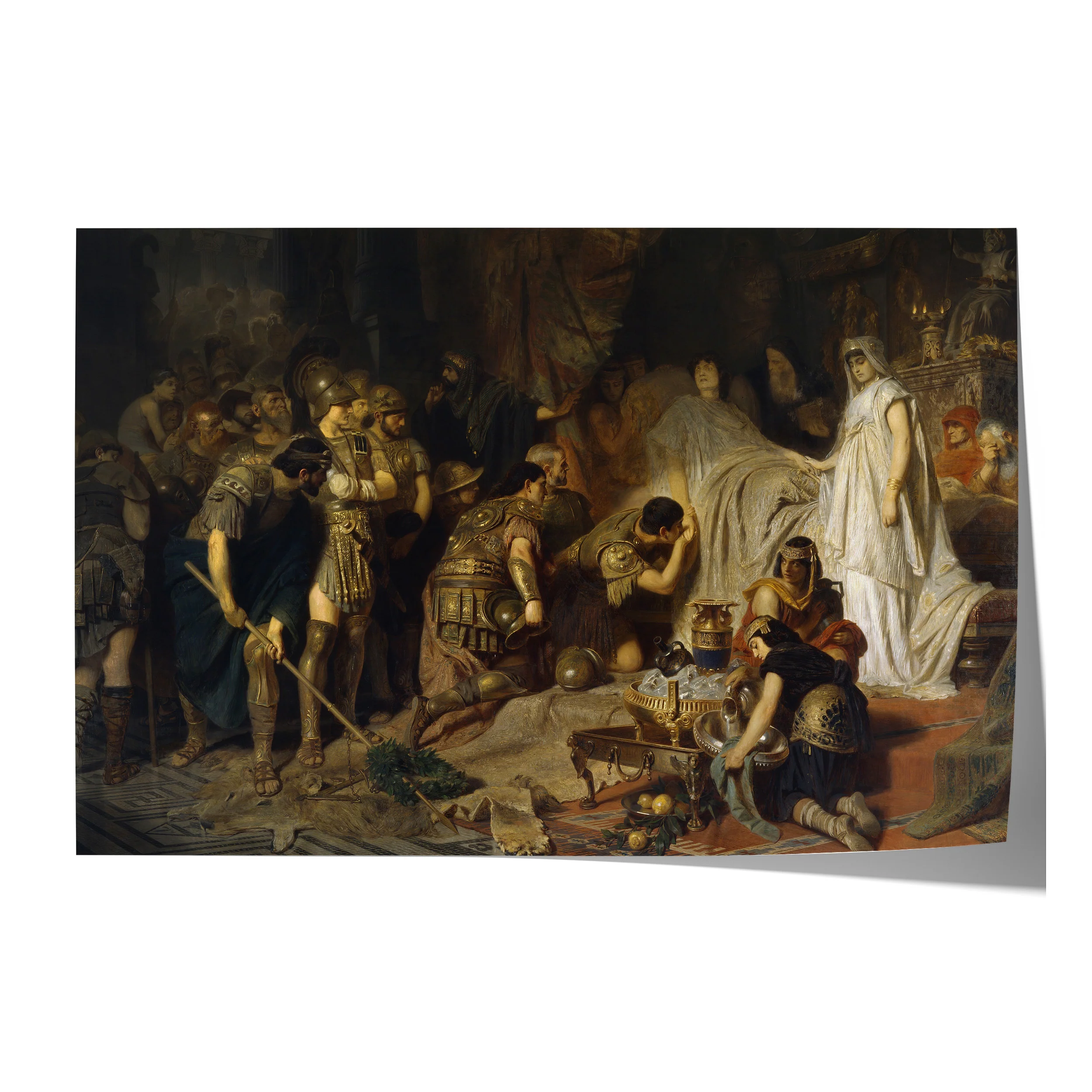
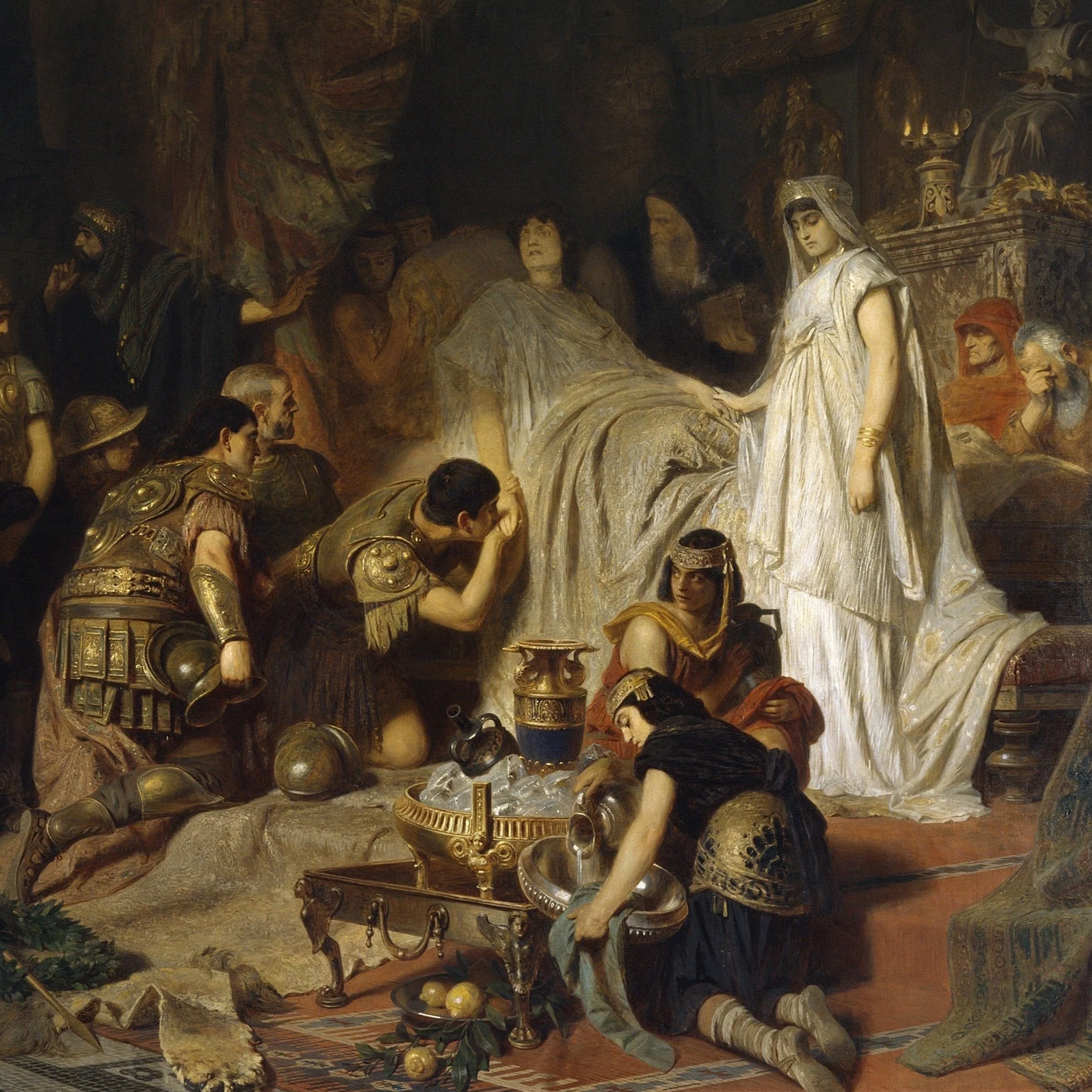
The Ballad of Lenore by Horace Vernet, painted in 1839, brings to life the famous German poem by Gottfried August Bürger, where a young woman named Leonora is consumed by despair after believing her lover has died in war. Vernet captures the most haunting moment of the story as Leonora rides through the night with a mysterious horseman who gradually reveals himself to be Death. The painting is filled with movement and tension, blending Romanticism, a nineteenth-century artistic movement that emphasized emotion and the supernatural, with a vivid sense of storytelling. The stormy sky, the frantic horse, and Leonora’s terrified expression create a powerful contrast between love and doom. Vernet’s interpretation visualizes the psychological horror of the poem, turning a tragic ballad into a dramatic scene where passion, fear and destiny collide in a single, unforgettable ride.
The Ballad of Lenore | Horace Vernet | 1839
About the artwork:
Product Information
Product Information
Shipping & Returns
Shipping & Returns


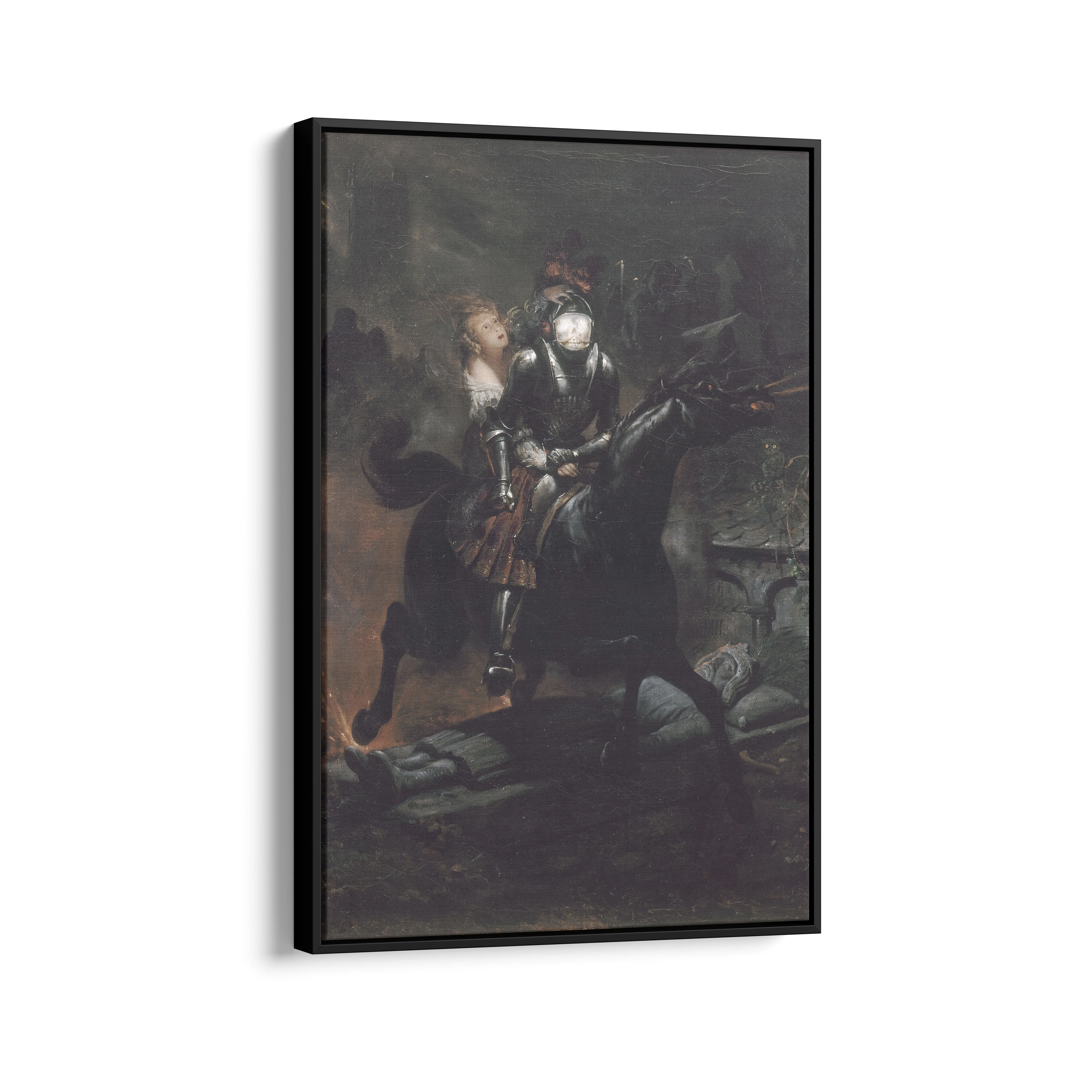
The Ballad of Lenore | Horace Vernet | 1839
The Ballad of Lenore | Horace Vernet | 1839
About the artwork:
Select Select Size
Select Frame Options
From $89.35
Original: $297.82
-70%The Ballad of Lenore | Horace Vernet | 1839—
$297.82
$89.35Product Information
Product Information
Shipping & Returns
Shipping & Returns
Description
About the artwork: