✨ New Arrivals Just Dropped!Explore
HomeStore

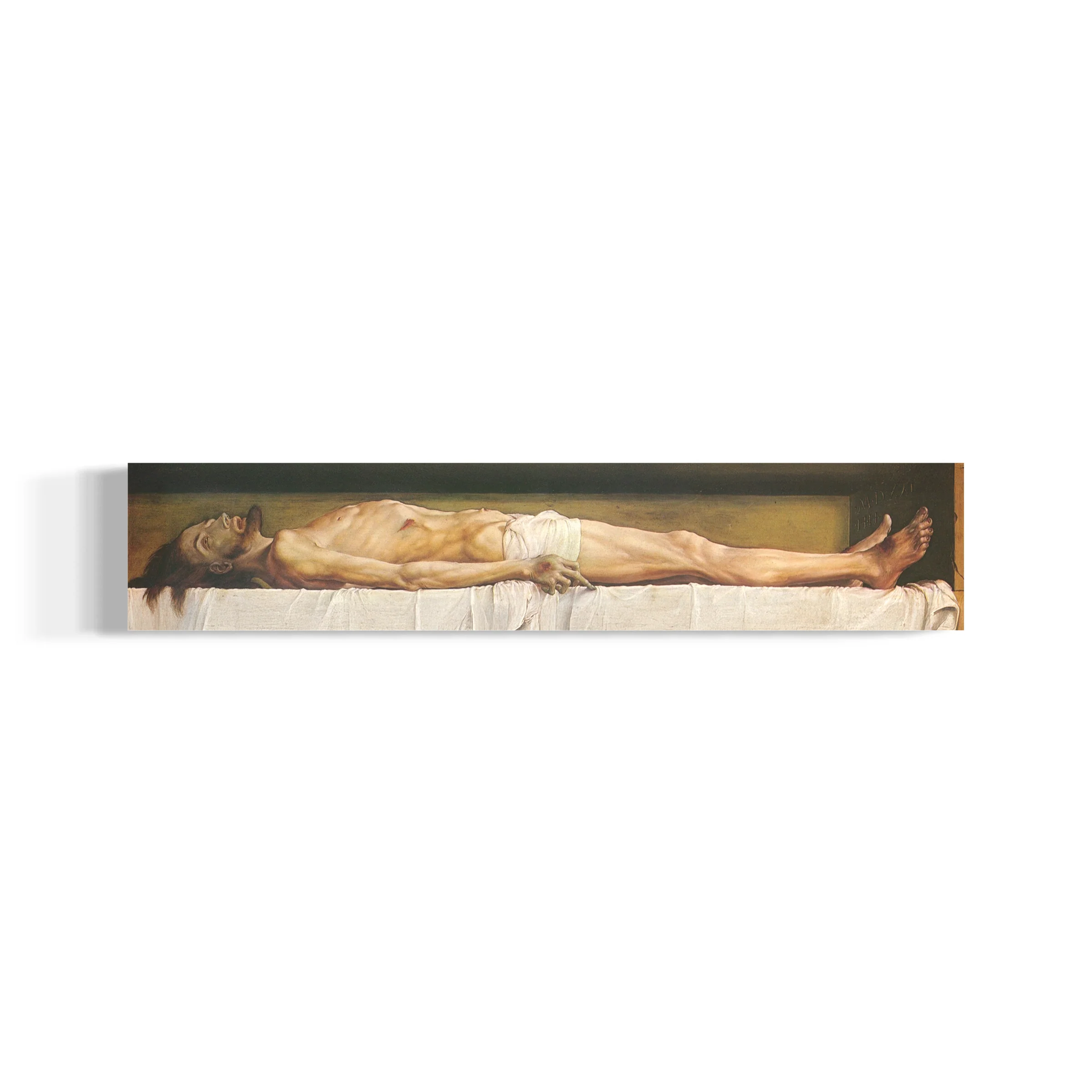
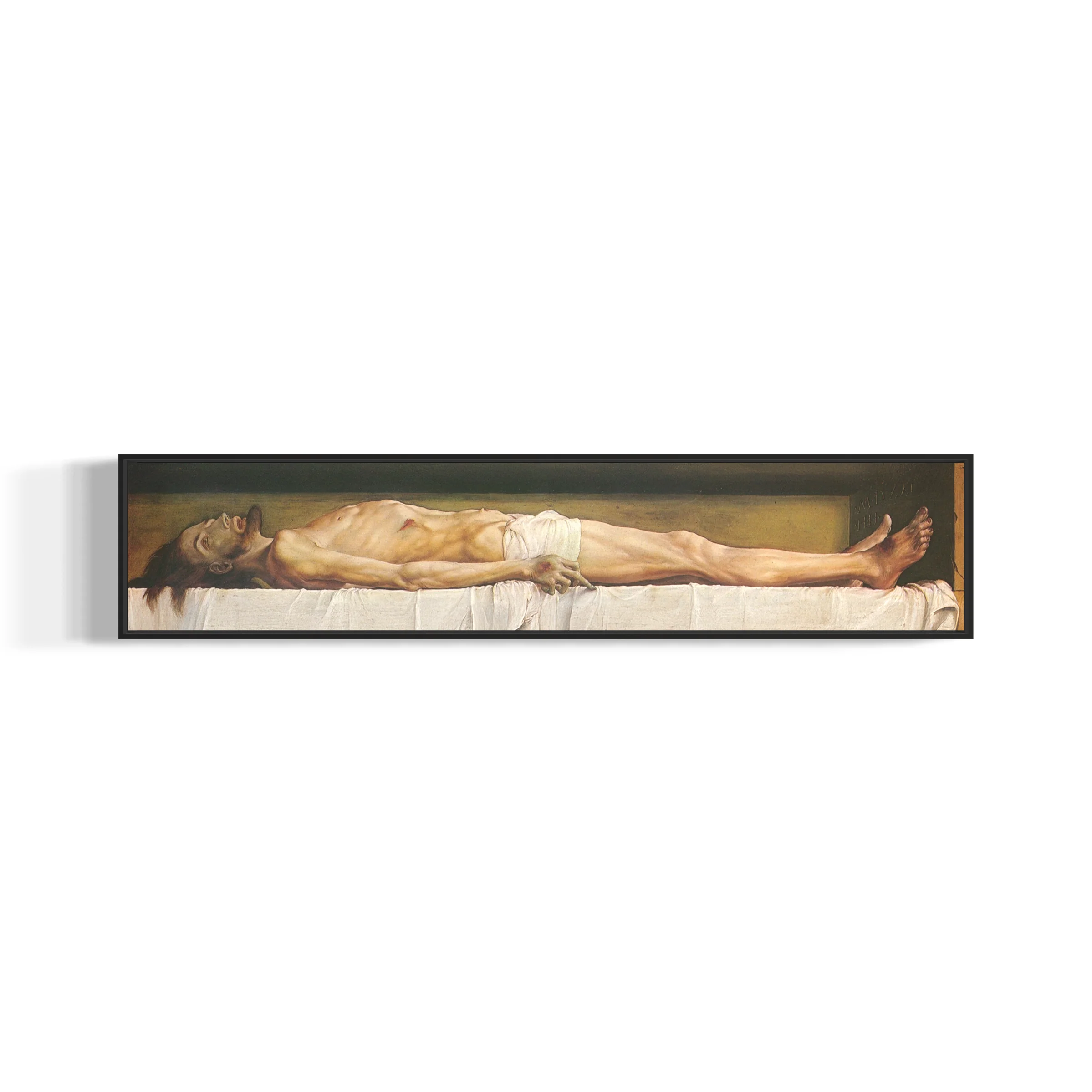
The Body of the Dead Christ in the Tomb | Hans Holbein the Younger | 1520-22

Product image 1
Product image 2
Product image 3
Product image 4
Product image 5
Product image 6
Product image 7
Product image 8
Product image 9

The Body of the Dead Christ in the Tomb | Hans Holbein the Younger | 1520-22

The Body of the Dead Christ in the Tomb | Hans Holbein the Younger | 1520-22

About the artwork:

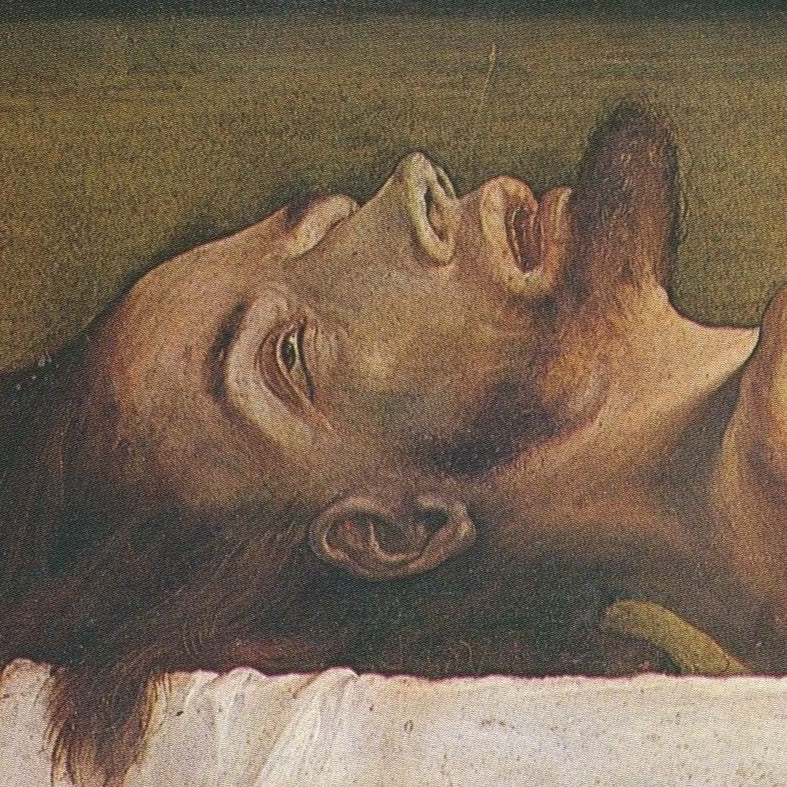
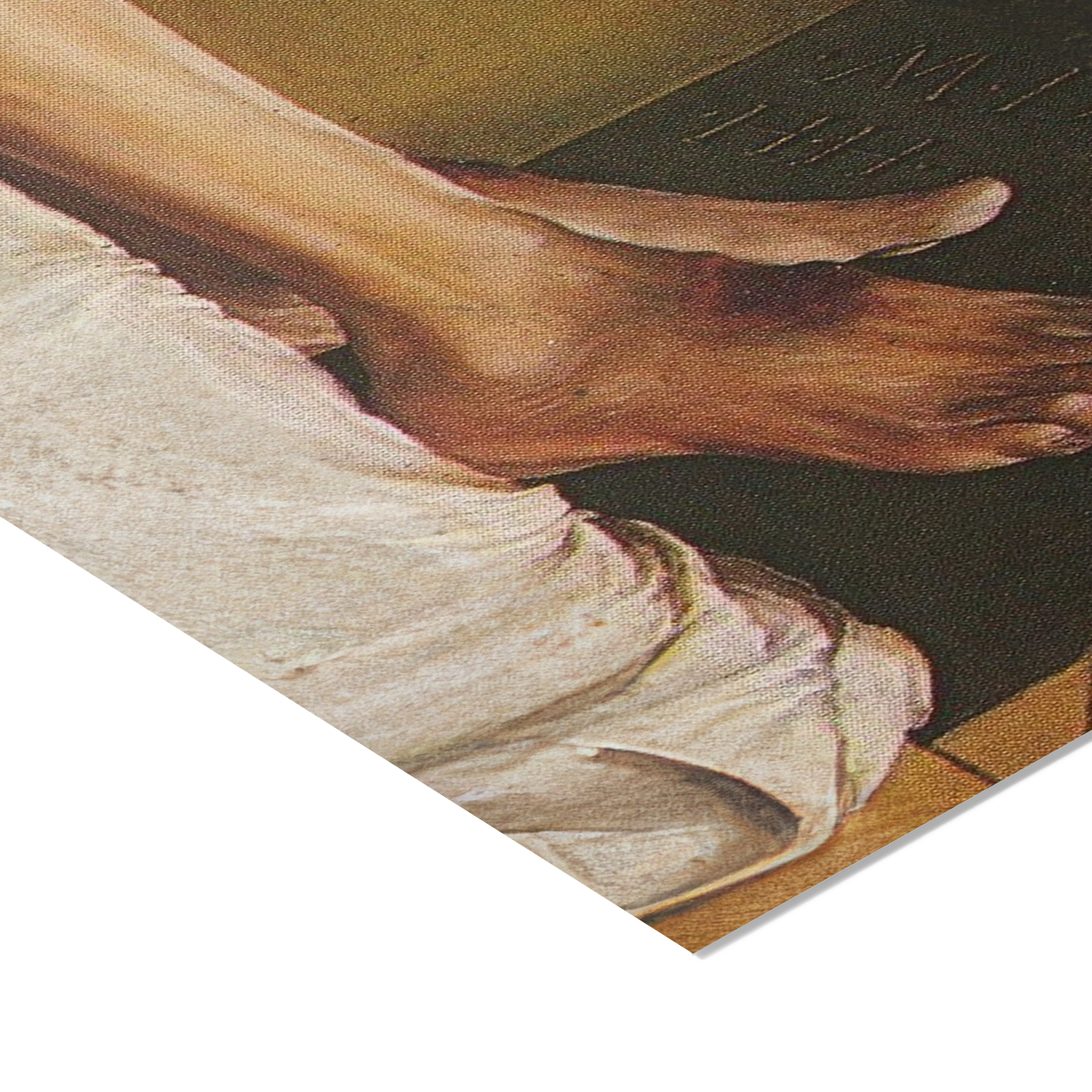
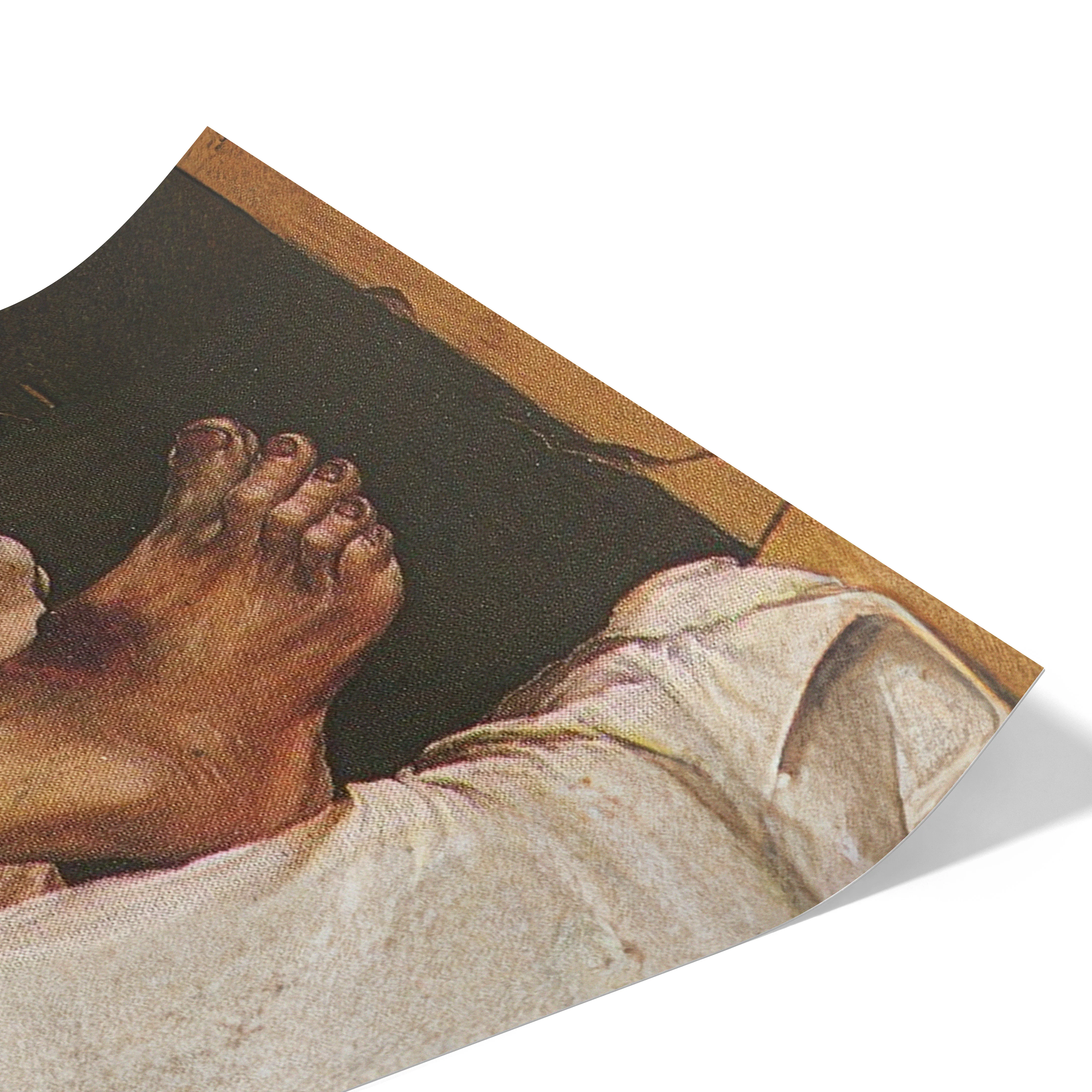
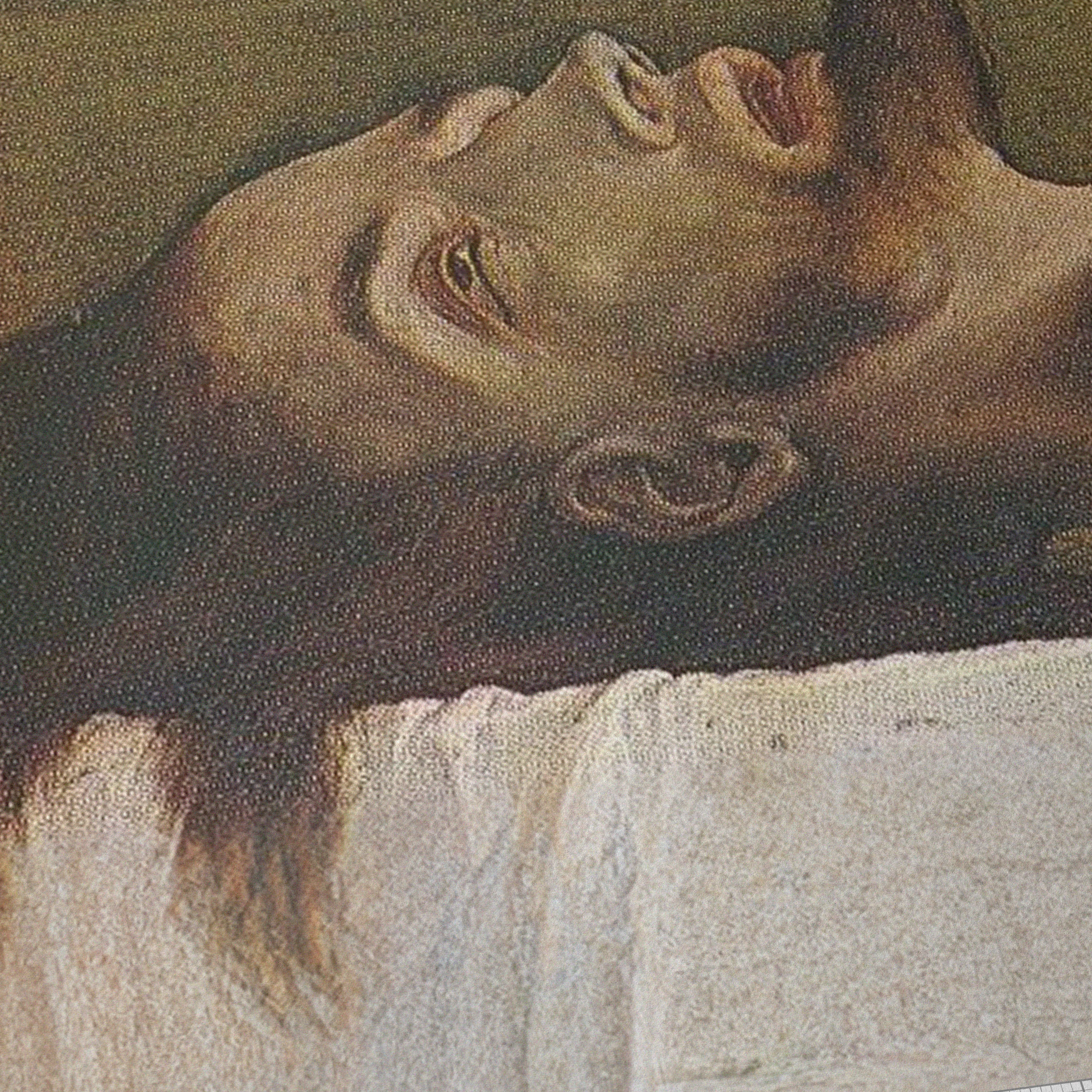
Hans Holbein the Younger’s The Body of the Dead Christ in the Tomb (1520–1522) presents an unflinchingly realistic depiction of Christ's lifeless body, stretched horizontally in a narrow, claustrophobic tomb. Stripped of divine radiance, Christ’s corpse is emaciated, rigid, and marred by signs of death — an unsettling portrayal that strips away traditional notions of triumphant resurrection and confronts viewers with the brutal finality of mortality. Painted during a period of religious upheaval, the work reflects Holbein’s characteristic precision and anatomical accuracy while provoking profound theological and existential questions. By emphasizing the human vulnerability of Christ rather than his divine nature, Holbein challenges traditional devotional imagery and invites the viewer to contemplate the mystery of faith in the face of death’s apparent triumph.

Select Select Size
Select Frame Options
From $529.57

Original: $1,765.24

-70%
The Body of the Dead Christ in the Tomb | Hans Holbein the Younger | 1520-22

$1,765.24

$529.57

Product Information

Shipping & Returns

Description

About the artwork:
Hans Holbein the Younger’s The Body of the Dead Christ in the Tomb (1520–1522) presents an unflinchingly realistic depiction of Christ's lifeless body, stretched horizontally in a narrow, claustrophobic tomb. Stripped of divine radiance, Christ’s corpse is emaciated, rigid, and marred by signs of death — an unsettling portrayal that strips away traditional notions of triumphant resurrection and confronts viewers with the brutal finality of mortality. Painted during a period of religious upheaval, the work reflects Holbein’s characteristic precision and anatomical accuracy while provoking profound theological and existential questions. By emphasizing the human vulnerability of Christ rather than his divine nature, Holbein challenges traditional devotional imagery and invites the viewer to contemplate the mystery of faith in the face of death’s apparent triumph.