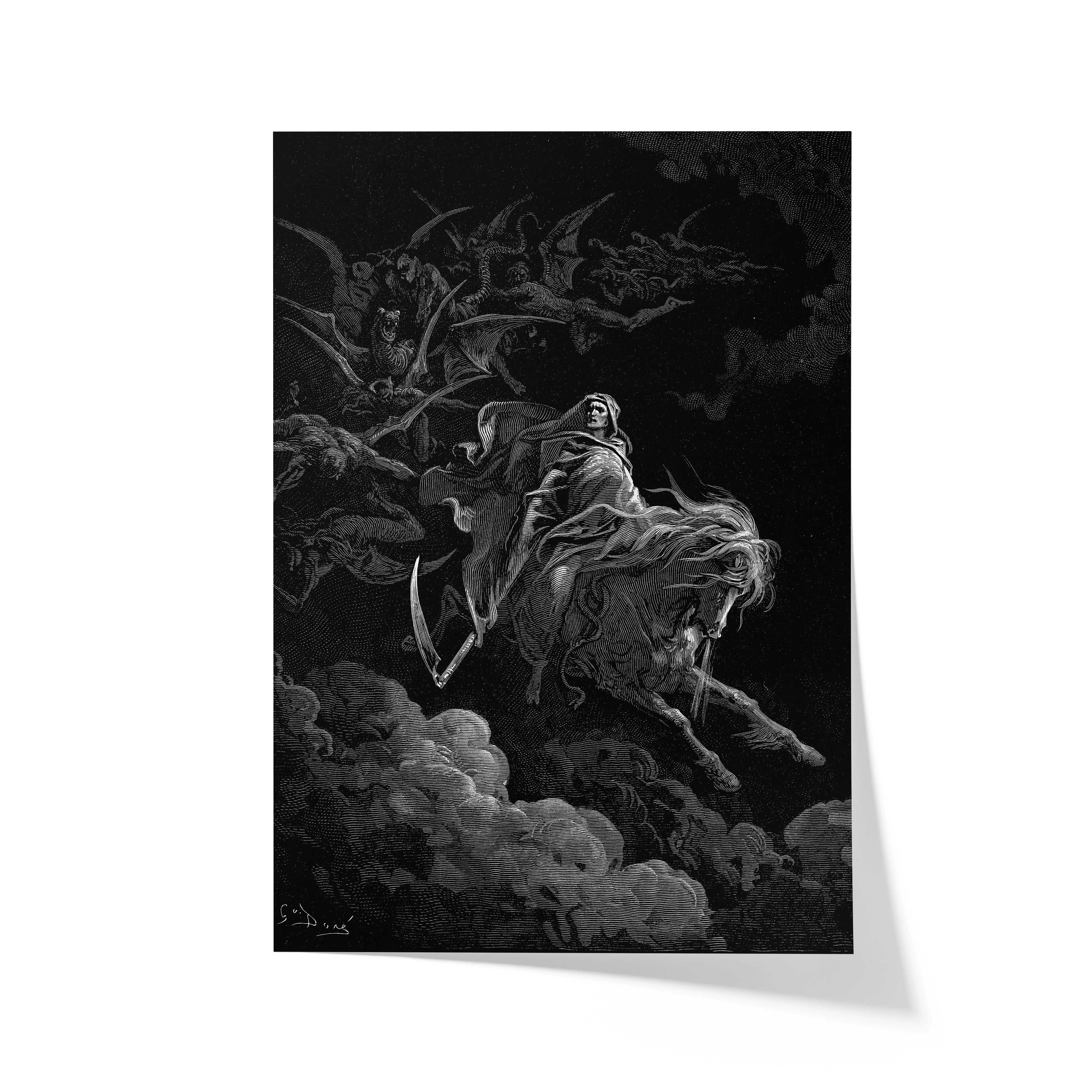
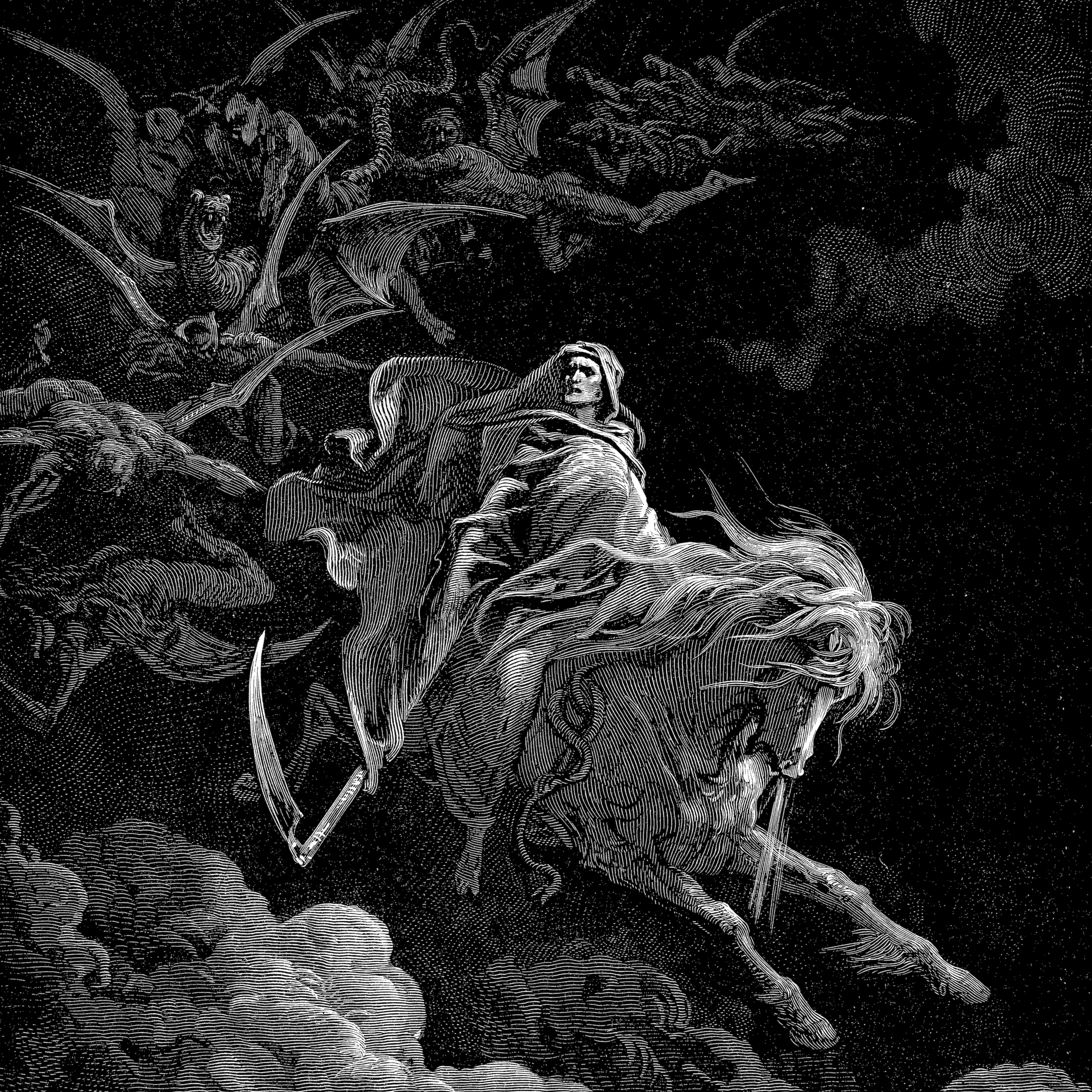
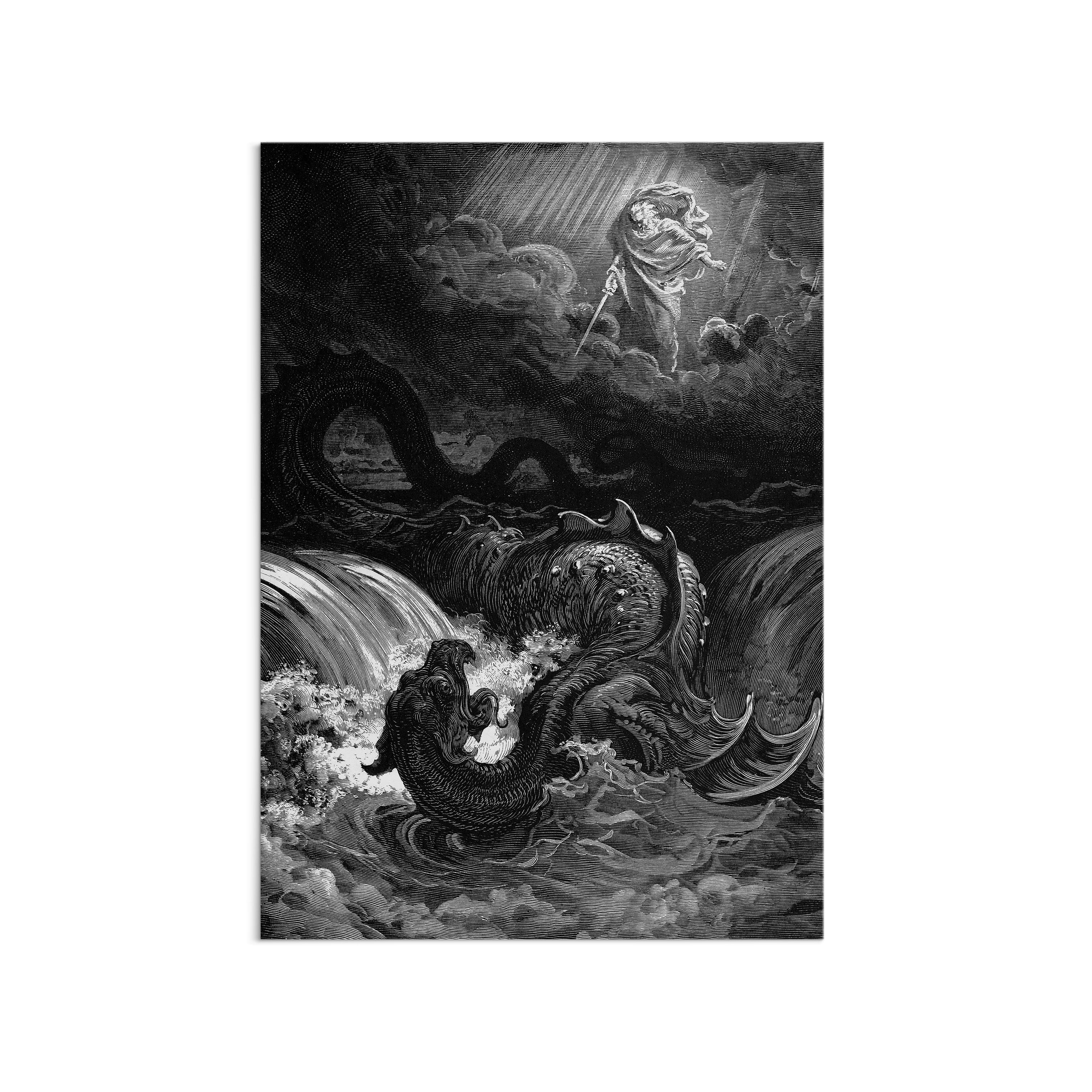
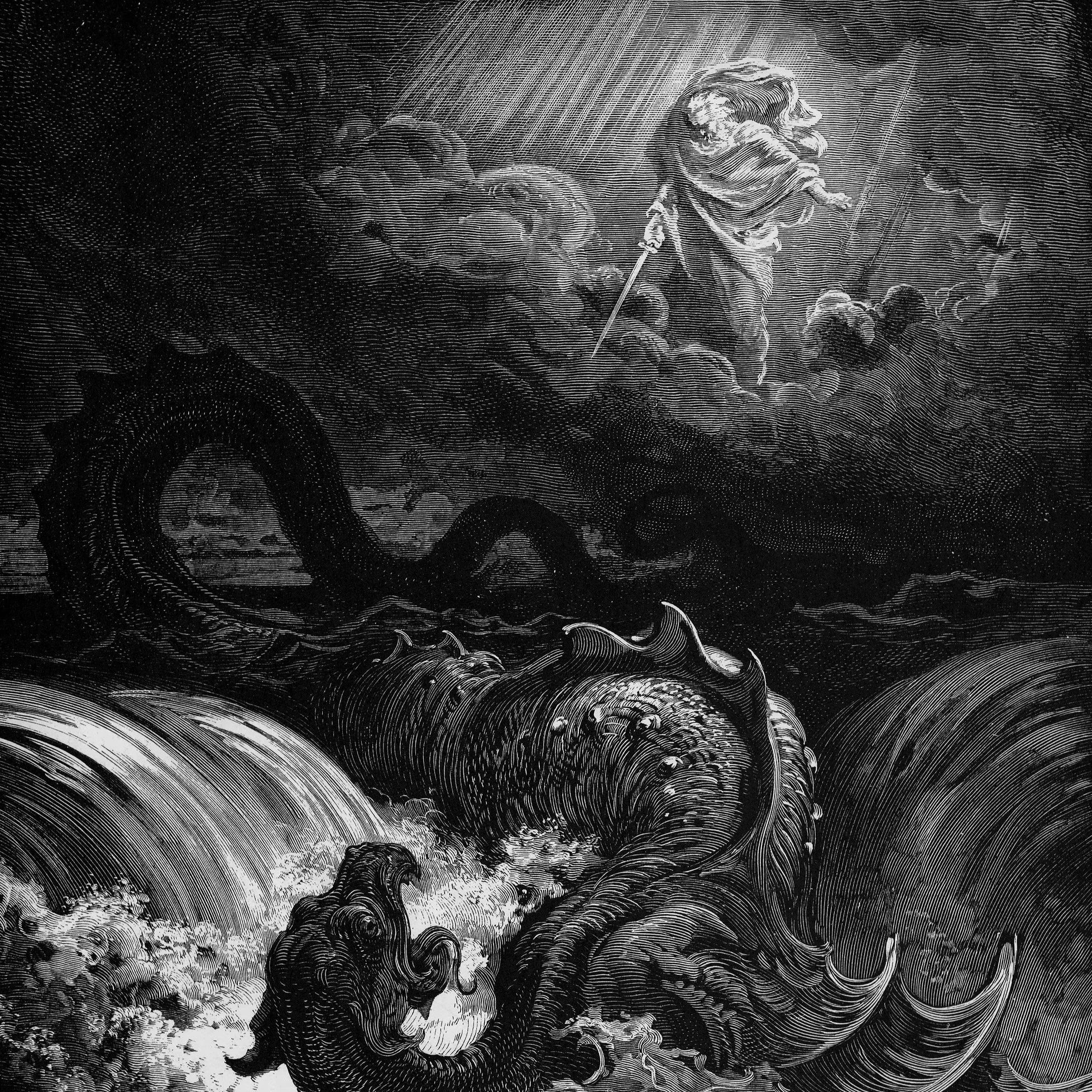
The Bronze Horseman | Henriette Gudin | 19th Century
About the artwork:
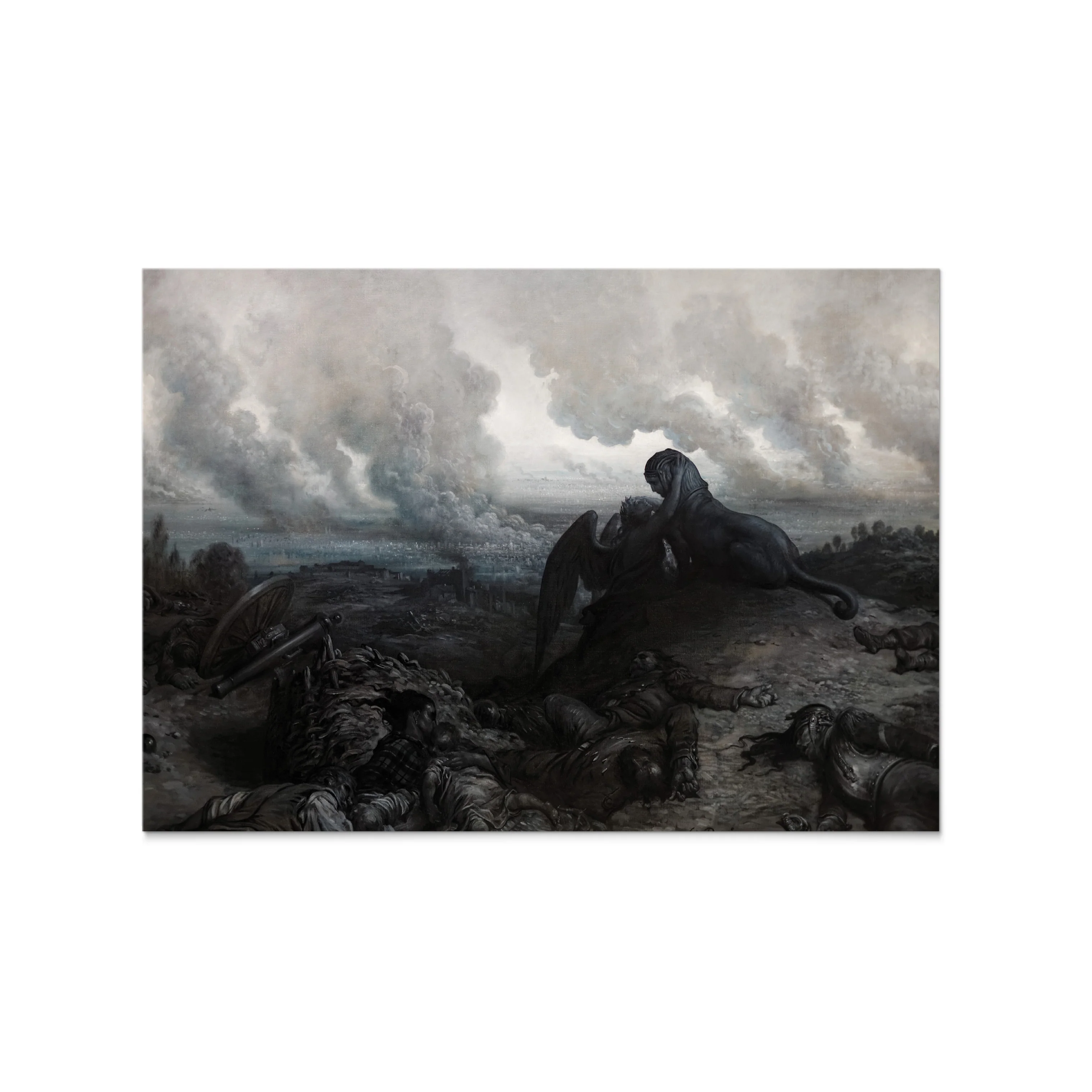
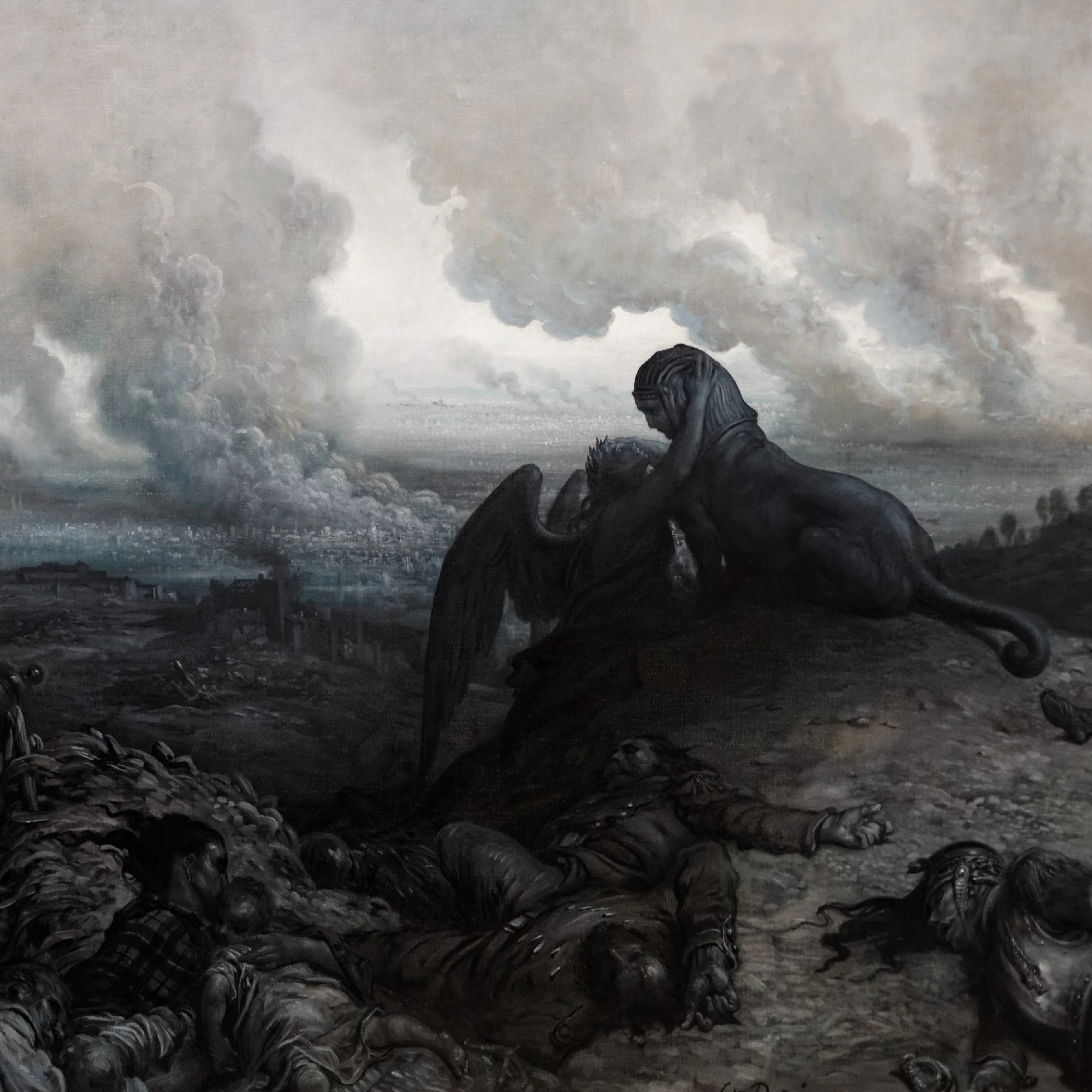
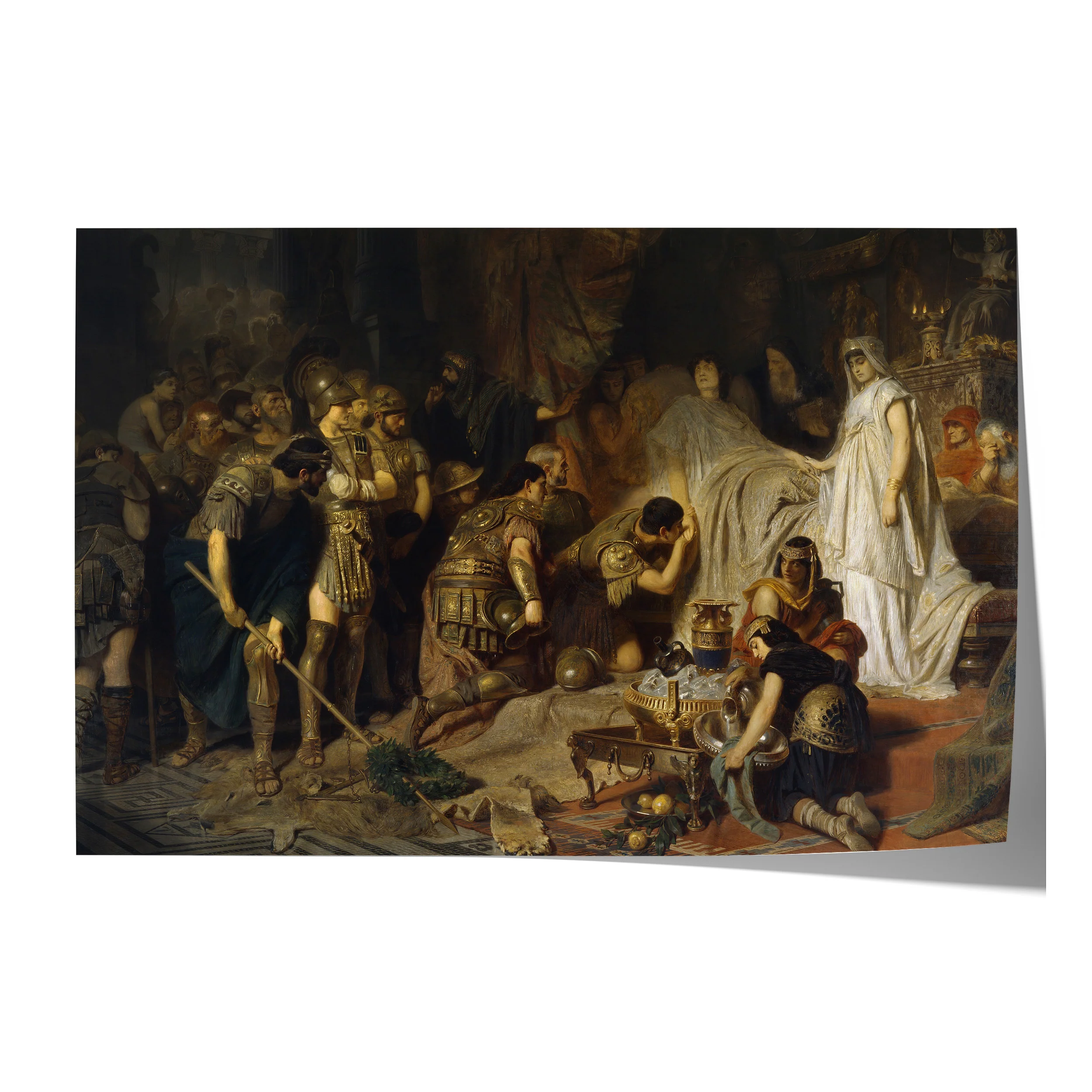
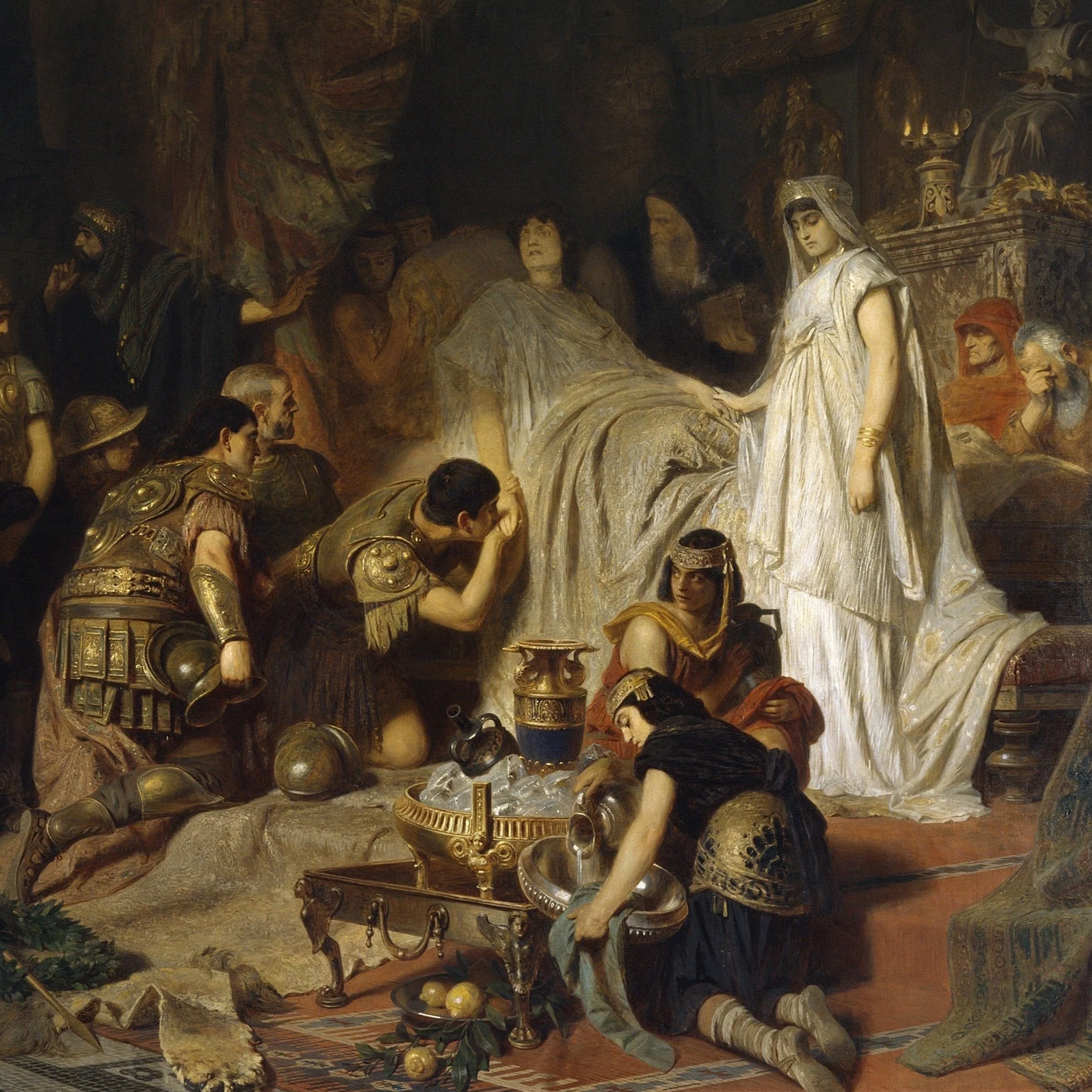
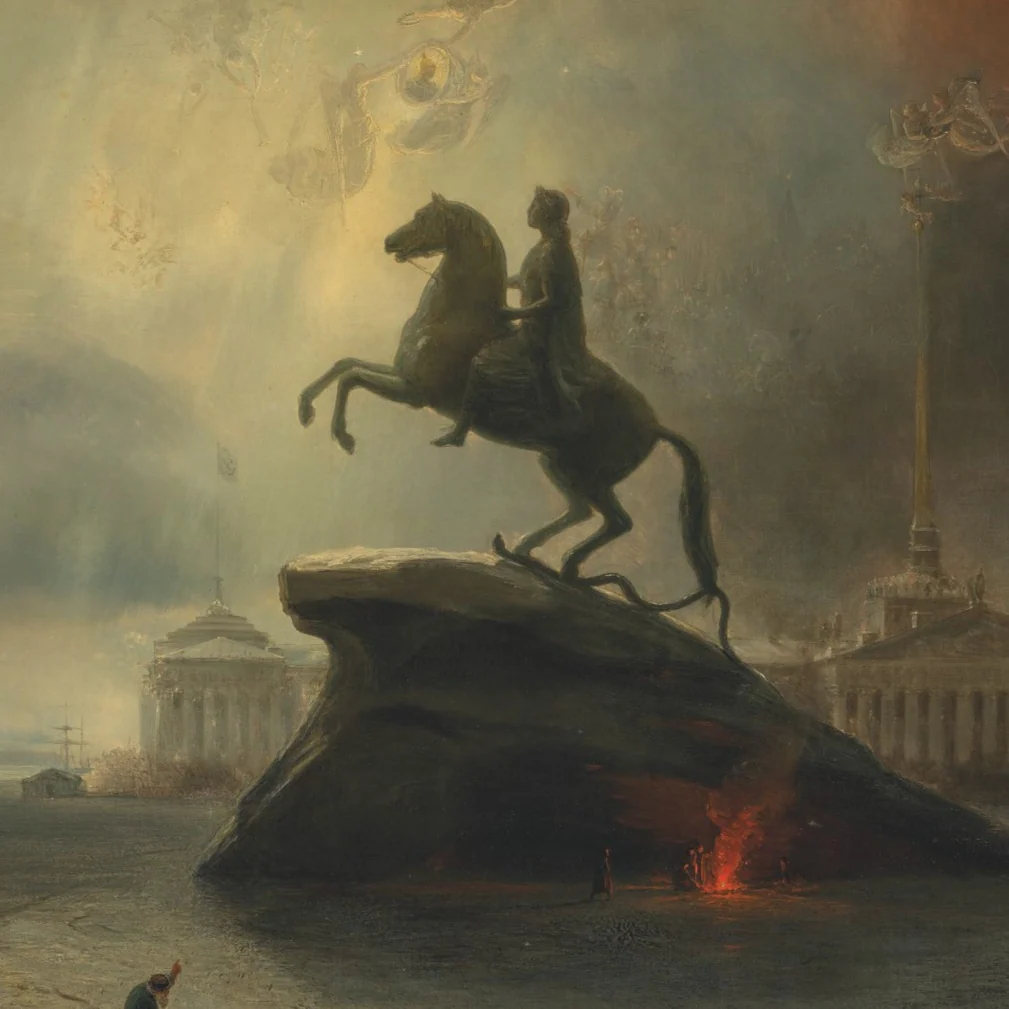
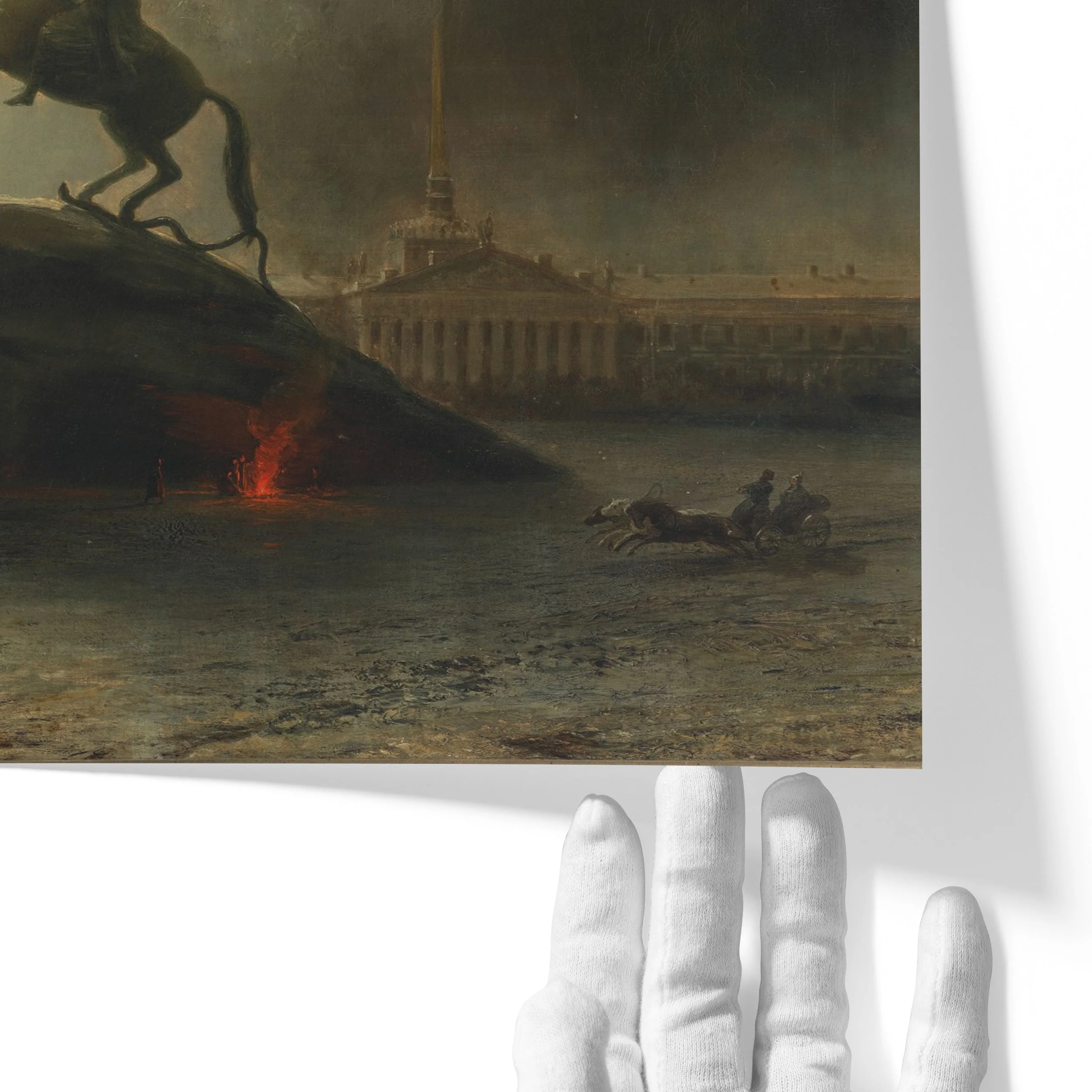
The Bronze Horseman by Henriette Gudin, painted in the 19th century, presents a dramatic maritime scene featuring the iconic equestrian statue of Peter the Great in Saint Petersburg, silhouetted against a stormy sky and turbulent waters. Gudin, known for her seascapes, combines her mastery of marine atmosphere with historical symbolism, using the threatening waves and darkened palette to evoke a sense of power, isolation, and perhaps foreboding. The statue, erected to honor Russia's modernizing tsar, becomes a solitary figure amidst nature’s fury—suggesting the tension between human ambition and the uncontrollable forces of the world. While not directly illustrative of Pushkin’s famous poem of the same name, Gudin’s painting echoes its emotional landscape: awe, pride, and a looming sense of fate. The work stands as a 19th-century reflection on imperial grandeur facing nature’s overwhelming force, rendered with a romantic and dramatic sensibility.
Product Information
Product Information
Shipping & Returns
Shipping & Returns




The Bronze Horseman | Henriette Gudin | 19th Century
The Bronze Horseman | Henriette Gudin | 19th Century
About the artwork:
The Bronze Horseman by Henriette Gudin, painted in the 19th century, presents a dramatic maritime scene featuring the iconic equestrian statue of Peter the Great in Saint Petersburg, silhouetted against a stormy sky and turbulent waters. Gudin, known for her seascapes, combines her mastery of marine atmosphere with historical symbolism, using the threatening waves and darkened palette to evoke a sense of power, isolation, and perhaps foreboding. The statue, erected to honor Russia's modernizing tsar, becomes a solitary figure amidst nature’s fury—suggesting the tension between human ambition and the uncontrollable forces of the world. While not directly illustrative of Pushkin’s famous poem of the same name, Gudin’s painting echoes its emotional landscape: awe, pride, and a looming sense of fate. The work stands as a 19th-century reflection on imperial grandeur facing nature’s overwhelming force, rendered with a romantic and dramatic sensibility.
Original: $297.82
-70%$297.82
$89.35Product Information
Product Information
Shipping & Returns
Shipping & Returns
Description
About the artwork:
The Bronze Horseman by Henriette Gudin, painted in the 19th century, presents a dramatic maritime scene featuring the iconic equestrian statue of Peter the Great in Saint Petersburg, silhouetted against a stormy sky and turbulent waters. Gudin, known for her seascapes, combines her mastery of marine atmosphere with historical symbolism, using the threatening waves and darkened palette to evoke a sense of power, isolation, and perhaps foreboding. The statue, erected to honor Russia's modernizing tsar, becomes a solitary figure amidst nature’s fury—suggesting the tension between human ambition and the uncontrollable forces of the world. While not directly illustrative of Pushkin’s famous poem of the same name, Gudin’s painting echoes its emotional landscape: awe, pride, and a looming sense of fate. The work stands as a 19th-century reflection on imperial grandeur facing nature’s overwhelming force, rendered with a romantic and dramatic sensibility.