✨ New Arrivals Just Dropped!Explore
HomeStore

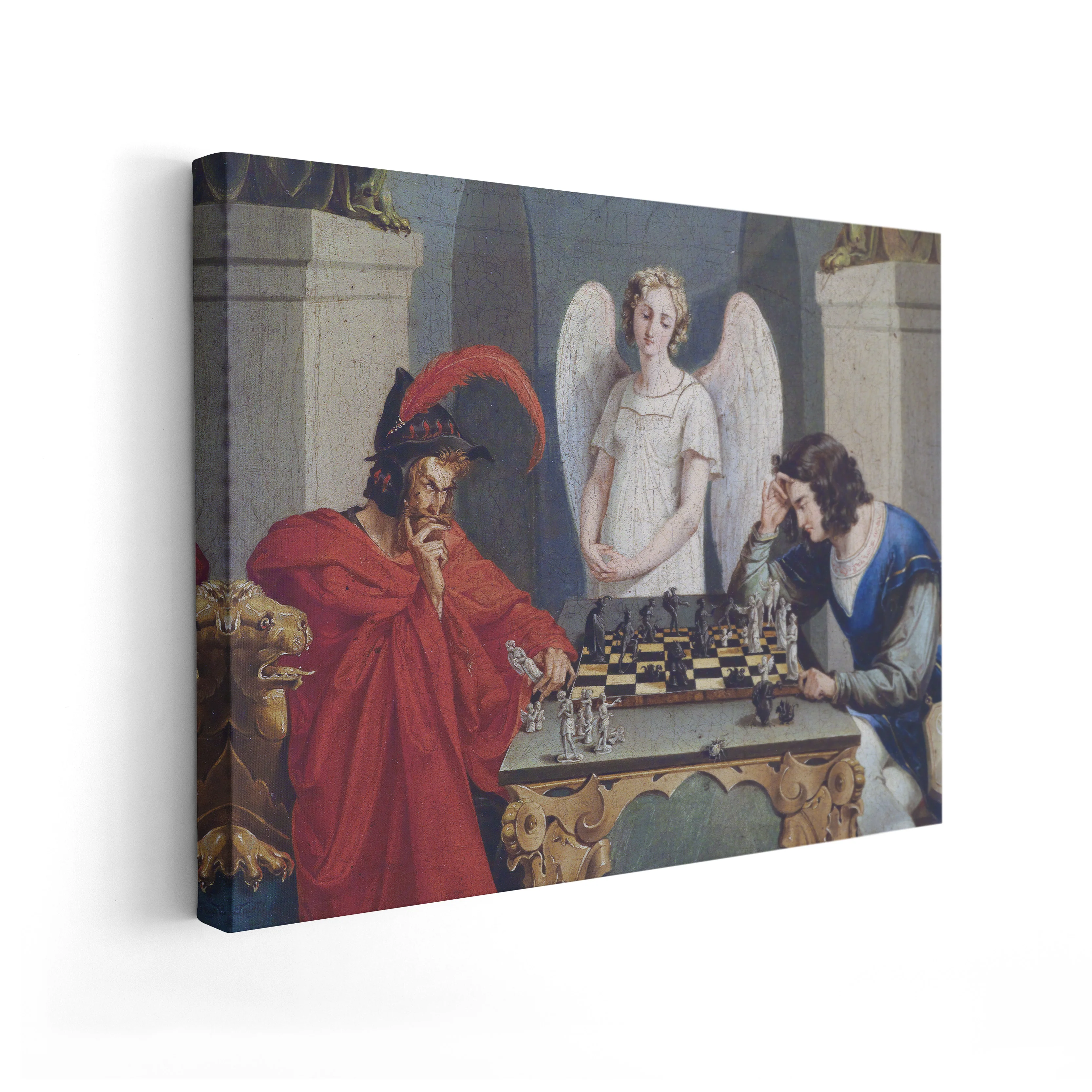
The Devil's Checkmate | Friedrich August Moritz Retzsch | 1831

Product image 1
Product image 2
Product image 3
Product image 4
Product image 5
Product image 6
Product image 7
Product image 8
Product image 9
Product image 10

The Devil's Checkmate | Friedrich August Moritz Retzsch | 1831

The Devil's Checkmate | Friedrich August Moritz Retzsch | 1831

About the artwork:

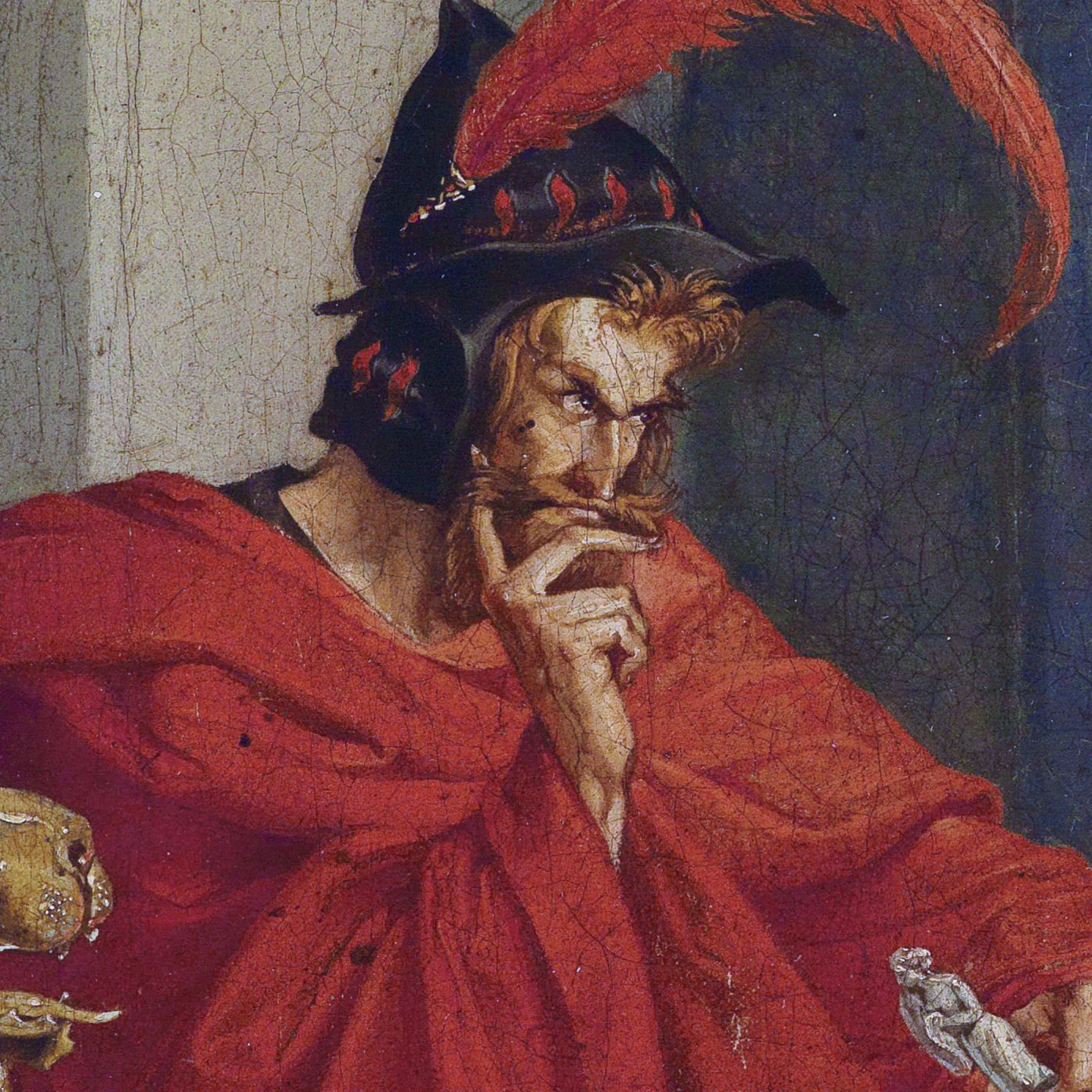
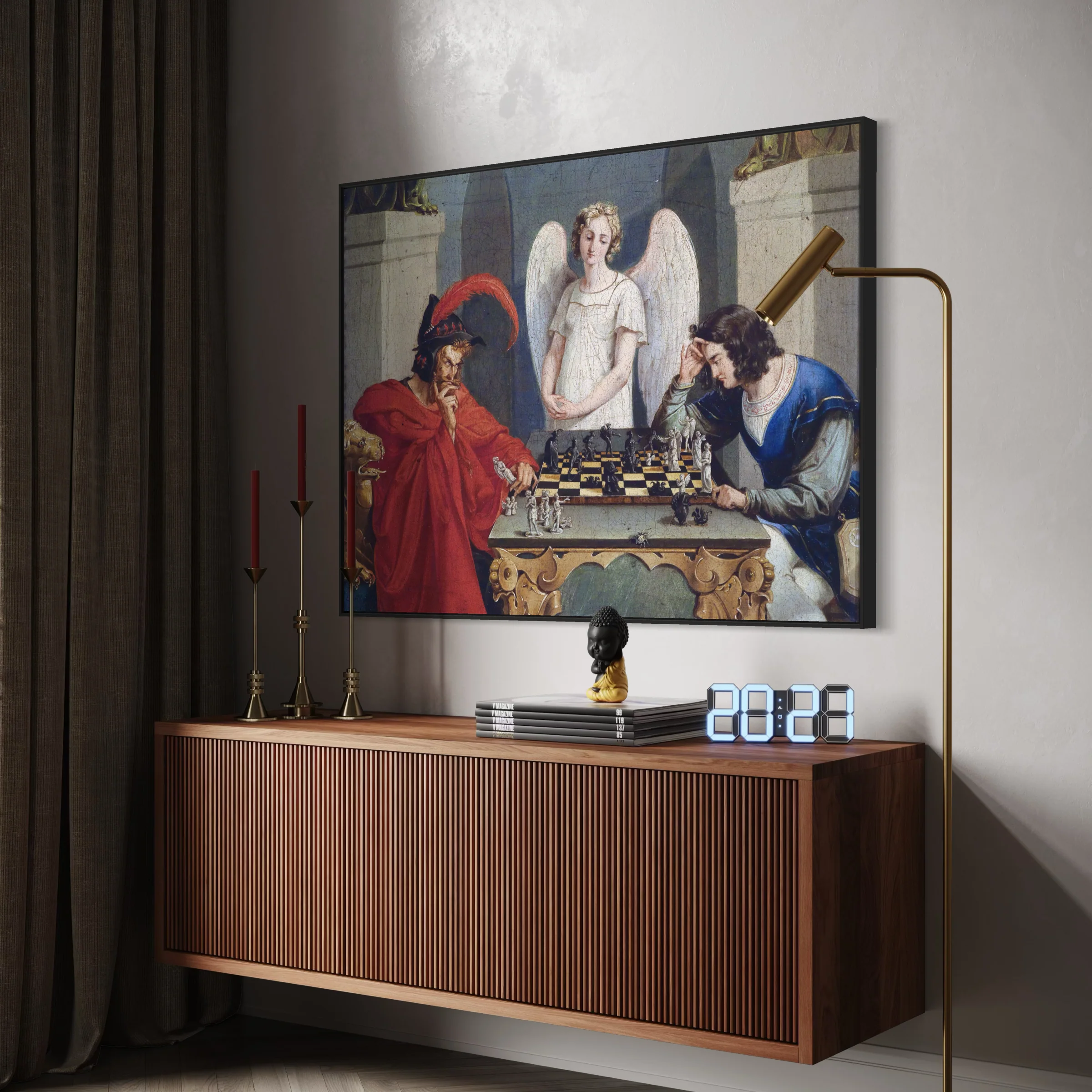
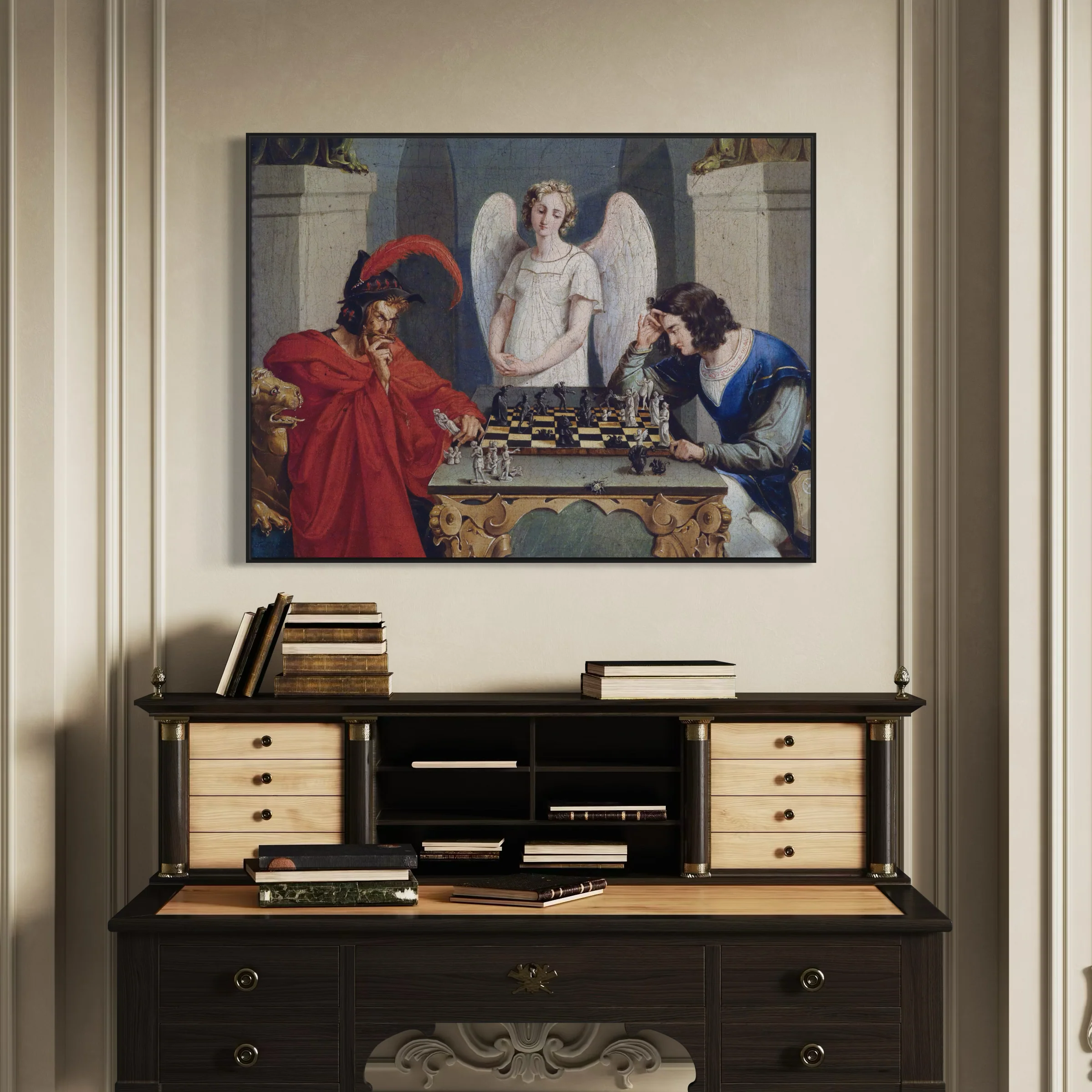
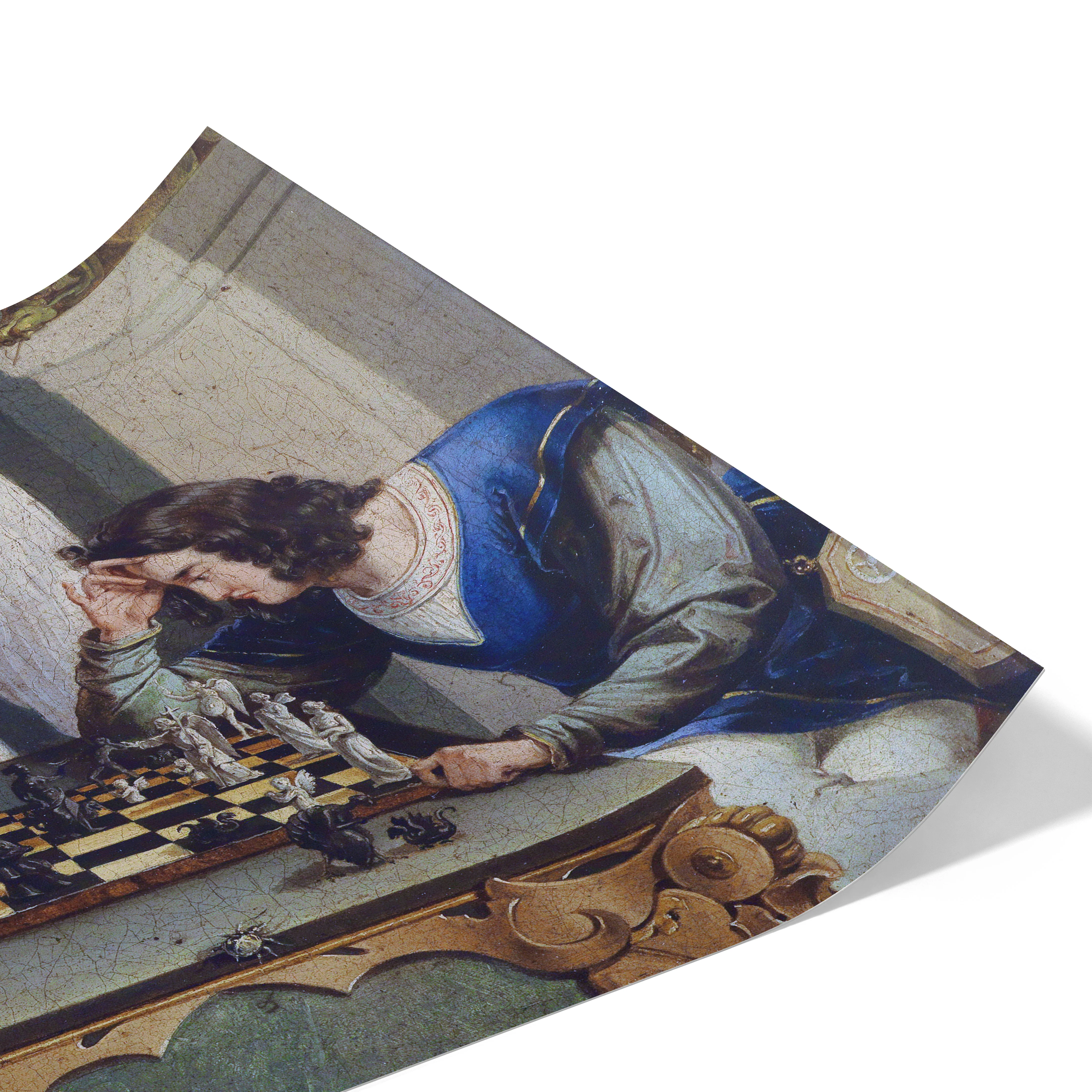
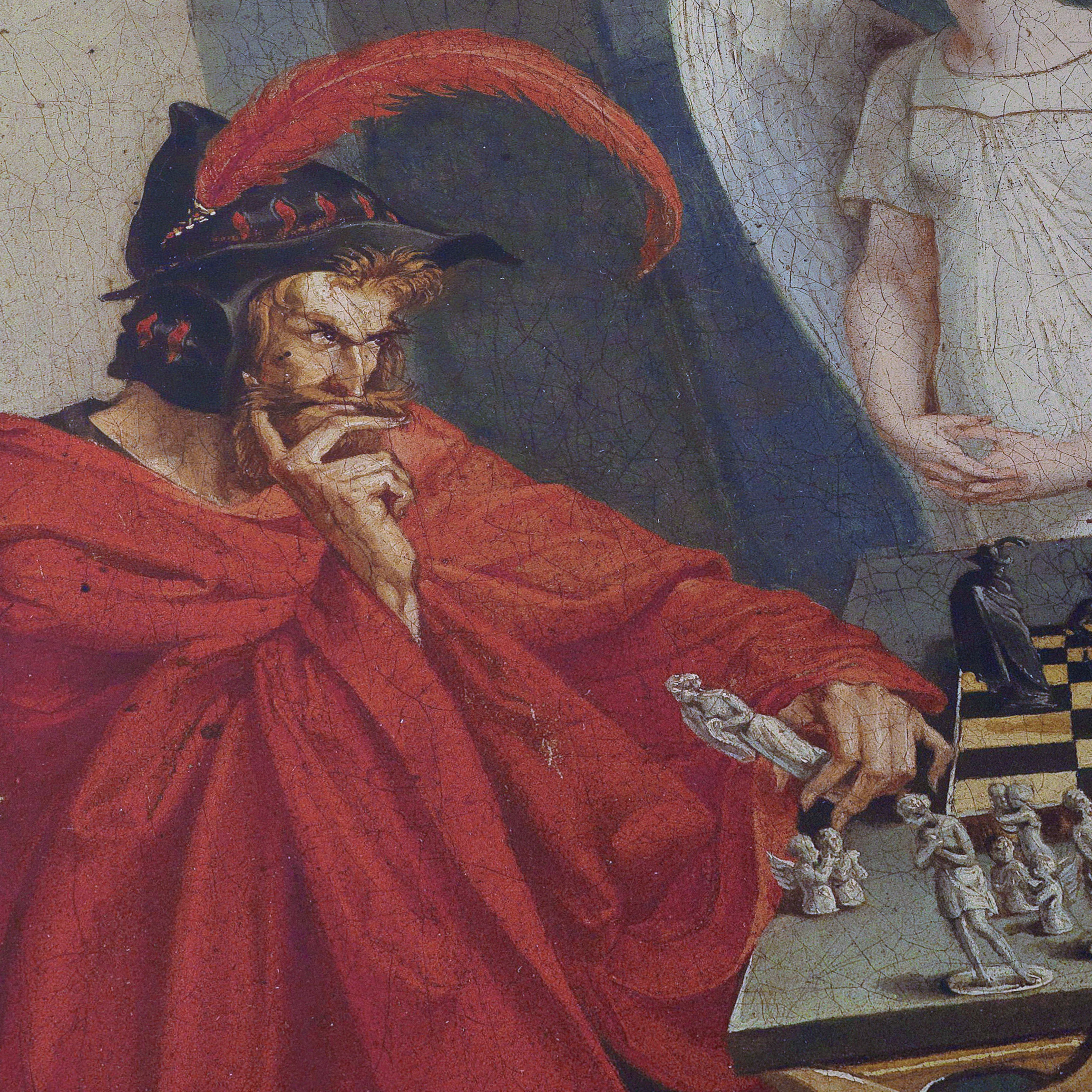
Friedrich August Moritz Retzsch’s The Devil’s Checkmate (1831), also known as Checkmate, presents a dramatic chess match between a distressed young man and the Devil, with an angel watching in silent concern. The devil, clad in vibrant garments and exuding confidence, appears to have cornered the young man, whose soul seems to hang by a thread. However, the painting subtly reveals that the game isn’t over—the man’s king still has one possible move, hinting at a final chance for salvation. With classical Romantic flair, Retzsch imbues the scene with heavy symbolism: the chessboard becomes a battlefield of morality, temptation, and hope. The composition powerfully captures the inner conflict between good and evil, and the idea that even in our darkest moments, redemption may still be within reach.

Select Select Size
Select Frame Options
From $89.35

Original: $297.82

-70%
The Devil's Checkmate | Friedrich August Moritz Retzsch | 1831

$297.82

$89.35

Product Information

Shipping & Returns

Description

About the artwork:
Friedrich August Moritz Retzsch’s The Devil’s Checkmate (1831), also known as Checkmate, presents a dramatic chess match between a distressed young man and the Devil, with an angel watching in silent concern. The devil, clad in vibrant garments and exuding confidence, appears to have cornered the young man, whose soul seems to hang by a thread. However, the painting subtly reveals that the game isn’t over—the man’s king still has one possible move, hinting at a final chance for salvation. With classical Romantic flair, Retzsch imbues the scene with heavy symbolism: the chessboard becomes a battlefield of morality, temptation, and hope. The composition powerfully captures the inner conflict between good and evil, and the idea that even in our darkest moments, redemption may still be within reach.