✨ New Arrivals Just Dropped!Explore
HomeStore

The End: Hitler During His Final Hours | Kukryniksy | 1948

Product image 1
Product image 2
Product image 3
Product image 4
Product image 5
Product image 6
Product image 7
Product image 8

The End: Hitler During His Final Hours | Kukryniksy | 1948

The End: Hitler During His Final Hours | Kukryniksy | 1948

About the artwork:

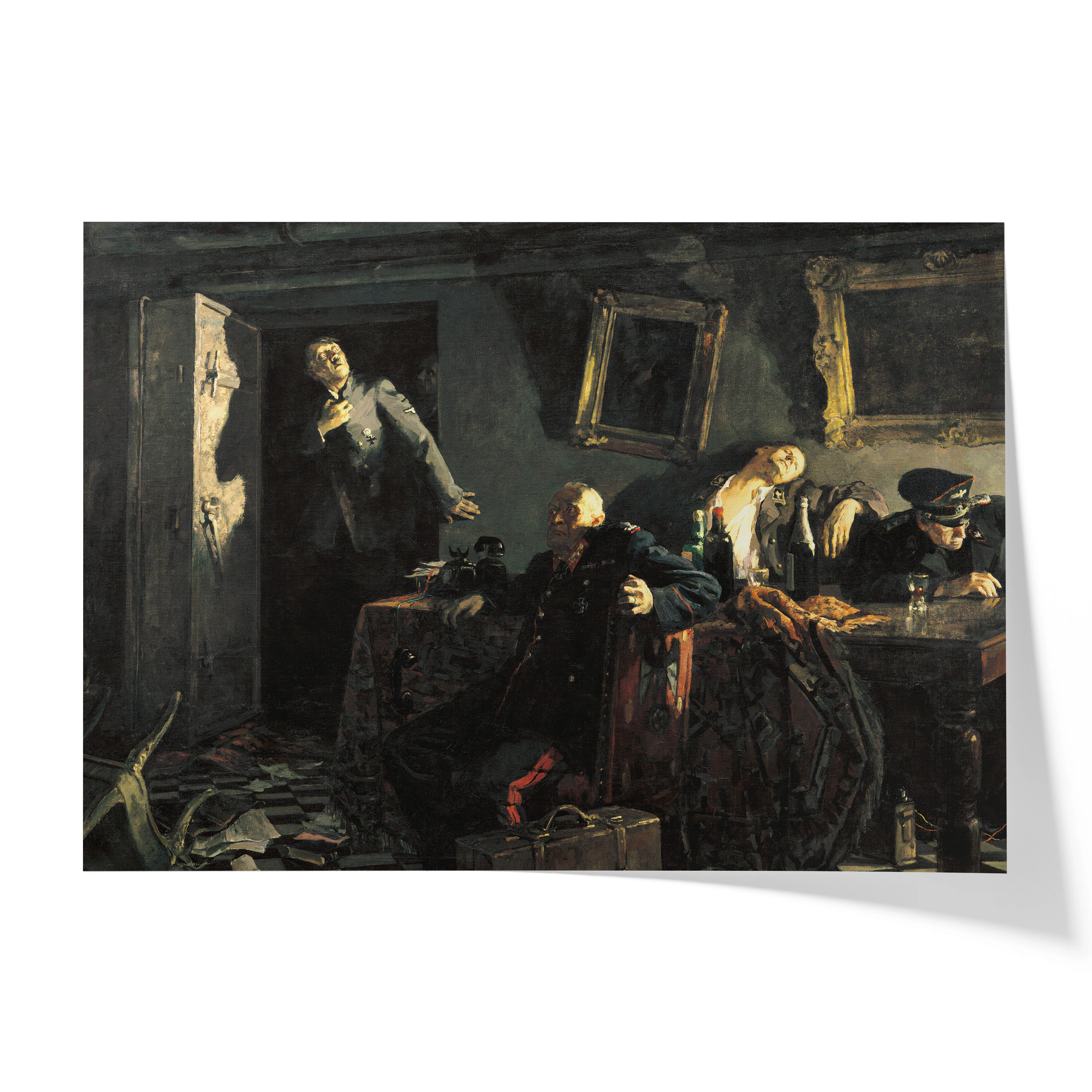
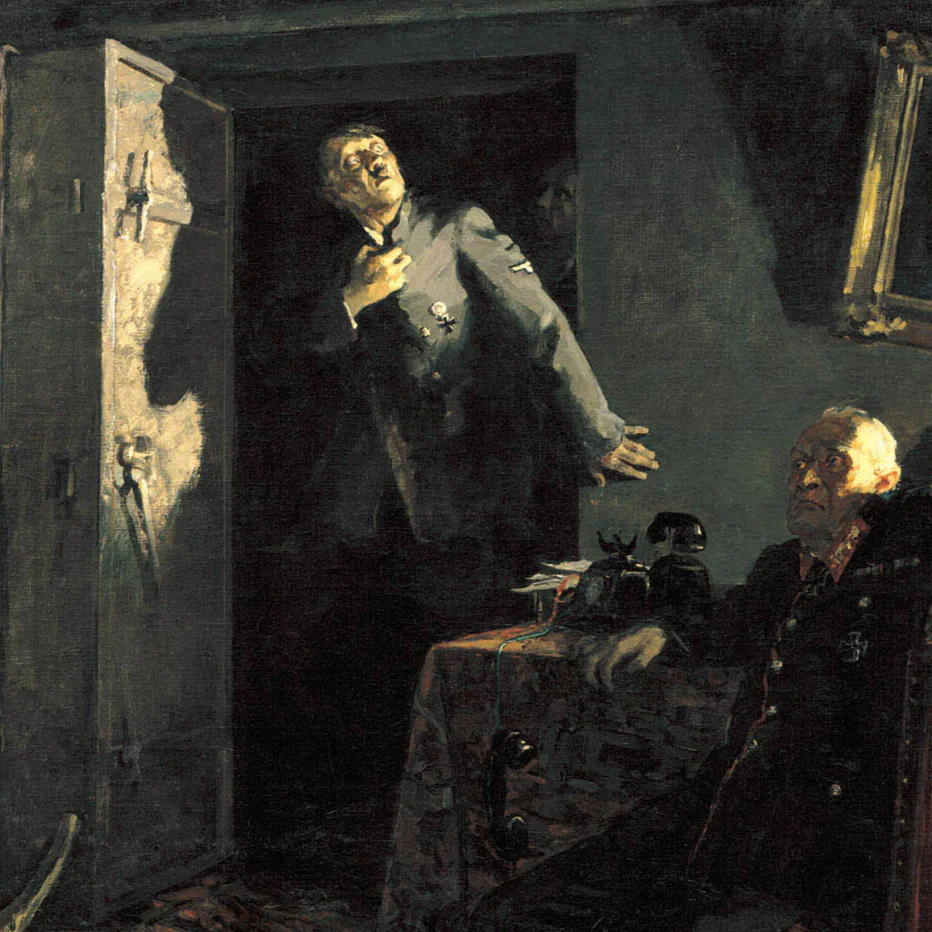
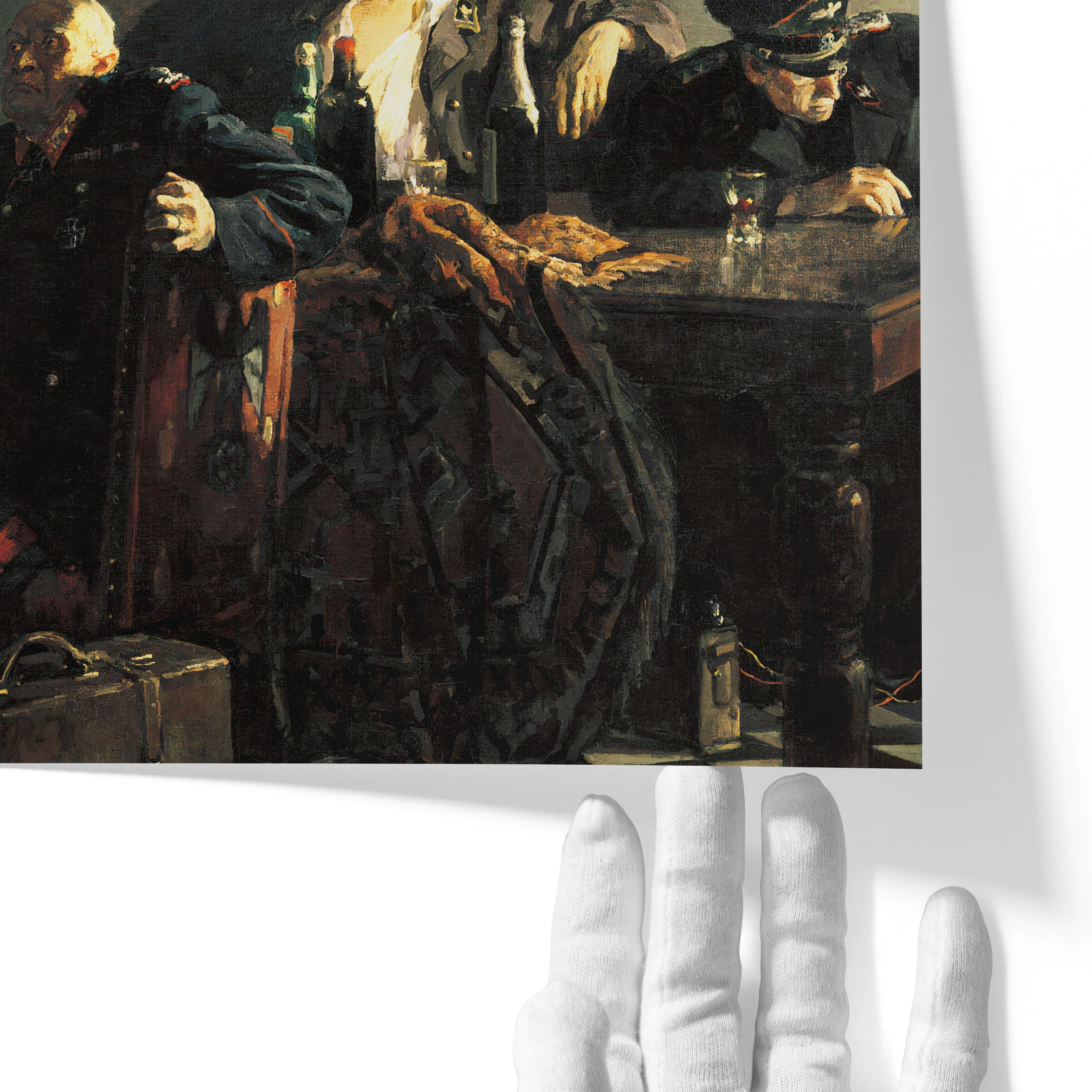
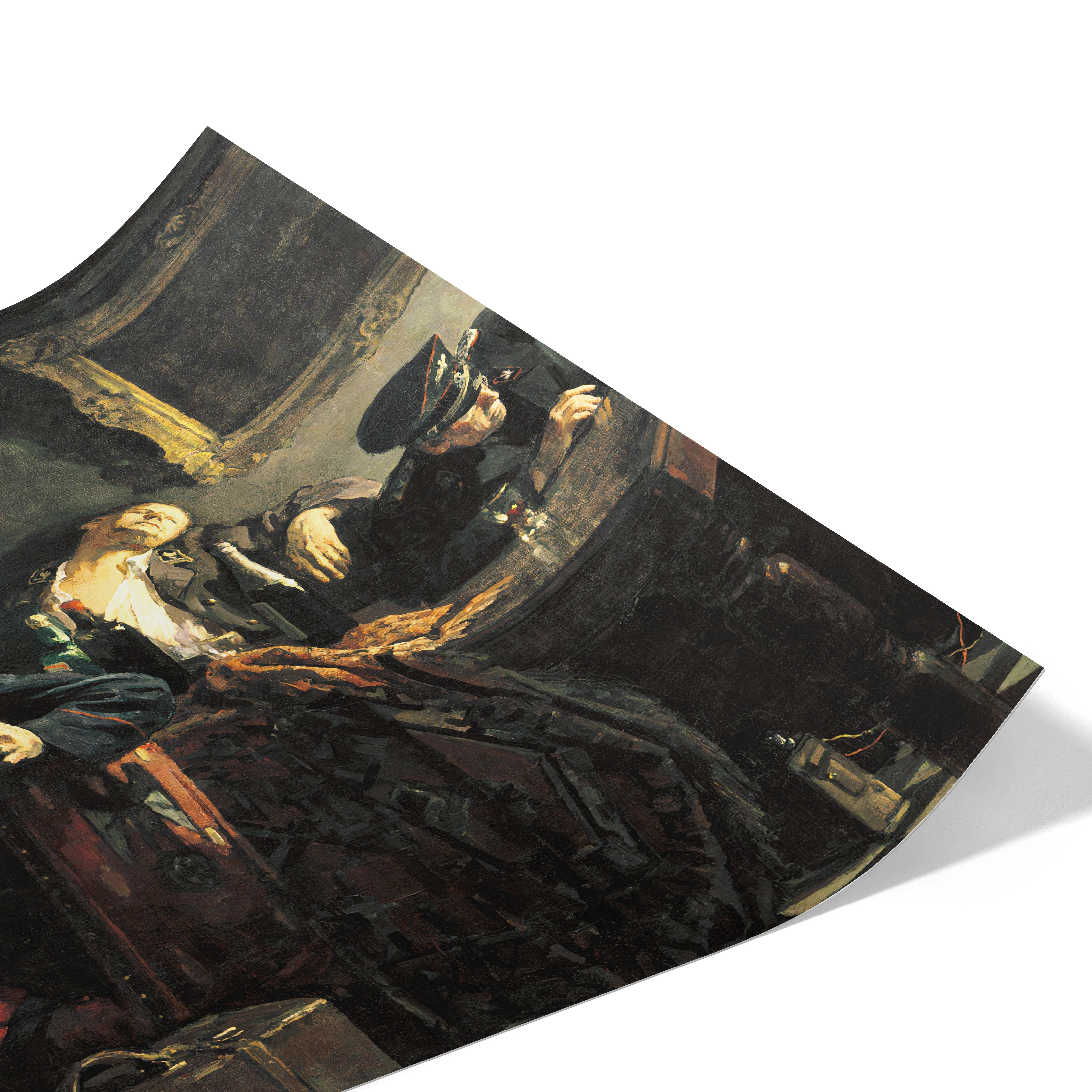
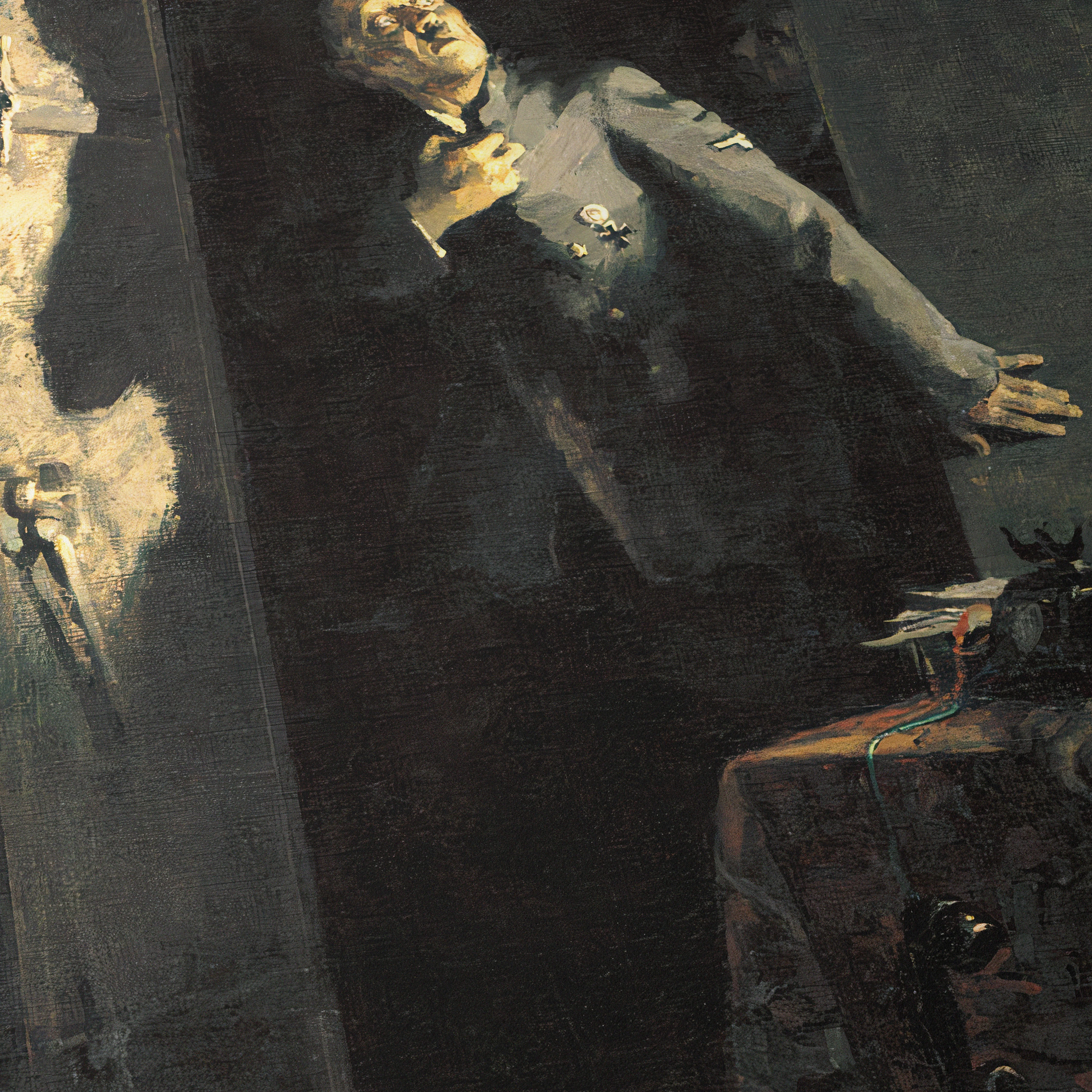
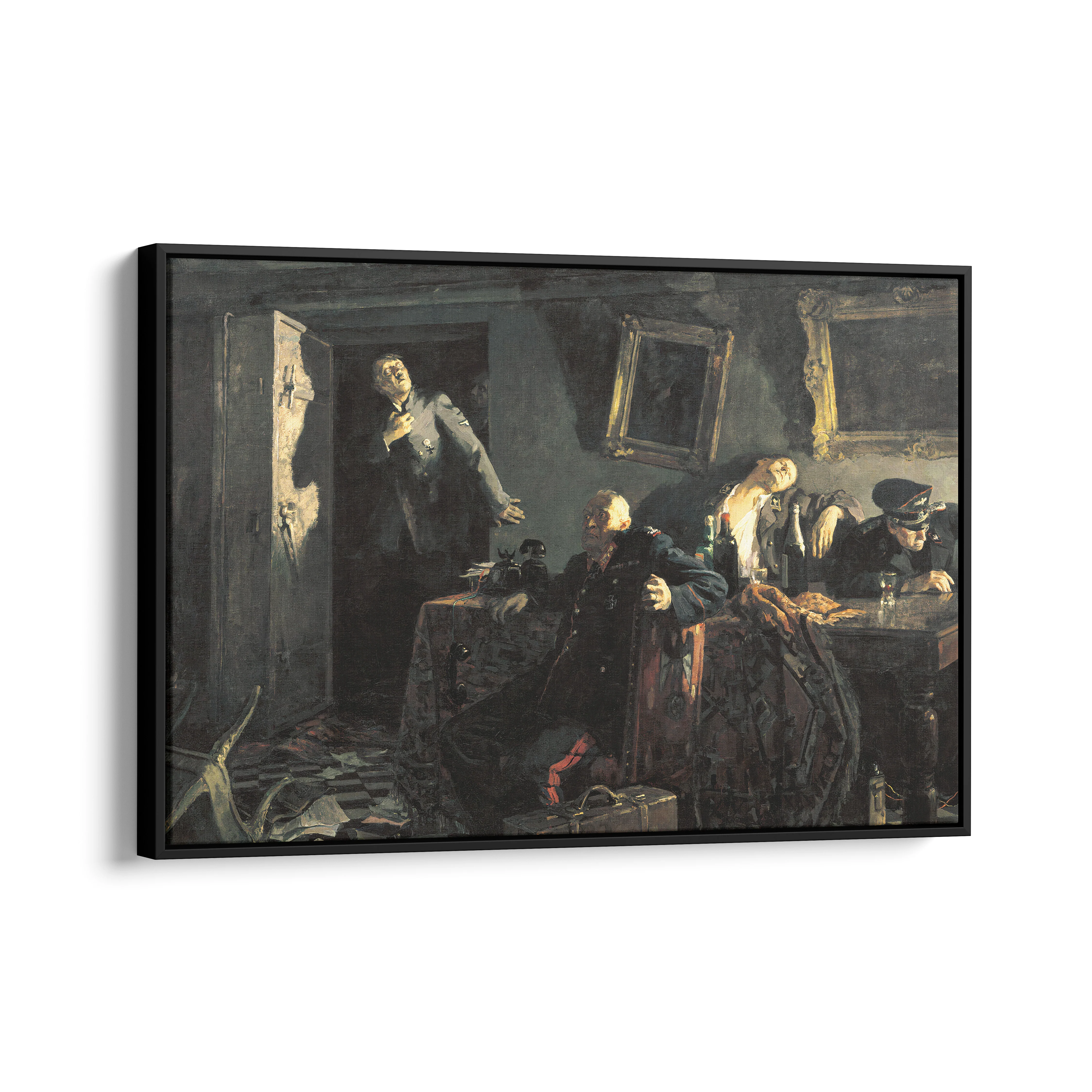
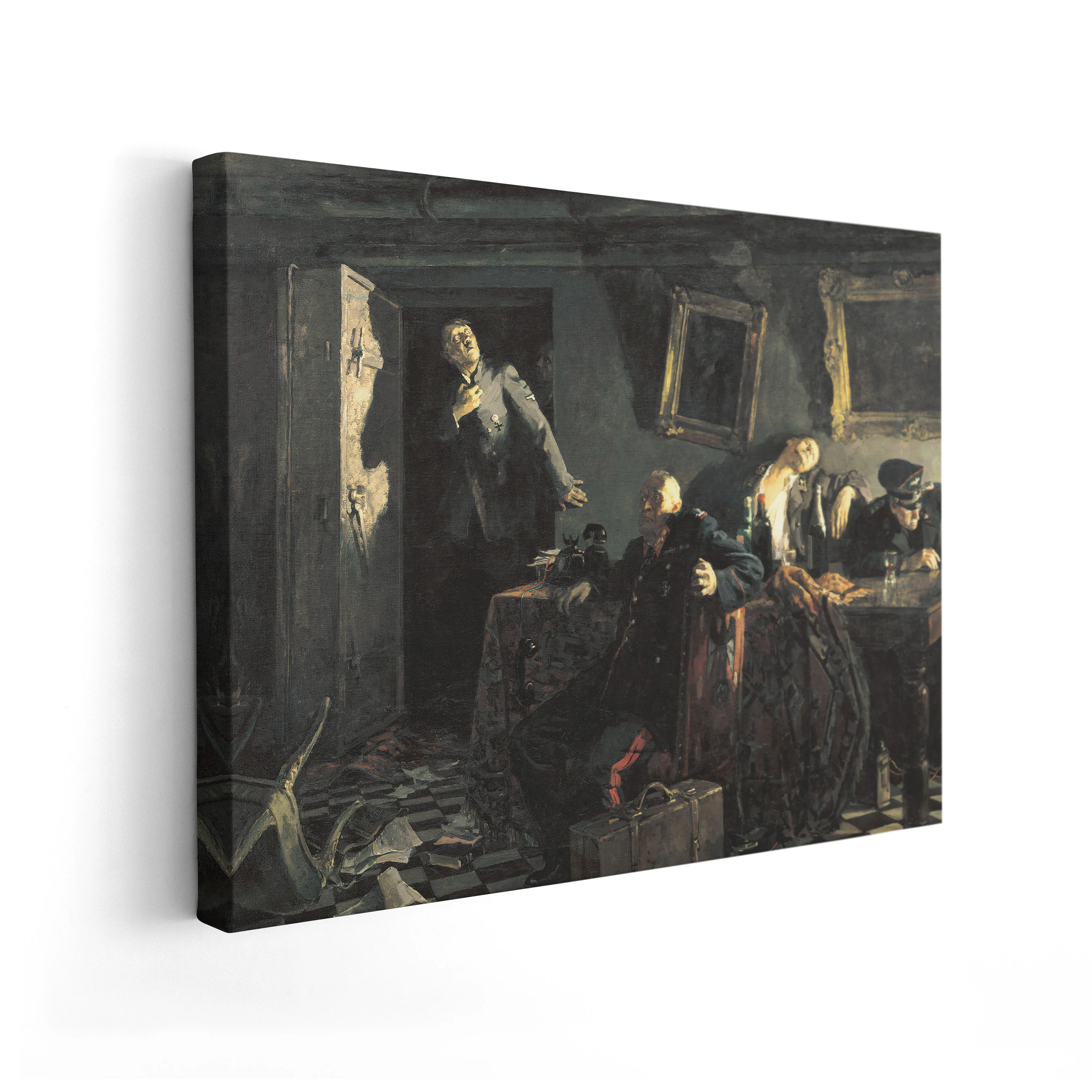
The End (1958) by Kukryniksy is a powerful piece of Soviet propaganda art that depicts the final moments of Adolf Hitler inside his Berlin bunker. Far from portraying him as a tragic or defiant figure, the painting renders him small, trembling, and utterly ignored by his disillusioned inner circle—some sleeping, others drinking, all indifferent. The chaos of the room, with scattered maps and overturned furniture, contrasts sharply with Hitler's isolated posture at the doorway, emphasizing his total collapse. Created by the artistic trio known as Kukryniksy after they visited the actual bunker in 1945, the painting became an instant success, winning the Stalin Prize and spreading across the USSR as both art and vengeance. It served not only to document the enemy’s downfall, but to ridicule him in his most pathetic state.

Select Select Size
Select Frame Options
From $89.35

Original: $297.82

-70%
The End: Hitler During His Final Hours | Kukryniksy | 1948

$297.82

$89.35

Product Information

Shipping & Returns

Description

About the artwork:
The End (1958) by Kukryniksy is a powerful piece of Soviet propaganda art that depicts the final moments of Adolf Hitler inside his Berlin bunker. Far from portraying him as a tragic or defiant figure, the painting renders him small, trembling, and utterly ignored by his disillusioned inner circle—some sleeping, others drinking, all indifferent. The chaos of the room, with scattered maps and overturned furniture, contrasts sharply with Hitler's isolated posture at the doorway, emphasizing his total collapse. Created by the artistic trio known as Kukryniksy after they visited the actual bunker in 1945, the painting became an instant success, winning the Stalin Prize and spreading across the USSR as both art and vengeance. It served not only to document the enemy’s downfall, but to ridicule him in his most pathetic state.