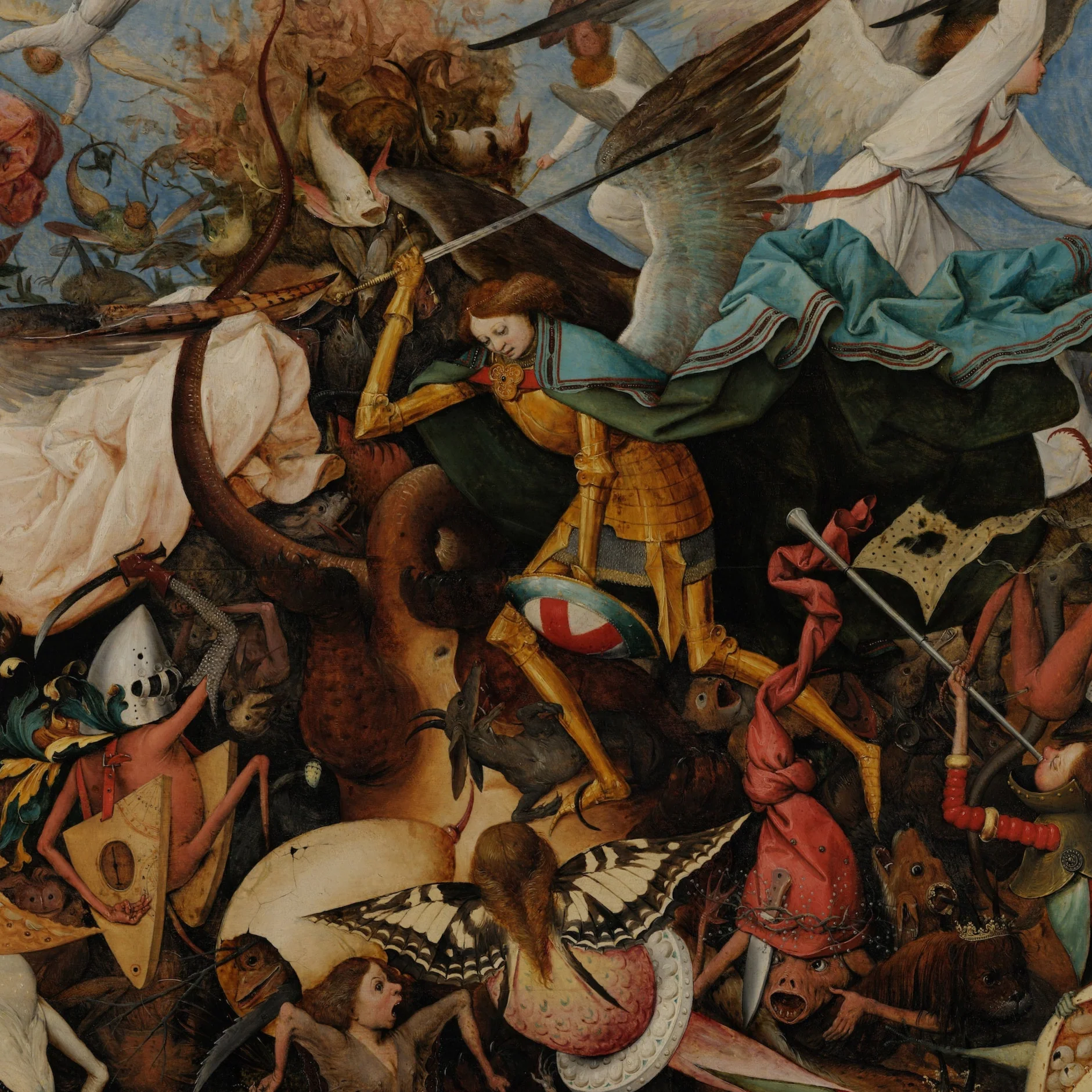
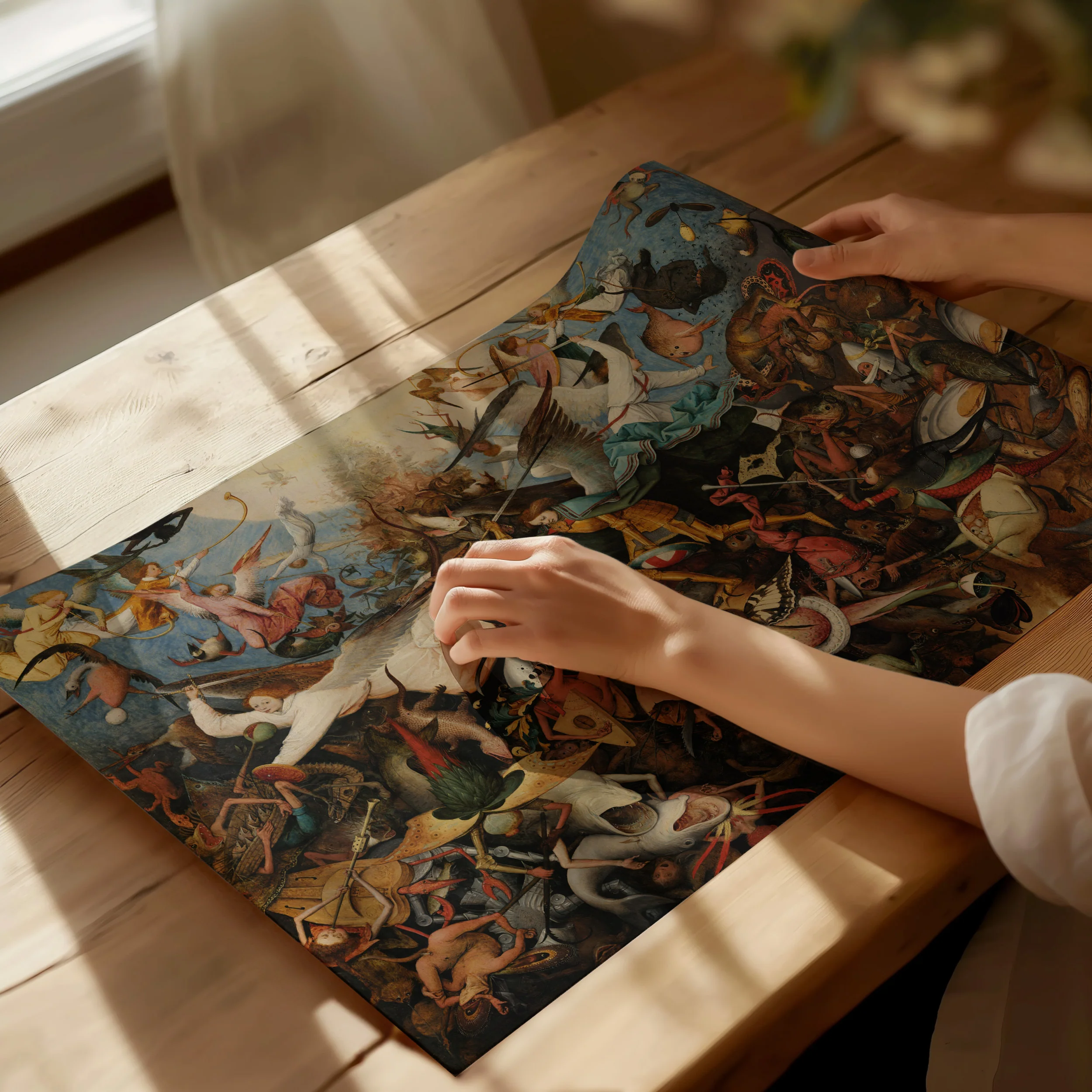
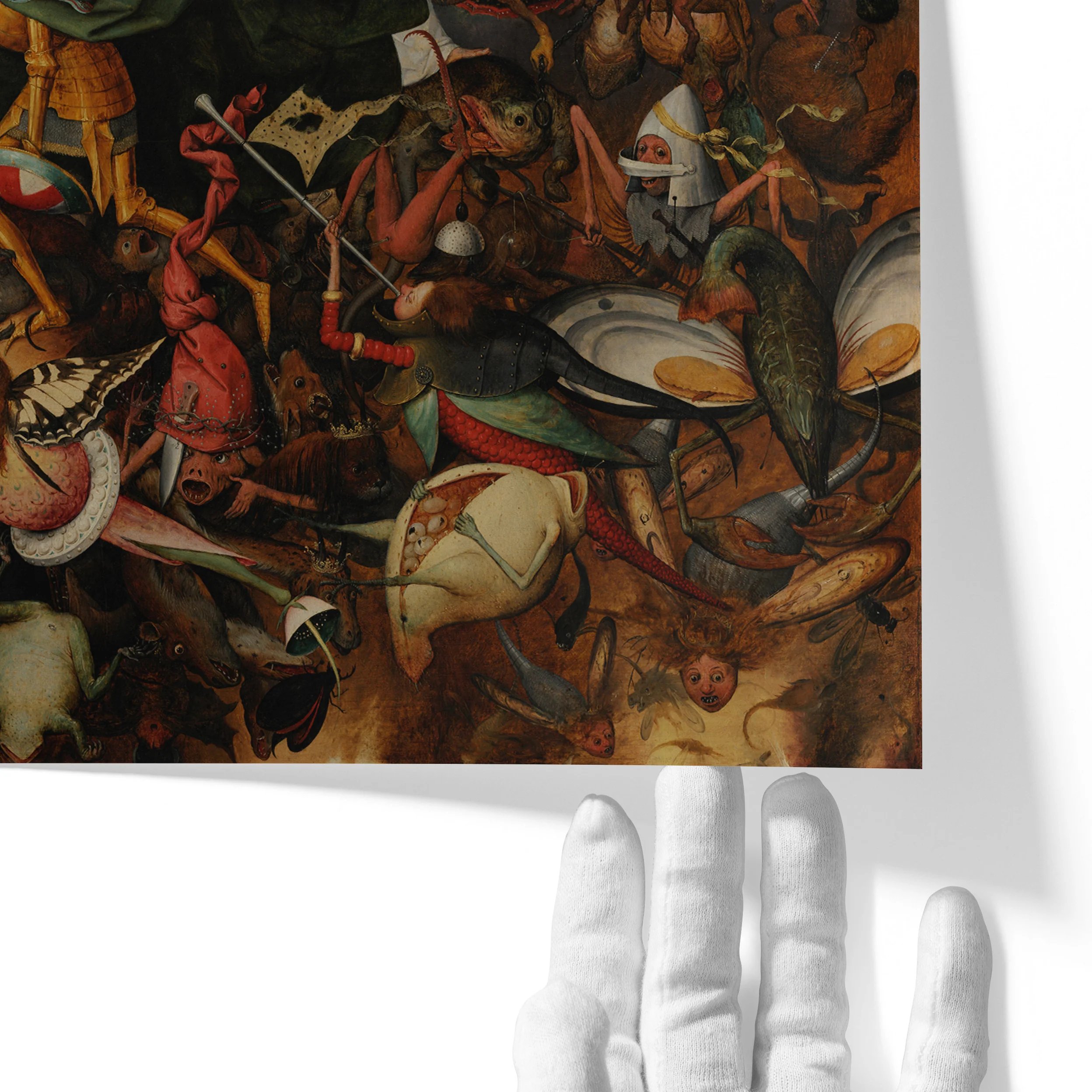
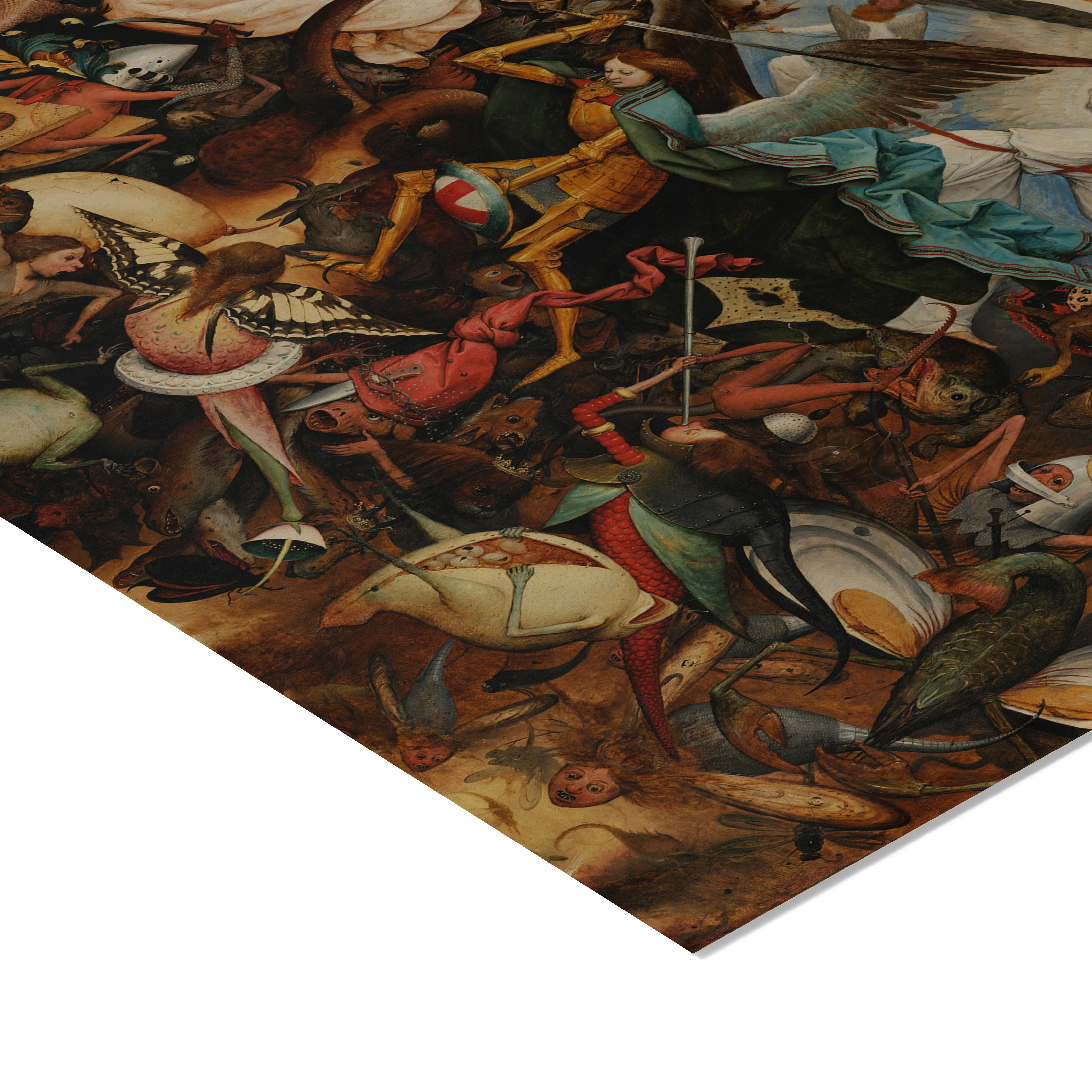
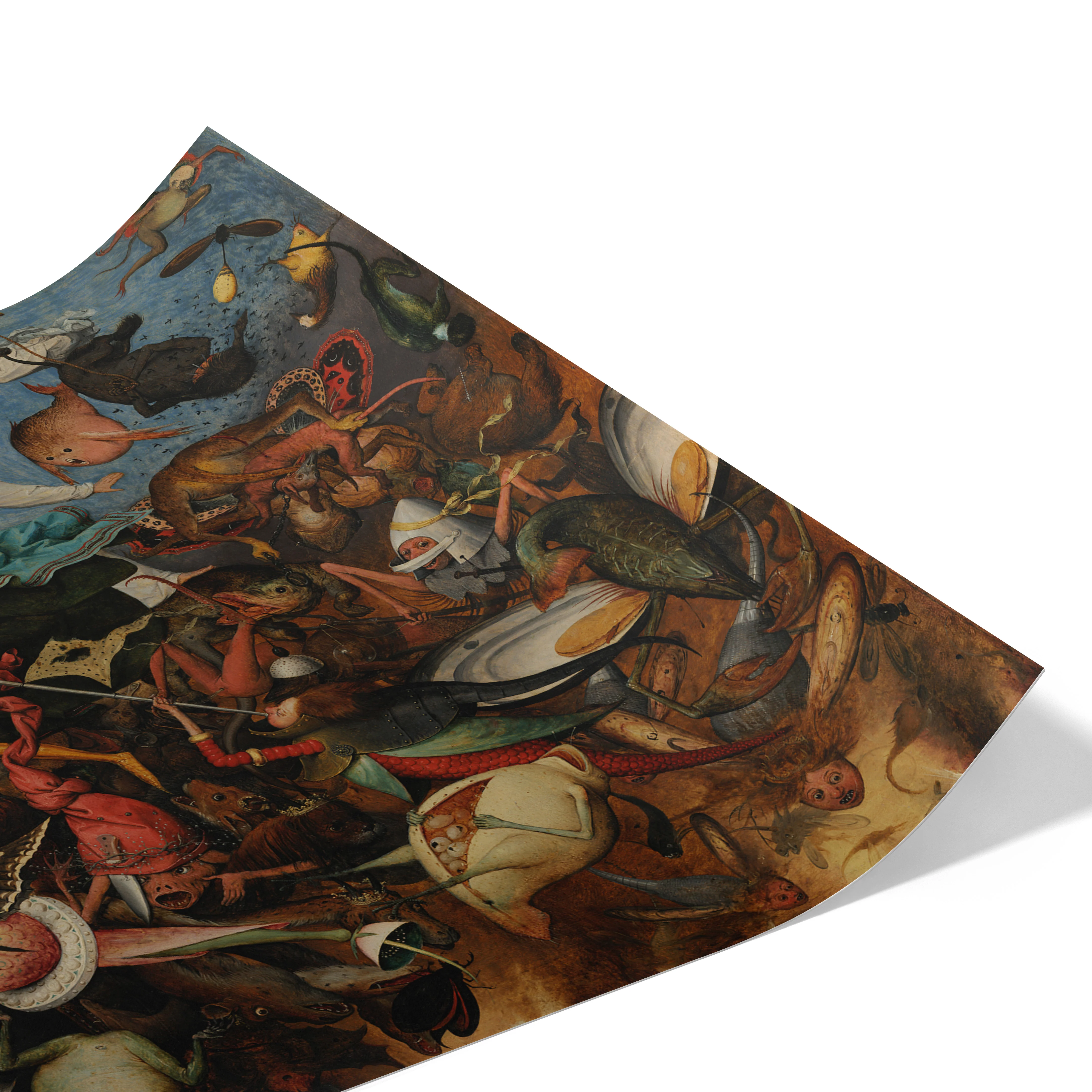
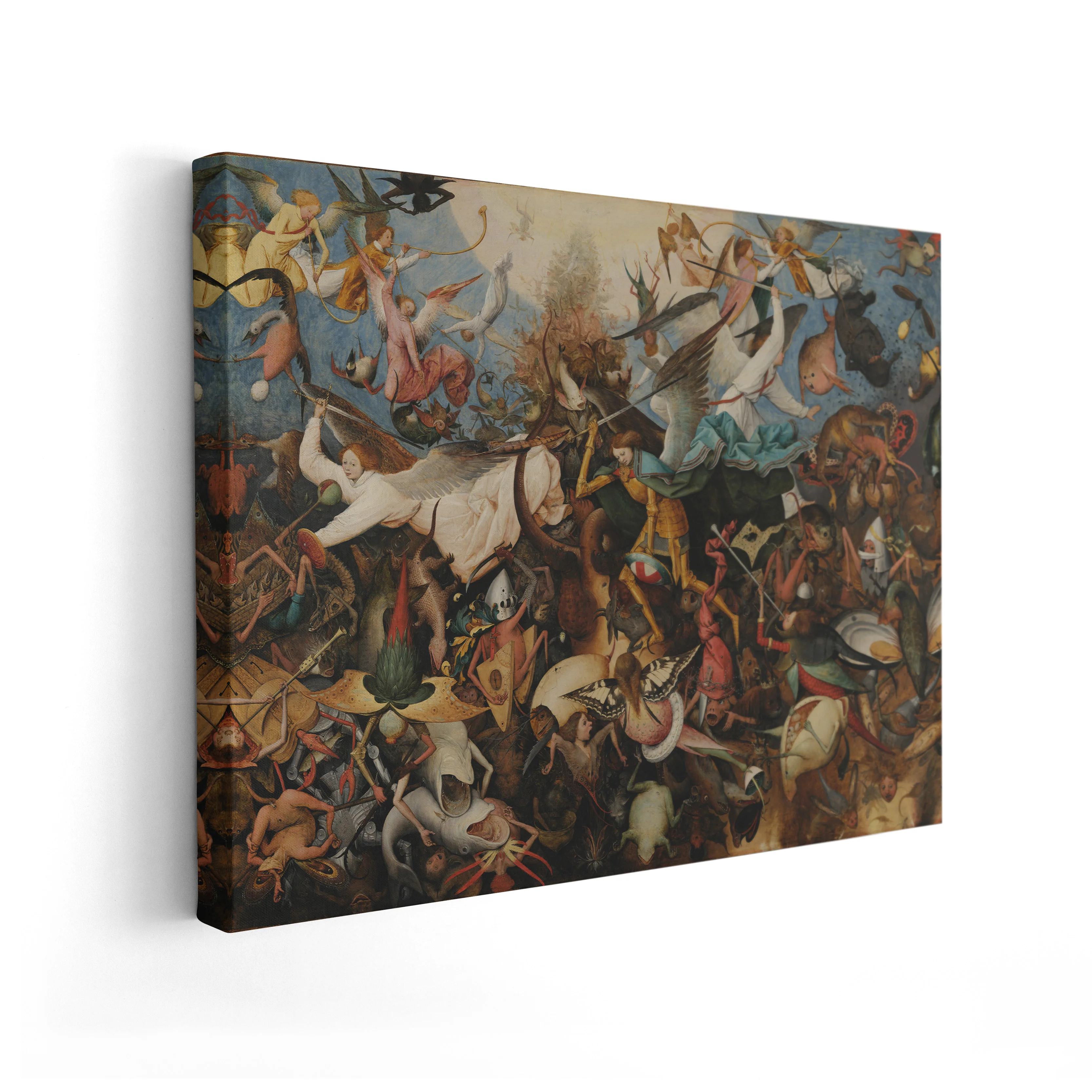
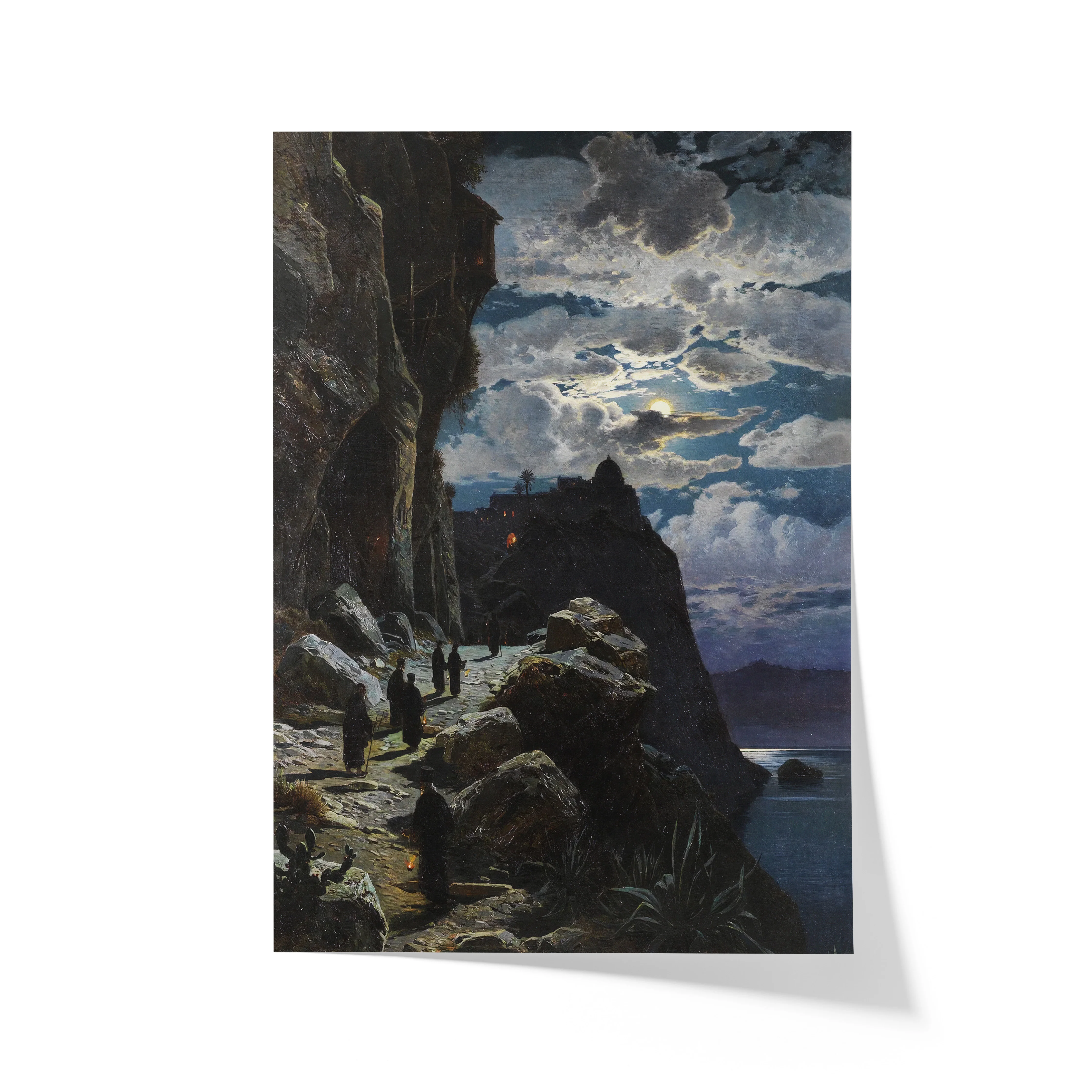
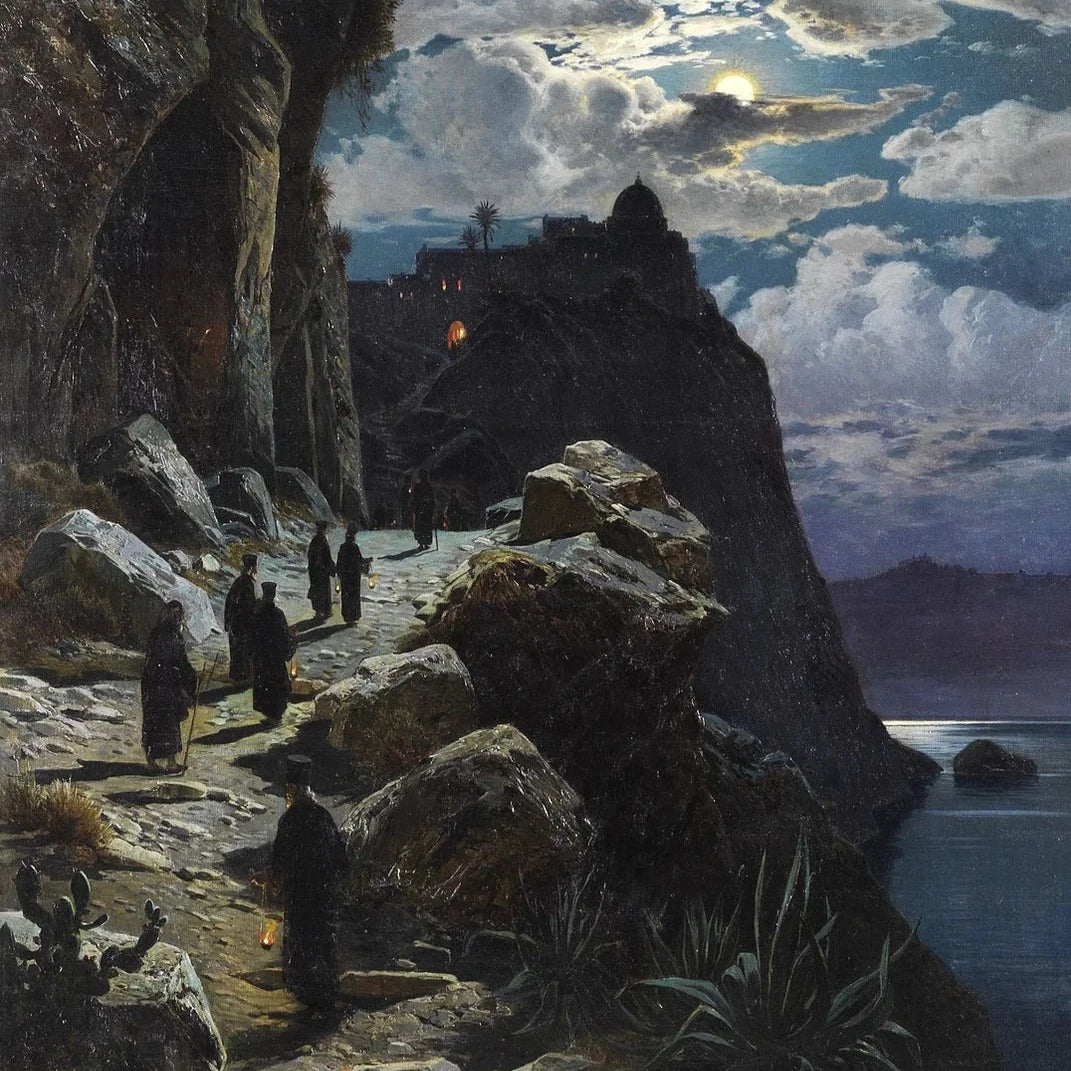
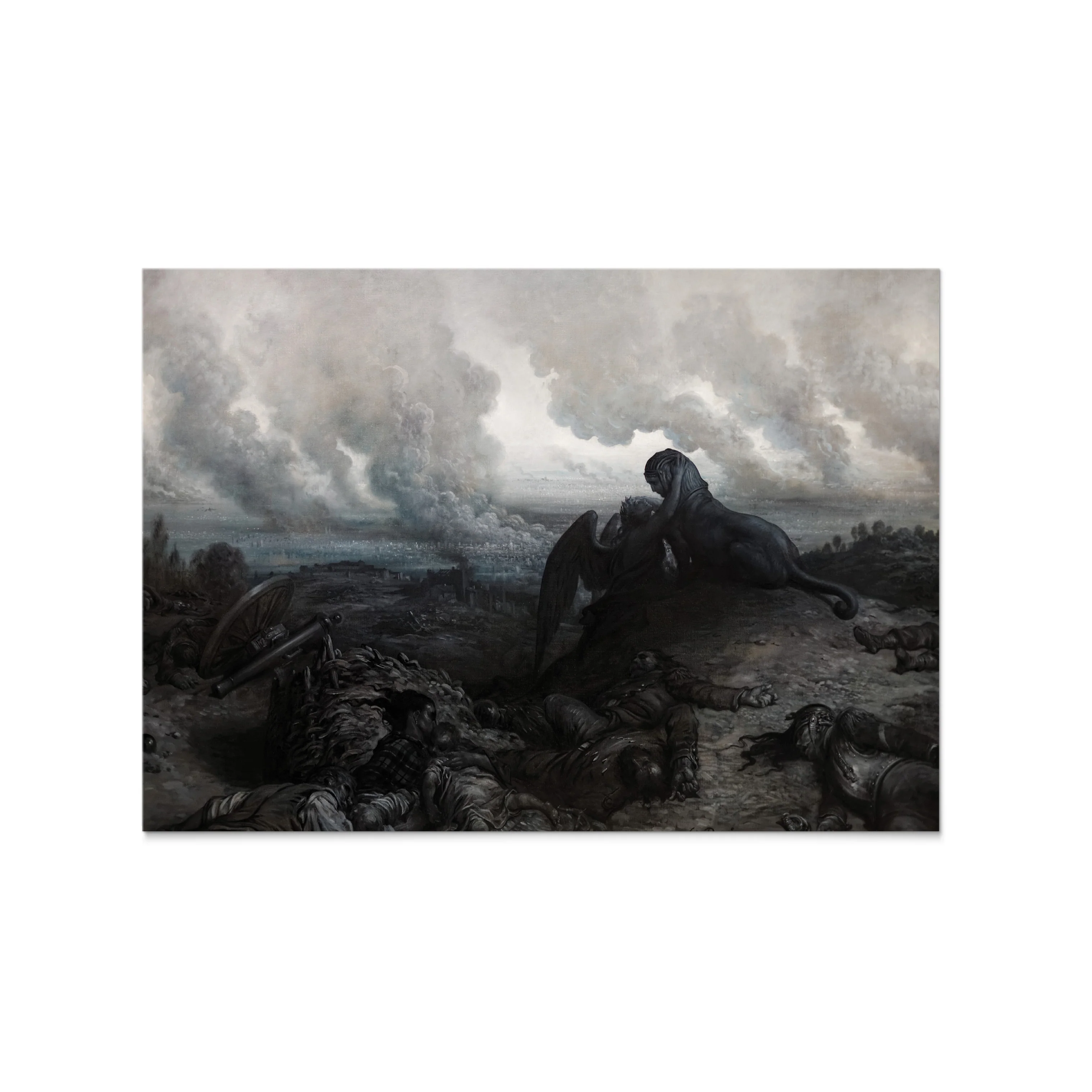
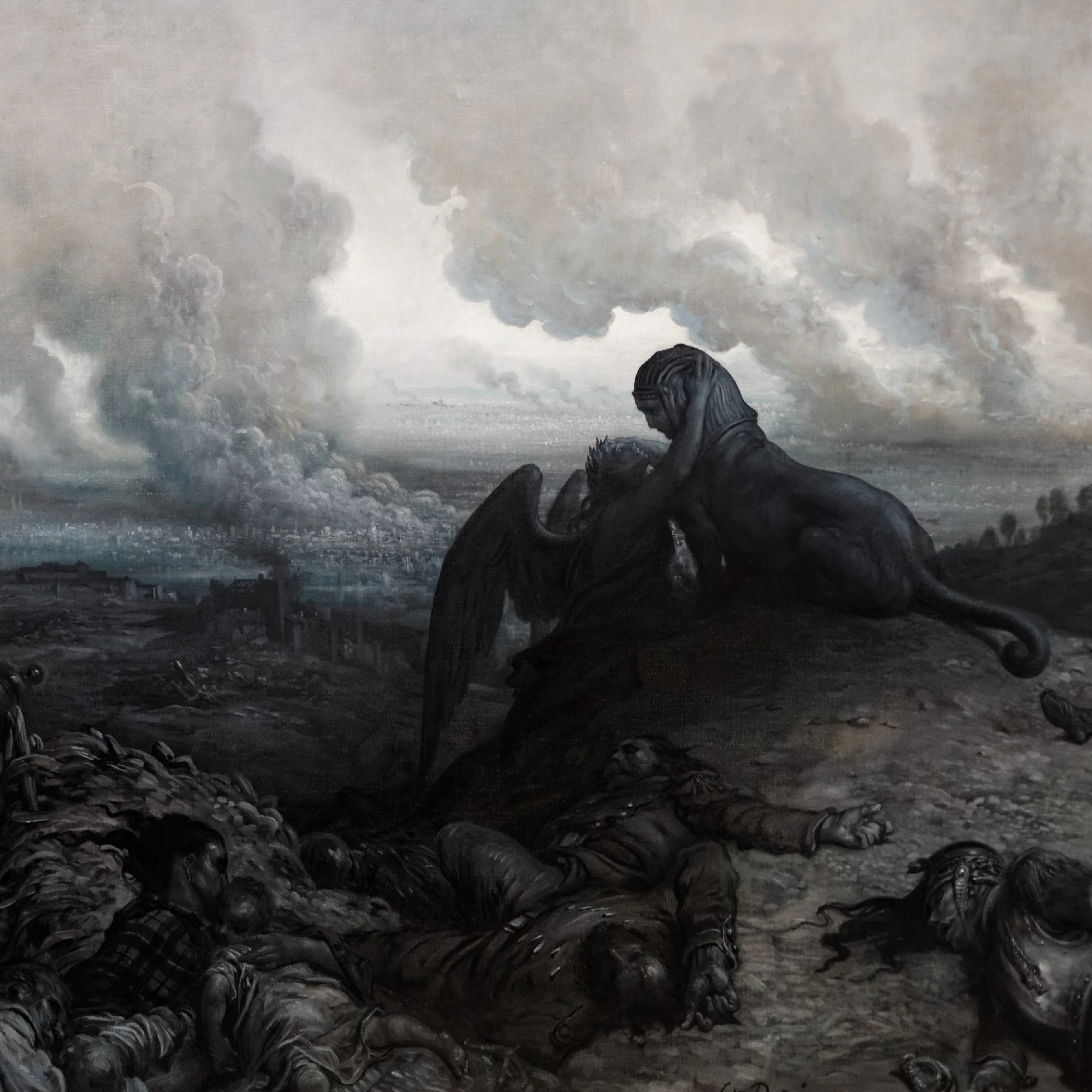
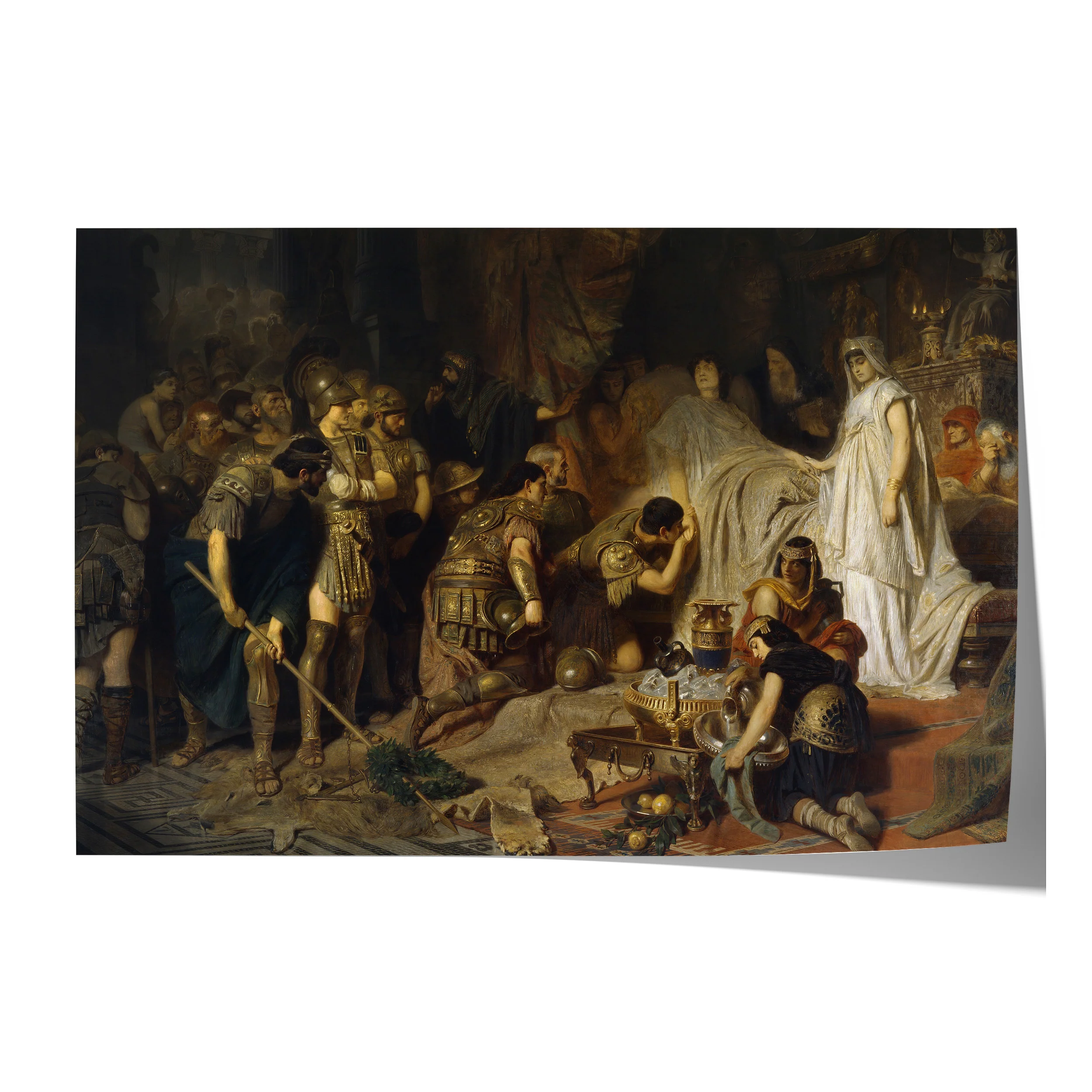
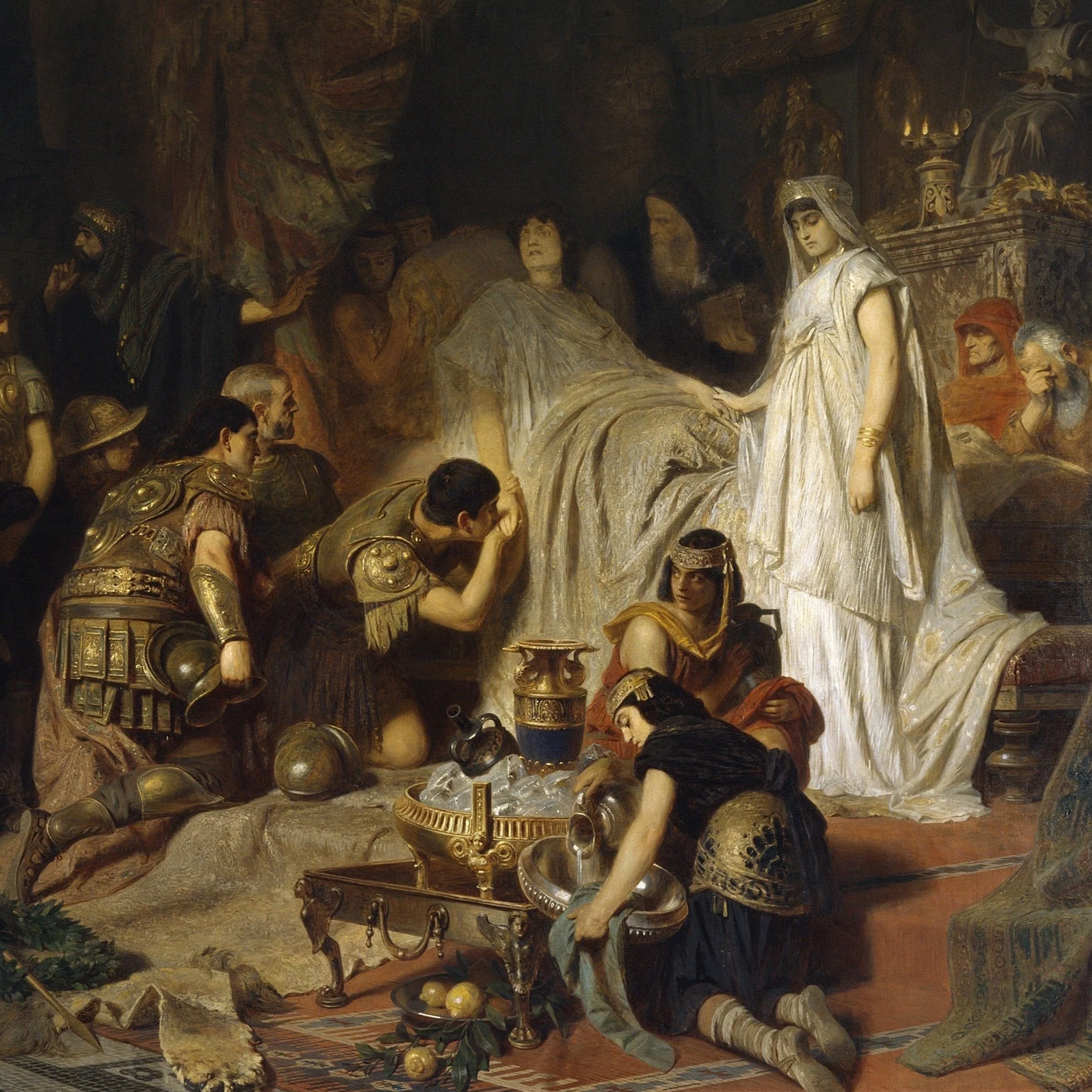
This painting depicts the dramatic expulsion of rebellious angels from Heaven, as described in the biblical Book of Revelation. At the center, the Archangel Michael, adorned in gleaming armor, leads the charge against the fallen angels, who are portrayed as grotesque, hybrid creatures—part human, part beast. These monstrous figures tumble chaotically through the composition, their distorted forms contrasting starkly with the serene, luminous presence of the loyal angels above. The scene is a tumultuous clash between order and chaos, light and darkness.
Bruegel's work reflects the influence of Hieronymus Bosch, evident in the fantastical imagery and intricate detailing of the demonic figures. However, Bruegel infuses the composition with his own vision, emphasizing the moral struggle between virtue and vice. The painting serves as an allegory for the consequences of pride and disobedience, themes resonant in the socio-political context of 16th-century Europe. The meticulous rendering of each creature invites viewers to contemplate the boundaries between the celestial and the terrestrial, the spiritual and the corporeal.