✨ New Arrivals Just Dropped!Explore
HomeStore

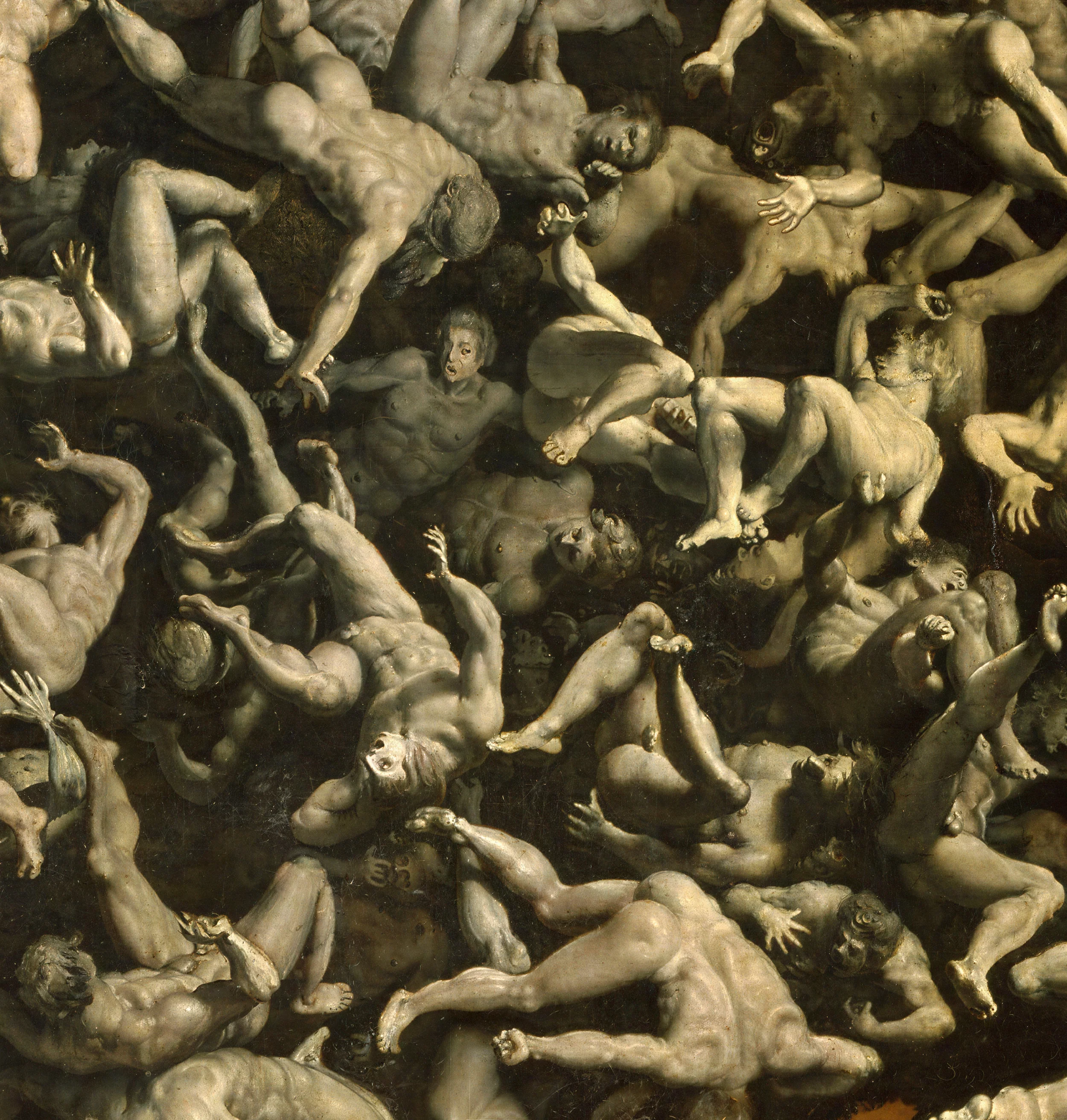
The Fall of the Rebel Angels | Andrea Commodi | 1612-14

Product image 1
Product image 2
Product image 3
Product image 4
Product image 5
Product image 6
Product image 7
Product image 8

The Fall of the Rebel Angels | Andrea Commodi | 1612-14

The Fall of the Rebel Angels | Andrea Commodi | 1612-14

About the artwork:

In The Fall of the Rebel Angels (c. 1612–14) by Andrea Commodi, the artist stages a tumultuous cascade of angels caught in mid-fall, their bodies twisting in a tightly packed vortex that reflects both divine drama and painterly ambition. The work was conceived as a design for a monumental fresco commission from Pope Paul V at the Quirinal Palace in Rome but ultimately abandoned, leaving this dynamic composition as the sole testimony of its scope.  Commodi’s indebtedness to Michelangelo is evident in the heroic musculature of the figures and the congested spatial drama. The absence of any divine judge or triumphant archangel emphasizes instead the raw, unmediated collapse of the rebellious, making the scene as much psychological as theological—a vision of sin’s consequence rather than its cosmic resolution.

Select Select Size
Select Frame Options
From $137.96

Original: $459.85

-70%
The Fall of the Rebel Angels | Andrea Commodi | 1612-14

$459.85

$137.96

Product Information

Shipping & Returns

Description

About the artwork:
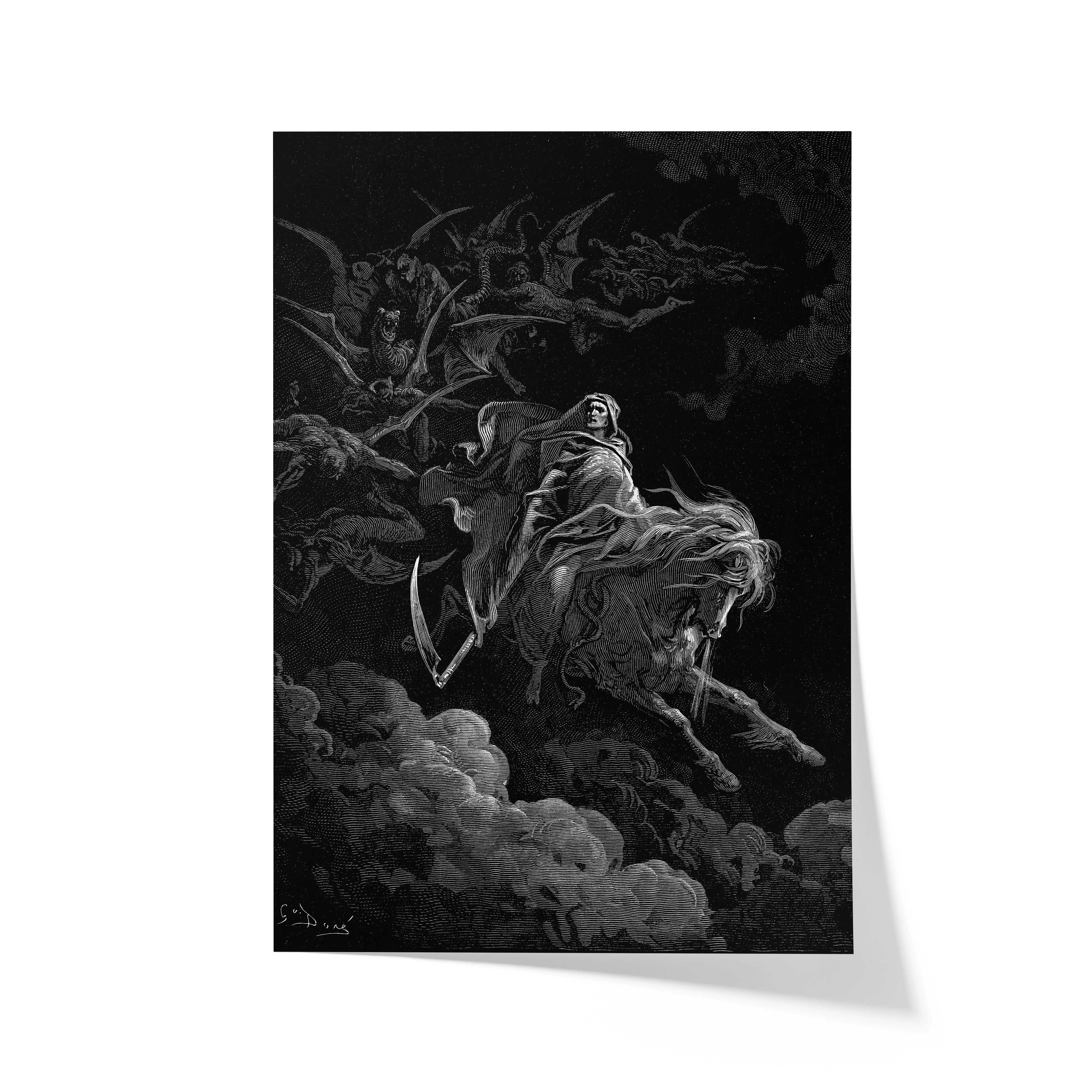
In The Fall of the Rebel Angels (c. 1612–14) by Andrea Commodi, the artist stages a tumultuous cascade of angels caught in mid-fall, their bodies twisting in a tightly packed vortex that reflects both divine drama and painterly ambition. The work was conceived as a design for a monumental fresco commission from Pope Paul V at the Quirinal Palace in Rome but ultimately abandoned, leaving this dynamic composition as the sole testimony of its scope.  Commodi’s indebtedness to Michelangelo is evident in the heroic musculature of the figures and the congested spatial drama. The absence of any divine judge or triumphant archangel emphasizes instead the raw, unmediated collapse of the rebellious, making the scene as much psychological as theological—a vision of sin’s consequence rather than its cosmic resolution.