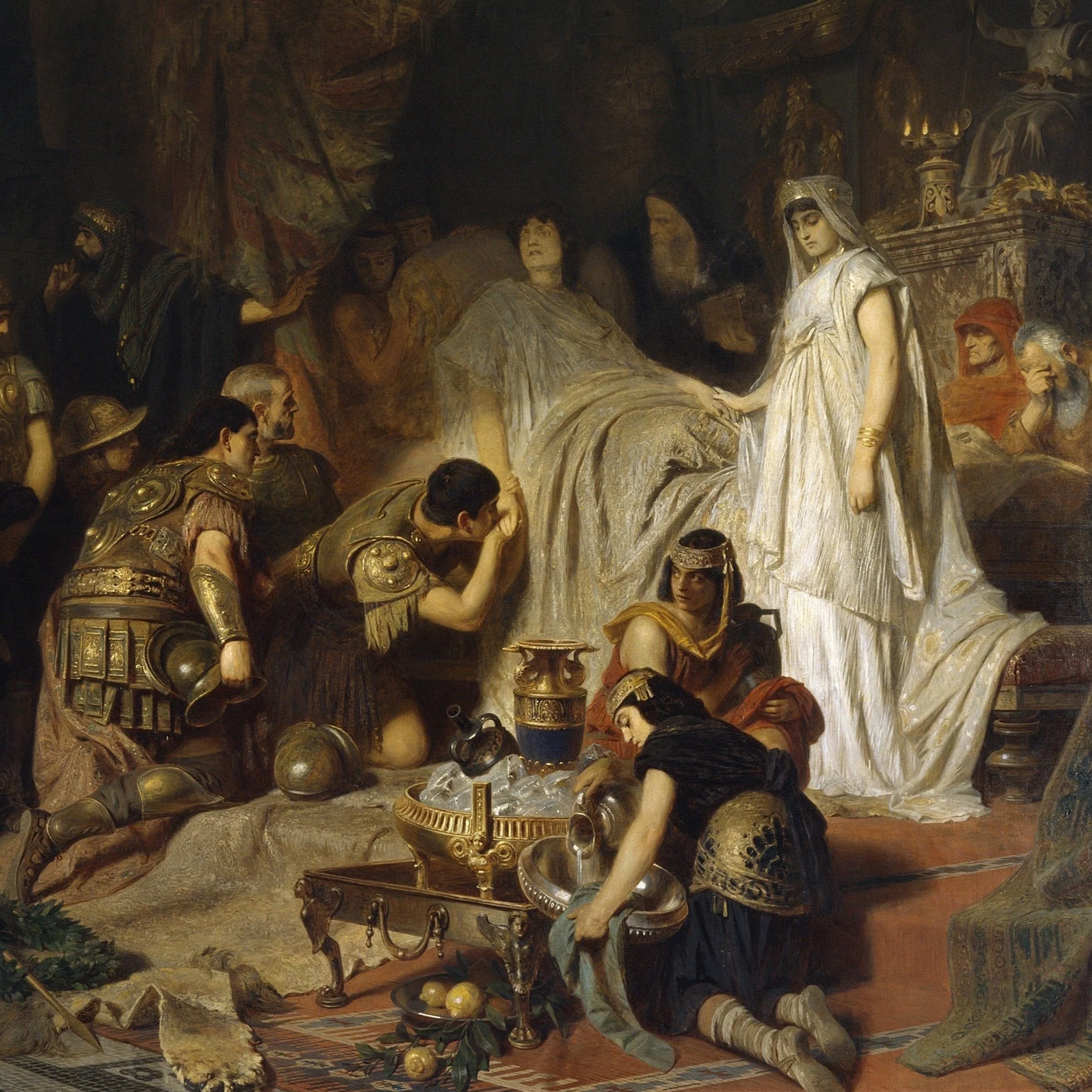
The Feeling of Dependency | Sascha Schneider | 1894
About the artwork:
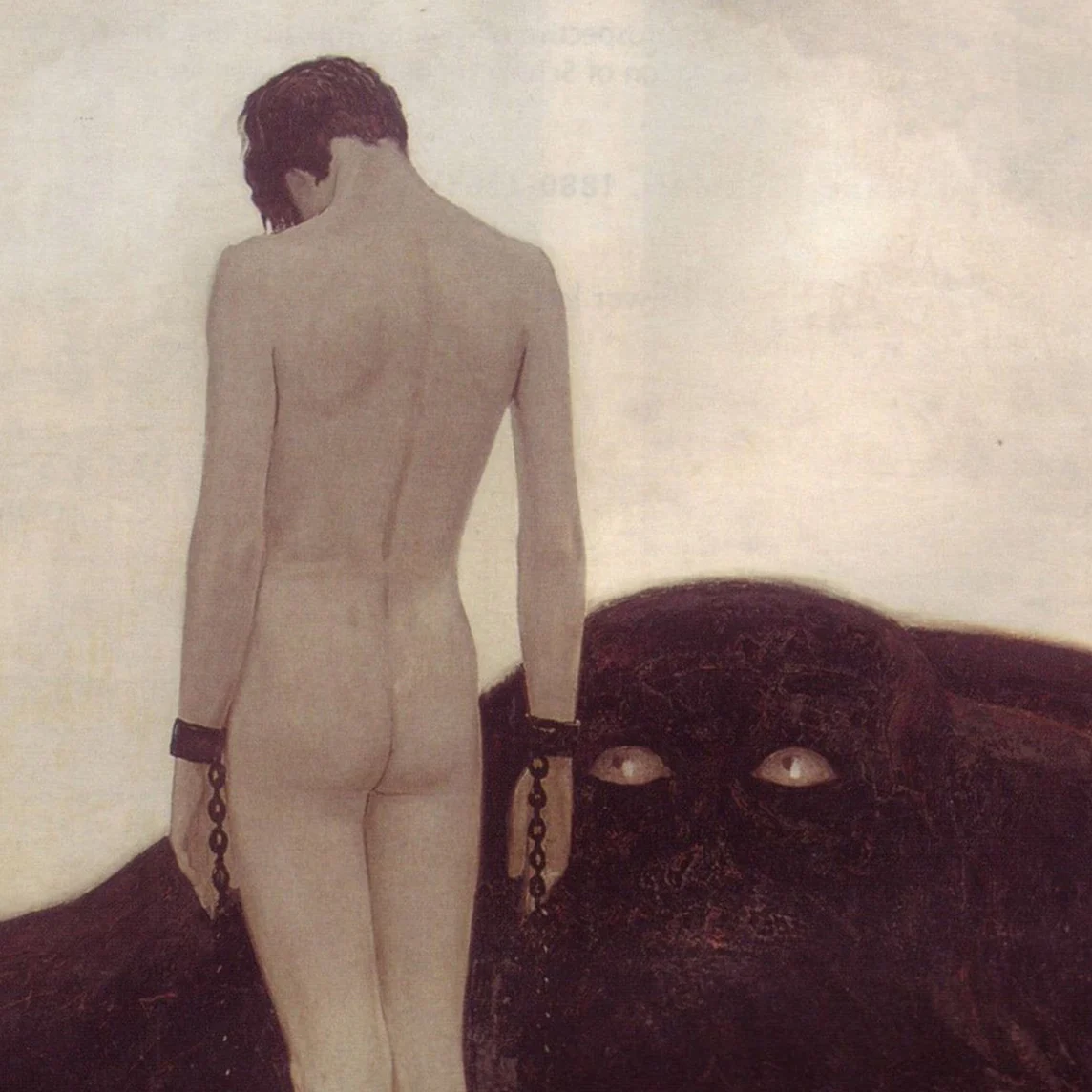
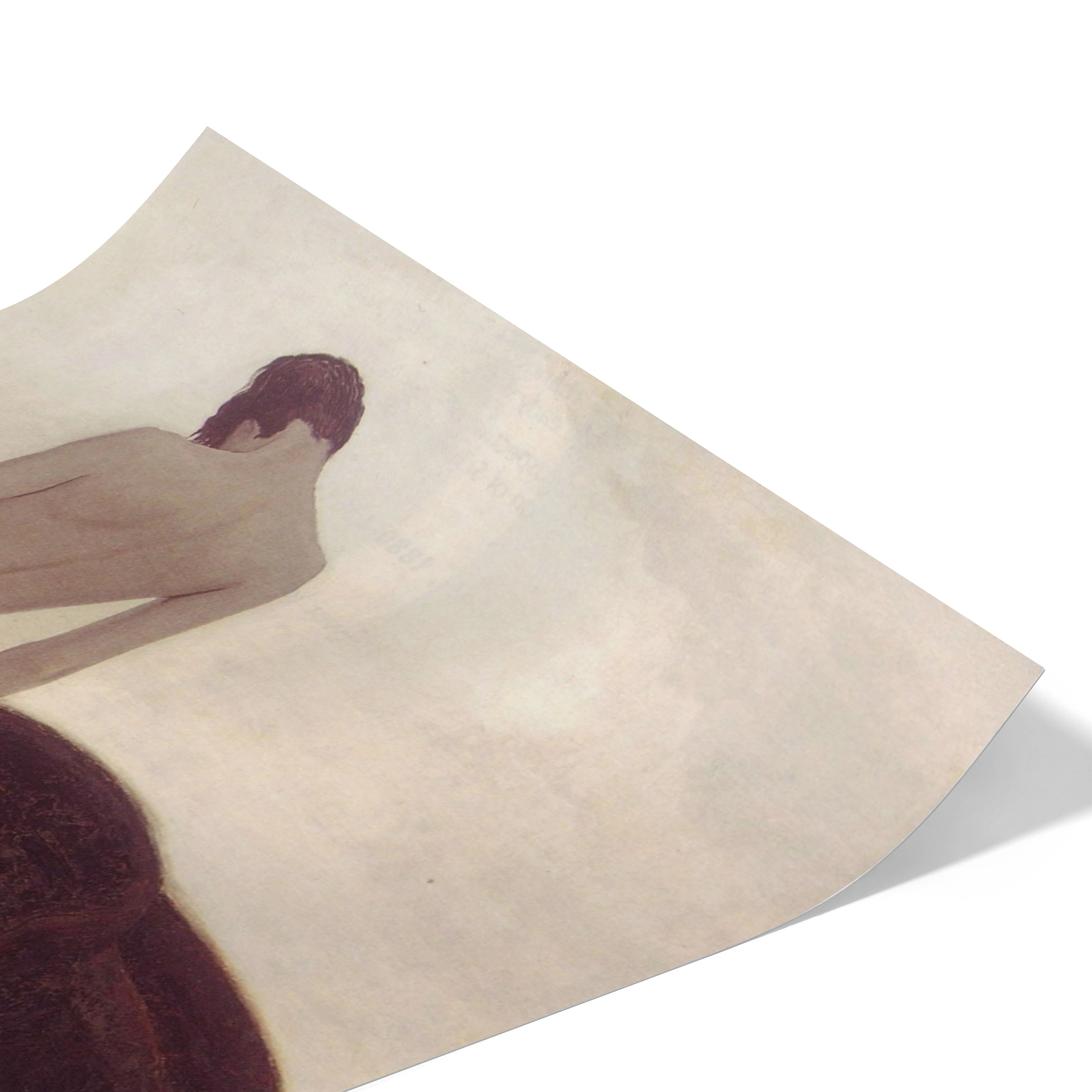
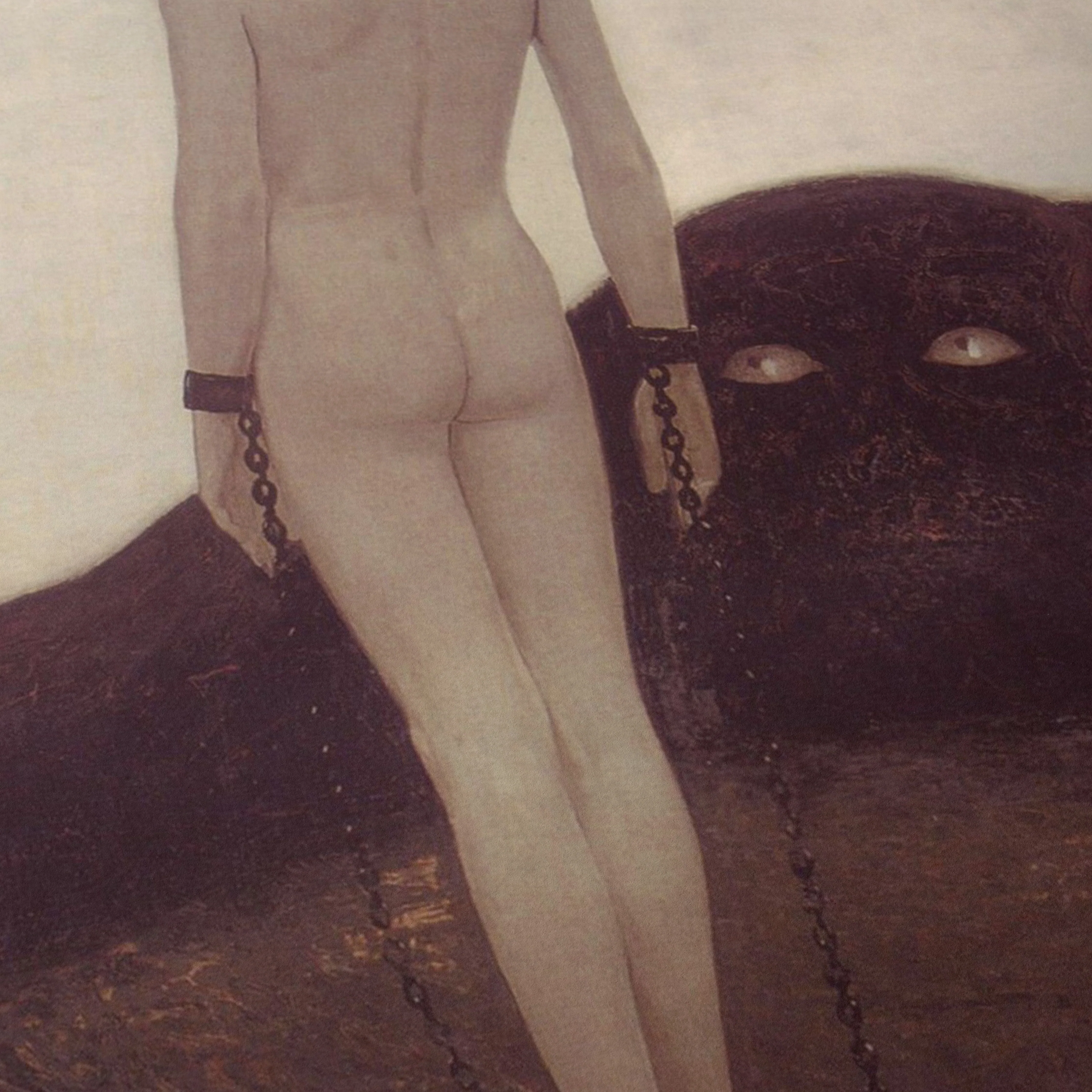
Sascha Schneider’s The Feeling of Dependency (1894) is a striking allegory of human vulnerability and the overwhelming grip of addiction, desire, or psychological weakness. The composition shows a muscular male figure, rendered with Schneider’s characteristic fascination for the heroic nude, yet here the strength of the body is contrasted with its submission to a spectral, dominating presence that clasps him tightly. The tension lies in this paradox: physical power is useless against invisible chains of the mind and spirit. In its Symbolist language, the painting evokes not only erotic undertones but also a moral and existential warning about how easily human beings can become enslaved by forces greater than themselves. It is at once sensual and unsettling, illustrating Schneider’s ability to blend homoerotic imagery, spiritual allegory, and psychological intensity into a single image that embodies the late 19th-century search for meaning in a world torn between liberation and repression.
Product Information
Product Information
Shipping & Returns
Shipping & Returns

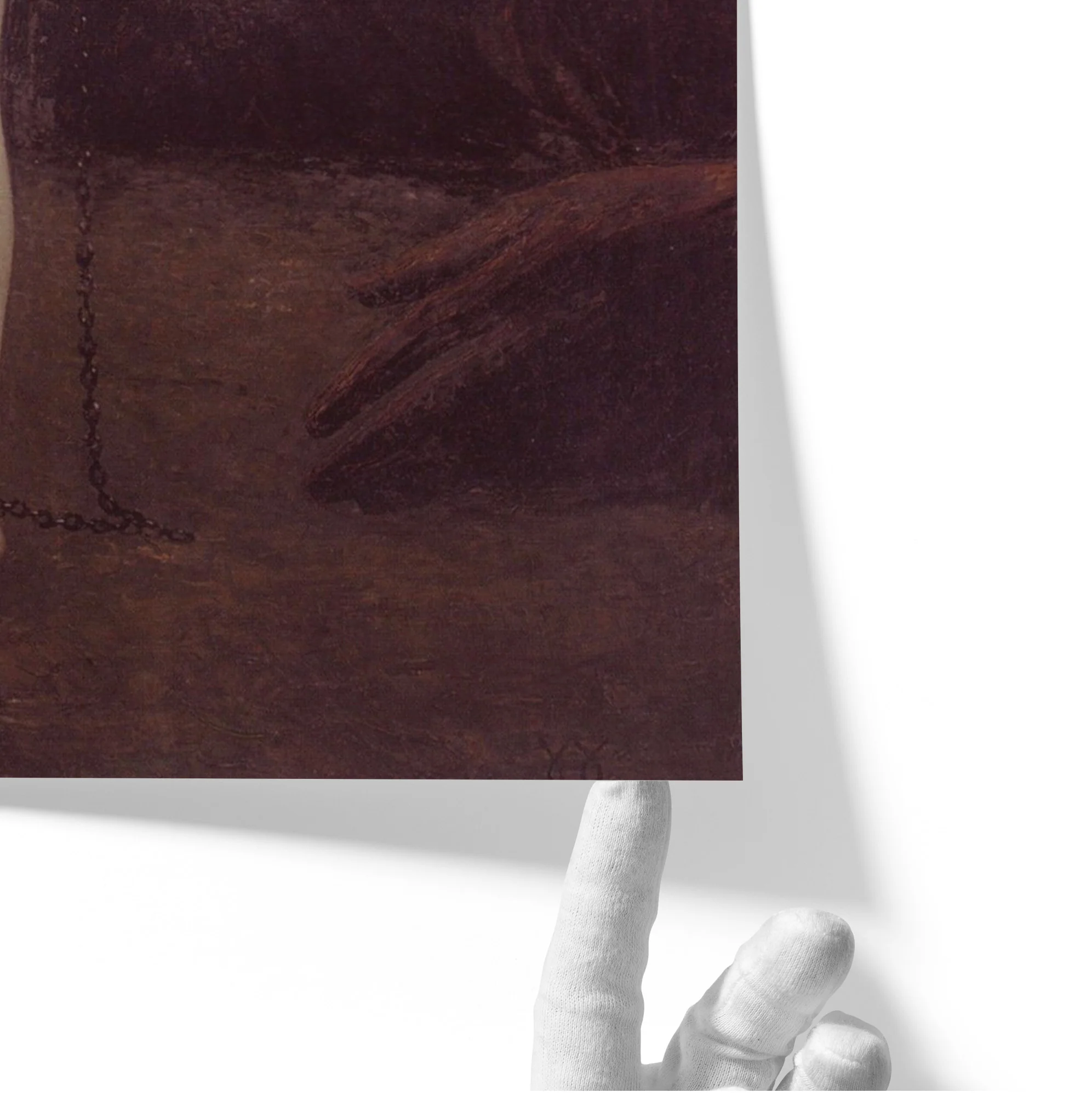
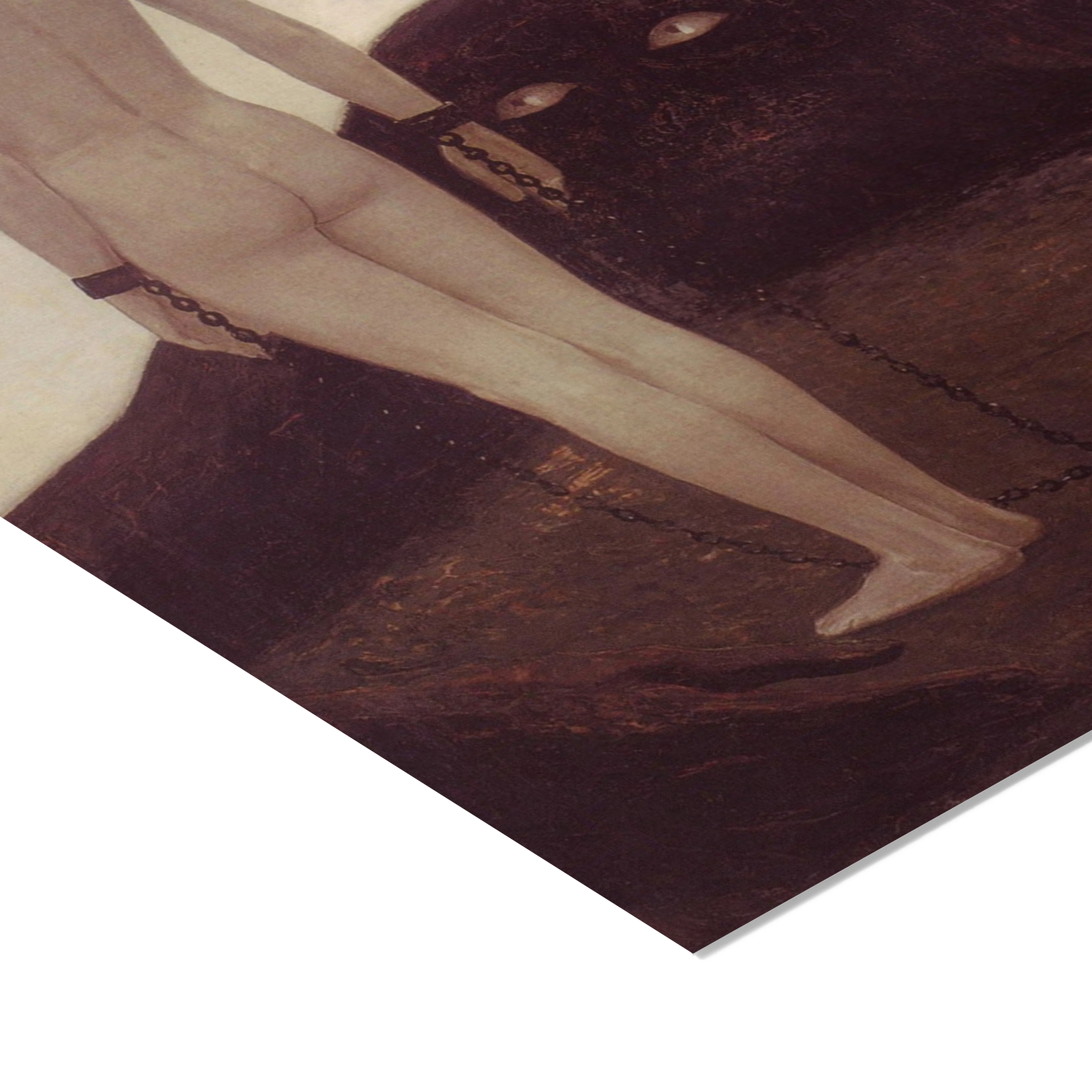


The Feeling of Dependency | Sascha Schneider | 1894
The Feeling of Dependency | Sascha Schneider | 1894
About the artwork:
Sascha Schneider’s The Feeling of Dependency (1894) is a striking allegory of human vulnerability and the overwhelming grip of addiction, desire, or psychological weakness. The composition shows a muscular male figure, rendered with Schneider’s characteristic fascination for the heroic nude, yet here the strength of the body is contrasted with its submission to a spectral, dominating presence that clasps him tightly. The tension lies in this paradox: physical power is useless against invisible chains of the mind and spirit. In its Symbolist language, the painting evokes not only erotic undertones but also a moral and existential warning about how easily human beings can become enslaved by forces greater than themselves. It is at once sensual and unsettling, illustrating Schneider’s ability to blend homoerotic imagery, spiritual allegory, and psychological intensity into a single image that embodies the late 19th-century search for meaning in a world torn between liberation and repression.
Original: $297.82
-70%$297.82
$89.35Product Information
Product Information
Shipping & Returns
Shipping & Returns
Description
About the artwork:
Sascha Schneider’s The Feeling of Dependency (1894) is a striking allegory of human vulnerability and the overwhelming grip of addiction, desire, or psychological weakness. The composition shows a muscular male figure, rendered with Schneider’s characteristic fascination for the heroic nude, yet here the strength of the body is contrasted with its submission to a spectral, dominating presence that clasps him tightly. The tension lies in this paradox: physical power is useless against invisible chains of the mind and spirit. In its Symbolist language, the painting evokes not only erotic undertones but also a moral and existential warning about how easily human beings can become enslaved by forces greater than themselves. It is at once sensual and unsettling, illustrating Schneider’s ability to blend homoerotic imagery, spiritual allegory, and psychological intensity into a single image that embodies the late 19th-century search for meaning in a world torn between liberation and repression.