The Garden Of Armida | John Collier | c. 1889
About the artwork:
The Garden of Armida by John Collier, painted around 1889, is a refined example of late nineteenth century British academic painting inspired by literary sources. The work is based on Jerusalem Delivered by Torquato Tasso, which tells the story of Armida, a sorceress who seduces the Christian knight Rinaldo during the Crusades. Collier presents Armida in a lush, enclosed garden, emphasizing sensuality, control, and psychological tension rather than overt drama. The composition is carefully balanced, with rich vegetation surrounding the central figure, reinforcing the idea of enchantment and confinement. Collier’s technique reflects his academic training, with smooth brushwork, controlled lighting, and a strong attention to anatomical precision. The painting explores themes of temptation, illusion, and the conflict between duty and desire, aligning with Victorian interests in morality and classical literature. It also demonstrates Collier’s ability to merge narrative clarity with subtle emotional complexity, positioning the female figure as both powerful and enigmatic within a highly constructed visual space.
Product Information
Product Information
Shipping & Returns
Shipping & Returns
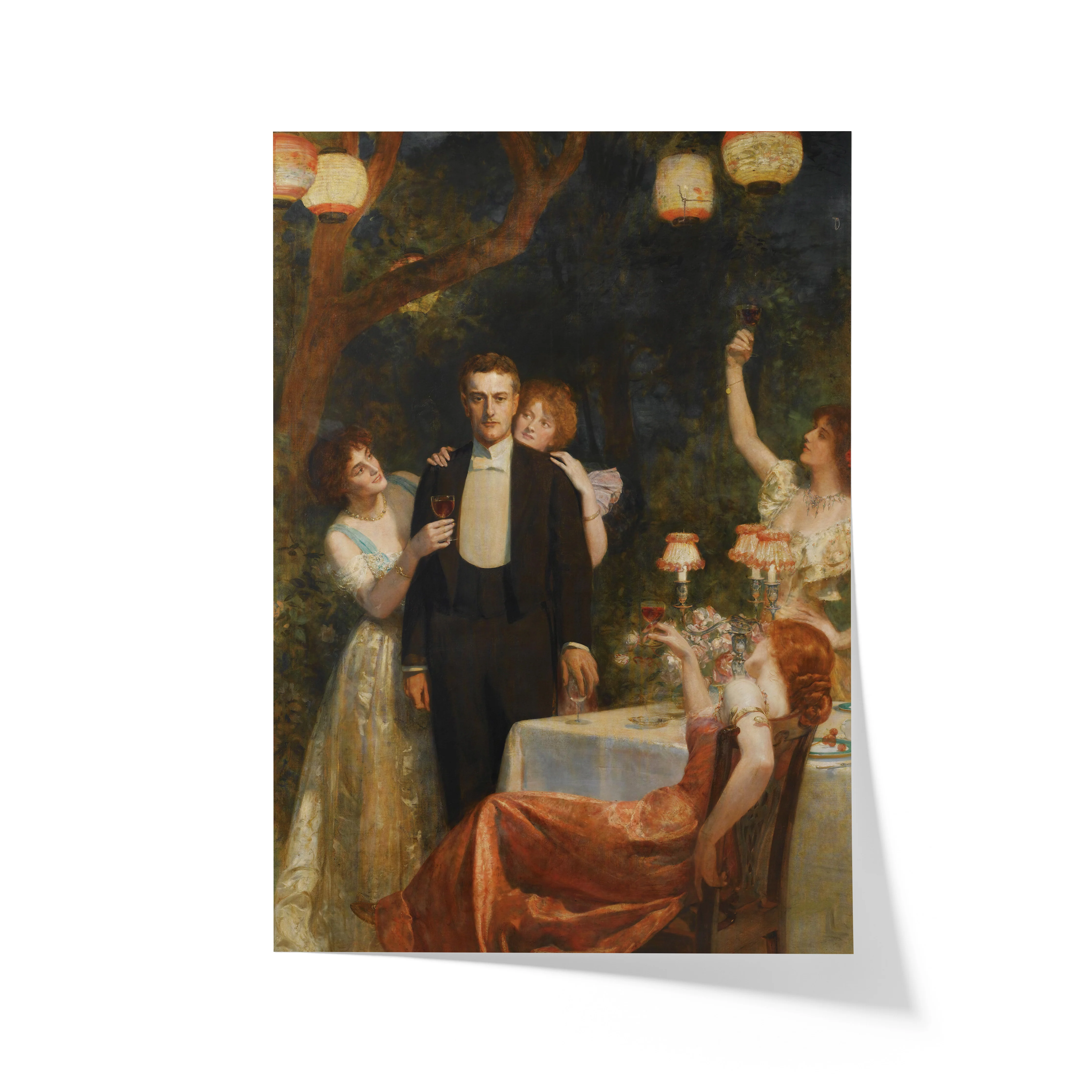

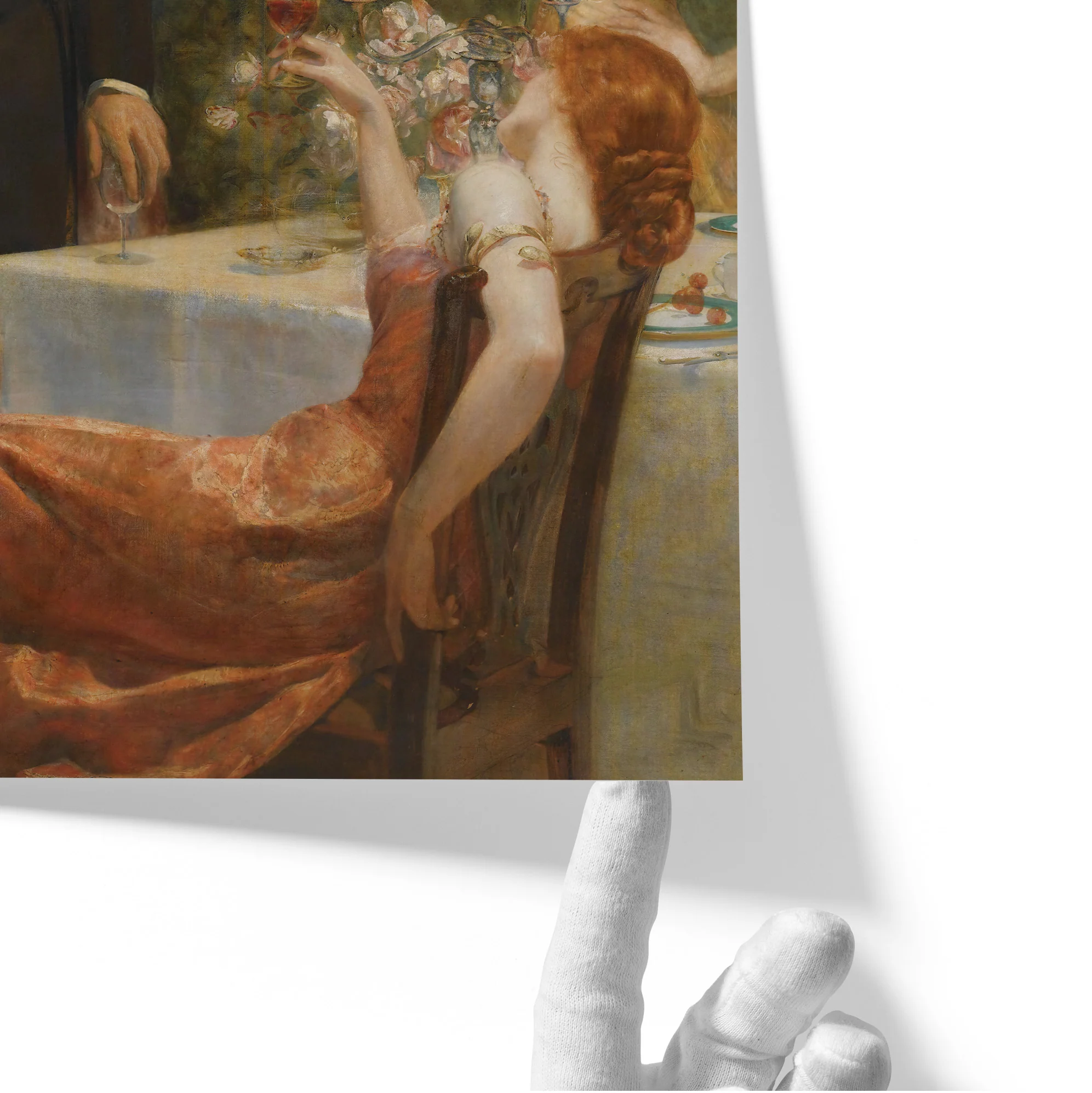


The Garden Of Armida | John Collier | c. 1889
The Garden Of Armida | John Collier | c. 1889
About the artwork:
The Garden of Armida by John Collier, painted around 1889, is a refined example of late nineteenth century British academic painting inspired by literary sources. The work is based on Jerusalem Delivered by Torquato Tasso, which tells the story of Armida, a sorceress who seduces the Christian knight Rinaldo during the Crusades. Collier presents Armida in a lush, enclosed garden, emphasizing sensuality, control, and psychological tension rather than overt drama. The composition is carefully balanced, with rich vegetation surrounding the central figure, reinforcing the idea of enchantment and confinement. Collier’s technique reflects his academic training, with smooth brushwork, controlled lighting, and a strong attention to anatomical precision. The painting explores themes of temptation, illusion, and the conflict between duty and desire, aligning with Victorian interests in morality and classical literature. It also demonstrates Collier’s ability to merge narrative clarity with subtle emotional complexity, positioning the female figure as both powerful and enigmatic within a highly constructed visual space.
Original: $297.82
-70%$297.82
$89.35Product Information
Product Information
Shipping & Returns
Shipping & Returns
Description
About the artwork:
The Garden of Armida by John Collier, painted around 1889, is a refined example of late nineteenth century British academic painting inspired by literary sources. The work is based on Jerusalem Delivered by Torquato Tasso, which tells the story of Armida, a sorceress who seduces the Christian knight Rinaldo during the Crusades. Collier presents Armida in a lush, enclosed garden, emphasizing sensuality, control, and psychological tension rather than overt drama. The composition is carefully balanced, with rich vegetation surrounding the central figure, reinforcing the idea of enchantment and confinement. Collier’s technique reflects his academic training, with smooth brushwork, controlled lighting, and a strong attention to anatomical precision. The painting explores themes of temptation, illusion, and the conflict between duty and desire, aligning with Victorian interests in morality and classical literature. It also demonstrates Collier’s ability to merge narrative clarity with subtle emotional complexity, positioning the female figure as both powerful and enigmatic within a highly constructed visual space.