✨ New Arrivals Just Dropped!Explore
HomeStore

The Lamentation over the Dead Christ | Andrea Mantegna | c. 1480

Product image 1
Product image 2
Product image 3
Product image 4
Product image 5
Product image 6
Product image 7
Product image 8

The Lamentation over the Dead Christ | Andrea Mantegna | c. 1480

The Lamentation over the Dead Christ | Andrea Mantegna | c. 1480

About the artwork:

The Lamentation over the Dead Christ (c. 1480) by Andrea Mantegna is one of the most striking and innovative works of the Italian Renaissance. The painting depicts the body of Christ laid out on a stone slab, viewed from an extreme foreshortened perspective that makes the viewer confront his wounds and mortality with unsettling immediacy. Christ’s head is slightly turned, softening the rigidity of death, while Mary and Saint John grieve quietly at his side. Mantegna’s mastery of perspective intensifies the realism, compressing space and pulling the viewer into the intimate sorrow of the scene. The painting challenges devotional conventions of its time by emphasizing both the physicality of death and the emotional weight of human suffering, blending scientific precision with profound spirituality. It remains a haunting meditation on loss, sacrifice, and the fragility of the human body.

Select Select Size
Select Frame Options
From $137.96

Original: $459.85

-70%
The Lamentation over the Dead Christ | Andrea Mantegna | c. 1480

$459.85

$137.96

Product Information

Shipping & Returns

Description

About the artwork:
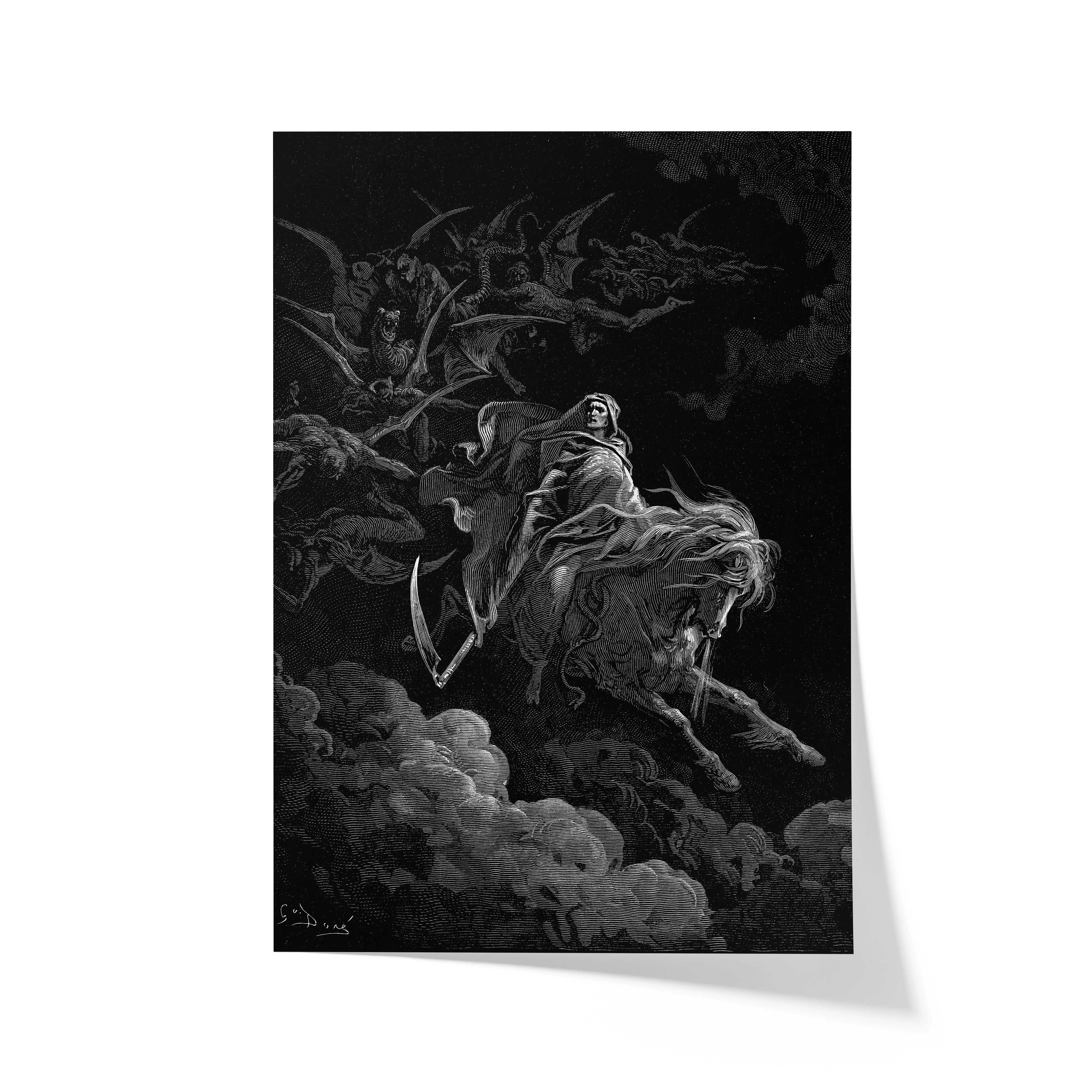
The Lamentation over the Dead Christ (c. 1480) by Andrea Mantegna is one of the most striking and innovative works of the Italian Renaissance. The painting depicts the body of Christ laid out on a stone slab, viewed from an extreme foreshortened perspective that makes the viewer confront his wounds and mortality with unsettling immediacy. Christ’s head is slightly turned, softening the rigidity of death, while Mary and Saint John grieve quietly at his side. Mantegna’s mastery of perspective intensifies the realism, compressing space and pulling the viewer into the intimate sorrow of the scene. The painting challenges devotional conventions of its time by emphasizing both the physicality of death and the emotional weight of human suffering, blending scientific precision with profound spirituality. It remains a haunting meditation on loss, sacrifice, and the fragility of the human body.