✨ New Arrivals Just Dropped!Explore
HomeStore

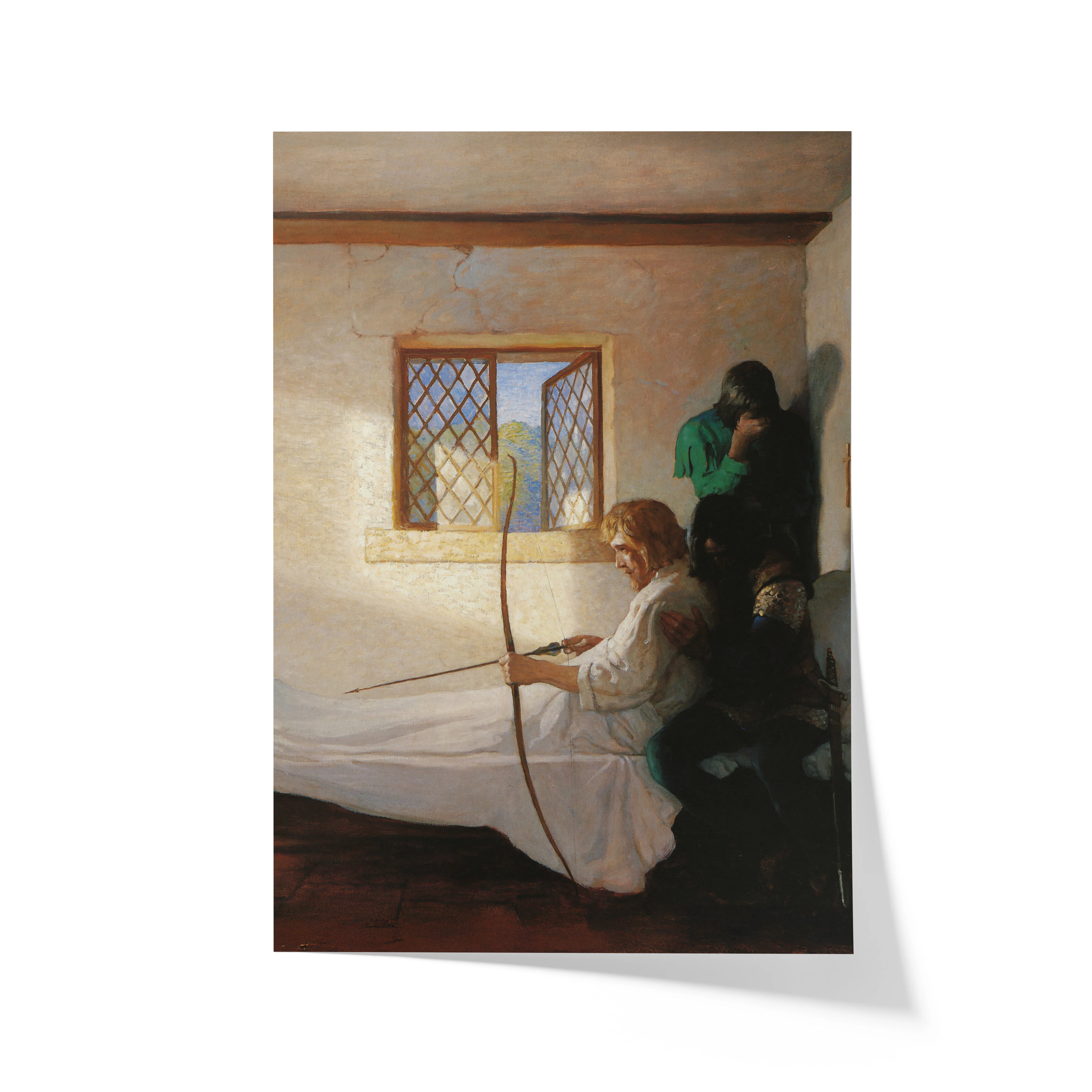
The Passing of Robin Hood | N. C. Wyeth | 1917

Product image 1
Product image 2
Product image 3
Product image 4
Product image 5
Product image 6
Product image 7
Product image 8

The Passing of Robin Hood | N. C. Wyeth | 1917

The Passing of Robin Hood | N. C. Wyeth | 1917

About the artwork:

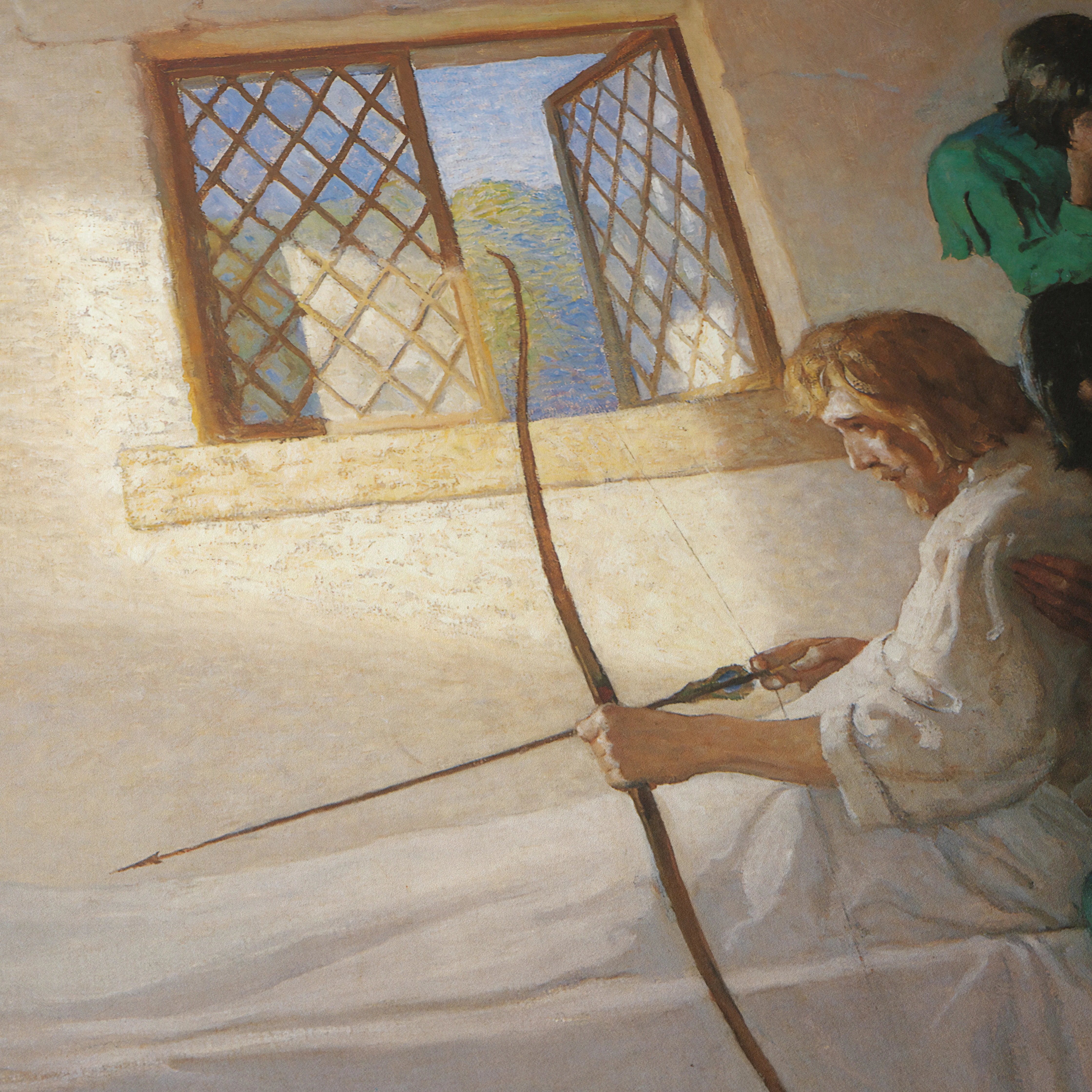
In The Passing of Robin Hood (1917), N. C. Wyeth distills the end of a centuries-old legend into a scene of quiet intimacy and symbolic weight. Drawing from the medieval ballads, Wyeth shows Robin after the betrayal of his cousin, the prioress of Kirklees, who left him to bleed to death during a bloodletting. Little John, his most loyal companion, stands near, powerless to save him. Instead of seeking vengeance, Robin prepares for his final act: firing an arrow into the distance and requesting to be buried where it falls. This gesture, rooted in folklore, embodies his freedom, his unbreakable bond with the forest, and his control over his destiny even in death. By stripping away action and focusing on the emotional core, Wyeth turns a heroic death into a human farewell, making the painting both a tribute to loyalty and a meditation on the enduring power of myth.

Select Select Size
Select Frame Options
From $89.35

Original: $297.82

-70%
The Passing of Robin Hood | N. C. Wyeth | 1917

$297.82

$89.35

Product Information

Shipping & Returns

Description

About the artwork:
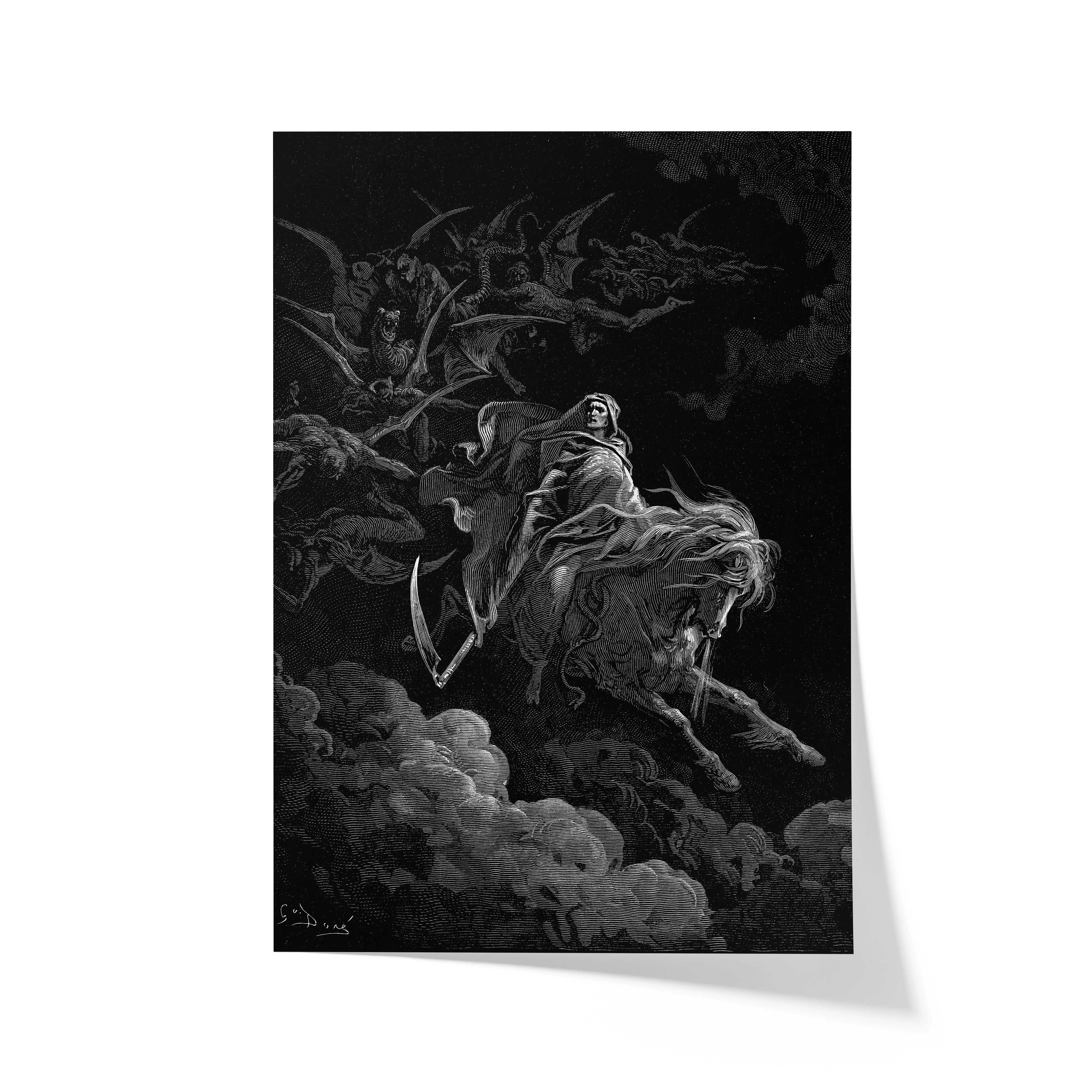
In The Passing of Robin Hood (1917), N. C. Wyeth distills the end of a centuries-old legend into a scene of quiet intimacy and symbolic weight. Drawing from the medieval ballads, Wyeth shows Robin after the betrayal of his cousin, the prioress of Kirklees, who left him to bleed to death during a bloodletting. Little John, his most loyal companion, stands near, powerless to save him. Instead of seeking vengeance, Robin prepares for his final act: firing an arrow into the distance and requesting to be buried where it falls. This gesture, rooted in folklore, embodies his freedom, his unbreakable bond with the forest, and his control over his destiny even in death. By stripping away action and focusing on the emotional core, Wyeth turns a heroic death into a human farewell, making the painting both a tribute to loyalty and a meditation on the enduring power of myth.