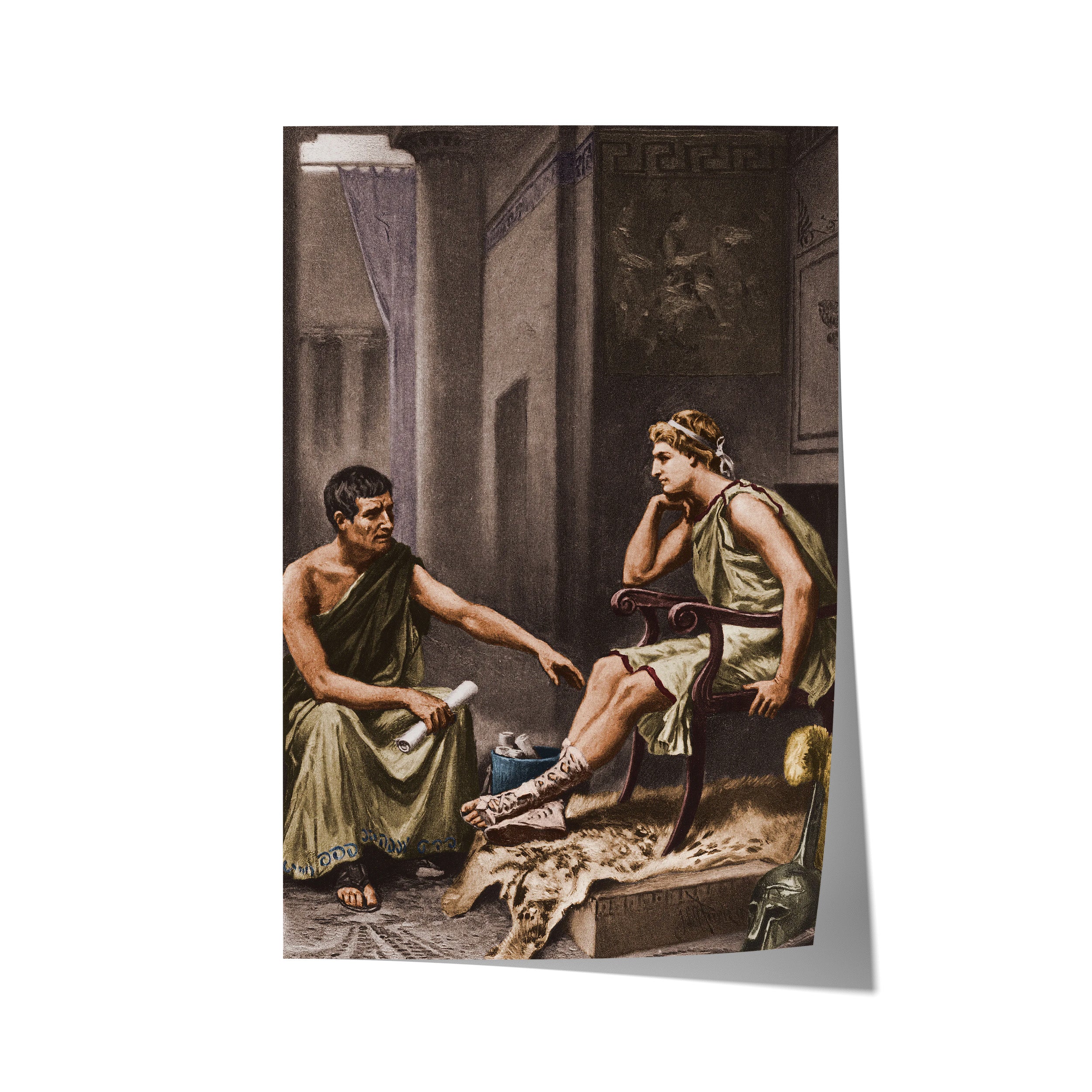
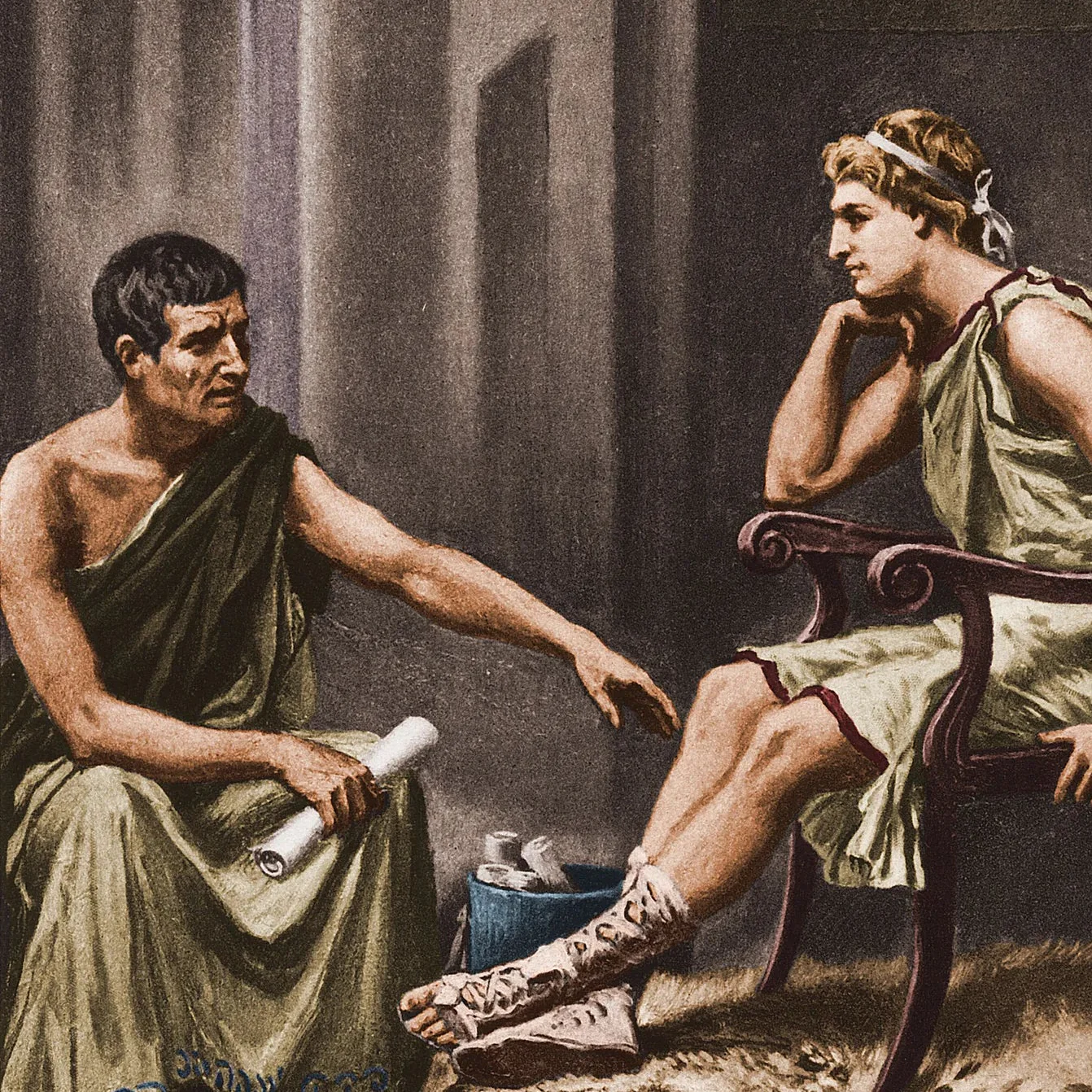
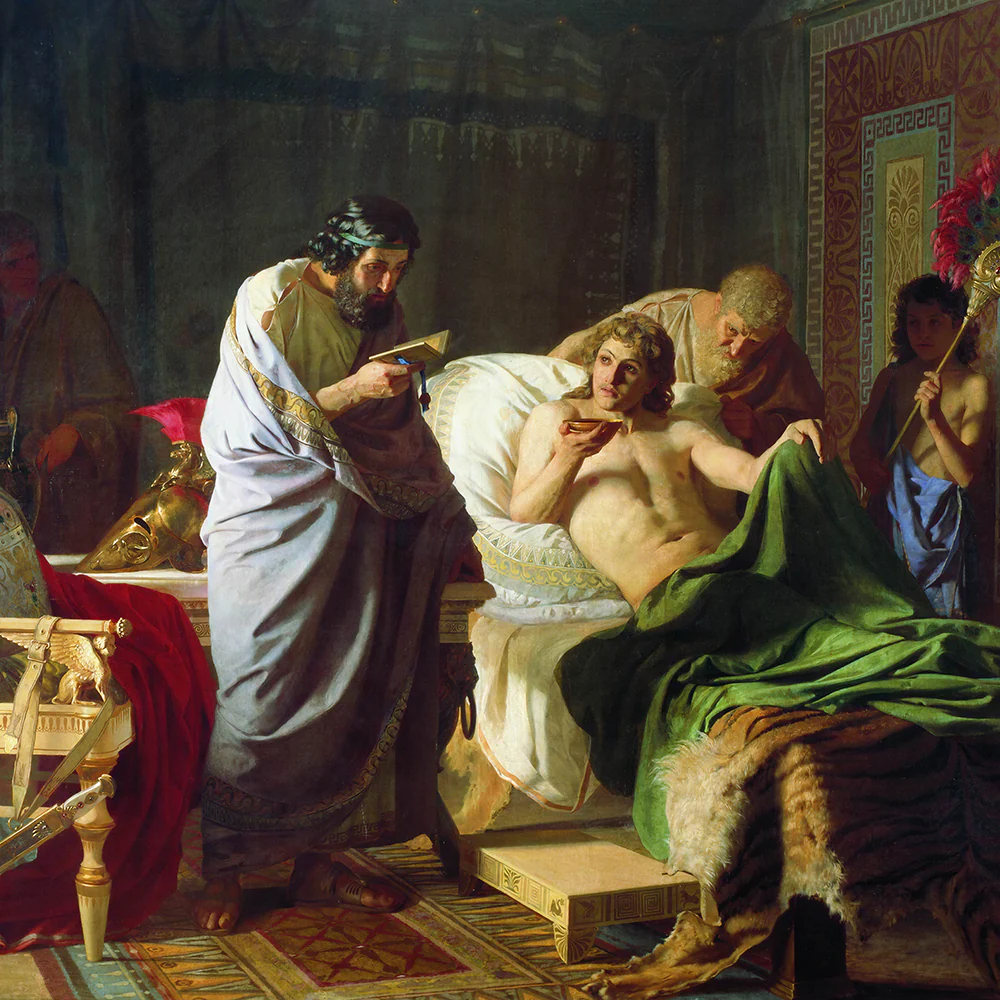
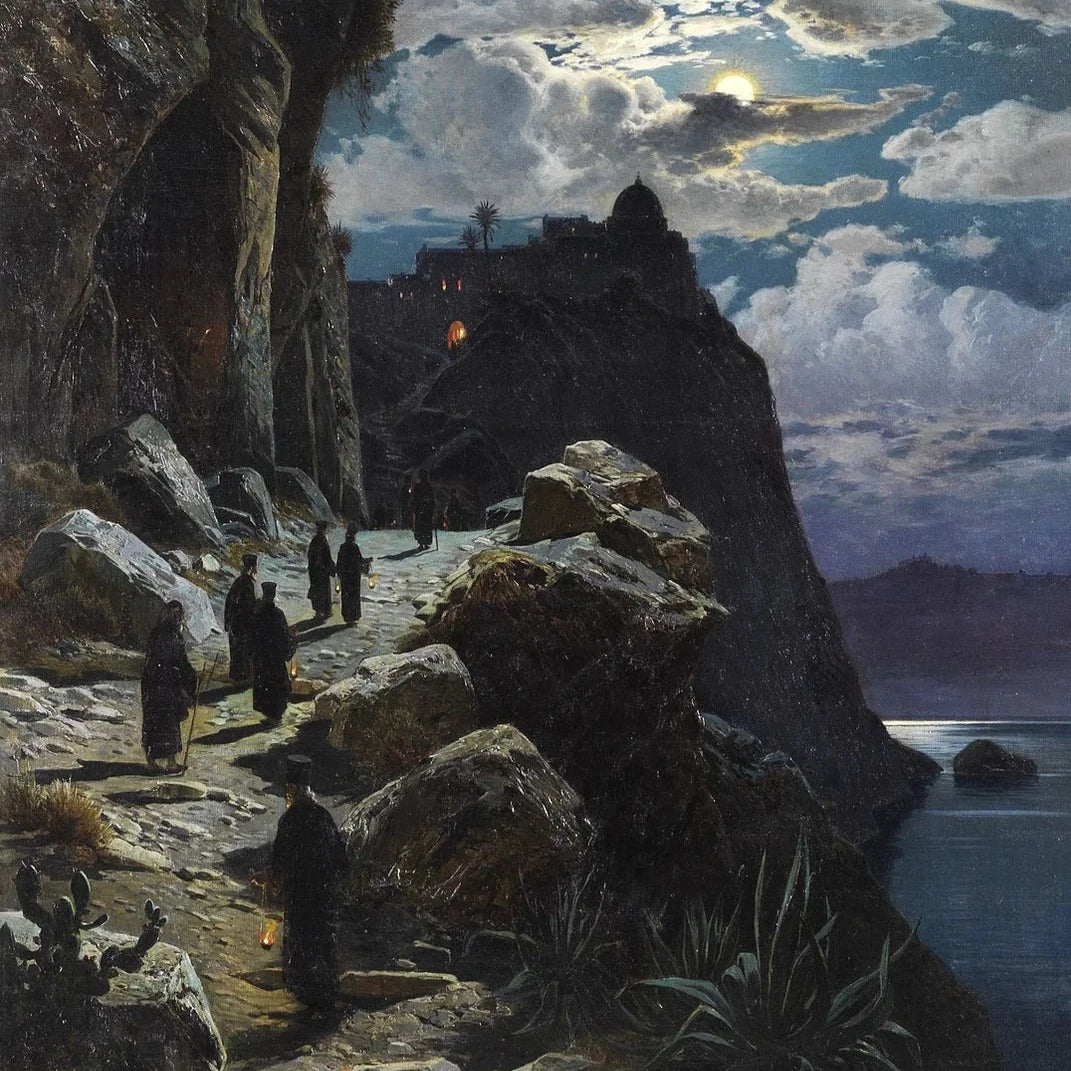
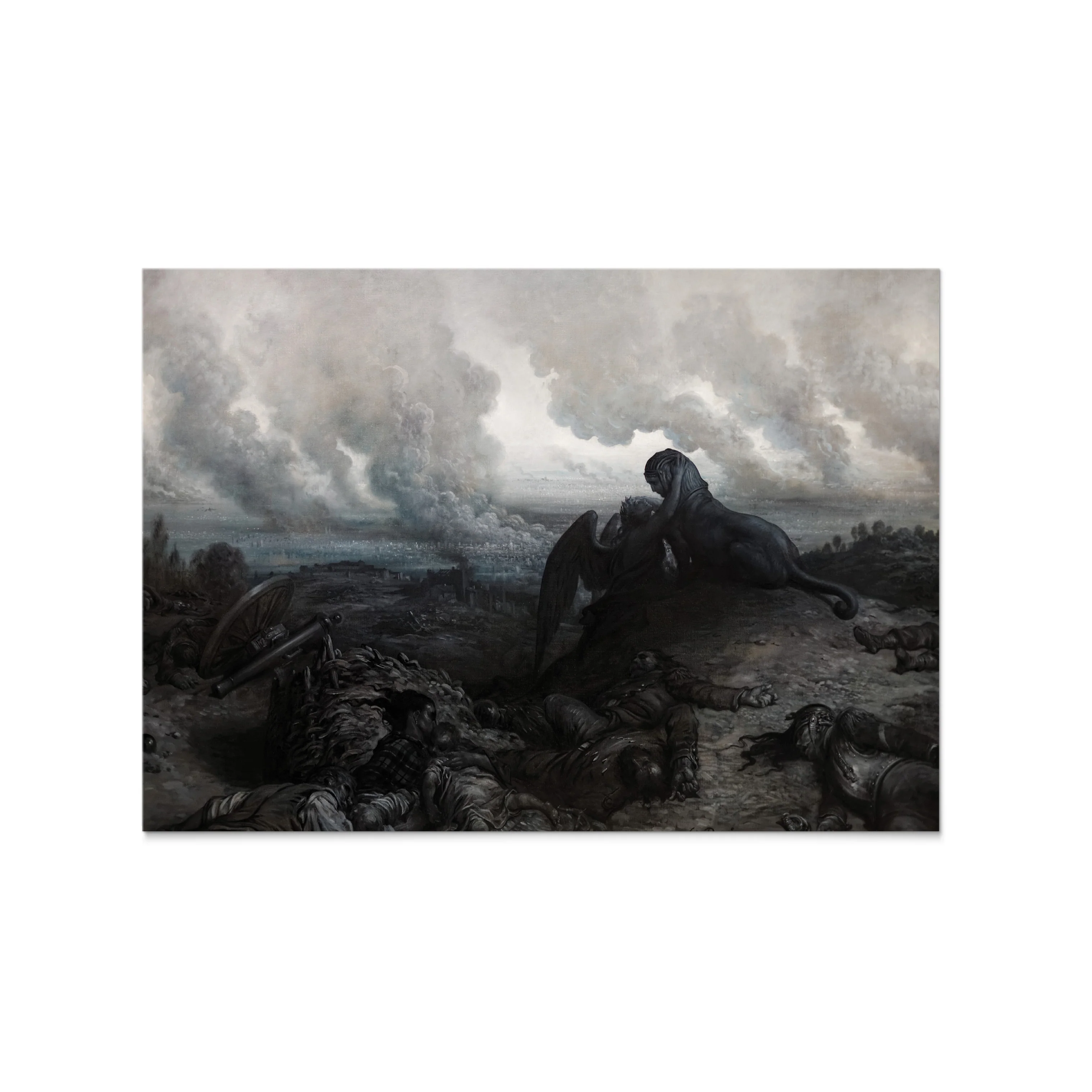
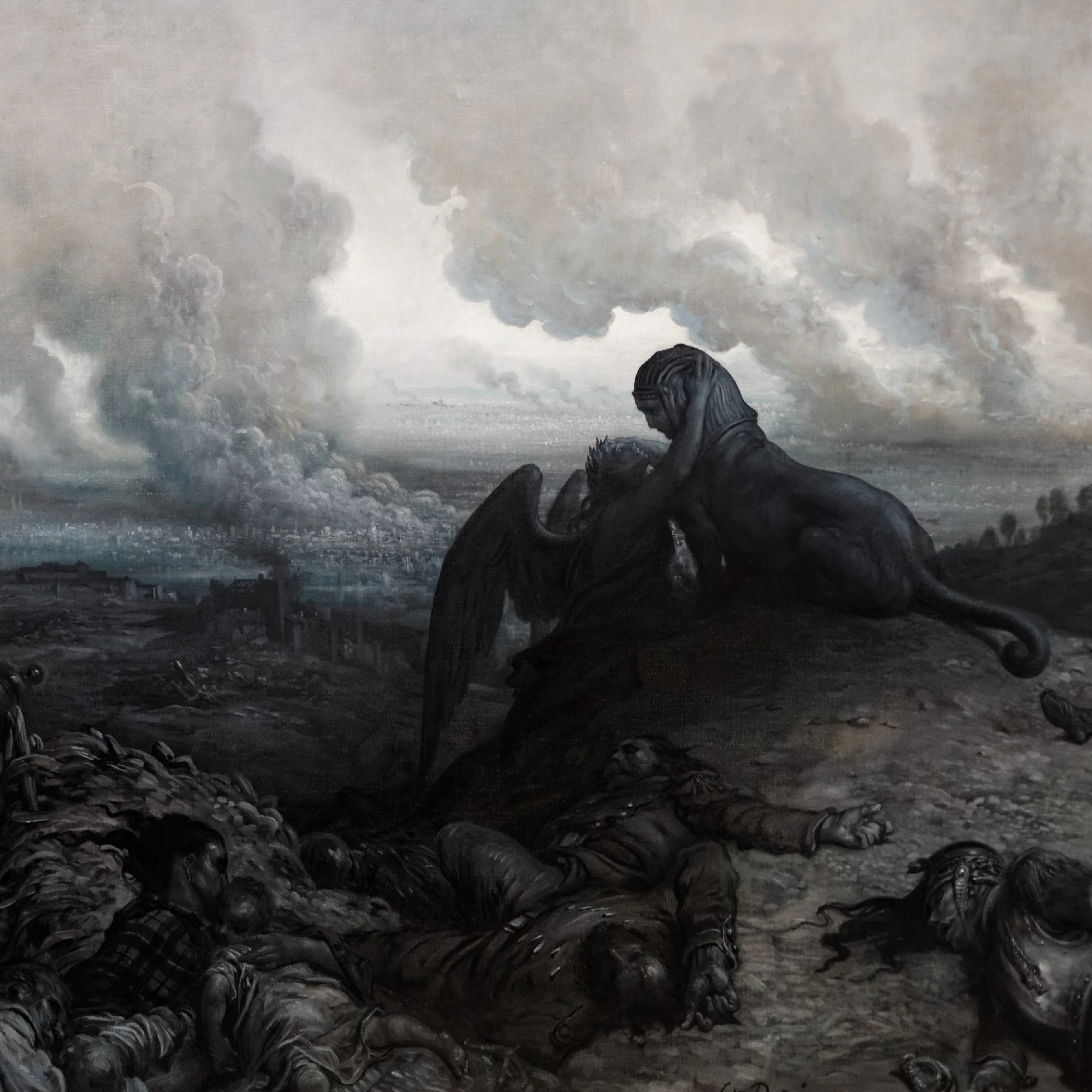
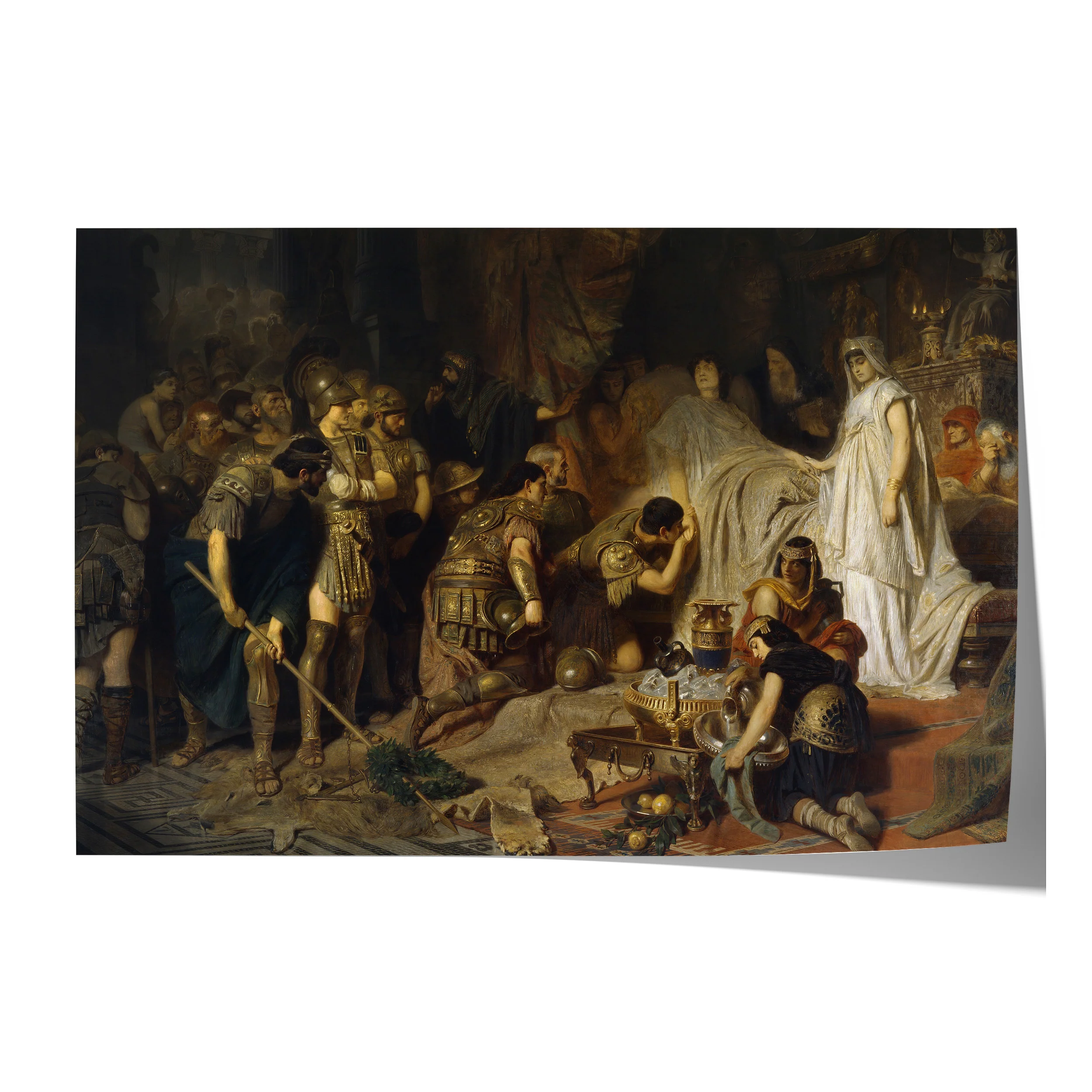
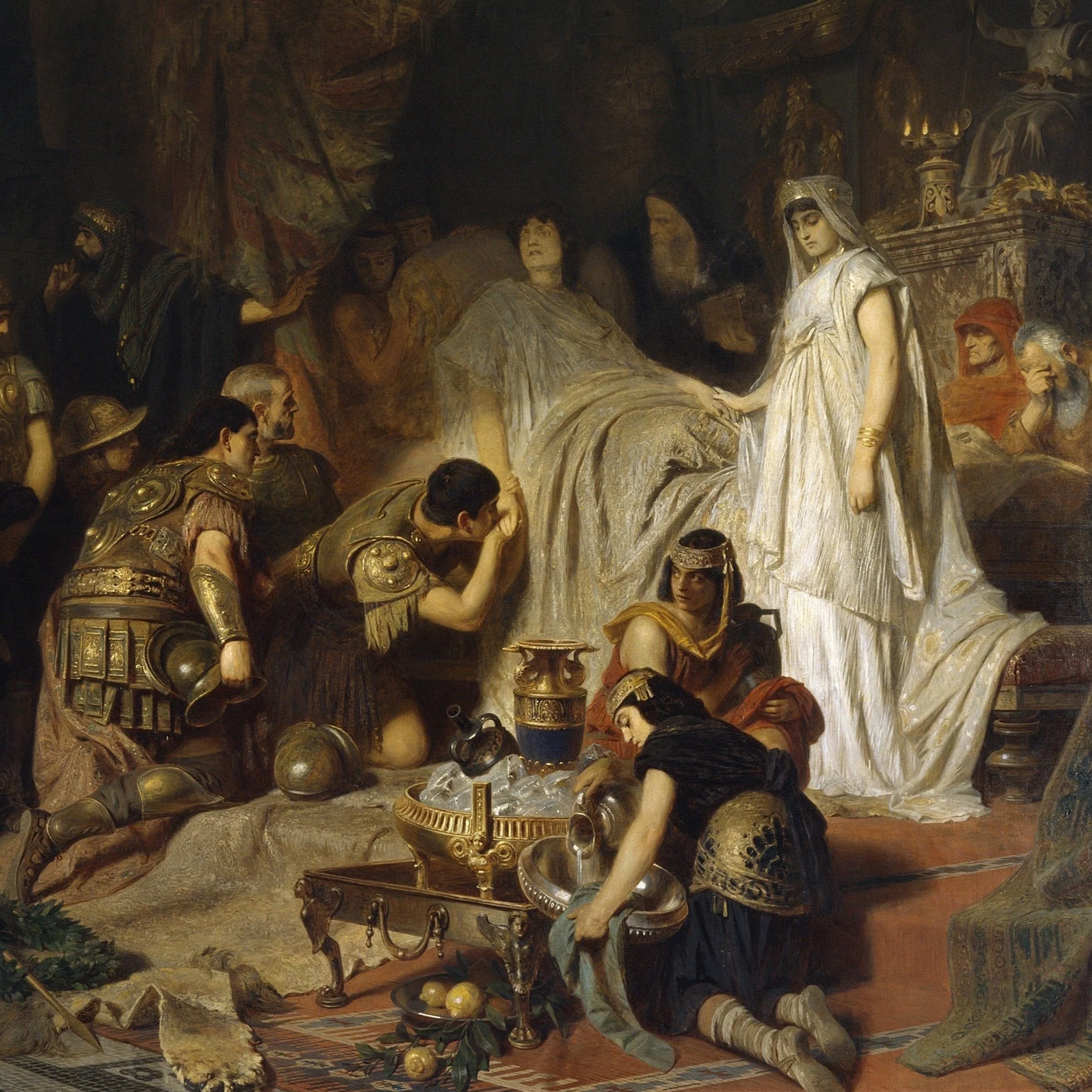
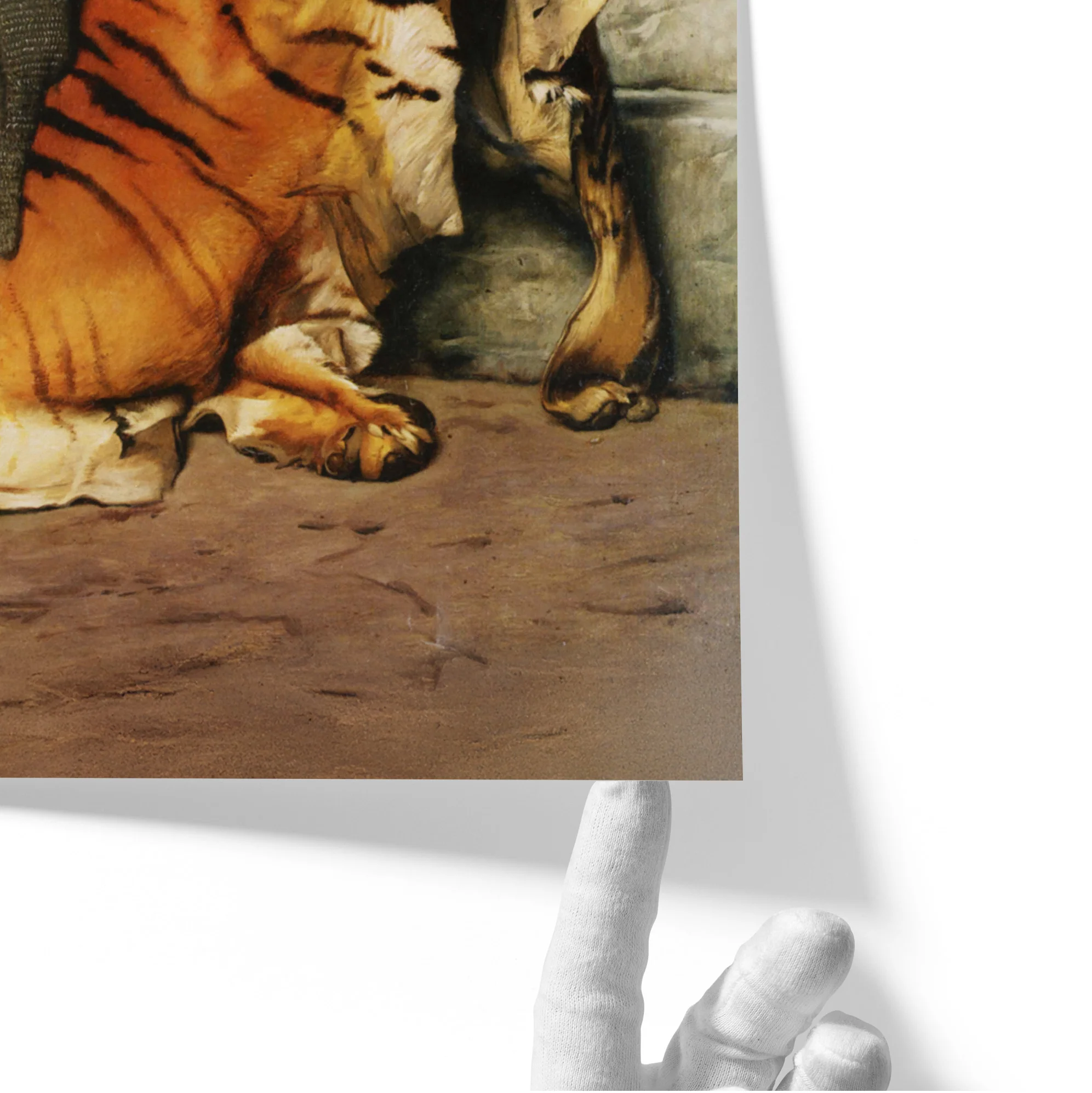
Jean-Léon Gérôme’s The Pelt Merchant (1869) is a striking example of his fascination with Orientalist themes, combining ethnographic detail with dramatic theatricality. The painting depicts a street scene where animal pelts—likely from big cats—are displayed before potential buyers, their lifelike quality rendered with Gérôme’s meticulous realism. The composition draws attention to the uneasy interplay between commerce and spectacle: the exotic skins are presented almost like trophies, evoking both luxury and violence. Gérôme’s mastery of texture is on full display, from the shimmering fur to the stone architecture, creating a vivid sense of place that catered to European audiences’ appetite for the “exotic East.” Yet beneath the surface lies a subtle tension, as the lifeless pelts serve as haunting reminders of conquest and domination, turning a simple market transaction into a scene that blurs the line between admiration, exploitation, and mortality.
The Pelt Merchant | Jean-Léon Gerôme | 1869
About the artwork:
Product Information
Product Information
Shipping & Returns
Shipping & Returns




The Pelt Merchant | Jean-Léon Gerôme | 1869
The Pelt Merchant | Jean-Léon Gerôme | 1869
About the artwork:
Select Select Size
Select Frame Options
From $89.35
Original: $297.82
-70%The Pelt Merchant | Jean-Léon Gerôme | 1869—
$297.82
$89.35Product Information
Product Information
Shipping & Returns
Shipping & Returns
Description
About the artwork: