The Questioner of the Sphinx | Elihu Vedder | 1863
About the artwork:
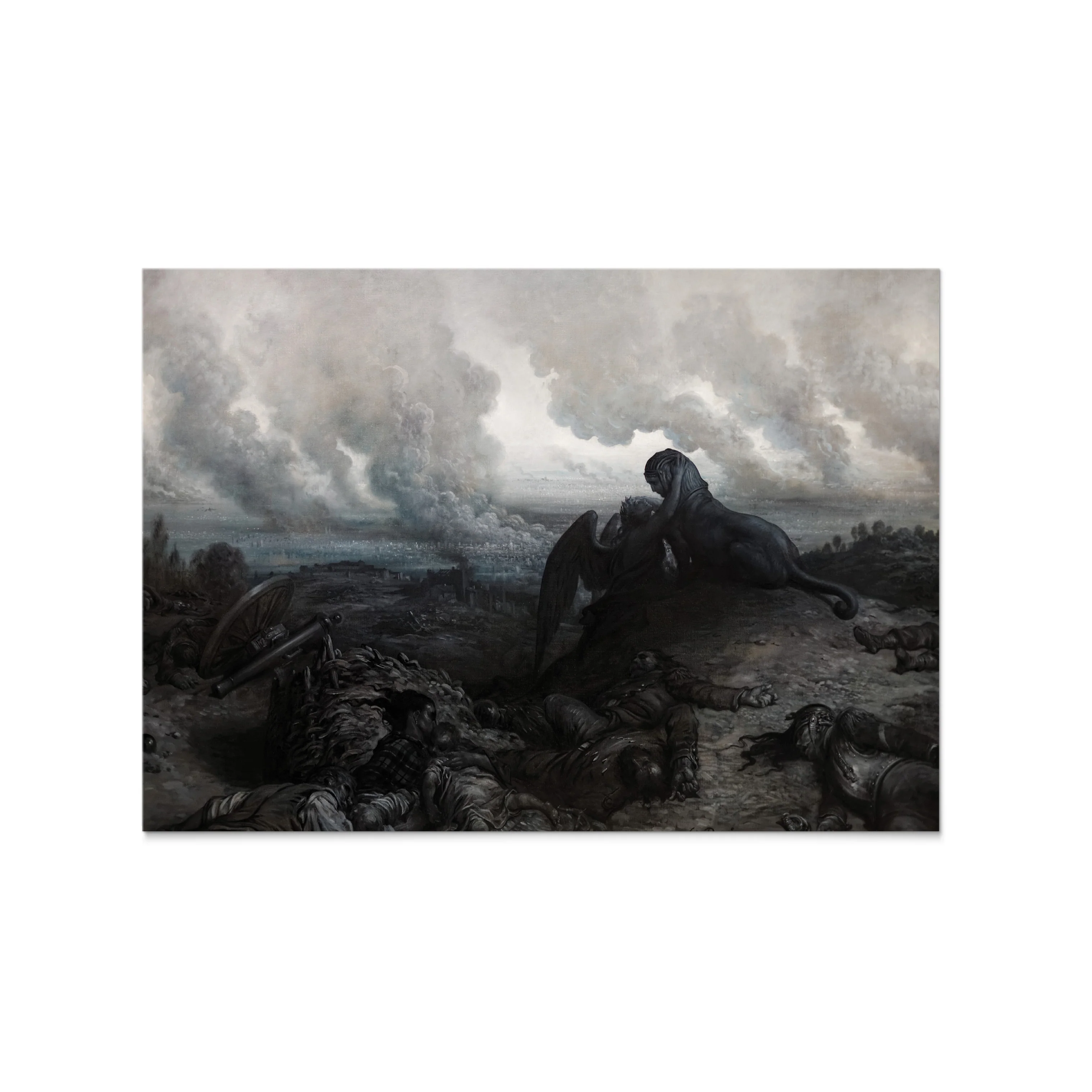
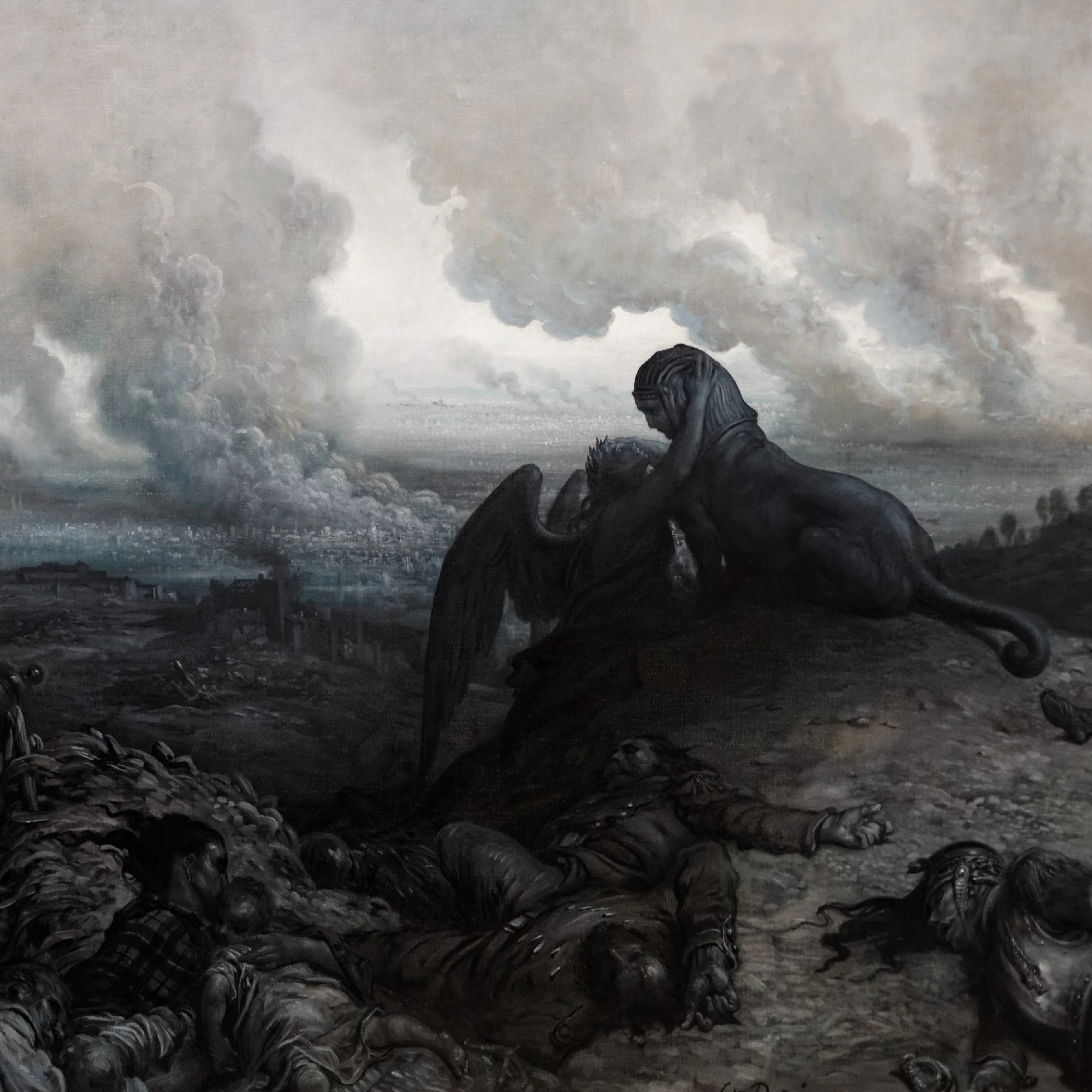
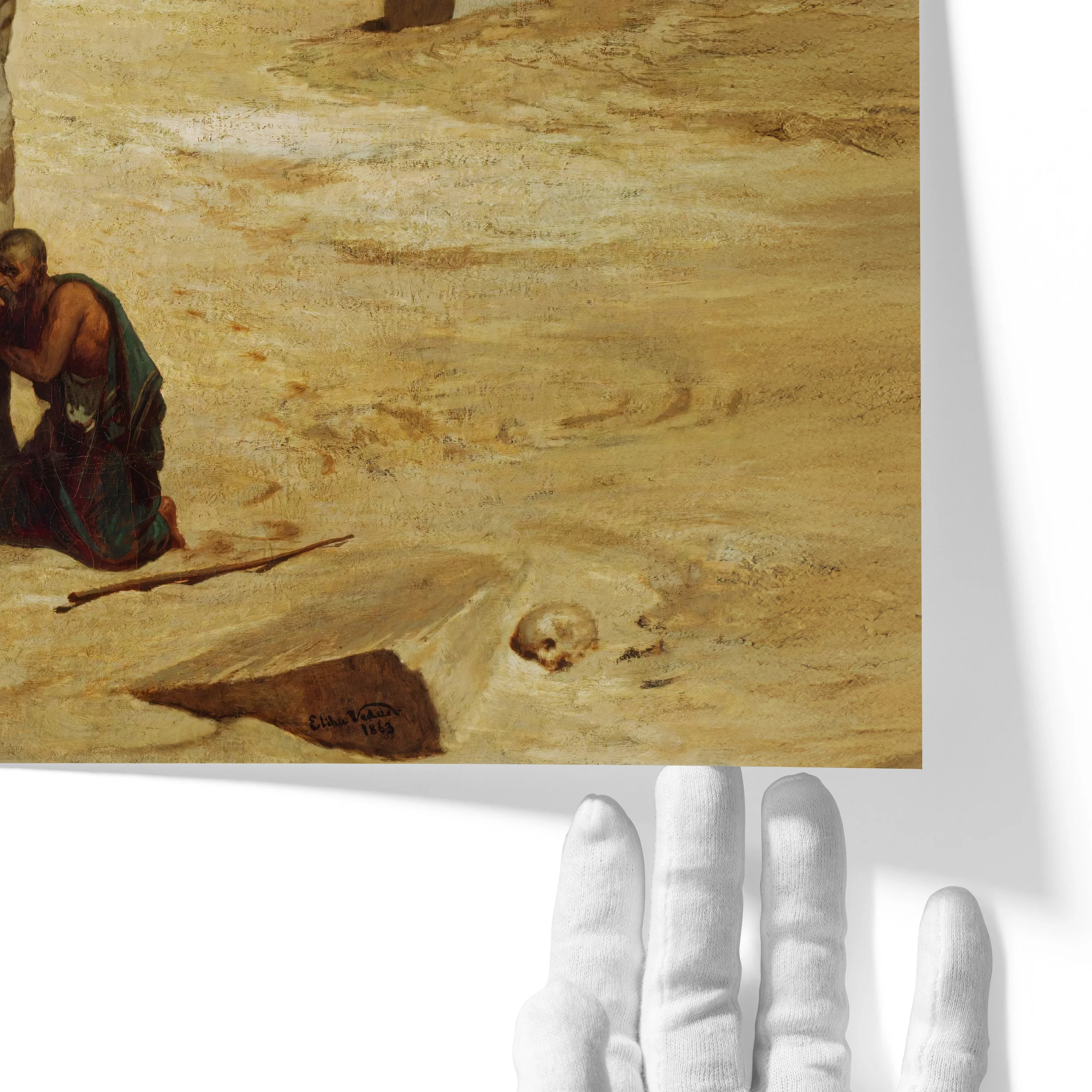
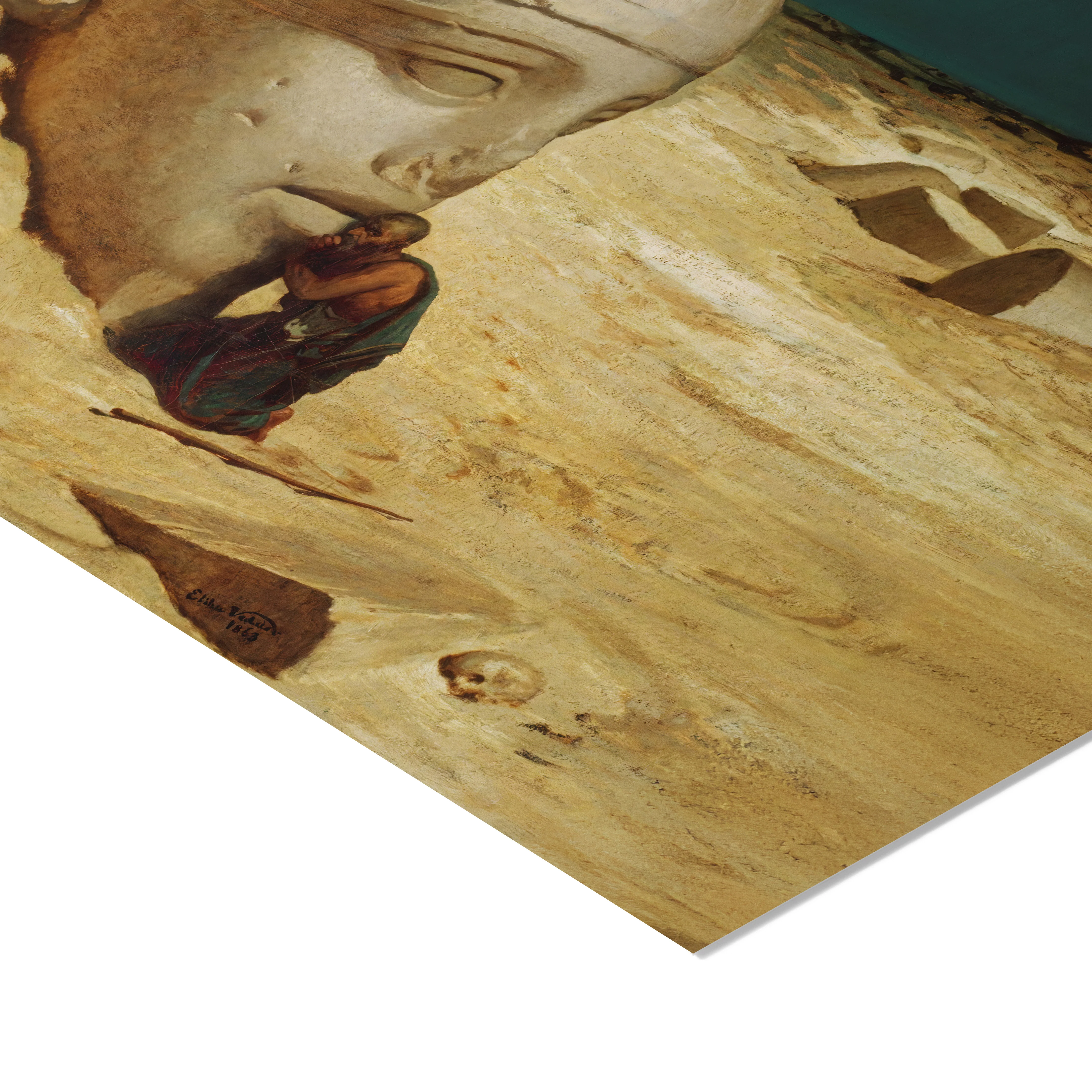
The Questioner of the Sphinx (1863) by Elihu Vedder is a haunting, symbolist meditation on the human quest for meaning. In this enigmatic scene, a lone, emaciated man confronts the ancient Sphinx in the desolate desert. The figure’s skeletal posture and tattered robes suggest both physical and spiritual exhaustion, as if he has wandered for eternity in search of answers. Vedder’s Sphinx, partially buried in sand and staring blankly into the void, offers no response—only eternal silence. This confrontation reflects the futility of trying to wrest cosmic truths from a universe that may be indifferent to our questions. With its muted palette and dreamlike emptiness, the painting evokes a timeless philosophical struggle: mankind’s desperate yearning to understand its place in a world that offers no easy answers.
Product Information
Product Information
Shipping & Returns
Shipping & Returns




The Questioner of the Sphinx | Elihu Vedder | 1863
The Questioner of the Sphinx | Elihu Vedder | 1863
About the artwork:
The Questioner of the Sphinx (1863) by Elihu Vedder is a haunting, symbolist meditation on the human quest for meaning. In this enigmatic scene, a lone, emaciated man confronts the ancient Sphinx in the desolate desert. The figure’s skeletal posture and tattered robes suggest both physical and spiritual exhaustion, as if he has wandered for eternity in search of answers. Vedder’s Sphinx, partially buried in sand and staring blankly into the void, offers no response—only eternal silence. This confrontation reflects the futility of trying to wrest cosmic truths from a universe that may be indifferent to our questions. With its muted palette and dreamlike emptiness, the painting evokes a timeless philosophical struggle: mankind’s desperate yearning to understand its place in a world that offers no easy answers.
Original: $297.82
-70%$297.82
$89.35Product Information
Product Information
Shipping & Returns
Shipping & Returns
Description
About the artwork:
The Questioner of the Sphinx (1863) by Elihu Vedder is a haunting, symbolist meditation on the human quest for meaning. In this enigmatic scene, a lone, emaciated man confronts the ancient Sphinx in the desolate desert. The figure’s skeletal posture and tattered robes suggest both physical and spiritual exhaustion, as if he has wandered for eternity in search of answers. Vedder’s Sphinx, partially buried in sand and staring blankly into the void, offers no response—only eternal silence. This confrontation reflects the futility of trying to wrest cosmic truths from a universe that may be indifferent to our questions. With its muted palette and dreamlike emptiness, the painting evokes a timeless philosophical struggle: mankind’s desperate yearning to understand its place in a world that offers no easy answers.