✨ New Arrivals Just Dropped!Explore
HomeStore

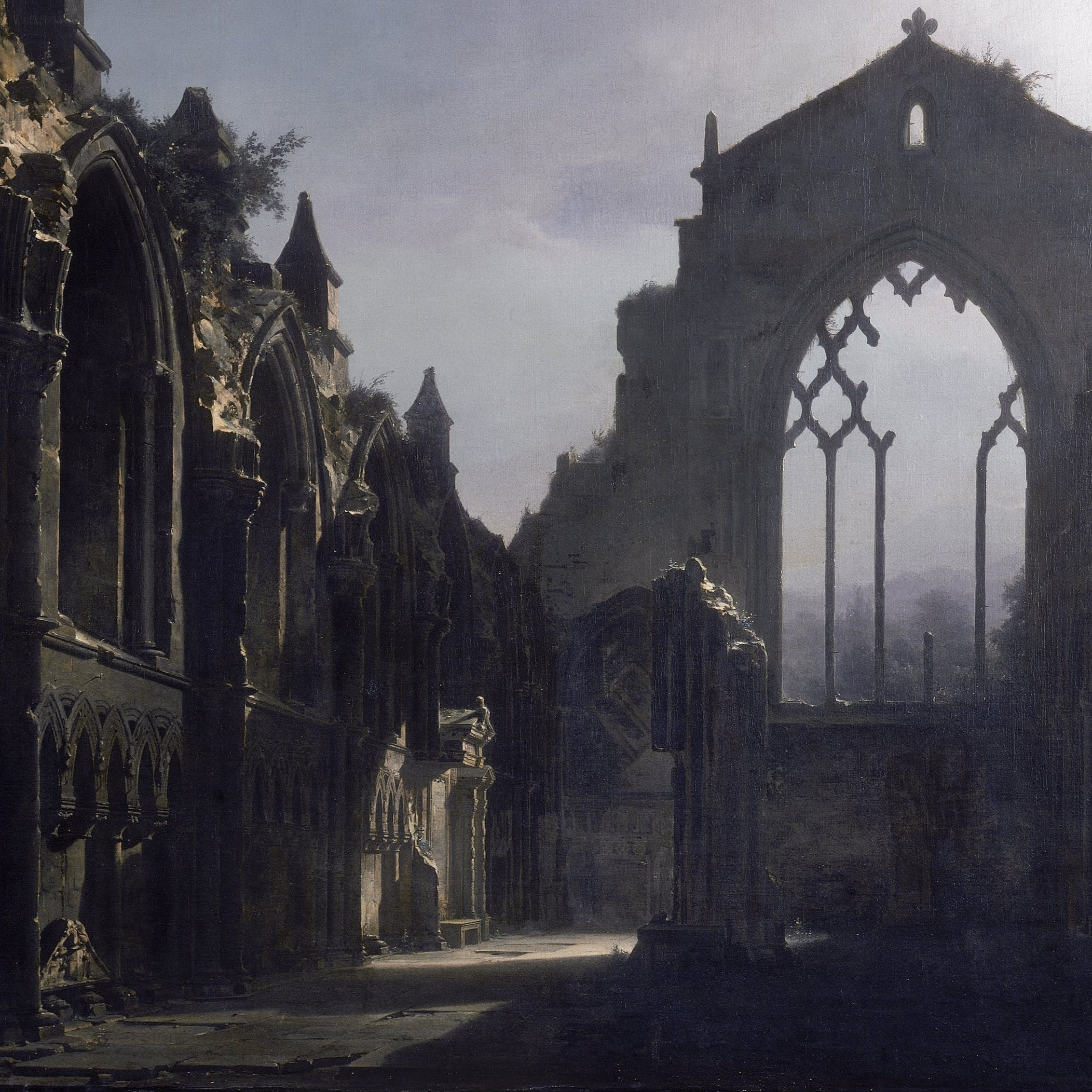
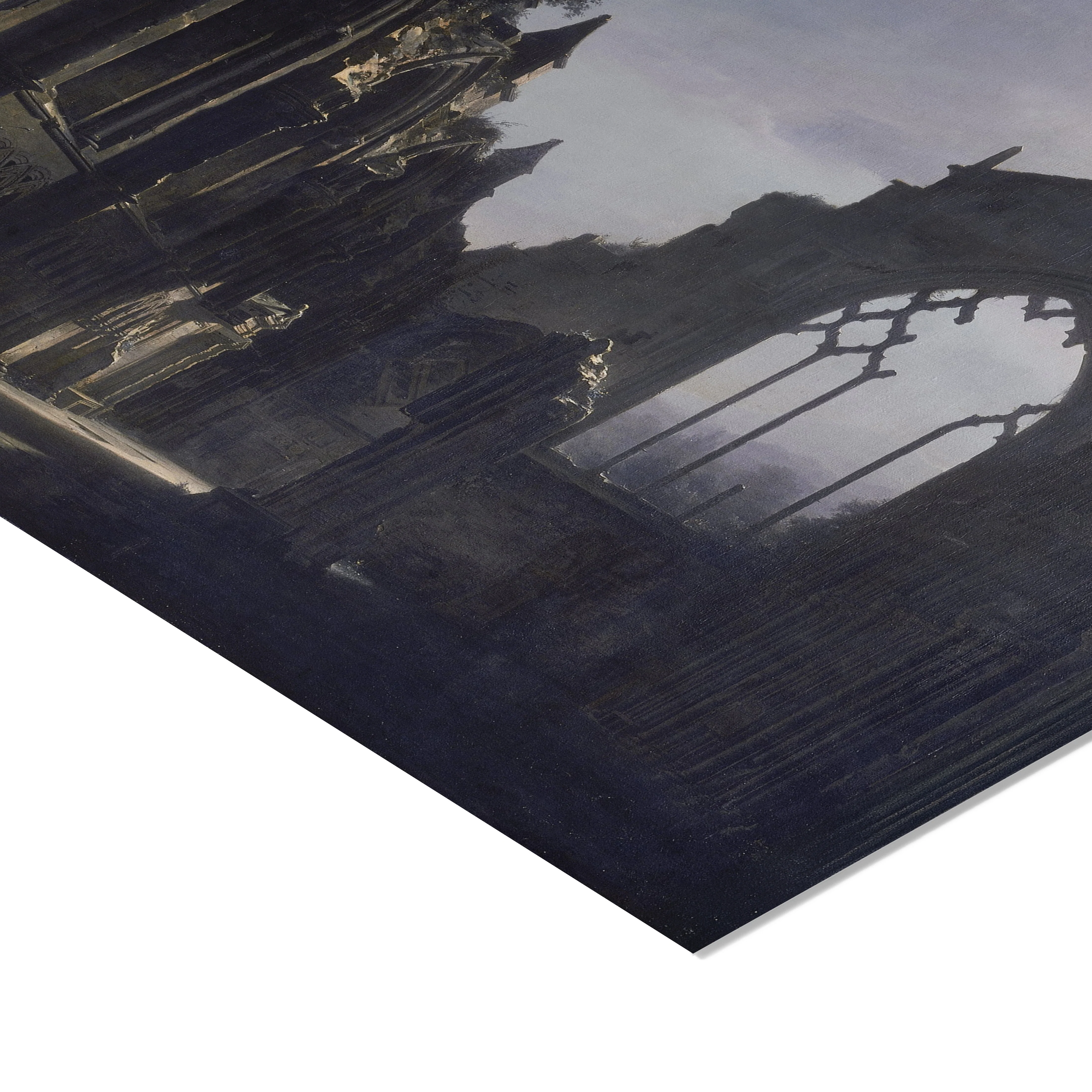
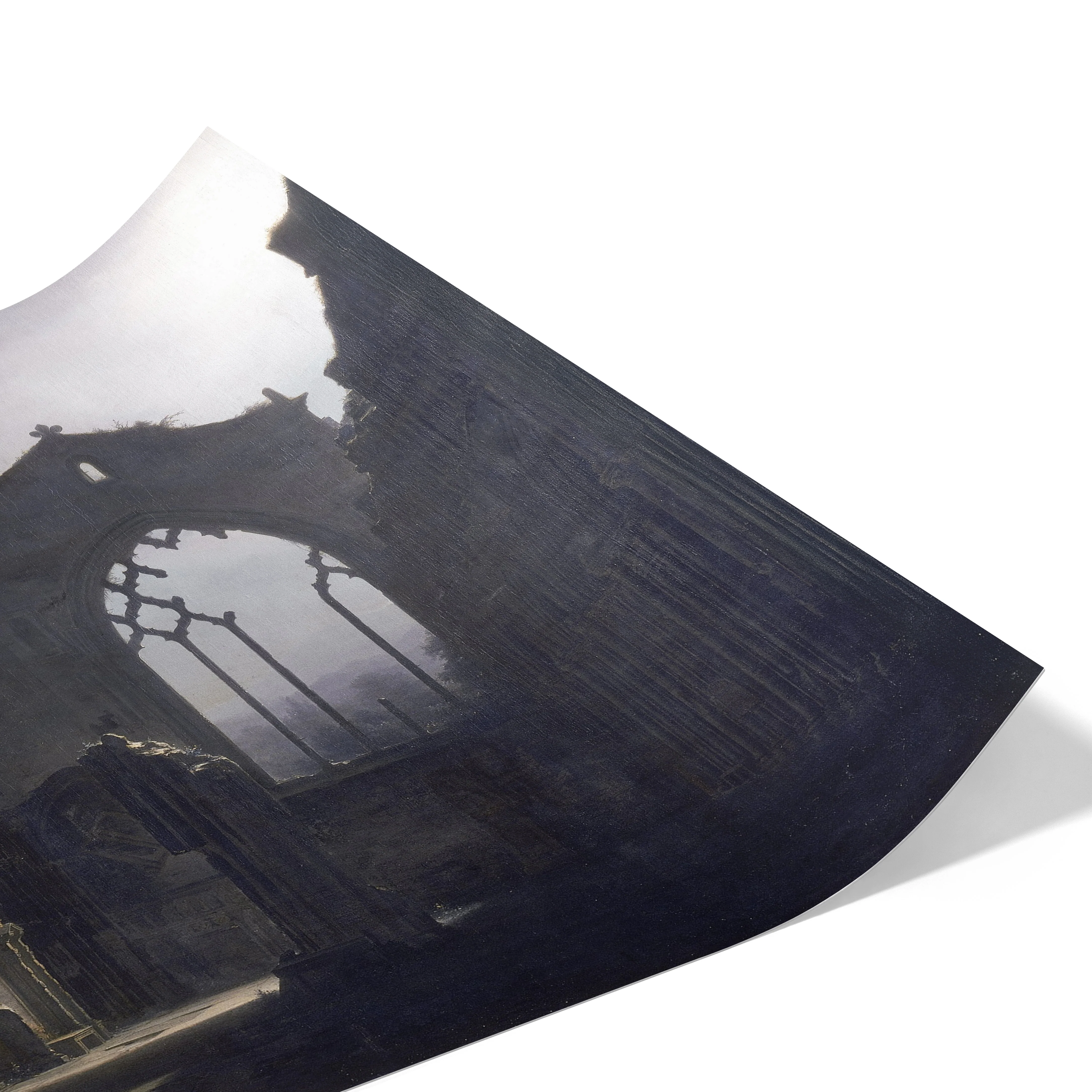
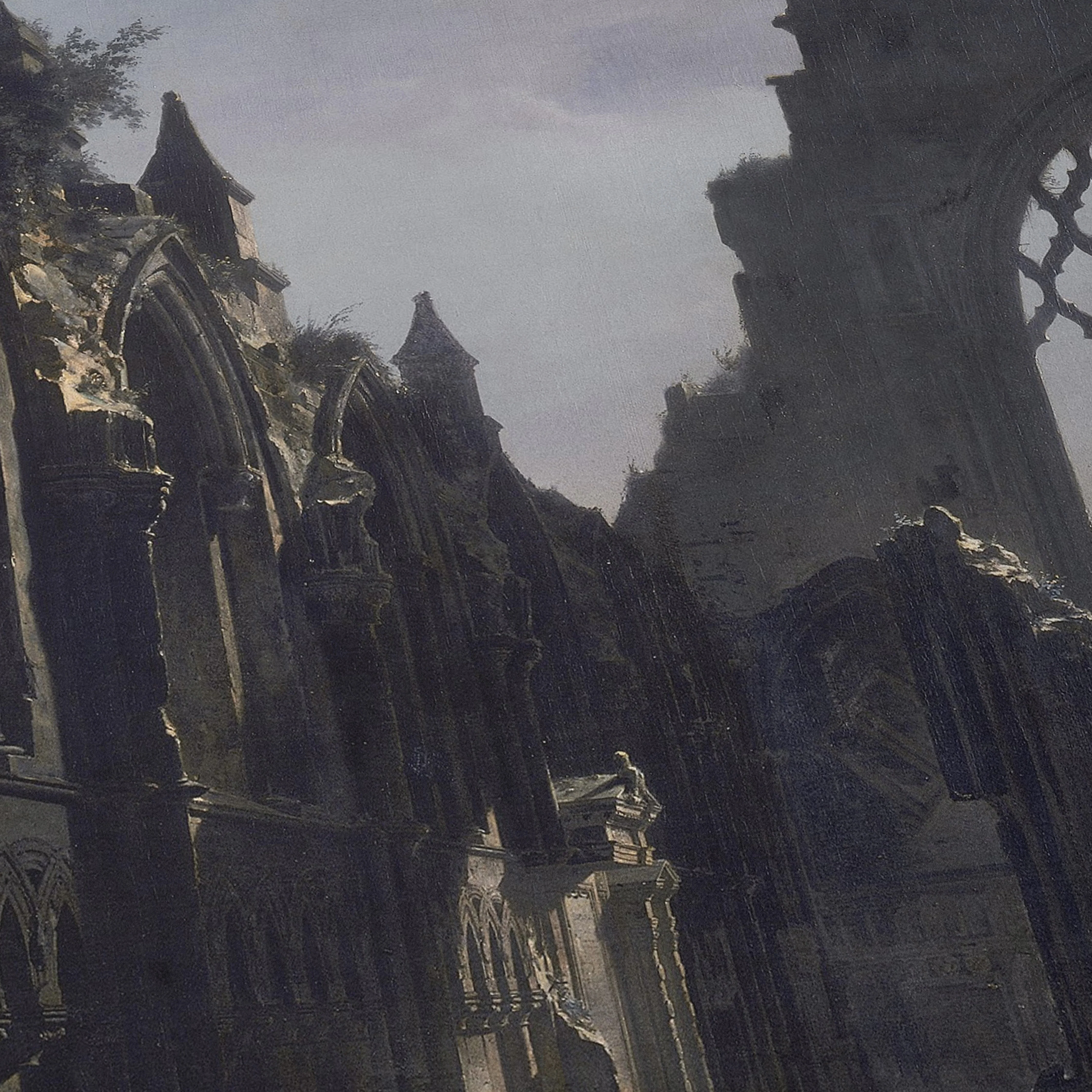
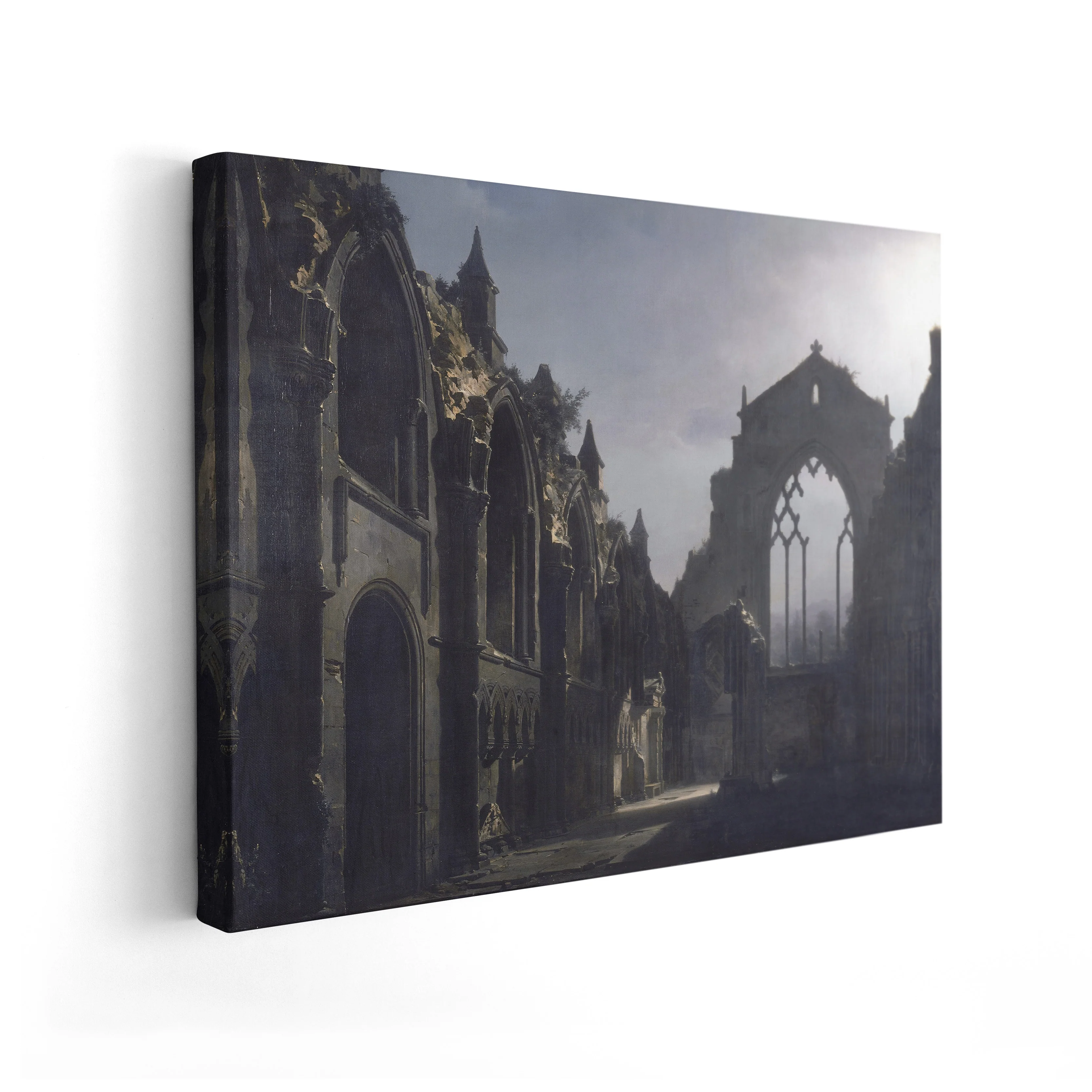
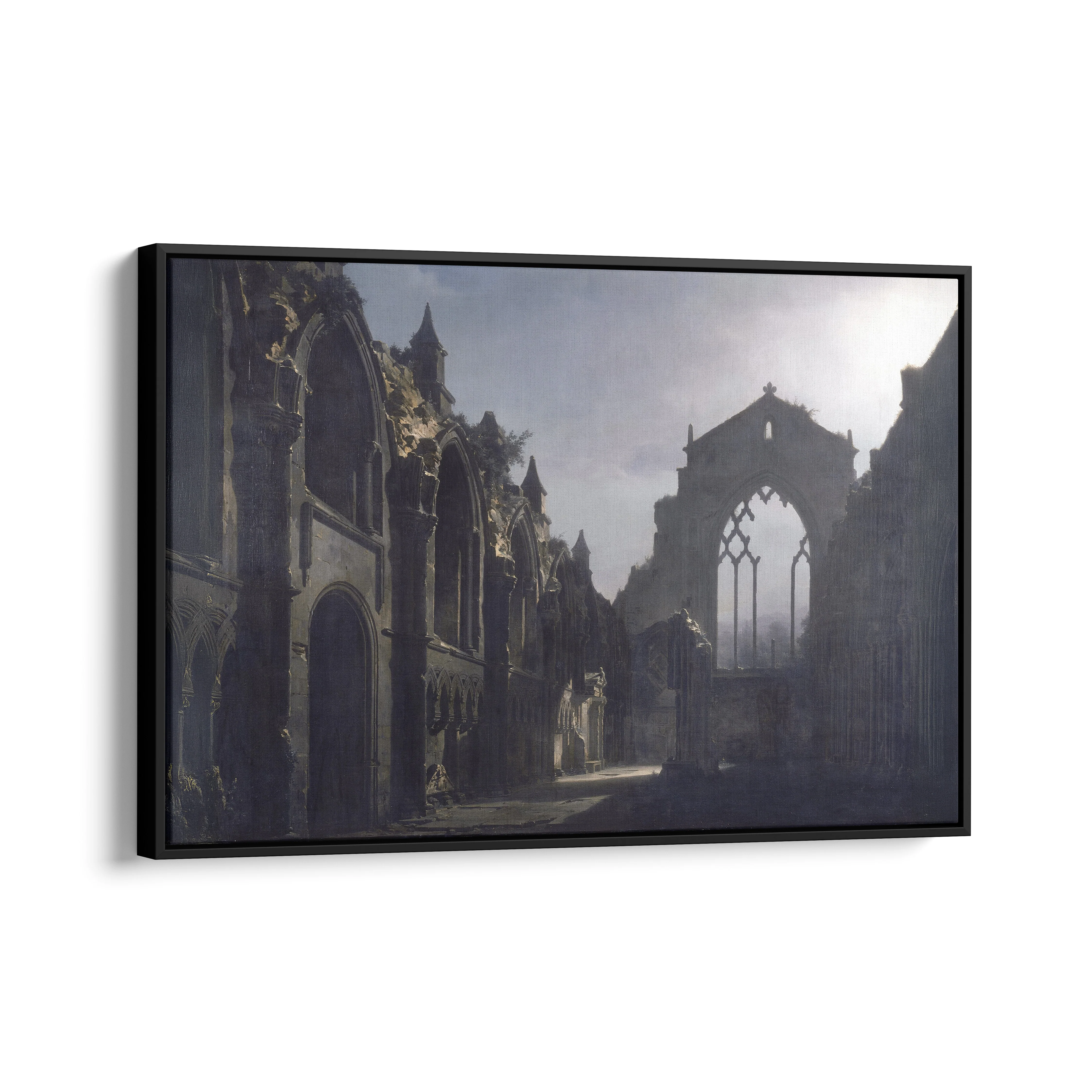
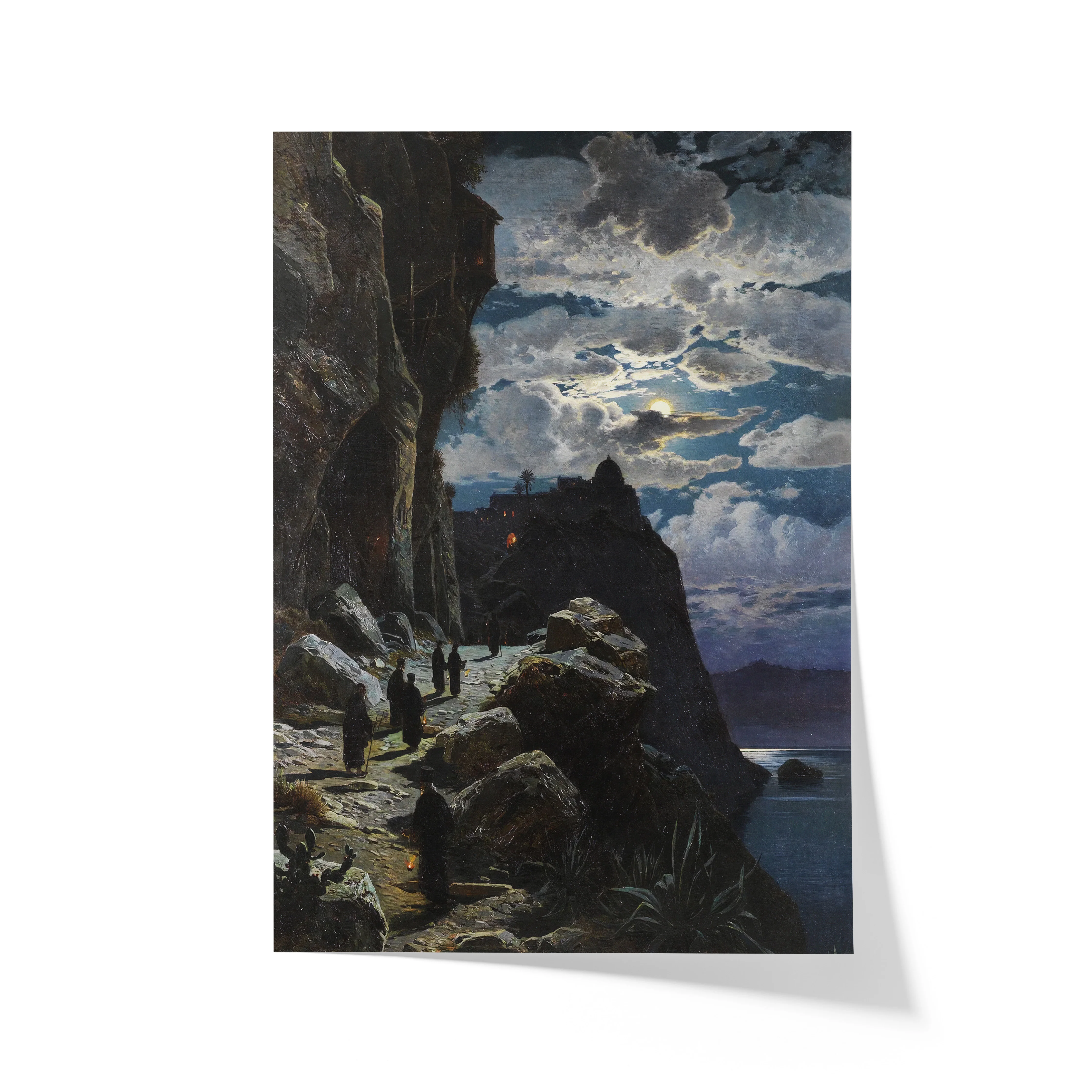
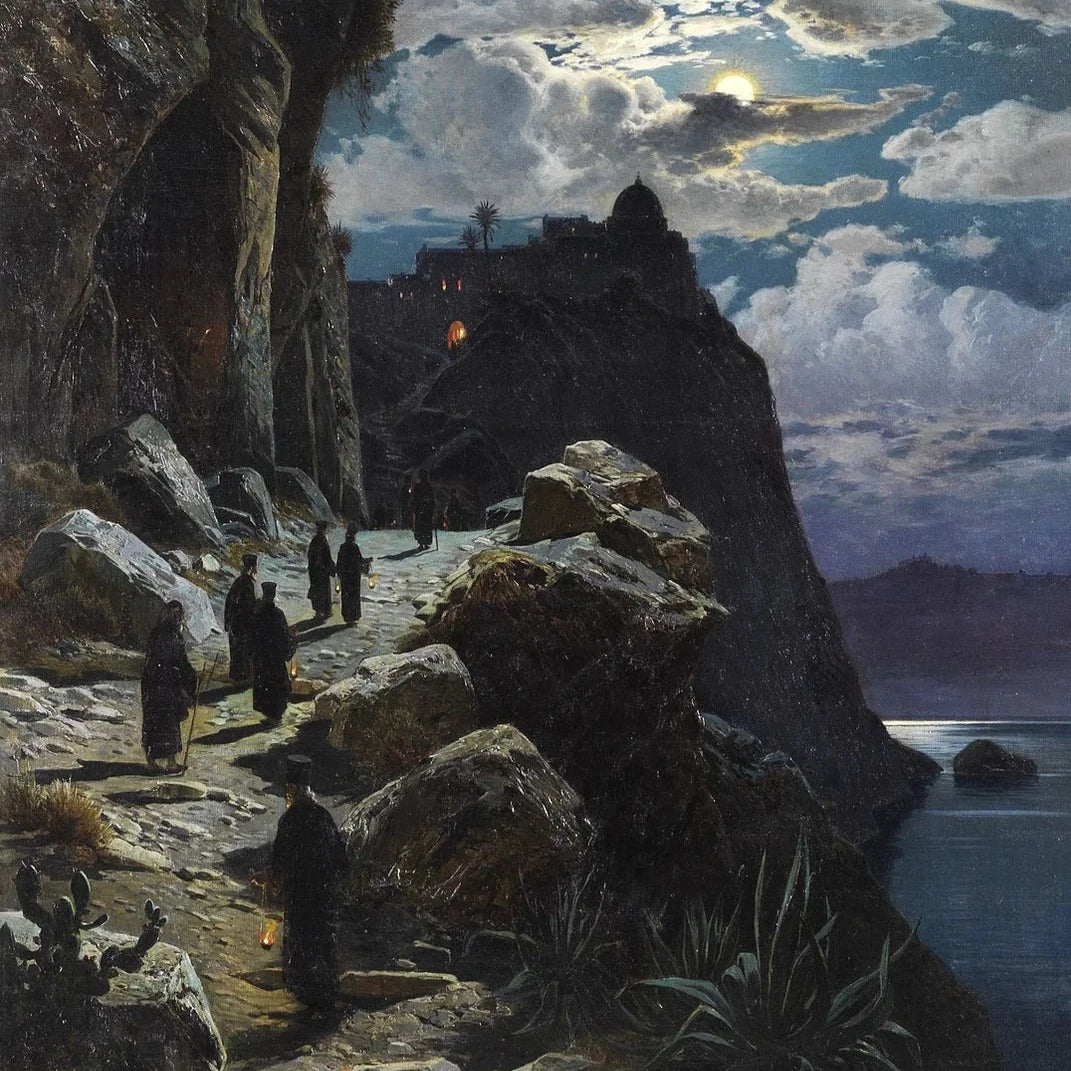
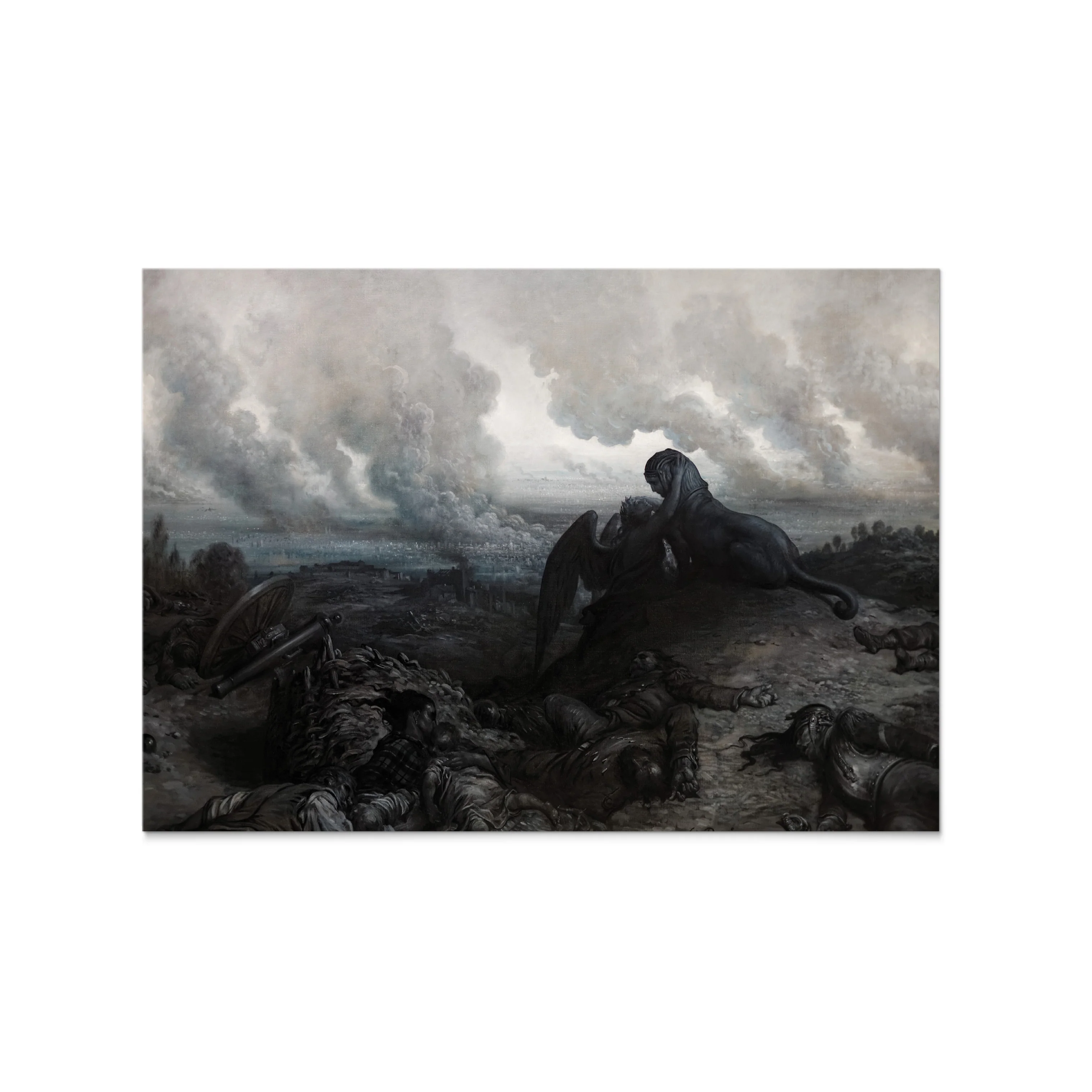
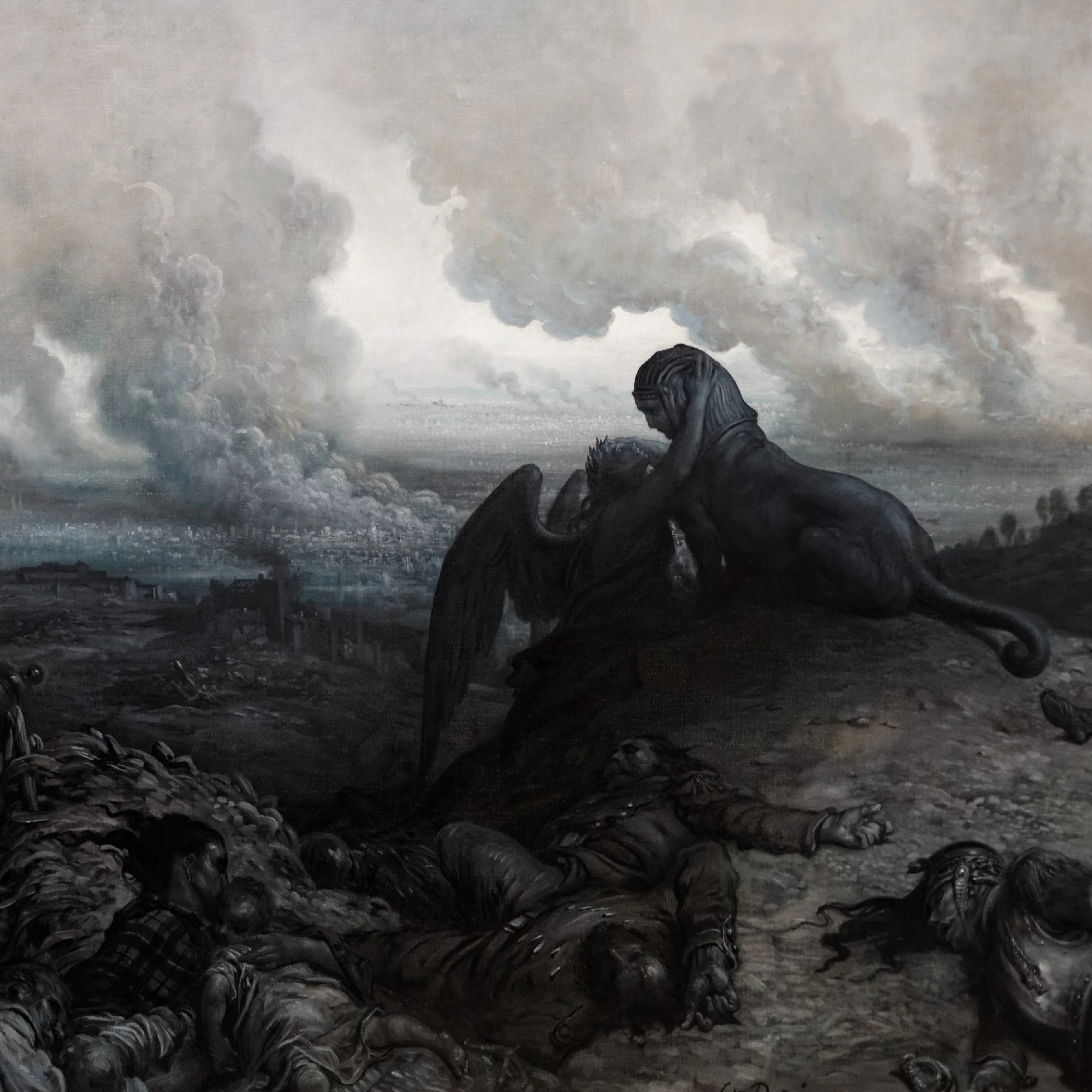
The Ruins of Holyrood Chapel | Louis Daguerre | c. 1824

Product image 1
Product image 2
Product image 3
Product image 4
Product image 5
Product image 6
Product image 7
Product image 8

The Ruins of Holyrood Chapel | Louis Daguerre | c. 1824

The Ruins of Holyrood Chapel | Louis Daguerre | c. 1824

About the artwork:

Louis Daguerre’s The Ruins of Holyrood Chapel (c. 1824) captures the haunting beauty of decay through a Romantic lens, transforming architectural ruin into a stage for light and atmosphere. The collapsed Gothic vaults and broken stone arches of the Scottish abbey are illuminated by a dramatic shaft of moonlight, which filters through the skeletal remains of the chapel and bathes the scene in an almost theatrical glow. Daguerre, who would later pioneer photography, demonstrates here his fascination with the interplay of light and shadow, using it to heighten both mystery and melancholy. The painting reflects the Romantic era’s fascination with ruins as symbols of the passage of time, human fragility, and the sublime power of nature reclaiming human achievement. In turning devastation into spectacle, Daguerre invites viewers to contemplate beauty within transience and the spiritual resonance of history lingering in ruins.

Select Select Size
Select Frame Options
From $89.35

Original: $297.82

-70%
The Ruins of Holyrood Chapel | Louis Daguerre | c. 1824

$297.82

$89.35

Product Information

Shipping & Returns

Description

About the artwork:
Louis Daguerre’s The Ruins of Holyrood Chapel (c. 1824) captures the haunting beauty of decay through a Romantic lens, transforming architectural ruin into a stage for light and atmosphere. The collapsed Gothic vaults and broken stone arches of the Scottish abbey are illuminated by a dramatic shaft of moonlight, which filters through the skeletal remains of the chapel and bathes the scene in an almost theatrical glow. Daguerre, who would later pioneer photography, demonstrates here his fascination with the interplay of light and shadow, using it to heighten both mystery and melancholy. The painting reflects the Romantic era’s fascination with ruins as symbols of the passage of time, human fragility, and the sublime power of nature reclaiming human achievement. In turning devastation into spectacle, Daguerre invites viewers to contemplate beauty within transience and the spiritual resonance of history lingering in ruins.