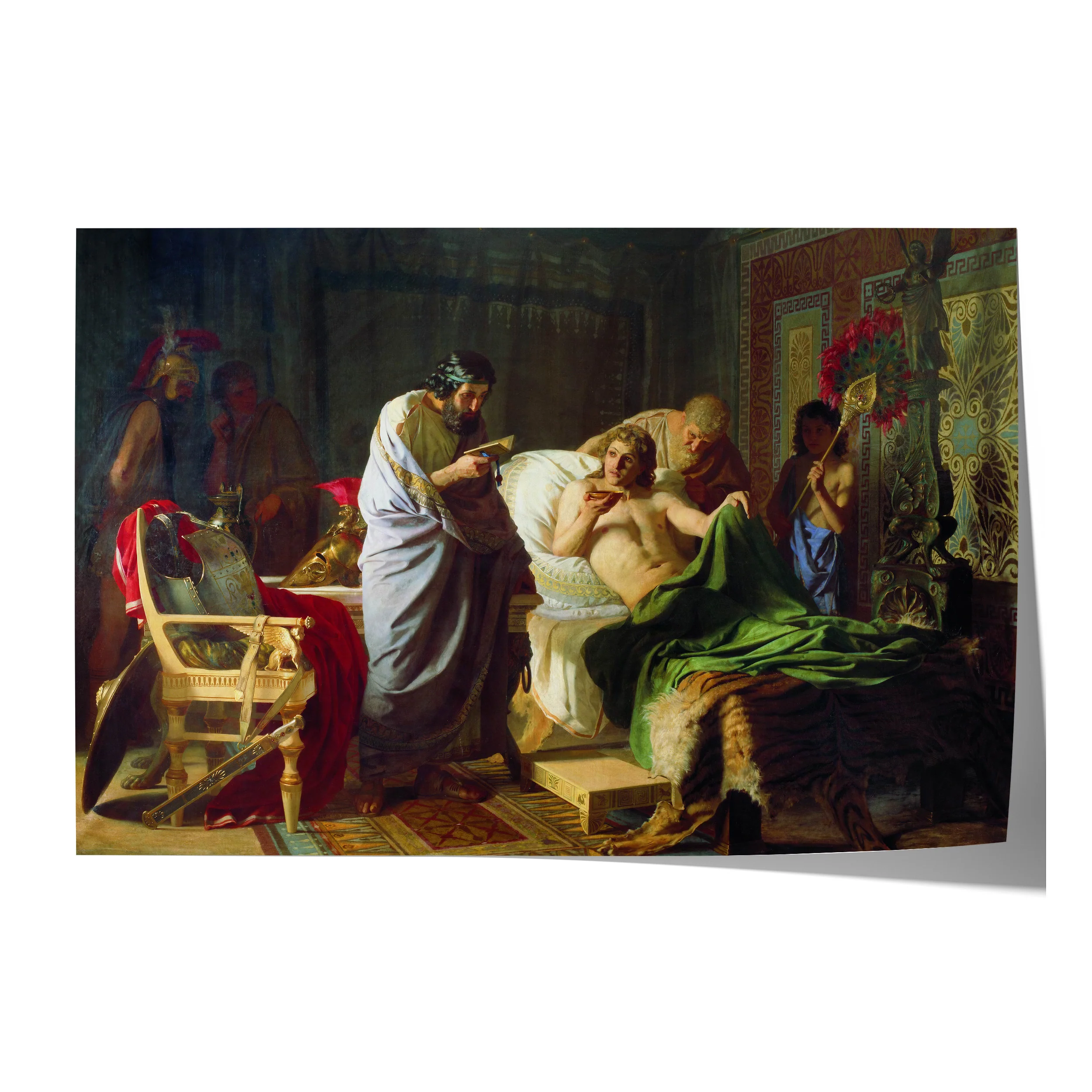
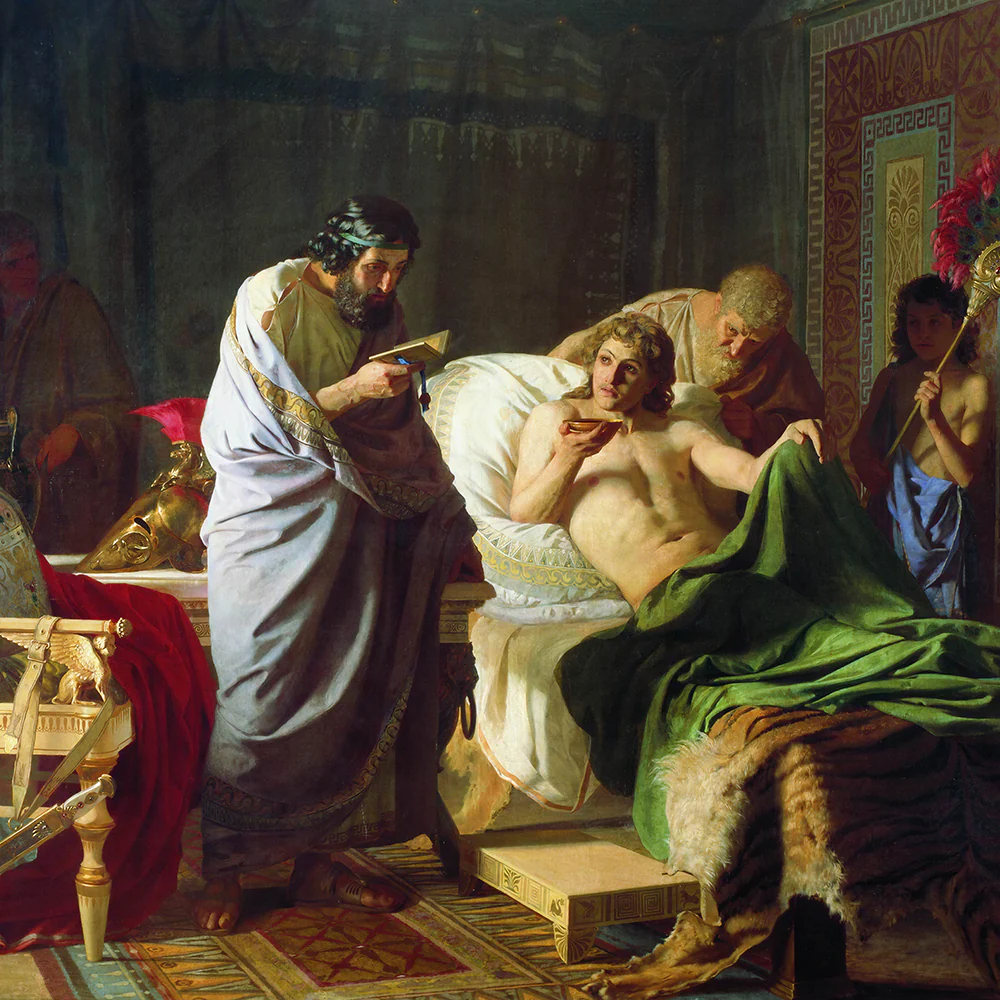
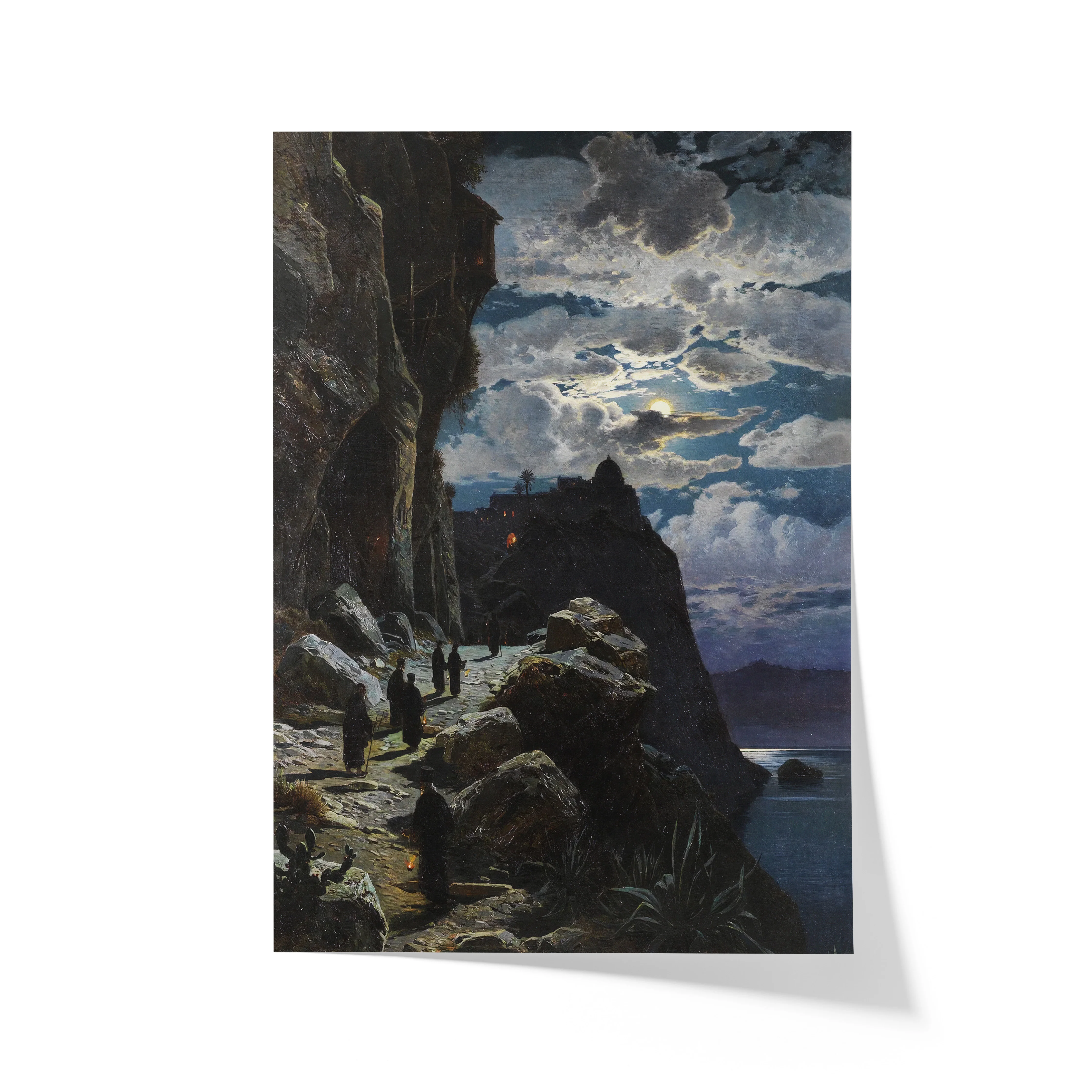
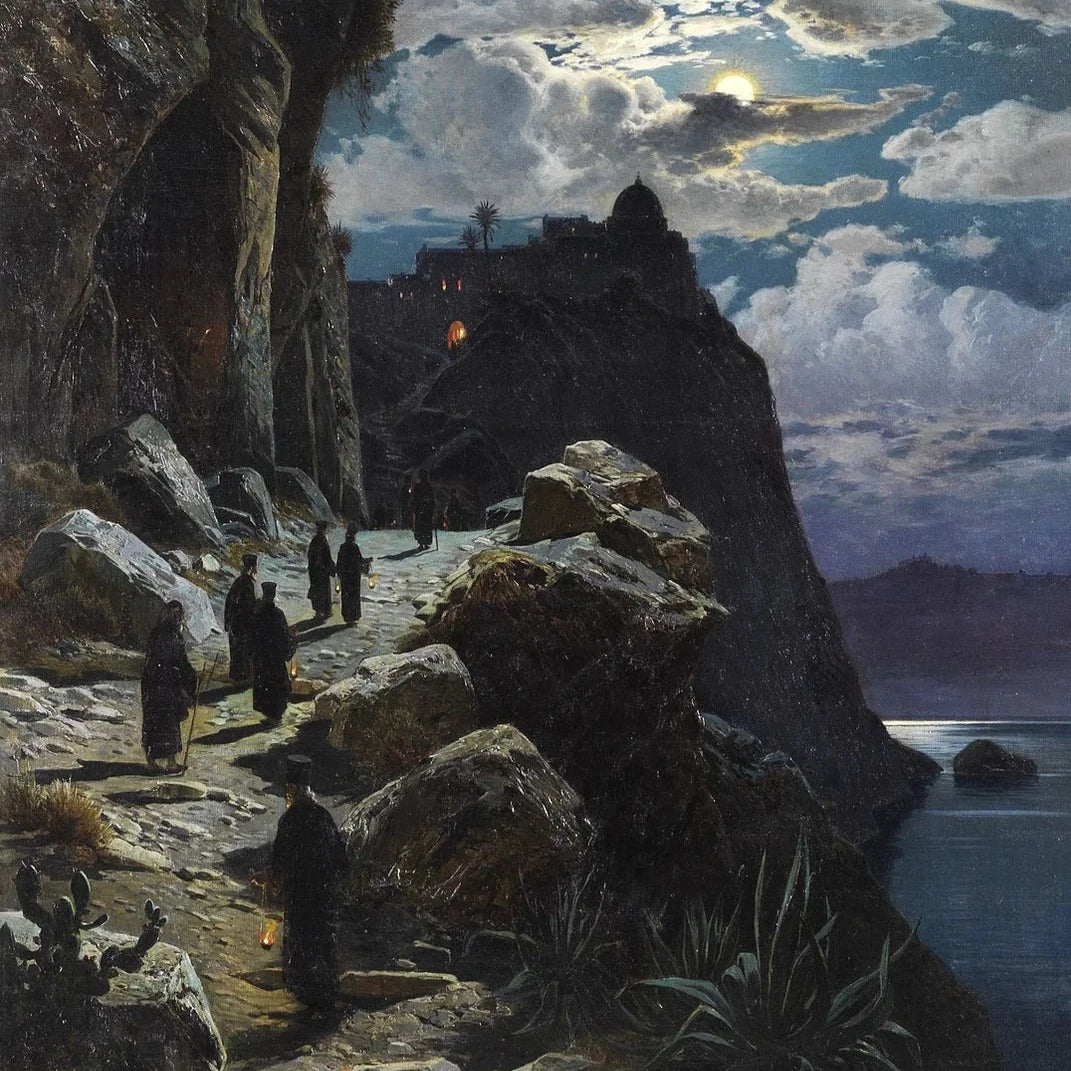
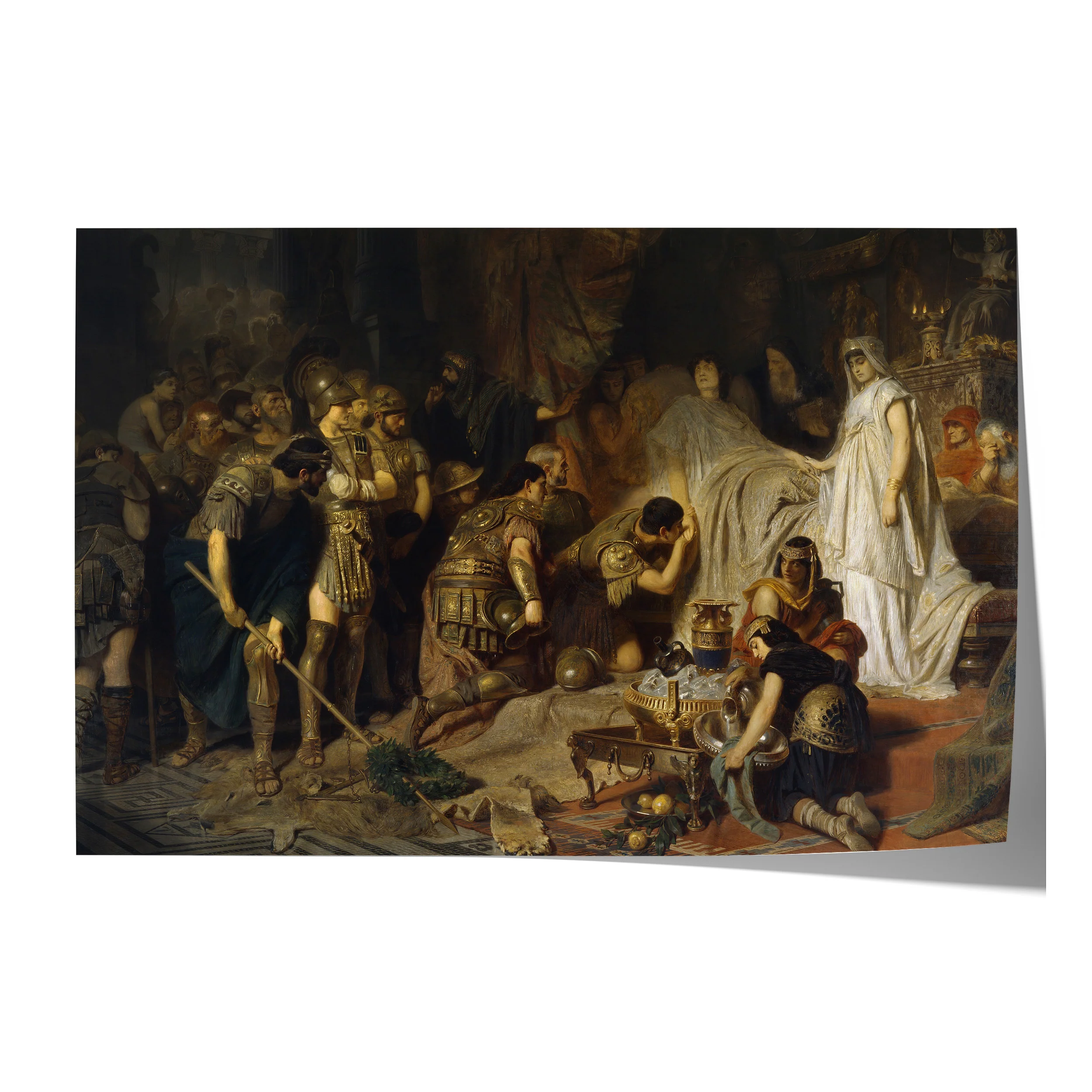
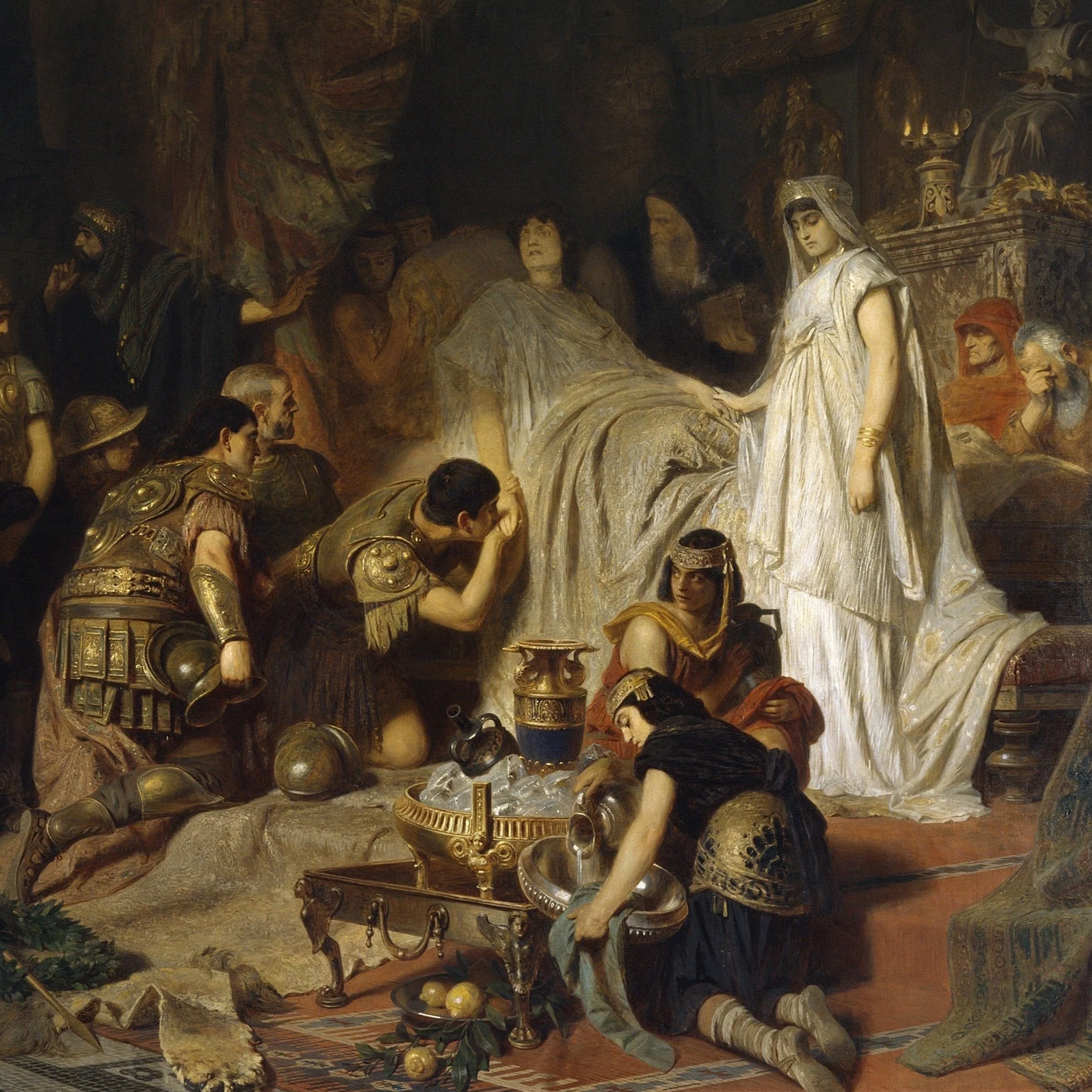
Heinrich Lossow’s 1880 painting The Sin (Die Versündigung) confronts viewers with a provocative and controversial vision of the infamous Banquet of Chestnuts, an alleged 1501 Vatican event associated with Cesare Borgia and the reputed moral corruption of the papal court, drawing on a single, debated account by Johann Burchard. In depicting intimate, forbidden acts between clergy and courtesans, Lossow does more than illustrate a scandal: he uses chiaroscuro and realistic detail to explore themes of temptation, hypocrisy, and the tension between virtue and vice, forcing the viewer to reckon with the disparity between religious ideals and human behavior. While the historical accuracy of the scene remains disputed, the painting’s bold handling of erotic and moral subject matter sparked significant outrage in its day and continues to provoke discussion about power, desire, and the role of art in challenging societal norms.
The Sin | Heinrich Lossow | 1880
About the artwork:
Product Information
Product Information
Shipping & Returns
Shipping & Returns


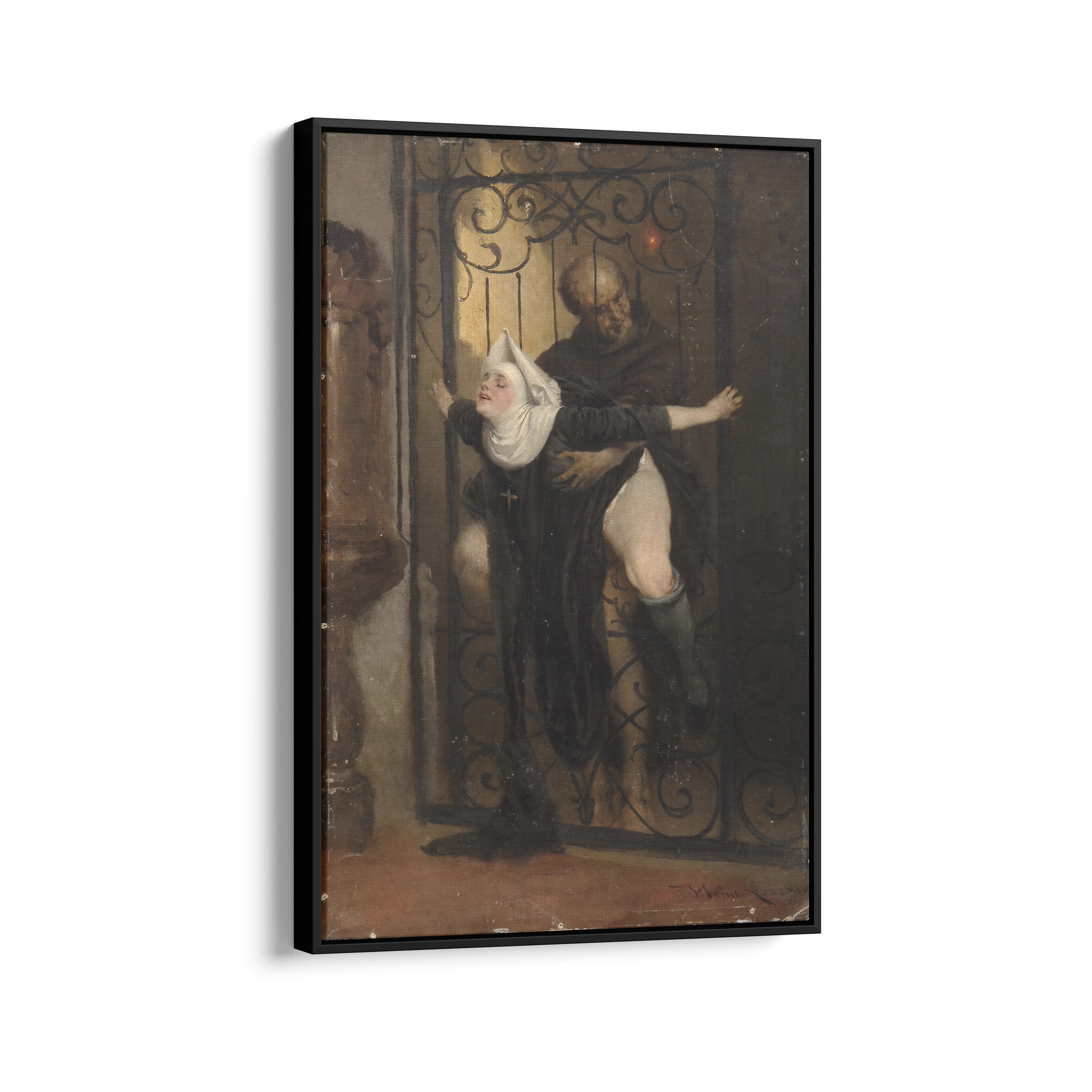
The Sin | Heinrich Lossow | 1880
The Sin | Heinrich Lossow | 1880
About the artwork:
Select Select Size
Select Frame Options
From $89.35
Original: $297.82
-70%The Sin | Heinrich Lossow | 1880—
$297.82
$89.35Product Information
Product Information
Shipping & Returns
Shipping & Returns
Description
About the artwork: